Norada Real Estate Investments

  • Home
  • Markets
  • Properties
  • Membership
  • Podcast
  • Learn
  • About
  • Contact

How to Find Off-Market Properties for Sale in 2026?

June 15, 2026 by Marco Santarelli

How to Find Off-Market Properties for Sale in 2026?

In 2026, finding off-market properties often means looking beyond the usual places. The smartest buyers are discovering that the best properties – the ones that haven't even hit the open market – are out there, waiting to be found. I've learned that by combining smart technology with good old-fashioned legwork and building relationships, you can uncover these hidden gems before anyone else even knows they're for sale.

It’s no secret that the housing market in 2026 is a bit of a puzzle. With fewer homes for sale and lots of people looking to buy, competition is fierce. Trying to find a good deal on websites where everyone else is looking is like trying to find a specific shiny pebble on a beach full of pebbles. You might get lucky, but it’s a long shot. That’s why I’m so excited about finding properties that aren’t listed anywhere. These are what we call “pocket deals,” and they can be fantastic opportunities.

How to Find Off-Market Properties for Sale in 2026?

Over the years, I've spent a lot of time figuring out the best ways to uncover these off-market properties. It’s not magic; it’s a strategy. It involves using tools that help us see patterns in data, reaching out directly to people who might be ready to sell, and building a network of people who can point us towards these deals. I'm going to share my blueprint with you, the stuff that really works, so you can start finding these hidden treasures too.

1. Get Smart with Technology and Data

Think of technology as your superpower for finding off-market homes. In 2026, there are amazing tools that use smart computer programs to help us. They can look through tons of information and tell us which homes might be for sale, even if the owner hasn't put up a sign.

  • AI That Predicts Who Wants to Sell: There are cool services that use artificial intelligence. They look at things like if someone is going through a divorce, if there’s been a death in the family, or if they owe a lot in taxes. These are often signs that someone might need or want to sell their house. The programs give these houses a “score” to show how likely they are to be sold. I’ve found that paying attention to these scores is a huge time-saver.
  • Big Property Databases: Imagine having a giant list of almost every property out there. Tools like PropStream or PropertyShark let you filter this list. You can find homes owned by people who don't live there (absentee owners), houses that people have owned for a really long time (like 15 years or more, meaning they probably have a lot of value built up), or homes that are close to being foreclosed on. These filters help me zero in on properties that are more likely to be available.
  • Checking How Homes Are Doing (Even from Afar): It sounds wild, but some tech can actually look at pictures of houses from space or from the street. It uses something called “computer vision” to spot if a house looks like it needs repairs – like a messy yard, broken windows, or a roof that looks bad. I’ve seen how this can quickly show me which houses might be owned by someone who isn't keeping up with them and might be willing to sell for the right price.

2. Reach Out Directly to Potential Sellers

Once the technology helps you find a list of houses that seem promising, you can’t just wait for the owners to call you. You have to be brave and reach out to them directly. This is where the real connection happens.

  • Sending Mail That Gets Noticed: Sending letters to homeowners is still a really effective way to get their attention, especially if they’re going through a tough time. What I’ve learned is that you can’t just send one letter. You need to send a series of letters over several months – maybe 6 to 12 months. And each letter should say something a little different, giving them different reasons why they might want to talk to you. It’s about being persistent and showing you're serious.
  • Finding Contact Info When You Need It: Sometimes, you’ll find a house that looks great, but it’s owned by a company (an LLC) or someone who lives far away. That’s where “skip tracing” comes in. Many of those data tools I mentioned have built-in skip tracing. It’s like a detective service that instantly finds the actual phone numbers and email addresses of the owners. This way, I can contact them no matter where they are.

3. Make “Driving for Dollars” High-Tech

Going around town and looking for houses that need some love is an old trick, but in 2026, we can do it even better. This physical search is fantastic for finding homes that are visibly neglected, and you can often beat out other buyers because you’re seeing problems before anyone else.

  • Spotting the “Red Flags”: When I drive around, I’m always looking for signs that a house might be neglected. Things like grass that’s way too long, windows that are boarded up, or even a roof that looks like it’s seen better days. These are clear indicators that the owner might not be living there or might be having trouble taking care of the property.
  • Instant Tracking with Apps: Now, there are apps specifically for this. You can be driving, spot a house that looks like a potential deal, and use your phone to mark its exact spot on a map. The app can then help you quickly find the owner’s information and even start sending them a mailer or a text message right away. It turns a simple drive into a powerful lead-generation tool. I find this immediate action is key.

4. Build a Team of Deal Finders

Some of the best deals are never advertised. They change hands quietly through people who know people. Building strong relationships in the real estate world can open doors to these hidden opportunities.

  • Agents Who Handle Tricky Properties: Instead of just asking real estate agents for homes already listed, I look for agents who deal with properties that are hard to sell or take up a lot of their time. These might be houses with complicated ownership, major repair needs, or owners who are stressed. If I can show these agents I can quickly buy these properties, maybe even with cash, they’re happy to let me know about them before they hit the market.
  • Wholesalers: The Deal Sourcing Experts: Professional real estate wholesalers are fantastic partners. Their whole job is to find off-market properties, get them under contract, and then sell that contract to someone like me. They do the heavy lifting of finding the seller and negotiating the deal, and I get access to properties that I might never have found on my own. It’s a win-win.
  • Connect with People in the Know: I also make it a point to get to know contractors, property managers, and especially probate attorneys. These professionals often hear about people who are facing financial difficulties, going through legal issues like probate (when someone passes away and their property needs to be sold), or dealing with other situations that might lead them to sell their home quickly. They are often the first to know when a property might become available.

5. Explore Special Places to Buy

There are certain websites and events that are specifically for properties that aren’t listed in the usual way. These places are goldmines for off-market deals.

  • Marketplaces Just for Investors: You can find online platforms that are dedicated to properties that aren't on the big real estate sites. Sites like Mashvisor's Property Marketplace allow you to search for these unlisted properties and even contact the owners directly. It's another great way to get a jump on the competition.
  • Auctions: Fast and Focused: Foreclosure auctions are a direct way to buy properties that are being sold because the owner couldn't pay their mortgage. There are online auction sites, and you can also attend auctions at the courthouse. You need to be prepared, though, because these sales often require a significant down payment right away, and you usually have to pay the rest of the money very quickly, often within a day or two. It’s not for the faint of heart, but you can find some incredible deals.

Finding off-market properties in 2026 is all about being proactive, smart, and connected. It takes more effort than just browsing Zillow, but the rewards – finding great homes at better prices – are definitely worth it. I’ve seen firsthand how these strategies can lead to some of the best deals imaginable, and I’m confident that by applying them, you can too.
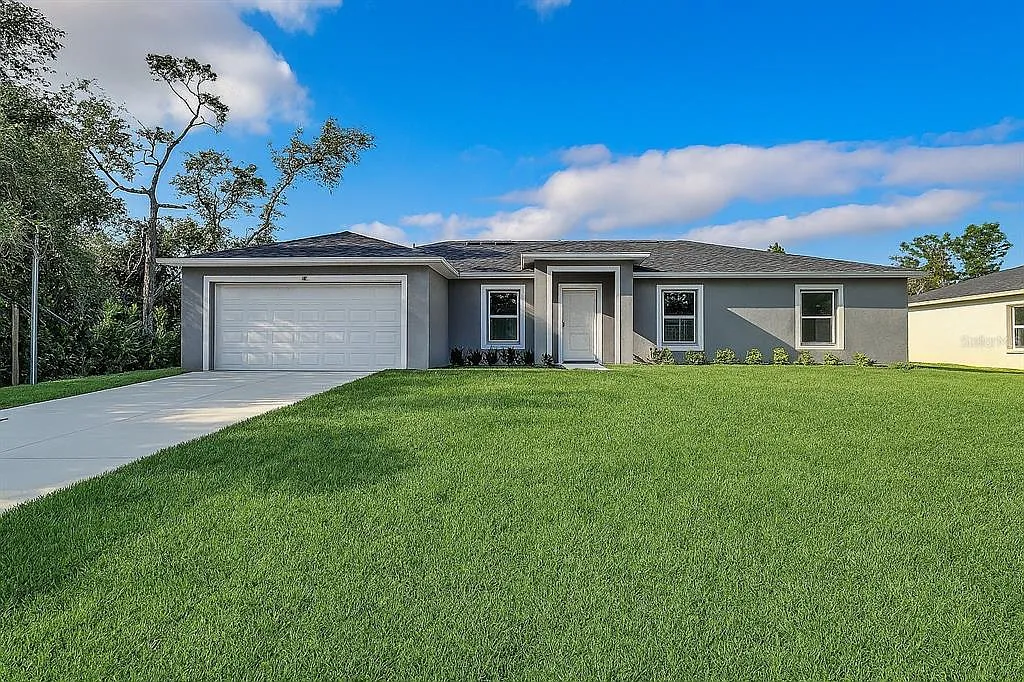
🏡 off-market Investment properties for sale

Ribbon Ln Property
Franklin, TN
🏠 Property: Ribbon Ln
🛏️ Beds/Baths: 2 Bed • 2.5 Bath • 1662 sqft
💰 Price: $569,999 | Rent: $3,000
📊 Cap Rate: 5.1% | NOI: $2,415
📅 Year Built: 2022
📐 Price/Sq Ft: $343
🏙️ Neighborhood: A-

VS

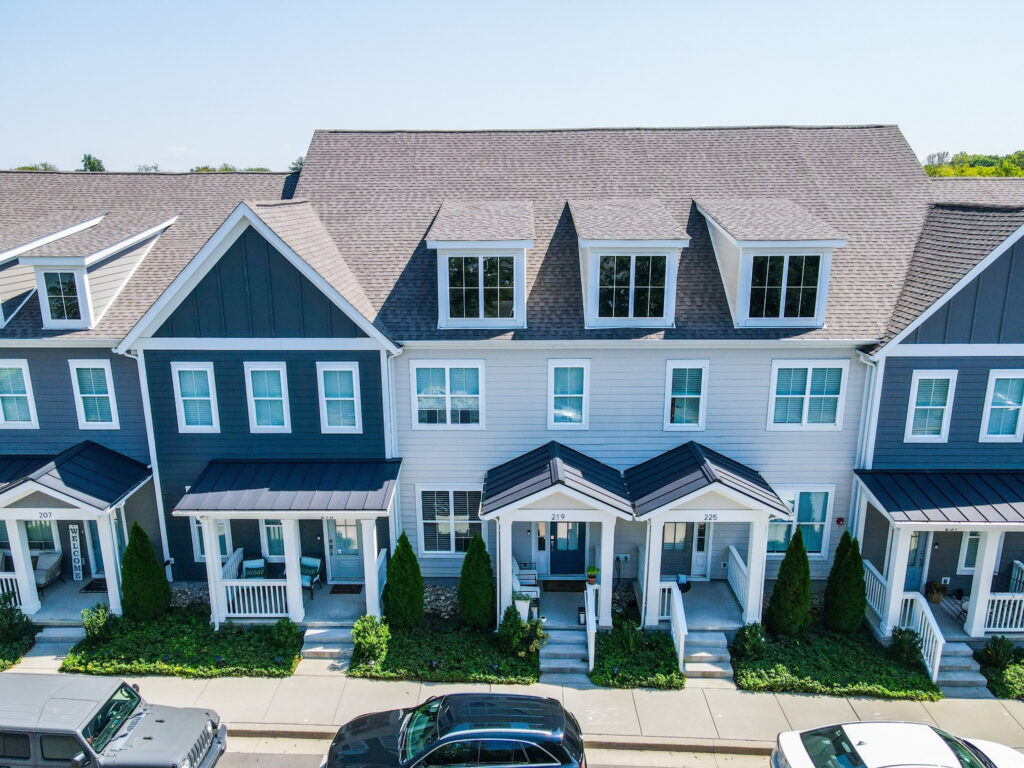
Chamberlain Blvd Property
Port Charlotte, FL
🏠 Property: Chamberlain Blvd
🛏️ Beds/Baths: 4 Bed • 2 Bath • 1617 sqft
💰 Price: $274,900 | Rent: $1,845
📊 Cap Rate: 5.4% | NOI: $1,231
📅 Year Built: 2023
📐 Price/Sq Ft: $171
🏙️ Neighborhood: A+

Out‑of‑State investors can compare Tennessee’s newer rental with higher NOI vs Florida’s A+ property with strong yield. Which fits YOUR investment strategy?

We have much more inventory available than what you see on our website – Let us know about your requirement.

📈 Choose Your Winner & Contact Us Today!

Speak to a Norada Investment Counselor (No Obligation):

(800) 611-3060

View All Properties

Want Stronger Returns? Invest Where the Housing Market’s Growing

In 2026, select U.S. cities are projected to see surging demand, rising rents, and appreciation—creating prime opportunities for investors seeking passive income and long‑term wealth.

Work with Norada Real Estate to find stable, cash-flowing markets beyond the bubble zones—so you can build wealth without the risks of ultra-competitive areas.

🔥 HOT INVESTMENT LISTINGS JUST ADDED! 🔥
Talk to a Norada Investment Counselor (No Obligation):
(800) 611-3060

Get Started Now

Recommended Read:

  • Best Cities to Buy a House in 2026 Where Affordability Meets Growth
  • Best Cities to Invest in Real Estate in 2026 for Strong ROI Potential
  • 20 Best U.S. Cities to Invest in Real Estate in 2026
  • Best Cities for Turnkey Real Estate Investment in 2026
  • Top Markets for Out-of-State Real Estate Investing in 2026
  • Best Cities to Buy Investment Properties in 2026
  • Best Cities to Buy Multi-Family Homes for Investment in 2026
  • Best Cities to Buy Real Estate for Investment in 2026
  • 10 Cities With the Highest Demand for Rental Properties in 2026
  • 20 Cheapest States to Buy a House in 2026
  • Best States to Buy a House in 2026
  • Best Cities to Buy a House for Investment in 2026
  • Best Cities to Buy a House For Rental Income in 2026
  • Best Cities to Invest in Real Estate in 2026
  • Should You Invest in the Austin or Raleigh Real Estate Market in 2026?
  • Dallas vs. Houston: Which City Offers Better Returns for Real Estate Investors
  • Single-Family vs. Townhome: Which is the Real Cash Flow Winner for Investors?
  • 5 Hottest Florida and Texas Markets for Real Estate Investors in 2025
  • Best Places to Invest in Real Estate: November 2024 Hotspots
  • How to Secure Your Retirement With Cash-Flowing Rental Properties
  • Best Places to Invest in Single-Family Rental Properties in 2025
  • 5 Hottest Real Estate Markets for Buyers & Investors in 2025
Filed Under: Real Estate, Real Estate Investing, Real Estate Market Tagged With: Off-Market Properties

Today’s Mortgage Rates, June 15: Rates Dip Easing Monthly Housing Costs for Buyers

June 15, 2026 by Marco Santarelli

Today's Mortgage Rates, Sept 8: Oil Tops $93 a Barrel, Adding Pressure to Mortgage Rates

As of Monday, June 15, 2026, the average rate for a 30-year fixed-rate mortgage has dipped slightly to 6.35%, offering a small but welcome breather for potential homebuyers. While this is a tiny step down, it's important to understand what this means for your wallet and how it fits into the bigger economic picture.

Today's Mortgage Rates, June 15: Rates Dip Easing Monthly Housing Costs for Buyers

A Closer Look at Today's Numbers

It's always a good idea to know the exact figures, and according to the latest data from Zillow, here's how things are shaping up today for purchase loans:

Loan Type Today's Rate Change from Yesterday Comparison to Refi Rate
30-year fixed 6.35% Down 1 basis point 1 basis point higher
15-year fixed 5.78% Down 7 basis points 5 basis points lower
5/1 ARM 6.30% Down 6 basis points 5 basis points higher

It's interesting to see the 15-year fixed rate making a more significant move downwards today, which might catch the eye of those looking for shorter-term commitment and lower overall interest paid. The 30-year fixed rate, while only nudging down a bit, remains the benchmark for many.

Why Are Rates Doing What They're Doing?

Understanding mortgage rates isn't just about the numbers; it's about grasping the forces that push them up and down. Right now, a few big things are keeping mortgage rates a bit higher than we might like.

First off, the job market is still surprisingly strong. When lots of people have jobs, the economy is humming along, and this makes the Federal Reserve less likely to lower its main interest rate. Think of it this way: if everyone's earning money, there's less pressure to make borrowing super cheap. The recent news of 172,000 jobs added in the U.S. economy is a clear sign of this resilience.

Then there's inflation, which has crept back up to around 4.2%. Inflation is like a hidden tax on your money. When prices go up, the money you have buys less. Lenders, who are essentially lending you money that will be paid back later, need to make sure the money they get back is worth as much as the money they lent out. So, when inflation is higher, they need to charge more interest to make it worth their while. This puts upward pressure on bond yields, which mortgage rates tend to follow.

Speaking of bond yields, the 10-year Treasury yield has been quite jumpy, even going above 4.5%. Why do we care about Treasury yields? Because mortgage rates often move hand-in-hand with them. Global events, like the ongoing tensions in the Middle East and their impact on oil prices, are making these yields very unpredictable. When there's uncertainty, investors often move their money around, and this can cause yields to spike.

Are We Saving Money Compared to Last Year?

This is a question I get asked a lot, and the answer is a bit nuanced: yes, but only a little.

Last year, around this time, the average 30-year fixed rate was hovering around 6.84% to 6.85%. Today's rate of 6.35% is about 0.50% lower. On a large loan, this can mean saving a noticeable amount of money over the life of the loan.

However, let's talk about the monthly payment reality. While today's rates are better than last year's peak, they're still higher than the 6.0% rates we saw earlier this spring. And here's the kicker: home prices haven't exactly come down. They've stayed pretty high. So, even with slightly lower rates, the combination of elevated home prices and rates above 6.5% means that monthly housing payments are stretching many buyers' budgets to their limits. It’s a tough balancing act for many trying to achieve homeownership right now.

A Quick Look at Other Loan Types

It's not just the 30-year fixed that matters. Here's a snapshot of other rates, also according to Zillow:

  • 20-year fixed: 6.10%
  • 7/1 ARM: 6.45%

For those with military service, VA loans often present a more attractive option:

  • 30-year VA: 5.82%
  • 15-year VA: 5.34%
  • 5/1 VA: 5.64%

You can see that the VA loan rates are consistently lower across the board, which is a significant benefit for eligible borrowers.

My Two Cents: What I'm Seeing on the Ground

From my perspective, the market is still a bit of a puzzle. We're seeing these small fluctuations in rates, but the underlying economic factors – like that persistent inflation and a strong job market – are acting like anchors, preventing rates from dropping significantly.

For buyers, this means patience and smart shopping are key. Don't just jump at the first rate you see. Shopping around is crucial. Comparing offers from different lenders can save you thousands. And if you're considering an ARM, like the 5/1, make sure you fully understand the risks and rewards. While the initial rate might be lower, it could jump up after the introductory period.

For those looking to refinance, today might be a good day to at least check your options, especially if you have a 15-year loan. Even a small drop can add up. However, if your current rate is significantly lower than today's offerings, it might not be the right time to refinance just yet.

It’s a dynamic market, and staying informed is your best strategy. Keep an eye on economic news, and remember that your personal financial situation is the most important factor in deciding when and how to lock in a mortgage.

🏡 Real Estate Investment: Tennessee vs Florida

Ribbon Ln Property
Franklin, TN
🏠 Property: Ribbon Ln
🛏️ Beds/Baths: 2 Bed • 2.5 Bath • 1662 sqft
💰 Price: $569,999 | Rent: $3,000
📊 Cap Rate: 5.1% | NOI: $2,415
📅 Year Built: 2022
📐 Price/Sq Ft: $343
🏙️ Neighborhood: A-

VS

Chamberlain Blvd Property
Port Charlotte, FL
🏠 Property: Chamberlain Blvd
🛏️ Beds/Baths: 4 Bed • 2 Bath • 1617 sqft
💰 Price: $274,900 | Rent: $1,845
📊 Cap Rate: 5.4% | NOI: $1,231
📅 Year Built: 2023
📐 Price/Sq Ft: $171
🏙️ Neighborhood: A+

Out‑of‑State investors can compare Tennessee’s newer rental with higher NOI vs Florida’s A+ property with strong yield. Which fits YOUR investment strategy?

We have much more inventory available than what you see on our website – Let us know about your requirement.

📈 Choose Your Winner & Contact Us Today!

Speak to a Norada Investment Counselor (No Obligation):

(800) 611-3060

View All Properties

Build Passive Income & Wealth with Turnkey Rentals in 2026

Mortgage rates remain high in 2026, but rental properties continue to deliver strong cash flow and appreciation. Savvy investors know that turnkey real estate is the path to passive income and long‑term wealth.

Norada Real Estate helps you secure turnkey rental properties designed for immediate cash flow and appreciation—so you can invest smartly regardless of interest rate trends.

🔥 HOT 2026 INVESTMENT LISTINGS JUST ADDED! 🔥
Request a Callback / Fill Out the Form Online

Contact Us

Also Read:

  • Mortgage Rates Predictions Backed by 7 Leading Experts: 2025–2026
  • Mortgage Rate Predictions for the Next 3 Years: 2026, 2027, 2028
  • 30-Year Fixed Mortgage Rate Forecast for the Next 5 Years
  • 15-Year Fixed Mortgage Rate Predictions for Next 5 Years: 2025-2029
  • Will Mortgage Rates Ever Be 3% Again in the Future?
  • Mortgage Rates Predictions for Next 2 Years
  • Mortgage Rate Predictions for Next 5 Years
  • Mortgage Rate Predictions: Why 2% and 3% Rates are Out of Reach
  • How Lower Mortgage Rates Can Save You Thousands?
  • How to Get a Low Mortgage Interest Rate?
  • Will Mortgage Rates Ever Be 4% Again?

Filed Under: Financing, Mortgage Tagged With: mortgage, mortgage rates, Today’s Mortgage Rates

Mortgage Rates Today, June 15, 2026: 30‑Year Refinance Rate Drops by 2 Basis Points

June 15, 2026 by Marco Santarelli

Mortgage Rates Today, Sept 8, 2026: 30-Year Refinance Rate Rises by 19 Basis Points

Today, June 15, 2026, the average 30-year fixed refinance rate has dipped by 2 basis points, settling at 6.70%. This might not sound like a huge change, but in the world of mortgages, even a small drop can mean real savings for homeowners.

It's been a bit of a rollercoaster lately with mortgage rates. Just last week, the average 30-year fixed refinance rate was hovering around 6.72%. So, this little dip is a welcome sign for those looking to potentially lower their monthly payments or get a better deal on their home loan. I've been following these trends closely, and it seems like the market is still trying to find its footing.

Mortgage Rates Today, June 15, 2026: 30-Year Refinance Rate Drops by 2 Basis Points

Why the Dip Matters for You

You might be wondering, “What's 2 basis points to me?” Well, let's break it down. A basis point is just 1/100th of a percent. So, a 2-basis-point drop means the rate went down by 0.02%. While that sounds tiny, when you're talking about a loan that can last 15, 20, or even 30 years, those small percentage changes can add up to significant savings over time.

For instance, if you have a $300,000 mortgage, a 0.02% drop in interest rate could save you a few dollars each month. It might not be enough to plan a vacation around, but it's money back in your pocket that can go towards other bills or savings.

What's Happening with Other Rates?

It's not just the 30-year fixed rate that's seen some movement. According to Zillow, other refinance rates are also adjusting:

  • 15-year fixed refinance rate: This rate has actually decreased by 3 basis points, now sitting at 5.75%. This is great news for those who want to pay off their home faster and are looking for a lower interest rate.
  • 5-year ARM refinance rate: This one has seen a more noticeable drop, down by 20 basis points to 6.38%. Adjustable-rate mortgages (ARMs) can be a good option for some, especially if you plan to move or refinance again before the rate adjusts.

Here's a quick look at the numbers from Zillow:

Loan Type Current Rate (June 15, 2026) Previous Rate (Approx.) Change
30-Year Fixed Refinance 6.70% 6.72% -2 bps
15-Year Fixed Refinance 5.75% 5.78% -3 bps
5-Year ARM Refinance 6.38% 6.58% -20 bps

Data by Zillow.

Why Are Rates Doing This Dance?

It feels like every day there's a new headline about the economy, and it's no different for mortgage rates. Lenders are constantly trying to figure out what the economy is doing and how that affects the price of borrowing money. Here are a few big things that are playing a role right now:

  1. Inflation is Stubborn: We've seen some reports showing that prices for everyday things are still going up faster than expected. The Consumer Price Index (CPI) report showed inflation jumped to 4.2%. When inflation is high, lenders tend to keep their interest rates higher to make sure they're still making money after accounting for the rising costs.
  2. The Fed's Next Move: The Federal Reserve, which is like the main bank for the country, has a big meeting coming up on June 16–17. While they probably won't change their main interest rate, people who buy and sell loans are watching very closely what the Fed thinks might happen with rates in the future. This “dot plot” they release gives clues.
  3. Treasury Yields Are Up: The rate on a 10-year Treasury bond has been climbing, going above 4.5%. Think of this like a general indicator for longer-term borrowing costs. When these yields go up, mortgage rates usually follow. A strong job market is a big reason why these yields are high.
  4. Global Events: Things happening around the world, like conflicts affecting oil prices, can also make lenders nervous. If oil prices go up, it can increase the cost of everything from gas to shipping, which adds to inflation worries and keeps mortgage rates from falling too much.

Is Refinancing Right for You?

This is the million-dollar question, right? Seeing rates move can make you wonder if it’s time to jump in and refinance. Here’s how I think about it, and how you can too:

My two cents: I always tell people to look at the long game. A small rate drop today might seem minor, but if you plan on staying in your home for many years, it can make a big difference. It’s not just about saving a few bucks this month; it’s about your overall financial health for the future.

Here’s a simple way to figure out if refinancing makes sense for your situation:

4 Steps to See if Refinancing Makes Sense:

  1. Compare Rates: A good rule of thumb is to refinance when the current rate is at least 1.00% lower than your existing mortgage rate. If your current rate is, say, 7.70%, and you can get a new one at 6.70%, that's a 1.00% difference, and it might be worth looking into.
  2. Figure Out the Costs: Refinancing isn't free. You'll have to pay for things like appraisals, title searches, and lender fees. These costs can add up to about 2% to 6% of your loan amount. So, for a $300,000 loan, that could be anywhere from $6,000 to $18,000. Ouch!
  3. Find Your Break-Even Point: This is super important. You need to know how long it will take for your monthly savings to cover the closing costs. You can calculate this by dividing your total closing costs by your estimated monthly savings. For example, if your closing costs are $6,000 and you save $200 each month, it will take you 30 months (or 2.5 years) to break even. If you think you might move before then, refinancing might not be the best move.
  4. Think About Your Loan Term: When you refinance, you can often choose a new loan term. Going from a 30-year loan to a 15-year loan will likely get you a lower interest rate, but your monthly payments will be higher because you're paying it off faster. On the other hand, if you stick with a 30-year loan, your monthly payments will be lower, but you'll be paying interest for a longer time.

How to Get the Best Refinance Rate

If you've decided that refinancing is the way to go, here are my tips for snagging the best possible rate:

  • Talk to Your Current Bank: Don't forget to ask your current mortgage lender if they offer any loyalty discounts or can waive some fees. Sometimes, they'll offer you a better deal just to keep your business.
  • Shop Around: This is probably the most important step. Get quotes from at least three to four different lenders within a short period (like two weeks). This way, when you apply for loans, it only counts as one credit check, and you can compare offers side-by-side.
  • Focus on the APR: Don't just look at the interest rate! Always compare the Annual Percentage Rate (APR). The APR includes the interest rate plus all those extra fees and points. It gives you a much clearer picture of the true cost of the loan.

The mortgage market can seem complicated, but by understanding these basics and staying informed, you can make smart decisions about your home financing.

🏡 Real Estate Investment: Tennessee vs Florida

Ribbon Ln Property
Franklin, TN
🏠 Property: Ribbon Ln
🛏️ Beds/Baths: 2 Bed • 2.5 Bath • 1662 sqft
💰 Price: $569,999 | Rent: $3,000
📊 Cap Rate: 5.1% | NOI: $2,415
📅 Year Built: 2022
📐 Price/Sq Ft: $343
🏙️ Neighborhood: A-

VS

Chamberlain Blvd Property
Port Charlotte, FL
🏠 Property: Chamberlain Blvd
🛏️ Beds/Baths: 4 Bed • 2 Bath • 1617 sqft
💰 Price: $274,900 | Rent: $1,845
📊 Cap Rate: 5.4% | NOI: $1,231
📅 Year Built: 2023
📐 Price/Sq Ft: $171
🏙️ Neighborhood: A+

Out‑of‑State investors can compare Tennessee’s newer rental with higher NOI vs Florida’s A+ property with strong yield. Which fits YOUR investment strategy?

We have much more inventory available than what you see on our website – Let us know about your requirement.

📈 Choose Your Winner & Contact Us Today!

Speak to a Norada Investment Counselor (No Obligation):

(800) 611-3060

View All Properties

Build Passive Income & Wealth with Turnkey Rentals in 2026

Mortgage rates remain high in 2026, but rental properties continue to deliver strong cash flow and appreciation. Savvy investors know that turnkey real estate is the path to passive income and long‑term wealth.

Norada Real Estate helps you secure turnkey rental properties designed for immediate cash flow and appreciation—so you can invest smartly regardless of interest rate trends.

🔥 HOT 2026 INVESTMENT LISTINGS JUST ADDED! 🔥
Request a Callback / Fill Out the Form Online

Contact Us

Also Read:

  • Mortgage Rates Predictions Backed by 7 Leading Experts: 2025–2026
  • Mortgage Rate Predictions for the Next 3 Years: 2026, 2027, 2028
  • 30-Year Fixed Mortgage Rate Forecast for the Next 5 Years
  • 15-Year Fixed Mortgage Rate Predictions for Next 5 Years: 2025-2029
  • Will Mortgage Rates Ever Be 3% Again in the Future?
  • Mortgage Rates Predictions for Next 2 Years
  • Mortgage Rate Predictions for Next 5 Years
  • Mortgage Rate Predictions: Why 2% and 3% Rates are Out of Reach
  • How Lower Mortgage Rates Can Save You Thousands?
  • How to Get a Low Mortgage Interest Rate?
  • Will Mortgage Rates Ever Be 4% Again?

Filed Under: Financing, Mortgage Tagged With: mortgage rates, Mortgage Rates Today, Refinance Rates

Today’s Mortgage Rates, June 14: Stability in Rates Signals Relief for Homebuyers

June 14, 2026 by Marco Santarelli

Today's Mortgage Rates, Sept 8: Oil Tops $93 a Barrel, Adding Pressure to Mortgage Rates

As of Sunday, June 14, 2026, the mortgage market is showing a slight plateau, with today's mortgage rates holding steady compared to the previous week, though minor shifts are present across different loan types. This stability, especially for the popular 30-year fixed mortgage, offers a moment of calm for potential homebuyers navigating an otherwise dynamic economic environment.

It’s a funny thing, talking about mortgage rates. You hear them discussed on the news, see them splashed across websites, and suddenly, everyone’s an expert. But as someone who's been watching this market for a while, I know it's rarely as simple as a single number. Today, June 14, 2026, the numbers are telling a story of cautious stability, but understanding the why behind them is where the real insight lies.

Today's Mortgage Rates, June 14: Stability in Rates Signals Relief for Homebuyers

Current Mortgage Rates: A Snapshot

First things first, let’s look at the raw numbers. According to the latest data from Zillow, here’s where we stand today:

Loan Type Interest Rate
30-year fixed 6.35%
20-year fixed 6.10%
15-year fixed 5.78%
5/1 ARM 6.30%
7/1 ARM 6.45%
30-year VA 5.82%
15-year VA 5.34%
5/1 VA 5.64%

As you can see, the 30-year fixed rate dipped slightly by 3 basis points to 6.35%. This is the loan most people think of when they hear “mortgage,” and its slight decrease is welcome news for many. The 15-year fixed rate, on the other hand, saw a small bump up by 4 basis points to 5.78%. Adjustable-rate mortgages (ARMs), like the 5/1 ARM, also saw a minor decrease, falling by 2 basis points to 6.30%.

The Weekly Trend: A Gentle Pause

Looking at the bigger picture, the average 30-year fixed mortgage rate across the U.S. is currently hovering in the 6.52% to 6.57% range. This is a significant increase from where rates were earlier in the year, when they dipped closer to the 6.0% mark.

The recent uptick wasn't a slow creep; it was more of an aggressive spike. This usually happens when the economy shows it's stronger than expected and when global events add a layer of uncertainty. So, while today's rates might seem a little more settled, the underlying forces are still very much at play.

Why Are Rates Where They Are? Digging Deeper

Now, this is where things get really interesting. Mortgage rates aren't just plucked out of thin air. They're influenced by a complex web of economic factors, both here at home and around the world. Let me break down the key drivers I'm seeing:

The Inflation & Rate Spiral: A Chain Reaction

Think of it like this: events far away can directly impact the cost of your home loan.

    • Geopolitical Conflict & Oil Prices: We're seeing ongoing military conflicts that are disrupting global oil shipping. This has pushed oil prices to over $115 a barrel. When oil gets more expensive, everything that relies on transportation or is made from oil gets more expensive too. This means higher costs for shipping, fuel, and even the food on our tables.
    • Re-Accelerating Inflation: As a direct result of these energy spikes and strong consumer spending, inflation has climbed back up to 4.2%. This is a three-year high, and it's a big deal for bond investors. They lend money for long periods, and if inflation eats away at the value of the money they get back, they demand higher interest rates to compensate.
    • Surging Treasury Yields: The interest rate on a 30-year fixed mortgage is closely tied to the 10-year U.S. Treasury yield. When investors get nervous about inflation, they tend to sell their bonds, which drives the yields up. The 10-year Treasury yield has now gone well above 4.5%. Since mortgages are long-term investments, lenders use these Treasury yields as a benchmark. So, when Treasury yields jump, mortgage rates usually follow suit.

The Resilient Labor Market: A Strong Economy's Double-Edged Sword

It sounds like good news, and in many ways it is, but for mortgage rates, a booming job market can actually keep them higher. The Labor Department recently reported that the U.S. economy added a surprising 172,000 jobs. This is more than many economists predicted. When there are plenty of jobs, it signals a strong economy. This gives the Federal Reserve less reason to lower its benchmark interest rate, which in turn keeps borrowing costs generally higher.

Shifting Fed Expectations: What the Central Bank is Doing

For a while, people were expecting the Federal Reserve to cut interest rates multiple times. But the Fed has instead decided to hold rates steady. Now, there's even talk from groups like the Mortgage Bankers Association that the Fed's next move might actually be to raise rates, not lower them. This uncertainty about future Fed actions plays a big role in how mortgage rates move.

The Government's Appetite for Borrowing: A Constant Pressure

The federal government is borrowing a lot of money to fund its operations. This means the U.S. Treasury is constantly issuing bonds. When there's a lot of supply of something (like government bonds), it can put upward pressure on their prices and, consequently, on the yields investors demand. This continuous borrowing adds another layer of upward pressure on overall interest rates, including mortgage rates.

What This Means for You

So, what's the takeaway for someone looking to buy a home or refinance?

    • Rates are elevated, but stable for now: While the 30-year fixed rate is higher than it was a few months ago, today's numbers show a bit of a pause. This might offer a window of opportunity for those who have been waiting.
    • Understand the “why”: Knowing that inflation, global events, and a strong job market are driving rates higher helps you set realistic expectations. It’s not just random fluctuations.
    • Consider all your options: Don't just look at the 30-year fixed. Depending on your financial situation and how long you plan to stay in your home, a 15-year fixed or even an ARM might be worth considering, keeping in mind their different risk profiles. VA loans also continue to offer competitive rates for eligible veterans.
    • Shop around: Even small differences in rates can add up to thousands of dollars over the life of a loan. It's always wise to compare offers from multiple lenders.

In my experience, the best approach is to stay informed, be patient, and work with a trusted advisor who can help you navigate these complexities. The mortgage market is always moving, but understanding the currents beneath the surface can make all the difference.

🏡 Real Estate Investment: Tennessee vs Florida

Ribbon Ln Property
Franklin, TN
🏠 Property: Ribbon Ln
🛏️ Beds/Baths: 2 Bed • 2.5 Bath • 1662 sqft
💰 Price: $569,999 | Rent: $3,000
📊 Cap Rate: 5.1% | NOI: $2,415
📅 Year Built: 2022
📐 Price/Sq Ft: $343
🏙️ Neighborhood: A-

VS

Chamberlain Blvd Property
Port Charlotte, FL
🏠 Property: Chamberlain Blvd
🛏️ Beds/Baths: 4 Bed • 2 Bath • 1617 sqft
💰 Price: $274,900 | Rent: $1,845
📊 Cap Rate: 5.4% | NOI: $1,231
📅 Year Built: 2023
📐 Price/Sq Ft: $171
🏙️ Neighborhood: A+

Out‑of‑State investors can compare Tennessee’s newer rental with higher NOI vs Florida’s A+ property with strong yield. Which fits YOUR investment strategy?

We have much more inventory available than what you see on our website – Let us know about your requirement.

📈 Choose Your Winner & Contact Us Today!

Speak to a Norada Investment Counselor (No Obligation):

(800) 611-3060

View All Properties

Build Passive Income & Wealth with Turnkey Rentals in 2026

Mortgage rates remain high in 2026, but rental properties continue to deliver strong cash flow and appreciation. Savvy investors know that turnkey real estate is the path to passive income and long‑term wealth.

Norada Real Estate helps you secure turnkey rental properties designed for immediate cash flow and appreciation—so you can invest smartly regardless of interest rate trends.

🔥 HOT 2026 INVESTMENT LISTINGS JUST ADDED! 🔥
Request a Callback / Fill Out the Form Online

Contact Us

Also Read:

  • Mortgage Rates Predictions Backed by 7 Leading Experts: 2025–2026
  • Mortgage Rate Predictions for the Next 3 Years: 2026, 2027, 2028
  • 30-Year Fixed Mortgage Rate Forecast for the Next 5 Years
  • 15-Year Fixed Mortgage Rate Predictions for Next 5 Years: 2025-2029
  • Will Mortgage Rates Ever Be 3% Again in the Future?
  • Mortgage Rates Predictions for Next 2 Years
  • Mortgage Rate Predictions for Next 5 Years
  • Mortgage Rate Predictions: Why 2% and 3% Rates are Out of Reach
  • How Lower Mortgage Rates Can Save You Thousands?
  • How to Get a Low Mortgage Interest Rate?
  • Will Mortgage Rates Ever Be 4% Again?

Filed Under: Financing, Mortgage Tagged With: mortgage, mortgage rates, Today’s Mortgage Rates

Mortgage Rates Today, June 14, 2026: 30‑Year Refinance Rate Drops by 16 Basis Points

June 14, 2026 by Marco Santarelli

Mortgage Rates Today, Sept 8, 2026: 30-Year Refinance Rate Rises by 19 Basis Points

The 30-year fixed refinance rate has seen a welcome dip today, June 14, 2026, falling to 6.61%, a 16 basis point decrease from its previous level. This news offers a small glimmer of hope for homeowners looking to adjust their mortgage terms, although it’s important to understand the bigger picture behind these movements.

While this 16 basis point drop is positive, it's crucial to remember that mortgage rates are influenced by a complex web of economic and global events. We’re not just looking at a simple up or down on a chart; there are significant forces at play.

Mortgage Rates Today, June 14, 2026: 30‑Year Refinance Rate Drops by 16 Basis Points

What’s Driving Today’s Rate Movement?

According to Zillow, the national average 30-year fixed refinance rate now sits at 6.61%. This is a drop from yesterday's 6.77%. It’s also a noticeable decrease from the previous week, when the average rate was 6.72%, marking an 11 basis point decline.

For those considering a shorter loan term, the 15-year fixed refinance rate also nudged downwards, from 5.80% to 5.79%, a slight 1 basis point dip. The 5-year adjustable-rate mortgage (ARM) refinance rate remains steady at 6.28%.

So, what’s behind this particular drop? It’s not a sudden reversal of fortune, but rather a slight easing of pressures that have kept rates elevated. For a while now, stubborn domestic inflation and unsettling geopolitical situations have made lenders more cautious, factoring in higher long-term risks. This has pushed any dreams of significantly lower rates further down the road.

The Big Picture: Inflation, Geopolitics, and Your Mortgage

To truly understand where mortgage rates are heading, we need to look beyond the daily headlines and delve into some of the key factors that move the needle.

  • Mortgage rates are closely tied to the 10-year U.S. Treasury yield. Think of it like this: when investors feel confident, they’re willing to accept lower returns on safer investments like Treasury bonds. When they’re nervous or expecting inflation, they demand higher returns. Mortgage rates tend to follow suit.
  • Resurgent Inflation and Spiking Energy Costs: We’ve seen the Consumer Price Index (CPI) tick up, hitting a three-year high. A big part of this has been the volatility in oil prices due to the ongoing conflict involving Iran. When energy costs soar, it affects the price of almost everything, and it fuels inflation. Lenders, seeing that inflation can eat away at the value of their fixed-income investments, have to charge more for mortgages to compensate.
  • Shifting Federal Reserve Expectations: The Federal Reserve, the central bank of the U.S., plays a huge role. For a while, many economists and market watchers expected the Fed to start cutting interest rates. However, this persistent inflation has thrown a wrench in those plans. Now, instead of anticipating rate cuts, many are starting to think that rates might stay put, or even worse, the Fed might have to raise them again later in the year to combat inflation. This uncertainty naturally affects mortgage rates.
  • Geopolitical Safe-Haven Adjustments: Historically, during times of global conflict, investors often flock to U.S. Treasury bonds, seen as a safe place to put their money. This “flight to safety” typically drives down bond yields and, consequently, mortgage rates. However, in this unique situation, the direct threat of energy disruptions from the Middle East conflict is actually working against this effect. It’s creating a stronger inflationary pressure, which is pushing mortgage rates up.

What This Means for You: Three Key Takeaways

Knowing all this, what should homeowners and potential buyers be thinking about right now?

  1. The “Lock-In Effect” is Still a Major Factor: This is something I see all the time. A huge chunk of homeowners, over 80%, secured mortgages with rates below 6% during the pandemic. For them, refinancing right now to a rate like 6.61% doesn't make much financial sense. They’d be trading a great deal for a higher monthly payment, and that’s a tough pill to swallow. So, for many, it’s a waiting game.
  2. Cash-Out Refinance vs. Other Options: If you’re a homeowner with a lot of equity in your home and you need cash, you’ve got a decision to make. A full cash-out refinance means you're essentially redoing your entire mortgage at today's higher rates. For most people, it’s far more cost-effective to look at alternatives like a Home Equity Line of Credit (HELOC) or a second mortgage. These let you tap into your equity without touching your current low-rate first mortgage.
  3. Shift Your Strategy from “Timing” to “Negotiating”: Waiting for rates to drop below 5% anytime soon is a pretty risky bet, in my opinion. The forecasts suggest rates will likely stay in the 6% to 6.5% range for a while. So, if you absolutely must refinance, don't just sit around hoping for a miracle. Instead, focus on smart strategies:
    • Shop Around Extensively: This is my number one piece of advice. Don't just go to your current bank. Get quotes from at least three to five different lenders. I’ve seen differences of as much as 0.50% between lenders, and that can make a huge difference in your monthly payment and the total interest you pay over the life of the loan.
    • Consider an Adjustable-Rate Mortgage (ARM): While a 30-year fixed rate offers predictability, ARMs often start with a slightly lower interest rate. They can be a good option if you plan to move or refinance again before the fixed period ends.
    • Buy Down the Rate: You can pay “discount points” upfront to lower your interest rate. This is essentially prepaying some interest. It makes sense if you plan to stay in your home for many years, as the upfront cost can be recouped through lower monthly payments over time.

Today's Refinance Rates at a Glance (June 14, 2026)

Here's a quick look at the national averages announced by Zillow for refinance rates today:

Loan Type Current Average Rate Change from Previous Day Change from Previous Week
30-Year Fixed Refinance 6.61% -0.16% -0.11%
15-Year Fixed Refinance 5.79% -0.01% N/A
5-Year ARM Refinance 6.28% 0.00% N/A

Note: Rates are by Zillow and are national averages. Actual rates may vary based on credit score, loan type, and lender.

The Takeaway

While today’s slight dip in the 30-year refinance rate is a positive development, it doesn’t signal a return to the rock-bottom rates of the recent past. The economic headwinds of inflation and geopolitical uncertainty are still strong. For homeowners, the most strategic approach remains being informed, shopping smart, and understanding the options available beyond a simple rate-and-term refinance.

🏡 Real Estate Investment: Tennessee vs Florida

Ribbon Ln Property
Franklin, TN
🏠 Property: Ribbon Ln
🛏️ Beds/Baths: 2 Bed • 2.5 Bath • 1662 sqft
💰 Price: $569,999 | Rent: $3,000
📊 Cap Rate: 5.1% | NOI: $2,415
📅 Year Built: 2022
📐 Price/Sq Ft: $343
🏙️ Neighborhood: A-

VS

Chamberlain Blvd Property
Port Charlotte, FL
🏠 Property: Chamberlain Blvd
🛏️ Beds/Baths: 4 Bed • 2 Bath • 1617 sqft
💰 Price: $274,900 | Rent: $1,845
📊 Cap Rate: 5.4% | NOI: $1,231
📅 Year Built: 2023
📐 Price/Sq Ft: $171
🏙️ Neighborhood: A+

Out‑of‑State investors can compare Tennessee’s newer rental with higher NOI vs Florida’s A+ property with strong yield. Which fits YOUR investment strategy?

We have much more inventory available than what you see on our website – Let us know about your requirement.

📈 Choose Your Winner & Contact Us Today!

Speak to a Norada Investment Counselor (No Obligation):

(800) 611-3060

View All Properties

Build Passive Income & Wealth with Turnkey Rentals in 2026

Mortgage rates remain high in 2026, but rental properties continue to deliver strong cash flow and appreciation. Savvy investors know that turnkey real estate is the path to passive income and long‑term wealth.

Norada Real Estate helps you secure turnkey rental properties designed for immediate cash flow and appreciation—so you can invest smartly regardless of interest rate trends.

🔥 HOT 2026 INVESTMENT LISTINGS JUST ADDED! 🔥
Request a Callback / Fill Out the Form Online

Contact Us

Also Read:

  • Mortgage Rates Predictions Backed by 7 Leading Experts: 2025–2026
  • Mortgage Rate Predictions for the Next 3 Years: 2026, 2027, 2028
  • 30-Year Fixed Mortgage Rate Forecast for the Next 5 Years
  • 15-Year Fixed Mortgage Rate Predictions for Next 5 Years: 2025-2029
  • Will Mortgage Rates Ever Be 3% Again in the Future?
  • Mortgage Rates Predictions for Next 2 Years
  • Mortgage Rate Predictions for Next 5 Years
  • Mortgage Rate Predictions: Why 2% and 3% Rates are Out of Reach
  • How Lower Mortgage Rates Can Save You Thousands?
  • How to Get a Low Mortgage Interest Rate?
  • Will Mortgage Rates Ever Be 4% Again?

Filed Under: Financing, Mortgage Tagged With: mortgage rates, Mortgage Rates Today, Refinance Rates

Today’s Mortgage Rates, June 13: Fixed Loans Dip, Affordability Improves for Buyers

June 13, 2026 by Marco Santarelli

Today's Mortgage Rates, Sept 8: Oil Tops $93 a Barrel, Adding Pressure to Mortgage Rates

If you're looking to buy a home or refinance, you're probably wondering, “What are today's mortgage rates?” Well, I've got some good news for you! As of Saturday, June 13, 2026, mortgage rates are taking a slight dip. According to Zillow, the popular 30-year fixed mortgage rate has nudged down to 6.35%. This is a small but welcome drop from yesterday, offering a bit more breathing room for potential buyers.

Today's Mortgage Rates, June 13: Fixed Loans Dip, Affordability Improves for Buyers

It’s not just the 30-year fixed that’s getting a bit cheaper. The 15-year fixed rate has also seen a nice decrease, falling by 7 basis points to 5.78%. And if you’re considering an adjustable-rate mortgage (ARM), the 5/1 ARM is now at 6.30%, down by 6 basis points. These small shifts might seem minor, but in the world of mortgages, even a fraction of a percent can make a big difference over the life of a loan.

My own experience in this market tells me that these numbers are influenced by a lot more than just daily fluctuations. We're seeing rates come down a bit today, which is a welcome change from the upward trend that has been making many potential homeowners feel a bit discouraged.

Current Mortgage Rates at a Glance (June 13, 2026)

To give you a clear picture, here’s a breakdown of the mortgage rates available today, based on data from Zillow:

Loan Type Rate Change from Yesterday
30-year fixed 6.35% Down 1 basis point
20-year fixed 6.10% –
15-year fixed 5.78% Down 7 basis points
5/1 ARM 6.30% Down 6 basis points
7/1 ARM 6.45% –
30-year VA 5.82% –
15-year VA 5.34% –
5/1 VA 5.64% –

Why Are Rates Moving? The Bigger Picture

While today’s rates are a bit lower, it’s important to understand the forces that have been pushing them higher recently and what might happen next. For a while now, the average U.S. 30-year fixed mortgage rate has been hovering in the 6.35% to 6.57% range. This upward trend has dampened the optimistic feelings many had at the start of spring.

Several big factors are at play:

  • Stubborn Inflation: Prices for everyday goods are still going up. The Consumer Price Index (CPI) recently showed that prices have risen by 4.2% annually, largely because of the increasing cost of energy. As a homeowner, I’ve definitely felt this pinch at the gas pump and on my utility bills.
  • Strong Economy: On the flip side, the job market has been surprisingly strong. The U.S. economy added more jobs than expected, and the unemployment rate is holding steady. This good economic news, while great for many, can make the Federal Reserve think twice about lowering interest rates. In fact, some experts are even talking about the possibility of a rate hike later in the year to help cool things down.
  • Global Unrest: Unfortunately, international events are also having an impact. Conflicts in the Middle East, particularly involving Iran, have disrupted vital shipping routes in the Persian Gulf. This has caused oil prices to jump, which then fuels inflation even further, impacting everything from your commute to the cost of goods.
  • Government Spending: The U.S. government is borrowing a lot of money. With large spending bills, the Treasury needs to issue more bonds to cover these costs. To make these bonds attractive to investors, they have to offer higher interest rates. This, in turn, raises the overall cost of borrowing, including for mortgages.

The Connection Between Treasury Yields and Mortgage Rates

You might hear people talk about mortgage rates and the Federal Reserve’s interest rates, but the truth is, mortgage rates are more closely linked to the 10-year U.S. Treasury note yield. Think of it this way: when investors buy Treasury bonds, they are essentially lending money to the government. If they don’t think they’re getting enough return for that risk, they’ll demand higher yields.

Recently, the 10-year Treasury yield has gone up significantly, even surpassing 4.5%. Mortgage lenders typically add a “spread” – a bit of extra profit and risk compensation – on top of this yield. This spread is usually around 2 percentage points (or 200 basis points). So, when the Treasury yield goes up, mortgage rates tend to follow suit. This is why, even though the Federal Reserve might not be changing its main interest rate, mortgage rates can still climb.

What This Means for You

For those dreaming of buying a home, these fluctuations can be a bit nerve-wracking. However, the slight decrease today is a positive sign. My advice is to stay informed and work closely with a trusted mortgage professional. They can help you understand how these rates might affect your specific situation and explore options that best fit your financial goals.

Refinancing might also be on your mind. If you’re looking to lower your monthly payments or tap into your home equity, now could be a good time to explore your options, especially with the slight dip in rates.

Remember, mortgage rates are just one piece of the puzzle when it comes to homeownership. Your credit score, the size of your down payment, and the type of loan you choose all play crucial roles.

It’s a dynamic market, and I always encourage people to be patient but also proactive. Keep an eye on these numbers, understand the forces behind them, and be ready to act when the time is right for you.

🏡 Real Estate Investment: Tennessee vs Florida

Ribbon Ln Property
Franklin, TN
🏠 Property: Ribbon Ln
🛏️ Beds/Baths: 2 Bed • 2.5 Bath • 1662 sqft
💰 Price: $569,999 | Rent: $3,000
📊 Cap Rate: 5.1% | NOI: $2,415
📅 Year Built: 2022
📐 Price/Sq Ft: $343
🏙️ Neighborhood: A-

VS

Chamberlain Blvd Property
Port Charlotte, FL
🏠 Property: Chamberlain Blvd
🛏️ Beds/Baths: 4 Bed • 2 Bath • 1617 sqft
💰 Price: $274,900 | Rent: $1,845
📊 Cap Rate: 5.4% | NOI: $1,231
📅 Year Built: 2023
📐 Price/Sq Ft: $171
🏙️ Neighborhood: A+

Out‑of‑State investors can compare Tennessee’s newer rental with higher NOI vs Florida’s A+ property with strong yield. Which fits YOUR investment strategy?

We have much more inventory available than what you see on our website – Let us know about your requirement.

📈 Choose Your Winner & Contact Us Today!

Speak to a Norada Investment Counselor (No Obligation):

(800) 611-3060

View All Properties

Build Passive Income & Wealth with Turnkey Rentals in 2026

Mortgage rates remain high in 2026, but rental properties continue to deliver strong cash flow and appreciation. Savvy investors know that turnkey real estate is the path to passive income and long‑term wealth.

Norada Real Estate helps you secure turnkey rental properties designed for immediate cash flow and appreciation—so you can invest smartly regardless of interest rate trends.

🔥 HOT 2026 INVESTMENT LISTINGS JUST ADDED! 🔥
Request a Callback / Fill Out the Form Online

Contact Us

Also Read:

  • Mortgage Rates Predictions Backed by 7 Leading Experts: 2025–2026
  • Mortgage Rate Predictions for the Next 3 Years: 2026, 2027, 2028
  • 30-Year Fixed Mortgage Rate Forecast for the Next 5 Years
  • 15-Year Fixed Mortgage Rate Predictions for Next 5 Years: 2025-2029
  • Will Mortgage Rates Ever Be 3% Again in the Future?
  • Mortgage Rates Predictions for Next 2 Years
  • Mortgage Rate Predictions for Next 5 Years
  • Mortgage Rate Predictions: Why 2% and 3% Rates are Out of Reach
  • How Lower Mortgage Rates Can Save You Thousands?
  • How to Get a Low Mortgage Interest Rate?
  • Will Mortgage Rates Ever Be 4% Again?

Filed Under: Financing, Mortgage Tagged With: mortgage, mortgage rates, Today’s Mortgage Rates

Mortgage Rates Today, June 13, 2026: 30‑Year Refinance Rate Rises by 12 Basis Points

June 13, 2026 by Marco Santarelli

Mortgage Rates Today, Sept 8, 2026: 30-Year Refinance Rate Rises by 19 Basis Points

As of today, June 12, 2026, if you're looking to refinance your home, you'll find that the national average for a 30-year fixed refinance rate has nudged up to 6.80%, marking a 12-basis-point increase from yesterday. This means that securing a new mortgage to replace your current one just got a little more expensive, especially if you're aiming for that popular 30-year term.

It feels like just yesterday we were talking about rates hovering closer to the 6.00% mark, and now we're consistently seeing them higher. I know it can be a bit disheartening when you see rates ticking up, especially when you've been watching them closely, hoping for that perfect moment to save some money. But understanding why these rates are moving is half the battle, and I'm here to break it down for you in plain English.

Mortgage Rates Today, June 12, 2026: 30-Year Refinance Rate Rises by 12 Basis Points

What's Driving These Rate Hikes?

You might be wondering, “Why are mortgage rates going up now?” It's a complex puzzle, but a few big pieces are definitely playing a role.

One of the main culprits is inflation. Remember those recent reports from the U.S. Labor Department? The May Consumer Price Index (CPI) showed inflation soaring at a 4.2% year-over-year clip, the highest it's been in over three years. When inflation is high, it makes the money we earn today worth less tomorrow. For investors who buy bonds, this means they need to get paid more interest to make it worthwhile, and that, in turn, pushes up mortgage rates.

Then there's the jobs market. The economy is still adding jobs, with May seeing 172,000 new positions, which is more than many expected. A strong job market usually means people are spending money, and that tells the financial world the economy isn't slowing down as much as some might like. This can make the Federal Reserve hesitant to lower interest rates, which directly influences mortgage rates.

Speaking of the Federal Reserve, they've decided to keep their target federal funds rate steady. With inflation still a concern and the job market humming along, they're in no rush to make borrowing cheaper. This “higher-for-longer” stance from the Fed is a big reason why we're seeing mortgage rates stay put at these higher levels.

Finally, we can't ignore what's happening with government debt. As the U.S. Treasury issues more bonds to manage the national debt, this massive supply can drive up the yields on those bonds. And guess what? When Treasury yields go up, mortgage rates tend to follow right behind them.

Refinance Rates Today: A Closer Look

Let's get down to the numbers, straight from Zillow's latest data. It's important to remember that these are national averages, and your personal rate could be a bit different based on your credit score, loan amount, and the lender you choose.

Here's a snapshot of where things stand as of Saturday, June 13, 2026:

Loan Term Current Average Rate Change from Previous Day Change from Previous Week
30-Year Fixed 6.80% +12 basis points +8 basis points
15-Year Fixed 5.93% +12 basis points –
5-Year ARM 7.04% – –

(Source: Zillow Lender Marketplace via Yahoo Finance)

As you can see, both the 30-year and 15-year fixed refinance rates have moved up by 12 basis points in the last day. The 30-year fixed rate is now 8 basis points higher than it was at this time last week. It's a noticeable uptick, and it emphasizes the “sticky” nature of these rates, meaning they're not moving down quickly.

My Take: What Does This Mean for You?

From my perspective, watching these rates fluctuate has become a daily ritual for many homeowners. We're in a bit of a holding pattern, where rates are high, but they're not necessarily skyrocketing. The key takeaway is that rates have been relatively stable in a higher range since February 2026, when 30-year rates briefly dipped close to 6.00%.

If you're thinking about refinancing, it's crucial to understand that what constitutes a “good” rate is quite subjective these days. According to some financial analyses from June 2026, snagging a rate at or just above 6.00% is still considered a solid deal. So, while today's 6.80% might feel high, it's important to compare it to the broader trend and your own financial goals.

Should You Refinance Now?

This is the million-dollar question, isn't it? My advice is always to run the numbers and see if it makes sense for your specific situation.

  • Consider Shorter Terms: If your main goal is to save money on interest over the life of your loan, and not just lower your monthly payment, then looking at a 15-year fixed refinance might be a smart move. As you can see, those rates are generally lower than the 30-year options.
  • Break-Even Analysis is Key: Don't forget about the costs involved in refinancing. You'll typically have closing costs, which can range from 2% to 6% of your loan amount. You need to be sure you plan to stay in your home long enough for the savings from your lower monthly payment to cover these upfront fees. I always advise my clients to calculate their “break-even point” before they commit.
  • Locking vs. Floating: This is a strategic decision. With the Fed's stance and potential economic shifts, rates could go up or down. If you find a rate you're happy with, consider locking it in. This protects you from any potential increases before your loan closes. Some lenders offer a “float-down” option, which allows you to take advantage of lower rates if they happen to drop before you finalize your loan, but this isn't always available or might come with a fee.

The mortgage market is always moving, and while today's increase might feel significant, it's part of a larger trend. My expertise tells me that the best approach is always to stay informed, understand the forces at play, and make a decision that aligns with your personal financial roadmap.

🏡 Real Estate Investment: Tennessee vs Florida

Ribbon Ln Property
Franklin, TN
🏠 Property: Ribbon Ln
🛏️ Beds/Baths: 2 Bed • 2.5 Bath • 1662 sqft
💰 Price: $569,999 | Rent: $3,000
📊 Cap Rate: 5.1% | NOI: $2,415
📅 Year Built: 2022
📐 Price/Sq Ft: $343
🏙️ Neighborhood: A-

VS

Chamberlain Blvd Property
Port Charlotte, FL
🏠 Property: Chamberlain Blvd
🛏️ Beds/Baths: 4 Bed • 2 Bath • 1617 sqft
💰 Price: $274,900 | Rent: $1,845
📊 Cap Rate: 5.4% | NOI: $1,231
📅 Year Built: 2023
📐 Price/Sq Ft: $171
🏙️ Neighborhood: A+

Out‑of‑State investors can compare Tennessee’s newer rental with higher NOI vs Florida’s A+ property with strong yield. Which fits YOUR investment strategy?

We have much more inventory available than what you see on our website – Let us know about your requirement.

📈 Choose Your Winner & Contact Us Today!

Speak to a Norada Investment Counselor (No Obligation):

(800) 611-3060

View All Properties

Build Passive Income & Wealth with Turnkey Rentals in 2026

Mortgage rates remain high in 2026, but rental properties continue to deliver strong cash flow and appreciation. Savvy investors know that turnkey real estate is the path to passive income and long‑term wealth.

Norada Real Estate helps you secure turnkey rental properties designed for immediate cash flow and appreciation—so you can invest smartly regardless of interest rate trends.

🔥 HOT 2026 INVESTMENT LISTINGS JUST ADDED! 🔥
Request a Callback / Fill Out the Form Online

Contact Us

Also Read:

  • Mortgage Rates Predictions Backed by 7 Leading Experts: 2025–2026
  • Mortgage Rate Predictions for the Next 3 Years: 2026, 2027, 2028
  • 30-Year Fixed Mortgage Rate Forecast for the Next 5 Years
  • 15-Year Fixed Mortgage Rate Predictions for Next 5 Years: 2025-2029
  • Will Mortgage Rates Ever Be 3% Again in the Future?
  • Mortgage Rates Predictions for Next 2 Years
  • Mortgage Rate Predictions for Next 5 Years
  • Mortgage Rate Predictions: Why 2% and 3% Rates are Out of Reach
  • How Lower Mortgage Rates Can Save You Thousands?
  • How to Get a Low Mortgage Interest Rate?
  • Will Mortgage Rates Ever Be 4% Again?

Filed Under: Financing, Mortgage Tagged With: mortgage rates, Mortgage Rates Today, Refinance Rates

Today’s Mortgage Rates, June 12: Rates Slip to Mid‑6% Range, Buyers Find Small Advantage

June 12, 2026 by Marco Santarelli

Today's Mortgage Rates, Sept 8: Oil Tops $93 a Barrel, Adding Pressure to Mortgage Rates

As of today, June 12, 2026, the average 30-year fixed-rate purchase mortgage is sitting at 6.36%, a slight dip from previous days, but the overall picture for mortgage rates remains complex and influenced by a mix of economic forces and global events.

It feels like just yesterday we were talking about mortgage rates in the 3% and 4% range, and now, seeing them inch back down to the mid-6% mark is a welcome, albeit cautious, development for many potential homebuyers. We’re seeing some encouraging signs, but the ground beneath us still feels a bit shaky.

Today's Mortgage Rates, June 12: Rates Slip to Mid‑6% Range, Buyers Find Small Advantage

The Latest Numbers: What the Data Tells Us

First off, let's get to the numbers you're likely looking for. According to the latest data from Zillow, here’s a snapshot of mortgage rates as of this morning:

Loan Type Today's Rate
30-year fixed 6.36%
20-year fixed 6.33%
15-year fixed 5.85%
5/1 ARM 6.36%
7/1 ARM 6.45%
30-year VA 5.87%
15-year VA 5.50%
5/1 VA 5.70%

As you can see, the 30-year fixed-rate, which is the most popular choice for homebuyers, saw a small drop of 4 basis points, bringing it down to 6.36%. The 15-year fixed also saw a slight decrease, while the 5/1 Adjustable-Rate Mortgage (ARM) moved lower by a more noticeable 15 basis points.

It’s also important to look at the broader picture, as different organizations track these rates. Freddie Mac’s data, which often represents weekly averages, shows similar trends. They report that 30-year fixed conforming rates are hovering between 6.52% and 6.55%. While this is a step up from where we were in early 2026, it's still a relief compared to the 7% and higher peaks we experienced in late 2023.

Why Are Rates Moving Like This? It's a Two-Pronged Attack.

The mortgage market isn't moving in a straight line, and frankly, it hasn't been for a while. There are two major forces at play right now that are creating this back-and-forth:

  1. Sticky Inflation: The latest Consumer Price Index (CPI) report showed inflation jumping to 4.2% in May. This is a significant increase, and a big reason for it is rising energy costs. The conflict in Iran has unfortunately put upward pressure on oil prices, which then ripples through the economy and affects the cost of almost everything else. This is a serious concern because the Federal Reserve’s target for inflation is a much lower 2%.
  2. Global Tensions: The geopolitical situation, particularly concerning the situation in Iran, is directly impacting energy markets. When there’s uncertainty and instability in major oil-producing regions, it almost always translates into higher energy prices. This, in turn, fuels inflation, which is a primary driver of mortgage rate movements.

What the Fed is Doing (and Not Doing)

Because inflation is proving to be stubborn and the job market remains strong (with about 172,000 jobs added in May), the Federal Reserve is taking a pause. They are holding their benchmark interest rate steady. What this means for us is that Wall Street traders are no longer expecting rate cuts anytime soon. In fact, some economists are even talking about the possibility of a rate hike by winter if inflation doesn't start to cool down.

Where Are Rates Headed Next? My Two Cents.

Looking ahead, I don't see mortgage rates plunging back into the 3s or 4s anytime soon. The general consensus among experts, including major players like Fannie Mae and the Mortgage Bankers Association, is that we’ll likely see 30-year fixed rates stay in the 6.3% to 6.5% range for the rest of the year. It’s a new normal, and trying to time the market for a massive drop is a risky game.

From my experience, trying to perfectly time the mortgage market is like trying to catch lightning in a bottle. If you find a home that truly fits your needs and your budget, my advice is to seriously consider making a move.

Strategic Advice for Borrowers Today

Given this dynamic environment, here's what I'm telling people:

  • Don't Hold Your Breath for Pandemic-Era Rates: Seriously, forget about the 3% and 4% rates for now. The 5% to 6% range is looking more like the standard. Waiting too long for a significant drop could mean missing out on a home or facing even higher rates if inflation keeps climbing.
  • Competition is Coming Back: If rates do eventually dip, you can bet there will be a flood of buyers re-entering the market. This is going to create intense competition, potentially driving home prices up even further. Buying now, when there might be a little less frenzy, could be a smart move.
  • “Marry the House, Date the Rate”: This is a mantra I’ve shared before, and it’s more relevant than ever. Focus on finding a home you love and can comfortably afford. If rates drop significantly down the line, you always have the option to refinance and lower your monthly payments and overall interest paid over the life of the loan. It’s much easier to change your interest rate than to change your house.
  • Shop Around, Seriously: The difference between lenders can be huge, especially with market volatility. Don't just go with the first lender you talk to. Compare quotes from different banks, credit unions, and mortgage brokers. You can save thousands in fees and get a better Annual Percentage Rate (APR) by doing your homework.

The mortgage market is a puzzle, and right now, there are a lot of pieces in motion. Staying informed and making strategic decisions based on your personal circumstances is key.

🏡 Real Estate Investment: Tennessee vs Florida

Ribbon Ln Property
Franklin, TN
🏠 Property: Ribbon Ln
🛏️ Beds/Baths: 2 Bed • 2.5 Bath • 1662 sqft
💰 Price: $569,999 | Rent: $3,000
📊 Cap Rate: 5.1% | NOI: $2,415
📅 Year Built: 2022
📐 Price/Sq Ft: $343
🏙️ Neighborhood: A-

VS

Chamberlain Blvd Property
Port Charlotte, FL
🏠 Property: Chamberlain Blvd
🛏️ Beds/Baths: 4 Bed • 2 Bath • 1617 sqft
💰 Price: $274,900 | Rent: $1,845
📊 Cap Rate: 5.4% | NOI: $1,231
📅 Year Built: 2023
📐 Price/Sq Ft: $171
🏙️ Neighborhood: A+

Out‑of‑State investors can compare Tennessee’s newer rental with higher NOI vs Florida’s A+ property with strong yield. Which fits YOUR investment strategy?

We have much more inventory available than what you see on our website – Let us know about your requirement.

📈 Choose Your Winner & Contact Us Today!

Speak to a Norada Investment Counselor (No Obligation):

(800) 611-3060

View All Properties

Build Passive Income & Wealth with Turnkey Rentals in 2026

Mortgage rates remain high in 2026, but rental properties continue to deliver strong cash flow and appreciation. Savvy investors know that turnkey real estate is the path to passive income and long‑term wealth.

Norada Real Estate helps you secure turnkey rental properties designed for immediate cash flow and appreciation—so you can invest smartly regardless of interest rate trends.

🔥 HOT 2026 INVESTMENT LISTINGS JUST ADDED! 🔥
Request a Callback / Fill Out the Form Online

Contact Us

Also Read:

  • Mortgage Rates Predictions Backed by 7 Leading Experts: 2025–2026
  • Mortgage Rate Predictions for the Next 3 Years: 2026, 2027, 2028
  • 30-Year Fixed Mortgage Rate Forecast for the Next 5 Years
  • 15-Year Fixed Mortgage Rate Predictions for Next 5 Years: 2025-2029
  • Will Mortgage Rates Ever Be 3% Again in the Future?
  • Mortgage Rates Predictions for Next 2 Years
  • Mortgage Rate Predictions for Next 5 Years
  • Mortgage Rate Predictions: Why 2% and 3% Rates are Out of Reach
  • How Lower Mortgage Rates Can Save You Thousands?
  • How to Get a Low Mortgage Interest Rate?
  • Will Mortgage Rates Ever Be 4% Again?

Filed Under: Financing, Mortgage Tagged With: mortgage, mortgage rates, Today’s Mortgage Rates

Mortgage Rates Today, June 12, 2026: 30‑Year Refinance Rate Drops by 10 Basis Points

June 12, 2026 by Marco Santarelli

Mortgage Rates Today, Sept 8, 2026: 30-Year Refinance Rate Rises by 19 Basis Points

Good news for homeowners looking to save some money: the 30-year fixed refinance rate has seen a welcome dip today, June 12, 2026, dropping by a significant 10 basis points from last week. This means that the average rate is now sitting at 6.62%, down from 6.72% the previous week, according to Zillow. While this might seem like a small change, for many, it’s enough to make refinancing a much more attractive option to lower those monthly payments.

Mortgage Rates Today, June 12, 2026: 30‑Year Refinance Rate Drops by 10 Basis Points

It’s been a bit of a rollercoaster ride for mortgage rates this year, and honestly, keeping up can feel like trying to predict the weather. After a nice little dip earlier in the year, rates have been creeping back up, making many of us wonder if those low-rate dreams were over. But this recent drop in the 30-year fixed refinance rate is a promising sign. It suggests that while the overall trend might still lean towards “higher for longer,” there are moments of opportunity for homeowners.

For anyone considering refinancing, this movement is definitely worth paying attention to. It’s not just about chasing the absolute lowest number, but about finding the right moment that makes the most financial sense for your specific situation.

What's Going On with These Rates?

So, why the small but significant drop today? It's a combination of factors, and understanding them can help you make smarter decisions.

Think of interest rates like a complex recipe. You need the right ingredients (economic signals) to get the desired outcome (mortgage rates).

  • Inflation’s Stubbornness: Even though the Federal Reserve has been working hard to tame inflation, it's proving to be a bit of a tough nut to crack. They've held steady on interest rates for a while now, and as long as inflation is still a concern, they’re unlikely to start cutting rates dramatically anytime soon. This “sticky inflation” is a big reason why rates have been higher than we saw in previous years.
  • A Strong Job Market: On the flip side, the job market is doing pretty well. We’ve seen some really positive reports, showing that the economy is still chugging along. When the economy is strong, it means there's more demand for things, which can sometimes push prices up (hello, inflation again!). This resilience in the job market also tells the Fed that they don’t need to rush into lowering rates.
  • Treasury Yields on the Move: Mortgage rates tend to follow the 10-year Treasury yield pretty closely. When economic news is good or there's some global uncertainty (like tensions in the Middle East), these yields can spike. And guess what? Higher Treasury yields usually mean higher mortgage rates.

The Current Rate Picture: A Snapshot

Here’s a look at the national average refinance rates as of today, June 12, 2026, according to Zillow:

Loan Type Current Average Rate Change from Previous Week
30-Year Fixed Refinance 6.62% Down 10 basis points
15-Year Fixed Refinance 5.83% Up 7 basis points
5-Year ARM Refinance 6.75% No change

As you can see, while the 30-year fixed rate is down, the 15-year fixed rate has nudged up a bit, and the 5-year ARM is holding steady. This highlights the importance of looking at the specific loan type that fits your needs.

Is Refinancing Right for You Now?

This is the million-dollar question, isn't it? With rates hovering in the mid-6% range for the 30-year fixed, it’s not as clear-cut as it was when rates were significantly lower. My own experience tells me that not everyone should jump on a refinance just because the headline number looks good.

Here's what I think you should be considering:

  1. Your Break-Even Point is Key: Forget those old rules of thumb. The most important thing is to figure out how long it will take for your savings to cover the costs of refinancing. This is your break-even point. You can calculate it by dividing your total closing costs by the amount you'll save each month.

    Formula:
    Break-Even Months = Total Closing Costs / Net Monthly Savings

    If your break-even point is, say, 18 months, and you plan to move or refinance again before then, it might not be worth it.

  2. What Rate Did You Lock In? Data suggests that a large majority of homeowners (around 82.8%) have mortgages with rates below 6%. If you're in this group, a simple rate-and-term refinance probably isn't going to save you enough money to justify the costs. Refinancing makes more sense if:
    • You originally got your mortgage when rates were very high (think above 7.5%), which was common in late 2023 and 2024.
    • You're looking to do a cash-out refinance. This can be a smart move to consolidate high-interest debt (like credit cards) or to fund important home improvements.
  3. Understand Your Loan Options: As the table showed, rates can vary quite a bit depending on the type of loan you choose.
    • Conventional 30-Year Fixed: Around 6.68%
    • Conventional 15-Year Fixed: Around 6.06%
    • FHA Refinance: Around 6.31%
    • VA Refinance: Around 5.86%

    It's essential to compare these options and see which one aligns with your financial goals and how long you plan to stay in your home.

  4. Boost Your Credit and Shop Around: Your credit score and debt-to-income ratio (DTI) play a huge role in the rate you'll be offered. Lenders add a “spread” to the base Treasury rate to account for risk, and a better financial profile can help reduce that spread.
    • Check your credit reports: Make sure there are no errors that could be hurting your score.
    • Lower your DTI: Paying down debt can significantly improve your borrowing power.
    • Get multiple quotes: Don't just go with the first lender you talk to. Shopping around and getting quotes from at least three different lenders can potentially save you a substantial amount of money, sometimes up to half a percentage point.

The Outlook for the Rest of 2026

Looking ahead, the general consensus from major housing forecasters like Fannie Mae is that we should expect rates to remain “sticky.” This means they likely won't plummet dramatically anytime soon. They're projecting that the average 30-year fixed rate will hover around 6.4% for the remainder of 2026 and into early 2027.

While this recent dip is a nice breather, it's wise to prepare for rates to stay somewhat elevated compared to the rock-bottom rates we saw a few years ago. The key is to stay informed, understand your personal financial picture, and be ready to act when a refinance opportunity genuinely benefits you.

🏡 Real Estate Investment: Tennessee vs Florida

Ribbon Ln Property
Franklin, TN
🏠 Property: Ribbon Ln
🛏️ Beds/Baths: 2 Bed • 2.5 Bath • 1662 sqft
💰 Price: $569,999 | Rent: $3,000
📊 Cap Rate: 5.1% | NOI: $2,415
📅 Year Built: 2022
📐 Price/Sq Ft: $343
🏙️ Neighborhood: A-

VS

Chamberlain Blvd Property
Port Charlotte, FL
🏠 Property: Chamberlain Blvd
🛏️ Beds/Baths: 4 Bed • 2 Bath • 1617 sqft
💰 Price: $274,900 | Rent: $1,845
📊 Cap Rate: 5.4% | NOI: $1,231
📅 Year Built: 2023
📐 Price/Sq Ft: $171
🏙️ Neighborhood: A+

Out‑of‑State investors can compare Tennessee’s newer rental with higher NOI vs Florida’s A+ property with strong yield. Which fits YOUR investment strategy?

We have much more inventory available than what you see on our website – Let us know about your requirement.

📈 Choose Your Winner & Contact Us Today!

Speak to a Norada Investment Counselor (No Obligation):

(800) 611-3060

View All Properties

Build Passive Income & Wealth with Turnkey Rentals in 2026

Mortgage rates remain high in 2026, but rental properties continue to deliver strong cash flow and appreciation. Savvy investors know that turnkey real estate is the path to passive income and long‑term wealth.

Norada Real Estate helps you secure turnkey rental properties designed for immediate cash flow and appreciation—so you can invest smartly regardless of interest rate trends.

🔥 HOT 2026 INVESTMENT LISTINGS JUST ADDED! 🔥
Request a Callback / Fill Out the Form Online

Contact Us

Also Read:

  • Mortgage Rates Predictions Backed by 7 Leading Experts: 2025–2026
  • Mortgage Rate Predictions for the Next 3 Years: 2026, 2027, 2028
  • 30-Year Fixed Mortgage Rate Forecast for the Next 5 Years
  • 15-Year Fixed Mortgage Rate Predictions for Next 5 Years: 2025-2029
  • Will Mortgage Rates Ever Be 3% Again in the Future?
  • Mortgage Rates Predictions for Next 2 Years
  • Mortgage Rate Predictions for Next 5 Years
  • Mortgage Rate Predictions: Why 2% and 3% Rates are Out of Reach
  • How Lower Mortgage Rates Can Save You Thousands?
  • How to Get a Low Mortgage Interest Rate?
  • Will Mortgage Rates Ever Be 4% Again?

Filed Under: Financing, Mortgage Tagged With: mortgage rates, Mortgage Rates Today, Refinance Rates

Today’s Mortgage Rates, June 11: Mixed Moves Impact Buyer Budgets & Refinancing

June 11, 2026 by Marco Santarelli

Today's Mortgage Rates, Sept 8: Oil Tops $93 a Barrel, Adding Pressure to Mortgage Rates

As of today, June 11th, the mortgage rate scene is a mixed bag, with some loan types inching up while others see a slight dip. For those eyeing a new home or considering refinancing, understanding these shifts is crucial. The 30-year fixed-rate purchase loan is currently at 6.40%, up from yesterday. Similarly, the 20-year fixed purchase loan is also on the rise, now at 6.34%. However, there's a glimmer of good news for some: the 15-year fixed purchase loan has dropped to 5.86%, and the 5/1 ARM purchase rate is down to 6.51%.

Today's Mortgage Rates, June 11: Mixed Moves Impact Buyer Budgets & Refinancing

It's easy to get caught up in the daily numbers, and I often find myself scanning these updates too. But the real story isn't just the single-digit changes; it's about the bigger picture and what these rates mean for your financial decisions. I've been following the housing market and mortgage trends for a while now, and I can tell you that while these figures from Zillow are helpful snapshots, there's a lot more nuance beneath the surface.

What the Numbers Tell Us Today

Let's break down what Zillow's data is showing us today, June 11th:

Loan Type Rate (Today)
30-year fixed 6.40%
20-year fixed 6.34%
15-year fixed 5.86%
5/1 ARM 6.51%
7/1 ARM 6.46%
30-year VA 5.89%
15-year VA 5.54%
5/1 VA 5.70%

It’s interesting to see the 30-year fixed rate holding steady around the 6.45% to 6.55% mark. This suggests a market that’s a bit stuck in its ways, not making big moves up or down. While this is certainly better than the nearly 7% we saw last year, it's a stark reminder of how quickly things can change. Remember that brief period earlier this year when rates dipped closer to 6%? That felt like a real possibility for a while, but renewed economic worries have pushed them back up.

Industry leaders like Fannie Mae and the Mortgage Bankers Association are forecasting that these rates will likely stay put for the rest of the year, hovering between 6.1% and 6.5%. This isn't exactly exciting news for buyers hoping for a quick drop, but it does offer a degree of predictability.

The Hidden Forces: Why Rates Move

Mortgage rates don't just change on a whim. They're deeply connected to the 10-year U.S. Treasury yield, which in turn is influenced by bigger economic factors. Think of it like a chain reaction.

What's Pushing Rates Up?

  • Stubborn Inflation: We're seeing inflation figures that are higher than the Federal Reserve likes (around 3.8% to 4.2%). When money loses its value faster, investors demand higher returns on their investments, which pushes bond yields – and mortgage rates – up.
  • Global Unrest: International conflicts, especially those affecting oil prices, can create a ripple effect. Higher energy costs often mean higher prices for almost everything else, making inflation even worse.
  • Fed's Pause Button: The Federal Reserve has held interest rates steady for a while now. The idea of them cutting rates has pretty much vanished, and some are even whispering about the possibility of them raising rates again. This uncertainty keeps lenders cautious and rates higher.

What Could Potentially Bring Rates Down?

  • A Slowing Economy: If we start seeing signs that the job market is cooling or the economy is taking a breather, it could ease inflation fears and pull mortgage rates back down.
  • Long-Term Stability: Once the global supply chain issues and economic disruptions start to settle, forecasters like those at the National Association of Home Builders (NAHB) believe rates will gradually drift back below that 6% mark. This isn't happening tomorrow, but it's a goal on the horizon.

My Take: Navigating Today's Market

From my perspective, trying to perfectly time the market to snag the lowest possible rate is a losing game right now. The real focus needs to be on what's manageable for you and your finances. I’ve seen too many people miss out on great homes because they were waiting for a magical rate drop that never came, only to see prices skyrocket when rates did eventually fall slightly.

Advice for Homebuyers: “Marry the House, Date the Rate”

This is a saying I’ve heard a lot, and I truly believe in it for today’s market.

  • Don't Wait for Rates to Plummet: If you’ve found a home that fits your needs and budget, don't put your dreams on hold indefinitely waiting for rates to dive below 6%. A sudden drop could bring a flood of buyers, leading to bidding wars and higher prices.
  • Lock In Your Rate: Daily rate swings can add hundreds of dollars to your monthly payment. Talk to your lender about a rate lock. This protects your rate for a set period, giving you peace of mind.
  • Shop Around: Seriously, this is one of the easiest ways to save money. Get quotes from at least three different lenders. You might be surprised how much difference it makes – sometimes up to half a percentage point!
  • Consider Buying Points: If you have some extra cash, buying discount points can permanently lower your interest rate. It’s like paying a fee upfront for a lower monthly payment for the life of the loan.

Advice for Current Homeowners: Be Strategic with Refinancing

If you’ve owned your home for a while, you might be thinking about refinancing.

  • Evaluate Carefully: If your current rate is above 7.3% (from the recent highs), refinancing into a mid-6% rate makes a lot of sense. However, if your rate is already below 6.5%, you might want to hold off. The costs of refinancing might outweigh the savings.
  • Equity Loans vs. HELOCs: If you need to tap into your home's equity for renovations or other expenses, consider fixed-rate home equity options. Home Equity Lines of Credit (HELOCs) are variable, meaning their rates will likely stay high as long as the Federal Reserve keeps its benchmark rate elevated.

The mortgage market today is certainly a complex puzzle. By understanding the forces at play and focusing on smart strategies, you can make the best decisions for your own financial journey.

🏡 Real Estate Investment: Tennessee vs Florida

Ribbon Ln Property
Franklin, TN
🏠 Property: Ribbon Ln
🛏️ Beds/Baths: 2 Bed • 2.5 Bath • 1662 sqft
💰 Price: $569,999 | Rent: $3,000
📊 Cap Rate: 5.1% | NOI: $2,415
📅 Year Built: 2022
📐 Price/Sq Ft: $343
🏙️ Neighborhood: A-

VS

Chamberlain Blvd Property
Port Charlotte, FL
🏠 Property: Chamberlain Blvd
🛏️ Beds/Baths: 4 Bed • 2 Bath • 1617 sqft
💰 Price: $274,900 | Rent: $1,845
📊 Cap Rate: 5.4% | NOI: $1,231
📅 Year Built: 2023
📐 Price/Sq Ft: $171
🏙️ Neighborhood: A+

Out‑of‑State investors can compare Tennessee’s newer rental with higher NOI vs Florida’s A+ property with strong yield. Which fits YOUR investment strategy?

We have much more inventory available than what you see on our website – Let us know about your requirement.

📈 Choose Your Winner & Contact Us Today!

Speak to a Norada Investment Counselor (No Obligation):

(800) 611-3060

View All Properties

Build Passive Income & Wealth with Turnkey Rentals in 2026

Mortgage rates remain high in 2026, but rental properties continue to deliver strong cash flow and appreciation. Savvy investors know that turnkey real estate is the path to passive income and long‑term wealth.

Norada Real Estate helps you secure turnkey rental properties designed for immediate cash flow and appreciation—so you can invest smartly regardless of interest rate trends.

🔥 HOT 2026 INVESTMENT LISTINGS JUST ADDED! 🔥
Request a Callback / Fill Out the Form Online

Contact Us

Also Read:

  • Mortgage Rates Predictions Backed by 7 Leading Experts: 2025–2026
  • Mortgage Rate Predictions for the Next 3 Years: 2026, 2027, 2028
  • 30-Year Fixed Mortgage Rate Forecast for the Next 5 Years
  • 15-Year Fixed Mortgage Rate Predictions for Next 5 Years: 2025-2029
  • Will Mortgage Rates Ever Be 3% Again in the Future?
  • Mortgage Rates Predictions for Next 2 Years
  • Mortgage Rate Predictions for Next 5 Years
  • Mortgage Rate Predictions: Why 2% and 3% Rates are Out of Reach
  • How Lower Mortgage Rates Can Save You Thousands?
  • How to Get a Low Mortgage Interest Rate?
  • Will Mortgage Rates Ever Be 4% Again?

Filed Under: Financing, Mortgage Tagged With: mortgage, mortgage rates, Today’s Mortgage Rates

  • « Previous Page
  • 1
  • …
  • 24
  • 25
  • 26
  • 27
  • 28
  • …
  • 389
  • Next Page »

Real Estate

  • Birmingham
  • Cape Coral
  • Charlotte
  • Chicago

Quick Links

  • Markets
  • Membership
  • Notes
  • Contact Us

Blog Posts

  • Today’s Mortgage Rates, Sept 8: Oil Tops $93 a Barrel, Adding Pressure to Mortgage Rates
    September 8, 2026Marco Santarelli
  • Mortgage Rates Today, Sept 8, 2026: 30-Year Refinance Rate Rises by 19 Basis Points
    September 8, 2026Marco Santarelli
  • Today’s Mortgage Rates, Sept 7: Buyers Get a Better Deal Than Refinancers Right Now
    September 7, 2026Marco Santarelli

Contact

Norada Real Estate Investments 30251 Golden Lantern, Suite E-261 Laguna Niguel, CA 92677

(949) 218-6668
(800) 611-3060
BBB
  • Terms of Use
  • |
  • Privacy Policy
  • |
  • Testimonials
  • |
  • Suggestions?
  • |
  • Home

Copyright 2018 Norada Real Estate Investments

Loading...