The 30-year fixed refinance rate has seen a welcome dip today, June 14, 2026, falling to 6.61%, a 16 basis point decrease from its previous level. This news offers a small glimmer of hope for homeowners looking to adjust their mortgage terms, although it’s important to understand the bigger picture behind these movements.
While this 16 basis point drop is positive, it's crucial to remember that mortgage rates are influenced by a complex web of economic and global events. We’re not just looking at a simple up or down on a chart; there are significant forces at play.
Mortgage Rates Today, June 14, 2026: 30‑Year Refinance Rate Drops by 16 Basis Points
What’s Driving Today’s Rate Movement?
According to Zillow, the national average 30-year fixed refinance rate now sits at 6.61%. This is a drop from yesterday's 6.77%. It’s also a noticeable decrease from the previous week, when the average rate was 6.72%, marking an 11 basis point decline.
For those considering a shorter loan term, the 15-year fixed refinance rate also nudged downwards, from 5.80% to 5.79%, a slight 1 basis point dip. The 5-year adjustable-rate mortgage (ARM) refinance rate remains steady at 6.28%.
So, what’s behind this particular drop? It’s not a sudden reversal of fortune, but rather a slight easing of pressures that have kept rates elevated. For a while now, stubborn domestic inflation and unsettling geopolitical situations have made lenders more cautious, factoring in higher long-term risks. This has pushed any dreams of significantly lower rates further down the road.
The Big Picture: Inflation, Geopolitics, and Your Mortgage
To truly understand where mortgage rates are heading, we need to look beyond the daily headlines and delve into some of the key factors that move the needle.
- Mortgage rates are closely tied to the 10-year U.S. Treasury yield. Think of it like this: when investors feel confident, they’re willing to accept lower returns on safer investments like Treasury bonds. When they’re nervous or expecting inflation, they demand higher returns. Mortgage rates tend to follow suit.
- Resurgent Inflation and Spiking Energy Costs: We’ve seen the Consumer Price Index (CPI) tick up, hitting a three-year high. A big part of this has been the volatility in oil prices due to the ongoing conflict involving Iran. When energy costs soar, it affects the price of almost everything, and it fuels inflation. Lenders, seeing that inflation can eat away at the value of their fixed-income investments, have to charge more for mortgages to compensate.
- Shifting Federal Reserve Expectations: The Federal Reserve, the central bank of the U.S., plays a huge role. For a while, many economists and market watchers expected the Fed to start cutting interest rates. However, this persistent inflation has thrown a wrench in those plans. Now, instead of anticipating rate cuts, many are starting to think that rates might stay put, or even worse, the Fed might have to raise them again later in the year to combat inflation. This uncertainty naturally affects mortgage rates.
- Geopolitical Safe-Haven Adjustments: Historically, during times of global conflict, investors often flock to U.S. Treasury bonds, seen as a safe place to put their money. This “flight to safety” typically drives down bond yields and, consequently, mortgage rates. However, in this unique situation, the direct threat of energy disruptions from the Middle East conflict is actually working against this effect. It’s creating a stronger inflationary pressure, which is pushing mortgage rates up.
What This Means for You: Three Key Takeaways
Knowing all this, what should homeowners and potential buyers be thinking about right now?
- The “Lock-In Effect” is Still a Major Factor: This is something I see all the time. A huge chunk of homeowners, over 80%, secured mortgages with rates below 6% during the pandemic. For them, refinancing right now to a rate like 6.61% doesn't make much financial sense. They’d be trading a great deal for a higher monthly payment, and that’s a tough pill to swallow. So, for many, it’s a waiting game.
- Cash-Out Refinance vs. Other Options: If you’re a homeowner with a lot of equity in your home and you need cash, you’ve got a decision to make. A full cash-out refinance means you're essentially redoing your entire mortgage at today's higher rates. For most people, it’s far more cost-effective to look at alternatives like a Home Equity Line of Credit (HELOC) or a second mortgage. These let you tap into your equity without touching your current low-rate first mortgage.
- Shift Your Strategy from “Timing” to “Negotiating”: Waiting for rates to drop below 5% anytime soon is a pretty risky bet, in my opinion. The forecasts suggest rates will likely stay in the 6% to 6.5% range for a while. So, if you absolutely must refinance, don't just sit around hoping for a miracle. Instead, focus on smart strategies:
- Shop Around Extensively: This is my number one piece of advice. Don't just go to your current bank. Get quotes from at least three to five different lenders. I’ve seen differences of as much as 0.50% between lenders, and that can make a huge difference in your monthly payment and the total interest you pay over the life of the loan.
- Consider an Adjustable-Rate Mortgage (ARM): While a 30-year fixed rate offers predictability, ARMs often start with a slightly lower interest rate. They can be a good option if you plan to move or refinance again before the fixed period ends.
- Buy Down the Rate: You can pay “discount points” upfront to lower your interest rate. This is essentially prepaying some interest. It makes sense if you plan to stay in your home for many years, as the upfront cost can be recouped through lower monthly payments over time.
Today's Refinance Rates at a Glance (June 14, 2026)
Here's a quick look at the national averages announced by Zillow for refinance rates today:
| Loan Type | Current Average Rate | Change from Previous Day | Change from Previous Week |
|---|---|---|---|
| 30-Year Fixed Refinance | 6.61% | -0.16% | -0.11% |
| 15-Year Fixed Refinance | 5.79% | -0.01% | N/A |
| 5-Year ARM Refinance | 6.28% | 0.00% | N/A |
Note: Rates are by Zillow and are national averages. Actual rates may vary based on credit score, loan type, and lender.
The Takeaway
While today’s slight dip in the 30-year refinance rate is a positive development, it doesn’t signal a return to the rock-bottom rates of the recent past. The economic headwinds of inflation and geopolitical uncertainty are still strong. For homeowners, the most strategic approach remains being informed, shopping smart, and understanding the options available beyond a simple rate-and-term refinance.
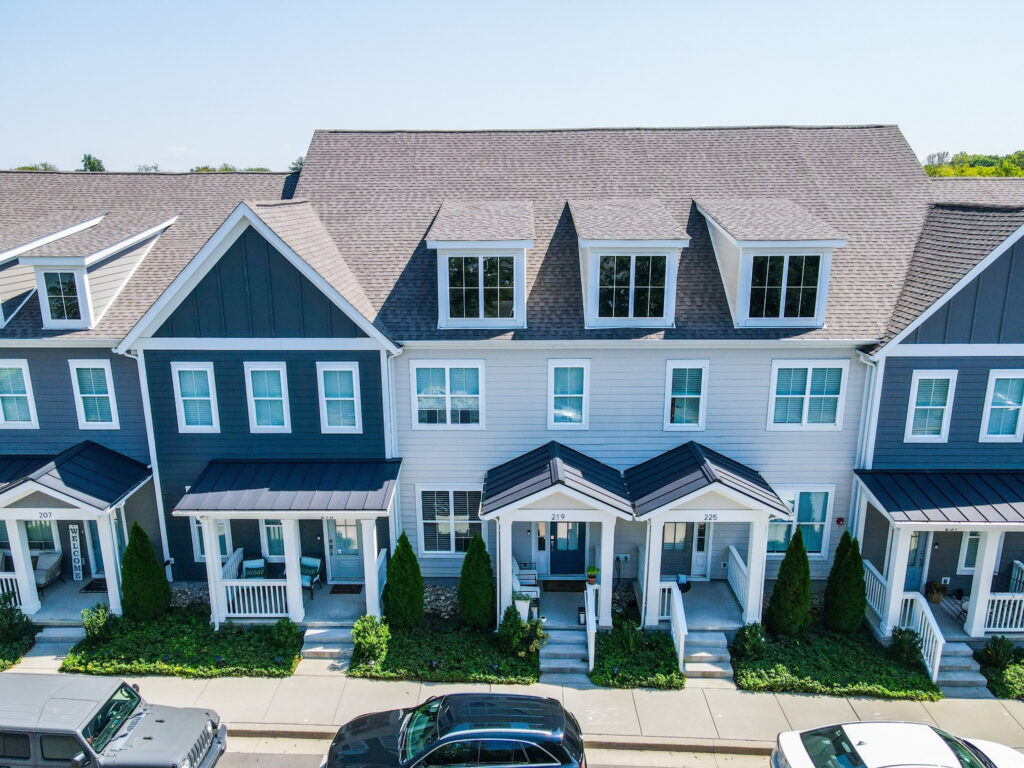
VS
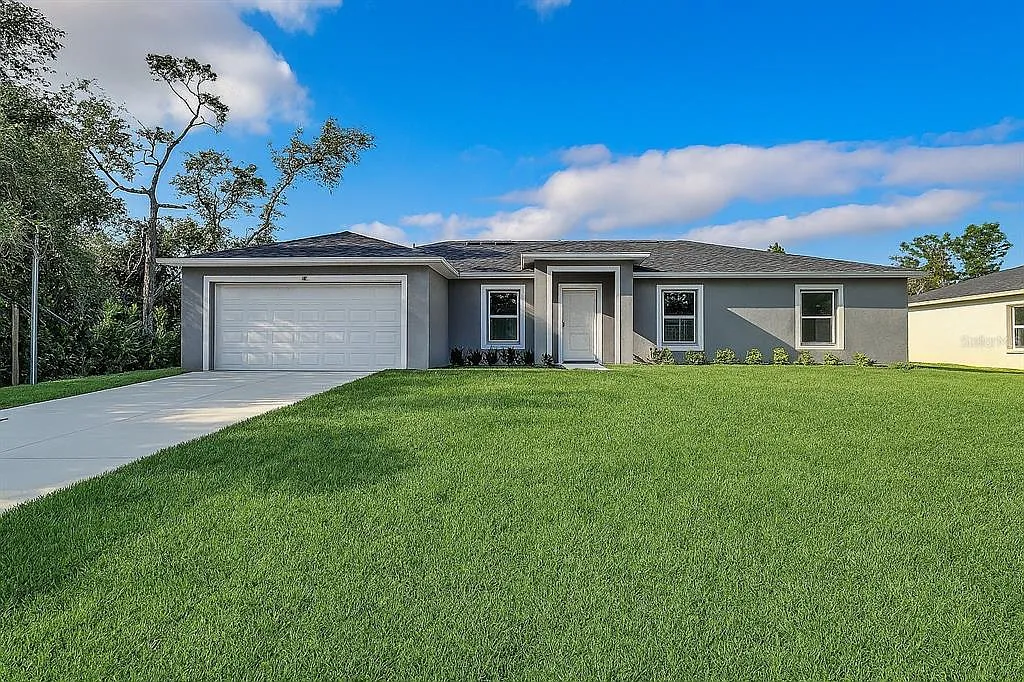
Out‑of‑State investors can compare Tennessee’s newer rental with higher NOI vs Florida’s A+ property with strong yield. Which fits YOUR investment strategy?
We have much more inventory available than what you see on our website – Let us know about your requirement.
📈 Choose Your Winner & Contact Us Today!
Speak to a Norada Investment Counselor (No Obligation):
(800) 611-3060
Mortgage rates remain high in 2026, but rental properties continue to deliver strong cash flow and appreciation. Savvy investors know that turnkey real estate is the path to passive income and long‑term wealth.
Norada Real Estate helps you secure turnkey rental properties designed for immediate cash flow and appreciation—so you can invest smartly regardless of interest rate trends.
Also Read:
- Mortgage Rates Predictions Backed by 7 Leading Experts: 2025–2026
- Mortgage Rate Predictions for the Next 3 Years: 2026, 2027, 2028
- 30-Year Fixed Mortgage Rate Forecast for the Next 5 Years
- 15-Year Fixed Mortgage Rate Predictions for Next 5 Years: 2025-2029
- Will Mortgage Rates Ever Be 3% Again in the Future?
- Mortgage Rates Predictions for Next 2 Years
- Mortgage Rate Predictions for Next 5 Years
- Mortgage Rate Predictions: Why 2% and 3% Rates are Out of Reach
- How Lower Mortgage Rates Can Save You Thousands?
- How to Get a Low Mortgage Interest Rate?
- Will Mortgage Rates Ever Be 4% Again?