As of Sunday, June 14, 2026, the mortgage market is showing a slight plateau, with today's mortgage rates holding steady compared to the previous week, though minor shifts are present across different loan types. This stability, especially for the popular 30-year fixed mortgage, offers a moment of calm for potential homebuyers navigating an otherwise dynamic economic environment.
It’s a funny thing, talking about mortgage rates. You hear them discussed on the news, see them splashed across websites, and suddenly, everyone’s an expert. But as someone who's been watching this market for a while, I know it's rarely as simple as a single number. Today, June 14, 2026, the numbers are telling a story of cautious stability, but understanding the why behind them is where the real insight lies.
Today's Mortgage Rates, June 14: Stability in Rates Signals Relief for Homebuyers
Current Mortgage Rates: A Snapshot
First things first, let’s look at the raw numbers. According to the latest data from Zillow, here’s where we stand today:
| Loan Type | Interest Rate |
|---|---|
| 30-year fixed | 6.35% |
| 20-year fixed | 6.10% |
| 15-year fixed | 5.78% |
| 5/1 ARM | 6.30% |
| 7/1 ARM | 6.45% |
| 30-year VA | 5.82% |
| 15-year VA | 5.34% |
| 5/1 VA | 5.64% |
As you can see, the 30-year fixed rate dipped slightly by 3 basis points to 6.35%. This is the loan most people think of when they hear “mortgage,” and its slight decrease is welcome news for many. The 15-year fixed rate, on the other hand, saw a small bump up by 4 basis points to 5.78%. Adjustable-rate mortgages (ARMs), like the 5/1 ARM, also saw a minor decrease, falling by 2 basis points to 6.30%.
The Weekly Trend: A Gentle Pause
Looking at the bigger picture, the average 30-year fixed mortgage rate across the U.S. is currently hovering in the 6.52% to 6.57% range. This is a significant increase from where rates were earlier in the year, when they dipped closer to the 6.0% mark.
The recent uptick wasn't a slow creep; it was more of an aggressive spike. This usually happens when the economy shows it's stronger than expected and when global events add a layer of uncertainty. So, while today's rates might seem a little more settled, the underlying forces are still very much at play.
Why Are Rates Where They Are? Digging Deeper
Now, this is where things get really interesting. Mortgage rates aren't just plucked out of thin air. They're influenced by a complex web of economic factors, both here at home and around the world. Let me break down the key drivers I'm seeing:
The Inflation & Rate Spiral: A Chain Reaction
Think of it like this: events far away can directly impact the cost of your home loan.
-
- Geopolitical Conflict & Oil Prices: We're seeing ongoing military conflicts that are disrupting global oil shipping. This has pushed oil prices to over $115 a barrel. When oil gets more expensive, everything that relies on transportation or is made from oil gets more expensive too. This means higher costs for shipping, fuel, and even the food on our tables.
- Re-Accelerating Inflation: As a direct result of these energy spikes and strong consumer spending, inflation has climbed back up to 4.2%. This is a three-year high, and it's a big deal for bond investors. They lend money for long periods, and if inflation eats away at the value of the money they get back, they demand higher interest rates to compensate.
- Surging Treasury Yields: The interest rate on a 30-year fixed mortgage is closely tied to the 10-year U.S. Treasury yield. When investors get nervous about inflation, they tend to sell their bonds, which drives the yields up. The 10-year Treasury yield has now gone well above 4.5%. Since mortgages are long-term investments, lenders use these Treasury yields as a benchmark. So, when Treasury yields jump, mortgage rates usually follow suit.
The Resilient Labor Market: A Strong Economy's Double-Edged Sword
It sounds like good news, and in many ways it is, but for mortgage rates, a booming job market can actually keep them higher. The Labor Department recently reported that the U.S. economy added a surprising 172,000 jobs. This is more than many economists predicted. When there are plenty of jobs, it signals a strong economy. This gives the Federal Reserve less reason to lower its benchmark interest rate, which in turn keeps borrowing costs generally higher.
Shifting Fed Expectations: What the Central Bank is Doing
For a while, people were expecting the Federal Reserve to cut interest rates multiple times. But the Fed has instead decided to hold rates steady. Now, there's even talk from groups like the Mortgage Bankers Association that the Fed's next move might actually be to raise rates, not lower them. This uncertainty about future Fed actions plays a big role in how mortgage rates move.
The Government's Appetite for Borrowing: A Constant Pressure
The federal government is borrowing a lot of money to fund its operations. This means the U.S. Treasury is constantly issuing bonds. When there's a lot of supply of something (like government bonds), it can put upward pressure on their prices and, consequently, on the yields investors demand. This continuous borrowing adds another layer of upward pressure on overall interest rates, including mortgage rates.
What This Means for You
So, what's the takeaway for someone looking to buy a home or refinance?
-
- Rates are elevated, but stable for now: While the 30-year fixed rate is higher than it was a few months ago, today's numbers show a bit of a pause. This might offer a window of opportunity for those who have been waiting.
- Understand the “why”: Knowing that inflation, global events, and a strong job market are driving rates higher helps you set realistic expectations. It’s not just random fluctuations.
- Consider all your options: Don't just look at the 30-year fixed. Depending on your financial situation and how long you plan to stay in your home, a 15-year fixed or even an ARM might be worth considering, keeping in mind their different risk profiles. VA loans also continue to offer competitive rates for eligible veterans.
- Shop around: Even small differences in rates can add up to thousands of dollars over the life of a loan. It's always wise to compare offers from multiple lenders.
In my experience, the best approach is to stay informed, be patient, and work with a trusted advisor who can help you navigate these complexities. The mortgage market is always moving, but understanding the currents beneath the surface can make all the difference.
VS
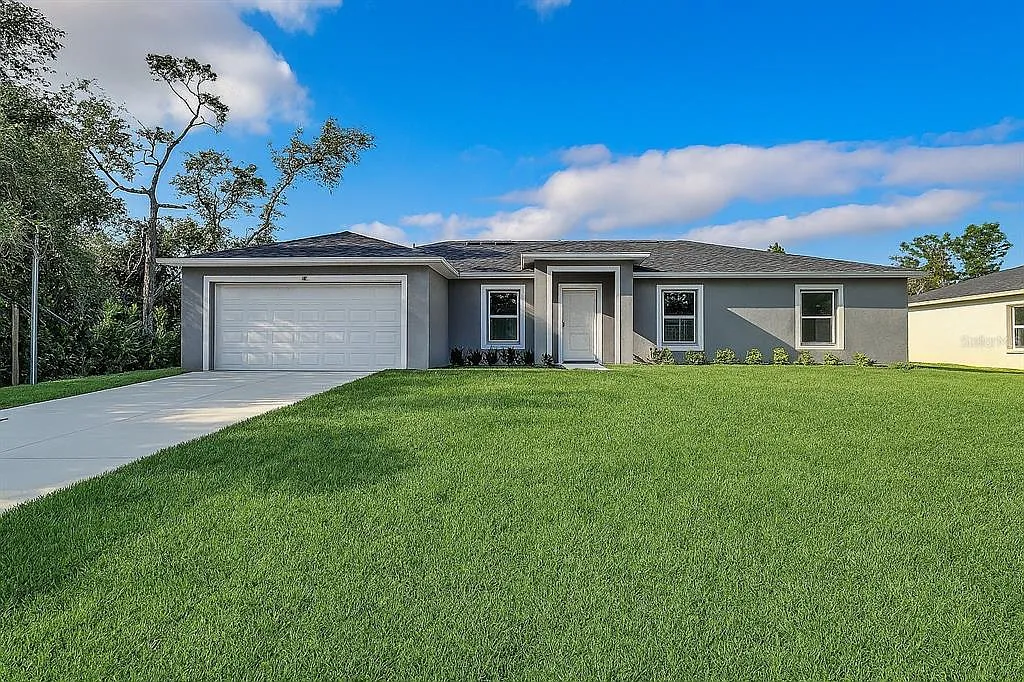
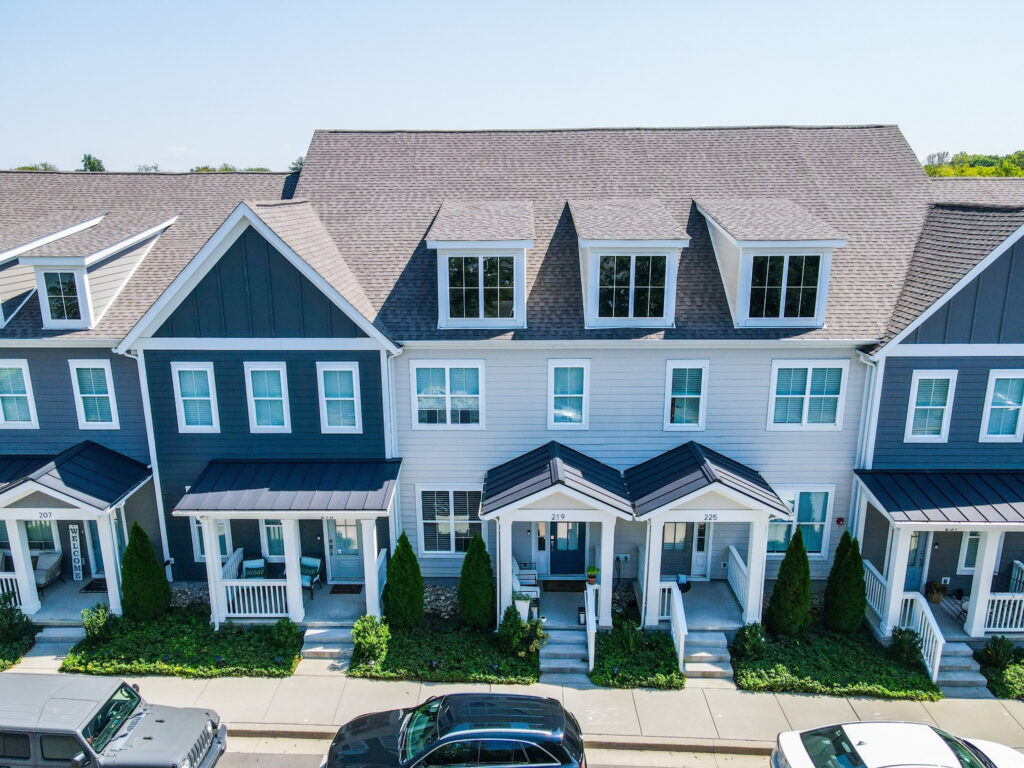
Out‑of‑State investors can compare Tennessee’s newer rental with higher NOI vs Florida’s A+ property with strong yield. Which fits YOUR investment strategy?
We have much more inventory available than what you see on our website – Let us know about your requirement.
📈 Choose Your Winner & Contact Us Today!
Speak to a Norada Investment Counselor (No Obligation):
(800) 611-3060
Mortgage rates remain high in 2026, but rental properties continue to deliver strong cash flow and appreciation. Savvy investors know that turnkey real estate is the path to passive income and long‑term wealth.
Norada Real Estate helps you secure turnkey rental properties designed for immediate cash flow and appreciation—so you can invest smartly regardless of interest rate trends.
Also Read:
- Mortgage Rates Predictions Backed by 7 Leading Experts: 2025–2026
- Mortgage Rate Predictions for the Next 3 Years: 2026, 2027, 2028
- 30-Year Fixed Mortgage Rate Forecast for the Next 5 Years
- 15-Year Fixed Mortgage Rate Predictions for Next 5 Years: 2025-2029
- Will Mortgage Rates Ever Be 3% Again in the Future?
- Mortgage Rates Predictions for Next 2 Years
- Mortgage Rate Predictions for Next 5 Years
- Mortgage Rate Predictions: Why 2% and 3% Rates are Out of Reach
- How Lower Mortgage Rates Can Save You Thousands?
- How to Get a Low Mortgage Interest Rate?
- Will Mortgage Rates Ever Be 4% Again?