Today, June 15, 2026, the average 30-year fixed refinance rate has dipped by 2 basis points, settling at 6.70%. This might not sound like a huge change, but in the world of mortgages, even a small drop can mean real savings for homeowners.
It's been a bit of a rollercoaster lately with mortgage rates. Just last week, the average 30-year fixed refinance rate was hovering around 6.72%. So, this little dip is a welcome sign for those looking to potentially lower their monthly payments or get a better deal on their home loan. I've been following these trends closely, and it seems like the market is still trying to find its footing.
Mortgage Rates Today, June 15, 2026: 30-Year Refinance Rate Drops by 2 Basis Points
Why the Dip Matters for You
You might be wondering, “What's 2 basis points to me?” Well, let's break it down. A basis point is just 1/100th of a percent. So, a 2-basis-point drop means the rate went down by 0.02%. While that sounds tiny, when you're talking about a loan that can last 15, 20, or even 30 years, those small percentage changes can add up to significant savings over time.
For instance, if you have a $300,000 mortgage, a 0.02% drop in interest rate could save you a few dollars each month. It might not be enough to plan a vacation around, but it's money back in your pocket that can go towards other bills or savings.
What's Happening with Other Rates?
It's not just the 30-year fixed rate that's seen some movement. According to Zillow, other refinance rates are also adjusting:
- 15-year fixed refinance rate: This rate has actually decreased by 3 basis points, now sitting at 5.75%. This is great news for those who want to pay off their home faster and are looking for a lower interest rate.
- 5-year ARM refinance rate: This one has seen a more noticeable drop, down by 20 basis points to 6.38%. Adjustable-rate mortgages (ARMs) can be a good option for some, especially if you plan to move or refinance again before the rate adjusts.
Here's a quick look at the numbers from Zillow:
| Loan Type | Current Rate (June 15, 2026) | Previous Rate (Approx.) | Change |
|---|---|---|---|
| 30-Year Fixed Refinance | 6.70% | 6.72% | -2 bps |
| 15-Year Fixed Refinance | 5.75% | 5.78% | -3 bps |
| 5-Year ARM Refinance | 6.38% | 6.58% | -20 bps |
Data by Zillow.
Why Are Rates Doing This Dance?
It feels like every day there's a new headline about the economy, and it's no different for mortgage rates. Lenders are constantly trying to figure out what the economy is doing and how that affects the price of borrowing money. Here are a few big things that are playing a role right now:
- Inflation is Stubborn: We've seen some reports showing that prices for everyday things are still going up faster than expected. The Consumer Price Index (CPI) report showed inflation jumped to 4.2%. When inflation is high, lenders tend to keep their interest rates higher to make sure they're still making money after accounting for the rising costs.
- The Fed's Next Move: The Federal Reserve, which is like the main bank for the country, has a big meeting coming up on June 16–17. While they probably won't change their main interest rate, people who buy and sell loans are watching very closely what the Fed thinks might happen with rates in the future. This “dot plot” they release gives clues.
- Treasury Yields Are Up: The rate on a 10-year Treasury bond has been climbing, going above 4.5%. Think of this like a general indicator for longer-term borrowing costs. When these yields go up, mortgage rates usually follow. A strong job market is a big reason why these yields are high.
- Global Events: Things happening around the world, like conflicts affecting oil prices, can also make lenders nervous. If oil prices go up, it can increase the cost of everything from gas to shipping, which adds to inflation worries and keeps mortgage rates from falling too much.
Is Refinancing Right for You?
This is the million-dollar question, right? Seeing rates move can make you wonder if it’s time to jump in and refinance. Here’s how I think about it, and how you can too:
My two cents: I always tell people to look at the long game. A small rate drop today might seem minor, but if you plan on staying in your home for many years, it can make a big difference. It’s not just about saving a few bucks this month; it’s about your overall financial health for the future.
Here’s a simple way to figure out if refinancing makes sense for your situation:
4 Steps to See if Refinancing Makes Sense:
- Compare Rates: A good rule of thumb is to refinance when the current rate is at least 1.00% lower than your existing mortgage rate. If your current rate is, say, 7.70%, and you can get a new one at 6.70%, that's a 1.00% difference, and it might be worth looking into.
- Figure Out the Costs: Refinancing isn't free. You'll have to pay for things like appraisals, title searches, and lender fees. These costs can add up to about 2% to 6% of your loan amount. So, for a $300,000 loan, that could be anywhere from $6,000 to $18,000. Ouch!
- Find Your Break-Even Point: This is super important. You need to know how long it will take for your monthly savings to cover the closing costs. You can calculate this by dividing your total closing costs by your estimated monthly savings. For example, if your closing costs are $6,000 and you save $200 each month, it will take you 30 months (or 2.5 years) to break even. If you think you might move before then, refinancing might not be the best move.
- Think About Your Loan Term: When you refinance, you can often choose a new loan term. Going from a 30-year loan to a 15-year loan will likely get you a lower interest rate, but your monthly payments will be higher because you're paying it off faster. On the other hand, if you stick with a 30-year loan, your monthly payments will be lower, but you'll be paying interest for a longer time.
How to Get the Best Refinance Rate
If you've decided that refinancing is the way to go, here are my tips for snagging the best possible rate:
- Talk to Your Current Bank: Don't forget to ask your current mortgage lender if they offer any loyalty discounts or can waive some fees. Sometimes, they'll offer you a better deal just to keep your business.
- Shop Around: This is probably the most important step. Get quotes from at least three to four different lenders within a short period (like two weeks). This way, when you apply for loans, it only counts as one credit check, and you can compare offers side-by-side.
- Focus on the APR: Don't just look at the interest rate! Always compare the Annual Percentage Rate (APR). The APR includes the interest rate plus all those extra fees and points. It gives you a much clearer picture of the true cost of the loan.
The mortgage market can seem complicated, but by understanding these basics and staying informed, you can make smart decisions about your home financing.

VS
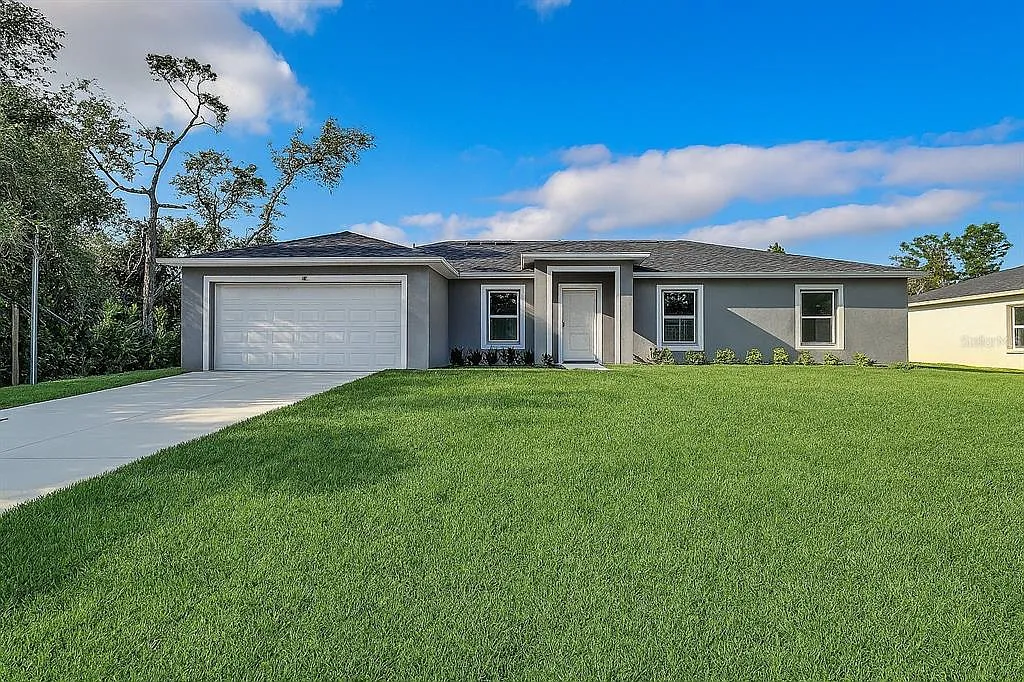
Out‑of‑State investors can compare Tennessee’s newer rental with higher NOI vs Florida’s A+ property with strong yield. Which fits YOUR investment strategy?
We have much more inventory available than what you see on our website – Let us know about your requirement.
📈 Choose Your Winner & Contact Us Today!
Speak to a Norada Investment Counselor (No Obligation):
(800) 611-3060
Mortgage rates remain high in 2026, but rental properties continue to deliver strong cash flow and appreciation. Savvy investors know that turnkey real estate is the path to passive income and long‑term wealth.
Norada Real Estate helps you secure turnkey rental properties designed for immediate cash flow and appreciation—so you can invest smartly regardless of interest rate trends.
Also Read:
- Mortgage Rates Predictions Backed by 7 Leading Experts: 2025–2026
- Mortgage Rate Predictions for the Next 3 Years: 2026, 2027, 2028
- 30-Year Fixed Mortgage Rate Forecast for the Next 5 Years
- 15-Year Fixed Mortgage Rate Predictions for Next 5 Years: 2025-2029
- Will Mortgage Rates Ever Be 3% Again in the Future?
- Mortgage Rates Predictions for Next 2 Years
- Mortgage Rate Predictions for Next 5 Years
- Mortgage Rate Predictions: Why 2% and 3% Rates are Out of Reach
- How Lower Mortgage Rates Can Save You Thousands?
- How to Get a Low Mortgage Interest Rate?
- Will Mortgage Rates Ever Be 4% Again?



