Norada Real Estate Investments

  • Home
  • Markets
  • Properties
  • Membership
  • Podcast
  • Learn
  • About
  • Contact

Mortgage Rates Today, May 6, 2026: 30-Year Refinance Rate Rises by 14 Basis Points

May 6, 2026 by Marco Santarelli

Mortgage Rates Today, July 22, 2026: 30-Year Refinance Rate Rises by 16 Basis Points

Are you thinking about refinancing your mortgage? As of today, May 6, 2026, the waters are a little choppy. The 30-year fixed refinance rate has taken a bit of a jump, climbing to 6.73%. This is an increase of 14 basis points from last week's average, according to data from Zillow. Let's dive into what's causing this shift and what it means for you.

Mortgage Rates Today, May 6, 2026: 30-Year Refinance Rate Rises by 14 Basis Points

The Refinance Rate Picture Today

The mortgage market is a tricky beast, and what seems like a small change can impact your wallet in a big way. Here's a quick snapshot of where refinance rates stand today, according to Zillow:

  • 30-Year Fixed Refinance: 6.73% (up 6 basis points from yesterday's 6.67%)
  • 15-Year Fixed Refinance: 5.86% (up 9 basis points from 5.77%)
  • 5-Year ARM Refinance: 7.29% (unchanged)

While we've seen a drop from the highs of 2023, these recent increases remind us that volatility is still a major part of the market. Let's address the elephant in the room: yes, seeing that 6.73% on a 30-year fixed can be unsettling, especially if you were hoping for a lower rate. So, what's behind these movements?

Why Are Rates Going Up?

Several factors are contributing to this upward trend, and none of them are exactly “easy” answers.

First, you cannot ignore inflation. Even though the Federal Reserve is working tirelessly to curb rising prices, inflation is proving stubborn. Persistent inflation puts upward pressure on borrowing costs, including mortgage rates.

Second, there's geopolitical instability. With conflicts and uncertainties around the globe, investors tend to seek safer havens, which can affect bond yields and, consequently, mortgage rates. The ongoign conflict in Iran is a prime example, influencing oil prices and overall market sentiment.

Third, The Federal Reserve's policy decisions will continue to have a HUGE impact on the markets. Any signals regarding future rate cuts, or lack thereof, sends ripples of fear and euphoria and affect what lenders charge.

Refinance Demand: Are People Still Biting?

The story on demand isn't as simple as “rates are up, so demand is down.” While refinance applications have dipped recently (falling about 5% in the first week of May), it's essential to consider the bigger picture.

  • Not a Full-Blown Boom: Economists are wary about labeling these bumps in activity as a full-scale boom. Many homeowners are still sitting pretty with those super-low pandemic-era rates (below 4%), making a refinance less attractive.
  • Who IS Refinancing? Primarily, it's those who got their mortgages in 2024 and 2025, when rates were hovering around 7-8%. Refinancing now could still save them money.
  • Cash-Out is Still King: Home equity remains elevated, driving many to consider cash-out refinances or HELOCs (Home Equity Lines of Credit), even with the higher borrowing costs. A lot of people are tapping into their home's value for renovations, debt consolidation, or other major expenses.

For me, I believe Cash-Out Refinance still makes sense if you use the money wisely.

What Do the Experts Predict? (Late 2026 and 2027)

Let's peer into the crystal ball, or at least, what leading financial institutions are predicting. Of course, these are just forecasts, and the market can change on a dime, but it's good to have an idea of the general sentiment.

Source Late 2026 Projection 2027 Projection
Fannie Mae ~5.9% ~6.0%
MBA ~6.1% ~6.4%
Bankrate ~6.1% N/A
Deloitte Rates unchanged until Dec 2026 Gradual easing mid-2027

The general consensus is that we're unlikely to return to the rock-bottom rates of the past anytime soon. Most experts anticipate rates to stabilize in the 6% range, with only gradual easing expected in 2027. The era of ultra-cheap money is definitely over.

What Should Homeowners Do?

Okay, so you've got the data, the factors, and the forecasts. What does this actually mean for you, the homeowner? Here are a few things to consider:

  • Don't Jump Too Soon: Only consider refinancing if you can lower your rate by at least 0.5% to 1%, or if you have a clear strategic need for tapping into your home equity.
  • Explore Cash-Out Options: If you need cash for a significant investment or debt consolidation, a cash-out refinance or HELOC might still be a viable option, even with higher rates. In my opinion, these are good for some and bad for others so read all of those documents carefully.
  • Adjust Your Expectations: Remember that rates are unlikely to plummet back to pandemic lows. Factor in the likelihood of rates remaining elevated when making financial decisions. The economy is like the weather these days, unpredictable!

Ultimately, the decision to refinance depends on your individual circumstances, financial goals, and risk tolerance. It's always wise to consult with a financial advisor to determine the best course of action for your specific situation. Don't be afraid to ask questions and shop around for the best rates. It's your money, and you deserve to make informed decisions!

🏡 Two Rental Properties Generating Consistent Cash Flow

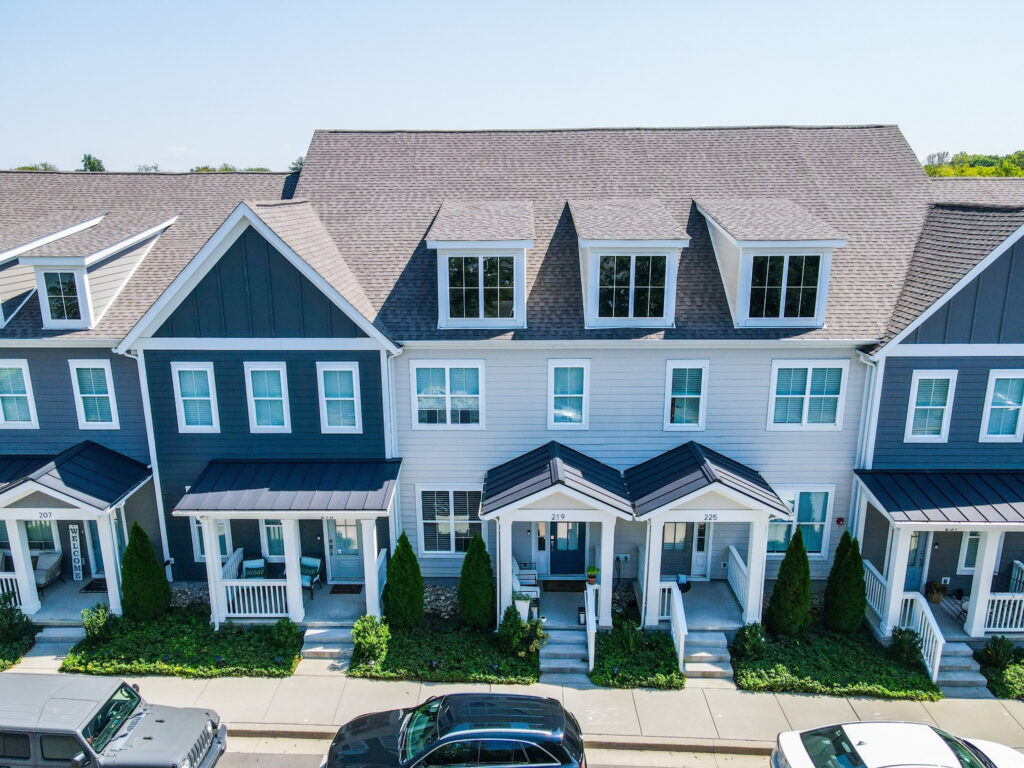
Rincon, GA
🏠 Property: Founders Dr
🛏️ Beds/Baths: 3 Bed • 2 Bath • 1600 sqft
💰 Price: $275,000 | Rent: $2,200
📊 Cap Rate: 7.0% | NOI: $1,613
📅 Year Built: 2025
📐 Price/Sq Ft: $172
🏙️ Neighborhood: B+

VS

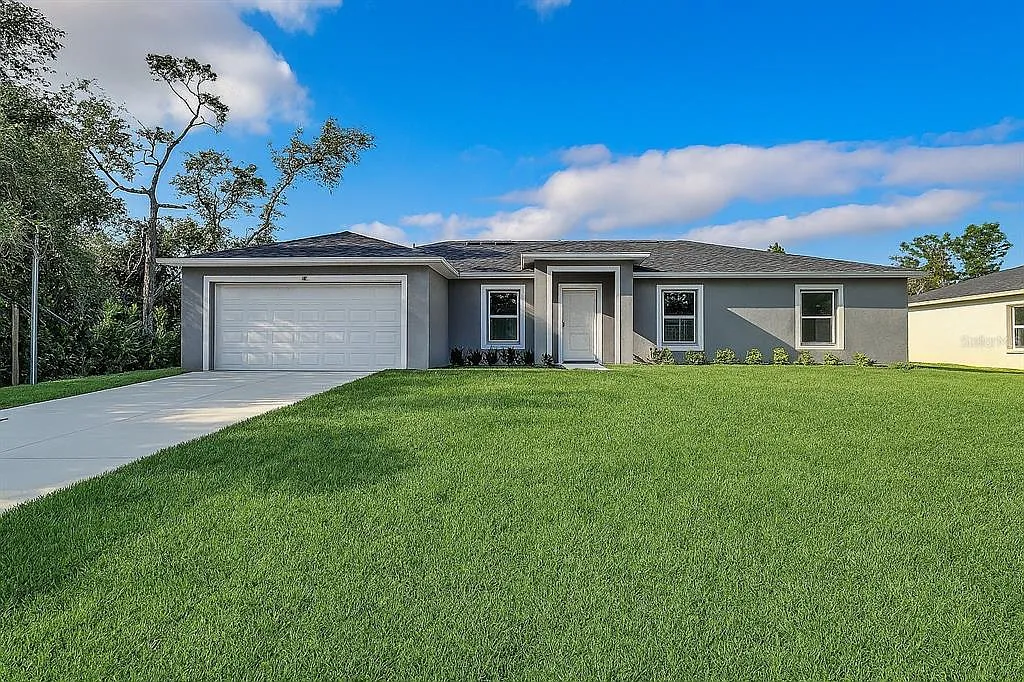
Port Charlotte, FL
🏠 Property: Prineville St
🛏️ Beds/Baths: 4 Bed • 2 Bath • 1914 sqft
💰 Price: $349,900 | Rent: $2,100
📊 Cap Rate: 5.0% | NOI: $1,457
📅 Year Built: 2025
📐 Price/Sq Ft: $183
🏙️ Neighborhood: A

Georgia’s affordable rental with higher cap rate vs Florida’s A‑rated property with stability. Which fits YOUR investment strategy?

We have much more inventory available than what you see on our website – Let us know about your requirement.

📈 Choose Your Winner & Contact Us Today!

Speak to a Norada Investment Counselor (No Obligation):

(800) 611-3060

View All Properties

Build Passive Income & Wealth with Turnkey Rentals in 2026

Mortgage rates remain high in 2026, but rental properties continue to deliver strong cash flow and appreciation. Savvy investors know that turnkey real estate is the path to passive income and long‑term wealth.

Norada Real Estate helps you secure turnkey rental properties designed for immediate cash flow and appreciation—so you can invest smartly regardless of interest rate trends.

🔥 HOT 2026 INVESTMENT LISTINGS JUST ADDED! 🔥
Request a Callback / Fill Out the Form Online

Contact Us

Also Read:

  • Mortgage Rates Predictions Backed by 7 Leading Experts: 2025–2026
  • Mortgage Rate Predictions for the Next 3 Years: 2026, 2027, 2028
  • 30-Year Fixed Mortgage Rate Forecast for the Next 5 Years
  • 15-Year Fixed Mortgage Rate Predictions for Next 5 Years: 2025-2029
  • Will Mortgage Rates Ever Be 3% Again in the Future?
  • Mortgage Rates Predictions for Next 2 Years
  • Mortgage Rate Predictions for Next 5 Years
  • Mortgage Rate Predictions: Why 2% and 3% Rates are Out of Reach
  • How Lower Mortgage Rates Can Save You Thousands?
  • How to Get a Low Mortgage Interest Rate?
  • Will Mortgage Rates Ever Be 4% Again?
Filed Under: Financing, Mortgage Tagged With: mortgage rates, Mortgage Rates Today, Refinance Rates

Hottest and Fastest-Growing Housing Markets in 2026

May 5, 2026 by Marco Santarelli

Hottest and Fastest-Growing Housing Markets in 2026

If you're looking to buy a home in 2026, or even just curious about where the real estate action will be, I've got some insights for you. Based on what I'm seeing and what the pros are predicting, the fastest-growing housing markets in 2026 are primarily clustered in two key areas: the Northeast and the Sun Belt. These are the places where affordability is still a draw, or where a serious lack of homes for sale is forcing prices up and competition through the roof.

Hottest and Fastest-Growing Housing Markets in 2026

It feels like just yesterday we were navigating the wild west of the 2020-2021 housing market, and while things have definitely shifted, some trends haven't gone away. The struggle for buyers to find a home they can afford, especially in desirable areas, is still a major story. And when you combine that with builders not quite keeping up with demand, you get a recipe for some truly competitive markets.

As an observer and lover of all things real estate, I've been pouring over the latest predictions from folks like Zillow and PwC, and I've got a solid grasp on what's shaping up for 2026. It’s not just about one factor; it’s a mix of job growth, people moving, and yes, that persistent inventory crunch. Let’s dive into which cities are expected to be the real standouts.

The Top Contenders: Hottest of the Hot

Zillow, always on the pulse of what's happening with homes, has put together a list that really highlights where the energy is. When they talk about “hottest,” they mean markets where homes are selling fast, not sitting around waiting for offers, and where you're likely to see prices go up quicker than you might expect. They look at things like how fast home values are increasing, how often sellers have to drop their prices (low cuts are a good sign for sellers!), and how many homes are going for over the asking price.

Here are the markets that really caught my eye from their 2026 rankings:

  • Hartford, Connecticut: This is the big one, folks. Zillow's #1 hottest market for 2026 is Hartford. It's not just a little bit warm; it's projected to have the fastest pace of home value growth among major metro areas, hovering around a solid 4.6%. What does this mean for you? If you're looking in Hartford, be ready to act fast and have your financing in order, because homes are moving quickly and often selling for more than the initial price tag.
  • Buffalo, New York: Buffalo has been a steady performer, and for 2026, it’s still a major player. The deal here is simple: high demand meets a stubbornly low supply of homes. This means the market is extremely competitive for buyers. If you’ve got your sights set on Buffalo, expect to be in a bidding war or two.
  • Boston, Massachusetts: Now, Boston is no stranger to being an expensive and competitive market. But what’s interesting for 2026 is that the housing inventory there is still way below what we saw before the pandemic. Even with high prices, this scarcity is what's fueling that intense competition. It shows that even established, pricey markets can get even hotter when there just aren't enough homes for everyone who wants one.
  • Philadelphia, Pennsylvania: Philly is a bit of a unique case on this East Coast list. While Boston and New York are known for their eye-watering prices, Philadelphia offers a relative sense of affordability. This makes it a magnet for buyers who are priced out of its more expensive neighbors, driving up demand and, consequently, competition.
  • San Jose & Los Angeles, California: I know, I know, California is expensive. But here's the kicker: even with those high price tags, San Jose and Los Angeles are still showing up as some of the fastest-growing markets when you look at competition. Why? It boils down to a chronic lack of housing options. Even if you can afford it, finding that perfect home is a serious challenge, and when one hits the market, it's snapped up quickly. This isn't about prices skyrocketing from a low base; it's about intense demand bumping up against a constant shortage.

Markets on the Radar: PwC's Emerging Trends

Beyond Zillow's “hottest” list, I also pay close attention to what seasoned industry analysts at PwC are predicting in their “Emerging Trends” reports. They often give us a feel for the broader economic forces shaping real estate, including migration patterns and where job growth is strongest. For 2026, they're pointing to a mix of those popular Sun Belt cities and some key coastal hubs.

These are markets that have strong fundamentals and are poised for continued growth:

  • Dallas/Ft. Worth, Texas: This metroplex continues to be a powerhouse. The driving forces here are strong job growth and a constant influx of people moving in. Texas has long been a magnet for businesses and individuals looking for opportunity, and the DFW area is a prime example of that success.
  • Jersey City, New Jersey: Jersey City is benefiting big time from its convenient location across the Hudson River from Manhattan. It's become a go-to alternative for people who want to live near the action of New York City but find more affordable urban living options. This spillover effect from a major economic center is a powerful growth engine.
  • Miami, Florida: Miami has long been a desirable destination, and in 2026, it's set to remain a top-tier growth market. A significant factor is the migration of wealth, with affluent individuals and families choosing to call Miami home, driving demand for high-end residential properties.
  • Brooklyn, New York: While often grouped with NYC, Brooklyn stands out as a resilient market in its own right. It’s experiencing high demand for both multifamily (apartment buildings) and single-family housing. This indicates a broad appeal across different housing types and buyer needs.
  • Houston, Texas: Following the trend of its Texas counterpart, Houston also shows high growth potential. Its strength lies in a diverse economy that can weather various economic conditions, coupled with a continued sense of relative affordability compared to other major coastal cities.

What About Prices? A Look at the Bigger Picture

Now, it's important to weave in a bit of nuance. While these specific markets are set to be incredibly hot with significant home value growth, J.P. Morgan Global Research is forecasting something a little different for the national U.S. housing market overall in 2026. They're predicting a period of price stagnation, with national house prices potentially seeing 0% growth.

How can this be? It’s all about the balance of supply and demand. For the past few years, demand has been way outstripping the number of homes available. But as those faster-growing markets mentioned above are seeing increased construction (even if it's not enough to fully satisfy demand), and as more homes get listed, the overall national market might start to stabilize.

However, and this is crucial, don't mistake national price stagnation for a lack of competition in those “hottest” markets. Cities like Hartford, where inventory remains severely constrained, will still feel the pressure. Expect those classic signs of a heated market to continue: “bidding wars,” quick sales, and homes going above asking price. The national picture often smooths out the extremes, but the localized intensity in places with low inventory will remain very real.

My Take: Why These Markets Are Booming

From my perspective, it’s fascinating to see the Northeast and the Sun Belt continue to dominate the growth conversation. For years, the narrative has been about people flocking to warmer climates and lower taxes in the South and West. And that’s still happening, as evidenced by the continued strength of Texas and Florida.

But what's really interesting is the resurgence of some Northeast cities. For a long time, they were seen as expensive and perhaps a bit stagnant compared to their Sun Belt counterparts. What’s changed? A few things:

  1. The “Return to Office” (or Hybrid) Effect: While remote work is here to stay for many, there's also a renewed appreciation for in-person collaboration and networking. Cities with established industries and strong job markets, even if they're pricey, are holding onto talent and attracting new opportunities.
  2. Affordability Gap Relative to Other Coastal Hubs: As I mentioned with Philadelphia, these Northeast cities, while not cheap, are becoming more attractive when you compare their housing costs and cost of living to places like New York City or Boston. This makes them a viable alternative for a wider range of buyers.
  3. Undersupply: This is the persistent culprit. Many of these cities simply haven't built enough new housing to keep up with demand, whether it's from an aging population looking to downsize or younger families looking for starter homes. When demand outstrips supply, prices and competition are the natural outcomes.

I also believe that the focus on “hottest” markets isn't just about year-over-year price appreciation. It's about the health of the market – how quickly homes are transacting, how many buyers are active, and how dynamic the local economy is. The markets I've outlined are demonstrating these signs of robust activity.

For buyers, this means being prepared, doing your homework on local market conditions, and being ready to move when you find the right property. For sellers, it means you're likely in a strong negotiating position in these areas.

It’s an exciting time in real estate, and while national trends might suggest a pause, the localized fire in these specific housing markets is set to make 2026 a dynamic year.

🏡 Two High‑Yield turnkey Rentals For Investors

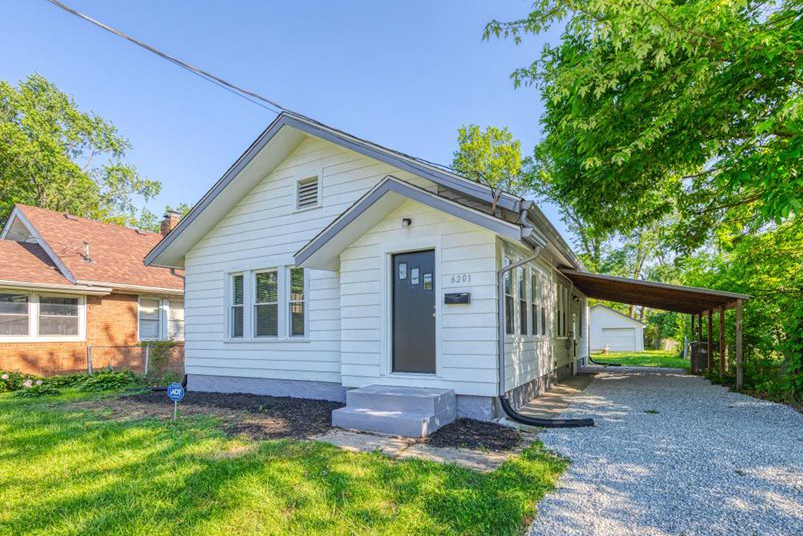
Bessemer, AL
🏠 Property: Blue Jay Cir
🛏️ Beds/Baths: 4 Bed • 2 Bath • 1583 sqft
💰 Price: $280,000 | Rent: $1,900
📊 Cap Rate: 6.4% | NOI: $1,486
📅 Year Built: 2025
📐 Price/Sq Ft: $177
🏙️ Neighborhood: A-

VS

Fort Wayne, IN
🏠 Property: Cinema Crossing
🛏️ Beds/Baths: 6 Bed • 5 Bath • 3012 sqft
💰 Price: $500,000 | Rent: $4,200
📊 Cap Rate: 7.0% | NOI: $2,920
📅 Year Built: 2026
📐 Price/Sq Ft: $167
🏙️ Neighborhood: B-

Alabama’s newer A‑rated rental vs Indiana’s large 6‑bed property with higher NOI. Which fits YOUR investment strategy?

We have much more inventory available than what you see on our website – Let us know about your requirement.

📈 Choose Your Winner & Contact Us Today!

Speak to a Norada Investment Counselor (No Obligation):

(800) 611-3060

View All Properties

The Ultimate Guide to Passive Real Estate Investing

Download Your FREE Guide to Passive Real Estate Wealth

Real estate investing has created more millionaires than any other path—and this guide shows you how to start or scale with turnkey rental properties.

Inside, you’ll learn how to analyze cash flow and returns, choose the best markets, and secure income-generating deals—perfect for building long-term wealth with minimal hassle.

🔥 FREE DOWNLOAD AVAILABLE NOW! 🔥

Download

Want Stronger Returns? Invest Where the Housing Market’s Growing

Turnkey rental properties in fast-growing housing markets offer a powerful way to generate passive income with minimal hassle.

Work with Norada Real Estate to find stable, cash-flowing markets beyond the bubble zones—so you can build wealth without the risks of ultra-competitive areas.

🔥 HOT NEW LISTINGS JUST ADDED! 🔥

Speak to a Norada Investment Counselor today (No Obligation):

(800) 611-3060

Get Started Now

Recommended Read:

  • 20 Cheapest States to Buy a House in 2026
  • Best States to Buy a House in 2026
  • Best Cities to Buy a House for Investment in 2026
  • Best Cities to Buy a House For Rental Income in 2026
  • Best Cities to Invest in Real Estate in 2026
  • Should You Invest in the Austin or Raleigh Real Estate Market in 2026?
  • Dallas vs. Houston: Which City Offers Better Returns for Real Estate Investors
  • Single-Family vs. Townhome: Which is the Real Cash Flow Winner for Investors?
  • 5 Hottest Florida and Texas Markets for Real Estate Investors in 2025
  • Best Places to Invest in Real Estate: November 2024 Hotspots
  • How to Secure Your Retirement With Cash-Flowing Rental Properties
  • Best Places to Invest in Single-Family Rental Properties in 2025
  • 5 Hottest Real Estate Markets for Buyers & Investors in 2025

Filed Under: Growth Markets, Housing Market, Real Estate Market Tagged With: Hottest Housing Markets, Housing Market

Today’s Mortgage Rates, May 5: Inflation Pushes 30‑Year FRM to One‑Month High

May 5, 2026 by Marco Santarelli

Today's Mortgage Rates, July 22: Affordability Concerns Grow as Rates Climb Higher

As of today, May 5, 2026, we're seeing long-term fixed mortgage rates tick up to a one-month high. This isn't a shock, given everything that's been happening in the economy, but it's definitely something to pay close attention to if you're in the market for a home. Today's data from Zillow paints a clear picture: we're not seeing those ultra-low rates from a few years back, and it seems like we might be settling into a “higher-for-longer” situation.

Today's Mortgage Rates, May 5: Inflation Pushes 30‑Year FRM to One‑Month High

What the Numbers Tell Us Today

Let's break down what Zillow's latest figures are showing us for today, May 5, 2026:

  • 30-Year Fixed: This is the big one for most homebuyers. It's now at 6.22%, which is up 9 basis points (that’s 0.09%) from last week’s 6.13%.
  • 20-Year Fixed: A solid option for those who want to pay off their home a bit faster than the 30-year: it's at 6.09%, up 7 basis points from 6.02% last week.
  • 15-Year Fixed: For those really looking to build equity quickly, this rate is 5.65%, seeing the biggest jump at 12 basis points from 5.53% last week.
  • Adjustable-Rate Mortgages (ARMs): These can still offer a lower initial rate. The 5/1 ARM is at 6.11%, and the 7/1 ARM is at 6.02%.
  • VA Loans: For our veterans, the 30-Year VA is at 5.76%, the 15-Year VA is at 5.14%, and the 5/1 VA is at 5.26%. These continue to offer competitive rates.

Seeing these rates climb might feel discouraging, but it's crucial to understand why they're moving.

Why Are Rates Moving? The Economic Pulse

It’s not just random fluctuations; a lot of factors are pushing mortgage rates upwards. My take, based on what I'm seeing and hearing from experts, is that we're still grappling with the ripple effects of recent economic events.

  • The Fed's Stance: The Federal Reserve made its decision in late April to keep the benchmark federal funds rate steady. This means the target range is still between 3.50% and 3.75%. What's really keeping the Fed cautious is inflation. It’s stubbornly hovering around 3.3% to 3.5%, which is quite a bit higher than their desired 2% target. When inflation is high, the Fed usually holds steady or even raises rates to cool things down. This “higher-for-longer” approach is directly influencing mortgage rates.
  • Global Headlines Matter: You can't ignore what's happening around the world. The ongoing tensions in the Middle East have pushed oil prices past $100 per barrel. This is a big deal because higher oil prices often translate to higher costs for almost everything, which, in turn, fuels inflation. When inflation worries rise, bond yields tend to go up, and that pushes mortgage rates — which are closely tied to bond markets — higher too.
  • Inventory is Improving, But Demand is Strong: This might sound counterintuitive to rising rates, but housing inventory is actually getting a bit better. More homeowners, who might have been locked into those super-low pandemic rates, are finally deciding to sell and move. This is giving buyers a bit more choice. Even with higher borrowing costs, we're seeing purchase applications rise by about 20% year-over-year. People are still motivated to buy homes.
  • What's Next on the Economic Calendar? Everyone will be watching the Consumer Price Index (CPI) report, set to be released on May 12. This is a key indicator of inflation. If the CPI comes in hotter than expected, we could see rates continue their upward trend. If it shows signs of cooling, we might see a stabilization.

Looking Ahead: The 2026 Forecast

So, what does this all mean for the rest of 2026? It’s important to have realistic expectations.

Major housing authorities, like Fannie Mae and the Mortgage Bankers Association, are predicting that the 30-year fixed rate will likely stay in the low-to-mid 6% range through the second quarter of this year. They don't see a huge drop coming anytime soon.

From my perspective, the consensus among economists is that rates probably won't dip below 5.5% to 6.0% in the immediate future. This suggests that what we're experiencing now might be the new normal for the foreseeable future. It's a stark contrast to the incredibly low rates we’ve become accustomed to.

What This Means for You, the Borrower

Understanding these nuances is key to making smart financial decisions.

  • Thinking of Buying? Consider Rate Locks. If you're actively looking for a home, and especially if you have your eye on a specific property, you might want to seriously consider locking in your rate. With the CPI report coming up on May 12th, a “hot” inflation number could push borrowing costs even higher. Locking in a rate now could protect you from future increases.
  • Refinancing: Is It Worth It? Refinancing is generally a good idea for homeowners who currently have a mortgage rate significantly higher than today's. I'd say if your current rate is above 7%, it's worth exploring. You'll want to do the math to make sure the potential savings from a lower rate outweigh the closing costs, which typically run between 2% and 5% of your loan amount.
  • Don't Wait Forever, But Be Strategic. While it's tempting to wait for rates to drop significantly, the improving inventory situation means there are opportunities out there right now. Buyers who are prepared and strategic, even in this higher-rate environment, can still find a great home.

The Bottom Line for May 5, 2026

To sum it up, on May 5, 2026, we're seeing the 30-year fixed mortgage rate hit 6.22%, a rise that brings it to a one-month peak. The persistent pressures of inflation, alongside global economic uncertainties, are keeping mortgage rates elevated. While affordability is definitely a hurdle for many, the good news is that improving housing inventory and the continued resilience of buyer demand suggest a more balanced housing market ahead. My advice? Stay informed, be cautious, and think strategically about your next steps. Whether it’s locking in a rate or exploring refinancing options, being proactive is your best bet.

🏡 Two Rental Properties Generating Consistent Cash Flow

Rincon, GA
🏠 Property: Founders Dr
🛏️ Beds/Baths: 3 Bed • 2 Bath • 1600 sqft
💰 Price: $275,000 | Rent: $2,200
📊 Cap Rate: 7.0% | NOI: $1,613
📅 Year Built: 2025
📐 Price/Sq Ft: $172
🏙️ Neighborhood: B+

VS

Port Charlotte, FL
🏠 Property: Prineville St
🛏️ Beds/Baths: 4 Bed • 2 Bath • 1914 sqft
💰 Price: $349,900 | Rent: $2,100
📊 Cap Rate: 5.0% | NOI: $1,457
📅 Year Built: 2025
📐 Price/Sq Ft: $183
🏙️ Neighborhood: A

Georgia’s affordable rental with higher cap rate vs Florida’s A‑rated property with stability. Which fits YOUR investment strategy?

We have much more inventory available than what you see on our website – Let us know about your requirement.

📈 Choose Your Winner & Contact Us Today!

Speak to a Norada Investment Counselor (No Obligation):

(800) 611-3060

View All Properties

Build Passive Income & Wealth with Turnkey Rentals in 2026

Mortgage rates remain high in 2026, but rental properties continue to deliver strong cash flow and appreciation. Savvy investors know that turnkey real estate is the path to passive income and long‑term wealth.

Norada Real Estate helps you secure turnkey rental properties designed for immediate cash flow and appreciation—so you can invest smartly regardless of interest rate trends.

🔥 HOT 2026 INVESTMENT LISTINGS JUST ADDED! 🔥
Request a Callback / Fill Out the Form Online

Contact Us

Also Read:

  • Mortgage Rates Predictions Backed by 7 Leading Experts: 2025–2026
  • Mortgage Rate Predictions for the Next 3 Years: 2026, 2027, 2028
  • 30-Year Fixed Mortgage Rate Forecast for the Next 5 Years
  • 15-Year Fixed Mortgage Rate Predictions for Next 5 Years: 2025-2029
  • Will Mortgage Rates Ever Be 3% Again in the Future?
  • Mortgage Rates Predictions for Next 2 Years
  • Mortgage Rate Predictions for Next 5 Years
  • Mortgage Rate Predictions: Why 2% and 3% Rates are Out of Reach
  • How Lower Mortgage Rates Can Save You Thousands?
  • How to Get a Low Mortgage Interest Rate?
  • Will Mortgage Rates Ever Be 4% Again?
Filed Under: Financing, Mortgage Tagged With: mortgage, mortgage rates, Today’s Mortgage Rates

Mortgage Rates Today, May 5, 2026: 30-Year Refinance Rate Rises by 7 Basis Points

May 5, 2026 by Marco Santarelli

Mortgage Rates Today, July 22, 2026: 30-Year Refinance Rate Rises by 16 Basis Points

May 5, 2026 – If you’re thinking about refinancing your mortgage, you’ll want to pay attention to what’s happening with rates today. As of this morning, the average rate for a 30-year fixed refinance has nudged up to 6.66%, showing an increase of 7 basis points from where it stood last week. This small climb means that while refinancing might still be a smart move for some, it’s a good time to check if it still makes sense for your specific situation.

Today’s slight uptick in the most popular refinance rate is exactly the kind of move that makes people pause and wonder, “Should I act now, or wait it out?” Let's dive into what this means for you.

Mortgage Rates Today, May 5, 2026: 30-Year Refinance Rate Bumps Up by 7 Basis Points

What Today's Refinance Rates Look Like

According to the latest data from Zillow, here’s the snapshot of refinance rates as of May 5, 2026:

  • 30-Year Fixed Refinance: Currently sitting at 6.66%. This is up from last week’s average of 6.59%.
  • 15-Year Fixed Refinance: Interestingly, this rate has moved in the opposite direction, dropping by 14 basis points to 5.62% from 5.76%. This offers a different kind of opportunity for those looking to pay off their mortgage faster.
  • 5-Year Adjustable-Rate Mortgage (ARM) Refinance: This one is holding steady at 7.13%, unchanged from the previous week. ARMs can be appealing for their initial lower rates, but it’s crucial to understand the potential for future increases.

It’s important to remember where we’ve been. While today’s rates at 6.66% are certainly higher than the incredibly low rates we saw during the pandemic (think around 3%), they are still a far cry from the nearly 8% peaks we experienced back in 2023. This gives us a bit of breathing room, but the market is definitely feeling the pressure.

The Deeper Dive: What’s Driving These Numbers?

It's easy to just look at the numbers, but understanding why they are moving is key to making smart financial decisions. Several factors are at play right now, shaping the mortgage market.

The “7% Rule” and Refinancing Opportunities

You might have heard whispers about the “7% Rule.” This isn't an official policy, but rather an observation by industry analysts, including those at Zillow. Their estimates suggest that approximately 2.7 million homeowners are currently holding mortgages with interest rates above 7%. For these homeowners, refinancing to today's average rate of 6.66% could translate into some significant savings. We're talking about an average monthly reduction of about $160, or around $1,900 annually. That's money that could go towards other financial goals, a much-needed vacation, or simply building up your savings.

Economic Headwinds and Geopolitical Storms

The global stage is, as it often is, playing a significant role. In late April, the Federal Reserve decided to keep the benchmark federal funds rate steady at 3.50%–3.75%. This is often seen as a sign of stability, giving the economy a chance to adjust. However, the mortgage market doesn't exist in a vacuum. Following the events of “Operation Epic Fury” in Iran, we saw a jump in energy prices. When energy prices climb, inflation usually follows, and this uncertainty makes lenders a bit more cautious, leading to slightly higher borrowing costs, which is reflected in that 7-basis point increase for the 30-year refinance.

A Change at the Helm of the Fed

Adding to the current mix of uncertainty is a significant leadership transition. We have Kevin Warsh set to take over as the Chair of the Federal Reserve from Jerome Powell on May 15th. Any time there's a change in leadership at such a powerful institution, markets tend to get a bit jittery. People are speculating about what Warsh's approach to monetary policy will be, and this anticipation can create volatility in interest rates, including mortgages, as lenders and investors try to guess the future direction. It's like watching a chess match where everyone is holding their breath, waiting for the next move.

Why Rates Might Stay “Sticky”

Looking ahead, it seems many experts believe we won't see a drastic drop in mortgage rates anytime soon. Major organizations like Fannie Mae and the Mortgage Bankers Association are predicting that rates will likely remain somewhat “sticky” in the 6.1% to 6.3% range for the rest of 2026. This means that the dream of going back to those super-low 5% rates might be a bit of a wait. This prediction is based on ongoing inflation concerns and the Fed's cautious approach.

Your Strategy: Making Sense of It All

So, with these numbers and trends, what should you do? As someone who has navigated many of these decisions, I can tell you it's about more than just the headline rate.

  • The Refinance Threshold: A common guideline for refinancing is to aim for a rate that's at least 0.75% lower than your current mortgage rate. If your current rate is, say, 7.41%, then moving to 6.66% would meet this benchmark. However, always compare your specific current rate and loan terms.
  • The Break-Even Math: Don't forget about the costs involved in refinancing! These “closing costs” can range from 2% to 5% of your loan amount. It’s crucial to calculate when your monthly savings will actually outweigh these upfront fees. If you plan to move within a few years, the break-even point might be too far off to make it worthwhile.
  • Cash-Out Refinance Considerations: For those fortunate enough to have secured a mortgage at a rate below 4% during the pandemic, refinancing for a lower rate right now might not be the best bet. However, if you need to tap into your home's equity for renovations, debt consolidation, or other major expenses, a cash-out refinance could still be a valuable option, even if the rate is higher than your original one.

The Bottom Line for May 5, 2026

On this Tuesday, May 5th, the 30-year fixed refinance rate has ticked up to 6.66%, a modest increase of 7 basis points. This movement is happening against a backdrop of ongoing inflation worries, geopolitical tensions impacting energy prices, and the anticipation of a new Federal Reserve leader. While these factors are keeping rates somewhat unpredictable, they are still considerably lower than the highs seen in 2023. For homeowners with rates significantly above 7%, refinancing is definitely worth exploring. However, my advice is always to crunch the numbers meticulously, calculate your break-even point, and speak with a few trusted lenders before making any big decisions. Smart planning today can lead to significant savings tomorrow.

🏡 Two Rental Properties Generating Consistent Cash Flow

Rincon, GA
🏠 Property: Founders Dr
🛏️ Beds/Baths: 3 Bed • 2 Bath • 1600 sqft
💰 Price: $275,000 | Rent: $2,200
📊 Cap Rate: 7.0% | NOI: $1,613
📅 Year Built: 2025
📐 Price/Sq Ft: $172
🏙️ Neighborhood: B+

VS

Port Charlotte, FL
🏠 Property: Prineville St
🛏️ Beds/Baths: 4 Bed • 2 Bath • 1914 sqft
💰 Price: $349,900 | Rent: $2,100
📊 Cap Rate: 5.0% | NOI: $1,457
📅 Year Built: 2025
📐 Price/Sq Ft: $183
🏙️ Neighborhood: A

Georgia’s affordable rental with higher cap rate vs Florida’s A‑rated property with stability. Which fits YOUR investment strategy?

We have much more inventory available than what you see on our website – Let us know about your requirement.

📈 Choose Your Winner & Contact Us Today!

Speak to a Norada Investment Counselor (No Obligation):

(800) 611-3060

View All Properties

Build Passive Income & Wealth with Turnkey Rentals in 2026

Mortgage rates remain high in 2026, but rental properties continue to deliver strong cash flow and appreciation. Savvy investors know that turnkey real estate is the path to passive income and long‑term wealth.

Norada Real Estate helps you secure turnkey rental properties designed for immediate cash flow and appreciation—so you can invest smartly regardless of interest rate trends.

🔥 HOT 2026 INVESTMENT LISTINGS JUST ADDED! 🔥
Request a Callback / Fill Out the Form Online

Contact Us

Also Read:

  • Mortgage Rates Predictions Backed by 7 Leading Experts: 2025–2026
  • Mortgage Rate Predictions for the Next 3 Years: 2026, 2027, 2028
  • 30-Year Fixed Mortgage Rate Forecast for the Next 5 Years
  • 15-Year Fixed Mortgage Rate Predictions for Next 5 Years: 2025-2029
  • Will Mortgage Rates Ever Be 3% Again in the Future?
  • Mortgage Rates Predictions for Next 2 Years
  • Mortgage Rate Predictions for Next 5 Years
  • Mortgage Rate Predictions: Why 2% and 3% Rates are Out of Reach
  • How Lower Mortgage Rates Can Save You Thousands?
  • How to Get a Low Mortgage Interest Rate?
  • Will Mortgage Rates Ever Be 4% Again?

Filed Under: Financing, Mortgage Tagged With: mortgage rates, Mortgage Rates Today, Refinance Rates

Today’s Mortgage Rates, May 4: Rates Edge Higher Again in Low‑6% Range

May 4, 2026 by Marco Santarelli

Today's Mortgage Rates, July 22: Affordability Concerns Grow as Rates Climb Higher

Thinking about buying a home or refinancing? You're probably wondering where mortgage rates stand today. Well, as of Monday, May 4, 2026, the average rate for a 30-year fixed mortgage has started the week at 6.20%, continuing a gentle uphill trend we've been seeing. This number is crucial for anyone looking to finance their dream home, and it's helpful to understand what's driving it and what it means for you.

Today's Mortgage Rates, May 4: Rates Edge Higher Again in Low‑6% Range

Where Do We Stand Today?

Let's break down the numbers as reported by Zillow. It's always good to have the specifics, and here's what the market is showing us for May 4, 2026:

Loan Type Interest Rate
30-Year Fixed 6.20%
20-Year Fixed 6.01%
15-Year Fixed 5.66%
5/1 ARM 6.12%
7/1 ARM 5.96%
30-Year VA Rate 5.73%
15-Year VA Rate 5.24%
5/1 VA Rate 5.43%

Seeing these numbers, you might notice they're a bit higher than just a couple of weeks ago. For instance, two weeks back, we were looking at 6.05% for the 30-year fixed, and last week it was 6.09%. This steady rise, though not dramatic, indicates a consistent movement upwards for longer-term mortgage rates.

What's Happening in the Housing Market?

It's not just about the rates themselves; the overall market activity paints a bigger picture. Despite the slightly higher borrowing costs, there's a lot of energy in the housing market.

  • A Surge in Homebuyer Interest: Even with rates nudging up, mortgage applications for buying homes saw a significant jump of 21% year-over-year in the past week. This tells me that people are still eager to become homeowners, which is encouraging.
  • More Homes Hitting the Market: We're seeing more homeowners deciding to list their properties. As the market settles into what many are calling the “new normal,” this increased supply is helping to ease the tight inventory that has been a challenge for years. It’s like the housing market is finally breathing a little easier.
  • Buyers are Back: With a wider selection of homes available and rates that, while not at their lowest, are still well below the 7%+ peaks we saw in early 2025, buyers are returning to the market with renewed confidence.

Looking Ahead: Expert Thoughts for 2026

As someone who follows this space closely, I find the expert predictions for the rest of 2026 particularly insightful. The general consensus is pointing towards a period of relative stability, albeit at these slightly elevated levels.

  • Rates Staying in a Range: Analysts from big names like Fannie Mae and the Mortgage Bankers Association are forecasting that 30-year fixed rates will likely hover between 6.0% and 6.5% for the remainder of 2026. They don't see a sharp drop coming anytime soon.
  • The Fed's Steady Hand: The Federal Reserve recently decided to keep their benchmark interest rates unchanged, holding steady in the 3.5% to 3.75% range. Most experts believe we won't see any cuts this year. Why? Stubborn inflation and a strong job market mean the Fed feels it doesn't need to stimulate the economy further by lowering borrowing costs.
  • The “Stickiness” Factor: Economists are using the term “sticky” to describe interest rates, meaning they're unlikely to fall significantly below 5.5% to 6.0% in the near future. It seems the era of ultra-low rates is firmly in the past for now.
  • A Year of Balancing: 2026 is shaping up to be what I'd call a transition year. We're expecting home price growth to slow down to a more manageable 2% to 4% annually. This should lead to a healthier, more balanced market where neither buyers nor sellers have an overwhelming advantage.

What Does This Mean for You, the Borrower?

So, how do these numbers and trends translate into practical advice for you?

  • To Lock or Not to Lock? If you're planning to buy a home soon, it might be wise to consider locking in your rate. With inflation data coming up mid-May, there's always a chance rates could tick up even further. Locking in provides certainty.
  • Refinancing Opportunities: For those looking to refinance, the sweet spot is likely for homeowners who have existing mortgage rates above 7%. In these cases, the potential savings from refinancing can often outweigh the costs involved.
  • Navigating the Market: With more homes becoming available and buyer demand showing resilience, you might find more opportunities than you expected, even in this higher-rate environment. It's a good time to explore your options and see what fits your budget.

The Bottom Line for May 4, 2026

To sum it all up, on this May 4th, 2026, the 30-year fixed mortgage rate is at 6.20%, continuing its gradual ascent. While global economic factors and inflation are keeping borrowing costs elevated, the positive signs of improving home inventory and steady buyer demand suggest a more balanced and less frantic housing market ahead. For borrowers, it’s a time to be informed, perhaps cautious, but definitely optimistic. Keep an eye on those inflation reports, and think strategically about locking in rates or exploring your refinancing options.

🏡 Two Rental Properties Generating Consistent Cash Flow

Rincon, GA
🏠 Property: Founders Dr
🛏️ Beds/Baths: 3 Bed • 2 Bath • 1600 sqft
💰 Price: $275,000 | Rent: $2,200
📊 Cap Rate: 7.0% | NOI: $1,613
📅 Year Built: 2025
📐 Price/Sq Ft: $172
🏙️ Neighborhood: B+

VS

Port Charlotte, FL
🏠 Property: Prineville St
🛏️ Beds/Baths: 4 Bed • 2 Bath • 1914 sqft
💰 Price: $349,900 | Rent: $2,100
📊 Cap Rate: 5.0% | NOI: $1,457
📅 Year Built: 2025
📐 Price/Sq Ft: $183
🏙️ Neighborhood: A

Georgia’s affordable rental with higher cap rate vs Florida’s A‑rated property with stability. Which fits YOUR investment strategy?

We have much more inventory available than what you see on our website – Let us know about your requirement.

📈 Choose Your Winner & Contact Us Today!

Speak to a Norada Investment Counselor (No Obligation):

(800) 611-3060

View All Properties

Build Passive Income & Wealth with Turnkey Rentals in 2026

Mortgage rates remain high in 2026, but rental properties continue to deliver strong cash flow and appreciation. Savvy investors know that turnkey real estate is the path to passive income and long‑term wealth.

Norada Real Estate helps you secure turnkey rental properties designed for immediate cash flow and appreciation—so you can invest smartly regardless of interest rate trends.

🔥 HOT 2026 INVESTMENT LISTINGS JUST ADDED! 🔥
Request a Callback / Fill Out the Form Online

Contact Us

Also Read:

  • Mortgage Rates Predictions Backed by 7 Leading Experts: 2025–2026
  • Mortgage Rate Predictions for the Next 3 Years: 2026, 2027, 2028
  • 30-Year Fixed Mortgage Rate Forecast for the Next 5 Years
  • 15-Year Fixed Mortgage Rate Predictions for Next 5 Years: 2025-2029
  • Will Mortgage Rates Ever Be 3% Again in the Future?
  • Mortgage Rates Predictions for Next 2 Years
  • Mortgage Rate Predictions for Next 5 Years
  • Mortgage Rate Predictions: Why 2% and 3% Rates are Out of Reach
  • How Lower Mortgage Rates Can Save You Thousands?
  • How to Get a Low Mortgage Interest Rate?
  • Will Mortgage Rates Ever Be 4% Again?

Filed Under: Financing, Mortgage Tagged With: mortgage, mortgage rates, Today’s Mortgage Rates

Mortgage Rates Today, May 4, 2026: 30-Year Refinance Rate Drops by 1 Basis Point

May 4, 2026 by Marco Santarelli

Mortgage Rates Today, July 22, 2026: 30-Year Refinance Rate Rises by 16 Basis Points

It’s May 4th, 2026, and if you’ve been watching the mortgage market with a hawk’s eye, you might have noticed a tiny tremor. The good news is, for those looking to refinance, the major player – the 30-year fixed rate – has nudged down by a single basis point, settling at 6.58%. While this isn't exactly a seismic shift, it's a welcome sign after a period of back-and-forth.

This slight dip, as reported by Zillow, offers a glimmer of stability in what has been a rather jumpy refinance market. We've been hovering in the mid-to-high 6% range for a while now, so any movement in the “down” direction is worth noting. Let's dive into what this means for you.

Mortgage Rates Today, May 4, 2026: 30‑Year Refinance Rate Drops by 1 Basis Point

A Peek at Today's Refinance Rates

According to the latest data from Zillow, here's where things stand today:

  • 30-Year Fixed Refinance Rate: 6.58% (This is down 1 basis point from 6.59% last week)
  • 15-Year Fixed Refinance Rate: 5.61% (No change here)
  • 5-Year Adjustable-Rate Mortgage (ARM) Refinance Rate: 6.84% (Also holding steady)

As you can see, the 30-year fixed is the only one making a move, albeit a small one. The 15-year and the ARM options are sticking to their guns for now.

What's Driving the Refinance Market?

This refinance market has been a real rollercoaster lately, hasn't it? It feels like every time a new economic report comes out, rates do a little dance. I've been following these trends closely, and here's what I'm seeing:

  • Sensitivity to Dips: Remember back in April when the 30-year fixed briefly touched a monthly low of 6.42%? Applications jumped by a pretty noticeable 5.1% that week. It really shows how quickly people react when they see those numbers inching downwards.
  • A Stronger Year So Far: Even with these weekly ups and downs, the overall volume for refinancing is quite a bit higher than it was last year. We're seeing activity that's 15% to 53% higher year-over-year. This tells me a lot of homeowners are looking to improve their current mortgage situation, which is great to see.
  • Refinance Steals the Show: Currently, refinancing makes up about 45.5% of all mortgage applications. That’s a significant portion, and it indicates that while some people are still buying homes, many are focused on optimizing their existing loans.

Things to Keep an Eye On

The world outside our mortgage applications has a big impact on these rates. Here are a few big things on my radar:

  • Global Tensions: There's been some renewed tension in the Middle East, especially involving Iran. Unfortunately, this kind of instability often fuels inflation and can push bond yields – which are closely linked to mortgage rates – higher. That’s something we’ve seen a hint of in early May.
  • The Fed's Stance: The Federal Reserve has kept the federal funds rate steady at 3.50%–3.75%. Their message seems to be a “higher for longer” approach, meaning they're not in a rush to start cutting rates aggressively. This cautiousness from the Fed naturally influences mortgage rates.
  • Expert Predictions: People who really know their stuff, like those at the Mortgage Bankers Association and Fannie Mae, are forecasting that the 30-year fixed rate will likely settle around 6.30% for a good chunk of 2026. Of course, forecasts are just that – predictions – but it gives us a general idea of where things might be headed.
  • Inflation Alerts: The big one everyone's waiting for is the April inflation data, due out on May 13th. If this report comes in hotter than expected, you can bet the markets will react, and we might see mortgage rates tick up again.

So, What Does This Mean for You?

This brings us to the most important part: how does this affect you as a borrower?

  • Should You Lock Your Rate? With that crucial inflation data coming out on May 13th, if you're thinking about refinancing and like the current rate, locking it in now could be a smart move. It’s like putting a protective bubble around your rate in case inflation surprises us and rates start climbing again.
  • Is Refinancing Right for You? Generally speaking, if your current mortgage rate is 7% or higher, refinancing might offer some real savings. The key is making sure the savings from a lower rate outweigh the closing costs, which usually run about 2% to 5% of your loan amount.
  • Thinking About Cash-Out? For those lucky folks who managed to lock in pandemic-era rates below 4%, refinancing for a simple rate reduction doesn't make much sense. However, if you need to tap into your home's equity, a cash-out refinance could still be a valuable option, even with today's rates.

The Bottom Line: On May 4, 2026, the 30-year fixed refinance rate saw a slight decrease to 6.58%, down just a basis point from the previous week. While this is a small movement, the refinance market remains quite sensitive to economic news. Inflation concerns, global events, and the Federal Reserve's cautious approach mean we can expect continued volatility. For homeowners, staying informed about upcoming inflation reports and considering the timing of locking in a rate could be key to making the best financial decision for your situation.

🏡 Two Rental Properties Generating Consistent Cash Flow

Rincon, GA
🏠 Property: Founders Dr
🛏️ Beds/Baths: 3 Bed • 2 Bath • 1600 sqft
💰 Price: $275,000 | Rent: $2,200
📊 Cap Rate: 7.0% | NOI: $1,613
📅 Year Built: 2025
📐 Price/Sq Ft: $172
🏙️ Neighborhood: B+

VS

Port Charlotte, FL
🏠 Property: Prineville St
🛏️ Beds/Baths: 4 Bed • 2 Bath • 1914 sqft
💰 Price: $349,900 | Rent: $2,100
📊 Cap Rate: 5.0% | NOI: $1,457
📅 Year Built: 2025
📐 Price/Sq Ft: $183
🏙️ Neighborhood: A

Georgia’s affordable rental with higher cap rate vs Florida’s A‑rated property with stability. Which fits YOUR investment strategy?

We have much more inventory available than what you see on our website – Let us know about your requirement.

📈 Choose Your Winner & Contact Us Today!

Speak to a Norada Investment Counselor (No Obligation):

(800) 611-3060

View All Properties

Build Passive Income & Wealth with Turnkey Rentals in 2026

Mortgage rates remain high in 2026, but rental properties continue to deliver strong cash flow and appreciation. Savvy investors know that turnkey real estate is the path to passive income and long‑term wealth.

Norada Real Estate helps you secure turnkey rental properties designed for immediate cash flow and appreciation—so you can invest smartly regardless of interest rate trends.

🔥 HOT 2026 INVESTMENT LISTINGS JUST ADDED! 🔥
Request a Callback / Fill Out the Form Online

Contact Us

Also Read:

  • Mortgage Rates Predictions Backed by 7 Leading Experts: 2025–2026
  • Mortgage Rate Predictions for the Next 3 Years: 2026, 2027, 2028
  • 30-Year Fixed Mortgage Rate Forecast for the Next 5 Years
  • 15-Year Fixed Mortgage Rate Predictions for Next 5 Years: 2025-2029
  • Will Mortgage Rates Ever Be 3% Again in the Future?
  • Mortgage Rates Predictions for Next 2 Years
  • Mortgage Rate Predictions for Next 5 Years
  • Mortgage Rate Predictions: Why 2% and 3% Rates are Out of Reach
  • How Lower Mortgage Rates Can Save You Thousands?
  • How to Get a Low Mortgage Interest Rate?
  • Will Mortgage Rates Ever Be 4% Again?
Filed Under: Financing, Mortgage Tagged With: mortgage rates, Mortgage Rates Today, Refinance Rates

Atlanta Housing Market: Prices, Trends, Forecast 2026

May 3, 2026 by Marco Santarelli

Atlanta Housing Market: Prices, Trends, Forecast 2026

If you're thinking about buying or selling a home in Atlanta in 2026, you're likely wondering what's next. The good news is that the Atlanta housing market is showing steady signs of growth and stability, with a balanced approach for both buyers and sellers as we move deeper into 2026.

I've been following the Atlanta real estate scene for a while, and let me tell you, it's always an interesting ride. Atlanta is a city that just keeps growing, and its housing market tends to reflect that energy. After a bit of a chill at the start of the year, we're seeing a definite pickup in buyer interest, and that's pushing things in a positive direction.

Atlanta Housing Market Trends

What's Going On Right Now? February 2026 Snapshot

The Atlanta REALTORS® market report, gathered by First Multiple Listing Service (FMLS) for February 2026, gives us a really clear picture of what's happening across 11 key counties: Cherokee, Clayton, Cobb, DeKalb, Douglas, Fayette, Forsyth, Fulton, Gwinnett, Paulding, and Rockdale. Personally, I find these monthly updates to be goldmines for understanding the pulse of the market.

Demand: This is where things get exciting! Buyer activity picked up noticeably in February. We saw 3,582 single-family homes sold. While that's just a tiny bit more than last year (a +0.2% increase), it's a huge jump from January, a solid +30.6%. This tells me people are feeling more confident and ready to buy as spring approaches.

Price: Home prices have been climbing, but not in a way that makes you want to run for the hills. The median sales price is sitting at $416,000, which is a modest +0.7% increase compared to last year. The average sales price is at $526,000, up 1.8% year-over-year. The month-over-month increases are also showing that steady upward trend. This stability is great for homeowners and reassuring for buyers, as it suggests we're not looking at a market bubble ready to pop.

Supply: This is a really interesting piece of the puzzle. The number of homes available, or inventory, has grown. We had 16,879 active listings in February, which is 7.3% more than last year. This means buyers have more choices! The supply of homes is now at a 3.8-month supply, a good sign for balance. Interestingly, while inventory is up, the number of new listings actually saw a slight dip (-0.8% year-over-year). This could mean fewer people are choosing to sell right now, which, combined with increased buyer activity, helps keep prices from falling.

Looking Back: January 2026 Signals

To get a fuller picture, let's quickly revisit January 2026. The start of the year felt a bit more slow-paced.

  • Buyer activity was more moderate, with 2,712 homes sold.
  • Home prices showed a slight adjustment, with the median sales price at $405,000 and the average at $514,000. This was seen as a “normalization” after some faster periods.
  • Inventory continued to build, with 16,169 active listings and a 3.7-month supply. New listings saw an increase, giving buyers more options early on.

This January slowdown actually sets up February's strong rebound quite nicely. It shows that even during quieter periods, the underlying demand for Atlanta real estate remains.

The Forecast for the Rest of 2026

So, based on these trends and my own observations, what can we realistically expect for the Atlanta housing market in 2026 forecast? I believe we're heading into a period of sustained, healthy growth—not a boom, but a steady climb.

Continued Buyer Demand: As the year progresses, I expect buyer confidence to grow. With the interest rate environment likely to remain somewhat predictable (or perhaps even see cautious optimism), more people will feel ready to make a move. The fact that buyer activity jumped so significantly from January to February is a strong indicator.

Price Appreciation: We'll likely see continued, but modest, price appreciation. The median sales price and average sales price are expected to keep inching upwards. This is driven by persistent demand, especially in desirable areas, and a balanced but not overflowing supply. I don't see prices skyrocketing, which is a good thing for affordability.

Inventory Management: The inventory levels will be key. While we're seeing more homes on the market, the slight dip in new listings in February could be a trend to watch. If new listings don't keep pace with sales, we could see the months' supply tighten a bit, which would naturally put a little more upward pressure on prices. However, the current growth in active listings is a positive sign for buyers, offering more choice and negotiation power than in recent years.

The Role of New Construction: It's crucial to remember that new construction plays a significant role in Atlanta. The availability and pace of new homes hitting the market can heavily influence overall supply and price dynamics. Developers are often quick to respond to demand, so keeping an eye on new building permits and project completions will be insightful.

Why These Trends Matter to You

For anyone looking to buy in Atlanta in 2026, this means it’s a good time to be prepared. You’ll likely have more options than in previous years, but desirable properties in popular neighborhoods will still move quickly. Having your finances in order and getting pre-approved for a mortgage are essential steps.

For sellers, the market offers a solid opportunity. Prices are stable and appreciating, and with buyer demand on the rise, you can expect interest in your home. However, with more inventory available, presenting your home well and pricing it competitively will be more important than ever to stand out.

My Take: A Balanced and Promising Future

From my perspective, the Atlanta housing market in 2026 is shaping up to be one of balance and continued opportunity. The data from Atlanta REALTORS® through FMLS provides solid evidence that the market is moving forward in a healthy way. We're past the rapid highs and lows and are settling into a rhythm that benefits both buyers and sellers. It’s a market where thoughtful decision-making and smart strategy will lead to success.

Top Reasons To Invest In The Atlanta Real Estate Market?

Investing in the Atlanta real estate market offers a myriad of advantages and opportunities. Here are the top reasons why Atlanta is a compelling destination for real estate investors:

Economic Growth

  • Thriving Job Market: Atlanta is a major economic hub with a diverse job market. It's home to numerous Fortune 500 companies and has a booming tech sector, creating a consistent demand for housing.
  • Population Growth: The city's population is steadily increasing, attracting both young professionals and families, further fueling the demand for housing.

Affordability

  • Cost of Living: Atlanta offers a relatively affordable cost of living compared to many other major cities, making it an attractive destination for those seeking quality housing without exorbitant price tags.
  • Investment Opportunities: Investors can find properties at various price points, catering to both entry-level and luxury markets.

Steady Appreciation

  • Price Appreciation: Atlanta has experienced steady and sustainable home price appreciation over the years, offering the potential for long-term investment gains.
  • Historical Performance: The city has weathered economic downturns well, with real estate values generally holding up even during challenging times.

Diverse Neighborhoods

  • Varied Neighborhoods: Atlanta boasts diverse neighborhoods, each with its own unique character, catering to different preferences and lifestyles.
  • Growth Potential: Some neighborhoods are undergoing revitalization, presenting opportunities for investors to benefit from future development.

Strong Rental Market

  • Rental Demand: Atlanta has a robust rental market, driven by its transient population and a consistent influx of students and professionals.
  • Income-Producing Assets: Real estate can be a reliable source of passive income, making it an appealing choice for investors seeking cash flow.

Quality of Life

  • Cultural Attractions: Atlanta offers a rich cultural scene with world-class museums, theaters, and entertainment options.
  • Education: The city is home to renowned universities and schools, making it attractive for families seeking quality education.

Pro-Business Environment

  • Business-Friendly Policies: Georgia is known for its business-friendly policies and incentives, which can positively impact the overall economic climate and real estate market.
  • Investor-Friendly Laws: The state's landlord-friendly regulations make property management more straightforward for investors.

These factors collectively contribute to Atlanta's status as a dynamic and promising real estate market, making it a compelling choice for investors looking to benefit from both short-term gains and long-term stability.

Remember, investing in the Atlanta real estate market can offer a wealth of opportunities, whether you're a seasoned investor or new to the world of real estate.

Secure Your Retirement with Cash-Flowing Rental Properties

Turnkey real estate offers a low-hassle way to generate passive income and build long-term financial security—perfect for retirement-focused investors.

Norada Real Estate helps you invest in stable, high-demand markets that deliver consistent monthly cash flow and equity growth over time.

🔥 HOT NEW LISTINGS JUST ADDED! 🔥

Talk to a Norada investment counselor today (No Obligation):

(800) 611-3060

Get Started Now

Read More:

  • Top Reasons To Buy Atlanta Investment Properties in 2025
  • Where to Buy Atlanta Investment Properties in 2025?
  • Housing Market Trends: Big Investors Buy in Atlanta, Dallas, Charlotte, Houston
  • CoreLogic Flags Atlanta and Spokane as High-Risk Housing Markets
  • Detroit Overtakes Atlanta as Most Overvalued Housing Market
  • Best Places to Buy a House in 2025: Up-and-Coming Markets
  • Georgia Housing Market: Trends and Predictions
  • Best Places to Live in Georgia for Families in 2024 and 2025

Filed Under: Growth Markets, Housing Market, Real Estate Investing Tagged With: Atlanta, Housing Market

Today’s Mortgage Rates, May 3: Rates Are Holding Steady in the Low‑6% Range

May 3, 2026 by Marco Santarelli

Today's Mortgage Rates, July 22: Affordability Concerns Grow as Rates Climb Higher

If you're wondering about today's mortgage rates on May 3, 2026, the simple answer is they're holding pretty steady, sitting in that low to mid-6% range. This stability comes as inflation remains a bit of a sticky wicket, and the Federal Reserve is keeping a close, watchful eye on things. It's not a time for panic, but it's definitely a time for smart choices if you're thinking about buying a home or refinancing.

Today's Mortgage Rates, May 3: Rates Are Holding Steady in the Low‑6% Range

What the Numbers Are Saying (May 3, 2026)

Let's break down what the latest figures, courtesy of Zillow's data, are telling us. These are the average rates you might be seeing right now:

Loan Type Average Rate (May 3, 2026)
30-Year Fixed 6.20%
20-Year Fixed 6.01%
15-Year Fixed 5.66%
5/1 ARM 6.12%
7/1 ARM 5.96%
30-Year VA 5.73%
15-Year VA 5.24%
5/1 VA 5.43%

Now, I've been following the housing market for a while, and what I'm seeing is a bit of a waiting game. Rates have thankfully pulled back from some of the higher points we saw last year, but they're not exactly plummeting either. It feels like they're finding a comfortable, albeit higher, resting spot for now because the economic signals aren't screaming “rate cuts” just yet.

Looking Ahead: The Next Few Months and Beyond

So, what's the crystal ball telling us for the rest of May and into the rest of 2026?

  • May 2026 Outlook: My gut feeling, and what many experts seem to be agreeing on, is that we'll likely see rates stay within that 6.2% to 6.6% band. Since the Federal Reserve isn't scheduled to meet and make big decisions this month, the focus will really be on the economic news. The big one to watch is the Consumer Price Index (CPI) report coming out on May 13th. If that number shows inflation is still high, it might put a little upward pressure on rates. Geopolitical events, especially anything happening in the Middle East, can also send ripples through the markets and affect interest rates.
  • Q2 2026 Consensus: When I look at what smart folks at places like Fannie Mae and the Mortgage Bankers Association are predicting, the general consensus is that rates will probably stay around 6.30% for the rest of this quarter. It’s a pretty stable picture, not a lot of dramatic shifts expected.
  • Long-Term (2026-2027): This is an interesting shift we're seeing. It really feels like we've entered what some are calling a “new normal” for mortgage rates. The days of easily finding rates below 5% might be behind us for a good while. Most projections I've seen place the average for 2026 somewhere between 5.90% and 6.30%. This isn't necessarily a bad thing, it just means we need to adjust our expectations and financial planning accordingly.

What's Really Driving These Rates?

It's easy to just look at the numbers, but understanding why they are what they are is crucial for making informed decisions.

  • The Federal Reserve's Big Decision (or Lack Thereof): The Fed recently decided to keep interest rates steady at their April meeting. They cited lingering concerns about inflation, which is still a bit higher than their target of 2%. Plus, with global events, like the conflict involving Iran, there's a lot of uncertainty. The Fed likes to be cautious, and right now, caution means keeping rates where they are.
  • The 10-Year Treasury Yield is Your Friend (or Foe): This is a really important one that many people overlook. Mortgage rates tend to follow the 10-year Treasury yield pretty closely. Think of it as a closely related sibling. If that yield dips below 4.28%, it could be a sign that mortgage rates are also ready to take a downward turn. Keeping an eye on this yield can give you a good heads-up.
  • More Homes Hitting the Market: Here’s something I find encouraging. Even though borrowing money is more expensive, more homeowners are actually putting their homes up for sale. This is good news because it means there are more options out there for buyers. As supply improves, it can help keep home prices from skyrocketing, even if mortgage rates stay elevated. It's a balancing act, and right now, increased inventory is helping to balance things out a bit.

Smart Moves for Homebuyers and Owners

Given where we are today, what are some practical steps you can take?

  • Think About Locking Your Rate: If you're in the process of buying a home and you're close to closing, it might be a good idea to lock in your rate sooner rather than later. Especially with that critical CPI report coming out on May 13th, a higher-than-expected inflation number could easily push rates up. A rate lock gives you peace of mind and protects you from potential increases before you finalize your purchase.
  • Refinancing: Is It Worth It Right Now? Honestly, if you've got a mortgage rate that's 7% or higher, refinancing might be worth a serious look. But here's the catch: the savings you get from a lower rate need to be big enough to cover the costs of refinancing, which usually run about 2% to 5% of your loan amount. If the savings aren't substantial after you factor in those closing costs, it might be better to wait.
  • Should You Tap into Your Equity? For those of you who were lucky enough to get a mortgage during the pandemic with a super low rate (think below 4%), refinancing to get a slightly lower rate might not make financial sense due to those closing costs. However, if you need to access some of the equity you've built up in your home, a cash-out refinance could still be a good option, even with today's rates.

The Bottom Line

As of May 3, 2026, mortgage rates are holding their ground in the low 6% range, with the popular 30-year fixed rate at 6.20%. Inflation worries, global uncertainties, and the Federal Reserve's cautious approach are keeping things from moving much. With important economic data on the horizon, it’s a smart time to think carefully about your next steps. Whether that's locking in a rate for a new home purchase or evaluating if refinancing makes sense for your specific situation, being informed is your best tool.

🏡 Two Rental Properties Generating Consistent Cash Flow

Rincon, GA
🏠 Property: Founders Dr
🛏️ Beds/Baths: 3 Bed • 2 Bath • 1600 sqft
💰 Price: $275,000 | Rent: $2,200
📊 Cap Rate: 7.0% | NOI: $1,613
📅 Year Built: 2025
📐 Price/Sq Ft: $172
🏙️ Neighborhood: B+

VS

Port Charlotte, FL
🏠 Property: Prineville St
🛏️ Beds/Baths: 4 Bed • 2 Bath • 1914 sqft
💰 Price: $349,900 | Rent: $2,100
📊 Cap Rate: 5.0% | NOI: $1,457
📅 Year Built: 2025
📐 Price/Sq Ft: $183
🏙️ Neighborhood: A

Georgia’s affordable rental with higher cap rate vs Florida’s A‑rated property with stability. Which fits YOUR investment strategy?

We have much more inventory available than what you see on our website – Let us know about your requirement.

📈 Choose Your Winner & Contact Us Today!

Speak to a Norada Investment Counselor (No Obligation):

(800) 611-3060

View All Properties

Build Passive Income & Wealth with Turnkey Rentals in 2026

Mortgage rates remain high in 2026, but rental properties continue to deliver strong cash flow and appreciation. Savvy investors know that turnkey real estate is the path to passive income and long‑term wealth.

Norada Real Estate helps you secure turnkey rental properties designed for immediate cash flow and appreciation—so you can invest smartly regardless of interest rate trends.

🔥 HOT 2026 INVESTMENT LISTINGS JUST ADDED! 🔥
Request a Callback / Fill Out the Form Online

Contact Us

Also Read:

  • Mortgage Rates Predictions Backed by 7 Leading Experts: 2025–2026
  • Mortgage Rate Predictions for the Next 3 Years: 2026, 2027, 2028
  • 30-Year Fixed Mortgage Rate Forecast for the Next 5 Years
  • 15-Year Fixed Mortgage Rate Predictions for Next 5 Years: 2025-2029
  • Will Mortgage Rates Ever Be 3% Again in the Future?
  • Mortgage Rates Predictions for Next 2 Years
  • Mortgage Rate Predictions for Next 5 Years
  • Mortgage Rate Predictions: Why 2% and 3% Rates are Out of Reach
  • How Lower Mortgage Rates Can Save You Thousands?
  • How to Get a Low Mortgage Interest Rate?
  • Will Mortgage Rates Ever Be 4% Again?

Filed Under: Financing, Mortgage Tagged With: mortgage, mortgage rates, Today’s Mortgage Rates

Mortgage Rates Today, May 3, 2026: 30-Year Refinance Rate Rises by 10 Basis Points

May 3, 2026 by Marco Santarelli

Mortgage Rates Today, July 22, 2026: 30-Year Refinance Rate Rises by 16 Basis Points

As of Sunday, May 3, 2026, it's clear that refinance rates aren't quite ready to settle down. The most common mortgage for homeowners, the 30-year fixed refinance, has nudged up by 10 basis points compared to last week. This means if you're thinking about refinancing your home, the numbers have shifted slightly, and it’s important to know what’s driving these changes.

Mortgage Rates Today, May 3, 2026: 30-Year Refinance Rate Rises by 10 Basis Points

It’s a bit of a mixed bag out there in the mortgage market right now. While the 30-year fixed refinance rate is climbing, other loan types are showing different tendencies. According to Zillow, the rate for a 30-year fixed refinance now stands at 6.62%. This is a 4-basis point increase from yesterday’s rate of 6.58% and a more significant 10 basis points higher than where it was just seven days ago (6.52%).

But it's not just the 30-year rate that's on the move. The 15-year fixed refinance rate has seen a jump of 10 basis points, now sitting at 5.70% (up from 5.60%). Interestingly, the 5-year Adjustable-Rate Mortgage (ARM) refinance rate remains steady at 6.96%, showing a little more stability in that particular corner of the market.

This kind of back and forth in mortgage rates isn't really a surprise to me, given what I've seen over the years. We’re still dealing with a world where inflation is a major concern, and there are plenty of global events causing uncertainty. These two factors alone can send mortgage markets on a bit of a rollercoaster ride.

Why the Uptick? Understanding the Forces at Play

So, what exactly is pushing these rates higher this weekend? It really boils down to a few key things. First, as I mentioned, inflation is still on everyone's mind. Even small hints of prices going up tend to make lenders a bit more cautious, and that caution gets passed on in the form of higher interest rates.

Secondly, those ongoing global tensions, the ones making headlines every day, are also playing a role. When there's uncertainty in the world, especially when it affects things like oil prices, it can indirectly impact inflation and, you guessed it, mortgage rates. Many homeowners are understandably waiting to see if rates will drop significantly before deciding to refinance. This can be seen in the latest weekly survey, where refinance applications dipped by about 3.0%. It seems people are waiting for a clearer signal that rates have hit their peak and are ready to reverse course.

However, it's not all quiet. We did see a brief surge in refinance demand of about 5% back in April when rates took a little dip. This just goes to show how sensitive homeowners are to any sign of a rate decrease. But for most people with mortgages secured during the pandemic, who are enjoying rates well below 4%, refinancing just doesn't make financial sense unless they're also looking to tap into their home's equity for other needs.

What the Experts Are Saying and What to Look For

Looking ahead, the general sentiment from experts seems to be that we're in a “higher-for-longer” environment when it comes to interest rates. Major organizations like the Mortgage Bankers Association and Fannie Mae are forecasting that rates will average around 6.30% for the second quarter of 2026. This means that while there might be short-term dips, the overall trend is likely to remain elevated for some time.

The Federal Reserve's stance is also a big factor. They’ve recently kept interest rates steady, and it’s highly unlikely they’ll start cutting them until they see consistent proof that inflation is cooling down. This cautious approach from the Fed also contributes to the current rate environment.

Your Refinance Checklist for This Weekend

So, what does this mean for you, the homeowner? Here are a few things to consider this weekend:

  • Keep an eye on the big reports: The upcoming Consumer Price Index (CPI) report on May 13 and the Personal Consumption Expenditures (PCE) index on May 30 are crucial. These economic indicators will likely be the next major drivers of mortgage rate movement. Any surprises here can cause rates to jump or fall.
  • Do your break-even math: When does refinancing actually save you money? Based on current rates, it generally makes financial sense if your current mortgage rate is 7% or higher. This is the point where the savings on your monthly payments can eventually cover the costs associated with refinancing.
  • Consider a float-down provision: If you’re already in the process of refinancing or about to lock in a rate, ask your lender about a float-down provision. This is a smart option that allows you to lock in a rate now, but if rates drop before your loan closes, you can still take advantage of the lower rate. It offers a little insurance against rising rates.

The Bottom Line:

As of May 3, 2026, the 30-year fixed refinance rate is sitting at 6.62%, a noticeable increase from last week. Persistent inflation worries, global economic uncertainties, and the Federal Reserve's cautious policy are all contributing factors to these elevated rates. Homeowner demand for refinancing remains somewhat subdued, with many holding onto lower pandemic-era rates. With key economic data on the horizon, it’s a crucial time for homeowners to carefully assess their options, crunch the numbers on their break-even point, and consider strategic rate-locking options.

🏡 Two Rental Properties Generating Consistent Cash Flow

Rincon, GA
🏠 Property: Founders Dr
🛏️ Beds/Baths: 3 Bed • 2 Bath • 1600 sqft
💰 Price: $275,000 | Rent: $2,200
📊 Cap Rate: 7.0% | NOI: $1,613
📅 Year Built: 2025
📐 Price/Sq Ft: $172
🏙️ Neighborhood: B+

VS

Port Charlotte, FL
🏠 Property: Prineville St
🛏️ Beds/Baths: 4 Bed • 2 Bath • 1914 sqft
💰 Price: $349,900 | Rent: $2,100
📊 Cap Rate: 5.0% | NOI: $1,457
📅 Year Built: 2025
📐 Price/Sq Ft: $183
🏙️ Neighborhood: A

Georgia’s affordable rental with higher cap rate vs Florida’s A‑rated property with stability. Which fits YOUR investment strategy?

We have much more inventory available than what you see on our website – Let us know about your requirement.

📈 Choose Your Winner & Contact Us Today!

Speak to a Norada Investment Counselor (No Obligation):

(800) 611-3060

View All Properties

Build Passive Income & Wealth with Turnkey Rentals in 2026

Mortgage rates remain high in 2026, but rental properties continue to deliver strong cash flow and appreciation. Savvy investors know that turnkey real estate is the path to passive income and long‑term wealth.

Norada Real Estate helps you secure turnkey rental properties designed for immediate cash flow and appreciation—so you can invest smartly regardless of interest rate trends.

🔥 HOT 2026 INVESTMENT LISTINGS JUST ADDED! 🔥
Request a Callback / Fill Out the Form Online

Contact Us

Also Read:

  • Mortgage Rates Predictions Backed by 7 Leading Experts: 2025–2026
  • Mortgage Rate Predictions for the Next 3 Years: 2026, 2027, 2028
  • 30-Year Fixed Mortgage Rate Forecast for the Next 5 Years
  • 15-Year Fixed Mortgage Rate Predictions for Next 5 Years: 2025-2029
  • Will Mortgage Rates Ever Be 3% Again in the Future?
  • Mortgage Rates Predictions for Next 2 Years
  • Mortgage Rate Predictions for Next 5 Years
  • Mortgage Rate Predictions: Why 2% and 3% Rates are Out of Reach
  • How Lower Mortgage Rates Can Save You Thousands?
  • How to Get a Low Mortgage Interest Rate?
  • Will Mortgage Rates Ever Be 4% Again?

Filed Under: Financing, Mortgage Tagged With: mortgage rates, Mortgage Rates Today, Refinance Rates

Today’s Mortgage Rates, May 2: Inflation and Oil Prices Push Rates Higher

May 2, 2026 by Marco Santarelli

Today's Mortgage Rates, July 22: Affordability Concerns Grow as Rates Climb Higher

It's understandable to feel a bit unsettled when you see mortgage rates nudging upwards. On this bright Saturday, May 2, 2026, the general consensus is that today’s mortgage rates, specifically the 30-year fixed, are sitting at 6.20%. This isn't a sudden shock, but rather a continuation of a trend we've been watching for a couple of weeks now. It’s a signal that the market is still trying to find its footing amidst a world of shifting economic pressures.

While 6.20% might feel high compared to the rock-bottom rates of a few years ago, it’s still a figure that many buyers are working with. The key is understanding why rates are moving and what it means for you, whether you’re looking to buy a new home or perhaps consider a refinance.

Today's Mortgage Rates, May 2: Inflation and Oil Prices Push Rates Higher

A Closer Look at Today's Rates

Let's break down where things stand, according to Zillow’s lender marketplace, as they consistently track these figures:

Loan Type Rate Change This Week
30-Year Fixed 6.20% Up 11 basis points
20-Year Fixed 6.01% N/A
15-Year Fixed 5.66% Up 8 basis points
5/1 ARM 6.12% N/A
7/1 ARM 5.96% N/A
30-Year VA 5.73% N/A
15-Year VA 5.24% N/A
5/1 VA 5.43% N/A

You’ll notice that both the 30-year and 15-year fixed-rate mortgages have seen modest increases. This isn’t usually a cause for panic, but it’s definitely a sign to pay attention.

What’s Driving These Rate Movements?

It always comes down to a few key factors, and today is no different. Think of the mortgage market as a delicate balancing act, influenced by global events and domestic policy.

  • Inflation Worries: The big elephant in the room, as always, is inflation. We’re seeing renewed concerns, particularly with rising oil prices. When oil prices climb, it can ripple through the economy, making goods and services more expensive. How does this affect mortgages? Well, higher inflation often makes investors demand a higher return on bonds, and mortgage rates tend to follow the yields on the 10-year Treasury note very closely. So, when inflation is a concern, you can generally expect mortgage rates to follow suit.
  • Geopolitical Tensions: The current situation in the Middle East, with ongoing discussions about ceasefires, adds a layer of uncertainty. Any news that suggests conflict might escalate or persist can make markets nervous. This nervousness often translates to investors seeking safer investments, pushing bond yields up and, consequently, mortgage rates higher. It’s a classic example of how global events directly impact local borrowing costs.
  • Federal Reserve's Stance: The Federal Reserve has been quite clear about its intentions. They recently maintained the federal funds rate in the 3.50%–3.75% range. Their messaging has been pointing towards keeping rates elevated for a while – what many are calling a “higher-for-longer” scenario. This means we shouldn't anticipate any significant rate cuts from the Fed in the immediate future. Their focus is on taming inflation, and until they're confident that inflation is under control, they’re likely to hold steady or even consider further increases if necessary.

Market Demand: A Mixed Bag

Despite the nudge upwards in rates, it's fascinating to see how the market is responding.

  • Purchase Demand Holds Strong: One of the most encouraging signs is that purchase applications are still showing resilience. In fact, activity is up by more than 20% year-over-year. This tells me that while affordability is a challenge, buyers are still motivated to enter the market. They aren't waiting for some dramatic drop in rates, which, frankly, might not be coming anytime soon.
  • Refinancing Remains Limited: On the flip side, the refinance market is practically frozen. Demand is down by about 3%–4.4%. Why? Most people who could benefit from refinancing already did so when rates were in the 2s and 3s during the pandemic. Today's rates simply aren’t compelling enough for most homeowners to ditch their existing low-interest mortgages.
  • Inventory is Your Friend: A gradual increase in housing inventory across the country is also playing a role. More homes on the market means buyers have more choices and potentially more room to negotiate. This is a crucial factor for those looking to buy now. It’s a trade-off: slightly higher rates for more options and less intense bidding wars.

My Take: Smart Strategies for Borrowers Today

Navigating the mortgage market requires a bit of foresight and strategy. Here’s what I’d advise:

  • The Power of a Rate Lock: If you're in the process of buying a home and have found a place you love, or you're considering refinancing, locking in your rate is a decision worth very careful consideration. Especially with major economic data releases on the horizon, like the May 13 CPI report, locking in can protect you from potential rate hikes if inflation figures come in higher than expected. Think of it as buying insurance against rising costs.
  • When Does Refinancing Make Sense? Honestly, for most people, refinancing today isn't the golden ticket it once was. However, if your current mortgage rate is above 7%, then it might be worth crunching the numbers. You need to ensure that the savings over the life of the loan will genuinely outweigh the closing costs involved. For those with rates significantly lower, it's likely best to hold tight.
  • For Homebuyers: My advice to anyone looking to buy right now is to be prepared for continued market volatility. Don't get discouraged by the rate numbers. Instead, focus on finding a home that fits your needs and budget. The growing inventory and the potential for increased negotiating power are real benefits that can help offset slightly higher borrowing costs. Get pre-approved, understand your budget, and work with a good real estate agent who can help you navigate your local market.

The Bottom Line

As of May 2, 2026, the 30-year fixed mortgage rate stands at 6.20%, indicating a steady climb for the second week running. Inflationary pressures, fueled by rising oil prices and geopolitical risks, are the primary drivers. The Federal Reserve’s commitment to a sustained period of higher rates further solidifies this trend.

Despite these headwinds, buyer demand remains robust, bolstered by increasing housing inventory. However, the refinancing market continues to see little activity, as most homeowners are already benefiting from much lower pandemic-era rates. For borrowers, strategic rate locking and careful consideration are key, especially for those with existing rates above 7% contemplating a refinance.

🏡 Two Rental Properties Generating Consistent Cash Flow

Rincon, GA
🏠 Property: Founders Dr
🛏️ Beds/Baths: 3 Bed • 2 Bath • 1600 sqft
💰 Price: $275,000 | Rent: $2,200
📊 Cap Rate: 7.0% | NOI: $1,613
📅 Year Built: 2025
📐 Price/Sq Ft: $172
🏙️ Neighborhood: B+

VS

Port Charlotte, FL
🏠 Property: Prineville St
🛏️ Beds/Baths: 4 Bed • 2 Bath • 1914 sqft
💰 Price: $349,900 | Rent: $2,100
📊 Cap Rate: 5.0% | NOI: $1,457
📅 Year Built: 2025
📐 Price/Sq Ft: $183
🏙️ Neighborhood: A

Georgia’s affordable rental with higher cap rate vs Florida’s A‑rated property with stability. Which fits YOUR investment strategy?

We have much more inventory available than what you see on our website – Let us know about your requirement.

📈 Choose Your Winner & Contact Us Today!

Speak to a Norada Investment Counselor (No Obligation):

(800) 611-3060

View All Properties

Build Passive Income & Wealth with Turnkey Rentals in 2026

Mortgage rates remain high in 2026, but rental properties continue to deliver strong cash flow and appreciation. Savvy investors know that turnkey real estate is the path to passive income and long‑term wealth.

Norada Real Estate helps you secure turnkey rental properties designed for immediate cash flow and appreciation—so you can invest smartly regardless of interest rate trends.

🔥 HOT 2026 INVESTMENT LISTINGS JUST ADDED! 🔥
Request a Callback / Fill Out the Form Online

Contact Us

Also Read:

  • Mortgage Rates Predictions Backed by 7 Leading Experts: 2025–2026
  • Mortgage Rate Predictions for the Next 3 Years: 2026, 2027, 2028
  • 30-Year Fixed Mortgage Rate Forecast for the Next 5 Years
  • 15-Year Fixed Mortgage Rate Predictions for Next 5 Years: 2025-2029
  • Will Mortgage Rates Ever Be 3% Again in the Future?
  • Mortgage Rates Predictions for Next 2 Years
  • Mortgage Rate Predictions for Next 5 Years
  • Mortgage Rate Predictions: Why 2% and 3% Rates are Out of Reach
  • How Lower Mortgage Rates Can Save You Thousands?
  • How to Get a Low Mortgage Interest Rate?
  • Will Mortgage Rates Ever Be 4% Again?

Filed Under: Financing, Mortgage Tagged With: mortgage, mortgage rates, Today’s Mortgage Rates

  • « Previous Page
  • 1
  • …
  • 23
  • 24
  • 25
  • 26
  • 27
  • …
  • 377
  • Next Page »

Real Estate

  • Birmingham
  • Cape Coral
  • Charlotte
  • Chicago

Quick Links

  • Markets
  • Membership
  • Notes
  • Contact Us

Blog Posts

  • Interest Rate Predictions for the Next 5 Years: 2026-2030
    July 22, 2026Marco Santarelli
  • Best Cities to Buy a Duplex or Triplex for Rental Income in 2026
    July 22, 2026Marco Santarelli
  • Today’s Mortgage Rates, July 22: Affordability Concerns Grow as Rates Climb Higher
    July 22, 2026Marco Santarelli

Contact

Norada Real Estate Investments 30251 Golden Lantern, Suite E-261 Laguna Niguel, CA 92677

(949) 218-6668
(800) 611-3060
BBB
  • Terms of Use
  • |
  • Privacy Policy
  • |
  • Testimonials
  • |
  • Suggestions?
  • |
  • Home

Copyright 2018 Norada Real Estate Investments

Loading...