As of today, June 16, 2026, if you're looking to buy a home, the average 30-year fixed mortgage rate is sitting at 6.31%, which is a little bit lower than yesterday. It's a bit of a mixed bag out there with some rates inching up and others dipping down, but overall, things are staying pretty steady in the mid-6% range for the most common types of loans.
Today's Mortgage Rates, June 16: Fixed Loan Rates Ease But ARMs Edge Higher
So, today is one of those days where we see a little bit of movement in mortgage rates. It’s like the stock market, but for houses! While a small change might not seem like a big deal, it can actually make a difference in how much you pay over the years. Let's break down what's happening with today's mortgage rates and what it means for you and your dream of homeownership.
What Are Today's Mortgage Rates, June 16, 2026?
Based on the latest information from Zillow, here’s a snapshot of what you might see today:
- 30-year fixed rate: 6.31% (down 4 basis points from yesterday)
- 20-year fixed rate: 6.19% (up 9 basis points from yesterday)
- 15-year fixed rate: 5.74% (down 4 basis points from yesterday)
- 5/1 ARM: 6.31% (up 1 basis point from yesterday)
And just so you know, these numbers are just averages. Your actual rate could be higher or lower depending on your credit score, the size of your down payment, and other factors.
A Deeper Dive: What’s Causing These Swings?
It’s easy to just look at the numbers and say “higher” or “lower,” but understanding why they move is the real key. For me, as someone who's watched this market for a while, it's all about how different parts of the economy are doing. Think of it like a big puzzle with lots of pieces.
1. Inflation: The Big Spender
You’ve probably heard about inflation in the news. It’s basically when prices for everything go up. This May, the government said prices went up by 4.2% compared to last year. Even when you take out the prices of things like food and gas that can change a lot, prices are still stubbornly high, up 2.9%.
When inflation is high, money isn't worth as much. So, people who lend money (like banks) want to get paid more to make up for it. This makes mortgage rates go up. It's like if your favorite candy bar suddenly cost more – you’d want more allowance to buy it, right?
2. Jobs, Jobs, Jobs!
The good news is that people are finding jobs! In May, the U.S. added 172,000 jobs, which is more than people expected. And the number of people looking for jobs but not finding them stayed the same at 4.3%.
A strong job market is a sign that our economy is doing well. When people are working and earning money, they feel more confident about buying homes and making big purchases. This can sometimes push rates up a little because there’s more demand.
3. What the Fed is Thinking (and Doing)
The Federal Reserve, or the “Fed” as many call it, is like the conductor of our economy’s orchestra. They have the power to lower or raise interest rates. Right now, they’ve kept their main interest rate pretty high, between 3.5% and 3.75%.
Because inflation is still a worry and the job market is strong, many people don't think the Fed will lower interest rates anytime soon. In fact, they might keep them high for a while longer. This “higher-for-longer” idea makes the cost of borrowing money, including for mortgages, stay up. The 10-year U.S. Treasury yield, which is like a benchmark for mortgage rates, is also staying high because of this.
4. World Events and Oil Prices
Sometimes things happening far away can still affect our wallets. There's been some trouble in the Middle East, and that can make oil prices jump around. When oil prices go up, so do the costs of lots of things, including transportation and making products.
This global uncertainty can make investors a bit nervous. They might demand a higher return for lending their money, which again, pushes up mortgage rates. It’s a ripple effect!
Comparing Today to Last Week and Last Year
It’s always helpful to see how today’s rates stack up.
| Loan Type | Today's Average (June 16, 2026) | Last Week's Average (Approx.) | Change from Last Week | Last Year's Average (Approx.) | Change from Last Year |
|---|---|---|---|---|---|
| 30-year fixed | 6.31% | 6.59% | Down | 6.84% | Down |
| 15-year fixed | 5.74% | 5.84% | Down | N/A | N/A |
| 5/1 ARM | 6.31% | N/A | N/A | N/A | N/A |
Note: Weekly data is based on general trends and surveys.
Looking at the table, you can see that while today's 30-year fixed rate is a bit lower than the average we saw at the start of the week (around 6.59%), it's still a good bit lower than this time last year, when it was around 6.84%. That's a saving of about 40 basis points, which is nice!
The 15-year fixed rate has also seen some ups and downs, but it's currently looking pretty good at 5.74%.
What Does This Mean for You?
If you’re thinking about buying a home, these rates mean you'll want to shop around for the best deal. Even a small difference in the interest rate can save you thousands of dollars over the life of your loan. It’s why I always tell people to get quotes from a few different lenders.
If you already own a home and have a higher interest rate, you might be wondering about refinancing. It’s a good idea to keep an eye on these numbers. If rates dip significantly, refinancing could lower your monthly payments. However, with rates staying in the mid-to-high 6% range, it's still a bit of a wait-and-see game for many homeowners looking for a big drop.
For those considering an Adjustable-Rate Mortgage (ARM), like the 5/1 ARM at 6.31%, remember that the rate is fixed for the first five years and then can change. It can be a good option if you plan to move or refinance before the fixed period is over, but it comes with the risk of higher payments later on.
My advice? Don't get too caught up in the day-to-day ups and downs. Focus on what your personal finances look like, what your long-term goals are, and then work with a trusted lender to find the mortgage that’s the best fit for you.
Future Outlook: What to Watch For
Predicting mortgage rates is like trying to predict the weather – you can make educated guesses, but there are always surprises. I'll be keeping an eye on inflation reports, job numbers, and anything the Fed says. If inflation starts to cool down and the Fed signals they might lower rates, we could see mortgage rates begin to trend downwards more consistently. Until then, expect things to stay a bit bumpy.
Remember, buying a home is a huge decision. Take your time, do your research, and don't be afraid to ask questions!
VS
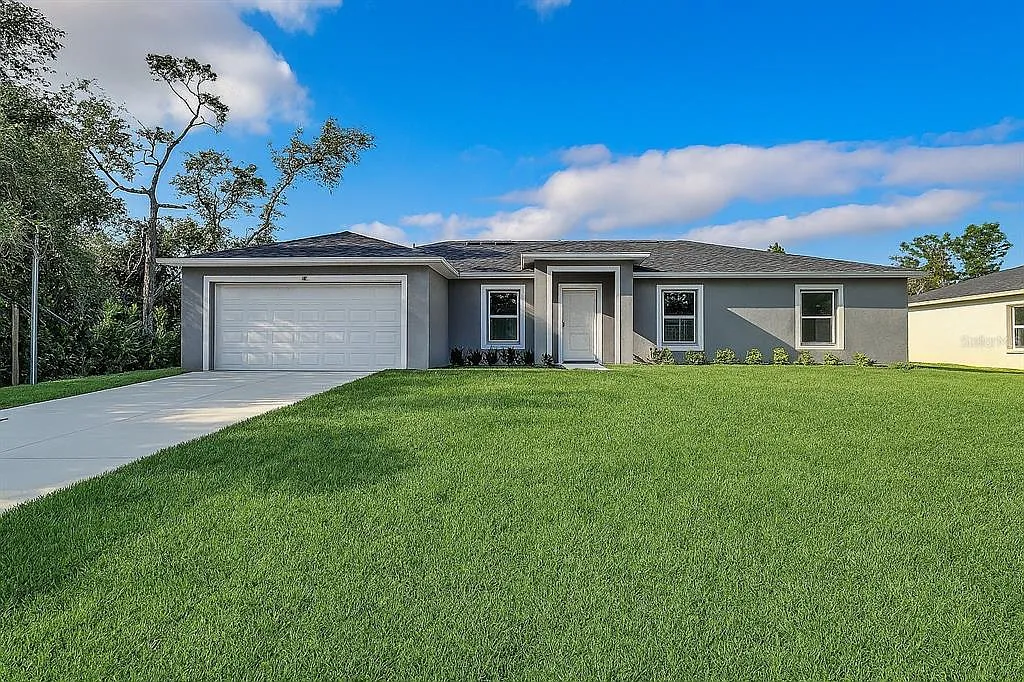
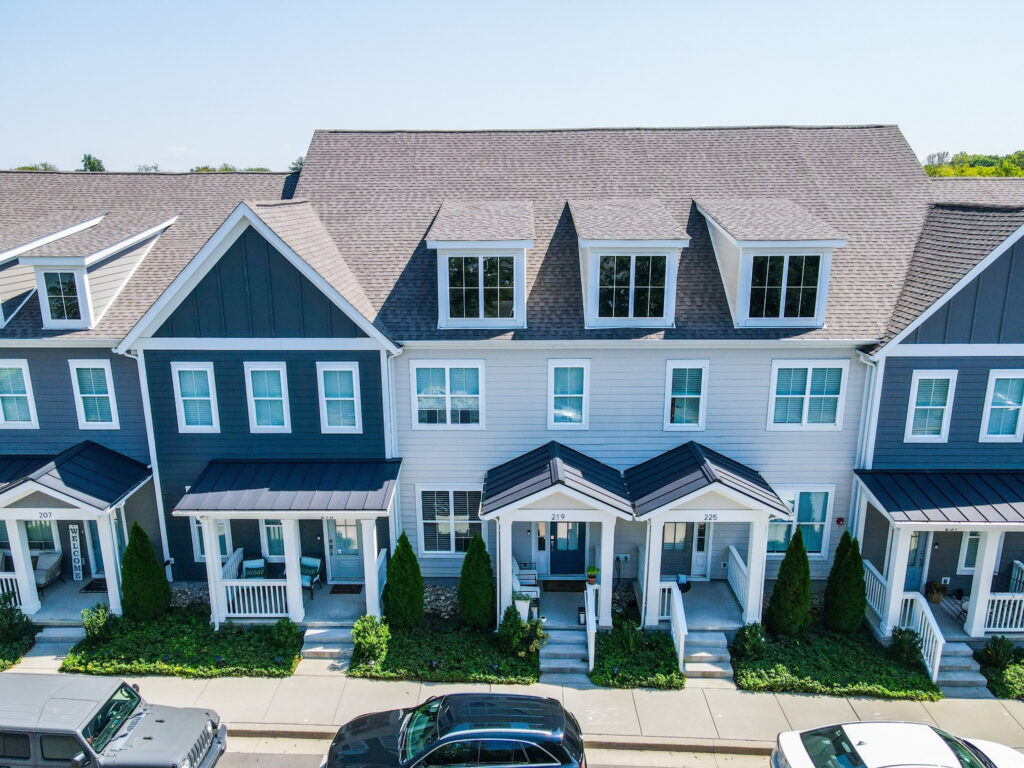
Out‑of‑State investors can compare Tennessee’s newer rental with higher NOI vs Florida’s A+ property with strong yield. Which fits YOUR investment strategy?
We have much more inventory available than what you see on our website – Let us know about your requirement.
📈 Choose Your Winner & Contact Us Today!
Speak to a Norada Investment Counselor (No Obligation):
(800) 611-3060
Mortgage rates remain high in 2026, but rental properties continue to deliver strong cash flow and appreciation. Savvy investors know that turnkey real estate is the path to passive income and long‑term wealth.
Norada Real Estate helps you secure turnkey rental properties designed for immediate cash flow and appreciation—so you can invest smartly regardless of interest rate trends.
Also Read:
- Mortgage Rates Predictions Backed by 7 Leading Experts: 2025–2026
- Mortgage Rate Predictions for the Next 3 Years: 2026, 2027, 2028
- 30-Year Fixed Mortgage Rate Forecast for the Next 5 Years
- 15-Year Fixed Mortgage Rate Predictions for Next 5 Years: 2025-2029
- Will Mortgage Rates Ever Be 3% Again in the Future?
- Mortgage Rates Predictions for Next 2 Years
- Mortgage Rate Predictions for Next 5 Years
- Mortgage Rate Predictions: Why 2% and 3% Rates are Out of Reach
- How Lower Mortgage Rates Can Save You Thousands?
- How to Get a Low Mortgage Interest Rate?
- Will Mortgage Rates Ever Be 4% Again?