Well, it looks like a little bit of good news for homeowners thinking about refinancing their mortgages. On June 17, 2026, the average rate for a 30-year fixed refinance actually dipped by 4 basis points. This means that if you've been on the fence about whether to refinance, today might be a day to take a closer look.
Mortgage Rates Today, June 17, 2026: 30-Year Refinance Rate Drops by 4 Basis Points
What’s Happening with Refinance Rates Right Now?
So, what does this little drop really mean for you? According to Zillow, the national average for a 30-year fixed refinance rate is now sitting at 6.68%. This is a small step down from yesterday's rate of 6.64%. While it might seem like a tiny change, every little bit counts when you're talking about a big loan like a mortgage.
It's not just the 30-year loans seeing movement. The 15-year fixed refinance rate also got a nice little haircut, dropping a more significant 12 basis points to 5.62%. And if you're looking at an adjustable-rate mortgage (ARM), the 5-year ARM refinance rate has seen the biggest dip, down a whole 50 basis points to 5.75%.
Right now, the national average for a 30-year fixed refinance is hovering between 6.60% and 6.70%. This means that many homeowners are watching these rates very closely. Even though rates are higher than they were last year (about 17% higher than the really low historic rates), people are still applying to refinance. However, applications actually dropped by 5% this past week. This tells me that even with a small rate drop, things are still pretty sensitive to what's happening in the bigger economy.
Why Are Rates Doing This? It’s Not Just One Thing!
It can be confusing to figure out why mortgage rates change. It's not like the Federal Reserve just wakes up and decides to change them. A lot of different things are going on behind the scenes that make lenders adjust their prices.
One of the big things is something called inflation. Think of inflation like prices going up for everything. When inflation is high, like it has been recently (showing a 4.2% increase in the Consumer Price Index), it makes borrowing money more expensive for everyone, including mortgage lenders. This forces bond yields higher, and that directly impacts what they can offer you for a mortgage.
Then there's what the Federal Reserve is doing. Even though inflation is still a bit high, the job market is still pretty strong. There were a lot of jobs added recently (172,000 in May), which means the Fed might not be in a hurry to lower interest rates anytime soon. Wall Street is kind of expecting rates to stay “higher for longer.”
And we can't forget what's happening around the world. Things like conflicts in the Middle East can make energy prices go up. When energy prices go up, it can also affect something called the 10-Year U.S. Treasury yield. This yield is a really important number that lenders look at when they decide what to charge for a 30-year mortgage. So, global events can have a direct impact on your mortgage rate!
Who Is Actually Refinancing These Days?
I've noticed that the people who are refinancing right now are usually those who bought their homes when rates were much higher, maybe even above 7%. They're looking to grab a better deal if they can.
Also, a lot of people are looking to get cash out of their homes, either for renovations or to pay off other debts. But it’s interesting, many are choosing a Home Equity Line of Credit (HELOC) instead of a full refinance. This is smart because they can keep their existing, low primary mortgage rate and just borrow extra money at a potentially higher rate for their specific need. It saves them from giving up their great original loan.
What Should You Look For When Thinking About Refinancing?
If you're thinking about refinancing, here are some things I'd really pay attention to:
- How Long Until You Save Money (Break-Even Point): Refinancing usually costs money upfront, often between 2% and 5% of your loan amount for closing costs. You need to figure out how many months it will take for the money you save each month to add up to more than those upfront costs. If you plan to move before you reach that “break-even” point, you might actually lose money by refinancing.
- Extending Your Loan Term: It’s tempting to lower your monthly payment by switching to a brand-new 30-year loan. But remember, this means you’ll be paying for your house for a lot longer. Over the entire life of the loan, you’ll end up paying a lot more in interest.
- Considering Other Ways to Get Cash: If you need money for a project or to pay off other debts, compare a cash-out refinance with a HELOC. Sometimes, it’s way cheaper to keep your low primary mortgage and get a separate HELOC for the extra cash you need. For example, mixing a 3% primary mortgage with a small 8% HELOC can be thousands of dollars cheaper than replacing your whole loan with a new 6.6% rate.
- Your Credit Score Matters a Lot: In today’s market, lenders want to see that you’re a super safe bet. If you have a great credit score (usually 740 or higher), you'll likely get the best rates. Before you apply, check your credit report and make sure everything is in order. You don't want to have your application turned down because of something on your credit that you could have fixed.
Here's a Quick Look at Today's Refinance Rates:
| Loan Type | Current Average Rate (June 17, 2026) | Change from Previous Week |
|---|---|---|
| 30-Year Fixed Refinance | 6.68% | Down 4 basis points |
| 15-Year Fixed Refinance | 5.62% | Down 12 basis points |
| 5-Year ARM Refinance | 5.75% | Down 50 basis points |
Rates are by Zillow.
It's a dynamic market out there, and these numbers can change. The best thing you can do is stay informed and talk to a mortgage professional to see what makes the most sense for your situation.
VS
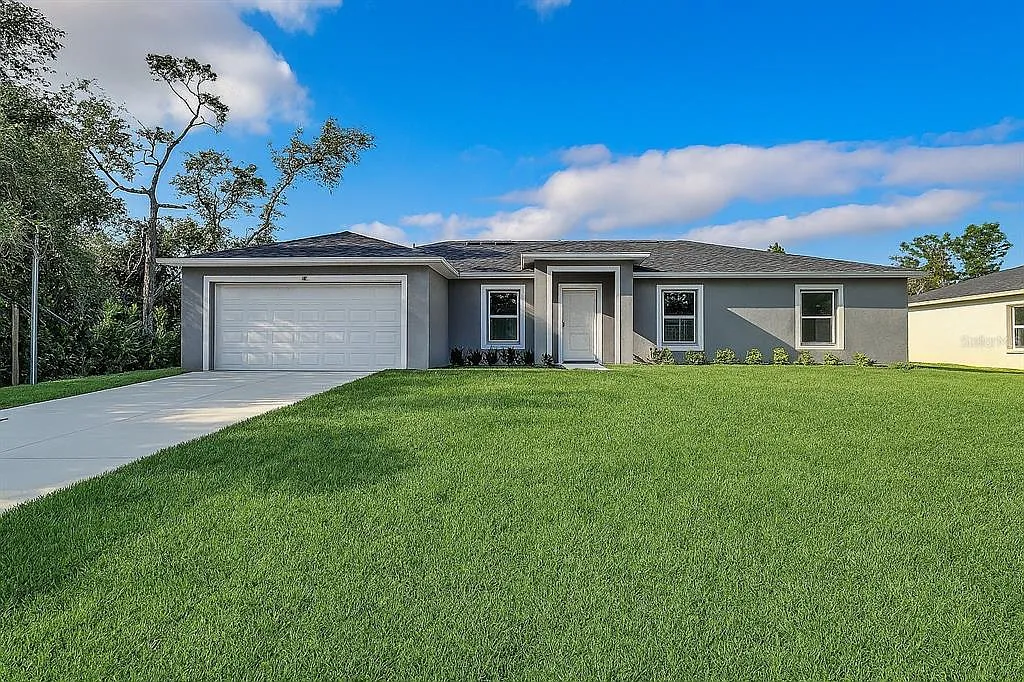
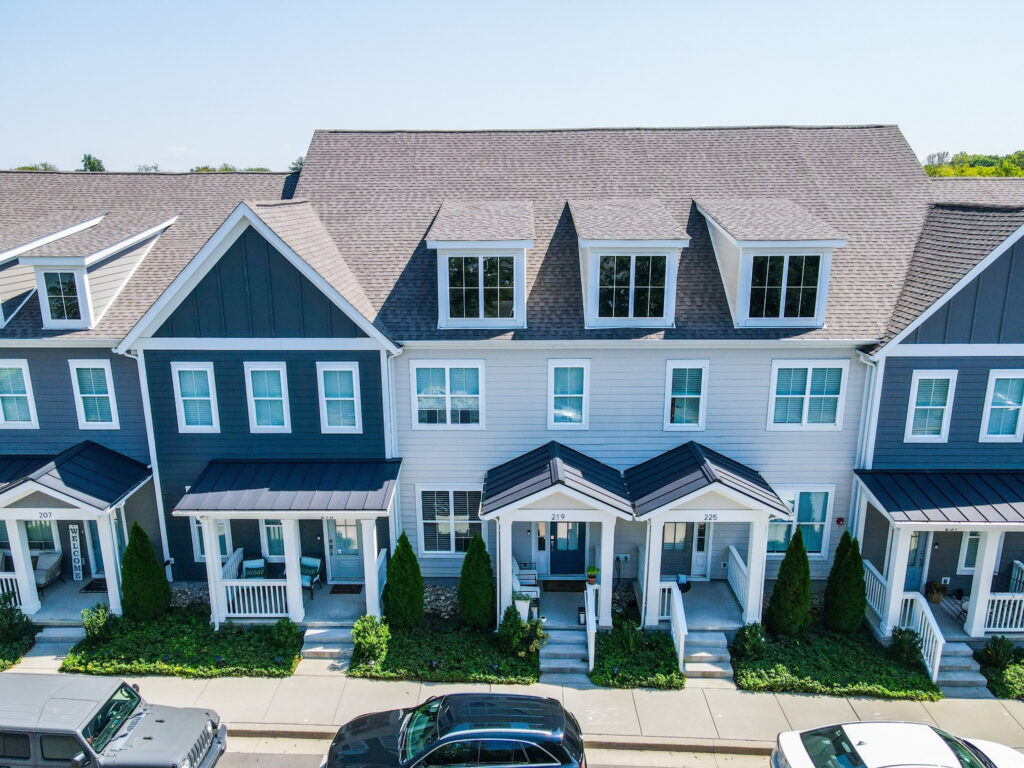
Out‑of‑State investors can compare Tennessee’s newer rental with higher NOI vs Florida’s A+ property with strong yield. Which fits YOUR investment strategy?
We have much more inventory available than what you see on our website – Let us know about your requirement.
📈 Choose Your Winner & Contact Us Today!
Speak to a Norada Investment Counselor (No Obligation):
(800) 611-3060
Mortgage rates remain high in 2026, but rental properties continue to deliver strong cash flow and appreciation. Savvy investors know that turnkey real estate is the path to passive income and long‑term wealth.
Norada Real Estate helps you secure turnkey rental properties designed for immediate cash flow and appreciation—so you can invest smartly regardless of interest rate trends.
Also Read:
- Mortgage Rates Predictions Backed by 7 Leading Experts: 2025–2026
- Mortgage Rate Predictions for the Next 3 Years: 2026, 2027, 2028
- 30-Year Fixed Mortgage Rate Forecast for the Next 5 Years
- 15-Year Fixed Mortgage Rate Predictions for Next 5 Years: 2025-2029
- Will Mortgage Rates Ever Be 3% Again in the Future?
- Mortgage Rates Predictions for Next 2 Years
- Mortgage Rate Predictions for Next 5 Years
- Mortgage Rate Predictions: Why 2% and 3% Rates are Out of Reach
- How Lower Mortgage Rates Can Save You Thousands?
- How to Get a Low Mortgage Interest Rate?
- Will Mortgage Rates Ever Be 4% Again?