As of today, June 12, 2026, if you're looking to refinance your home, you'll find that the national average for a 30-year fixed refinance rate has nudged up to 6.80%, marking a 12-basis-point increase from yesterday. This means that securing a new mortgage to replace your current one just got a little more expensive, especially if you're aiming for that popular 30-year term.
It feels like just yesterday we were talking about rates hovering closer to the 6.00% mark, and now we're consistently seeing them higher. I know it can be a bit disheartening when you see rates ticking up, especially when you've been watching them closely, hoping for that perfect moment to save some money. But understanding why these rates are moving is half the battle, and I'm here to break it down for you in plain English.
Mortgage Rates Today, June 12, 2026: 30-Year Refinance Rate Rises by 12 Basis Points
What's Driving These Rate Hikes?
You might be wondering, “Why are mortgage rates going up now?” It's a complex puzzle, but a few big pieces are definitely playing a role.
One of the main culprits is inflation. Remember those recent reports from the U.S. Labor Department? The May Consumer Price Index (CPI) showed inflation soaring at a 4.2% year-over-year clip, the highest it's been in over three years. When inflation is high, it makes the money we earn today worth less tomorrow. For investors who buy bonds, this means they need to get paid more interest to make it worthwhile, and that, in turn, pushes up mortgage rates.
Then there's the jobs market. The economy is still adding jobs, with May seeing 172,000 new positions, which is more than many expected. A strong job market usually means people are spending money, and that tells the financial world the economy isn't slowing down as much as some might like. This can make the Federal Reserve hesitant to lower interest rates, which directly influences mortgage rates.
Speaking of the Federal Reserve, they've decided to keep their target federal funds rate steady. With inflation still a concern and the job market humming along, they're in no rush to make borrowing cheaper. This “higher-for-longer” stance from the Fed is a big reason why we're seeing mortgage rates stay put at these higher levels.
Finally, we can't ignore what's happening with government debt. As the U.S. Treasury issues more bonds to manage the national debt, this massive supply can drive up the yields on those bonds. And guess what? When Treasury yields go up, mortgage rates tend to follow right behind them.
Refinance Rates Today: A Closer Look
Let's get down to the numbers, straight from Zillow's latest data. It's important to remember that these are national averages, and your personal rate could be a bit different based on your credit score, loan amount, and the lender you choose.
Here's a snapshot of where things stand as of Saturday, June 13, 2026:
| Loan Term | Current Average Rate | Change from Previous Day | Change from Previous Week |
|---|---|---|---|
| 30-Year Fixed | 6.80% | +12 basis points | +8 basis points |
| 15-Year Fixed | 5.93% | +12 basis points | – |
| 5-Year ARM | 7.04% | – | – |
(Source: Zillow Lender Marketplace via Yahoo Finance)
As you can see, both the 30-year and 15-year fixed refinance rates have moved up by 12 basis points in the last day. The 30-year fixed rate is now 8 basis points higher than it was at this time last week. It's a noticeable uptick, and it emphasizes the “sticky” nature of these rates, meaning they're not moving down quickly.
My Take: What Does This Mean for You?
From my perspective, watching these rates fluctuate has become a daily ritual for many homeowners. We're in a bit of a holding pattern, where rates are high, but they're not necessarily skyrocketing. The key takeaway is that rates have been relatively stable in a higher range since February 2026, when 30-year rates briefly dipped close to 6.00%.
If you're thinking about refinancing, it's crucial to understand that what constitutes a “good” rate is quite subjective these days. According to some financial analyses from June 2026, snagging a rate at or just above 6.00% is still considered a solid deal. So, while today's 6.80% might feel high, it's important to compare it to the broader trend and your own financial goals.
Should You Refinance Now?
This is the million-dollar question, isn't it? My advice is always to run the numbers and see if it makes sense for your specific situation.
- Consider Shorter Terms: If your main goal is to save money on interest over the life of your loan, and not just lower your monthly payment, then looking at a 15-year fixed refinance might be a smart move. As you can see, those rates are generally lower than the 30-year options.
- Break-Even Analysis is Key: Don't forget about the costs involved in refinancing. You'll typically have closing costs, which can range from 2% to 6% of your loan amount. You need to be sure you plan to stay in your home long enough for the savings from your lower monthly payment to cover these upfront fees. I always advise my clients to calculate their “break-even point” before they commit.
- Locking vs. Floating: This is a strategic decision. With the Fed's stance and potential economic shifts, rates could go up or down. If you find a rate you're happy with, consider locking it in. This protects you from any potential increases before your loan closes. Some lenders offer a “float-down” option, which allows you to take advantage of lower rates if they happen to drop before you finalize your loan, but this isn't always available or might come with a fee.
The mortgage market is always moving, and while today's increase might feel significant, it's part of a larger trend. My expertise tells me that the best approach is always to stay informed, understand the forces at play, and make a decision that aligns with your personal financial roadmap.
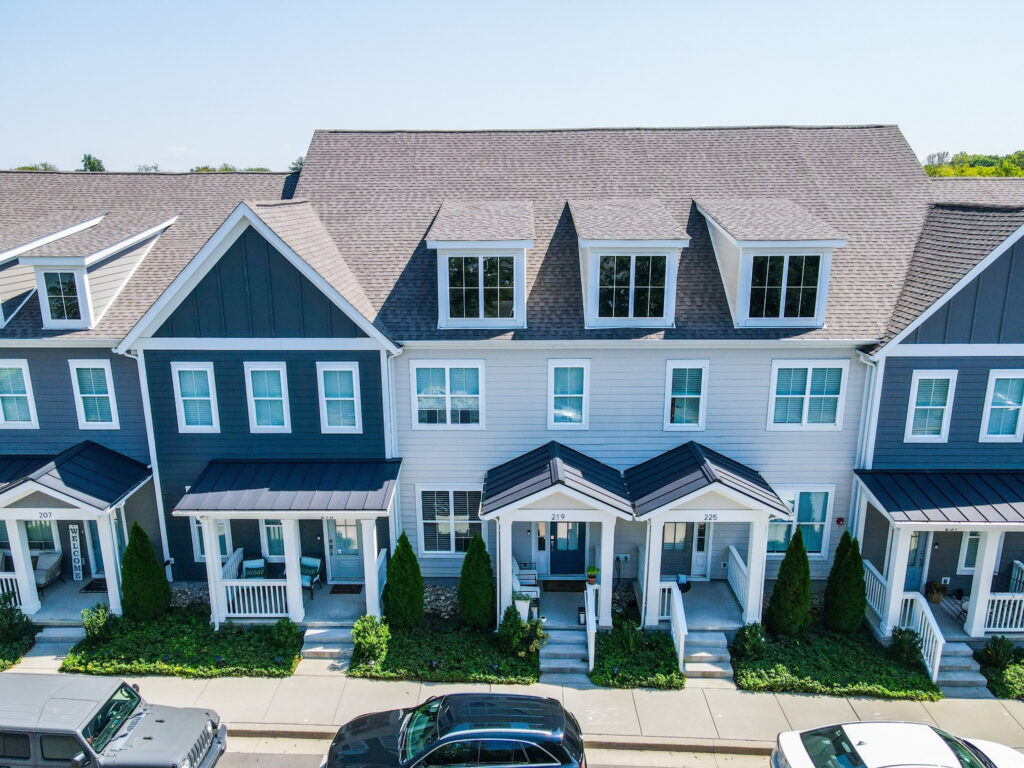
VS
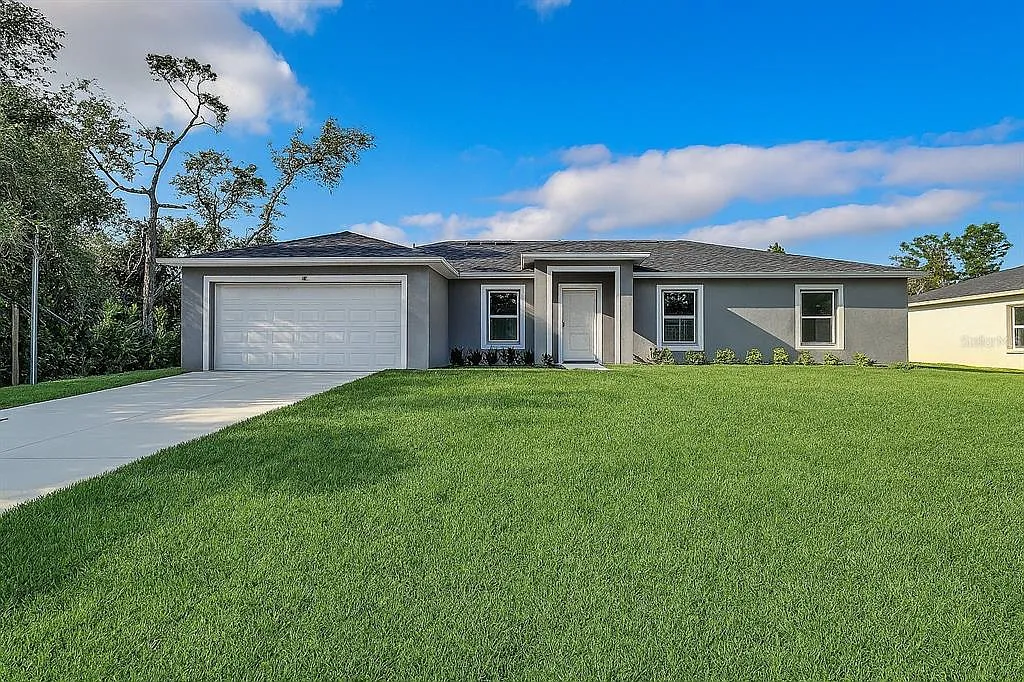
Out‑of‑State investors can compare Tennessee’s newer rental with higher NOI vs Florida’s A+ property with strong yield. Which fits YOUR investment strategy?
We have much more inventory available than what you see on our website – Let us know about your requirement.
📈 Choose Your Winner & Contact Us Today!
Speak to a Norada Investment Counselor (No Obligation):
(800) 611-3060
Mortgage rates remain high in 2026, but rental properties continue to deliver strong cash flow and appreciation. Savvy investors know that turnkey real estate is the path to passive income and long‑term wealth.
Norada Real Estate helps you secure turnkey rental properties designed for immediate cash flow and appreciation—so you can invest smartly regardless of interest rate trends.
Also Read:
- Mortgage Rates Predictions Backed by 7 Leading Experts: 2025–2026
- Mortgage Rate Predictions for the Next 3 Years: 2026, 2027, 2028
- 30-Year Fixed Mortgage Rate Forecast for the Next 5 Years
- 15-Year Fixed Mortgage Rate Predictions for Next 5 Years: 2025-2029
- Will Mortgage Rates Ever Be 3% Again in the Future?
- Mortgage Rates Predictions for Next 2 Years
- Mortgage Rate Predictions for Next 5 Years
- Mortgage Rate Predictions: Why 2% and 3% Rates are Out of Reach
- How Lower Mortgage Rates Can Save You Thousands?
- How to Get a Low Mortgage Interest Rate?
- Will Mortgage Rates Ever Be 4% Again?