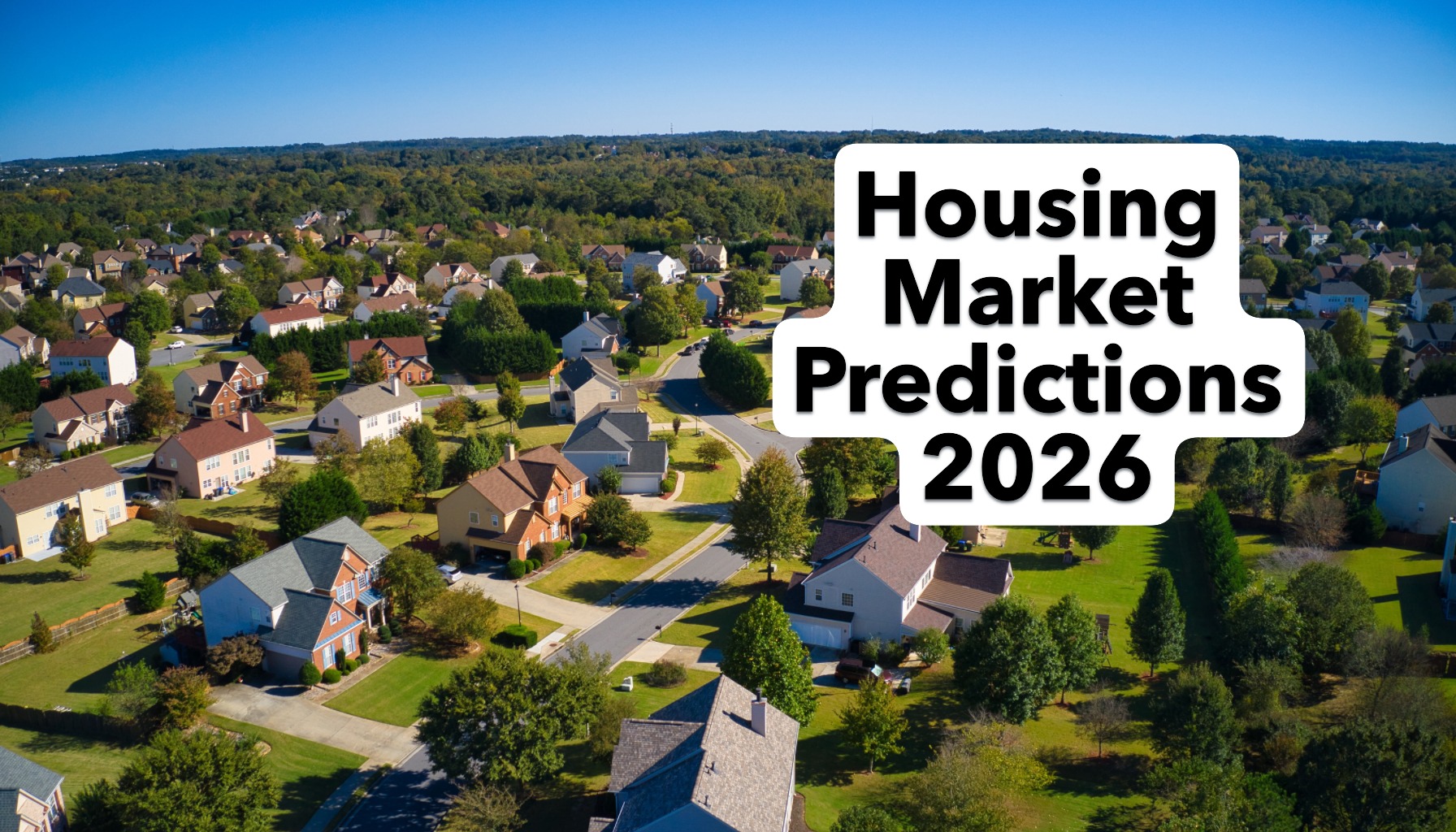
If you're a homeowner feeling a bit uneasy about your home's value right now, you'll likely breathe a sigh of relief knowing that by 2026, it's predicted that fewer homeowners will owe more on their mortgage than their home is worth. This is great news, as it points towards a more stable and positive housing market for many across the country.
One of the biggest worries for homeowners, especially in recent times, has been the dreaded “negative equity” – often called being “underwater.” This is when your home's market value dips below what you still owe on your mortgage. It can feel like being stuck, making it tough to sell your house or refinance your loan. But, looking at the latest predictions from Zillow's economists, it seems like this particular headache is set to ease up significantly by 2026.
Housing Market Forecast 2026: Fewer Homeowners Will Fall Into Negative Equity
Why the Optimism for Homeowners?
The main reason for this shift is that home values are expected to firm up and grow, albeit modestly. Zillow is forecasting a 1.2% rise in home values nationwide in 2026. Now, that might not sound like a huge jump, but it's a crucial sign of the market finding its footing. Think of it like a boat that was rocking a bit too much; it's starting to settle into a more stable rhythm.
This gentle increase in home values means that fewer homeowners will find themselves owing more than their property is worth. In 2025, Zillow notes that about 24 of the largest housing markets were experiencing annual price declines. The good news is, their forecast for 2026 is that this number will be halved to just 12 major markets. This directly translates to fewer people falling into that underwater situation. For those of us who’ve seen our Zestimates dip, this offers a much-needed sense of comfort and security. Building equity, rather than losing it, is a cornerstone of homeownership.
What's Driving This Stability?
Several factors are working together to create this more positive outlook.
1. Improving Affordability: While mortgage rates are expected to stay above 6% (which is still higher than the pandemic lows we saw), they are predicted to moderate gradually. This, combined with incomes that are keeping pace with or even outpacing rent increases, means more people will have the financial breathing room to consider buying a home. When more people can afford to buy, demand goes up, and that helps support home prices.
2. More Homes for Sale (Sort Of): While new home construction is predicted to be slow, the number of existing home sales is expected to increase. Zillow projects 4.26 million existing home sales in 2026, a jump of 4.3% from the previous year. This tells me that pent-up demand, which has been building due to limited inventory and high rates, is starting to get released. People who have been waiting to move are starting to see their opportunity.
3. Renters Find Some Relief: This is a big one that often gets overlooked but directly impacts the housing market. Rent affordability is expected to improve for apartment dwellers. Zillow forecasts that multifamily rents will rise by a mere 0.3% in 2026. This is fantastic news for renters, giving their incomes a chance to catch up. When renting becomes more affordable, fewer people feel an urgent need to buy simply to escape skyrocketing rents, which can indirectly help stabilize the buying market.
My Thoughts on the Forecast
As someone who's spent a lot of time immersed in real estate discussions, I find this forecast to be one of the more realistic and encouraging ones I've seen in a while. It doesn't promise a boom, but rather a much-needed period of stability and recovery.
The emphasis on fewer homeowners falling into negative equity is particularly important. It signifies a market that isn't experiencing the kind of dramatic downturn that leaves people financially trapped. This suggests a healthier ecosystem where buyers can enter with more confidence and existing homeowners can feel more secure about their investment.
I also appreciate that Zillow isn't predicting a return to those super-low mortgage rates. It’s important to be realistic. Rates above 6% mean that careful budgeting is still essential for buyers. However, the prediction of gradual rate moderation is key. It’s about making the market accessible again, not about handing out ultra-cheap money.
Who Are the Homeowners of 2026?
It’s also worth noting the evolving profile of those looking to own a home and those choosing to rent. Zillow’s research highlights some interesting trends:
- The “Lifestyle Renter”: A significant portion of Americans are now choosing to rent as a lifestyle choice. They value the mobility, lack of maintenance headaches, and flexibility that renting offers. This means the demand for rentals won't disappear, even if buying becomes more accessible.
- Generations at Home: With more families renting, “kidfluence” is becoming a real factor in rental demand. Properties offering family-friendly amenities like play areas or study nooks will be in higher demand. This shows how personal needs are shaping housing choices.
What Buyers and Sellers Can Expect
For those looking to buy, 2026 seems to offer a bit more breathing room. You might face less competition for properties compared to peak frenzy times, and with prices stabilizing, you’ll have a clearer picture of what you can afford.
For sellers, this forecast suggests a market where your home is more likely to sell at a fair price. The days of needing to drastically slash prices to attract a buyer should become less common in most areas.
A Note on New Construction
It's interesting to see that new home construction is predicted to be at its slowest since before the pandemic. Builders are being cautious, likely due to the existing stock of homes and current economic conditions. This means that the market might continue to rely heavily on existing homes, which is why the increase in existing home sales is so important. Builders will likely continue to offer incentives to make their new homes appealing.
The Bottom Line
Overall, my take is that the housing market forecast for 2026, particularly from Zillow, points towards a period of healing and stabilization. The most significant takeaway for me is the projected decrease in homeowners falling into negative equity. This is a sign of a market that's moving away from potential distress and towards a more sustainable path. It’s not a market set for explosive growth, but rather one that offers more predictable conditions for both buyers and sellers.
Want Stronger Returns? Invest Where the Housing Market’s Growing
Turnkey rental properties in fast-growing housing markets offer a powerful way to generate passive income with minimal hassle.
Work with Norada Real Estate to find stable, cash-flowing markets beyond the bubble zones—so you can build wealth without the risks of ultra-competitive areas.
🔥 HOT NEW LISTINGS JUST ADDED! 🔥
Talk to a Norada investment counselor today (No Obligation):
(800) 611-3060
Also Read:
- Top 10 Housing Markets Set to Deliver High ROI in 2026
- Top 10 Most Popular Housing Markets of 2025 for Homebuyers
- Will Real Estate Rebound in 2026: Top Predictions by Experts
- Housing Market Predictions for the Next 4 Years: 2026, 2027, 2028, 2029
- Housing Market Predictions for 2026 Show a Modest Price Rise of 1.2%
- Housing Market Predictions 2026 for Buyers, Sellers, and Renters
- 12 Housing Markets Set for Double-Digit Price Decline by Early 2026
- Real Estate Forecast: Will Home Prices Bottom Out in 2025?
- Housing Markets With the Biggest Decline in Home Prices Since 2024
- Why Real Estate Can Thrive During Tariffs Led Economic Uncertainty
- Rise of AI-Powered Hyperlocal Real Estate Marketing in 2025
- Real Estate Forecast Next 5 Years: Top 5 Predictions for Future
- 5 Hottest Real Estate Markets for Buyers & Investors in 2025