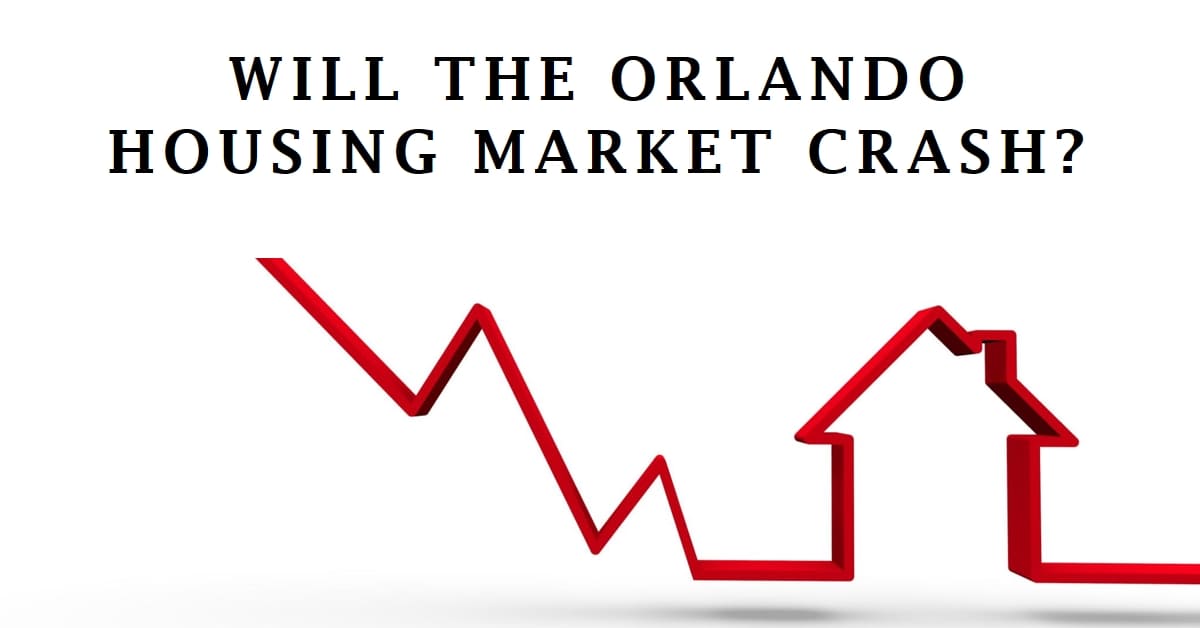
The Orlando housing market in November 2025 showed a clear slowdown, with fewer homes selling and fewer new ones hitting the market. While this might sound discouraging, it’s actually a pretty normal shift as we head into the holiday season, and it could even present some unique opportunities for buyers.
Late 2025 has felt like a season of adjustment. The latest data paints a picture of a market taking a breath before the new year kicks in. It’s not a drastic collapse, but more of a gentle recalibration. Let's dive into what these numbers really mean for you.
Orlando Housing Market Update for 2025
Home Sales: A noticeable dip heading into the holidays
Looking at the numbers from the Orlando Regional REALTOR® Association, it's pretty clear that home sales took a hit from October to November. We saw a 22.1% drop, with sales going from 2,335 in October down to 1,820 in November. I’ve seen this pattern before. As the weather gets cooler and the holidays approach, people tend to put their moving plans on hold. It’s just the natural rhythm of life – less hustle and bustle, more family time.
When we look at the different types of homes, single-family homes saw a 22.3% decrease in sales, going from 1,868 in October to 1,452 in November. Condo sales dropped even more sharply at 26.4%, from 258 to 190. Townhouses and villas also saw a dip, down 14.8%. This kind of widespread decline across the board is typical when the overall market activity slows. It's less about individual home issues and more about the collective shift in buyer and seller behavior.
Home Prices: Still inching upwards
Despite the drop in sales volume, home prices in Orlando didn't really take a nosedive. In fact, the median home price crept up by 1.3% from October to November, hitting $385,000. This is something I find particularly interesting. Even with fewer transactions, the value of the homes that did sell held steady or even slightly increased. This hints that sellers who were motivated to sell in November were likely asking for fair prices, and buyers who moved forward were willing to meet those prices. It’s a subtle strength in the market that often gets overlooked when people focus only on the sales numbers.
Let’s break that down a bit more:
- Single-Family Homes: The median price for these homes sat at $415,000 in November.
- Condos: These had a median price of $195,000.
- Townhouses/Villas: The median price here was $339,950.
It’s important to remember these are median prices, meaning half the homes sold for more, and half sold for less.
Housing Supply: A bit of a mixed bag
Here’s where things get a little nuanced. While the total number of homes on the market, or inventory, actually decreased by 4.1% from October (13,047) to November (12,516), the months of supply rose significantly by 23.1%. This sounds like a contradiction, but I'll explain.
Think of it this way: fewer homes are being added to the market (new listings were down 21.4% from 3,676 to 2,891), but the homes that are already there are sitting around longer because fewer buyers are actively purchasing them. This increase in the months of supply, up to 6.88 months in November (compared to 5.59 months in October), is a key indicator.
- What does “months of supply” mean? It tells us how long it would take to sell all the homes currently on the market if no new homes were listed and sales continued at the current pace.
- A balanced market: Traditionally, about six months of supply is considered a balanced market where neither buyers nor sellers have a huge advantage.
- Our current situation: With 6.88 months of supply, we're tipping slightly beyond a balanced market and moving more towards a buyer's market, or at least a market with more opportunities for buyers.
This rise in supply, coupled with fewer sales, is why homes were actually sitting on the market for slightly longer, with an average of 76 days on the market (DOM) in November, just a touch down from 77 days in October.
Market Trends – Shifting Towards a Buyer's Advantage?
So, is it a seller's market or a buyer's market in Orlando right now? Based on the November data, I'm leaning towards a market that's showing signs of shifting towards the buyer.
Let's break down why I think this:
- Decreased Sales & New Listings: The drop in both sales and new homes entering the market suggests that sellers are holding back. This is common heading into the holidays, as Lawrence Bellido, president of the Orlando Regional REALTOR® Association, pointed out. When you have fewer sellers actively listing, it can sometimes mean less competition for the homes that are available.
- Increased Months of Supply: As we discussed, the jump to nearly 7 months of supply indicates that there are more homes available relative to the number of buyers actively purchasing. This gives buyers more choices and potentially more room to negotiate.
- Slight Price Appreciation: While prices didn't plummet, the fact that they still managed to increase slightly despite the lower sales volume suggests that the demand is still present, but perhaps more selective. Buyers might be more focused on finding the right home at the right price, and sellers are adjusting their expectations.
- Interest Rate Watch: The interest rate ticked up slightly to 6.1% in November from 6.0% in October. While this might seem small, even slight increases in interest rates can impact affordability for buyers, which can further influence market dynamics. It’s a constant factor to watch.
The Bigger Picture: Beyond the Numbers
It’s easy to get lost in the percentages and figures, but I always remind people that real estate is about more than just data. It’s about people’s lives, their dreams, and their financial futures. November's slowed pace in Orlando is a natural pause. It’s a time for reflection for buyers and sellers alike.
The fact that distressed home sales (bank-owned and short sales) accounted for only 1.3% of all sales is a positive sign. This indicates that the market isn't being flooded with foreclosures, which usually signals a healthier overall economy and housing stability.
As we look ahead to the new year, keeping an eye on interest rate trends and how inventory levels change will be key. Will more sellers decide to list in the wake of the holidays? Will interest rates begin to stabilize or even dip? These are the questions that will shape the Orlando housing market in 2026.
My professional opinion is that Orlando's housing market, while experiencing a seasonal cooldown, remains fundamentally strong. The demand is there, bolstered by the city's popularity as a place to live, work, and play. The current shift simply offers a different set of dynamics for those looking to make a move.
Orlando Housing Market Forecast: What's Next for Home Prices in 2026?
So, will home prices drop? Will it crash? Let’s dive into what we can reasonably expect for the Orlando housing market in 2026, and then I’ll offer a glimpse into 2027.
The Outlook for 2026: A Stabilizing Market, Not a Crash
Right now, I don't see a crash on the horizon for Orlando home prices in 2026. In fact, my prediction is for a period of stabilization with moderate appreciation, rather than a significant drop. Here’s why:
- Continued Demand: Orlando remains a highly desirable area. People are drawn to the job opportunities, the vibrant lifestyle, and the overall appeal of living in Central Florida. This sustained demand is a powerful buffer against widespread price drops.
- Limited Supply: While we saw inventory rise slightly in late 2025, the underlying issue of a long-term shortage of homes, especially affordable ones, is likely to persist. When demand outstrips supply, prices tend to stay firm or creep up, even if the pace slows. New construction is happening, but it often struggles to keep up with the sheer volume of demand.
- Interest Rate Influence: This is the big variable. If interest rates continue to hover around current levels or even see slight dips, it will continue to support buyers’ purchasing power. If they were to spike dramatically, that could cool demand and potentially lead to price stagnation or even slight retreats in some segments. However, a widespread crash requires a massive, sustained shock to the economy or a flood of foreclosures, neither of which seem likely in the current environment.
- Economic Fundamentals: Orlando's economy is generally robust. Continued job growth and investment in the region provide a solid foundation for the housing market. While national economic shifts can have an impact, the local factors in Orlando are quite strong.
My best guess for 2026: I'm forecasting that we'll see home prices in Orlando experience slow, steady appreciation, perhaps in the 2-5% range annually, depending on the specific neighborhood and property type. It won't be the dramatic surges we saw a couple of years ago, but a return to a more sustainable pace. It’s more likely to feel like a growth market with moderated enthusiasm, where well-priced homes in good locations will continue to perform well.
A Glimpse into 2027: Continued Stability and Potential for Renewed Growth
Looking further out to 2027, I anticipate a continuation of the trend seen in 2026, with perhaps a bit more momentum building.
- Sustained Demand Drivers: The factors that make Orlando attractive are unlikely to disappear. Population growth, a strong tourism and service sector, and the expanding tech and healthcare industries will continue to draw people in.
- Addressing the Supply Gap: While not a quick fix, efforts to increase housing supply through new development will likely be ongoing. If construction can accelerate and become more inclusive of different price points, it could start to ease some of the price pressures, leading to even more predictable price growth.
- Interest Rate Navigation: By 2027, we might have a clearer picture of the long-term interest rate environment. If rates have settled into a more predictable range, this will provide greater confidence for both buyers and sellers, potentially leading to more consistent activity and price appreciation than in the immediate post-pandemic boom.
So, will prices crash in 2027? My strong opinion is no. The underlying fundamentals of Orlando are too robust. What we might see is a return to a more balanced appreciation, perhaps in the 3-6% range annually. This means that while your home will likely continue to grow in value, it won’t be at a pace that creates unsustainable bubbles.
The Orlando housing market is evolving, moving from the frenetic pace of recent years to a more measured, sustainable growth trajectory. My professional experience suggests that smart decisions, grounded in current data and realistic future projections, will be the key to success for anyone involved in this market cycle.
Build Wealth with Turnkey Real Estate — Even in a High-Rate Market
High interest rates don’t have to hold you back. Turnkey rental properties still deliver steady cash flow and long-term appreciation—especially in markets with strong rental demand and job growth.
Work with Norada Real Estate to identify profitable, cash-flowing markets that thrive even when borrowing costs rise—so your investments stay strong and stress-free.
NEW TURNKEY DEALS JUST ADDED!
Talk to a Norada investment counselor today (No Obligation):
(800) 611-3060
Read More:
- Hottest Florida Housing Markets in 2025: Miami and Orlando
- Should You Invest In The Orlando Housing Market?
- Homebuyers Are Moving to Sacramento, Las Vegas, and Orlando
- Florida Housing Market: Record Supply Expected to Favor Buyers in 2025
- St. Petersburg Housing Market Prices and Forecast
- Is a Big Housing Market Shift Underway?