Norada Real Estate Investments

  • Home
  • Markets
  • Properties
  • Membership
  • Podcast
  • Learn
  • About
  • Contact

Fed Predicted to Deliver Only One Interest Rate Cut in 2025

May 22, 2025 by Marco Santarelli

Fed Predicted to Deliver Only One Interest Rate Cut in 2025

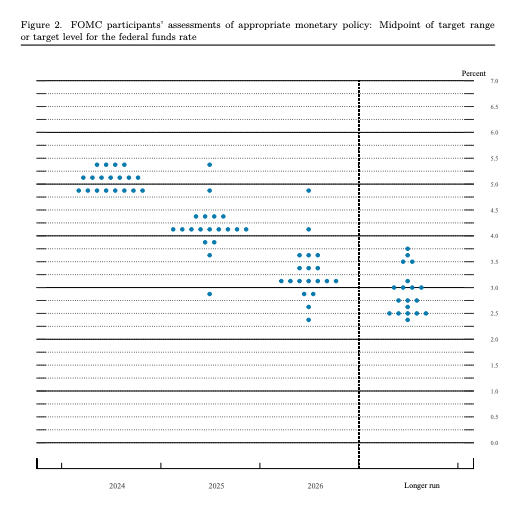
The question on everyone's mind in the financial world right now is: when will interest rates come down? Well, according to Atlanta Fed President Raphael Bostic, we might only see one interest rate cut in 2025. This outlook, which he shared recently, hinges largely on the time it will take for the Federal Reserve to fully grasp the economic consequences of the White House's new tariff policies. So, if you're hoping for a significant easing of borrowing costs this year, you might need to adjust your expectations.

Fed Predicted to Deliver Only One Interest Rate Cut in 2025

For a while now, the Fed has been walking a tightrope, trying to bring down inflation without sending the economy into a tailspin. We've seen interest rates stay higher for longer than many initially anticipated. Now, with the added layer of uncertainty from these new tariffs, it seems the Fed is taking an even more cautious approach. Bostic himself adjusted his earlier forecast of two rate cuts down to just one, and it seems his reasoning is pretty sound.

The Tariff Tango: A Waiting Game for the Fed

The core of Bostic's thinking revolves around the fact that understanding the true impact of these tariffs won't be an overnight process. He pointed out that the scale and variety of the proposed tariffs across different sectors and countries are much broader than what was initially anticipated at the start of the year. This isn't just a minor tweak in trade; it's a potentially significant shift that could ripple through the entire economy.

Think about it from a business perspective. If a company suddenly faces higher costs on imported materials due to tariffs, they have a few choices: absorb the cost, try to find alternative (and potentially more expensive or lower quality) suppliers, or pass those costs on to consumers through higher prices. We've already seen some big players, like Walmart, hinting at the possibility of price increases.

This is where the Fed's concern about inflation comes back into play. If businesses across the board start raising prices to offset tariff-related costs, we could see a resurgence of inflationary pressures. And after all the effort to bring inflation down, that's the last thing the Fed wants.

Bostic emphasized that the details of these tariffs are crucial and that it will take three to six months to really get a clear picture of how they're affecting the economy at an aggregate level. This waiting period is why he believes there will be less room than previously expected for interest rate cuts this year. The Fed needs to see the data, analyze the trends, and understand the full implications before making any definitive moves.

More Than Just Numbers: The Human Element of Economic Policy

What I find particularly insightful in Bostic's comments is the recognition of the human element in all of this. He talked about how businesses were caught off guard by the tariff policies, having perhaps expected a different economic agenda. This surprise can lead to hesitation and uncertainty when it comes to investment decisions. If businesses are unsure about future costs and demand due to tariffs, they might be less willing to invest in expansion, hiring, and innovation.

Furthermore, the foreboding that Bostic mentioned – the feeling that the impact of tariffs is coming even if we're not seeing it fully in prices yet – can also influence consumer behavior. If people are worried about higher prices down the line, they might become more cautious with their spending, which could slow down economic growth.

This highlights a key aspect of economic policy that often gets overlooked in dry data and charts: sentiment and expectations matter a lot. If people believe inflation will go up, their behavior can actually contribute to that outcome. This is why the Fed pays close attention to inflation expectations, both in the short and long term.

My Take on the Situation: A Cautious Stance Makes Sense

Personally, I think Bostic's cautious outlook on interest rate cuts is a pragmatic one. The introduction of significant tariffs throws a wrench into the economic machinery, and it's wise for the Fed to take a step back and assess the situation before making any drastic moves on interest rates.

We've seen how quickly economic conditions can change, and rushing into rate cuts before understanding the full impact of these tariffs could have unintended consequences, potentially reigniting inflation or creating new economic imbalances.

The Fed's dual mandate is to maintain price stability and maximum employment. Right now, it seems the focus is more on the inflation side, especially given the uncertainty surrounding tariffs. While a single interest rate cut in 2025 might be disappointing for those hoping for lower borrowing costs, it reflects a careful approach to navigating a complex and evolving economic landscape.

What This Means for You

So, what does this outlook mean for everyday folks and businesses?

  • Borrowers: If you're planning on taking out a loan (mortgage, car loan, etc.), don't necessarily count on significantly lower interest rates this year. Plan your finances accordingly.
  • Savers: Higher interest rates on savings accounts and fixed-income investments might persist for a bit longer.
  • Businesses: Be prepared for potential cost increases due to tariffs and factor that into your pricing and investment strategies. The uncertainty also underscores the importance of flexibility and adaptability.
  • Investors: The market might experience some volatility as it digests the implications of the tariff policies and the Fed's cautious stance. Focus on long-term fundamentals and diversification.

Looking Ahead: The Data Will Tell the Tale

Ultimately, the actual path of interest rates in 2025 will depend on the economic data that emerges in the coming months. We'll be closely watching inflation figures, consumer spending, business investment, and of course, the real-world impact of the tariffs. Bostic himself acknowledged that the range of possibilities for the U.S. economy is still quite wide.

While his current leaning is towards one rate cut, the Fed's decisions are data-dependent. If inflation shows persistent signs of easing and the impact of tariffs appears manageable, there could be room for more easing. Conversely, if inflation remains sticky or tariffs lead to significant price pressures, even one rate cut might be off the table.

Bottom Line

Atlanta Fed President Bostic's prediction of only one interest rate cut in 2025 is a significant piece of the puzzle in understanding the future direction of monetary policy. His rationale, rooted in the need to assess the economic impact of new tariffs, highlights the complexities and uncertainties facing the Federal Reserve. While this outlook might adjust as more data becomes available, it serves as a crucial reminder that the path to lower interest rates might be longer and more gradual than some had hoped. Staying informed and understanding the factors influencing the Fed's decisions is key to navigating the economic landscape ahead.

“Position Your Investments for the Next Decade”

With interest rates expected to remain high, smart investors are locking in real estate opportunities now to build long-term passive income and hedge against rising costs.

Norada offers turnkey, fully managed properties in high-demand markets—perfect for building wealth regardless of the rate environment.

HOT NEW LISTINGS JUST ADDED!

Speak to a Norada investment advisor today (No Obligation):

(800) 611-3060

Get Started Now

Recommended Read:

  • Interest Rate Predictions for the Next 10 Years: 2025-2035
  • Will the Bond Market Panic Keep Interest Rates High in 2025?
  • Interest Rate Predictions for 2025 by JP Morgan Strategists
  • Interest Rate Predictions for Next 2 Years: Expert Forecast
  • Fed Holds Interest Rates But Lowers Economic Forecast for 2025
  • Fed Indicates No Rush to Cut Interest Rates as Policy Shifts Loom in 2025
  • Fed's Powell Hints of Slow Interest Rate Cuts Amid Stubborn Inflation
  • Fed Funds Rate Forecast 2025-2026: What to Expect?
  • Interest Rate Predictions for 2025 and 2026 by NAR Chief
  • Market Reactions: How Investors Should Prepare for Interest Rate Cut
  • Interest Rate Predictions for the Next 3 Years
  • Impact of Interest Rate Cut on Mortgages, Car Loans, and Your Wallet
  • Interest Rate Predictions for Next 10 Years: Long-Term Outlook
  • When is the Next Fed Meeting on Interest Rates?
  • Interest Rate Cuts: Citi vs. JP Morgan – Who is Right on Predictions?
  • More Predictions Point Towards Higher for Longer Interest Rates
Filed Under: Economy, Financing, Mortgage Tagged With: Economy, Fed, Federal Reserve, Interest Rate, mortgage

Will the Bond Market Panic Keep Interest Rates High in 2025?

May 12, 2025 by Marco Santarelli

Will the Bond Market Panic Keep Interest Rates High in 2025?

The recent turmoil in the bond market has understandably left many wondering about the future of interest rates. As of May 12, 2025, the 10-year U.S. Treasury yield stood at a notable 4.382%, signaling a period of stress in this critical sector of the global financial system. The big question on everyone's mind, and what we'll delve into here, is whether this bond market panic will keep rates high. My take is that while the immediate reaction has been an increase in yields and thus interest rates, the long-term trajectory is far from set in stone and hinges on a complex interplay of factors.

Will the Bond Market Panic Keep Interest Rates High in 2025?

To really understand what's happening now and what might happen next, it's important to grasp some fundamental concepts about the bond market. Think of bonds as essentially IOUs. When governments or companies need to borrow money, they issue these bonds. Investors who buy them are lending money and in return, they get periodic interest payments, known as coupons, and the original amount they lent back when the bond matures.

Now, here's a key point: bond prices and their yields move in opposite directions. When a lot of people want to sell bonds (increasing supply or pressure), the price goes down. Because the fixed coupon payments are now a larger percentage of the lower price, the yield – the actual return an investor gets – goes up.

The 10-Year U.S. Treasury yield is a really big deal because it acts as a benchmark for so many other interest rates in the economy. This includes things like mortgage rates, the interest you pay on corporate loans, and even how much the government itself has to pay to borrow money. A higher 10-year Treasury yield generally tells us that investors want more compensation for holding onto longer-term debt. This could be because they expect higher inflation down the road, they see more economic uncertainty, or they perceive a greater risk.

What's Causing the Current Bond Market Turmoil?

Lately, the bond market has definitely been a bit rocky. We've seen some pretty significant and rapid sell-offs, leading to those higher Treasury yields. From my perspective, this isn't just one thing happening; it's a combination of different forces all hitting at once:

  • Trade Tensions: Remember those back-and-forth tariffs between the U.S. and China? Well, they're still casting a shadow of uncertainty over the global economy. When businesses and investors get nervous about trade wars, they tend to become more cautious. We've seen some investors pulling back from assets they see as riskier, and that can sometimes include selling off bonds, even U.S. Treasuries which are usually seen as a safe harbor in stormy times. This selling pressure pushes bond prices down and yields up.
  • Debt Ceiling Concerns: Earlier in 2025, the U.S. government bumped up against its debt ceiling. This is like reaching the limit on your credit card. While the Treasury Department has been using what they call “extraordinary measures” to keep things running, it creates a sense of unease. A limited supply of new Treasury bonds being issued can actually lead to higher yields because the demand for existing bonds might outstrip what's available. It introduces a bit of a liquidity squeeze.
  • Federal Reserve Policy Expectations: The Federal Reserve, our central bank, plays a huge role in all of this. They've already cut interest rates three times in 2024, bringing their main rate (the federal funds rate) down to a range of 4.25%-4.50%. Now, everyone's trying to guess what they'll do next. Some folks are worried that if inflation doesn't cool down or if the economy stays surprisingly strong, the Fed might not cut rates as much or as quickly as some hope. This expectation of potentially higher rates for longer can also push bond yields higher.

It's been a bit unusual recently because we've seen both the stock market and the bond market declining at the same time. Usually, when stocks get shaky, investors tend to flock to the relative safety of bonds. But the factors I've mentioned above have kind of messed with that traditional pattern, making people even more concerned about the stability of the bond market.

Here's a quick look at some of the drivers:

Factors Driving Bond Market Panic Impact on Yields
Trade Tensions Increase Yields increase due to risk aversion and economic uncertainty.
Debt Ceiling Concerns Yields increase due to reduced bond supply and liquidity issues.
Fed Policy Expectations Yields increase if investors anticipate higher rates for longer.

How Does This Impact Interest Rates for Everyone Else?

The bond market's ups and downs have a very real effect on the interest rates we see in our daily lives:

  • Mortgages: When those Treasury yields go up, so do mortgage rates. We've already seen some back and forth, with the average 30-year fixed rate hovering around 6.64% in early 2025. While that's a bit lower than the 7.04% we saw in late 2024, it's still quite a bit higher than what we were used to before the pandemic. For people looking to buy a home, this means higher monthly payments.
  • Consumer and Business Loans: Things like credit card interest rates, car loan rates, and the cost for businesses to borrow money are also tied to those Treasury yields. If yields stay high, it becomes more expensive for individuals to borrow and for businesses to invest and expand.
  • Economic Growth: Higher interest rates can act like a brake on the economy. When borrowing becomes more expensive, people might be less likely to spend, and businesses might put off investments. This is a real concern, especially when we're already dealing with global trade issues and other uncertainties.

The current 10-year Treasury yield of 4.382% is definitely higher than the lows we saw in 2024, but it's also not the highest we've seen historically during periods of market stress. However, the speed at which we've seen these yields rise recently is what's making people nervous about the possibility of sustained high rates.

So, Will Rates Actually Stay This High?

This is the million-dollar question, isn't it? Whether this bond market panic will translate into persistently high interest rates over the long haul depends on how several key factors play out:

  • The Resolution of Trade Tensions: If the U.S. and China can actually reach a solid trade agreement, I think that would be a big sigh of relief for investors. It could boost confidence and reduce the need for those higher yields as a safety cushion. Easing tariffs could also help bring down some of those inflationary pressures we've been seeing, which might give the Fed more room to cut rates. On the flip side, if trade tensions get even worse, investors might continue to demand higher yields to compensate for the added economic uncertainty.
  • Getting Past the Debt Ceiling Drama: A swift and clean resolution to the U.S. debt ceiling issue would bring some much-needed stability to the Treasury market. Knowing there's a steady supply of bonds should help ease those liquidity concerns and potentially bring yields down. However, if there are more political battles and delays, that could keep the market on edge and yields elevated.
  • What the Federal Reserve Does Next: The Fed's moves are going to be crucial. As of March 2025, they've held their key interest rate steady. Their own forecasts suggest they might cut rates twice more in 2025, which, if it happens, could help bring down those longer-term bond yields. But, and this is a big but, if inflation proves to be stickier than they hope or if the economy stays stronger than expected, the Fed might decide to hold off on those cuts, meaning rates could stay higher for longer.
  • What the Market is Expecting: Right now, the market seems to be pricing in a scenario where rates might not fall dramatically in 2025, but they're also not expected to shoot way up. For instance, I've seen predictions from Bankrate suggesting the Fed might cut rates three more times in 2025. The Mortgage Bankers Association is also forecasting a gradual decline in mortgage rates into 2026. However, these are just forecasts, and they all assume that some of these current uncertainties will start to ease. If those trade tensions or debt ceiling issues drag on, things could look quite different.
  • The Global Economic Picture: If we see a slowdown in the global economy, that could actually increase demand for safe assets like U.S. Treasuries, which could, counterintuitively, push yields lower. But if the U.S. economy remains resilient while other parts of the world struggle, investors might still demand higher yields here to account for potential inflation risks.

Here's a summary of how these factors might influence future rates:

Factors Influencing Future Rates Likely Impact
Trade Agreement Lower yields and interest rates.
Debt Ceiling Resolution Lower yields if resolved; higher if there are delays.
Fed Rate Cuts Lower yields if they are implemented.
Global Slowdown Lower yields due to increased demand for safe assets.
Persistent Inflation Higher yields if the Fed holds off on rate cuts.

What the Experts Are Saying and My Own Thoughts

When I look at what various experts are saying, it's clear there's no single, unified view. Some optimists believe this bond market jitters are just temporary. They think that once those trade issues calm down and the debt ceiling is sorted, we'll see investor confidence bounce back, leading to lower yields and interest rates. The Fed's projected rate cuts also lend some support to this idea.

On the other hand, the pessimists are more worried. They point to ongoing geopolitical risks and the stubbornness of economic uncertainty as reasons why yields might stay elevated. If that trade war escalates or if inflation doesn't come down as much as hoped, the Fed might feel stuck keeping rates higher, which would put more pressure on bond prices.

Personally, I think the recent behavior of the bond market suggests that investors are bracing for a scenario where rates might stay higher for a bit longer than we initially anticipated. However, I don't necessarily see this as meaning rates will stay at these exact levels forever. Instead, it feels like the market is adjusting to a new reality where uncertainty is just a bigger part of the equation.

In Conclusion

The recent bond market panic has definitely played a role in pushing Treasury yields higher, and this, in turn, affects the interest rates we see throughout the economy. However, whether this panic will lead to a sustained period of high rates is still very much up in the air.

If we see some positive developments – like a resolution to trade disputes and a smooth handling of the debt ceiling – there's a good chance that bond yields could stabilize or even decline, which would eventually lead to lower interest rates. But if these issues persist or get worse, we could be looking at a scenario where borrowing costs remain elevated for consumers and businesses.

Right now, the Federal Reserve seems to be treading carefully, holding rates steady but signaling a potential for future cuts. However, the market's reaction suggests that there's still a lot of nervousness about what the future holds.

Ultimately, the direction of interest rates will depend on how those global trade issues, our domestic fiscal policy, and the Fed's response to economic data all come together. While the bond market's recent volatility has created some short-term pain, the long-term impact on rates will really hinge on how these bigger, broader forces play out.

Secure Real Estate Before Rates Rise Further

With the bond market in turmoil and interest rates under pressure, now may be the best time to lock in cash-flowing rental properties before borrowing costs climb even higher.

Norada provides access to fully managed, turnkey real estate investments in resilient markets—ideal for navigating economic uncertainty.

HOT NEW LISTINGS JUST ADDED!

Speak to a Norada investment advisor today (No Obligation):

(800) 611-3060

Get Started Now

Recommended Read:

  • Interest Rate Predictions for 2025 by JP Morgan Strategists
  • Interest Rate Predictions for Next 2 Years: Expert Forecast
  • Fed Holds Interest Rates But Lowers Economic Forecast for 2025
  • Fed Indicates No Rush to Cut Interest Rates as Policy Shifts Loom in 2025
  • Fed's Powell Hints of Slow Interest Rate Cuts Amid Stubborn Inflation
  • Fed Funds Rate Forecast 2025-2026: What to Expect?
  • Interest Rate Predictions for 2025 and 2026 by NAR Chief
  • Market Reactions: How Investors Should Prepare for Interest Rate Cut
  • Interest Rate Predictions for the Next 3 Years
  • Impact of Interest Rate Cut on Mortgages, Car Loans, and Your Wallet
  • Interest Rate Predictions for Next 10 Years: Long-Term Outlook
  • When is the Next Fed Meeting on Interest Rates?
  • Interest Rate Cuts: Citi vs. JP Morgan – Who is Right on Predictions?
  • More Predictions Point Towards Higher for Longer Interest Rates
Filed Under: Economy, Financing, Mortgage Tagged With: Bonds, Economy, Fed, Federal Reserve, Interest Rate, mortgage

Federal Reserve Keeps Interest Rate Unchanged in May 2025

May 7, 2025 by Marco Santarelli

Federal Reserve Keeps Interest Rate Unchanged in May 2025

On May 7, 2025, the Federal Reserve decided to keep the key interest rate unchanged, maintaining it within the target range of 4.25% to 4.5%. This decision, while seemingly straightforward, sends ripples throughout our financial world, impacting everything from the cost of borrowing for a new car to the potential for businesses to expand and create jobs.

This move by the Fed isn't entirely surprising, especially when you consider the tricky situation we're in. We're seeing an economy that's still showing signs of decent growth and a job market that, while cooling a bit, remains fairly strong. However, the elephant in the room is still inflation, which, despite some easing, remains “somewhat elevated,” as the Fed itself acknowledged.

Federal Reserve Keeps Interest Rate Unchanged in May 2025

Why the Hold? Navigating a Tightrope Walk

In my opinion, the Fed's decision to hold rates steady is a testament to the delicate balancing act they're trying to perform. They're walking a tightrope between taming inflation and avoiding a sharp economic downturn that could lead to higher unemployment. Think of it like trying to adjust the temperature in a room – you don't want to overshoot and make it too cold, just like the Fed doesn't want to raise rates too aggressively and trigger a recession.

Here are some key factors I believe contributed to this decision:

  • Persistent Inflation: While inflation has come down from its peak, it's still above the Fed's comfort zone. They need more convincing data that price increases are consistently trending downwards before they consider lowering borrowing costs.
  • Resilient Labor Market: The job market, despite some moderation, continues to be a source of strength in the economy. Strong employment can put upward pressure on wages and, consequently, prices. The Fed is likely waiting for more significant signs of cooling in the labor market.
  • Uncertainty from Trade: The Fed specifically noted that volatile trade activity is affecting the economic data they rely on. This is a clear nod to the ongoing impact of tariffs, particularly those imposed on China. It creates a layer of uncertainty that makes it harder to predict future price movements and economic growth.
  • Stagflation Concerns: The term stagflation – a nasty combination of slow economic growth and high inflation – was even highlighted by some analysts following the Fed's statement. While Fed Chair Jerome Powell didn't explicitly say they expect stagflation, the fact that the risk of both higher unemployment and higher inflation has increased is a serious concern.

The Impact on Your Wallet and the Wider Economy

So, what does this decision mean for you and the overall economy? Here’s how I see it playing out:

  • Borrowing Costs Remain Elevated: For now, the cost of borrowing money for things like auto loans, credit cards, and personal loans will likely remain at their current, higher levels. This means you'll continue to pay more interest when you take out a loan.
  • Mortgage Rates in Limbo: While home mortgage rates aren't directly tied to the federal funds rate, they are influenced by government borrowing costs, which have also remained high. So, don't expect any significant drop in mortgage rates in the immediate future.
  • Savings Rates: On the brighter side, higher interest rates generally mean you can earn more on your savings accounts and fixed-income investments.
  • Business Investment: Businesses might be more cautious about investing in new projects due to the higher cost of borrowing, potentially slowing down economic growth.
  • Stock Market Volatility: The stock market is likely to remain sensitive to any news suggesting a potential shift in the Fed's stance. Uncertainty about the future path of interest rates can lead to market fluctuations.

Looking Ahead: What's Next for Interest Rates?

Predicting the future is always tricky, but based on the current economic data and the Fed's cautious tone, I believe they will likely continue to hold interest rates steady in the near term, perhaps through their next meeting in June 2025, as some analysts predict.

The big question is when, and if, the Fed will start to cut rates. In my view, this will largely depend on:

  • Clear and Consistent Decline in Inflation: The Fed needs to see more concrete evidence that inflation is sustainably moving towards their 2% target.
  • Cooling Labor Market: A more significant slowdown in job growth and potentially an increase in the unemployment rate could give the Fed more confidence to lower rates.
  • Resolution of Trade Uncertainties: Less volatility in trade and a clearer picture of the impact of tariffs would reduce some of the economic uncertainty.

Differing Perspectives and the Tariff Wildcard

It's important to remember that not everyone at the Fed agrees on the best course of action. Some officials might be more inclined to start cutting rates sooner, especially if they believe that the price pressures from tariffs will be temporary.

Adding another layer of complexity is the stance of the Trump administration on tariffs. As we saw just before the Fed's announcement, there's no indication that these tariffs will be rolled back anytime soon. This creates a unique challenge for the Fed, as tariffs can lead to higher prices for consumers and businesses, potentially fueling inflation. Fed Chair Powell himself acknowledged that the inflationary impact of tariffs could be either short-lived or long-lasting, depending on their extent and duration.

The Crucial Role of Consumer Spending

One of the most important factors keeping the economy afloat right now is the resilience of American consumers. Despite higher prices and borrowing costs, people are still spending. As one market strategist pointed out, even as big institutional investors might be selling, individual retail investors have been net buyers of stocks for a record number of weeks. This suggests a fundamental belief in the long-term prospects of the market and a willingness to keep their money invested. This continued consumer demand is a key factor the Fed will be watching closely.

My Takeaway: Patience and Vigilance

In my expert opinion, the Federal Reserve is right to be patient at this juncture. Rushing to cut interest rates prematurely could risk reigniting inflationary pressures, which would ultimately be more damaging to the economy in the long run. Conversely, raising rates too aggressively could stifle economic growth and lead to unnecessary job losses.

The current situation demands a data-dependent approach. The Fed needs to carefully monitor inflation, the labor market, and the impact of trade policies before making any significant moves. As an observer of the economic scene, I anticipate a period of continued vigilance and careful deliberation from the central bank. The path forward is uncertain, but the Fed's commitment to both price stability and maximum employment will guide their decisions in the months to come.

“Turnkey Real Estate Investing With Norada”

With the Fed decision looming, investors are seeking stability and strong returns from real assets.

Norada offers carefully selected, cash-flowing investment properties—perfect for navigating uncertain markets.

Over “100” HOT NEW LISTINGS JUST ADDED!

Talk to a Norada investment counselor today (No Obligation):

(800) 611-3060

Get Started Now 

Recommended Read:

  • Interest Rate Predictions for Next 2 Years: Expert Forecast
  • Fed Holds Interest Rates But Lowers Economic Forecast for 2025
  • Fed Indicates No Rush to Cut Interest Rates as Policy Shifts Loom in 2025
  • Fed's Powell Hints of Slow Interest Rate Cuts Amid Stubborn Inflation
  • Fed Funds Rate Forecast 2025-2026: What to Expect?
  • Interest Rate Predictions for 2025 and 2026 by NAR Chief
  • Market Reactions: How Investors Should Prepare for Interest Rate Cut
  • Interest Rate Predictions for the Next 3 Years
  • Impact of Interest Rate Cut on Mortgages, Car Loans, and Your Wallet
  • Interest Rate Predictions for Next 10 Years: Long-Term Outlook
  • When is the Next Fed Meeting on Interest Rates?
  • Interest Rate Cuts: Citi vs. JP Morgan – Who is Right on Predictions?
  • More Predictions Point Towards Higher for Longer Interest Rates
Filed Under: Economy, Financing, Mortgage Tagged With: Economy, Fed, Federal Reserve, Interest Rate, mortgage

Will Today’s Fed Meeting Trigger an Interest Rate Cut?

May 7, 2025 by Marco Santarelli

Will Today's Fed Meeting Trigger an Interest Rate Cut?

Are we about to see a surprise interest rate cut from today's Federal Reserve (Fed) meeting? The short answer is highly unlikely. While the market always holds a sliver of hope for a dovish surprise, expectations are overwhelmingly for the Fed to hold steady on interest rates this time around. The focus is not on whether rates will change, but on what Fed Chair Jerome Powell says about the economy's current state and its future trajectory, especially in light of President Trump's recent tariff policies.

Will Today's Fed Meeting Trigger an Interest Rate Cut? A Deep Dive

Why the Focus Isn't on a Rate Cut (Yet)

Frankly, the Fed is in a bind. On one hand, you have a relatively healthy labor market with unemployment hovering around 4.2%. On the other, the shadow of Trump's tariffs looms large, threatening to disrupt global trade and potentially trigger both higher inflation and slower economic growth. It's a recipe for uncertainty, and the Fed hates uncertainty.

Here's a breakdown of the key reasons why a rate cut is improbable today:

  • The “Wait-and-See” Approach: Remember, central bankers like to proceed with caution. We're in a period where the full effects of the tariffs are still unknown. As Erik Weisman, chief economist at MFS Investment Management, rightly points out, the chaos of U.S. tariff policy makes it exceedingly difficult to predict the macroeconomic future. The Fed will likely want to assess the situation further before making any drastic moves.
  • Solid Employment Numbers: The Fed has a dual mandate: price stability (controlling inflation) and maximum employment. With unemployment still relatively low, the pressure to cut rates to stimulate job growth is less intense.
  • Inflationary Pressures: While the economy might be slowing down, tariffs can also lead to higher prices as imported goods become more expensive. Cutting rates to counter economic weakness could fuel inflation even further, putting the Fed in a difficult spot.

What Should You Be Watching For?

Since a rate cut is unlikely, all eyes will be on Jerome Powell's press conference following the meeting. Here's what I'll be listening for:

  • Powell's Tone: Is he cautiously optimistic, or does he sound more concerned about the potential impact of tariffs? Body language, pauses, and even the choice of words can provide clues.
  • Inflation vs. Growth: Pay attention to how much time Powell spends addressing inflation versus economic growth. John Ingram, CIO and partner at Crestwood Advisors, makes a great point. If Powell dedicates more time to discussing slowing growth, it could signal a future rate cut is more likely. Conversely, if inflation is the dominant theme, the Fed might remain hawkish.
  • Guidance on Future Policy: Does Powell hint at any specific triggers that would prompt a rate cut or a rate hike? The Fed will be updating their economic projections next month, so they will want to set the stage for that.
  • Stagflation Concerns: Will Powell address any concerns about stagflation?
  • Tariff Impact Assessment: How exactly does the Fed see the current tariff situation impacting businesses? Does the uncertainty surrounding them inflict lasting economic damage?

The Trump Factor: A Wild Card in the Deck

It's impossible to discuss the Fed without acknowledging the elephant in the room: President Trump. His aggressive trade policies and his vocal criticism of the Fed add another layer of complexity to the situation.

  • Political Pressure: Trump has repeatedly called for lower interest rates, even going so far as to publicly criticize Powell. While the Fed insists on its independence, political pressure can still influence its decisions.
  • Tariff Uncertainty: The unpredictability of Trump's trade policies makes it difficult for the Fed to formulate a clear strategy. It's like trying to navigate a ship through a storm with constantly changing winds.
  • Stagflation Fears: As CNN pointed out, the March forecast pointed to slower growth combined with higher inflation.

Remember that Treasury Secretary Bessent is meeting with Chinese officials this weekend in Switzerland for a potential thawing in trade war tensions. The impact of any such detente could have a significant impact on the Fed's decision-making going forward.

What the Experts are Saying

To give you a broader picture, here are some quotes from experts that highlight the current sentiment:

  • Emily Bowersock Hill, CEO and founding partner at Bowersock Capital Partners: “The Federal Reserve is unlikely to lower rates this week or to act decisively until after July 8, when the 90-day tariff pause ends.”
  • Krishna Guha, vice chairman at Evercore ISI: “The Fed will keep rates on hold at its May meeting and signal it remains in wait-and-see mode for the time being.”
  • Brett Bernstein, CEO and co-founder of XML Financial Group: “I don’t know that the Fed necessarily has enough data to say anything other than, ‘we’re just cautiously watching things’.”
  • Kevin Gordon, senior investment strategist at Charles Schwab: “It’s hard for the Fed and for the Fed staffers to do scenario analysis when the number of scenarios is basically infinity when it comes to tariffs.”
  • Thierry Wizman, global FX & rates strategist at Macquarie: “The [Fed] to dissuade traders from automatically assuming that aggressive rate cuts are ahead.”
  • Terry Sandven, chief equity strategist at US Bank Wealth Management Group: “Tariffs and the risks of ongoing economic weakness are weighing on sentiment and equity prices.”

A Look at the Numbers

While expert opinions are valuable, let's also consider what the market is pricing in:

  • Rate Cut Probabilities: Wall Street sees a 31% chance that the Fed will deliver a rate cut in June, with those odds getting better later in the year. It's important to remember that these are just probabilities, and the situation can change quickly.
  • Market Performance: The S&P 500 recovered its losses since April 2 when Trump announced his tariffs, but slipped back below that level this week.
  • Treasury Yields: The yield on the 10-year Treasury note has edged higher to 4.316%. This is another data point to consider when determining whether the market expects any change in rates anytime soon.

My Personal Take: Patience is Key

In my opinion, the Fed is right to proceed with caution. Rushing into a rate cut based on incomplete data or political pressure could backfire. It's better to wait, assess the full impact of the tariffs, and then make a data-driven decision. I believe that Powell will try to thread the needle, reassuring the markets that the Fed is vigilant without signaling any immediate policy changes.

That doesn't mean that a rate cut is completely off the table for the rest of the year. If the economy weakens significantly or if inflation remains stubbornly low, the Fed may be forced to act. But for today, at least, I expect a status quo announcement and a lot of careful wording from Chair Powell.

The Bottom Line

Don't hold your breath for a rate cut today. The Fed is in a holding pattern, waiting for more clarity on the economic impact of tariffs. The real action will be in Powell's press conference, where he'll try to reassure the markets without committing to any specific course of action. Buckle up, because the next few months are likely to be bumpy ride for the economy.

“Turnkey Real Estate Investing With Norada”

With the Fed decision looming, investors are seeking stability and strong returns from real assets.

Norada offers carefully selected, cash-flowing investment properties—perfect for navigating uncertain markets.

Over “100” HOT NEW LISTINGS JUST ADDED!

Talk to a Norada investment counselor today (No Obligation):

(800) 611-3060

Get Started Now 

Recommended Read:

  • Interest Rate Predictions for Next 2 Years: Expert Forecast
  • Fed Holds Interest Rates But Lowers Economic Forecast for 2025
  • Fed Indicates No Rush to Cut Interest Rates as Policy Shifts Loom in 2025
  • Fed's Powell Hints of Slow Interest Rate Cuts Amid Stubborn Inflation
  • Fed Funds Rate Forecast 2025-2026: What to Expect?
  • Interest Rate Predictions for 2025 and 2026 by NAR Chief
  • Market Reactions: How Investors Should Prepare for Interest Rate Cut
  • Interest Rate Predictions for the Next 3 Years
  • Impact of Interest Rate Cut on Mortgages, Car Loans, and Your Wallet
  • Interest Rate Predictions for Next 10 Years: Long-Term Outlook
  • When is the Next Fed Meeting on Interest Rates?
  • Interest Rate Cuts: Citi vs. JP Morgan – Who is Right on Predictions?
  • More Predictions Point Towards Higher for Longer Interest Rates
Filed Under: Economy, Financing, Mortgage Tagged With: Fed, Interest Rate, mortgage

Interest Rate Predictions for Next 5 Years: Mortgages, Loans, & Savings

April 1, 2025 by Marco Santarelli

Interest Rate Predictions for the Next 5 Years

Trying to figure out where interest rates are headed can feel like trying to predict the weather – lots of smart folks making educated guesses, but nobody knows for sure! However, based on the information I've gathered and my understanding of how the economy works, it looks like we might see some changes in the next five years. For those of you keeping an eye on your mortgage, car loan, or savings account, the big question is: what's going to happen with interest rates?

Over the next five years, it's anticipated that mortgage rates will likely start in the range of 6.5%-7% in 2025 and could potentially decrease to around 5.5%-6% by 2030 if long-term yields come down.

Loan rates are expected to follow the trend of the federal funds rate, possibly dropping from about 7%-10% for auto loans in 2025 to lower figures by 2030.

Meanwhile, savings account rates are likely to remain on the lower side, with high-yield options potentially offering around 2.5%-3% if the federal funds rate stabilizes. Let's dive deeper into why these predictions are being made and what it could mean for you.

Interest Rate Predictions for Next 5 Years: Mortgages, Loans, & Savings

Peeking at Today's Financial Picture

Right now, in the spring of 2025, we're in a bit of a balancing act. The folks at the Federal Reserve are working hard to keep inflation in check while also trying to make sure the economy keeps growing. It's a tricky situation! As a result, mortgage rates for a standard 30-year fixed loan are sitting somewhere around 6.5%-7%.

This is influenced quite a bit by what's happening with long-term U.S. Treasury bonds. When it comes to borrowing money for things like cars or personal needs, the rates you see are often linked to something called the prime rate, which generally moves in step with the federal funds rate. Right now, that federal funds rate is estimated to be around 4.5%-5.0%.

Now, if you're trying to save money, you've probably noticed that interest rates on savings accounts aren't exactly booming. If you have a regular savings account, you might be getting less than 1% interest. However, there are high-yield savings accounts out there that are offering a bit more, currently up to 4%-5%. This difference often comes down to how competitive banks are and what the overall interest rate environment looks like.

What Could Shift Things in the Next Few Years?

To understand where interest rates might be going, we need to think about the big forces that push them up or pull them down. Here are some key things I'm keeping an eye on:

  • Inflation, Inflation, Inflation: This is probably the biggest buzzword right now. If the price of goods and services keeps going up faster than the Federal Reserve's comfort level (which is around 2%), they might keep interest rates higher to try and cool things down. On the other hand, if inflation starts to ease, they might feel more comfortable lowering rates. Recent data suggests that a key measure of inflation, called the core PCE inflation, was around 2.8% recently and is expected to come down to around 2.2% by 2026. That's a move in the right direction!
  • How Fast is the Economy Growing? A strong economy usually means more people are borrowing money to expand businesses or buy things. This increased demand for credit can sometimes push interest rates up. However, if the economy starts to slow down, the Fed might lower rates to encourage borrowing and get things moving again. Projections seem to suggest that economic growth might cool off a bit to around 1.8% by 2026.
  • What the Federal Reserve Does: The Fed's decisions about the federal funds rate are a huge deal. This is the rate at which banks lend money to each other overnight. When the Fed raises this rate, it generally makes borrowing more expensive across the board. When they lower it, borrowing tends to get cheaper. Their moves have a direct impact on short-term rates and also influence longer-term rates based on what the market expects.
  • What's Happening Around the World: We live in a global economy, and what happens in other countries can definitely affect interest rates here. For example, if there's economic trouble elsewhere, it could lead to investors putting their money into safer U.S. assets, which can affect our bond yields and, in turn, our interest rates. Trade policies and global inflation trends also play a role.
  • Government Decisions: Things like government spending and tax policies can influence how fast the economy grows and how much inflation we see. These fiscal policies can indirectly impact interest rates, especially in the current political climate where things can change relatively quickly.

Digging into Mortgage Rate Predictions

If you're a homeowner or thinking about buying a house, you're probably very interested in where mortgage rates are headed. Mortgage rates are closely linked to the yield on the 10-year U.S. Treasury bond, which is seen as a benchmark for long-term borrowing costs. Here's what some research suggests:

  • What 2025 Might Look Like: Experts at U.S. News believe that 30-year fixed mortgage rates will likely be in the 6.5% to 7% range throughout 2025. This reflects the ongoing uncertainty in the market as the Fed navigates its policies. Another forecast I looked at from Long Forecast gives a more detailed month-by-month prediction, suggesting rates might start a bit higher but could dip down to around 6.00% by the end of the year.
  • Looking Further Out (2026-2030): If the Federal Reserve does indeed continue to cut interest rates – and some projections suggest the federal funds rate could come down to around 2.9% by 2026 or 2027 – then we could see long-term bond yields decrease as well. Surveys by Bankrate have experts forecasting the 10-year Treasury yield to potentially fall to around 3.5% to 4.14% by the end of 2025. Assuming the typical difference (or spread) between mortgage rates and the 10-year Treasury yield stays somewhere between 1.5% and 2%, this could mean that mortgage rates might come down to the 5.5% to 6% range by 2030. Of course, this all depends on the economy staying relatively stable and inflation being brought under control.

It's important to remember that unexpected policy changes, like shifts in trade agreements, could throw a wrench in these predictions and potentially keep rates higher than expected, as some analysts at Kiplinger have pointed out.

What About Loan Rates for Cars and Other Things?

When you borrow money for things other than a house, like a car or a personal loan, the interest rate you pay is usually tied more closely to short-term interest rates and the prime rate. The prime rate is generally about 3% higher than the federal funds rate. Here's a possible path for these rates:

  • Predictions for 2025: Given that the federal funds rate is estimated to be around 3.9% in 2025, the prime rate could be roughly 6.9%. This could translate to auto loan rates in the range of 7% to 10% initially, and personal loan rates potentially ranging from 10% to 15%, depending on your credit score. However, Bankrate's analysis suggests that the Fed might make a few more rate cuts in 2025, which could bring the federal funds rate down to the 3.5%-3.75% range by the end of the year. If this happens, we might see some downward pressure on these loan rates sooner rather than later.
  • Looking Towards 2030: As the federal funds rate is projected to decrease further and possibly settle around 2.9% by 2027, the cost of borrowing for things like cars and personal needs should also gradually decline. This could offer some relief to borrowers. However, the exact pace and extent of this decline will depend on how the economy performs and the overall health of the credit markets. Your individual creditworthiness will also continue to play a significant role in the specific interest rate you're offered.

The Outlook for Savings Account Rates

If you're trying to grow your savings, you're likely wondering if you'll start earning more interest. Savings account rates are typically linked to short-term interest rates, with high-yield savings accounts generally offering more competitive rates than traditional accounts. Here's what the future might hold:

  • What to Expect in 2025: With the federal funds rate potentially averaging around 3.9% in 2025, high-yield savings accounts might offer interest rates in the range of 4% to 5%. Meanwhile, standard savings accounts are likely to continue offering less than 1%. However, if Bankrate's prediction of further Fed rate cuts in 2025 comes true, we could see these savings rates start to edge downwards.
  • The Long-Term Picture (2026-2030): If the federal funds rate stabilizes around 2.9% by 2027, it's likely that high-yield savings accounts will offer rates somewhere in the neighborhood of 2.5% to 3%. Standard savings accounts will probably remain below 1%. The exact rates you'll see will depend on how aggressively banks compete for your deposits and what the overall interest rate environment looks like. It's worth noting that even with potential increases from today's lows, savings account rates might not reach the higher levels we've seen in the past.

Putting It All Together: A Summary

To give you a clearer picture, here's a table summarizing the potential ranges for interest rates over the next five years based on the information I've looked at:

Year Mortgage Rates (30-Year Fixed, %) Loan Rates (Auto, %) Savings Rates (High-Yield, %)
2025 6.5-7.0 7.0-10.0 4.0-5.0
2026 6.0-6.5 6.5-9.5 3.5-4.5
2027 5.5-6.0 6.0-9.0 3.0-4.0
2028 5.5-6.0 5.5-8.5 2.5-3.5
2029 5.5-6.0 5.0-8.0 2.5-3.0
2030 5.5-6.0 5.0-8.0 2.5-3.0

Keep in mind that these are just projections based on the information available right now. The actual rates could end up being higher or lower depending on how the economy evolves and the decisions made by the Federal Reserve and other financial institutions.

Final Thoughts

Predicting the future of interest rates is never an exact science. There are so many interconnected factors at play, and unexpected events can always change the course. However, by looking at current trends and expert forecasts, we can get a reasonable idea of what the next five years might hold. It seems likely that we'll see a gradual downward trend in interest rates across mortgages and loans as the Federal Reserve potentially eases its monetary policy. Savings rates, however, are likely to remain relatively low.

For anyone making big financial decisions, like buying a home or taking out a loan, it's crucial to stay informed and consider how these potential interest rate changes might affect you. It's also always a good idea to talk to a qualified financial advisor who can help you navigate these uncertainties and make the best choices for your individual circumstances.

Recommended Read:

  • Interest Rate Predictions for the Next 3 Years
  • Interest Rate Predictions for Next 2 Years: Expert Forecast
  • Interest Rate Predictions for Next 10 Years: Long-Term Outlook
  • When is the Next Fed Meeting on Interest Rates?
  • Interest Rate Cuts: Citi vs. JP Morgan – Who is Right on Predictions?
  • More Predictions Point Towards Higher for Longer Interest Rates

Filed Under: Economy, Financing Tagged With: Fed, Interest Rate, Interest Rate Predictions, mortgage

Interest Rate Forecast for Next 10 Years: 2025-2035

February 18, 2025 by Marco Santarelli

Interest Rate Predictions for Next 10 Years: Expert Weigh In!

If you're looking for a quick answer, here it is: The Interest Rate Forecast for the Next 10 Years suggests a gradual decline in interest rates initially, followed by a period of stabilization and then a slow climb back up. Experts believe the Federal Reserve will begin cutting rates in 2025, aiming for a long-term target of around 2% by 2027, but rates may rise again in the early 2030s. That said, let's dig into the details, because the economic road ahead is rarely a straight line.

Interest Rate Forecast for Next 10 Years: Are Lower Rates on the Horizon?

Ever wondered how much those little numbers – interest rates – can impact your life? From the mortgage on your home to the savings account you're diligently contributing to, interest rates are the silent influencers of our financial well-being. The Federal Reserve (the Fed), the central bank of the United States, has a significant role to play in deciding the direction of the interest rates, and it's therefore crucial to stay updated with the changes. So, let's buckle up and explore the projected path of interest rates over the next decade and what it all means for you.

Where Are Interest Rates Right Now? A Quick Snapshot

As of February 2025, the Fed's target federal funds rate sits between 4.25% and 4.5%. This is a key rate because it influences what banks charge each other for overnight lending, and that, in turn, affects a whole host of other interest rates that we see every day.

Now, there's a general expectation that the Fed will start lowering rates sometime in 2025. The reason? Inflation seems to be cooling down, and economic growth isn't quite as hot as it used to be. Think of it like this: the Fed is trying to find the sweet spot where the economy is growing at a healthy pace, but prices aren't rising too quickly.

A Year-by-Year Look: Projecting Interest Rates from 2025 to 2035

Okay, time for the meat and potatoes! I've put together a table showing the projected interest rates for the next decade, along with the likelihood of the Fed cutting rates in each of those years:

Year Projected Federal Funds Rate Probability of Rate Cut (%)
2025 3.75% – 4.00% 70
2026 3.00% – 3.25% 80
2027 2.00% – 2.25% 90
2028 2.00% – 2.25% 85
2029 2.25% – 2.50% 60
2030 2.50% – 2.75% 55
2031 2.75% – 3.00% 50
2032 3.00% – 3.25% 45
2033 3.25% – 3.50% 40
2034 3.50% – 4.00% 30
2035 4.00% – 4.25% 20

Let's break down what this table is telling us:

  • 2025: We're likely to see the start of rate cuts, bringing the federal funds rate down a bit. This is the Fed reacting to inflation cooling off.
  • 2026: The cuts continue, potentially bringing the rate down further. The Fed is probably trying to encourage more economic activity.
  • 2027: The Fed might be close to its long-term target for interest rates. This is the level where they believe the economy can grow steadily without inflation getting out of hand.
  • 2028-2029: A period of stability might be on the horizon. The Fed could take a “wait and see” approach to assess the impact of the earlier rate cuts. It is also possible that a slight upward movement may begin as growth pressures emerge.
  • 2030-2031: The forecasts indicate a gradual upward adjustment. As the economic expansion gains traction, the federal funds rate could edge higher.
  • 2032-2033: To combat potential inflation or overheating of the economy, the Fed may increase interest rates again.
  • 2034-2035: As the economy matures, projections suggest rates could stabilize closer to historical norms. The probability of cuts is reduced.

Keep in mind: These are just projections! The future is never set in stone. There are many factors that could change these numbers.

A Decade of Change: How Fed Interest Rates Evolved (2014-2024)

The decade from 2014 to 2023 witnessed a dynamic shift in Federal Reserve (Fed) interest rate policy, moving away from the unprecedented low rates implemented in the wake of the 2008 financial crisis. Here's a detailed overview:

  • 2014-2015: Tapering and Initial Hike: This period signified the end of the zero-interest-rate policy (ZIRP) era. After years of maintaining near-zero rates to support the economic recovery, the Fed began signaling its intention to normalize monetary policy. In December 2015, the Fed cautiously initiated its rate-hiking cycle, raising the target federal funds rate from a range of 0% to 0.25% to a range of 0.25% to 0.50%. This move reflected growing confidence in the strength of the labor market and the overall economy.
  • 2016-2018: Gradual Normalization: The Fed continued its gradual approach to raising interest rates throughout this period, implementing measured increases at several Federal Open Market Committee (FOMC) meetings. By December 2018, the target range had reached 2.25% to 2.50%. These increases were driven by sustained economic growth, a declining unemployment rate, and the Fed's efforts to manage inflation and prevent the economy from overheating.
  • 2019: A Pivot to Accommodation: As economic growth slowed and global uncertainties increased, the Fed adopted a more dovish stance in 2019. After multiple rate hikes in prior years, the central bank paused its tightening cycle and subsequently lowered interest rates three times during the year. By year-end, the target range had been reduced to 1.50% to 1.75%. The Fed cited concerns about global economic developments, trade tensions, and muted inflation as reasons for its policy shift.
  • 2020-2023: Crisis Response and Extended Accommodation: The onset of the COVID-19 pandemic in early 2020 triggered a sharp economic contraction. In response, the Fed aggressively slashed interest rates back to near zero (0% to 0.25%) to cushion the economic blow, support financial markets, and encourage borrowing and investment. This ultra-low rate environment persisted for several years as the Fed focused on fostering a strong and inclusive recovery. In 2022 and 2023, the Fed aggressively raised rates to combat rising inflation.

The Crystal Ball: What Influences Interest Rate Decisions?

So, what makes the Fed tick? What factors do they consider when deciding whether to raise, lower, or hold steady on interest rates? Here are a few of the big ones:

  • Inflation: This is the big kahuna. If prices are rising too quickly, the Fed will often raise interest rates to slow things down. They want to keep inflation around 2%.
  • Economic Growth: The Fed also wants the economy to grow at a healthy pace. If growth is too slow, they might lower rates to encourage borrowing and spending.
  • Labor Market Conditions: A strong job market with lots of hiring and rising wages can put upward pressure on inflation. The Fed will keep a close eye on unemployment rates, job growth, and wage trends.
  • Global Economic Factors: The world is interconnected. What happens in other countries can affect the U.S. economy. Geopolitical instability, trade wars, or economic slowdowns in major economies can all influence the Fed's decisions.
  • Financial Stability: The Fed also wants to make sure the financial system is stable. Big market crashes or banking crises can prompt them to lower rates to provide support.

My Two Cents: Some Personal Thoughts on the Road Ahead

Now, I'm not an economist with a fancy degree. But I've been following the economy for a while, and here are a few of my personal thoughts on what might happen:

  • Inflation Will Be Key: I think whether the Fed can successfully bring inflation down to its 2% target will be the biggest driver of interest rate decisions over the next few years. If inflation proves stubborn, we could see interest rates stay higher for longer than expected.
  • The Global Economy is a Wildcard: There's a lot of uncertainty in the world right now, from geopolitical tensions to potential trade disruptions. These factors could easily throw a wrench into the Fed's plans.
  • Don't Expect a Quick Return to “Normal”: After a period of historically low interest rates, I think it's unlikely that we'll see rates return to those levels anytime soon. The economy has changed, and the Fed's approach may need to change with it.

What Does This Mean for You?

Okay, enough with the economic jargon! Let's talk about how these potential interest rate changes could affect your life:

  • Mortgages: Lower interest rates mean lower mortgage payments. If you're thinking about buying a home or refinancing your existing mortgage, keep an eye on interest rate trends.
  • Savings Accounts: Higher interest rates on savings accounts are good news for savers. You'll earn more money on your deposits.
  • Loans: Interest rates on car loans, personal loans, and credit cards are also affected by the Fed's decisions. Lower rates can make it cheaper to borrow money.
  • Investments: Interest rates can also influence the stock market and other investments. Lower rates can sometimes boost stock prices, while higher rates can have the opposite effect.

Staying Informed: Resources for Further Reading

If you want to dig deeper into this topic, here are a few resources I recommend:

  • CBO Budget and Economic Outlook
  • Federal Reserve Economic Projections

These websites provide a wealth of information on the economy and the Fed's policies.

The Bottom Line

The Interest Rate Forecast for the Next 10 Years points towards a period of gradual adjustments as the Fed tries to navigate the complex economic landscape. It's not a simple situation, but understanding the key factors and following the trends can help you make smarter financial decisions.

Remember, I'm just a regular person sharing my thoughts. This is not financial advice. Always do your own research and consult with a qualified financial advisor before making any major decisions.

Navigate a Decade of Shifting Interest Rates with Norada

As the Interest Rate Forecast for the Next 10 Years signals market changes, turnkey real estate investments provide a stable income source.

Capitalize on high-quality, ready-to-rent properties designed to deliver consistent returns even amid economic fluctuations.

Speak with our expert investment counselors (No Obligation):

(800) 611-3060

Get Started Now 

Recommended Read:

  • Fed Cuts Interest Rates by 25 Basis Points: What It Means for You
  • Interest Rates Predictions for 5 Years: Where Are Rates Headed?
  • Projected Interest Rates in 5 Years: A Look at the Forecasts
  • Fed's Powell Hints of Slow Interest Rate Cuts Amid Stubborn Inflation
  • Fed Funds Rate Forecast 2025-2026: What to Expect?
  • Interest Rate Predictions for 2025 and 2026 by NAR Chief
  • Market Reactions: How Investors Should Prepare for Interest Rate Cut
  • Interest Rate Predictions for the Next 3 Years: (2024-2026)
  • Interest Rate Predictions for Next 2 Years: Expert Forecast
  • Impact of Interest Rate Cut on Mortgages, Car Loans, and Your Wallet

Filed Under: Economy, Financing Tagged With: Economic Forecast, Fed, Fed Fund Rate, Federal Reserve, inflation, Interest Rate, Interest Rate Forecast, Interest Rate Predictions

When Was the Last Fed Rate Hike?

February 9, 2025 by Marco Santarelli

When Was the Last Fed Rate Hike?

Inflation and interest rates are top of mind in 2025. The last Fed rate hike was in July 2023. This adjustment saw an increase of 0.25%, bringing the federal funds rate to a range of 5.25-5.50%. This marked the culmination of a series of rate hikes initiated by the Federal Reserve to control inflation and stabilize the economy.

This article explores the Federal Reserve's recent rate hikes, their motivations, and potential impacts on the economy. We'll break down the timeline of adjustments, focusing on the latest one, to give you a clearer picture of the current financial landscape.

Understanding the Latest Fed Rate Hikes

The Timeline of Recent Fed Rate Hikes

The 2022-2023 Rate Hike Period

In response to escalating inflation rates and an overheating economy, the Fed initiated a series of rate hikes starting in 2022. Here's a breakdown of the key rate changes during this period:

Date Rate Hike New Rate (%)
March 2022 0.25% 0.25-0.50
June 2022 0.75% 1.50-1.75
July 2022 0.75% 2.25-2.50
September 2022 0.75% 3.00-3.25
December 2022 0.50% 4.00-4.25
February 2023 0.25% 4.50-4.75
March 2023 0.25% 4.75-5.00
June 2023 0.25% 5.00-5.25

The Final Adjustment in July 2023

The Fed's last rate hike was executed in July 2023, which saw an increase of 0.25%. This adjustment brought the federal funds rate to a range of 5.25-5.50%. This marked the culmination of a rigorous campaign to control inflation and stabilize the economy post-pandemic.

Reasons Behind the Fed's Decisions

Inflation Concerns

  • Rising Prices: The main driver behind the Fed's decision to raise rates was inflation peaking at a historic 9.1% in June 2022.
  • Economic Overheat: An overheated economy, where demand significantly outstripped supply, necessitated tightening monetary policy.

Federal Reserve's Objectives

  • Price Stability: By increasing interest rates, the Fed aimed to curb excessive spending and borrowing, thereby cooling down the economy.
  • Maximum Employment: Balancing inflation control while striving for maximum employment was a dual aspect of the Fed's mandate during these decisions.

Implications of the Last Fed Rate Hike

Economic Impact

  • Borrowing Costs: Higher interest rates mean increased borrowing costs for consumers and businesses. Mortgages, car loans, and business loans became more expensive.
  • Investment: A higher rate environment generally discourages excessive risk-taking in investments, potentially leading to a shift from equities to fixed-income securities.

Rate Cuts by Fed

In 2024, the Federal Reserve made three consecutive interest rate cuts. Here are the details of the cuts and their dates:

  1. September 18, 2024: The Federal Reserve lowered the federal funds rate by 50 basis points.
  2. November 7, 2024: The Federal Reserve further lowered its benchmark interest rate to a range between 4.5% and 4.75% by reducing it by another 25 basis points.
  3. December 18, 2024: A third consecutive cut by 25 basis points was made, bringing the target interest rate range down to 4.25% to 4.5%.

These cuts were aimed at easing monetary policy in response to economic conditions such as inflation and other risks.

Future Outlook

  • Rate Cuts: There hasn't been any rate hike since the last adjustment in July 2023. Market speculation suggests that further rate hikes are improbable in the near future, barring any significant economic disruptions.
  • Macroeconomic Stability: The continuous high-interest rate regime aims to maintain macroeconomic stability, however, close monitoring of economic indicators like employment rates and inflation trends is essential.

Conclusion

Federal interest rate hikes are a key indicator of the overall health of the economy. In July 2023, the Fed raised rates to combat inflation, but this can also slow economic growth. As of 2025, understanding this balance is crucial for businesses and investors. Following the Fed's actions is essential, as they heavily influence economic stability and future growth.

Stay informed, stay prepared, and keep a close watch on the Federal Reserve's actions, as they significantly influence economic stability and growth prospects.

Read More:

  • When is the Next Fed Rate Hike Expected?
  • Interest Rate Predictions for the Next 3 Years: (2024-2026)
  • Interest Rate Predictions for Next 2 Years: Expert Forecast
  • Interest Rate Predictions for Next 10 Years: Long-Term Outlook
  • When is the Next Fed Meeting on Interest Rates in 2025?
  • Interest Rate Cuts: Citi vs. JP Morgan – Who is Right on Predictions?
  • More Predictions Point Towards Higher for Longer Interest Rates
Filed Under: Economy, Financing Tagged With: Fed, Interest Rate

When to Expect the First Interest Rate Cut by Fed in 2025?

January 28, 2025 by Marco Santarelli

When to Expect the First Interest Rate Cut by Fed This Year?

If you're like me, you're probably wondering when we might finally see some relief from high interest rates. The big question on everyone's mind is: When to expect the first interest rate cut by the Fed this year? Well, the experts are pointing towards mid-2025, with a strong possibility of the first cut happening around June. Now, that's not a guarantee, but let's dive into why that timeline is looking pretty likely and what it all means for you and me.

Fed Rate Cut: When Will We See the First Interest Rate Cut in 2025?

The Fed's Balancing Act: A Tightrope Walk

The Federal Reserve, or the Fed as it's commonly known, is basically the central bank of the United States. They have a huge job: keep inflation in check and help the economy grow. And one of their main tools to do this is by adjusting interest rates. When things get too hot, like with high inflation, they raise rates to cool things down. When the economy needs a little boost, they lower them. It's like trying to keep a seesaw perfectly balanced – it's tricky!

Right now, we’re in a situation where the Fed has been battling high inflation. They've been gradually raising interest rates over the past couple of years. This has made borrowing more expensive, which is meant to slow down spending and bring inflation back to a reasonable level. They even cut rates a tad, by 0.25 percentage points, towards the end of 2024 to try to ease some of the pressure. It’s a tough game they play.

Why the Waiting Game? Understanding the Economic Puzzle Pieces

The Fed isn't just going to randomly decide on a date for rate cuts. They rely on a bunch of different economic clues. Think of it like solving a complex puzzle – they need to see all the pieces fit before they make a move. Let's look at some of those key puzzle pieces:

  • Inflation Rates: This is a big one. The Fed wants to see that inflation is coming down and staying down. If inflation is still running high, they’re less likely to cut rates because it could pump more money into the system.
  • Unemployment Rates: The Fed also keeps a close eye on jobs. If unemployment is too high, they might cut rates to encourage businesses to hire more. But if unemployment is already low, they have less reason to push the economy with lower rates.
  • Consumer Confidence: This is a bit like a feeling about the economy. If people are confident and spending money, that’s a good sign for the economy. However, if they cut rates too soon and spending goes through the roof, it could lead to further inflationary issues.

These factors are like a three-legged stool – they all need to be fairly stable for the Fed to make their decision.

Charting the Course: Expected Timeline for Rate Cuts in 2025

So, when do experts actually think we will see that first rate cut? Here’s what the current projections look like based on Fed meeting dates, which I’ve compiled in a table below:

Table 1: Anticipated Fed Meeting Dates and Potential Rate Cuts

Date Expected Outcome
Jan 28-29, 2025 Gathering More Economic Insights and Data
March 2025 Possible Discussions on Rate Cuts
June 2025 Most Likely First Interest Rate Cut
September 2025 Additional Rate Cut Anticipated
December 2025 Potential Final Cut of the Year

As you can see, June 2025 is shaping up to be the most significant date. This is when many analysts believe the Fed will finally have the confidence to make that first move. But keep in mind, things can change quickly in the economy. It’s not set in stone!

The Fed's Cautious Dance: No Rushing into Action

The Fed is not going to just flip a switch and suddenly start cutting rates like crazy. They're taking a cautious approach. They'll want to be absolutely sure that inflation is under control before they start loosening things up. According to James Bullard, former President of the St. Louis Fed, “The time to act will vary, and we may not see cuts until we are certain inflation is under control.” This statement underscores that they are not in a rush.

They're like a pilot carefully navigating through turbulence. They have to keep a close eye on all the dials and gauges before making any big course corrections.

Why Rate Cuts Matter to Your Wallet

Now, why should you care about all this Fed talk? Well, interest rates have a direct impact on your daily life. Here’s a simple breakdown of how rate cuts usually affect us:

  • Cheaper Loans: Lower interest rates mean it becomes cheaper to borrow money. Think about mortgages, car loans, and even credit cards – they all become less expensive.
  • More Spending: When borrowing is cheaper, people tend to spend more. This can boost the economy and get things moving.
  • Business Boost: Lower rates encourage businesses to invest and grow. It becomes easier for them to take out loans for expansion, which can lead to more jobs.
  • Stock Market: Generally, stock markets tend to react positively to lower interest rates. Investors often see it as a sign of good economic growth.

Basically, when the Fed cuts rates, it's like a shot of energy for the economy.

The Market's Crystal Ball: What Investors Are Thinking

Investors are watching all of this very closely. Many are actually anticipating these rate cuts. A report from Reuters suggests that investors think this will help boost sluggish economic growth. There is a lot of anticipation that it could lead to a bull market with more positive sentiments as companies gear up for increased consumer spending. It's important to note that all this excitement is built on expectations. If the Fed doesn’t act as they expect, the market could also react negatively.

Obstacles on the Path: The Challenges Ahead

It’s not all smooth sailing. There are still some bumps in the road that the Fed will have to navigate. The biggest concern? You guessed it – inflation. It's been stubbornly high, and even though the Fed has been trying to rein it in, it hasn’t completely worked just yet. Rising wages and supply chain issues are also making it harder to tame inflation.

The Fed has to be really careful. They don't want to cut rates too early and end up with even higher inflation. It’s a difficult balance.

Public Opinion: Doubts and Concerns

It’s also worth thinking about how the public perceives the Fed's actions. A survey by Morningstar indicated that more and more people are starting to doubt the Fed's ability to keep inflation under control while also fostering growth. It's a challenge for them to maintain public trust while they try to steer the economy.

My Two Cents: Expert Opinion and a Personal Perspective

As someone who follows this stuff closely, I believe the Fed is in a tricky position. On one hand, they need to start lowering rates at some point to prevent a recession. On the other hand, they can’t cut rates too aggressively or they risk fueling more inflation. I think that June 2025 is looking to be the most likely timeframe, but there are no guarantees.

The key thing is to stay informed. Keep an eye on the economic reports, and follow what the Fed is saying. It’s like watching a movie where you kind of know what might happen, but there could still be a surprise twist in the end.

Conclusion: Watching the Economic Tides

In conclusion, while the expectation is for the first interest rate cut by the Fed to occur around June 2025, there are many different economic variables at play that can change this course. Things like inflation, unemployment rates, and consumer spending are all major factors that the Fed will be monitoring very closely. The economic environment is very complex and can shift quickly. Staying informed will be key for both investors and us individuals to navigate the year ahead effectively.

Secure Your Investments with Norada in 2025

As interest rates hold steady, explore turnkey real estate opportunities

for consistent and reliable returns.

Take advantage of favorable conditions to grow your portfolio with

ready-to-rent properties designed for success.

Speak with our expert investment counselors (No Obligation):

(800) 611-3060

Get Started Now 

Read More:

  • Interest Rate Predictions for the Next 3 Years
  • Interest Rate Predictions for Next 2 Years: Expert Forecast
  • Interest Rate Predictions for Next 10 Years: Long-Term Outlook
  • When is the Next Fed Meeting on Interest Rates in 2025?
  • Interest Rate Cuts: Citi vs. JP Morgan – Who is Right on Predictions?
  • More Predictions Point Towards Higher for Longer Interest Rates
Filed Under: Economy, Financing Tagged With: Fed, Interest Rate

Interest Rates vs. Inflation: Is the Fed Winning the Fight?

January 19, 2025 by Marco Santarelli

Interest Rates vs. Inflation: Is the Fed Winning the Fight? Predictions

The question on everyone's mind lately is whether the Federal Reserve's strategy of raising interest rates is actually working to tame inflation, and the short answer is that it’s complicated, but currently, it's not quite a clear win. While they have made progress, the battle isn't over yet.

We're seeing some stubborn inflation sticking around, and the Fed's challenge now lies in continuing to cool prices down without slamming the brakes too hard on the economy. It's a tightrope walk, and understanding the dynamics at play is crucial for all of us.

I remember the early 2020s when inflation started to creep up after all that pandemic chaos, and it felt like every week, prices were jumping. I couldn't understand why my groceries were costing so much more, and I definitely wasn't alone. Now, we're trying to figure out how the Fed is trying to fix this and what it all means for us. Let's dive into the details.

Interest Rates vs. Inflation: Is the Fed Winning the Fight?

The Fed's Inflation Target: Why 2 Percent?

First things first, let's talk about the Fed's target of 2% inflation. It might seem arbitrary, but there’s a good reason behind it. It’s the benchmark that helps the economy run smoothly. A little bit of inflation is normal and even healthy – it encourages people to spend rather than hoard their money.

But too much inflation messes with planning: businesses can’t set prices properly, and consumers are less willing to spend if they’re worried about prices rising sharply.

When inflation is stable at a low level, people and businesses can make informed decisions about saving, borrowing, and investing, which promotes steady economic growth. This target is not unique to the U.S.; many central banks around the world use a similar target, including those in Canada, Australia, and Japan.

The thing is, keeping inflation at exactly 2% is like trying to nail a bullseye with a bow and arrow. It's incredibly difficult, and the real world is rarely this neat. Sometimes it's above, sometimes it's below, and there's a lot that can affect those shifts. The current situation is a perfect example.

As of November 2024, the inflation rate in the US was at 2.7%, and while that might seem like a small difference, that 0.3% jump from the previous month shows how volatile things can be. Many economists believe inflation is going to stay above 2.5% for most of 2025, and that is putting a lot of pressure on the Fed.

There’s a real risk with prolonged periods of low inflation too. It can lead to a downward spiral where people start expecting lower prices, which can depress economic activity.

That's why the Fed has sometimes suggested they might allow for inflation slightly above 2% after periods of low inflation, to give the economy a boost. This change shows they’re trying to be flexible and react to the real-world conditions, rather than blindly sticking to a target in all situations.

How Interest Rates Are Used to Fight Inflation

The main weapon the Fed uses to combat inflation is adjusting interest rates, specifically the federal funds rate. They've currently set it at between 4.25% and 4.50%. I know it sounds dry and technical, but understanding this is really important. Here's how it works, in simple terms:

  • Raising Interest Rates: When the Fed raises interest rates, it makes it more expensive for banks to borrow money. Banks then pass those costs on to consumers and businesses, which means higher rates for loans, mortgages, and credit cards. This tends to slow down the economy because people and businesses are less likely to borrow and spend money. Less demand means prices eventually cool down. This is how they try to control inflation.
  • Lowering Interest Rates: On the flip side, when the Fed lowers interest rates, it makes borrowing cheaper, encouraging people and businesses to take out loans and spend more. This increases demand and helps the economy grow.

It's a balancing act, though, because if you raise rates too much, the economy might slow down too much and could even slip into a recession. It's a very delicate situation that the Fed is in, and I think they realize the importance of fine-tuning these adjustments.

The relationship between interest rates and inflation isn't immediate and it's far from perfect. It's like trying to steer a ship – you turn the wheel, but it takes time for the ship to change course.

There are other economic factors at play too, so it's not simply a one-to-one relationship. Currently, with inflation staying high and above the 2% goal for 2025, this puts a lot of pressure on the Fed to stay the course with its rate policies, even with the risk of slower economic growth.

Is the 2% Target Always the Right Choice?

Now, let’s take a step back and question that 2% target itself. Is it always the best choice? This is something economists and policymakers debate all the time. Some experts argue that it might be beneficial to aim for a slightly higher target, maybe even around 3%. Here’s why they think so:

  • More Flexibility: A higher target would give the Fed more wiggle room to lower interest rates during economic downturns without hitting the zero bound (where interest rates can’t go any lower). This can be very helpful to stimulate the economy during recessions.
  • Accommodating Growth: A higher target could also accommodate higher economic growth more comfortably. Sometimes, the economy grows so fast that inflation picks up, but if the target is too low, the Fed has to intervene more aggressively, which can slow things down.
  • Avoiding Deflation: A bit of inflation is better than deflation, which is where prices fall, and that can be really bad for the economy. If you’re waiting for prices to fall further, you’re less likely to spend money which causes the economy to shrink.

However, others believe that sticking to the 2% goal is crucial for keeping things stable. They believe it provides businesses and individuals with the certainty they need to plan ahead and make sound financial decisions. The problem is that changing the target after it has been set is challenging, as it can confuse and destabilize markets.

There is also the Fed's new more flexible inflation strategy, where it tries to achieve an average of 2% over the long run. I think this makes a lot of sense as it acknowledges that we live in a dynamic world, and that sometimes you need some leeway to respond to economic changes.

Beyond Just Raising Rates: What Else Could the Fed Do?

Let's be honest: Raising interest rates is not a perfect solution. If done too aggressively, it can lead to job losses and even a recession. So, what else could the Fed do besides relying solely on rate hikes? Here are some alternatives that I think are worth considering:

  • Targeted Measures: Instead of broad interest rate changes, the Fed could target specific sectors contributing the most to inflation, like housing or energy. For example, they could adjust the reserve requirements for banks providing loans in those sectors. This would help to cool down those sectors without impacting the broader economy as much.
  • Fiscal Policy Coordination: Sometimes, monetary policy (what the Fed does) and fiscal policy (what the government does) need to work together. The Fed could collaborate with the government on policies to provide targeted relief to those that need it most. I believe that a combined approach is often more effective, especially in complex situations. This might involve tax breaks or direct spending on essential goods and services to help keep prices lower for lower-income households.
  • Better Communication: I believe that one of the most effective, yet often overlooked tools, is for the Fed to better communicate its policies to the public. This could help to better set expectations and influence how consumers and businesses make spending and investment decisions. By being more transparent and clearly outlining its goals, it can help influence behavior and can help anchor inflation expectations.

My Thoughts on the Fed's Current Situation

As someone who has seen the ups and downs of the economy and followed all this closely, I believe the Fed is in a tough spot. On one hand, they need to get inflation under control, and on the other hand, they can't risk stalling the economy completely. It is like walking on a tightrope and a single wrong step can cost you.

The current interest rates at 4.25% to 4.50% are a reflection of that balancing act. I understand they are trying to cool down the economy enough to lower inflation, without triggering a recession. It's a tough needle to thread.

I think the Fed's decision-making meetings are going to be crucial for the coming months. They will need to carefully monitor the economy and be prepared to adapt quickly to the shifting economic realities. The rest of the world will be watching closely too, because the Fed's decisions will have an impact far beyond the US. I also believe that it is in our best interests as consumers, business owners and investors to stay informed and understand how these policies can affect our personal and business finances.

Conclusion: Are We There Yet?

So, going back to our original question: Is the Fed winning the fight against inflation? The short answer is no, not definitively yet. They have made progress, and the rate hikes have had some effect, but inflation is still above their target. It's not a race, it's a long slog, and there are still more rounds to go. The Fed is going to need to continue to monitor the economy, adjust its policies, and be prepared for changes along the way. This is not an easy fight, but I believe that they are on the right path. We all need to be patient and vigilant because it affects us all.

Here’s a quick summary of the situation:

Aspect Details
Fed Target Rate 4.25% to 4.50%
Inflation Target 2%
Current Inflation Rate 2.7% (as of Nov 2024)
Predicted Inflation Above 2.5% for most of 2025
Main Tool Adjusting the federal funds rate
Alternatives Targeted measures, fiscal policy coordination, better communication

Read More:

  • More Predictions Point Towards Higher for Longer Interest Rates
  • Interest Rate Predictions for Next 2 Years: Expert Forecast
  • Interest Rates Predictions for 5 Years: Where Are Rates Headed?
  • Mortgage Rate Predictions for Next 5 Years
  • Mortgage Rate Predictions for the Next 2 Years
  • Surprise Job Growth Throws Interest Rate Predictions into Disarray

Filed Under: Economy Tagged With: Fed, inflation, interest rates

Significance of the FOMC’s Dot Plot in Predicting Future Interest Rates

January 14, 2025 by Marco Santarelli

Significance of the FOMC's Dot Plot in Predicting Future Interest Rates

The FOMC's dot plot is a significant tool used by the Federal Reserve to communicate its members' projections for future interest rates. This chart, which is updated quarterly as part of the Summary of Economic Projections, visually represents where each Federal Open Market Committee (FOMC) member believes the federal funds rate will be at the end of each year over a specified timeframe.

Importance of the Dot Plot

  • Transparency and Guidance: The dot plot was introduced in 2012 to enhance transparency regarding the Fed's monetary policy decisions. It helps market participants understand the Fed's outlook on interest rates, which can influence economic behaviors and expectations.
  • Market Expectations: The dot plot serves as a benchmark for market participants, offering insights into potential future monetary policy shifts. Investors, economists, and analysts closely monitor the median dot, as it reflects the collective view of the FOMC regarding the appropriate level of interest rates.
  • Economic Indicators: The positioning of the dots can indicate the Fed's stance on inflation, economic growth, and employment. For instance, a clustering of dots at higher interest rates may suggest concerns about inflation, while lower projections could indicate a focus on stimulating economic growth.

FOMC's Dot Plot

Limitations and Criticisms

Despite its significance, the dot plot has faced criticism regarding its predictive accuracy:

  • Variability of Projections: The projections can change significantly from one quarter to the next based on evolving economic conditions. For example, recent updates have shown a shift from expectations of multiple rate cuts to just one, reflecting the Fed's response to persistent inflation.
  • Anonymous Nature: Each dot represents an individual FOMC member's view, but the anonymity of the dots makes it difficult for market participants to gauge the weight of each member's opinion. This can lead to confusion about the overall consensus.
  • Potential Misleading Signals: Some economists argue that the dot plot may lead market sentiment in misleading directions, as it does not always accurately reflect future economic realities. Surveys indicate that a significant portion of market participants believe the dot plot should be revised or eliminated due to its ambiguous nature.

How Reliable Have Past Dot Plots Been in Predicting Actual Interest Rate Changes

The reliability of the FOMC's dot plot in predicting actual interest rate changes has been a topic of considerable debate. While the dot plot serves as a tool for conveying the Federal Reserve's members' expectations regarding future interest rates, its historical accuracy in forecasting actual rate movements has been mixed.

Key Points on Reliability

  • Mixed Track Record: Historical assessments indicate that while some dot plot predictions have been accurate, others have significantly missed the mark. Economic conditions can change rapidly due to unforeseen events, leading to revisions in forecasts that may not align with earlier projections.
  • Market Interpretation Issues: Many market participants misinterpret the dot plot, often viewing the median projection as a commitment rather than a forecast. This misunderstanding can lead to exaggerated market reactions and volatility, as investors may act on perceived promises of future rate changes.
  • Influence of Economic Data: The dot plot is heavily influenced by economic indicators such as inflation, GDP growth, and unemployment rates. However, these indicators can be unpredictable, complicating the accuracy of the projections. As a result, the dot plot may reflect a snapshot of expectations that quickly become outdated.
  • Calls for Improvement: Critics have suggested that the dot plot should be reevaluated or modified to improve clarity. Some propose linking individual projections to specific economic forecasts to better convey the rationale behind the rates, which could help mitigate confusion and enhance understanding of the inherent uncertainties in the predictions.
  • Forward Guidance Role: Despite criticisms, the dot plot has been effective in providing forward guidance, helping to shape market expectations and avoid sudden shocks. It serves as a communication device that reflects the collective sentiment of the FOMC, although it may not always capture the nuances of economic dynamics.

What Are the Main Reasons for the Variability in the Dot Plot's Accuracy?

The variability in the accuracy of the FOMC's dot plot can be attributed to several key factors:

  • Complexity of the Economy: The economy is influenced by a multitude of dynamic factors, including inflation rates, employment figures, and global economic conditions. This complexity makes it challenging for FOMC members to predict future interest rates accurately, as unforeseen events can significantly alter economic trajectories.
  • Changing Economic Conditions: Economic conditions can shift rapidly, often in response to external shocks such as financial crises, geopolitical events, or pandemics. For instance, the dot plot from December 2019 projected no rate changes for 2020, but the COVID-19 pandemic led to drastic rate cuts, highlighting how quickly economic realities can change.
  • Disagreement Among FOMC Members: The dot plot reflects individual forecasts from FOMC members, which can vary widely. This disagreement can stem from differing interpretations of economic data or varying views on the appropriate policy response. The dispersion of the dots indicates the level of consensus or discord among members, with greater variability suggesting less agreement on the economic outlook and policy direction.
  • Lag in Data and Information: The dot plot is based on data available at the time of its release, which may not capture the most current economic developments. As new information emerges, the FOMC's views may shift, but the dot plot does not always reflect these changes immediately, leading to potential inaccuracies in projections.
  • Market Reactions and Expectations: The dot plot can influence market expectations, but those expectations can also affect the FOMC's decisions. If markets react strongly to a dot plot, it may prompt the FOMC to adjust its policy stance, further complicating the relationship between the dot plot and actual interest rate changes.
  • Historical Inaccuracies: Past dot plots have shown a tendency to overestimate or underestimate the trajectory of interest rates. For example, during periods of economic expansion, the Fed has often projected higher rates than ultimately realized, while in times of crisis, it has had to make more significant cuts than anticipated.

Conclusion

In summary, the FOMC's dot plot is a crucial tool for predicting future interest rates and understanding the Fed's monetary policy direction. It provides valuable insights into policymakers' expectations, helping to shape market behavior. However, its limitations and the inherent uncertainty of economic forecasting necessitate a cautious interpretation of the projections it presents.

Read More:

  • How Low Will Interest Rates Go?
  • Interest Rate Predictions for the Next 3 Years: (2024-2026)
  • Interest Rate Predictions for Next 2 Years: Expert Forecast
  • Interest Rate Predictions for Next 10 Years: Long-Term Outlook
  • When is the Next Fed Meeting on Interest Rates?
  • Interest Rate Cuts: Citi vs. JP Morgan – Who is Right on Predictions?
  • More Predictions Point Towards Higher for Longer Interest Rates

Filed Under: Economy, Financing Tagged With: Fed, Interest Rate

  • « Previous Page
  • 1
  • …
  • 4
  • 5
  • 6
  • 7
  • 8
  • 9
  • Next Page »

Real Estate

  • Birmingham
  • Cape Coral
  • Charlotte
  • Chicago

Quick Links

  • Markets
  • Membership
  • Notes
  • Contact Us

Blog Posts

  • Today’s Mortgage Rates, Jan 24: Rates Edge Higher, But 30-Year Fixed Holds Near 6%
    January 24, 2026Marco Santarelli
  • Top 10 Housing Markets Set to Deliver High ROI in 2026
    January 24, 2026Marco Santarelli
  • 10 Hottest Housing Markets to Watch in 2026: From Hartford to Milwaukee
    January 24, 2026Marco Santarelli

Contact

Norada Real Estate Investments 30251 Golden Lantern, Suite E-261 Laguna Niguel, CA 92677

(949) 218-6668
(800) 611-3060
BBB
  • Terms of Use
  • |
  • Privacy Policy
  • |
  • Testimonials
  • |
  • Suggestions?
  • |
  • Home

Copyright 2018 Norada Real Estate Investments

Loading...