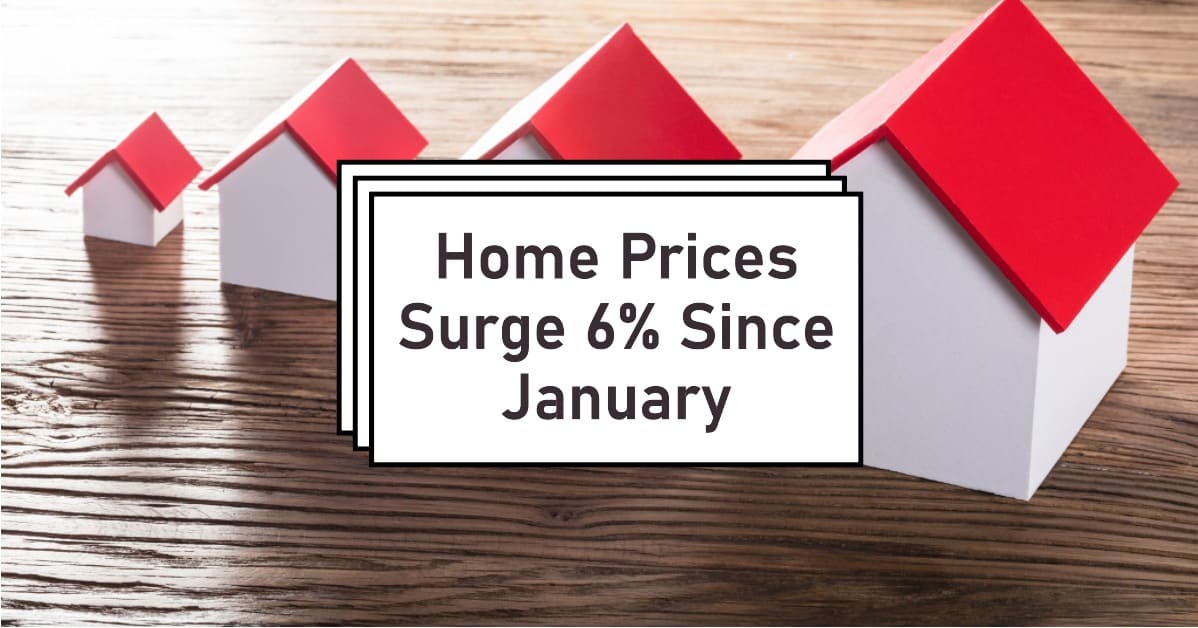
In a surprising turn of events, housing prices have experienced a remarkable surge of 6.6% since January, defying the odds posed by escalating mortgage rates. This upward trajectory, highlighted by the S&P CoreLogic Case-Shiller Index, reveals a robust 3.9% increase in September compared to the same month last year.
As prospective homebuyers grapple with the challenges of soaring mortgage rates, the real estate landscape continues to evolve. The 30-year fixed mortgage, a key indicator, has exhibited fluctuations, standing at 7.32% on Nov. 27, a stark contrast to the 6.65% recorded for the corresponding week last year. This unprecedented increase, doubling rates from two years ago, raises concerns about the sustainability of the current housing market dynamics.
Dr. Selma Hepp, Chief Economist at CoreLogic, attributes the accelerated annual home price growth to pent-up demand, exacerbated by minimal housing inventories. However, she cautions that the persistent surge in mortgage rates may exert pressure on home prices, potentially tempering the rate of growth in the coming months.
2024 Housing Market Predictions: Modest Growth Amid Mortgage Rate Constraints
Industry experts foresee a modest rise in house prices in 2024, foreseeing a tug-of-war between the demand-supply equilibrium and the constraints imposed by high mortgage rates. The housing market, which transitioned from a seller's market in 2021 and early 2022 to a more balanced state, anticipates a continuation of sluggish house price appreciation in the upcoming year.
The confluence of soaring prices, limited inventory influenced by homeowners holding onto favorable mortgage rates secured in previous years, and the surge in mortgage rates has left many potential homebuyers on the sidelines.
Balancing Act: Tight Inventory, Rising Prices, and Future Affordability
Throughout the year, rising home prices have been propelled by tight inventory, maintaining competitiveness despite a dip in demand. Looking ahead to 2024, the anticipation of easing mortgage rates brings a glimmer of hope for prospective buyers, potentially alleviating the financial burden associated with home purchases.
According to Dr. Selma Hepp, “Despite the dramatic increase in the cost of homeownership, home prices have risen 6.6% so far this year — meaningfully beyond expectations given the rise in borrowing costs.”
As the housing supply gradually picks up, the prevailing tight inventory conditions are expected to maintain upward pressure on home prices. However, the prospect of falling mortgage rates hints at a more affordable future for those looking to step into the real estate market.





 As a general rule, 5 to 6 months of inventory is considered to be a normal or balanced market. Over 6 months of inventory and we have a buyer’s market. If it is less than 5 months and we have a seller’s market. The smaller the available inventory, the tighter the market is. Keep in mind that these are simply guidelines and will differ from market to market.
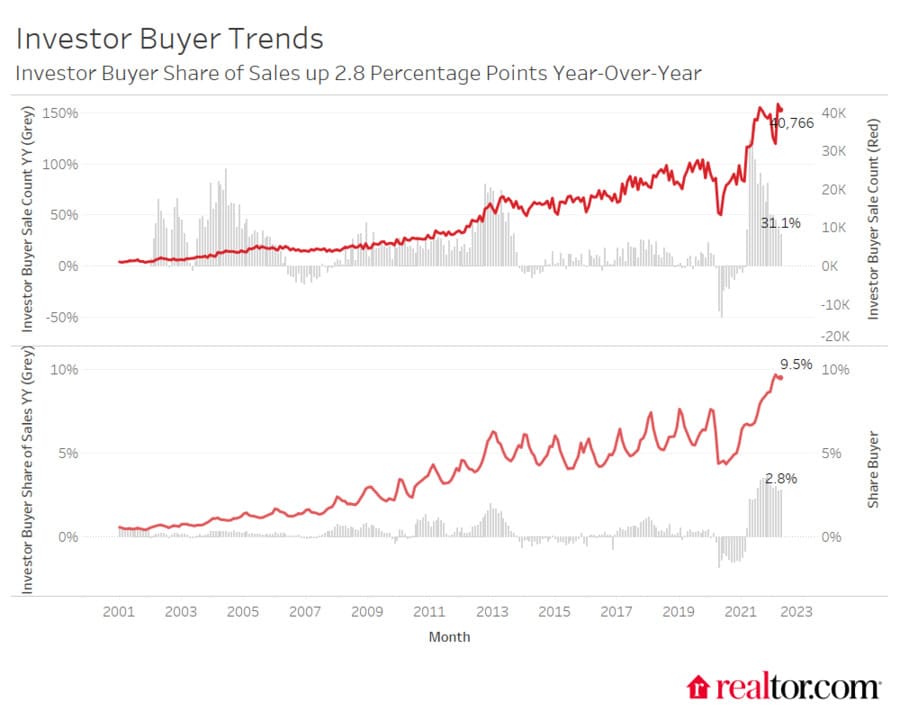
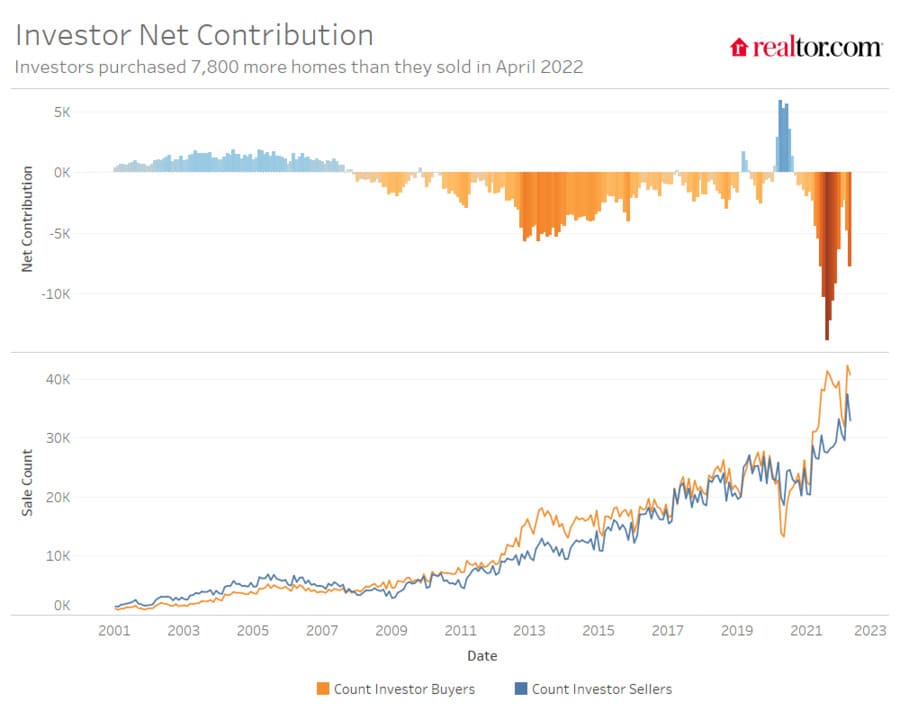
 While buying single family rental properties has become the darling investment strategy of Wall Street, it may not always make sense for individual real estate investors — particularly in some markets already picked over by the large institutional investors. But there are still markets where the numbers work for the conservative, individual investor looking to purchase foreclosures and other homes as
  California Foreclosure Statistics
