Norada Real Estate Investments

  • Home
  • Markets
  • Properties
  • Membership
  • Podcast
  • Learn
  • About
  • Contact

Archives for July 2024

Will Interest Rates Drop in 2024: Forecasts by Experts

July 15, 2024 by Marco Santarelli

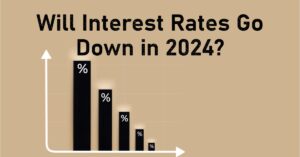
Will Interest Rates Go Down in 2024: What is the Forecast?

As the finance world watches with bated breath, the question at the top of everyone's mind is: Will the Federal Reserve lower interest rates in 2024? This topic is crucial for homeowners, consumers, businesses, and investors alike. In this in-depth article, we'll analyze the current economic landscape, examine expert predictions, and consider the potential impacts of any changes in the Federal Reserve's interest rates.

Will the Interest Rate Go Down in 2024?

Recent Federal Reserve Meetings

In recent months, the Federal Reserve has held several significant meetings that provide clues about the future of interest rates. To establish the context:

  • June 2024: The Federal Reserve decided to hold interest rates steady after its meeting. This decision reflects caution and an emphasis on monitoring inflation trends before making definitive moves.
  • March 2024: Fed officials projected three rate reductions for the year, likely starting in June. However, high inflation rates and economic uncertainties may alter this path.

Inflation and Economic Indicators

Key economic indicators such as inflation, GDP growth, and unemployment rates play pivotal roles in shaping interest rate decisions. Let’s examine these factors:

  • Inflation Rates: The current inflation rate stands at approximately 4.2%, significantly higher than the Fed's target of 2.0%. High inflation makes it challenging to cut interest rates without risking further economic instability.
  • GDP Growth Rate: Annual GDP growth is around 2.1%, below the desired rate of 3.0% to 3.5%. This slower growth may prompt the Fed to consider rate cuts to stimulate the economy.
  • Unemployment Rate: A steady yet slightly elevated rate of 3.8% indicates a robust job market. However, lower unemployment can lead to wage inflation, complicating interest rate decisions.

Table: Key Economic Metrics

Metric Current Value (2024) Target Value
Inflation Rate 4.2% 2.0%
Unemployment Rate 3.8% Below 4.0%
GDP Growth Rate (Annual) 2.1% 3.0%-3.5%

Explanation:

  • Inflation Rate: Persistently high inflation complicates efforts to reduce interest rates.
  • Unemployment Rate: The stable job market is both a boon and a challenge, as lower unemployment can drive inflation.
  • GDP Growth Rate: Moderate growth highlights the potential for rate cuts to invigorate the economy.

Expert Predictions for Interest Rate

Economic Analysts' Views

While different experts have varying opinions on the future of interest rates, some commonalities can be drawn:

  • Morningstar Predictions: According to Morningstar, the federal funds rate target range is projected to fall from 5.25% to 5.50% in April 2024 to approximately 2.75%-3.00% by the end of the year.
  • Bankrate Analysis: Persistent inflation above the Fed's 2% target could delay the anticipated interest rate cuts, as the central bank grapples with balancing inflation control and economic growth.
  • CBS News Report: Early in the year, many economists expected the first rate cut at the March meeting, but only 1 in 10 now foresee that, indicating widespread uncertainty.

Key Points from Analysts:

  • Potential for Rate Cuts: While initial projections indicated multiple rate cuts in 2024, inflation rates might delay these plans. Rate cuts could occur gradually rather than all at once.
  • Economic Resilience: Despite concerns, some analysts believe the economy can withstand higher interest rates, cautioning about a more shallow easing path.

Further Insight:

Some experts, while agreeing on the potential for rate reductions, emphasize the nuanced approach required. Given the economic resilience and persistent inflation, the Fed might opt for a cautious path with smaller, incremental cuts.

Table: Projected Fed Interest Rate Changes

Timeframe Projected Rate Range Potential Impact
April 2024 5.25% – 5.50% Status Quo; monitoring inflationary pressures
June 2024 4.75% – 5.00% Initial cuts in response to slowing inflation
December 2024 2.75% – 3.00% Substantial cuts contingent on inflation control

Explanation:

  • April 2024: Stability in interest rates, focusing on observing inflation trends.
  • June 2024: Potential initial cuts if inflation shows signs of slowing.
  • December 2024: More significant cuts by year-end, provided inflation is under control.

Understanding the Implications

Impact on Various Sectors

The Fed’s interest rate policies have far-reaching implications across various economic sectors:

  1. Real Estate: Interest rates significantly affect mortgage rates, which in turn impact housing market activity.
  2. Consumer Spending: Lower interest rates generally boost consumer confidence and spending.
  3. Business Investments: Reduced borrowing costs make it easier for businesses to invest in capital expenditure and expansion.

Table: Sectoral Impact of Interest Rate Cuts

Sector Potential Impact of Rate Cuts
Real Estate Increase in housing sales and property values.
Consumer Spending Surge in retail and durable goods purchases.
Business Investment Higher capital expenditures and business expansions.

Explanation:

  • Real Estate: Prospective homeowners and investors benefit from lower borrowing costs, resulting in increased market activity.
  • Consumer Spending: More disposable income leads to boosted retail sales and durable goods purchases.
  • Business Investment: Companies utilize lower rates for expansion and capital investments, promoting economic growth.

Challenges and Considerations

Persistent Inflation Concerns

Inflation stands as the most significant hurdle in the Fed's path to reducing interest rates. The balance between supporting economic growth and controlling inflation is delicate. The Fed’s reluctance to cut rates aggressively without seeing substantial progress in lowering inflation underscores the complexity of the situation.

Global Economic Variables

Economic projections are inherently uncertain due to various global factors:

  • Geopolitical Tensions: Conflicts and trade tensions can disrupt economic stability.
  • Pandemic Residuals: Lingering effects from COVID-19 still impact supply chains and global trade.
  • Technological Disruptions: Rapid advancements can reshape economic landscapes unpredictably.

Consumer Behavior Trends

Shifts in consumer confidence and spending habits are unpredictable but critical. With economic data reflecting confidence levels, spending shifts can lead to unexpected changes in economic forecasts and, subsequently, interest rate decisions.

Summary

2024 presents a landscape filled with both opportunities and challenges regarding Federal Reserve interest rates. While there is potential for rate cuts, persistent inflation and the necessity of maintaining economic stability make the path forward complex and uncertain. Consumers, businesses, and investors should remain vigilant and adaptable to the evolving economic conditions.


References:

  • https://www.federalreserve.gov/newsevents.htm
  • https://fred.stlouisfed.org/series/EFFR#

Filed Under: Economy, Financing, Mortgage Tagged With: Interest Rate Predictions, interest rates

Seattle Housing Market: Prices Sizzle, Ranking Among Nation’s Hottest

July 14, 2024 by Marco Santarelli

Seattle Housing Market: Prices Sizzle, Ranking Among Nation's Hottest

Seattle's housing market continues to be a tale of two trends. While home prices sizzle, reaching some of the nation's highest rankings according to a recent report, a surge in available properties offers a glimmer of hope for potential homebuyers. This rise in inventory could lead to a stabilization of prices across Washington state, but high mortgage rates remain a hurdle for many. Dive deeper into the NWMLS report to see if Seattle's housing market presents an opportunity or an obstacle for you.

State of the Seattle Housing Market

Inventory Surge

Seattle's housing market has seen a substantial increase in inventory, providing more options for potential buyers. In June 2024, the inventory of homes for sale rose by 35.7% compared to the same month last year, reaching 14,393 active listings. This uptick in available listings marks a significant shift in the market dynamics, potentially stabilizing prices.

Impact of Mortgage Rates

Despite the increased inventory, the high mortgage rates remain a point of concern for buyers. As of late June 2024, the 30-year fixed mortgage rate stood at 6.86%, constraining the purchasing power of many potential homeowners. Elevated mortgage rates amplify affordability issues, making homes less reachable for first-time buyers.

Price Trends

Median Sales Price

The median sales price for residential homes and condominiums in Seattle exhibited a positive trend. In June 2024, the median price was $650,000, up 4% from $625,000 in June 2023. This growth indicates a resilient market that's still attracting buyers despite the higher financing costs.

  • Counties with Highest Median Sales Prices:
    • San Juan
    • King
    • Snohomish
  • Counties with Lowest Median Sales Prices:
    • Columbia
    • Adams
    • Ferry

Closed Sales Transactions

The number of closed sales transactions in June 2024 decreased by 3.1% year-over-year. This contrasts with the positive trends seen in April and May, where closed transactions recorded increases of 9.5% and 6%, respectively. This slight decline could be attributed to the combination of high mortgage rates and elevated home prices.

Market Balance

Months of Inventory

As a crucial indicator of market conditions, the months of inventory metric pointed out a slight imbalance. June 2024 reported 2.17 months of inventory, which is below the balanced market range of 4 to 6 months. This suggests that, while inventory has increased, it still falls short of achieving a balanced buyer-seller market.

Buyer Activity

Property Showings

Consumer interest, as reflected by property showings and keybox accesses, has shown some changes:

  • Keybox accesses remained stable with 163,536 accesses in June 2024, nearly identical to May's 163,414.
  • Scheduled property showings dropped from 128,924 in May to 119,775 in June 2024.

This decrease in scheduled showings might indicate a slight cooling off in buyer urgency or a greater availability of homes, allowing buyers to be more selective.

Down Payment Resource Program

June also saw a notable increase in properties eligible for the Down Payment Resource (DPR) program offered by NWMLS. There were 16,015 listed properties eligible for this program, reflecting a 15.3% increase over June 2023. The DPR program aims to assist buyers with down payment needs, making homeownership more accessible.

Expert Insights

Selma Hepp, chief economist at CoreLogic, provides a comprehensive overview of the market dynamics:

“While increased inventory of homes on the market this spring offered potential home buyers more options, elevated mortgage rates put affordability at the forefront of housing market concerns. Home prices did heat up again this spring in the Seattle metro area, putting the region among the strongest appreciating markets across the country. More inventory will slow pressure on home prices over time.”

Bottom Line: Seattle's housing market in 2024 is characterized by a mix of opportunities and challenges. The increase in inventory provides potential buyers with more choices, but high mortgage rates are a significant barrier. Home prices continue to rise, making Seattle one of the nation's top appreciating markets. For potential buyers and sellers, staying informed and leveraging programs like the DPR can offer strategic advantages. Real estate professionals and economists alike will continue to monitor these trends closely as the year progresses.


ALSO READ:

  • Seattle Housing Market: Prices, Trends, Predictions 2024
  • Seattle Real Estate Investment: Is it a Good Place to Invest?
  • The Hottest Housing Markets in Seattle Area (2024)
  • Real Estate Forecast Next 10 Years: Will Prices Skyrocket?
  • Housing Market Predictions for Next 5 Years (2024-2028)
  • Housing Market Predictions for the Next 2 Years

Filed Under: Housing Market, Real Estate Market Tagged With: Housing Market, Real Estate Market, Seattle

Housing Market Crash Myth Busted? 5 Experts Say No Crash

July 14, 2024 by Marco Santarelli

5 Real Estate Experts Agree That Home Prices Won't Crash

Forget the housing market is going to crash! Top real estate experts reveal WHY home prices are likely to STAY STEADY in 2024. Even though U.S. mortgage rates have doubled since before the pandemic and rising home prices have made homeownership more unaffordable, determined home buyers continue to fuel demand and push prices to even higher levels.

Home prices hit yet another record high in April, and frustrated prospective home buyers may be wondering if they should buy now or wait for home prices to fall. The reality, according to six economists who spoke with MarketWatch, is that prices are not likely to fall anytime soon — at least nationally.

Mortgage rates have doubled since before the pandemic, and rising home prices have made homeownership more unaffordable, but the housing market is only getting more expensive as prices show no signs of falling. The economists, who either have worked or presently work in the real-estate industry, said that because demand continues to outpace the supply of properties for sale, it’s unlikely that home prices will fall too much.

The median price of a resale home was at an all-time high of $419,300 in May. With the 30-year mortgage rate averaging 6.87%, the median monthly mortgage payment is roughly $2,750, not including taxes, fees, and property insurance.

5 Real Estate Experts Agree That Home Prices Won't Crash

“The U.S. housing shortage is still lingering based on our estimate of 4.5 million additional housing units that are required to make up for the gaps accumulated from population growth in the last decade,” said Lawrence Yun, chief economist at the National Association of Realtors. “Therefore, home-price declines appear unlikely.”

To be sure, there are a few markets — such as Austin, Texas, and Boise, Idaho — where home prices have declined, Yun said. In May, home prices in Austin were down 2.5% from the same month a year earlier, according to data from the American Enterprise Institute, the lowest among the 60 largest metropolitan areas in the U.S.

“However, with rapid job growth, the temporary improved housing affordability will be short-lived before prices are pushed up to new highs,” Yun added.

Hard to See Price Growth Changing Too Much

“Home prices are unlikely to fall because of continued demographic tailwinds. There are still plenty of millennials looking to get into the housing market,” said Chen Zhao, head of economic research at Redfin.

“However, with affordability being historically bad, price growth could slow in the coming quarters,” Zhao added. “The key piece of uncertainty is whether mortgage rates will fall as expected, and what will happen to prices when that happens.”

The housing market is currently hamstrung by a low level of housing inventory. With fewer homes than keen buyers, bidding wars have emerged, pushing home prices up. Inventory remains suppressed as many homeowners hold off on selling, uninterested in giving up an ultralow, once-in-a-lifetime mortgage rate.

“‘There are still plenty of millennials looking to get into the housing market,’ which is fueling home-buying demand despite affordability waning,” — Chen Zhao, head of economic research at Redfin

If that so-called lock-in effect eases, that could slow the rate at which home prices are rising, Zhao said. Nonetheless, in “either case, it’s hard to see price growth changing too much because affordability strains provide a ceiling while demographic pressures provide a floor,” she added.

It’s All About Inventory

Inventory is the most important piece of the housing puzzle, said Andy Walden, vice president of enterprise research at ICE Mortgage Technology.

“When it comes to home prices today, it’s all about inventory,” Walden said. “In markets where prices have softened at various points over the past two years, the common denominator has been inventory returning to or near prepandemic averages.”

The ICE home-price index for May shows prices falling in markets where inventory has spiked over the last 12 months, he added, such as in parts of Florida and Texas. For instance, in Cape Coral, Fla., inventory is up 87% over the last year.

“‘When rates decline and begin to improve affordability, the result has been increased demand … and subsequently stronger home prices. It’s a cyclical Catch-22,’” — Andy Walden, vice president of enterprise research at ICE Mortgage Technology

But inventory is still low in other parts of the country, he said, which is keeping prices high. And a drop in mortgage rates won’t necessarily help housing affordability, Walden said.

“In recent years, we’ve witnessed a pattern emerge: When rates decline and begin to improve affordability, the result has been increased demand … and subsequently stronger home prices,” he explained. “It’s a cyclical Catch-22 that will likely keep a floor under home prices in the near term, especially in the inventory-starved Midwest and Northeast.”

Nothing to Suggest a Major Home-Price Drop

But expect home-price growth to moderate further in the coming months, said Lisa Sturtevant, chief economist at Bright MLS, a real-estate-listings database.

“There is nothing to suggest a major home price drop in the U.S., but mortgage rates near 7% and home prices at record highs in many markets [both mean] that affordability is a growing challenge in 2024,” Sturtevant said. “As more and more home buyers hit the affordability ceiling and more inventory comes onto the market, there will be less upward pressure on home prices.”

Only a Significant Shock to the U.S. Economy Would Affect Home Prices

To be sure, home prices could crash — but only in the event of an economic catastrophe, said Selma Hepp, chief economist at the real-estate-data company CoreLogic.

“For home prices to fall, there would need to be a significant shock to the U.S. economy that would lead to massive job losses,” she said. “Still, as we saw during the pandemic, the continued imbalance between pent-up demand and lack of supply suggests that home prices have a floor and are unlikely to fall notably.”

Prepare for a Prolonged Period of Unaffordable Housing

The bottom line is that people looking to buy homes should get used to the new normal, the economists said. Mortgage rates at 3% were an aberration, and the historical average for the 30-year mortgage rate is around 6%.

Unlike during the Great Recession of 2007-09, when home prices crashed as a result of irresponsible lending and the subprime-mortgage crisis, “significant price declines are very unlikely this time around because market conditions are quite different,” said Ken Johnson, a real-estate economist at Florida Atlantic University.

“‘Significant price declines are very unlikely this time around, because market conditions are quite different,’” — Ken Johnson, real-estate economist at Florida Atlantic University

“The last housing peak was brought about by many factors, namely a huge oversupply in housing units,” he said. “Once prices began to fall, a foreclosure crisis broke out, creating an environment in which prices only had one path — significantly downwards.”

This cycle is different in that the U.S. has a steadily worsening housing shortage. As the population has increased, the housing shortage has grown to 4.5 million, according to a recent analysis from the real-estate brokerage Zillow.

“This time around, there is a major shortage in the supply of housing units, and the likelihood of significant price declines is very limited despite currently high mortgage rates,” Johnson said.

And while home prices may flatten and even fall in some markets in states like Florida, homeowners across the country should brace for “a prolonged period of unaffordable home prices relative to income levels,” Johnson said.


ALSO READ:

  • Real Estate Forecast Next 10 Years: Will Prices Skyrocket?
  • Housing Market Predictions for Next 5 Years (2024-2028)
  • Housing Market Predictions for 2027: Experts Differ on Forecast
  • Housing Market Predictions for the Next 2 Years
  • Housing Market Predictions 2024: Will Real Estate Crash?

Filed Under: Housing Market, Real Estate Market Tagged With: Housing Market, Real Estate Market

Housing Market 2026 Predictions by Top Economists

July 14, 2024 by Marco Santarelli

Housing Market Predictions 2026: Economists Weigh In

The housing market has been a whirlwind in recent years. A pandemic-fueled buying frenzy met with historically low mortgage rates sent prices skyrocketing. Now, with rising interest rates and inflation concerns, many are wondering what's next for the housing market. A recent report from Bank of America economists paints a picture of a sluggish market that won't see significant changes until at least 2026. Let's delve into the reasons behind this prediction and what it might mean for potential homebuyers.

Housing Market Predictions for 2026: A Stalled Market with a Glimmer of Hope

A Post-Pandemic Hangover:

The economists point to a “one-time shift” in demand during the pandemic as a key factor. With people spending more time at home, the desire for a dedicated workspace and increased square footage drove many towards homeownership. This surge in demand, coupled with low-interest rates, created a competitive market with rapidly rising prices. However, as the pandemic waned and interest rates climbed, the market dynamics shifted.

The Lock-In Effect:

One of the main reasons economists predict a slow market is the “lock-in effect.” Homeowners who bought during the low-interest-rate period are likely hesitant to sell. Moving would mean giving up their rock-bottom mortgage for a significantly higher rate in today's market. This creates a situation where sellers stay put, reducing the overall inventory available for purchase. The dearth of available homes further frustrates potential buyers and creates an environment where bidding wars and inflated prices can still occur.

A Wait-and-See Approach for Buyers:

The combination of rising interest rates and stagnant wages is making it difficult for many potential buyers to enter the market. With affordability becoming a major concern, many are taking a wait-and-see approach, hoping for a price correction or a decrease in interest rates. This further dampens market activity and creates a self-perpetuating cycle – low sales discourage new listings, keeping inventory low and prices propped up.

A Slow Climb and a Potential Dip:

The Bank of America economists predict a continued rise in home prices in the next couple of years, albeit at a much slower pace than during the pandemic boom. They project a 4.5% increase in 2024 and a 5% increase in 2025. However, they believe prices might dip slightly in 2026, reflecting the fading effects of the pandemic-driven demand surge. This potential dip could incentivize some buyers who have been waiting on the sidelines.

A Light at the End of the Tunnel?

While the overall outlook seems sluggish, there are some potential glimmers of hope. The economists acknowledge that the current “moribund” (stagnant) state of sales could incentivize some buyers to enter the market, especially with improving credit conditions and a potential shift towards a less restrictive monetary policy by the Federal Reserve.

Additionally, the growing millennial demographic, the largest generation in US history, is expected to continue to drive housing demand in the long run. Millennials are reaching prime homebuying years, and their sheer numbers suggest a significant and sustained force in the market.

The Big But: Affordability Concerns Remain

Despite these potential positives, affordability remains a major hurdle. Even with a projected slowdown in price growth, wages are unlikely to keep up, making it difficult for many to qualify for a mortgage or compete in a bidding war. The Bank of America economists also caution that their predictions assume an overall economic slowdown, which could further impact the housing market. A recession, for example, could lead to job losses and a decrease in consumer confidence, further dampening demand.

Navigating the Housing Market in 2026 and Beyond

Overall, the Bank of America report paints a picture of a housing market in a holding pattern until at least 2026. While potential buyers might welcome a potential price correction, affordability concerns are likely to persist. For those considering entering the market, careful planning, realistic budgeting, and a long-term perspective will be crucial.

It may also be helpful to consider alternative options such as starter homes or more affordable areas. Staying informed about economic trends, housing market updates, and government programs that can assist first-time homebuyers will also be essential in making informed decisions.


ALSO READ:

  • Real Estate Forecast Next 10 Years: Will Prices Skyrocket?
  • Housing Market Predictions for Next 5 Years (2024-2028)
  • Housing Market Predictions for 2027: Experts Differ on Forecast
  • Housing Market Predictions for the Next 2 Years
  • Housing Market Predictions 2024: Will Real Estate Crash?

Filed Under: Housing Market, Real Estate Market Tagged With: Housing Market, Real Estate Market

10 Affordable Places to Live in Colorado (2024)

July 14, 2024 by Marco Santarelli

10 Affordable Places to Live in Colorado in 2024

If you are looking for a place to live in Colorado that won't break the bank, you are in luck. Colorado is a beautiful state with diverse landscapes, vibrant cities, and plenty of outdoor activities. But it is also known for being one of the most expensive states in the country, with high housing costs and a high cost of living.

However, not all places in Colorado are equally pricey. There are some hidden gems that offer affordable living options without compromising on the quality of life. In this blog post, we will explore the cheapest places to live in Colorado in 2024 (in no particular order).

10 Affordable & Cheapest Places to Live in Colorado in 2024

1. Federal Heights

Federal Heights is a small city in Adams County, with a population of about 14,382 people. It is located just north of Denver, making it convenient for commuters who work in the metro area. Federal Heights has a low cost of living, with an average home price of $226,000 and an average rent of $1,200 for a one-bedroom apartment. Federal Heights offers plenty of amenities for its residents, such as parks, trails, shopping centers, and restaurants. The city is also home to Water World, one of the largest water parks in the country.

2. Lamar

Lamar is a small town in Prowers County, with a population of about 8,000 people. It is located in the southeastern corner of the state, near the Kansas border. Lamar is known for its agricultural heritage and its rich history. The town has a very low cost of living, with an average home price of $107,200 and an average rent of $850 for a one-bedroom apartment. Lamar has many attractions for its residents and visitors, such as the Arkansas River, the John Martin Reservoir State Park, the Bent's Old Fort National Historic Site, and the Amache-Granada Japanese Relocation Center.

3. La Junta

La Junta is another small town in Otero County, with a population of about 7,000 people. It is located in the Arkansas River Valley, about 60 miles east of Pueblo. La Junta has a very low cost of living, with an average home price of $174,000 and an average rent of $750 for a one-bedroom apartment. La Junta has many historical and cultural attractions for its residents and visitors, such as the Koshare Indian Museum and Trading Post, the Otero Museum, the Picketwire Center for Performing Arts, and the Santa Fe Trail.

4. Fort Morgan

Fort Morgan is a mid-sized city in Morgan County, with a population of about 11,000 people. It is located on the eastern plains of Colorado, about 80 miles northeast of Denver. Fort Morgan has a low cost of living, with an average home price of $293,000 and an average rent of $950 for a one-bedroom apartment. Fort Morgan has many amenities and attractions for its residents and visitors, such as parks, golf courses, museums, and festivals. The city is also famous for being the childhood home of Glenn Miller, the legendary jazz musician.

5. Sterling

Sterling is another mid-sized city in Logan County, with a population of about 14,000 people. It is located on the South Platte River, about 110 miles northeast of Denver. Sterling has a low cost of living, with an average home price of $193,144 and an average rent of $900 for a one-bedroom apartment. Sterling has many outdoor activities and attractions for its residents and visitors, such as fishing, hunting, hiking, biking, and boating. The city also has several historical landmarks and cultural events, such as the Overland Trail Museum, the Logan County Courthouse, and the Sugar Beet Days festival.

6. Pueblo

Pueblo is a large city in Pueblo County, with a population of about 112,000 people. It is located in the southern part of the state, about 40 miles south of Colorado Springs. Pueblo has a low cost of living, with an average home price of $223,000 and an average rent of $1,100 for a one-bedroom apartment. Pueblo has many cultural and recreational attractions for its residents and visitors, such as the Pueblo Riverwalk, the Historic Arkansas Riverwalk Project, the Sangre de Cristo Arts Center, the Pueblo Zoo, and the Colorado State Fair.

7. Alamosa

Alamosa is a small city in Alamosa County, with a population of about 10,000 people. It is located in the San Luis Valley, about 230 miles southwest of Denver. Alamosa has a low cost of living, with an average home price of $293,000 and an average rent of $850 for a one-bedroom apartment. Alamosa has many natural and scenic attractions for its residents and visitors, such as the Great Sand Dunes National Park and Preserve, the Rio Grande National Forest, the Zapata Falls, and the San Luis Lake State Park.

8. Trinidad

Trinidad is a small city in Las Animas County, with a population of about 8,000 people. It is located near the New Mexico border, about 200 miles south of Denver. Trinidad has a low cost of living, with an average home price of $175,000 and an average rent of $800 for a one-bedroom apartment. Trinidad has many historical and artistic attractions for its residents and visitors, such as the Trinidad History Museum, the A.R. Mitchell Museum of Western Art, the Baca House, and the Trinidad Lake State Park.

9. Cañon City

Cañon City is a small city in Fremont County, with a population of about 16,000 people. It is located on the Arkansas River, about 45 miles southwest of Colorado Springs. Cañon City has a low cost of living, with an average home price of $265,000, and an average rent of $1,050 for a one-bedroom apartment. Cañon City has many adventurous and thrilling attractions for its residents and visitors, such as the Royal Gorge Bridge and Park, the Royal Gorge Route Railroad, the Skyline Drive, and the Museum of Colorado Prisons.

10. Fort Lupton

Fort Lupton is a small city in Weld County, with a population of about 8,000 people. It is located on the South Platte River, about 30 miles northeast of Denver. Fort Lupton has a low cost of living, with an average home price of $350,000, and an average rent of $1,200 for a one-bedroom apartment. Fort Lupton has many historical and cultural attractions for its residents and visitors, such as the Fort Lupton Museum, the Fort Vasquez Museum, the South Platte Valley Historical Park, and the Wild Animal Sanctuary.

Filed Under: Best Places

Summer 2024 Mortgage Rate Predictions: Relief for Buyers?

July 14, 2024 by Marco Santarelli

Summer 2024 Mortgage Rate Predictions for Home Buyers

In the summer of 2024, mortgage rates are predicted to stay flat or possibly decrease slightly, but not significantly drop below current levels. Wait times for a major rate decrease could be lengthy. This article explores expert predictions & helps you decide: buy now or wait?

The housing market has undergone a significant shift in recent times. Previously scorching hot, fueled by record-low mortgage rates, the market has begun to cool as interest rates have climbed steadily. This rise in rates has impacted both buyers and sellers, creating a unique environment for summer 2024.

For potential homebuyers, the dream of securing a mortgage at rates between 2% and 3%, as seen in 2021, seems like a distant memory. Current rates hover around 7% for a 30-year fixed-rate loan, a significant increase compared to the past few years. Experts predict these low rates are unlikely to return anytime soon, barring a major economic downturn.

  • The current average rate (6.89%) is close to 7% (July 11, 2024).
  • The data suggests some stability with minimal weekly and yearly changes.
  • The 52-week average (7.02%) reinforces the idea of rates being near 7%.

The higher interest rates have a ripple effect, deterring some potential sellers from listing their homes. Sellers are hesitant to give up their current, advantageous mortgage rates for a higher one when buying a new home. This creates a situation where demand for homes, while still present, is dampened by the higher financing costs.

The combined effect of lower buyer demand and a limited housing supply has pushed home sales activity to its lowest level since the Great Recession. The financial burden of a mortgage payment has also increased considerably, with some estimates suggesting a rise of over 60% since mid-2022.

While these factors have undoubtedly slowed the market, the question remains: what will summer 2024 hold for mortgage rates and the housing market in general? This is where expert predictions come into play, and we will explore them below.

Summer 2024 Mortgage Rate Forecast – Sizzle or Fizzle?

Summer is traditionally a hot season for home buying, with favorable weather conditions and families aiming to settle into a new place before the school year begins. However, the high mortgage rates of 2024 could throw a wrench into this seasonal trend.

Experts acknowledge the historical popularity of summer for home buying but also recognize that increased competition and potentially higher prices might greet buyers this year. The average sale price for Q1 2024 was already at $513,100 according to the Federal Reserve Bank of St. Louis. When you factor in both higher interest rates and higher home prices, the incentive to buy could diminish for some potential buyers.

So, should you wait for a better time to buy, or is now the right opportunity? This is a question many grapple with, and the answer depends on your individual circumstances.

Experts predict a potential decrease in mortgage rates towards the end of 2024. However, this hinges heavily on overall inflation control and the Federal Reserve's confidence in a sustained decline in inflation. If this occurs, the Fed might lower the federal funds rate, which would have a cascading effect, pushing mortgage rates down as well.

Here are some factors to consider if you're contemplating buying a home now:

  • Financial Strength: A substantial down payment (ideally 20% or more) can help you avoid private mortgage insurance, saving you money in the long run.
  • Creditworthiness: Excellent credit allows you to secure the best possible interest rate from lenders. Shopping around for the best deal is crucial.
  • Long-term Plans: If you plan to stay in the home for a significant period, short-term fluctuations in interest rates become less impactful.
  • Mortgage Options: Consider a 15-year fixed-rate mortgage, which typically offers lower interest rates than 30-year loans.
  • Refinancing Potential: Remember, you're not locked into today's rates forever. Refinancing your home loan when rates drop lets you take advantage of lower interest payments.

The decision to buy ultimately comes down to your personal situation and risk tolerance. While waiting might lead to lower rates and potentially less competition, it's impossible to predict the future with certainty. Market conditions can change quickly.

Weighing Your Options

The decision to buy a home now or wait for a potentially more favorable market hinges on several factors. Here's a breakdown of the pros and cons to help you navigate this crucial choice.

Buying Now: Potential Advantages

  • Finding Your Dream Home: The market might have fewer buyers due to higher rates, increasing your chances of finding the perfect house without intense competition.
  • Locking in a Predictable Payment: Even with high rates, you'll know exactly what your monthly mortgage payment will be, offering budgeting stability.
  • Building Equity Sooner: The longer you wait, the longer it takes to start building equity in your own home. Ownership allows you to benefit from potential future appreciation in the property's value.
  • Taking Advantage of Seller Incentives: In a buyer's market, sellers might be more flexible, offering closing cost assistance or other incentives to sweeten the deal.

Buying Now: Potential Disadvantages

  • Higher Interest Rates: This translates to a larger monthly payment and potentially less buying power for your budget.
  • Limited Inventory: While competition might be lower, the overall number of houses on the market could be restricted as well.
  • Risk of Future Rate Drops: If rates do decrease significantly in the future, you might miss out on potential savings through refinancing.

Waiting to Buy: Potential Advantages

  • Potentially Lower Rates: Waiting could allow you to snag a better interest rate, lowering your monthly payment and stretching your buying power.
  • More Inventory: As the market adjusts, the number of houses for sale might increase, giving you a wider selection.
  • Time to Save for a Larger Down Payment: A higher down payment reduces your loan amount and potentially eliminates private mortgage insurance, saving you money over time.

Waiting to Buy: Potential Disadvantages

  • Competition Heats Up: If rates do drop, buyer demand could surge, leading to bidding wars and potentially higher purchase prices.
  • Missing Out on the Perfect Home: Waiting might mean the house of your dreams gets snatched up by another buyer who's ready to act now.
  • Market Uncertainty: Predicting future market conditions is difficult. There's no guarantee rates will definitively fall within your desired timeframe.

Ultimately, the decision is yours. Consider your financial situation, risk tolerance, and long-term goals. If you're ready to find your dream home and build equity, buying now might be a great option, even with higher interest rates. However, if you prioritize getting the absolute best rate and have the flexibility to wait, then holding off could be a prudent strategy.


ALSO READ:

  • Predictions: Can Porting Your Mortgage Get You a Lower Interest Rate?
  • Mortgage Rate Predictions: Can Assumable Mortgages Offer Hope in 2024?
  • High Interest Rates Predicted But is Zero Down Payment Possible?
  • Interest Rate Predictions for Next 2 Years: Expert Forecast
  • Interest Rates Predictions for 5 Years: Where Are Rates Headed?
  • When is the Next Fed Meeting on Interest Rates in 2024?
  • Mortgage Rate Predictions for Next 5 Years
  • Mortgage Rate Predictions for the Next 2 Years
  • Mortgage Rate Predictions for Next 3 Years: Double Digit Rise

Filed Under: Financing, Mortgage Tagged With: mortgage, mortgage rates

Greenville Housing Market: Prices, Trends, Forecast 2024

July 13, 2024 by Marco Santarelli

Greenville Housing Market Forecast 2023: Will it Crash?

The Greenville housing market is showing signs of slowing down in certain aspects. While the number of new listings has increased, indicating more choices for buyers, homes are still selling relatively quickly, with an average of 46 days on the market. This suggests that while there is a bit more time for buyers to make decisions, the market remains active. The slight slowdown is not a dramatic shift but a sign of a more balanced market. Here are the latest trends.

How is the Greenville housing market doing currently?

Here’s the latest update on the Greenville real estate market released by the Greater Greenville Association of Realtors (GGAR).

More Choices for Buyers

The housing market in Greenville, SC is showing some interesting trends. The number of new listings in Greenville has increased by 15.4% to 2,214. This means buyers have more options to consider compared to the same time period last year.

Price Stability

Unlike the national trend of rising prices, Greenville's median sales price has remained flat at $315,000. This could be a sign of a stabilizing market, offering a consistent market value for homes in the area.

Market Balancing to Buyers

The significant increase in listings suggests a shift towards a buyers market. This means that the supply of homes is greater than the demand for homes.

Homes Still Selling Quickly

Even with more listings, houses are disappearing fast. They now spend an average of 46 days on the market, only slightly longer than before. This indicates that buyers might have a bit more time to make their decisions.

What to Expect in Greenville's Real Estate Market

Greenville's real estate market seems to be moving towards buyers, with more choices for buyers and stable prices. It's a good time for buyers to explore more options. However, houses are still selling quickly. Whether you're buying or selling, be prepared to act strategically and consider consulting a local real estate agent for guidance in this evolving market.

Is it a Good Time to Buy a Home in Greenville, SC?

As the rising costs of homeownership caused some volatility in demand, more buyers find themselves unable to afford the much higher payment, home prices will likely stay even though the demand has lessened. Whether this is a good time for you to buy a house in Greenville or not depends on your financial situation, goals, and readiness to become a homeowner. If your situation needs to buy a home now, it pays if you understand what you can actually afford. Shop for mortgage rates and find the best lender that will offer you the best financing option.

Are Home Prices Dropping in Greenville?

Home prices in many areas have remained stable rather than dropping significantly in 2024. While some markets have seen slight decreases, the overall trend shows price stabilization rather than substantial declines. In places like Greenville, SC, the median sales price has held steady at $315,000, indicating that prices have neither risen nor fallen dramatically. This stability suggests that the market is finding a balance between supply and demand.

Greenville Housing Market Forecast 2024

The housing market in Greenville, SC has shown remarkable growth over the past year. As of the latest data, the average home value stands at $313,193, reflecting a 4.6% increase from the previous year. Homes in this region typically go pending within 10 days, indicating a robust and dynamic market.

Key Metrics

  • Median sale to list ratio: 0.992 (as of May 31, 2024)
  • Median sale price: $328,550 (as of May 31, 2024)
  • Median list price: $366,300 (as of June 30, 2024)
  • Percent of sales over list price: 24.5% (as of May 31, 2024)
  • Percent of sales under list price: 54.5% (as of May 31, 2024)

Detailed Forecast for Greenville, SC

June 2024

The housing market in Greenville is projected to maintain its current momentum. By the end of June 2024, the market is expected to remain relatively stable with a minimal change of 0.2%. This stability is indicative of a balanced market where supply and demand are closely matched.

August 2024

Moving into August 2024, the forecast suggests no significant change in the housing market, with a projected growth rate of 0%. This plateau may reflect seasonal trends and a slight cooling off from the summer buying surge.

May 2025

Looking further ahead to May 2025, the market is anticipated to experience a slight decline of -0.2%. This minor dip could be attributed to a variety of factors, including potential economic shifts and changes in buyer behavior.

Will the Market Crash or Boom?

The big question on many minds is whether the Greenville housing market will crash or boom. Based on current data and forecasts, the market appears to be leaning towards a period of stability rather than extreme fluctuations.

Several factors support this outlook:

  • Steady growth rate: The 4.6% annual increase in home values indicates sustained demand and a healthy market.
  • Quick sales: Homes going pending in around 10 days suggest a competitive market with eager buyers.
  • Balanced sale prices: The near-equal distribution of sales over and under list price points to a balanced negotiation landscape.

While the slight forecasted dip in May 2025 suggests a potential cooling, it is not indicative of a market crash. Instead, it points to a natural ebb and flow in response to broader economic conditions.

Should You Invest in the Greenville Real Estate Market?

Greenville, South Carolina, has emerged as a thriving hub for business, culture, and lifestyle, attracting a growing population seeking a vibrant and welcoming community. As a result, the Greenville housing market has experienced a surge in demand, driving up prices and creating a competitive landscape for buyers.

Investing in real estate is a significant decision that requires careful consideration. The Greenville real estate market presents several factors that make it an attractive option for investors. Let's delve into these factors in detail.

Population Growth and Trends

  • Greenville has been experiencing consistent population growth over the years. The city's appeal is drawing in new residents seeking a vibrant community with a lower cost of living compared to larger metropolitan areas.
  • Population trends indicate that the city's growth is likely to continue, creating a steady demand for housing. This factor is favorable for real estate investors looking for a stable tenant base.

Economy and Jobs

  • Greenville boasts a diverse economy with a strong presence of industries such as manufacturing, healthcare, and technology. The region's economy has shown resilience, even in challenging economic climates.
  • Job opportunities are abundant in Greenville, attracting a skilled workforce. This economic stability contributes to a robust rental market, making it an ideal place for real estate investments.

Livability and Other Factors

  • Greenville is known for its excellent quality of life. The city offers a blend of cultural amenities, outdoor recreation, and a thriving downtown scene, making it a desirable place to live.
  • The city's infrastructure and amenities, including schools, healthcare, and entertainment, are well-developed, further enhancing its appeal for residents.

Rental Property Market Size and Growth for Investors

  • Greenville's rental property market is sizeable and growing. With an influx of new residents and a thriving job market, the demand for rental properties remains strong.
  • The city's diverse economy and educational institutions also attract students and young professionals, contributing to the demand for rental housing. This trend is advantageous for investors seeking consistent rental income.

Other Factors Related to Real Estate Investing

  • Tax incentives and favorable regulations for real estate investors in South Carolina make Greenville an attractive location for investment properties.
  • The city's real estate market has shown stability and steady appreciation in property values over time, providing potential for long-term capital growth.
  • Proximity to major cities like Atlanta and Charlotte enhances Greenville's accessibility and connectivity, making it a strategic location for real estate investments.

Filed Under: Growth Markets, Housing Market, Real Estate, Real Estate Market

Will Fed Cut Interest Rates? Insights from Powell’s Recent Statements

July 11, 2024 by Marco Santarelli

Will Fed Cut Interest Rates? Insights from Powell's Recent Statements

Federal Reserve Chair Jerome Powell's recent statements have been a beacon of clarity in the often murky waters of economic policy. Amidst a political landscape where the timing of policy decisions can be as scrutinized as the decisions themselves, Powell has stood firm on the stance that the Federal Reserve will cut interest rates when the data indicates it's necessary, irrespective of the political calendar.

Will Fed Cut Interest Rates? Insights from Powell's Recent Statements

This commitment to data-driven decision-making is a cornerstone of the Federal Reserve's approach to managing the economy. It's a stance that emphasizes the importance of economic indicators over political expediency. Powell's recent testimony on Capitol Hill reinforced this approach, highlighting recent inflation readings that have shown modest progress. The implication is clear: if the trend towards lower inflation continues, the case for rate cuts strengthens.

The Impact of Federal Reserve Policy Decisions

The Federal Reserve's policy decisions are pivotal in shaping the economic landscape. Interest rate cuts can stimulate economic activity by making borrowing cheaper, thus encouraging spending and investment. However, these decisions are not without their complexities. Cutting rates too soon or too aggressively could overheat the economy, leading to inflationary pressures. Conversely, waiting too long could stifle economic growth and lead to increased unemployment.

Powell's recent remarks suggest a careful balancing act. The labor market, described as “strong, not overheated,” indicates that there is room for maneuvering. The Fed Chair awaits the “right moment” to cut interest rates, a moment that will be determined by a sustained reach of inflation towards the 2% target.

Market Reaction and Investor Confidence

The market's reaction to Powell's statements has been cautiously optimistic. The S&P 500 rose, and Treasury yields saw a decline, indicating investor confidence in the Fed's handling of the situation. This confidence stems from the belief that the Federal Reserve is committed to preserving a “soft landing” for the economy, avoiding the pitfalls of a hard economic downturn while steering towards sustainable growth.

As we look towards the future, the Federal Reserve's actions will continue to be a topic of intense interest and speculation. The potential for rate cuts in 2024 has been signaled, but as always, these decisions will be guided by the economic data at hand. For now, Powell's message is one of cautious optimism, a reminder that the Federal Reserve's commitment to its dual mandate of maximum employment and stable prices remains unwavering, even in the face of political pressures. For a detailed analysis of the Federal Reserve's recent meeting and Powell's speech, one can refer to the comprehensive coverage provided by Bloomberg.

To sum up, the Federal Reserve, under Powell's leadership, exemplifies a steadfast dedication to economic stability, guided by data and insulated from the ebb and flow of political tides. It's a reassuring signal to markets and the public alike that the health of the economy is the primary focus, and decisions will be made with the long-term view in mind. As the political calendar marches on, the Federal Reserve's compass remains firmly set on the true north of economic data.


ALSO READ:

  • Interest Rate Predictions for the Next 3 Years: (2024-2026)
  • Interest Rate Predictions for Next 2 Years: Expert Forecast
  • Interest Rate Predictions for Next 10 Years: Long-Term Outlook
  • When is the Next Fed Meeting on Interest Rates in 2024?
  • Interest Rate Cuts: Citi vs. JP Morgan – Who is Right on Predictions?
  • More Predictions Point Towards Higher for Longer Interest Rates

Filed Under: Economy, Financing Tagged With: Fed, Interest Rate

Mortgage Rate Predictions 2024: Year End Forecast By Experts

July 11, 2024 by Marco Santarelli

Mortgage Rate Predictions 2024: Year End Forecast By Experts

For homebuyers who've been waiting for a significant drop in mortgage rates, the news might be a little disappointing. Experts are predicting that rates will likely hold steady above 6% throughout the rest of 2024. This means that the ultra-low rates that hovered around 3% in previous years are unlikely to make a comeback in the near future. The Federal Reserve's interest rate hikes and overall economic conditions are the primary drivers behind this trend.

Mortgage Rate Predictions for the End of 2024

Current Trends and Forecast

Mortgage rates, which had remained historically low during the pandemic, have spiked following the Federal Reserve's aggressive rate-hiking campaign. This increase led home sales to plunge to their lowest level since 1995 last year.

As of July 3, 2024, the 30-year fixed-rate mortgage stands at 6.95 percent according to Freddie Mac, up 0.09 from a week earlier and 0.14 from a year earlier. The 15-year fixed-rate mortgage is at 6.25 percent. Even as rates have come down slightly from the highs seen in April and early May, where average rates hovered over 7 percent, they remain substantially high.

Expert Predictions

Several major institutions have weighed in on their predictions for mortgage rates by the end of 2024:

  • Fannie Mae and the National Association of Realtors (NAR) both expect the average 30-year mortgage rate to modestly lower to around 6.7 percent by the end of the year.
  • The Mortgage Bankers Association is slightly more optimistic, forecasting the rate to be at 6.6 percent.
  • Freddie Mac predicts that the rate will lower to 6.5 percent by the end of 2024.

Freddie Mac's June Economic, Housing, and Mortgage Market Outlook notes that “Mortgage rates have been volatile over the past month, but we expect rates to remain above 6.5 percent through the end of the year.”

The Federal Reserve's Influence

Market observers and homebuyers are eagerly waiting for the Federal Reserve to lower its key interest rate, a move that would eventually lead to lower mortgage rates. However, the Fed has so far been reluctant to make such a move as it remains vigilant about inflation. Lawrence Yun, NAR's chief economist, indicated that “if the spread between the 10-year Treasury bond yield and the 30-year mortgage rate narrows, then mortgage rates can decline even before the Federal Reserve's rate cut.” Yet, he warned that given the uncertain outlook for community and regional banks, the spread might not narrow.

Impact on Homebuyers

The elevated mortgage rates have significantly impacted homebuyers. “The mortgage payment for a typical home today is more than double that of homes purchased before 2020,” Yun noted. Nonetheless, some Americans are still buying homes despite stubbornly high mortgage rates and average home prices close to their pandemic record peaks.

Melissa Cohn, the regional vice president of William Raveis Mortgage, told Newsweek that the buyers in this market are often those who feel they have waited long enough and are ready to make a purchase. “We're just not going to wait anymore,” she said. Cohn also mentioned that some buyers believe that taking advantage of current real estate prices is wise because when mortgage rates eventually come down, real estate prices are likely to rise.

Looking Ahead

As we approach the end of 2024, the mortgage market remains in a state of flux. While forecasts suggest that rates will remain above the 6 percent mark, slight decreases to levels around 6.5 to 6.7 percent are anticipated. Homebuyers need to stay informed, evaluate their financial readiness, and consider both current rates and future market conditions before making decisions.

To sum up, while the forecast for mortgage rates points to a modest decline, it is unlikely that they will drop significantly by the end of 2024. Aspiring homeowners should prepare for a market where mortgage rates remain comparatively high, requiring careful financial planning and strategic decision-making.


ALSO READ:

  • When Will Mortgage Rates Go Down to 3%: Predictions Reveal!
  • Mortgage Rates Predictions for Next 2 Years
  • Mortgage Rate Predictions for Next 5 Years
  • Will Mortgage Rates Ever Be 3% Again: Future Outlook
  • Summer 2024 Mortgage Rate Predictions for Home Buyers
  • Will Mortgage Rates Ever Be 4% Again?
  • Mortgage Rate Predictions for 2025: Expert Forecast

Filed Under: Financing, Mortgage Tagged With: mortgage

Two Contrasting Predictions for the Housing Market in 2025

July 11, 2024 by Marco Santarelli

Two Contrasting Predictions for the Housing Market in 2025

The summer sun bakes the U.S. housing market, transitioning from its peak season. While analysts predict some softening in the latter half of 2024, most agree on positive national growth for the year, extending the appreciation streak to 13 years. But what lies ahead in 2025? Here, housing experts offer their diverse insights:

Experts Forecast the 2025 Housing Market

The Bullish Outlook: Goldman Sachs Bets on Supply Constraints

Goldman Sachs, known for its optimistic outlook, predicts a 4.4% national home price increase in 2025. Their reasoning goes beyond just a lack of available housing stock. They acknowledge that rising interest rates could dampen demand from some potential buyers. However, Goldman Sachs believes the supply shortage will be a more powerful force, pushing prices upwards.

Decades of underbuilding have created a structural imbalance in the housing market. The demand for homes, fueled by demographics like millennials entering prime homebuying years, continues to rise.

Meanwhile, new construction has lagged, failing to keep pace with this growing demand. This persistent mismatch between supply and demand is likely to be the dominant factor influencing home prices in 2025, according to Goldman Sachs' forecast.

The Cautious Approach: Moody's Analytics Sees Affordability Hurdles

Moody's Analytics takes a more cautious stance, forecasting a meager 0.3% national price rise for 2025. Their primary concern is affordability. The turbocharged housing market of the pandemic era, fueled by historically low interest rates, drove a significant increase in home prices.

Now, with interest rates rising and inflation on the upswing, many potential buyers are finding themselves priced out. Moody's Analytics believes this affordability squeeze will act as a significant headwind for home price growth in the near future.

First-time homebuyers, a critical segment of the market, will be particularly impacted. Even existing homeowners looking to upgrade may find themselves facing sticker shock and larger monthly mortgage payments. This affordability hurdle is likely to keep a lid on significant price increases in 2025, according to Moody's Analytics.

Beyond National Numbers: Regional Variations Take Center Stage

Experts warn against getting fixated on national forecasts. Regional markets will likely experience a diverse performance.

  • Sunbelt Slowdown: Areas heavily reliant on tourism or facing economic slowdowns, particularly in the Gulf Coast states like Florida and Texas, might see price declines as potential buyers grapple with a combination of factors. Rising interest rates and inflation, coupled with a possible slowdown in tourism or local industries, could make them reconsider their purchasing power. For example, vacation home markets or retirement destinations could be particularly vulnerable if economic conditions worsen.
  • Inventory Squeeze: Markets with limited housing stock, especially in desirable locations with strong job markets and high quality-of-life factors, could experience continued growth fueled by competition among buyers. Think tech hubs like Austin, Seattle, or Denver, where a constant influx of new jobs and a limited supply of housing has driven prices upwards for years. This trend is likely to persist in 2025, potentially outpacing the national average increase.

Emerging Market Movers: Keep an Eye on the Labor Market and Inventory

Two key metrics will be crucial for gauging regional market health:

  • Labor Market: A weakening labor market, particularly in areas heavily reliant on specific industries, could signal a cooling market as potential buyers face job insecurity. This is especially concerning for industries that are sensitive to economic downturns, such as manufacturing or energy. If companies in these sectors start laying off workers, it could lead to a decrease in buyer demand and put downward pressure on home prices. Conversely, a strong labor market with low unemployment rates and rising wages would bolster buyer confidence and potentially lead to continued price growth.
  • Active Inventory: A rise in available homes suggests more options for buyers, potentially leading to price stabilization or even dips in markets with previously low inventory. This can happen for a few reasons. One possibility is that homeowners who previously held off on selling due to a lack of alternatives in the market may decide to list their properties if they see more inventory become available. Additionally, new construction activity could also contribute to a rise in active listings. If the number of homes for sale starts to approach or even exceed buyer demand, it could tip the scales in favor of buyers and lead to a more balanced market, with prices potentially stagnating or even declining in some areas.

The Local Market: Where Insights Become Actionable

National forecasts provide a national temperature, but local markets have their own weather patterns. To make informed decisions in 2025, delve into your specific market. Research local employment rates, new construction activity, and listing inventory levels. These details, coupled with insights from experienced local real estate professionals, will equip you to navigate the 2025 housing market with confidence, whether you're a buyer, seller, or simply curious about the future.


ALSO READ:

  • Real Estate Forecast Next 10 Years: Will Prices Skyrocket?
  • Housing Market Predictions for Next 5 Years (2024-2028)
  • Housing Market Predictions for 2027: Experts Differ on Forecast
  • Housing Market Predictions for the Next 2 Years
  • Housing Market Predictions 2024: Will Real Estate Crash?
  • Will the Housing Market Crash in 2025?

Filed Under: Housing Market, Real Estate Market Tagged With: Housing Market, Real Estate Market

  • « Previous Page
  • 1
  • …
  • 3
  • 4
  • 5
  • 6
  • 7
  • …
  • 9
  • Next Page »

Real Estate

  • Birmingham
  • Cape Coral
  • Charlotte
  • Chicago

Quick Links

  • Markets
  • Membership
  • Notes
  • Contact Us

Blog Posts

  • 30-Year Fixed Mortgage Rate Drops Sharply by 98 Basis Points
    January 20, 2026Marco Santarelli
  • Why January is the Cheapest Month to Buy a Home in 2026
    January 19, 2026Marco Santarelli
  • Today’s Mortgage Rates, January 19: Rates Go Down, Easing Pressure on Buyers
    January 19, 2026Marco Santarelli

Contact

Norada Real Estate Investments 30251 Golden Lantern, Suite E-261 Laguna Niguel, CA 92677

(949) 218-6668
(800) 611-3060
BBB
  • Terms of Use
  • |
  • Privacy Policy
  • |
  • Testimonials
  • |
  • Suggestions?
  • |
  • Home

Copyright 2018 Norada Real Estate Investments

Loading...