Norada Real Estate Investments

  • Home
  • Markets
  • Properties
  • Membership
  • Podcast
  • Learn
  • About
  • Contact

13 Highly Vulnerable Housing Markets in 2025: Will They Crash?

August 11, 2025 by Marco Santarelli

Most Vulnerable Housing Markets With BIG Price Declines on the Horizon

For many of us, owning a home isn't just about having a roof over our heads; it's a significant investment and a cornerstone of our financial future. That's why the question on everyone's mind, especially in today's shifting economic climate, is: Where are housing prices most vulnerable to significant drops? 

Based on recent data and expert analysis, several housing markets are showing signs of potential double-digit price declines in the coming year, presenting both challenges and opportunities for buyers, sellers, and investors alike. Zillow's latest forecasts, looking out through July 2025, paint a picture of a national housing market that's expected to see a subtle overall dip in values by the end of 2025, around 2% lower than where it started.

While this might sound modest, it's important to dig deeper because national averages can mask stark regional differences. My experience tells me that the real story lies in the specific areas that are poised for more dramatic shifts, and this is where we need to focus our attention.

The broader trend Zillow points to is a continued inventory recovery, meaning more homes are coming onto the market. This increased supply, relative to demand, is a key ingredient for moderating price growth and, in some cases, price reductions. We've been in a prolonged period of historically low inventory since the pandemic, which fueled rapid price appreciation.

Now, as more homes are listed and sales activity, while expected to rise slightly over 2024 levels to reach about 4.16 million by the end of 2025, still hasn't fully recovered, this shift in supply dynamics is becoming more pronounced.

What's particularly interesting, and what I believe is a critical insight often missed by surface-level analysis, is how this rebalancing affects not just the for-sale market but rentals too. Slower rent growth for both single-family and multi-family units mirrors the cooling of the buying market.

As potential buyers find themselves with more options and less pressure to compete fiercely, they gain negotiating power, which in turn loosens the grip on rental rates. This cascading effect is a sign of a market finding a new equilibrium, but for some areas, that equilibrium might involve a steeper adjustment.

So, the big question remains: which markets are most susceptible to those double-digit declines? While Zillow's overall forecast is for a modest national dip, its detailed data highlights specific metropolitan areas (MSAs) where projections point to much more significant drops. Let's dive into these particularly vulnerable markets.

13 Highly Vulnerable Housing Markets in 2025: Will They Crash?

When we look at the provided data, a clear pattern emerges of certain regions experiencing a more pronounced projected downturn. These are the markets where the intricate balance of supply, demand, economic stability, and local factors is creating a more volatile environment. It’s not just about national trends; it’s about the specific economic engines and demographic forces at play in these individual areas.

Here's a breakdown of markets where projections indicate potential price drops of 10% or more by mid 2026:

Region Name Region Type State Name Base Date Projected Price Change (Jul 2025) Projected Price Change (Sep 2025) Projected Price Change (Jun 2026)
Greenville, MS msa MS 30-06-2025 -3.2% -6.9% -16.7%
Clarksdale, MS msa MS 30-06-2025 -4.3% -8.5% -14.8%
Pecos, TX msa TX 30-06-2025 -0.7% -3.2% -13.7%
Cleveland, MS msa MS 30-06-2025 -2.6% -5.6% -13.6%
Bennettsville, SC msa SC 30-06-2025 -1.6% -4.9% -11.9%
Opelousas, LA msa LA 30-06-2025 -1.6% -4.6% -11.5%
Raymondville, TX msa TX 30-06-2025 -1.5% -4.2% -11.5%
Hobbs, NM msa NM 30-06-2025 -0.9% -3.0% -11.4%
Morgan City, LA msa LA 30-06-2025 -3.0% -6.5% -11.3%
Indianola, MS msa MS 30-06-2025 -2.7% -5.8% -10.8%
Big Spring, TX msa TX 30-06-2025 -0.6% -2.5% -10.7%
Natchez, MS msa LA 30-06-2025 -2.2% -5.3% -10.2%
Helena, AR msa AR 30-06-2025 -0.5% -2.1% -10.2%

Note: Projected price changes are estimates and can fluctuate based on evolving economic conditions.

Deep Dive into the Data: What Lies Beneath the Projections?

Looking at this list, a few states and regions immediately stand out: Mississippi, Texas, Louisiana, South Carolina, New Mexico, and Arkansas. These areas are collectively showing the most significant predicted downturns. What could be driving this? It’s rarely just one factor.

From my perspective, a common thread among many of these regions is their reliance on specific industries, often tied to commodity prices or cyclical economic patterns. For example, some areas in Texas and New Mexico have economies that are significantly influenced by the oil and gas sector. When oil prices are volatile or demand shifts, these economies can feel the ripple effect quite strongly, impacting job markets and, consequently, housing demand and affordability.

Let's consider Mississippi. The markets listed there – Greenville, Clarksdale, Cleveland, Indianola, Natchez – are heavily influenced by factors like agricultural cycles and manufacturing shifts. Older industrial areas can struggle as companies downsize or relocate, leading to reduced local employment. When a significant employer leaves or scales back, the local housing market can quickly become unbalanced. Supply then outstrips demand, and prices begin to fall. This isn’t a new phenomenon, but in a more sensitive national economic climate, these effects are amplified.

Similarly, parts of Louisiana, like Opelousas and Morgan City, have economies tied to resource extraction and logistics. Fluctuations in global energy markets or changes in shipping patterns can have a disproportionate impact on these communities. When these key industries face headwinds, the local job market can shrink, directly translating into less demand for housing.

What's particularly insightful here is looking at the timeline of the projected declines. The data shows a progression, with larger drops predicted later in the forecast period (June 2026). This suggests that any existing market weakness is expected to compound over time, rather than being an immediate shock. This gradual, yet significant, decline for some areas points to more structural issues rather than short-term blips.

It’s also worth noting that these are metropolitan statistical areas (MSAs). This means they represent a core city and its surrounding economically integrated communities. A decline projected for an MSA suggests that the economic pressures are not isolated to the urban core but are affecting the broader region.

The Underlying Economic Forces at Play

Understanding why these markets are vulnerable requires looking beyond the raw numbers and into the economic realities on the ground.

  • Industry Concentration and Diversification: As I mentioned, markets that are heavily reliant on a single industry—especially one that's cyclical or facing global pressures—are inherently more vulnerable. A lack of economic diversification means that when that dominant industry falters, there are few other sectors to absorb the impact. This leads to job losses, reduced disposable income, and consequently, a weaker housing market. My observations often highlight that communities with a wider range of employment opportunities tend to be more resilient.
  • Job Growth and Loss Trends: The correlation between job growth and housing demand is undeniable. If an area is experiencing net job losses or stagnant employment growth, it's a red flag for the housing market. Fewer jobs mean fewer people looking to buy homes, leading to an excess of supply and downward pressure on prices. Conversely, areas with robust job growth tend to see sustained demand, even in a cooling national market.
  • Affordability and Demand Elasticity: While some of these might be more affordable markets compared to coastal or major metropolitan hubs, the source of demand matters. If demand is primarily driven by local employment and migration, a downturn in those drivers can be devastating. In areas with less robust economies, even a slight economic hiccup can disproportionately affect home values. The elasticity of demand – how much demand changes in response to price changes – is also key. In areas with weaker economic foundations, demand is likely more elastic, meaning price drops can trigger more significant sell-offs.
  • Inventory Levels: While national inventory is recovering, it's important to remember that some of these specific MSAs might have had lower inventory before the current trends began, or a rapid inflow of new listings might be overwhelming absorption rates. When more homes are listed than can be sold at prevailing prices, sellers will eventually have to reduce their asking prices to attract buyers.
  • Population Trends: Are people moving to or away from these areas? Net out-migration can significantly dampen housing demand. If younger populations or skilled workers are leaving for better opportunities elsewhere, the local housing market will feel the pinch.

Beyond the Projections: What Does This Mean for You?

For homeowners in these vulnerable markets, the projections suggest a need for realistic expectations. If you're planning to sell, understanding these trends is crucial for pricing your home competitively. Overpricing your home in a declining market is a recipe for it sitting on the market for extended periods, eventually requiring price reductions that may be less favorable than an upfront, realistic asking price. It’s about knowing your local market’s current momentum.

For potential buyers, these markets could present opportunities. If you’re looking to buy and have stable employment, a market with projected price declines means you might be able to negotiate a better deal. However, it’s vital to conduct thorough due diligence. Ensure the local economy has some underlying stability or potential for recovery, and don't just buy solely based on a perceived short-term price dip. Understanding the long-term prospects of the area is paramount.

For investors, these areas could signal a chance to acquire properties at a discount. However, it’s essential to approach with caution, performing deep dives into market fundamentals, rental demand, and the economic drivers of the MSA. Investing in a market with projected declines requires a long-term strategy and a strong understanding of potential risks.

The National Picture: A Gentle Rebalancing

While we’ve focused on the most vulnerable, it’s important to reiterate Zillow’s broader national forecast. The expected 2% dip in home values by the end of 2025 isn’t a crash. It’s a moderation following years of unprecedented growth.

  • Inventory is key: The increase in new listings is a healthy sign for the market. It means we’re moving away from the frenzied bidding wars of the past. As inventory approaches pre-pandemic levels, buyers regain some control, and the market can operate more normally.
  • Sales are picking up slightly: An increase in existing home sales, even a modest one, indicates that demand is still present. People are still buying homes, but they are doing so with perhaps more caution and more options than before.
  • Rent growth is softening: This is a direct consequence of increased housing supply and reduced demand pressure. It signifies a market rebalancing, offering relief to renters.

My own experience as someone who has watched these economic cycles closely suggests that while a national cooling is happening, the intensity of that cooling varies greatly. The markets highlighted in the data are simply experiencing the other side of the coin from the areas that saw extreme appreciation. They might be markets that didn't experience the pandemic boom in the same way, or they might have underlying economic structures that are more sensitive to broader economic shifts.

Factors to Watch Moving Forward

As we navigate this evolving housing market, several factors warrant continued attention:

  • Interest Rate Stability: While interest rates have stabilized somewhat, any significant shifts could impact affordability and buyer demand, potentially exacerbating declines in vulnerable markets.
  • Economic Growth: The overall health of the U.S. economy will continue to be a major driver. Strong economic growth supports job markets and housing demand.
  • Local Economic Development: Initiatives aimed at diversifying local economies or attracting new industries in these vulnerable areas could potentially mitigate some of the projected declines.
  • Demographic Shifts: Long-term population trends and migration patterns will play a significant role in the housing health of specific regions.

In conclusion, while the national housing market is expected to see a gentle adjustment, it’s the specific vulnerable housing markets where prices are predicted to decline in double-digits that require the most careful observation. These areas, often characterized by industry concentration and potential employment shifts, are undergoing a more challenging period.

Invest in Real Estate in the Booming Markets of the U.S.

Discover high-quality, ready-to-rent properties designed to deliver consistent returns.

Contact us today to expand your real estate portfolio with confidence.

Contact our investment counselors (No Obligation):

(800) 611-3060

Get Started Now 

Recommended Read:

  • 10 Housing Markets Predicted to Boom Amid Economic Uncertainty in 2025
  • Top 10 Housing Markets Seeing Incredible Double-Digit Growth in 2025
  • Top 10 Housing Markets Attracting Foreign Homebuyers in 2025
  • 20 Worst Housing Markets Facing Biggest Price Crash or Correction by 2026
  • Top 15 Real Estate Markets to Buy Investment Properties in 2025
  • 20 Best Places to Buy a House in the US
  • Best Places to Invest in Single-Family Rental Properties
  • 5 Best Places to Buy and Sell a House in Spring 2025
  • 10 Best States to Buy a House in 2025
  • Top 10 Least Expensive Places to Buy a House in 2025
  • Top 10 Housing Markets Where Gen Zs Are Buying Homes
  • Top 20 Hottest Housing Markets Predicted for 2025
  • 10 Hottest Housing Markets Predicted for 2025: Sun Belt Boom
  • 5 Hottest Real Estate Markets for Buyers & Investors in 2025

Filed Under: Housing Market, Real Estate Market Tagged With: Housing Market, housing market crash, housing market predictions, Worst Housing Markets

Mortgage Rates Today: 15-Year FRM Rises by 2 Basis Points to 5.81%

August 10, 2025 by Marco Santarelli

Mortgage Rates Today: 15-Year FRM Jumps to 5.80% - August 9, 2025

Well, it’s that time of week again, isn't it? We’re checking in on mortgage rates today, and it looks like the 15-year fixed-rate mortgage (FRM) has seen a slight tick up, moving from 5.79% to 5.81%, a modest increase of 2 basis points. While this might seem like a small blip, it’s part of a larger conversation about where we’re heading with housing costs. As your guide through the often-bumpy road of homeownership and financing, I want to dig into what this means for you, especially if you're eyeing that shorter, more aggressive 15-year loan term.

Mortgage Rates Today: 15-Year FRM Rises by 2 Basis Points to 5.81%

It’s easy to get lost in the numbers, but let’s break down what’s really going on. Zillow’s latest update shows that while the big guys, the 30-year fixed rates, have nudged up a bit to 6.72%, it’s the 15-year FRM that we're focusing on. This shorter loan term is attractive because it generally means a lower interest rate, allowing you to build equity faster and pay off your mortgage sooner. Seeing it edge up, even by just 2 basis points, is something to pay attention to. It suggests that the market, or at least the lenders reporting to Zillow, are holding firm on their pricing for this popular option.

Why Is the 15-Year FRM Important?

I often tell people that the 15-year FRM is like the sprinter of mortgage loans. You commit to paying a bit more each month, but in return, you’re on the fast track to being mortgage-free. The trade-off is usually a lower interest rate compared to its 30-year cousin. For instance, right now, the difference between the 30-year FRM at 6.72% and the 15-year FRM at 5.81% is a significant percentage point. This difference can add up to tens of thousands of dollars in interest savings over the life of the loan.

What's Driving These Changes? The Federal Reserve's Shadow

To truly understand why mortgage rates today are what they are, we have to look at the big picture, and that almost always leads back to the Federal Reserve. Remember back in 2021? The Fed was pumping money into the economy to help it recover from the pandemic, and that kept mortgage rates super low. Then, as inflation started heating up, they slammed on the brakes, raising interest rates aggressively from March 2022 to July 2023.

Now, here we are in 2025, and the Fed has been in a holding pattern. They’ve kept rates steady for quite a while now. The latest data shows they’ve cut rates a few times from September to December last year, bringing the federal funds rate down. But even with some economic slowdown happening – GDP growth isn't as fast as it used to be, and unemployment is creeping up a bit – inflation isn't totally gone. That stubbornness, plus new worries like tariffs, makes the Fed’s next move a real head-scratcher for everyone, including mortgage lenders.

This uncertainty is why we see these small, sometimes seemingly insignificant, movements in rates like the 2 basis point rise in the 15-year FRM. The market is constantly trying to guess what the Fed will do next. Will they cut rates again to stimulate the economy? Or will they keep them steady, or even raise them, to fight persistent inflation?

Comparing Mortgage Rates: A Snapshot

It’s always a good idea to see how different loan products stack up. Here’s a quick look based on the latest Zillow data for conforming loans as of August 10, 2025:

Program Rate 1W Change APR 1W Change
30-Year Fixed 6.72% down 0.10% 7.16% down 0.12%
15-Year Fixed 5.80% down 0.07% 6.09% down 0.09%
5-Year ARM 7.35% down 0.19% 7.82% down 0.10%

Note: The data above reflects conforming loans and may differ from other loan types or from your specific lending institution. The 15-year fixed rate shown here is 5.80%, a slight difference from the headline 5.81% which is also reported by Zillow.

What strikes me here is not just our focus on the 15-year FRM, but how it consistently offers a better rate than the 30-year option. Even with a slight increase, it remains significantly lower. This makes it a compelling choice for many borrowers, especially those who can comfortably handle the higher monthly payments.


Related Topics:

15-Year FRM Jumps to 5.80% on August 9, 2025

Mortgage Rates Predictions for the Next 60 Days

Mortgage Rates Predictions for the Next 6 Months: August to December 2025

Mortgage Rates Predictions for Next 90 Days: July-Sept 2025

What Does This Mean for YOU?

So, you might be asking, “What's this blip in the 15-year FRM mean for my homebuying dreams?”

  • For Current Buyers: If you're in the market right now, that 5.81% rate on a 15-year loan is still pretty attractive in the grand scheme of things. However, it’s a reminder that rates are not a guaranteed downward slide. Locking in a rate when you find one you're comfortable with is often a smart move. Keep an eye on those upcoming Fed meetings, especially the September and December ones in 2025. Market watchers are all ears for any hints about potential rate cuts later in the year, which could bring rates down further.
  • For Refinancers: If you currently have a mortgage with a rate significantly higher than these numbers, say above 7%, you should be paying close attention. The Fed’s actions could eventually create refinancing opportunities. The dips seen in the 30-year fixed rate over the past week actually suggest some positive movements for those looking to refinance their existing loans.
  • For Investors: For those analyzing the broader financial markets, the bond market, especially the 10-year Treasury yield (currently around 4.34%), is hugely sensitive to what the Fed is saying. Small shifts in Fed policy can cause waves, and that’s why being informed is key.

My Take: Patience and Prudence

From my own experience working with people navigating the mortgage market, I believe the most important thing right now is patience and prudence. The Fed is caught between a rock and a hard place – wanting to stimulate growth but also needing to keep inflation in check. This delicate balance means that mortgage rates will likely continue to dance around current levels, with the occasional small shifts like the one we’re seeing in the 15-year FRM.

While the idea of rates dropping significantly soon is tempting, the economic data doesn't always support that immediate optimism. Focus on what you can control: your credit score, your down payment, and understanding the different loan options available. The 15-year FRM remains a powerful tool for financial freedom for those who can manage it.

Keep your eyes on the economic indicators and the Fed's communications. The next few months will be crucial in shaping the direction of interest rates for the rest of 2025 and into 2026.

Capitalize Amid Rising Mortgage Rates

With mortgage rates expected to remain high in 2025, it’s more important than ever to focus on strategic real estate investments that offer stability and passive income.

Norada delivers turnkey rental properties in resilient markets—helping you build steady cash flow and protect your wealth from borrowing cost volatility.

HOT NEW LISTINGS JUST ADDED!

Speak with a seasoned Norada investment counselor today (No Obligation):

(800) 611‑3060

Get Started Now

Also Read:

  • Will Mortgage Rates Go Down in 2025: Morgan Stanley's Forecast
  • Mortgage Rate Predictions 2025 from 4 Leading Housing Experts
  • Mortgage Rate Predictions for the Next 3 Years: 2026, 2027, 2028
  • 30-Year Fixed Mortgage Rate Forecast for the Next 5 Years
  • 15-Year Fixed Mortgage Rate Predictions for Next 5 Years: 2025-2029
  • Will Mortgage Rates Ever Be 3% Again in the Future?
  • Mortgage Rates Predictions for Next 2 Years
  • Mortgage Rate Predictions for Next 5 Years
  • Mortgage Rate Predictions: Why 2% and 3% Rates are Out of Reach
  • How Lower Mortgage Rates Can Save You Thousands?
  • How to Get a Low Mortgage Interest Rate?
  • Will Mortgage Rates Ever Be 4% Again?
Filed Under: Financing, Mortgage Tagged With: Interest Rate, mortgage, Mortgage Rate Trends, mortgage rates, Mortgage Rates Today

Today’s Mortgage Rates – August 10, 2025: Rates Drop Gradually for All Loan Categories

August 10, 2025 by Marco Santarelli

Today's Mortgage Rates - August 10, 2025: Rates Drop Gradually for All Loan Categories

Mortgage rates today, August 10, 2025, show a slight decline in the 30-year fixed mortgage rate to 6.75%, down 7 basis points from last week’s 6.82%, while 15-year fixed and adjustable-rate mortgage (ARM) rates have varied slightly. Refinancing rates have generally decreased, with the 30-year fixed refinance rate falling to 6.91%. These subtle shifts reflect the interplay of economic data, Federal Reserve policies, and market expectations.

Today's Mortgage Rates – August 10, 2025: Rates Drop Gradually for All Loan Categories

Key Takeaways

  • 30-year fixed mortgage rate: 6.75%, down by 0.07% from last week.
  • 15-year fixed mortgage rate: 5.80%, up slightly by 0.01%.
  • 5-year ARM mortgage: Increased slightly to 7.40%.
  • Refinance 30-year fixed rate dropped to 6.91%, down 0.08%.
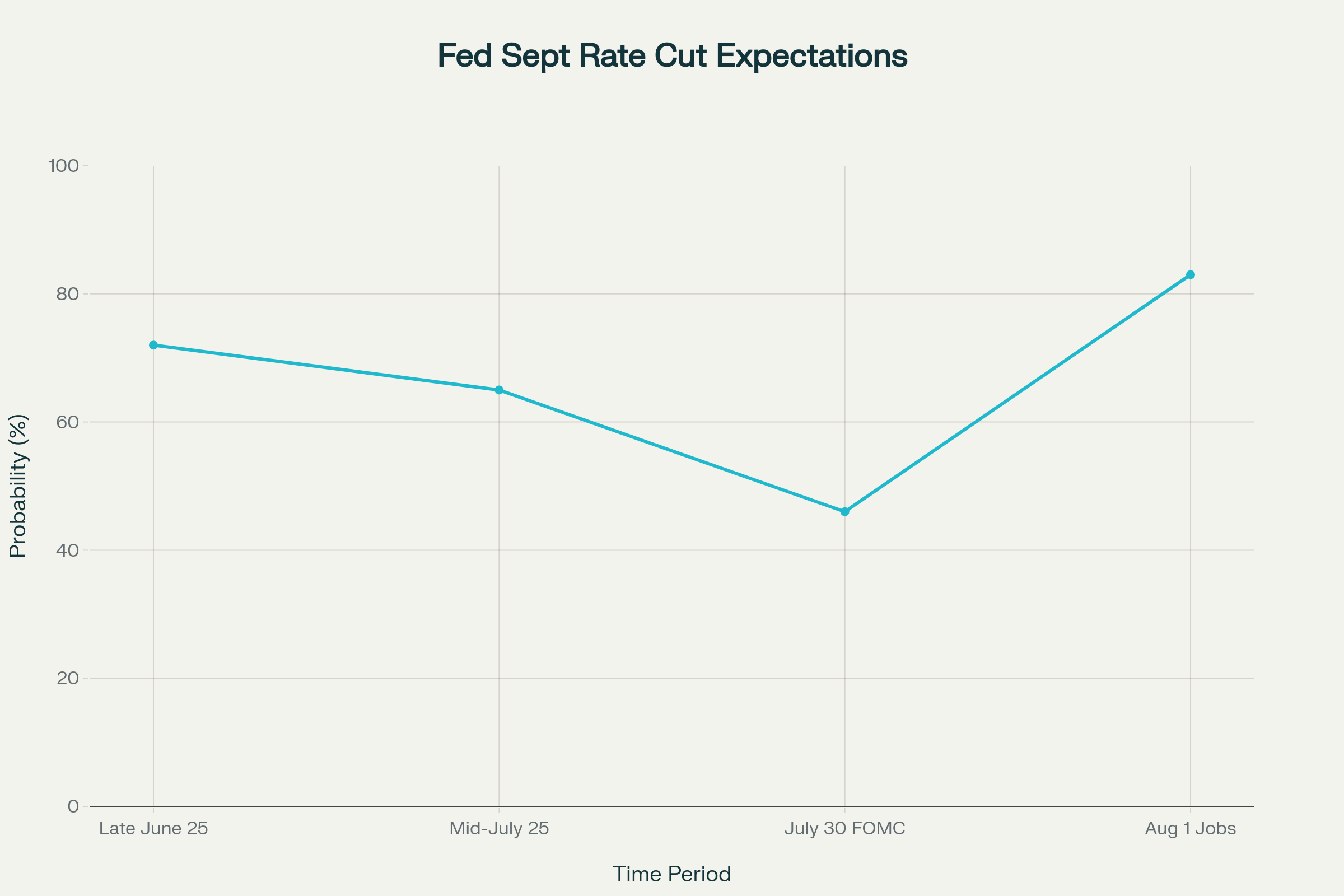
  • CME FedWatch tool signals 89% chance of a federal funds rate cut in September, possibly leading to further mortgage rate declines.
  • Experts forecast mortgage rates to average around 6.4% in the second half of 2025, with projections for a dip to about 6.1% in 2026.
  • Fed's ongoing rate decisions remain the main influence on mortgage and refinance rates.

Current Mortgage Rates: August 10, 2025

Loan Type Interest Rate Weekly Change APR Weekly APR Change
30-Year Fixed 6.75% Down 0.07% 7.08% Down 0.19%
20-Year Fixed 6.65% Up 0.19% 6.93% No Change
15-Year Fixed 5.80% Up 0.01% 6.02% Down 0.16%
10-Year Fixed 5.48% Down 0.26% 5.84% Down 0.28%
7-Year ARM 7.08% Down 0.14% 7.59% Down 0.29%
5-Year ARM 7.40% Down 0.14% 7.74% Down 0.17%

Government-Backed Loan Rates

Loan Type Interest Rate Weekly Change APR Weekly APR Change
30-Year Fixed FHA 6.69% Down 0.51% 7.71% Down 0.52%
30-Year Fixed VA 6.30% Up 0.01% 6.52% Up 0.02%
15-Year Fixed FHA 5.49% Down 0.03% 6.45% Down 0.06%
15-Year Fixed VA 5.83% Down 0.01% 6.19% Up 0.01%

Current Refinance Rates: August 10, 2025

Loan Type Interest Rate Weekly Change APR Weekly APR Change
30-Year Fixed Refi 6.91% Down 0.08% N/A N/A
15-Year Fixed Refi 5.79% Down 0.04% N/A N/A
5-Year ARM Refi 7.65% Down 0.14% N/A N/A

(Source: Zillow – Mortgage and refinance rates, August 10, 2025)

Understanding the Current Mortgage Landscape

Mortgage rates reflect a balance between economic indicators, inflation expectations, and Federal Reserve policy. The small decline in the 30-year mortgage rate from 6.82% to 6.75% this week signals a cautious easing after months of high rates.

The recent weak July employment report is influencing markets significantly, as it increases expectations that the Fed might cut its benchmark interest rate in September. Currently, there is an 89% probability of a rate cut according to the CME FedWatch tool, which would likely push mortgage rates lower over the next several weeks.

However, mortgage rates for shorter terms, such as the 15-year fixed and adjustable-rate mortgages, showed some mixed movement—small increases or stability—which reflects investor caution amid economic uncertainties like ongoing inflation pressures and global trade dynamics.


Related Topics:

Mortgage Rates Trends as of August 9, 2025

Mortgage Rates Predictions for the Next 60 Days

Mortgage Rates Predictions for the Next 30 Days: July 22-August 22

Mortgage Rates Predictions for Next 90 Days: July-Sept 2025

Refinancing in Today's Rate Environment

Refinancing rates mirror purchase mortgage trends but often include slightly different pricing due to borrower risk profiles and loan types. The 30-year fixed refinance rate decrease from 6.99% to 6.91% this week could encourage some homeowners with high existing rates (above 7%) to consider refinancing, especially if Fed rate cuts materialize later in 2025.

The 5-year ARM refinance rate dropping by 14 basis points to 7.65% is notable, although ARMs continue to carry higher rates than fixed loans due to interest rate reset risks. For borrowers weighing refinance decisions, tracking not only current rates but also Fed monetary policy developments is critical.

Mortgage Rate Forecasts: What Experts Expect

Looking forward, almost all key housing market analysts point to a gradual decline in mortgage rates through late 2025 and into 2026:

  • National Association of REALTORS® forecasts mortgage rates to average 6.4% in H2 2025, with a dip to about 6.1% in 2026. They highlight mortgage rates as a pivotal factor influencing affordability and buyer demand.
  • Realtor.com expects average rates to ease slowly and potentially return to levels close to the previous year by the end of 2025 (~6.4%).
  • Fannie Mae revised its mortgage rate outlook, expecting rates to finish 2025 at 6.5%, then fall to 6.1% in 2026.
  • The Mortgage Bankers Association (MBA) projects rates to remain near 6.8% through September but to settle between 6.4% and 6.7% by the end of the year.

These forecasts reflect an economic environment where inflation pressures persist but may respond to Fed interventions, especially if rate cuts occur as anticipated.

The Federal Reserve's Role in Shaping Mortgage Rates

The Fed's monetary policy has been the dominant factor driving mortgage rate trends since 2021. After aggressive rate increases totaling 5.25 percentage points between early 2022 and mid-2023, mortgage rates surged to 20-year highs. In late 2024, the Fed shifted gears and cut its benchmark rates three times, lowering the federal funds rate to 4.25%-4.5%.

In 2025, the Fed has paused further moves for five meetings amid conflicting indicators: inflation remains stubborn around 2.7% (core PCE), but economic growth is slowing, and unemployment has ticked upward.

The Fed's September 16-17 meeting is critical, with market odds nearly 50% for a rate cut. The decisions made there and at the December meeting could determine whether mortgage rates fall further or hold steady.

Longer-term, the Fed anticipates easing rates gradually toward 2.25%-2.5% by 2027, which would likely translate to more affordable borrowing costs over the upcoming years.

Example: Impact on Monthly Mortgage Payments

To put current rates into perspective, consider a $300,000 loan amount for a 30-year fixed mortgage:

Interest Rate Monthly Principal & Interest Payment
6.82% (Last week’s average) $1,960
6.75% (Current rate) $1,947

A decrease of 7 basis points (0.07%) reduces the monthly payment by about $13. While this may seem minor, over 30 years, it equates to thousands saved in interest expenses.

For refinancing, a homeowner with a 7.03% rate dropping to 6.91% could see similar savings if refinancing costs are justified by the monthly and total interest reduction.

Why Mortgage and Refinance Rates Matter Today

Mortgage and refinance rates directly influence housing affordability, monthly payments, and homeowners' financial planning. Although rates remain higher than the historic lows seen during the pandemic, the downward movements and forecasts signal potential relief in the near future.

While waiting for rates to drop significantly might be tempting, the unpredictable nature of markets underlines the importance of evaluating personal financial situations and timing decisions accordingly.

Capitalize Amid Rising Mortgage Rates

With mortgage rates expected to remain high in 2025, it’s more important than ever to focus on strategic real estate investments that offer stability and passive income.

Norada delivers turnkey rental properties in resilient markets—helping you build steady cash flow and protect your wealth from borrowing cost volatility.

HOT NEW LISTINGS JUST ADDED!

Speak with a seasoned Norada investment counselor today (No Obligation):

(800) 611‑3060

Get Started Now

Also Read:

  • Will Mortgage Rates Go Down in 2025: Morgan Stanley's Forecast
  • Mortgage Rate Predictions 2025 from 4 Leading Housing Experts
  • Mortgage Rate Predictions for the Next 3 Years: 2026, 2027, 2028
  • 30-Year Fixed Mortgage Rate Forecast for the Next 5 Years
  • 15-Year Fixed Mortgage Rate Predictions for Next 5 Years: 2025-2029
  • Will Mortgage Rates Ever Be 3% Again in the Future?
  • Mortgage Rates Predictions for Next 2 Years
  • Mortgage Rate Predictions for Next 5 Years
  • Mortgage Rate Predictions: Why 2% and 3% Rates are Out of Reach
  • How Lower Mortgage Rates Can Save You Thousands?
  • How to Get a Low Mortgage Interest Rate?
  • Will Mortgage Rates Ever Be 4% Again?

Filed Under: Financing, Mortgage Tagged With: Interest Rate, mortgage, Mortgage Rate Trends, mortgage rates, Mortgage Rates Today

30-Year Mortgage Rate (FRM) Today: Drops by 7 Basis Points – August 10, 2025

August 10, 2025 by Marco Santarelli

Average 30-Year Mortgage Rate Today Drops by 10 Basis Points to 6.72%

Good news for prospective homebuyers and those looking to refinance! As of today, August 10, 2025, the national average 30-year fixed mortgage rate has seen a modest dip. The 30-year FRM is sitting at 6.75%, a welcome decrease of 7 basis points from the previous week's average of 6.82%. But what does this really mean for you, and is this a sign of things to come? Let's dive in.

30-Year Mortgage Rate (FRM) Today: Drops by 7 Basis Points – August 10, 2025

What's Happening with Mortgage Rates Right Now?

It's important to get the full picture, so let's look beyond just the 30-year fixed-rate mortgage. Here's a quick snapshot of other key mortgage rates as of August 10, 2025, according to Zillow:

  • 15-Year Fixed Rate: Increased slightly by 1 basis point to 5.80%.
  • 5-Year ARM: Increased by 6 basis points to 7.40%.

Here is an exhaustive picture:

Conforming Loans

PROGRAM RATE 1W CHANGE APR 1W CHANGE
30-Year Fixed Rate 6.75 % down0.08 % 7.08 % down0.19 %
20-Year Fixed Rate 6.65 % up0.19 % 6.93 % 0.00 %
15-Year Fixed Rate 5.80 % down0.08 % 6.02 % down0.16 %
10-Year Fixed Rate 5.48 % down0.26 % 5.84 % down0.28 %
7-year ARM 7.08 % down0.14 % 7.59 % down0.29 %
5-year ARM 7.40 % down0.14 % 7.74 % down0.17 %
3-year ARM — 0.00 % — 0.00 %
Last updated: 8/10/2025

Government Loans

PROGRAM RATE 1W CHANGE APR 1W CHANGE
30-Year Fixed Rate FHA 6.69 % down0.51 % 7.71 % down0.52 %
30-Year Fixed Rate VA 6.30 % up0.01 % 6.52 % up0.02 %
15-Year Fixed Rate FHA 5.49 % down0.03 % 6.45 % down0.06 %
15-Year Fixed Rate VA 5.83 % down0.01 % 6.19 % up0.01 %
Last updated: 8/10/2025

While the 30-year FRM has decreased, we can see a mixed bag of movement across different loan types.

Why Did the 30-Year Mortgage Rate Drop?

The 30-year mortgage rate is influenced by a myriad of economic factors, and it's rarely just one thing that causes movement, but one key factor is being driven by the Federal Reserve.

The Federal Reserve has a huge influence on rates, including mortgage rates. From March 2022-July 2023, aggressively raised rates to combat inflation, indirectly pushing mortgage rates up. Then the Fed cut rates three times in late 2024 (September to December).

2025 has been relatively still, it has held rates steady for five consecutive meetings in 2025 (through July 30), despite growing economic headwinds. Although no firm decision has been made, the Fed cutting rates later in 2025 would result in lower mortgage rates.

The Federal Reserve’s Role in Mortgage Rates and Monetary Policy: 2024-2025 Update

So, let's break down the recent history and future expectations from the Fed:

The Federal Reserve, through its monetary policy, is the biggest factor impacting mortgage rate trends.

  • Pandemic Recovery to Rate Hike Cycle (2021-2023): The Fed’s pandemic-era bond purchases kept rates extremely low. Later, to combat rising inflation, the Fed aggressively hiked the federal funds rate.
  • The Pivot to Cuts (Late 2024): After holding rates steady for 14 months, The Fed cut rates three times in late 2024 (September to December).
  • 2025: A Year of Waiting and Uncertainty: The Fed has now held rates steady for five consecutive meetings.
    • Internal Divisions: The July 30 decision saw a 9-2 vote, with dissents from Governors Bowman and Waller advocating for immediate cuts to address slowing growth. But the majority wants to wait.
  • Economic Crosscurrents:
    • Inflation Stubbornness: Core PCE remains elevated at ~2.7%, with new tariff pressures complicating the outlook. It's proving difficult to tame.
    • Growth Slowdown: GDP growth has decelerated to ~1.2% annualized in H1 2025, with unemployment creeping up to 4.5%. The economy needs a boost.

How Does This Affect You?

Ultimately, the recent drop of 7 basis points in the 30-year FRM is a positive sign for the housing market. Here's what this could mean for different groups:

  • For Homebuyers: Any decrease in mortgage rates makes homeownership more affordable. Even a small reduction can translate to significant savings over the life of a 30-year mortgage. Run the numbers and see what you can afford!
  • For Those Looking to Refinance: If you're currently holding a mortgage with a higher interest rate, this dip could be an opportunity to refinance and lower your monthly payments.
  • For Everyone Else: Even if you're not actively buying or refinancing, lower mortgage rates generally stimulate the economy, which can benefit everyone.

Mortgage Rate Impact

  • 30-year fixed rates have hovered near 6.8% through mid-2025, with modest declines expected later this year if cuts materialize.
  • The Fed’s projected two cuts in 2025 (per June “dot plot”) could eventually pull mortgage rates toward 6% by year-end, though timing remains uncertain.

What’s Next? Key Dates and Scenarios

  • September 16-17 Meeting: The next critical juncture, with updated economic projections. Market odds of a cut currently stand at 47%.
  • December Meeting: Likely the Fed’s last realistic 2025 cut opportunity if September passes without action.
  • Long-Term Outlook: The Fed anticipates gradual easing, with rates potentially settling near 2.25%-2.5% by 2027.

Why This Matters for Borrowers

  • Current Buyers: High rates persist, but Fed signals suggest relief may come in late 2025/early 2026.
  • Refinancers: Those with rates above 7% should monitor September/December Fed decisions for potential opportunities.
  • Investors: Bond markets remain volatile, with the 10-year Treasury yield sensitive to Fed rhetoric (currently 4.34%).


Related Topics:

30-Year Fixed Mortgage Rate (FRM) Trends – August 9, 2025

Mortgage Rates Predictions for the Next 30 Days: July 22-August 22

Mortgage Rates Predictions for Next 90 Days: July-Sept 2025

Looking Ahead: What to Expect From Mortgage Rates

Predicting the future is always tricky, but here are some factors to keep an eye on:

  • The Federal Reserve's Actions: The Fed's decisions regarding interest rates will continue to be a primary driver of mortgage rates. Pay attention to their meetings and announcements.
  • Inflation: If inflation remains high, the Fed may be hesitant to lower interest rates, which could keep mortgage rates elevated.
  • Economic Growth: A strong economy could lead to higher interest rates, while a weaker economy could push them lower. It's a delicate balancing act.
  • Geopolitical Events: Unexpected global events can also impact financial markets and influence mortgage rates.

My Advice

While a 7 basis point drop is a welcome sign, it's important to remember that mortgage rates can fluctuate. If you're considering buying or refinancing, now is a good time to shop around and compare rates from different lenders. Don't just focus on the interest rate; also consider the fees and closing costs associated with the loan.

Capitalize Amid Rising Mortgage Rates

With mortgage rates expected to remain high in 2025, it’s more important than ever to focus on strategic real estate investments that offer stability and passive income.

Norada delivers turnkey rental properties in resilient markets—helping you build steady cash flow and protect your wealth from borrowing cost volatility.

HOT NEW LISTINGS JUST ADDED!

Speak with a seasoned Norada investment counselor today (No Obligation):

(800) 611‑3060

Get Started Now

Also Read:

  • Will Mortgage Rates Go Down in 2025: Morgan Stanley's Forecast
  • Mortgage Rate Predictions 2025 from 4 Leading Housing Experts
  • Mortgage Rate Predictions for the Next 3 Years: 2026, 2027, 2028
  • 30-Year Fixed Mortgage Rate Forecast for the Next 5 Years
  • 15-Year Fixed Mortgage Rate Predictions for Next 5 Years: 2025-2029
  • Will Mortgage Rates Ever Be 3% Again in the Future?
  • Mortgage Rates Predictions for Next 2 Years
  • Mortgage Rate Predictions for Next 5 Years
  • Mortgage Rate Predictions: Why 2% and 3% Rates are Out of Reach
  • How Lower Mortgage Rates Can Save You Thousands?
  • How to Get a Low Mortgage Interest Rate?
  • Will Mortgage Rates Ever Be 4% Again?
Filed Under: Financing, Mortgage Tagged With: Interest Rate, mortgage, Mortgage Rate Trends, mortgage rates, Mortgage Rates Today

Mortgage Rates Today: 15-Year FRM Jumps to 5.80% – August 9, 2025

August 9, 2025 by Marco Santarelli

Mortgage Rates Today: 15-Year FRM Jumps to 5.80% - August 9, 2025

If you're keeping an eye on mortgage rates, especially for a 15-year fixed-rate mortgage, here's the scoop: As of today, August 9, 2025, the average 15-year mortgage rate today increased from 5.78% to 5.80%. While a slight increase, even small fluctuations can impact your monthly payments and overall borrowing costs. Let's dive deeper into what this means for you and the broader housing market.

Mortgage Rates Today: 15-Year FRM Jumps to 5.80% – August 9, 2025

What's Happening with Mortgage Rates in General?

It's not just the 15-year rate that's moving. Here’s a quick snapshot of where other key mortgage rates stand:

  • 30-Year Fixed Rate: 6.71% (up 1 basis point)
  • 5-Year ARM: 7.34% (up 3 basis points)

To give you a complete picture, here is a tabular representation:

Loan Program Rate 1 Week Change APR 1 Week Change
30-Year Fixed Rate 6.71% Down 0.12% 7.20% Down 0.08%
20-Year Fixed Rate 6.65% Up 0.19% 6.93% 0.00%
15-Year Fixed Rate 5.80% Down 0.08% 6.12% Down 0.06%
10-Year Fixed Rate 5.48% Down 0.26% 5.84% Down 0.28%
7-year ARM 7.08% Down 0.14% 7.59% Down 0.29%
5-year ARM 7.34% Down 0.21% 7.87% Down 0.04%
3-year ARM — 0.00% — 0.00%

Table: Conforming Loans – Source: Zillow

Why Focus on the 15-Year Fixed-Rate?

The 15-year fixed-rate mortgage is popular for a few key reasons:

  • Faster Equity Building: You pay off your home in half the time compared to a 30-year mortgage, which means you build equity much faster.
  • Lower Interest Rate: Historically, 15-year mortgages have lower interest rates than their 30-year counterparts. This can save you a significant amount of money over the long term.
  • Higher Monthly Payments: The trade-off is that your monthly payments are higher. You need to be comfortable with a larger payment to take advantage of the shorter term and lower rate.

I have personally seen many families benefit from the 15-year mortgage option, especially when they are in a financially stable position to handle the higher monthly payments. The long-term savings and quicker path to full homeownership are significant advantages.

The Federal Reserve and its Impact

The Federal Reserve (the Fed) plays a HUGE role in determining where mortgage rates go. To provide some background, let's review their recent activities:

  • 2021-2023: The Fed aggressively increased interest rates (by 5.25 percentage points!) to fight inflation, causing mortgage rates to climb to 20-year highs.
  • Late 2024: After over a year of holding steady, the Fed cut rates three times, lowering the federal funds rate by 1 percentage point.
  • 2025 (So Far): The Fed has paused rate adjustments, keeping rates steady through July.

So, What’s the Fed Doing Now?

This is where things get interesting. The Fed is in a bit of a tricky spot.

  • Inflation is Still a Concern: They want to keep inflation under control. It’s sitting around 2.7%, which is a bit higher than they'd like.
  • Economic Growth is slowing: The economy isn't growing as fast as it used to.

This has led to some internal disagreements within the Fed. Some members want to cut rates to boost the economy, while others are worried about fueling inflation.

For the mortgage market, this means rates are kind of stuck in limbo. 30-year fixed rates have been hovering around 6.8%, and the Fed's actions (or inactions) are a major reason why.


Related Topics:

Mortgage Rates Predictions for the Next 60 Days

Mortgage Rates Predictions for the Next 6 Months: August to December 2025

Mortgage Rates Predictions for Next 90 Days: July-Sept 2025

What to Expect in the Near Future Here’s what I am watching out for:

  • September 16-17 Meeting: The Fed will release updated economic forecasts. This meeting will be crucial for setting expectations.
  • December Meeting: If the Fed doesn't act in September, this is likely their last chance to cut rates in 2025.

The Fed is projecting two rate cuts in 2025. If these cuts happen, we could see mortgage rates fall towards 6% by the end of the year. However, it's all about timing.

What Does This Mean for You?

  • If You're Buying Now: Understand that rates are still relatively high. Shop around for the best deals and consider all your options. The signals from the Fed suggests some relief is on the horizon.
  • If You're Thinking of Refinancing: Keep a close eye on the Fed's decisions in September and December. If you currently have something greater than 7%, these meetings could present opportunities.

In Conclusion

The 15-year mortgage rate moving up slightly to 5.80% is part of a bigger picture influenced by the Federal Reserve's decisions and the overall economic climate. Keep informed, stay flexible, and talk to a financial advisor to make the best decisions for your situation.

Capitalize Amid Rising Mortgage Rates

With mortgage rates expected to remain high in 2025, it’s more important than ever to focus on strategic real estate investments that offer stability and passive income.

Norada delivers turnkey rental properties in resilient markets—helping you build steady cash flow and protect your wealth from borrowing cost volatility.

HOT NEW LISTINGS JUST ADDED!

Speak with a seasoned Norada investment counselor today (No Obligation):

(800) 611‑3060

Get Started Now

Also Read:

  • Will Mortgage Rates Go Down in 2025: Morgan Stanley's Forecast
  • Mortgage Rate Predictions 2025 from 4 Leading Housing Experts
  • Mortgage Rate Predictions for the Next 3 Years: 2026, 2027, 2028
  • 30-Year Fixed Mortgage Rate Forecast for the Next 5 Years
  • 15-Year Fixed Mortgage Rate Predictions for Next 5 Years: 2025-2029
  • Will Mortgage Rates Ever Be 3% Again in the Future?
  • Mortgage Rates Predictions for Next 2 Years
  • Mortgage Rate Predictions for Next 5 Years
  • Mortgage Rate Predictions: Why 2% and 3% Rates are Out of Reach
  • How Lower Mortgage Rates Can Save You Thousands?
  • How to Get a Low Mortgage Interest Rate?
  • Will Mortgage Rates Ever Be 4% Again?
Filed Under: Financing, Mortgage Tagged With: Interest Rate, mortgage, Mortgage Rate Trends, mortgage rates, Mortgage Rates Today

Average 30-Year Mortgage Rate Today Drops by 10 Basis Points to 6.72%

August 9, 2025 by Marco Santarelli

Average 30-Year Mortgage Rate Today Drops by 10 Basis Points to 6.72%

Figuring out when to buy a home is a big decision, and a key factor is understanding mortgage rates. As of today, August 9, 2025, the 30-year fixed mortgage rate today is down 10 basis points from last week, averaging 6.72%. This slight dip could be a signal, but let's dive deeper to understand what's really going on and what it means for you.

Average 30-Year Mortgage Rate Today Drops by 10 Basis Points to 6.72%

Here’s a breakdown of where things stand right now:

  • According to Zillow, the national average for a 30-year fixed mortgage rate is at 6.72%, up 2 basis points from Saturday.
  • Compared to last week the 30-year fixed mortgage rate is down 10 basis points.
  • The 15-year fixed mortgage rate is currently averaging 5.81%, up 3 basis points from Saturday.
  • 5-year ARM (Adjustable-Rate Mortgage) is at 7.34%, up 3 basis points from Saturday.

Here's a quick table to summarize conforming loan rates (as of August 9, 2025):

Program Rate 1 Week Change APR 1 Week Change
30-Year Fixed Rate 6.72% Down 0.10% 7.27% Down 0.01%
20-Year Fixed Rate 6.65% Up 0.19% 6.93% Unchanged
15-Year Fixed Rate 5.81% Down 0.07% 6.17% Down 0.01%
10-Year Fixed Rate 5.48% Down 0.26% 5.84% Down 0.28%
7-year ARM 7.08% Down 0.14% 7.59% Down 0.29%
5-year ARM 7.34% Down 0.21% 7.95% Up 0.04%

And here's another table for government loans:

Program Rate 1 Week Change APR 1 Week Change
30-Year Fixed Rate FHA 6.25% Down 0.95% 7.27% Down 0.97%
30-Year Fixed Rate VA 6.13% Down 0.16% 6.32% Down 0.18%
15-Year Fixed Rate FHA 5.64% Up 0.12% 6.61% Up 0.09%
15-Year Fixed Rate VA 5.77% Down 0.07% 6.09% Down 0.09%

The Federal Reserve's Role: A Game of Wait and See

The Federal Reserve (or simply The Fed) plays a huge role in setting the stage for where mortgage rates ultimately land. After aggressively raising rates to combat inflation, they paused. As of July 30, 2025, they have not changed rates for five consecutive meetings despite some internal pressure to cut them. This is largely due to persistent inflation and a mixed economic outlook, with slower GDP growth and rising unemployment.

What Does This Mean For You?

  • If you're a current buyer: Hang in there! Rates are still elevated, but the Fed hints at potential relief late in 2025 or early in 2026.
  • Thinking of refinancing? Keep a close watch on what the Fed decides because rates above 7% could benefit from potential opportunities.

Is This a Blip or a Trend? Deciphering the Drop

A 10-basis-point decrease in the 30-year fixed mortgage rate, while welcome, isn't necessarily a cause for celebration. It is good, however. Here's why:

  • Small changes are common: Mortgage rates fluctuate daily based on a variety of economic factors, investor sentiment, and bond market activity. A 10-basis-point shift can be a normal market correction.
  • The bigger picture matters: Focus on the overall trend rather than a single day's movement. Are rates generally trending downwards, or is this just a temporary dip?
  • Look at the “why”: What's driving this decrease? Is it due to positive economic news, a shift in Fed policy expectations, or something else? I personally feel it's the Fed's action.


Related Topics:

30-Year Fixed Mortgage Rate (FRM) Trends – August 8, 2025

Mortgage Rates Predictions for the Next 30 Days: July 22-August 22

Mortgage Rates Predictions for Next 90 Days: July-Sept 2025

Adjustable-Rate Mortgages (ARMs): A Word of Caution

While the initial rates on ARMs might look attractive, especially compared to fixed-rate mortgages, remember that they adjust after a set period. If rates rise, your monthly payments will too. You need to consider the prevailing market condition to opt for it. I suggest that If you're risk-averse or plan to stay in your home for the long term, a fixed-rate mortgage offers more stability.

Making the Right Decision for You

Buying a home is a huge financial undertaking, and you should proceed with caution and do your research. I strongly recommend consulting with a reputable mortgage lender to get personalized advice based on your financial situation and goals.

In Conclusion

The 30-year fixed mortgage rate today is down 10 basis points, which is positive news for potential homebuyers. However, it's crucial to understand the factors driving these changes and to consider your own financial circumstances before making any decisions. Stay informed, do your research, and seek professional advice to make the best choice for your future.

Capitalize Amid Rising Mortgage Rates

With mortgage rates expected to remain high in 2025, it’s more important than ever to focus on strategic real estate investments that offer stability and passive income.

Norada delivers turnkey rental properties in resilient markets—helping you build steady cash flow and protect your wealth from borrowing cost volatility.

HOT NEW LISTINGS JUST ADDED!

Speak with a seasoned Norada investment counselor today (No Obligation):

(800) 611‑3060

Get Started Now

Also Read:

  • Will Mortgage Rates Go Down in 2025: Morgan Stanley's Forecast
  • Mortgage Rate Predictions 2025 from 4 Leading Housing Experts
  • Mortgage Rate Predictions for the Next 3 Years: 2026, 2027, 2028
  • 30-Year Fixed Mortgage Rate Forecast for the Next 5 Years
  • 15-Year Fixed Mortgage Rate Predictions for Next 5 Years: 2025-2029
  • Will Mortgage Rates Ever Be 3% Again in the Future?
  • Mortgage Rates Predictions for Next 2 Years
  • Mortgage Rate Predictions for Next 5 Years
  • Mortgage Rate Predictions: Why 2% and 3% Rates are Out of Reach
  • How Lower Mortgage Rates Can Save You Thousands?
  • How to Get a Low Mortgage Interest Rate?
  • Will Mortgage Rates Ever Be 4% Again?

Filed Under: Financing, Mortgage Tagged With: Interest Rate, mortgage, Mortgage Rate Trends, mortgage rates, Mortgage Rates Today

Today’s Mortgage Rates – August 9, 2025: Rates Drop Steadily Across All Loan Types

August 9, 2025 by Marco Santarelli

Today's Mortgage Rates August 9, 2025: Rates Maintain Steady Drop Across the Board

Mortgage rates today on August 9, 2025, show a slight decrease in purchase mortgage rates, while refinance rates are mostly holding steady. The 30-year fixed mortgage rate for buying a home dropped modestly to 6.72%, down from 6.82% last week. Conversely, the 30-year fixed refinance rate ticked up slightly to 7.03%, unchanged week-over-week.

Shorter-term rates like 15-year fixed and adjustable-rate mortgages (ARMs) have mixed movements but hover near recent levels. This update reflects ongoing economic uncertainty and Federal Reserve signaling around interest rates.

Today's Mortgage Rates – August 9, 2025: Rates Drop Steadily Across All Loan Types

Key Takeaways

  • 30-year fixed purchase mortgage rate dropped slightly to 6.72%, a 10 basis points decrease from last week.
  • 30-year fixed refinance rate remains steady at 7.03%, unchanged over the past week.
  • 15-year fixed purchase rate rose marginally to 5.81%, while the 5-year ARM purchase rate is 7.34%.
  • Federal Reserve signals a potential rate cut in September, with an 89% chance according to CME FedWatch, sparking hopes for future mortgage rate relief.
  • Government-backed loan rates (FHA, VA) mostly declined, with FHA 30-year fixed purchase rate down nearly 1 percentage point.
  • Outlook from experts points to rates averaging around 6.4% in late 2025, then slightly decreasing in 2026.
  • Economic factors like inflation, GDP growth, and employment shape near-term mortgage rate trends.
  • Borrowers may want to watch closely for Fed moves in September and December that could affect rates.

Current Mortgage Rates on August 9, 2025

Here is a detailed comparison of mortgage purchase rates by loan type as of today, August 9, 2025, according to Zillow data:

Loan Type Rate 1-Week Change APR 1-Week APR Change
30-Year Fixed 6.72% Down 0.10% 7.27% Down 0.01%
20-Year Fixed 6.65% Up 0.19% 6.93% No change
15-Year Fixed 5.81% Down 0.07% 6.17% Down 0.01%
10-Year Fixed 5.48% Down 0.26% 5.84% Down 0.28%
7-Year ARM 7.08% Down 0.14% 7.59% Down 0.29%
5-Year ARM 7.34% Down 0.21% 7.95% Up 0.04%
3-Year ARM — No change — No change

Conforming loan purchase mortgage rates – August 9, 2025 (Source: Zillow)

Government Loan Mortgage Rates

Loan Type Rate 1-Week Change APR 1-Week APR Change
30-Year Fixed FHA 6.25% Down 0.95% 7.27% Down 0.97%
30-Year Fixed VA 6.13% Down 0.16% 6.32% Down 0.18%
15-Year Fixed FHA 5.64% Up 0.12% 6.61% Up 0.09%
15-Year Fixed VA 5.77% Down 0.07% 6.09% Down 0.09%

Refinance Rates as of August 9, 2025

Refinancing mortgage rates have a slightly different story this week:

Loan Type Rate 1-Week Change APR 1-Week APR Change
30-Year Fixed Refi 7.03% No change — —
15-Year Fixed Refi 5.86% Up 0.09% — —
5-Year ARM Refi 7.79% No change — —

What This Means for Homebuyers and Refinancers

The mixed shifts in mortgage rates reflect a market cautiously optimistic but still influenced by economic signals and central bank policy.

  • Homebuyers looking for fixed-rate loans might benefit slightly from the dip in purchase mortgage rates on 30-year and 15-year loans but should consider the APR and overall loan terms.
  • Refinancers face higher 30-year fixed rates than buyers, making refinancing less urgent unless their current rates are substantially higher than 7%.
  • ARMs remain relatively high,, which could deter borrowers who prefer low initial rates.
  • The government-backed loan rates' decline, especially FHA 30-year dropping by nearly 1%, could encourage first-time or lower-credit borrowers to consider these options.

Federal Reserve’s Influence on Mortgage Rates in 2025

Understanding the Federal Reserve’s monetary policy is crucial for grasping why mortgage rates behave as they do. Since 2021, mortgage rates have been strongly impacted by the Fed’s actions:

  • 2021-2023: The Fed raised interest rates aggressively by over 5 percentage points to curb inflation, which pushed mortgage rates to highs unseen in two decades.
  • Late 2024: The Fed started cutting rates, lowering the federal funds rate by 1 point over three moves, easing pressure on mortgage rates.
  • 2025: The Fed paused rate changes in the first half of the year despite economic weaknesses, creating uncertainty about the near-term direction of mortgage rates.

The markets now price in an 89% chance of a Fed rate cut in September 2025, which is significant because Fed rate cuts typically trickle down to lower mortgage rates after some lag. This expectation is part of why purchase mortgage rates have seen a small decline recently, even if refinance rates have not yet followed suit.

However, the Fed’s internal debates, inflation persistence, and mixed economic data (like slower GDP growth and still-elevated core PCE inflation) leave room for rate volatility. Upcoming Fed meetings—September 16-17 and December—are key events this year that will heavily influence mortgage rates.

Mortgage Rate Forecast for Late 2025 and Beyond

Multiple experts provide perspectives on where mortgage rates are heading:

  • National Association of REALTORS®: Projects mortgage rates to average 6.4% in the second half of 2025 and dip to about 6.1% in 2026. The association emphasizes how rate changes directly impact buyer affordability and market demand.
  • Realtor.com: Notes rates are easing slowly, with a year-end dip expected to 6.4%, roughly matching last year’s averages.
  • Fannie Mae: Their forecast now includes mortgage rates settling around 6.5% at the end of 2025 and dropping to 6.1% in 2026. They also expect moderate GDP growth.
  • Mortgage Bankers Association: Suggests rates will remain mostly steady around 6.8% for most of 2025, with slight declines to about 6.3% into 2026, reflecting ongoing inflation risks.

Given these views, the near-term expectation is for mortgage rates to remain elevated but gradually ease if inflation pressures reduce and the Fed follows through on anticipated rate cuts.


Related Topics:

Mortgage Rates Trends as of August 8, 2025

Mortgage Rates Predictions for the Next 30 Days: July 22-August 22

Mortgage Rates Predictions for Next 90 Days: July-Sept 2025

Mortgage Rate Examples to Illustrate Payment Changes

To put current rates into perspective, consider a hypothetical $300,000 mortgage:

Term Rate Monthly Principal & Interest Payment
30-Year Fixed @ 6.82% (Last Week) 6.82% $1,954
30-Year Fixed @ 6.72% (Today) 6.72% $1,943
15-Year Fixed @ 5.78% (Last Week) 5.78% $2,456
15-Year Fixed @ 5.81% (Today) 5.81% $2,463

This shows even a small rate decrease of 0.10% can reduce your monthly payment by around $11 on a 30-year loan, demonstrating how sensitive payments are to rate changes.

The Bigger Picture: Economic Factors Driving Rates

Mortgage rates don’t move in isolation. They respond to multiple economic signals:

  • Inflation: Persistent inflation keeps the Fed cautious, limiting rate cuts. Core Personal Consumption Expenditures (PCE) inflation remains above 2.5%, which is higher than the Fed's target.
  • GDP Growth: The U.S. economy grew at about 1.2% annualized in the first half of 2025, a slowdown from prior years.
  • Employment: Jobs data has weakened recently, contributing to speculation that the Fed might ease rates to support growth.
  • Bond Markets: Mortgage rates often follow the 10-year Treasury yield, which remains volatile but currently hovers around 4.34%.

Why Monitoring Mortgage Rates Today Matters

Whether you are buying a home or considering refinancing, mortgage rates right now reflect the ongoing tug-of-war between economic slowdowns and inflation concerns. The small dip in purchase mortgage rates today is welcome, but patience and close attention to Federal Reserve decisions are crucial in the coming months.

Borrowers may find that locking in rates now saves money compared to higher rates that might emerge if inflation surprises to the upside. Conversely, those who can wait might see rates ease later this year if Fed cuts happen as planned.

Capitalize Amid Rising Mortgage Rates

With mortgage rates expected to remain high in 2025, it’s more important than ever to focus on strategic real estate investments that offer stability and passive income.

Norada delivers turnkey rental properties in resilient markets—helping you build steady cash flow and protect your wealth from borrowing cost volatility.

HOT NEW LISTINGS JUST ADDED!

Speak with a seasoned Norada investment counselor today (No Obligation):

(800) 611‑3060

Get Started Now

Also Read:

  • Will Mortgage Rates Go Down in 2025: Morgan Stanley's Forecast
  • Mortgage Rate Predictions 2025 from 4 Leading Housing Experts
  • Mortgage Rate Predictions for the Next 3 Years: 2026, 2027, 2028
  • 30-Year Fixed Mortgage Rate Forecast for the Next 5 Years
  • 15-Year Fixed Mortgage Rate Predictions for Next 5 Years: 2025-2029
  • Will Mortgage Rates Ever Be 3% Again in the Future?
  • Mortgage Rates Predictions for Next 2 Years
  • Mortgage Rate Predictions for Next 5 Years
  • Mortgage Rate Predictions: Why 2% and 3% Rates are Out of Reach
  • How Lower Mortgage Rates Can Save You Thousands?
  • How to Get a Low Mortgage Interest Rate?
  • Will Mortgage Rates Ever Be 4% Again?

Filed Under: Financing, Mortgage Tagged With: Interest Rate, mortgage, Mortgage Rate Trends, mortgage rates, Mortgage Rates Today

Cape Coral Stands Out as the Riskiest Housing Market Poised for a Crash

August 9, 2025 by Marco Santarelli

Cape Coral Stands Out as the Riskiest Housing Market Poised for a Crash

Let's be upfront: Cape Coral, Florida, is once again in the spotlight, not for its sunshine and canals, but for its designation as the riskiest housing market with a real potential for a significant downturn. This isn't just the whisper of local chatter; this is a trend flagged by serious market analysis, and it's crucial for anyone thinking about buying or selling in the area, or even just keeping an eye on the broader economic picture, to understand why.

Cape Coral Stands Out as the Riskiest Housing Market Poised for a Crash

Looking at the August 2025 Insights from Cotality, the housing market as a whole is showing signs of slowing. The spring homebuyer season in 2025 wrapped up with a noticeable taper in price growth. Nationally, year-over-year home price growth dipped to 1.7% in June 2025. This is a significant shift from the boom times, and it's even below the current rate of inflation.

What does this signal? It suggests that, in real terms, homes are actually becoming a bit more affordable, which is a welcome change for many. However, this national trend doesn't paint the full picture, and some markets are faring much worse than others.

My own experience in the real estate world has taught me that markets don't move in unison. While some areas are seeing steady, predictable growth, others are teetering on the edge.

Cape Coral has consistently popped up on my radar as a market that is particularly vulnerable. The data from sources like Cotality, which tracks these trends closely, confirms this concern. They've identified Cape Coral as one of the top 5 markets to watch due to its very high risk of price decline. This isn't a diagnosis I take lightly, and it’s important to dive into the ‘why' behind this designation.

Understanding the National Slowdown

Before we zero in on Cape Coral, let's get a grip on what's happening across the country. The national median home price is hovering around $403,000. To afford a typical home, the income required is around $89,600. While these numbers might seem high, the fact that price growth has slowed and is below inflation is a positive sign for affordability. The forecast for home price increases between June 2025 and June 2026 is a more modest 3.7%. This indicates a market that is, by and large, stabilizing rather than overheating.

Selma Hepp, Chief Economist at Cotality, noted that June 2025 saw home price growth remain below 2%. This suggests a general market slowdown. She pointed out that while Sun Belt markets are experiencing noticeable declines, areas in the Midwest and Northeast are seeing typical seasonal price gains. This creates a really interesting divide in the national market.

Why Cape Coral Stands Out as a High-Risk Market

Now, let's bring it back to Cape Coral. It's not just a little bit at risk; it's explicitly identified as a market with a very high risk of price decline. What sets it apart from other markets that are also seeing slowdowns?

1. Negative Home Price Growth: The data shows that Florida, Texas, Montana, and Washington D.C. have all reported negative home price growth. This means prices are actively falling, not just growing slower. Within this group, Cape Coral's specific position on various “watch lists” and its history of rapid appreciation make its current downward trend a cause for alarm.

2. Affordability Gone Wild: One of the biggest red flags for any housing market is when prices become completely detached from local incomes. The data analysis highlights that some areas are experiencing significant price drops, with Cape Coral listed among those with -7.4% change in median sales price. This is a stark contrast to affordable markets where prices are still on the rise or stable. When prices have risen dramatically and then start to fall, it often signals an unsustainable run-up has ended.

3. Insurance and Property Tax Squeeze: As I've witnessed firsthand, the cost of homeownership goes beyond the mortgage. In Florida, and particularly in coastal areas like Cape Coral, insurance premiums are a massive concern. The data points out that areas like Florida are “particularly feeling the squeeze” from rising variable costs like insurance and property taxes, which have jumped 70% since 2020. This increased cost of ownership directly impacts what buyers can afford and puts downward pressure on prices when demand falters. Imagine wanting to buy, but the monthly cost of insurance alone is sky-high and still going up – that's a major deterrent.

4. Previous Overvaluation: Markets that experience rapid, speculative growth are often the ones that are most vulnerable to a correction. Cape Coral, like many other Florida markets, saw an incredible surge in home prices in recent years. When prices rise too fast, they can become overvalued, meaning they are worth more than what the underlying economic fundamentals (like incomes and job growth) logically support. This overvaluation is a key ingredient for a potential crash. When the speculative demand dries up, or external economic factors change, these overvalued markets are the first to feel the pain.

5. Economic Fundamentals and In-Migration: Chief Economist Dr. Selma Hepp from Cotality mentions that strong fundamentals, like affordability and domestic in-migration, are what drive continued home price growth. Conversely, markets that don't have these are at greater risk. While Florida historically benefited from strong in-migration, the rising costs of living, including housing and insurance, can slow that down. If people stop moving into an area, or even start moving out, it reduces the demand that typically supports rising prices.

Cape Coral's Specific Data Snapshot

Looking at the “Which areas are affordable?” section, Cape Coral stands out with a =-7.4% change in median sales price. This is a significant figure, especially when compared to the most affordable areas like Parkersburg, WV, which saw prices rise. The “Markets to watch” list puts Cape Coral at number one, clearly indicating it's their top concern for high-risk market home price trends. The graph showing high-risk market home price trends for various Florida cities, including Cape Coral, Lakeland, North Port, St. Petersburg, and West Palm Beach, visually reinforces this concern, with Cape Coral showing the most dramatic recent shift.

What Does a Market “Crash” Actually Mean?

When we talk about a housing market “crash,” it's important to understand what that entails. It doesn't necessarily mean every house will be worth nothing overnight. Usually, it refers to a significant and rapid decline in home values across a substantial portion of the market. This can be driven by a combination of factors:

  • Increased Inventory (More Homes for Sale): When more people decide to sell their homes, especially if demand is low, it creates a surplus of homes on the market.
  • Decreased Demand (Fewer Buyers): This can happen due to economic downturns, job losses, rising interest rates, or simply a loss of buyer confidence.
  • Foreclosures: If homeowners can't afford their mortgage payments, they may face foreclosure, leading to more homes being sold in distress at lower prices.
  • Loss of Investor Confidence: Investors who might have been driving up prices may pull back if they see the market weakening.

In the case of a market like Cape Coral, the rapid appreciation we saw likely attracted a lot of speculative buyers, including investors. If those speculative buyers start to exit the market, or if the economic conditions that fueled the initial growth change, the decline can accelerate quickly.

My Perspective: The Ripple Effects

From my vantage point, the situation in Cape Coral isn't just about homeowners losing equity. A market downturn has wider implications.

  • Local Economy: A widespread drop in home values can negatively impact the local economy. Property taxes, which fund local services, could decrease, leading to budget cuts. Small businesses that rely on homeowner spending might also suffer.
  • Builder Sentiment: Home builders will likely halt new construction if they foresee falling prices and a lack of demand, which impacts jobs in the construction sector.
  • Psychology of the Market: Once a market starts to decline significantly, fear can set in. This fear can lead to panic selling, further driving down prices and creating a vicious cycle. People who might have held on might decide to sell before prices drop further, adding to the inventory and downward pressure.

I recall during past market corrections, particularly in 2008, areas that experienced the most extreme price run-ups were often the hardest hit. It’s a pattern I’ve learned to watch for. The rapid escalation of prices in places like Cape Coral, fueled by factors like low interest rates and a desirable climate, can create an artificial sense of stability that is easily shattered when those underlying conditions change.

What Are the Contributing Factors to Cape Coral's Risk?

Let's try to break down the specific elements that contribute to Cape Coral being labeled a high-risk market.

  • Rapid Price Appreciation Preceded Decline: Markets that have seen explosive price growth are inherently more susceptible to significant corrections. If prices rose by, say, 50% in two years due to rapid demand, a subsequent decline of 10-20% isn't necessarily a “crash” but a market adjustment back towards sustainable levels. However, if that initial growth was fueled by speculation, the correction could be deeper.
  • Affordability Erosion: As prices skyrocketed, the gap between incomes and home prices widened considerably. This makes the market vulnerable to even small shifts in interest rates or employment. When a market becomes unaffordable, demand naturally cools, and sellers may have to lower their prices to find buyers.
  • Insurance Costs: This cannot be overstated for Florida. Rising insurance costs, especially in a coastal region prone to hurricanes, directly impact the monthly total cost of homeownership. If insurance becomes prohibitively expensive, it can price out potential buyers or force existing homeowners to sell. This is a critical factor that distinguishes markets like Cape Coral from those in less exposed regions.
  • Interest Rate Sensitivity: While national price growth is slowing, mortgage rates remaining elevated is a significant factor. Higher interest rates mean higher monthly payments for buyers, reducing their purchasing power and overall demand. Markets where prices have already been pushed to their limits, like Cape Coral might have been, are particularly sensitive to these higher borrowing costs.

Comparing to Other Florida Markets

It's important to note that Cape Coral isn't alone in being highlighted. Lakeland, North Port, St. Petersburg, and West Palm Beach are also on the “Markets to watch” list for high-risk home price trends. This suggests a broader trend affecting parts of Florida. However, Cape Coral's specific listing as number one, and the stark -7.4% figure attached to it, implies it's seen as particularly vulnerable right now.

The difference between these markets might lie in their specific local economic drivers, the severity of insurance cost increases, or the extent of previous price run-ups. For instance, a market with a more diversified economy might weather a storm better than one heavily reliant on tourism or real estate itself.

The Forecast for Cape Coral

Based on the data, the immediate outlook for Cape Coral's housing market suggests continued downward pressure on prices. The combination of increased inventory, potentially cooling demand due to affordability issues (inflated by insurance costs), and a general national slowdown makes it a market where buyers have more leverage.

It’s important to remember that market forecasts are just that – forecasts. Unexpected economic events can always shift the trajectory. However, the consistent flagging of Cape Coral as a high-risk market, supported by specific data points like negative price growth and its listing on “markets to watch,” paints a clear picture of caution.

In Conclusion: A Time for Prudence

Cape Coral's leadership as the most riskiest housing market that can crash is a serious indicator that the days of runaway price gains are over for this particular locale. The factors at play – from soaring insurance costs to the natural correction after rapid growth – create a challenging environment. While the national market seeks stability, Cape Coral appears to be navigating a more significant adjustment. My advice, based on years of observing these cycles, is to approach this market with a healthy dose of skepticism and thorough due diligence.

Invest in Real Estate in the “Hottest Florida Markets”

Discover high-quality, ready-to-rent properties designed to deliver consistent returns.

Contact Norada today to expand your real estate portfolio with confidence.

Contact our investment counselors (No Obligation):

(800) 611-3060

Get Started Now 

Read More:

  • Cape Coral Housing Market Crash: Boom, Bust, and Echoes in 2025
  • Why is Cape Coral Housing Market in Florida Doomed to Crash in 2025?
  • Will the Cape Coral Housing Market Repeat the Crash of 2008?
  • Is Cape Coral the Next Florida Housing Market to Crash?
  • 5 Popular Florida Housing Markets Are at High Risk of Price Crash
  • 2 Florida Housing Markets Flagged for a Major Price Decline Risk
  • 24 Florida Housing Markets Could See Home Prices Drop by Early 2026
  • Is the Florida Housing Market Headed for Another Crash Like 2008?
  • Key Trends Shaping the Florida Housing Market in 2025
  • This Florida Housing Market Bucks National Trend With Declining Prices
  • Florida Housing Market Crash 2.0? Analyst Warns of 2008 Echoes
  • Tax Relief Proposed as Florida Housing Market Faces Deepening Crisis

Filed Under: Housing Market, Real Estate Market Tagged With: Cape Coral, Florida, Housing Market, housing market crash, Housing Market Trends

Average 30-Year Mortgage Rate Today Drops by 15 Basis Points – August 8, 2025

August 8, 2025 by Marco Santarelli

30-Year Fixed Mortgage Rate (FRM) Drops Today by 12 Basis Points – August 7, 2025

Good news for potential homebuyers and those looking to refinance! The 30-year fixed mortgage rate (FRM) has seen a welcome dip. As of today, August 8, 2025, the national average for a 30-year fixed mortgage has dropped by 15 basis points to 6.67%, according to Zillow. This marks a change from the previous week's average of 6.82%. Let's dive into what this means for you and the broader housing market.

Average 30-Year Mortgage Rate Today Drops by 15 Basis Points – August 8, 2025

What's Happening with Mortgage Rates Today?

While the headline focuses on the 30-year FRM, it's important to get the full picture. Here's a quick rundown of where rates stand today. I have summarized the table below.

  • 30-Year Fixed Rate: 6.67% (Down 0.16% from last week)
  • 20-Year Fixed Rate: 6.41% (Down 0.05% from last week)
  • 15-Year Fixed Rate: 5.73% (Down 0.15% from last week)
  • 10-Year Fixed Rate: 5.48% (Down 0.26% from last week)
  • 7-year ARM: 7.08% (Down 0.14% from last week)
  • 5-year ARM: 7.38% (Down 0.17% from last week)

It's interesting to notice that the 20-year FRM is at 6.41% which is lower than the 30-year FRM.

Digging Deeper: What Do These Numbers Mean?

A basis point is simply one-hundredth of a percent. So, a 15 basis point drop translates to a 0.15% decrease in the interest rate. While it might seem small, this can add up to significant savings over the life of a 30-year mortgage. For example, on a $300,000 loan, a 0.15% decrease can translate to thousands of dollars saved in interest over three decades.

Here's the current rate landscape for conforming loans, according to Zillow, as of August 8, 2025:

PROGRAM RATE 1W CHANGE APR 1W CHANGE
30-Year Fixed Rate 6.67% down0.16% 7.00% down0.28%
20-Year Fixed Rate 6.41% down0.05% 6.80% down0.13%
15-Year Fixed Rate 5.73% down0.15% 5.96% down0.21%
10-Year Fixed Rate 5.48% down0.26% 5.84% down0.28%
7-year ARM 7.08% down0.14% 7.59% down0.29%
5-year ARM 7.38% down0.17% 7.71% down0.20%
3-year ARM — 0.00% — 0.00%

The APR (Annual Percentage Rate) includes not just the interest rate, but also other fees associated with the mortgage. These fees can include origination fees, discount points, and other closing costs. The 1-Week change (1W CHANGE) indicates the drop in percentages over the last one week.

Expert Opinions and Predictions: What's in Store for the Future?

Predicting the future of mortgage rates is always a tricky business. However, we can look at forecasts from various experts to get an idea of where things might be headed.

  • Realtor.com Housing Forecast: Foresees mortgage rates easing slowly, potentially matching the prior year's average, with a possible dip to 6.4% by year-end.
  • Fannie Mae: Projects mortgage rates to end 2025 at around 6.5% and 2026 at 6.1%.
  • Mortgage Bankers Association: Anticipates 30-year mortgage rates to remain mostly unchanged and near 6.8% through September 2025, then settling in the mid-6% range (6.4%-6.6%) by the end of the year. Note that they expect the rates to hold steady around 6.3% into 2026
  • Morgan Stanley: Suggests rates could fall with Treasury yields, with home prices potentially decreasing slightly due to increased housing supply.

These predictions suggest a general consensus that mortgage rates will likely moderate in the coming months, but significant drops aren't necessarily expected.


Related Topics:

30-Year Fixed Mortgage Rate (FRM) Trends – August 7, 2025

Mortgage Rates Predictions for the Next 30 Days: July 22-August 22

Mortgage Rates Predictions for Next 90 Days: July-Sept 2025

The Federal Reserve's Influence: The Puppet Master Behind the Curtain

It's crucial to understand the role of the Federal Reserve (the Fed) in shaping mortgage rate trends. The Fed's decisions regarding monetary policy have a direct impact on interest rates, including mortgage rates.

  • Pandemic Era: During the pandemic, the Fed's bond purchases kept mortgage rates artificially low.
  • Rate Hikes (2022-2023): To combat inflation, the Fed aggressively raised the federal funds rate, pushing mortgage rates to 20-year highs.
  • Recent Actions: At the 2024 end, Fed cut rates three times and have now held rates steady for five meetings in 2025 (through July 30)

The Fed's projections currently indicate two potential rate cuts in 2025. If these cuts materialize, we could see mortgage rates move closer to 6% by the end of the year. However, this is contingent on various economic factors, including inflation and GDP growth.

My Take: Why This Matters and What to Watch

As someone who's been watching the housing market for a while, here's my perspective on this news:

It's positive! Any drop in mortgage rates is a welcome sign for buyers, especially in a market where affordability has been a major challenge. However, don't get overly excited just yet. A 15 basis point drop is a step in the right direction, but it's not a game-changer.

Here are some key things to keep an eye on:

  • Inflation data: Persistently high inflation could force the Fed to delay or even reverse course on rate cuts.
  • Economic growth: A slowing economy could prompt the Fed to be more aggressive with rate cuts.
  • Geopolitical events: Unexpected global events can impact financial markets and interest rates.
  • The Fed's next move (Sept 16-17): This is very crucial as the market currently stands at 47% for Fed cuts
  • The Fed's last chance to cut rate (December Meeting): This meeting is going to be crucial.

Final Thoughts

The slight dip in the 30-year fixed mortgage rate is a small but encouraging development. The housing market is complex, and navigating it requires staying informed and understanding the various factors at play.

Capitalize Amid Rising Mortgage Rates

With mortgage rates expected to remain high in 2025, it’s more important than ever to focus on strategic real estate investments that offer stability and passive income.

Norada delivers turnkey rental properties in resilient markets—helping you build steady cash flow and protect your wealth from borrowing cost volatility.

HOT NEW LISTINGS JUST ADDED!

Speak with a seasoned Norada investment counselor today (No Obligation):

(800) 611‑3060

Get Started Now

Also Read:

  • Will Mortgage Rates Go Down in 2025: Morgan Stanley's Forecast
  • Mortgage Rate Predictions 2025 from 4 Leading Housing Experts
  • Mortgage Rate Predictions for the Next 3 Years: 2026, 2027, 2028
  • 30-Year Fixed Mortgage Rate Forecast for the Next 5 Years
  • 15-Year Fixed Mortgage Rate Predictions for Next 5 Years: 2025-2029
  • Will Mortgage Rates Ever Be 3% Again in the Future?
  • Mortgage Rates Predictions for Next 2 Years
  • Mortgage Rate Predictions for Next 5 Years
  • Mortgage Rate Predictions: Why 2% and 3% Rates are Out of Reach
  • How Lower Mortgage Rates Can Save You Thousands?
  • How to Get a Low Mortgage Interest Rate?
  • Will Mortgage Rates Ever Be 4% Again?

Filed Under: Financing, Mortgage Tagged With: Interest Rate, mortgage, Mortgage Rate Trends, mortgage rates, Mortgage Rates Today

Mortgage Refinance Rates See a Substantial Drop of 23 Basis Points – August 8, 2025

August 8, 2025 by Marco Santarelli

Current Refinance Rates Go Down Significantly by 23 Basis Points: August 8, 2025

If you're thinking about refinancing your mortgage, here's the headline: current refinance rates saw a significant drop on August 8, 2025, with the national average for a 30-year fixed refinance falling to 6.80%. According to Zillow, this 23 basis point drop from the previous week's average of 7.03% could translate into real savings. But is it the right time for you to refinance? Let's dig deeper.

Mortgage Refinance Rates See a Substantial Drop of 23 Basis Points – August 8, 2025

It's always good news when rates go down. The drop in the 30-year fixed refinance rate to 6.80% is certainly welcome after a period of relatively high interest rates. Specifically, this reflects a 15 basis point decrease from the prior week's rate of 6.95%. To put this in perspective, let's see what the numbers look like:

  • Prior week (August 1, 2025): 6.95%
  • Current rate (August 8, 2025): 6.80%
  • Total drop from two weeks ago: 0.23%

This is a notable change, and it could be a signal that we will see lower rates in the near future. This is definitely great news, although it might be prudent to delay any rash decisions, at least for a little while until things stabilize.

Comparison of 15-Year Fixed Refinance Rates and Their Impact

While the 30-year fixed is the most popular, the 15-year fixed refinance rate also saw a decrease, dropping from 5.72% to 5.57%. Why should you care? A shorter-term mortgage means you'll pay off your loan faster and pay significantly less interest over the life of the loan.

Here’s a comparison of both:

Loan Term Previous Rate (August 1, 2025) Current Rate (August 8, 2025)
30-Year Fixed 6.95% 6.80%
15-Year Fixed 5.72% 5.57%

Of course, the monthly payments on a 15-year loan will be higher, so it's important to assess your budget to see if this is viable. For many, it could be a smarter long-term financial decision. But it all comes down to personal finances and risk tolerance.

Stability of 5-Year ARM Refinance Rates Amid Rate Fluctuations

Interestingly, the 5-year ARM (Adjustable-Rate Mortgage) refinance rate remained steady at 7.77%. In a fluctuating rate environment, this stability might seem odd. ARMs typically adjust after a set period, making them riskier than fixed-rate mortgages. The stability in 5-year ARM rates tells me that the market expectations for interest rates in the medium term haven't shifted significantly. Lenders might be pricing in future rate cuts, balancing it with a higher initial rate to compensate for the uncertainty. If you believe rates will fall soon and don't mind the risk of potential fluctuations, an ARM might be worth considering – but proceed with caution and do your homework.

Weekly Fluctuations and What They Mean for Timing Your Refinance

The week-over-week changes in refinance rates highlight the importance of timing. A 23 basis point drop sounds significant, but consider this: rates are constantly moving based on economic factors, including inflation data, job reports, and, most importantly, the Federal Reserve’s actions.

Trying to time the market perfectly is nearly impossible but I do think a little patience and planning can help. Here's what I would do:

  • Monitor rates daily: Track the trends and see if the downturn continues.
  • Pay attention to economic news: Keep an eye on inflation reports and Fed announcements, as these will directly impact rates.
  • Talk to a lender: Get personalized advice based on your financial situation and risk tolerance.
  • Get Pre-approved: A major part of the battle is won when you have pre-approval for a mortgage so you can lock-in when the rates are right.
  • Get Second Opinion: Compare the offers by different lenders.

The Federal Reserve’s Role in Mortgage Rates: A 2024-2025 Update

The Federal Reserve plays a huge role in setting the stage for mortgage rates. Throughout 2024 and 2025, their decisions have significantly influenced where rates are today. If you look back, you'll see they aggressively raised interest rates between March 2022 and July 2023 to combat inflation. This caused mortgage rates to climb.

Then, in late 2024, the Fed started cutting rates, giving borrowers a bit of relief. But 2025 has been a year of waiting, which can be quite frustrating. As of July 30, 2025, they've held rates steady for five consecutive meetings. This highlights a division within the Fed about when to ease monetary policy.

Key Takeaways about the Fed actions:

  • Inflation Remains Key:The Core PCE inflation (Personal Consumption Expenditures Price Index) is the FED's primary measure related to inflation and it remains around 2.7%. It is still not at the Fed's desired goal of 2%.
  • Potential Rate Cuts: The Fed is projecting two rate cuts in 2025, which could bring mortgage rates down to around 6% by the end of the year.
  • Next Steps: Keep an eye on the September 16-17 meeting for updated economic projections.

How This Impacts You

For current homebuyers, the good news is that there is potential for relief from high rates towards the end of 2025 or early 2026. Refinancers who are above 7% should closely monitor the September and December Fed decisions.

Is Refinancing Right for You?

Even with these rate fluctuations, refinancing can still be a smart move for many homeowners. Here are a few scenarios where it might make sense:

  • Lowering your interest rate: This is the most obvious benefit. Even a small reduction in your rate can save you thousands of dollars over the life of your loan.
  • Shortening your loan term: Switching from a 30-year to a 15-year mortgage can help you pay off your home faster and save on interest.
  • Switching from an ARM to a fixed-rate mortgage: If you're concerned about rising interest rates, refinancing to a fixed-rate loan can provide stability and peace of mind.
  • Consolidating debt: You can roll other high-interest debts, like credit card balances, into your mortgage, potentially saving you money on interest payments.
  • Taking out cash: A cash-out refinance allows you to borrow against your home equity to fund major expenses like home renovations or education.

Recommended Read:

Best Time to Refinance Your Mortgage: Expert Insights

Should I Refinance My Mortgage Now or Wait Until 2026? 

Factors to Consider Before Refinancing

Before you jump into refinancing, consider these crucial factors:

  • Closing costs: Refinancing involves costs similar to those you paid when you originally bought your home, such as appraisal fees, title insurance, and origination fees.
  • Break-even point: Calculate how long it will take you to recoup the closing costs through your monthly savings. If you don't plan to stay in your home long enough to reach the break-even point, refinancing might not be worth it.
  • Credit score: A good credit score is essential for securing the best refinance rates. Check your credit report and address any issues before applying.
  • Loan-to-value ratio (LTV): Your LTV is the amount of your mortgage divided by the appraised value of your home. A lower LTV (meaning you have more equity) typically qualifies you for better rates.
  • Personal Circumstances: Don't look at just the numbers. Consider your personal and financial situations. As an example, I wouldn't take an adjustable-rate mortgage loan if my income stream wasn't also floating with it as that'd create a mismatch that could increase the risk of default in the future.

The Bottom Line: Act Smart, Not Fast

The drop in refinance rates is certainly encouraging but don’t let it trigger hurriedness. Whether to refinance depends entirely on your situation. Consider your financial goals, risk tolerance, and how long you plan to stay in your home. Consult with a financial advisor and several lenders to make an informed decision. Knowledge is power.

Maximize Your Mortgage Decisions in 2025

Thinking about whether to refinance now? Timing is critical, and having the right strategy can save you thousands over the life of your loan.

Norada's team can guide you through current market dynamics and help you position your investments wisely—whether you're looking to reduce rates, pull out equity, or expand your portfolio.

HOT NEW LISTINGS JUST ADDED!

Talk to a Norada investment counselor today (No Obligation):

(800) 611-3060

Get Started Now

Recommended Read:

  • When You Refinance a Mortgage Do the 30 Years Start Over?
  • Should You Refinance as Mortgage Rates Reach Lowest Level in Over a Year?
  • NAR Predicts 6% Mortgage Rates in 2025 Will Boost Housing Market
  • Mortgage Rates Predictions for 2025: Expert Forecast
  • Half of Recent Home Buyers Got Mortgage Rates Below 5%
  • Mortgage Rates Need to Drop by 2% Before Buying Spree Begins
  • Will Mortgage Rates Ever Be 3% Again: Future Outlook
  • Mortgage Rates Predictions for Next 2 Years
  • Mortgage Rate Predictions for Next 5 Years
  • Mortgage Rate Predictions for 2025: Expert Forecast

Filed Under: Financing, Mortgage Tagged With: mortgage, mortgage rates, Mortgage Refinance Rates

  • « Previous Page
  • 1
  • …
  • 124
  • 125
  • 126
  • 127
  • 128
  • …
  • 368
  • Next Page »

Real Estate

  • Birmingham
  • Cape Coral
  • Charlotte
  • Chicago

Quick Links

  • Markets
  • Membership
  • Notes
  • Contact Us

Blog Posts

  • Today’s Mortgage Rates, June 17: Rates Edge Down But Market Still Tight
    June 17, 2026Marco Santarelli
  • Best Cities to Invest in Turnkey Real Estate for Rental Income in 2026
    June 17, 2026Marco Santarelli
  • Mortgage Rates Dip Fueling a Surge in Refinancing Activity in June 2026
    June 17, 2026Marco Santarelli

Contact

Norada Real Estate Investments 30251 Golden Lantern, Suite E-261 Laguna Niguel, CA 92677

(949) 218-6668
(800) 611-3060
BBB
  • Terms of Use
  • |
  • Privacy Policy
  • |
  • Testimonials
  • |
  • Suggestions?
  • |
  • Home

Copyright 2018 Norada Real Estate Investments

Loading...