Norada Real Estate Investments

  • Home
  • Markets
  • Properties
  • Membership
  • Podcast
  • Learn
  • About
  • Contact

Will the Housing Market Crash in 2025?

October 2, 2024 by Marco Santarelli

Will the Housing Market Crash in 2025?

This year's housing market rollercoaster ride left many wondering: will the housing market crash or rebound in 2025? Home prices will continue to slow down but not drop. However, there is no one-size-fits-all answer to this question, as the housing market in the United States will likely vary depending on location and other factors. While a complete housing market crash in 2025 seems unlikely, a slowdown or correction is more probable. Let's discuss more.

Will the Housing Market Crash in 2025?

💸 No Immediate Crash Expected: Experts largely predict a housing market correction rather than a full-blown crash.

  • 📈 Moderate Declines: Some regions may experience slight price drops, but the overall market is expected to remain stable.
  • 🛠 Inventory Challenges: Continued low housing supply is likely to support prices and prevent a sharp decline.
  • 💰 Interest Rates: High mortgage rates could slow down buyer activity, but not to the point of a market crash.

The housing market experienced a significant boom during the pandemic, fueled by low interest rates and increased demand. However, rising interest rates and economic uncertainties have cooled the market.

Early indicators for 2025 suggest no crash in the housing market but a potential continuation of market stabilization or a gradual cooling. Home price appreciation is expected to moderate compared to the rapid growth seen in recent years.

Additionally, inventory levels may increase, providing more choices for buyers and potentially putting downward pressure on prices in some markets. It's important to note that these are projections, and actual market conditions can vary based on economic factors, interest rate fluctuations, and regional disparities.

Most experts in the housing industry predict less buyer demand, lower prices, and higher borrowing rates. Rate increases, along with a shortage of availability, have pushed many purchasers to the sidelines. So, in 2025, the housing market is likely to be a balancing act on a tightrope but it will not crash.

The Shifting Landscape of the Housing Market for 2025:

  • Interest Rate Rollercoaster: Mortgage rates, the primary driver of demand, are a wild card. Some foresee their descent with economic cooling, while others predict potential hikes due to inflation concerns. This delicate dance will significantly impact buyer affordability and market activity.
  • Inventory Tango: The chronic shortage of homes may finally ease as construction catches up. Increased supply could dampen price growth, leading to a more balanced market, especially in previously overheated areas.
  • Regional Rhythms: Remember, the housing market isn't a monolith. Each region will perform its own unique dance, with factors like local economies, job markets, and population trends influencing prices and buyer behavior.

Possible Scenarios:

  1. The Soft Landing: If interest rates stabilize and inventory gradually increases, we could see a moderation in price growth, with some markets experiencing slight dips. This scenario, akin to a gentle waltz, wouldn't dramatically alter the affordability crisis but could offer a glimmer of hope to aspiring homeowners.
  2. The Tightrope Wobble: A more volatile scenario emerges if a potential recession throws market dynamics into disarray. Sharper price corrections could occur in certain regions, but affordability may not improve significantly due to pre-existing high prices. This tightrope walk requires agility and careful judgment for both buyers and sellers.
  3. The Unexpected Twist: Remember, unforeseen events can throw the market off balance. Geopolitical turmoil, natural disasters, or policy changes could significantly alter the trajectory. This unpredictable tango keeps everyone on their toes, highlighting the need for flexibility and adaptability.

How Likely Is a Housing Market Crash?

While these factors pose risks, it's crucial to note that a crash is not inevitable or imminent. Positive factors supporting the housing market include:

  • Strong Fundamentals: Factors like population growth, household formation, limited land availability, and low vacancy rates create a long-term demand for housing.
  • Improved Lending Standards: Unlike the 2008 crash, the current housing market benefits from improved lending standards, higher credit scores, and more equity in homes.
  • Pent-up Demand: Despite challenges, a large pool of potential buyers, especially among millennials, could enter the market as mortgage rates decline.

ALSO READ: Latest National Housing Market Trends

Top Housing Market Predictions for 2025

Here's when home prices can drop in 2025. While this may appear to be oversimplified, it is how markets work. Prices drop when demand is met. There is now an excessive demand for houses in several property markets, and there simply aren't enough homes to sell to prospective purchasers. Home construction has increased in recent years, although they are still far behind.

Thus, big drops in housing prices would necessitate considerable drops in buyer demand. Demand falls mostly as a result of higher interest rates or a general weakening of the economy. Rising interest rates would ultimately need far less demand and far more housing supply than we now have.

Even if price growth slows this year, a drastic fall in home prices is quite unlikely. As a result, there will be no fall in house values; rather, a pullback, which is natural for any asset class. According to many experts, in the United States, house price growth is forecasted to “moderate” or maybe slightly drop in 2024.

Fannie Mae's recent survey of housing experts offers valuable insights into the future of the housing market, predicting a shift from the breakneck pace of 2023 to a more moderate rhythm in 2024 and 2025. The projected slowdown to 2.4% and 2.7% growth in 2024 and 2025, respectively, marks a significant departure from the anticipated 5.9% surge in 2023.

This reflects the impact of rising interest rates, which have already cooled buyer demand and are expected to continue exerting pressure in the coming year. While some may interpret this as a sign of a housing market crash, the experts' projections paint a more nuanced picture.

  • Moderation, not Meltdown: The deceleration in price growth doesn't necessarily translate to price drops. Instead, it suggests a more balanced market where supply and demand find a middle ground. This could benefit buyers facing affordability challenges in the current red-hot market.
  • Inventory on the Rise: Increased construction activity is slowly chipping away at the chronic shortage of homes, potentially easing competition and putting downward pressure on prices, particularly in overheated markets.
  • Long-Term View: For those planning to hold onto a property for the long haul, short-term fluctuations may matter less. Focusing on fundamentals like location and long-term value can be a wiser strategy than chasing volatile price movements.

A housing market crash would have different implications for homeowners and buyers depending on their situation. For homeowners who plan to stay in their homes for a long time, a temporary decline in home values may not matter much, as long as they can afford their mortgage payments and maintain their equity. However, for homeowners who plan to sell or refinance their homes in the near future, a drop in home values could reduce their net worth and limit their options.

For buyers who are looking for a home, a housing market crash could offer an opportunity to buy at a lower price and with less competition. However, buyers should also be aware of the risks involved in buying a home during a downturn, such as lower income and employment prospects, higher interest rates and closing costs, and negative equity if prices fall further.

The broader outlook from several housing analysts is that housing demand will continue to surge due to several factors. For e.g; the millennials have aged into their prime homebuying years, and they are now the fastest-growing segment of home buyers. In 2018, millennial homeownership was at a record low but the situation has changed markedly. They are no longer holding back when it comes to homeownership.

According to the 2023 Home Buyers and Sellers Generational Trends report from the National Association of Realtors, the demand for homes is increasing among baby boomers, who now make up the largest generation of homebuyers in the US, accounting for 39% of home buyers in 2022, up from 29% in 2021.

On the other hand, younger and older millennials' combined share of homebuyers decreased from 43% in 2021 to 28% in 2022. Generation X made up 24% of total buyers, and Generation Z makes up 4% of homebuyers, with 30% of Gen Z moving directly from a family member's home into homeownership.

Furthermore, buyers are now moving farther distances, with younger boomers moving the greatest distance at a median of 90 miles away. Additionally, all generations agreed that the most common reason to sell was to be closer to friends and family. Buyers expect to live in their homes for 15 years on average, up from 12 years in 2021.

Overall, the report suggests that demand for homes is growing among baby boomers and Generation Z while decreasing among younger and older millennials. Buyers are moving farther distances, with a desire to be closer to friends and family being the most common reason to sell. Buyers also view owning a home as a good investment, with a majority of buyers using a real estate agent to help with the purchase.

Hence, housing prices cannot drop drastically. Although the housing market appears to be cooling from 2023 through 2024, there are some bright spots. Economic forecasters, despite the recent recession, continue to expect robust demand from purchasers (millennials) and high home price increases in the housing market.

With homebuyers active and supply still lacking, the current trend of home prices will not see a major downfall. Despite a sluggish market and waning buyer enthusiasm, we anticipate that home demand will continue to outstrip available inventory. Increasing rental costs should add to this expected development.

However, as the number of available homes increases, the demand for housing should decrease owing to affordability concerns. As a result, we are not on the verge of a housing market crash. The rate of home price growth during the two years of the pandemic was unsustainable, and higher mortgage rates combined with increased inventory will result in slower home price growth but unlikely any big price decline.

Of course, these predictions are just that – predictions. The housing market can be unpredictable, and unforeseen factors can always come into play. However, these educated guesses can give us a general idea of what we can expect in the coming years. If you're planning to buy or sell a home, it may be helpful to keep these predictions in mind as you make your plans.


References:

  • https://www.fanniemae.com/newsroom/fannie-mae-news/q4-2023-home-price-expectations-survey
  • https://www.zillow.com/research/home-value-forecast-november-2023-33540/
  • https://www.noradarealestate.com/blog/housing-market-predictions/
  • https://www.spglobal.com/spdji/en/indices/indicators/sp-corelogic-case-shiller-us-national-home-price-nsa-index/
  • https://www.nar.realtor/newsroom/baby-boomers-overtake-millennials-as-largest-generation-of-home-buyers


Filed Under: Housing Market Tagged With: Housing Market

Is the Housing Market Crash Coming? Experts Weigh In

October 1, 2024 by Marco Santarelli

Is the Housing Market Going to Crash?

The housing market is a complex and dynamic system influenced by various economic factors, policies, and consumer behaviors. As of 2024, the question of whether the housing market will crash is on the minds of many, from potential homebuyers to economic analysts.

While the housing market has shown signs of stagnation with existing home sales at their lowest since 2010 and mortgage demand dropping significantly, most experts do not anticipate a crash in 2024.

Factors such as average mortgage rates remaining more than double compared to 2020 and 2021, and home prices staying high, have contributed to this sluggish activity. However, despite these challenges and the possibility of a recession, the consensus among housing experts is that the market will likely come back into balance without a crash.

Several experts have identified signs of a potential housing bubble since 2022, but the increase in home prices was attributed to factors other than speculation or credit expansion, such as low mortgage rates and a shift in housing demand. This suggests that while the market is under pressure, it may not be headed for a crash as seen in previous economic downturns.

Others forecast a slower rise in home prices in 2024 compared to recent years, with fluctuations depending on regional market supply and demand. Business Insider echoes this sentiment, indicating that economists do not expect a housing market crash in 2024 or beyond, with home prices projected to increase modestly.

Morgan Stanley, on the other hand, expects a slight decrease in home prices by 2 percent in 2024, suggesting a correction rather than a crash. Similarly, The Guardian reports that most property companies predict small declines in home prices in 2024, with a return to growth expected in 2025.

The housing market predictions for the second quarter of 2024 suggest a slight increase in home prices, with high demand persisting despite a low supply. Mortgage rates, while still on the higher side, could see a dip by the end of the quarter, providing some relief to potential homebuyers.

Fannie Mae's forecast also aligns with this outlook, expecting an increase in home sales transactions compared to the previous year. However, the rise in home prices is anticipated to be slower, with regional fluctuations heavily dependent on local market supply and demand.

Zillow's economists predict that home buyers will have more options and a bit more affordability in 2024, following the inventory crunch and mortgage rate hikes that dominated the previous year's news. This suggests a market that is adjusting to the new economic realities, offering opportunities for buyers who can navigate the high-rate environment.

It's evident that while the housing market faces headwinds, it is not uniformly heading towards a downturn. Instead, certain areas are thriving, and others are adjusting to create a more balanced market. For prospective buyers and investors, these trends underscore the importance of regional research and staying abreast of the latest developments to make informed decisions in a shifting landscape.

Factors That Could Prevent a Crash in the Housing Market

Here are some of the important factors that could prevent a crash in the US housing market this year.

1. Stringent Lending Standards

One of the key factors contributing to the stability of the housing market is the stringent lending standards that have been in place since the last financial crisis. These standards have ensured that borrowers are more qualified and less likely to default on their loans, creating a healthier environment for mortgage lending.

2. Homeowner Equity

Another significant factor is the overall healthier balance sheet among homeowners. Many homeowners have built up substantial equity in their homes, which acts as a buffer against market fluctuations. This equity accumulation means that even if property values were to decline, many homeowners would still have equity, reducing the likelihood of widespread foreclosures.

3. Cautious Building Practices

Builders have also adopted a more cautious approach in recent years, focusing on demand-driven construction rather than speculative building. This has helped prevent the over-supply issues that contributed to the housing market crash in 2008.

4. Demographic Demand

The strong housing demand from millennials, who are now entering their prime home-buying years, is another factor that supports the market. This demographic shift is expected to create a sustained demand for housing, particularly as this age group seeks to own homes and start families.

5. Limited Housing Supply

The limited housing supply, partly due to slower building rates and supply chain disruptions, has also played a role in maintaining home values. While this has posed challenges for affordability, it has also prevented a sudden drop in home prices that could trigger a market crash.

6. Economic Recovery and Job Market Strength

The broader economic recovery and the strength of the job market are also crucial. A strong job market means more people can afford to buy homes, which supports housing demand and prices. Moreover, as the economy recovers, consumer confidence tends to increase, which can further bolster the housing market.

7. Policy Interventions

Finally, policy interventions by the government and federal agencies can play a pivotal role in stabilizing the housing market. Measures such as interest rate adjustments, homeowner assistance programs, and housing market regulations can help mitigate the risk of a crash by addressing affordability and preventing speculative bubbles.

Therefore, while the housing market is not immune to fluctuations, several factors in 2024 are working in tandem to prevent a crash. From stringent lending practices to demographic demand and limited supply, these elements contribute to a more balanced and resilient housing market.

Factors That Could Lead to a Housing Market Crash

While the US housing market has shown resilience, there are several factors that could lead to a crash as discussed below.

1. Rising Interest Rates

One of the most significant factors that could contribute to a housing market crash is the rise in interest rates. The Federal Reserve has been increasing rates in an effort to combat inflation. Higher interest rates make mortgages more expensive, which can reduce the demand for home buying and put downward pressure on home prices.

2. Inflation and Eroding Purchasing Power

Inflation, which has been at a 40-year high, erodes consumers' purchasing power. This means that even if incomes rise, the increased cost of living can make it more difficult for people to afford homes. If inflation continues to outpace income growth, it could lead to a decrease in home affordability and demand.

3. Potential Recession

Economists have warned that the US economy may be headed for a recession in 2024. A recession typically leads to higher unemployment rates and lower consumer confidence, which can result in decreased demand for housing. This, in turn, can cause home prices to fall.

4. High Mortgage Rates and Inflated Home Values

The combination of high mortgage rates and inflated home values can also be a precursor to a housing market crash. If homeowners are unable to afford their mortgage payments due to rising rates, it could lead to an increase in foreclosures. Additionally, if home values decline, homeowners may find themselves with negative equity, which can further exacerbate the situation.

5. Scarcity of Inventory

While a limited housing supply has been supporting home prices, a sudden increase in inventory without a corresponding rise in demand could lead to a market crash. If builders respond to the current demand by rapidly increasing supply, it could create an oversupply that the market cannot absorb, leading to falling prices.

6. Household Debt

Another factor to consider is the level of household debt, which has surpassed $17 trillion. Mortgages, credit cards, and student loans make up a significant portion of this debt. If households are stretched too thin financially, any economic downturn could lead to a wave of defaults and foreclosures.

7. Shifts in Disposable Income and Access to Credit

Changes in disposable income and access to credit are also important factors. If disposable income decreases or if credit becomes more difficult to obtain, it could reduce the number of potential homebuyers in the market. This reduction in demand could lead to a decrease in home prices.

8. Rising Labor and Construction Material Costs

Finally, rising labor and construction material costs can impact the housing market. If the cost of building new homes becomes too high, it could slow down new construction and limit the supply of new homes. This could initially support prices but could also lead to a bubble if demand decreases and supply suddenly increases.

In summary, while the housing market faces challenges such as high mortgage rates, elevated home prices, and low housing stock, the majority of experts do not foresee a crash in 2024. Instead, they anticipate a market correction with a gradual balancing of supply and demand.

Filed Under: Housing Market, Real Estate Market Tagged With: Housing Market

How the Housing Market Fared During Obama’s Presidency?

October 1, 2024 by Marco Santarelli

How the Housing Market Fared During Obama's Presidency - An Analysis

The year was 2009. The global economy was reeling from the aftermath of the worst financial crisis since the Great Depression. Barack Obama was sworn in as the 44th President of the United States, inheriting a housing market in freefall. The question on everyone's mind was simple yet daunting: could the new president steer the nation, and its housing market, out of this storm?

Obama's two terms, from 2009 to 2017, witnessed a tumultuous period for the U.S. housing market. It was a time of unprecedented government intervention, dramatic price swings, and a slow, arduous recovery. Let's delve deeper into this period, examining the key trends, influential policies, and lasting impacts on the American dream of homeownership.

Obama's Housing Legacy: From Crisis to Recovery – A Market Analysis

The Inheritance: A Housing Market in Crisis (2008-2009)

To understand the housing market under Obama, we must first rewind to the crisis he inherited. The bursting of the housing bubble, fueled by subprime mortgages and lax lending practices, had triggered a domino effect:

  • Foreclosures skyrocketed: Millions of homeowners, unable to meet their mortgage obligations, faced foreclosure. In 2009 alone, there were over 2.8 million foreclosure filings.
  • Home prices plummeted: The national median home price, which peaked at $252,000 in 2007, had crashed to $189,000 by 2009.
  • Credit markets froze: Lenders, wary of further losses, tightened lending standards, making it incredibly difficult for even creditworthy borrowers to secure a mortgage.

This perfect storm of negative factors created a climate of fear and uncertainty in the housing market. It was against this backdrop that Obama took office, inheriting a crisis that demanded immediate and decisive action.

Obama's Response: Intervention and Recovery Efforts

Recognizing the housing crisis as a significant threat to the overall economic recovery, the Obama administration implemented a series of programs and policies designed to stabilize the market and assist struggling homeowners. Some of the key initiatives included:

  • The American Recovery and Reinvestment Act of 2009 (ARRA): This massive stimulus package, totaling $787 billion, included funds for programs like the Home Affordable Modification Program (HAMP), designed to help homeowners avoid foreclosure through loan modifications and other relief measures.
  • The Home Affordable Refinance Program (HARP): HARP allowed homeowners who were current on their mortgages but “underwater” (owed more than their homes were worth) to refinance into lower interest rate loans, reducing their monthly payments.
  • The Dodd-Frank Wall Street Reform and Consumer Protection Act (2010): This landmark legislation aimed to prevent future financial crises by introducing stricter regulations for the financial industry, including the creation of the Consumer Financial Protection Bureau (CFPB) to protect consumers from predatory lending practices.

These interventions, while not without their critics, played a significant role in stemming the bleeding in the housing market. They helped to slow the pace of foreclosures, stabilize home prices, and gradually restore confidence in the market.

The Long Road to Recovery: Trends from 2010 to 2016

The housing market's journey under Obama was far from a straight line upward. It was a period marked by gradual improvement interspersed with setbacks and regional variations:

2010-2012: Stabilization and Tentative Growth:

  • The pace of home price declines slowed, and by 2012, prices began to show signs of bottoming out in many areas.
  • The foreclosure crisis began to ease, although foreclosure rates remained elevated in some states.
  • The Federal Reserve implemented a policy of near-zero interest rates and quantitative easing, making mortgages more affordable and providing support to the housing market.

2013-2016: Uneven Recovery and Continued Challenges:

  • Home prices began to rise more consistently, but the pace of appreciation varied significantly across regions. Some areas, particularly those hit hardest by the crisis, experienced slower recoveries.
  • The inventory of homes for sale remained tight, leading to increased competition among buyers and contributing to rising prices.
  • Mortgage rates remained historically low, but tighter lending standards made it challenging for some borrowers to qualify for a loan.

By the end of Obama's second term, the housing market had made significant strides in its recovery from the depths of the crisis. However, challenges remained, including affordability concerns, tight inventory levels, and lingering anxieties about the long-term health of the market.

Key Data Points: A Statistical Snapshot

Here's a look at some key data points that illustrate the housing market's performance under Obama:

Metric 2009 2016 Change
Median Home Price (National) $189,000 $245,000 +29.6%
Foreclosure Filings 2.8M 1.1M -60.7%
Unemployment Rate 9.3% 4.7% -49.5%

The Obama Housing Legacy: A Mixed Bag?

The housing market's performance under Obama remains a subject of debate. While critics argue that his administration's interventions were too costly or inefficient, proponents point to the stabilization of the market and the assistance provided to millions of homeowners as evidence of their success.

Here's a balanced perspective on the Obama housing legacy:

Positives:

  • Averted a complete collapse: The Obama administration's swift and aggressive actions helped to prevent a complete meltdown of the housing market and financial system.
  • Assisted struggling homeowners: Programs like HAMP and HARP provided crucial relief to millions of homeowners facing foreclosure, allowing them to stay in their homes or avoid a devastating financial blow.
  • Strengthened consumer protections: The Dodd-Frank Act, despite its imperfections, introduced reforms aimed at preventing future crises and protecting consumers from predatory lending practices.

Challenges:

  • Slow and uneven recovery: The housing market's recovery under Obama was slow and geographically uneven, leaving some homeowners and communities behind.
  • Affordability concerns: Rising home prices, coupled with stagnant wages, exacerbated affordability challenges, particularly for first-time homebuyers.
  • Long-term impacts of interventions: The long-term consequences of the government's unprecedented intervention in the housing market, including the moral hazard implications, are still being debated.

To sum up, the housing market under Obama navigated a period of extraordinary turbulence. From the depths of the crisis to the early stages of recovery, his presidency witnessed dramatic swings in home prices, unprecedented government intervention, and a slow, uneven return to stability. While the legacy of his housing policies continues to be debated, there's no denying that his administration played a pivotal role in shaping the housing market we see today.


ALSO READ:

  • Is the Housing Market on the Brink in 2024: Crash or Boom?
  • Trump vs Harris: Which Candidate Holds the Key to the Housing Market (Prediction)
  • 2008 Forecaster Warns: Housing Market 2024 Needs This to Survive
  • Housing Market Predictions for the Next 2 Years
  • Housing Market Predictions for Next 5 Years (2024-2028)
  • Housing Market Predictions 2024: Will Real Estate Crash?
  • Housing Market Predictions: 8 of Next 10 Years Poised for Gains

Filed Under: Housing Market, Real Estate Market Tagged With: Housing Market, housing market predictions, Housing Market Trends

Stop Predatory Investing Act Will Combat Investors Buying Houses

October 1, 2024 by Marco Santarelli

Stop Predatory Investing Act Will Combat Investors Buying Houses

The Stop Predatory Investing Act aims to combat the overwhelming trend of investors buying houses, particularly single-family homes, leading to inflated housing prices and diminishing affordability for everyday buyers.

This newly proposed legislation seeks to penalize corporations and entities that aggressively purchase homes, focusing on increasing accessibility for potential homeowners and stabilizing communities.

Recently, Vice President Harris announced her support of this pivotal bill that is designed to curtail investor activity in the housing market, a move she believes will combat rising home prices. This new bill is one of the cornerstones of Harris’ housing policy.

The Stop Predatory Investing Act Penalizes Investors Buying Houses

Key Takeaways

  • Purpose: The act targets corporate and predatory investors in the housing market.
  • Impact: Aimed at making homes more accessible for average buyers, reducing housing price inflation.
  • Background: Driven by rising concerns over the increasing dominance of investors in residential real estate.
  • Legislative Support: Introduced by a coalition of lawmakers including Senator Sherrod Brown and Senator Elizabeth Warren. Harris's endorsement reinforces the bill's significance in housing reform.

The housing market has witnessed a notable rise in investor activity, especially from large firms and out-of-state entities, who are purchasing a significant number of properties. According to recent reports, investors acquired up to 76% of available single-family homes in some markets, which exacerbates the housing affordability crisis (Source: Reddit). This alarming trend has spurred the introduction of the Stop Predatory Investing Act, aiming to curb these practices and protect potential homeowners.

Understanding the Stop Predatory Investing Act

The intent of the Stop Predatory Investing Act is to address the negative consequences that arise when vast amounts of housing stock are swept up by corporate investors. The bill proposes several measures designed to limit the purchasing power of these investors, which could include imposing penalties or additional taxes on companies that disproportionately buy residential properties.

Senator Sherrod Brown and Senator Elizabeth Warren, key proponents of the act, argue that the bill is necessary to preserve community integrity and maintain affordable housing options for families. They assert that when corporations buy and rent out houses, it often leads to increased rent prices, displacing lower- and middle-income families. This type of housing speculation has turned homes, which are fundamental to family life, into mere commodities for profit.

Why This Legislation Matters

  • Impact on Families: Homeownership is considered part of the American Dream, but the current market dynamics threaten to make it increasingly unattainable. The excessive purchase of properties by corporate entities can leave families without viable options to buy homes, forcing them into the rental market where costs are also rising due to investor demand.
  • Broader Economic Implications: When corporations dominate the housing market, local economies can suffer. Communities thrive when local residents own homes; the tax base strengthens, schools and services benefit, and neighborhoods become stable. Displacement can lead to increased pressure on social services, affecting the broader economic health of an area.
  • Community Resilience: The focus of the act is not just on penalization but on promoting community resilience. By instituting measures that discourage predatory buying, the legislation can pave the way for affordable housing initiatives, empowering first-time homebuyers and families looking to invest in their communities.

Key Components of the Act

While the full details of the Stop Predatory Investing Act are still under discussion, here are some crucial aspects:

  1. Defining Predatory Investors: The act aims to specifically identify and classify investors who engage in predatory buying practices. This could include entities that:
    • Purchase multiple homes in a short period.
    • Engage in practices that drive up housing prices artificially.
    • Fail to maintain properties adequately, leading to community deterioration.
  2. Regulatory Measures: The legislation could introduce regulatory frameworks requiring companies to report their home purchase activities, ensuring transparency in how many properties are being purchased by corporate entities versus individual buyers.
  3. Penalties: The bill might impose fines or additional taxes on entities that reach a certain threshold of home acquisitions. The aim is to level the playing field for everyday buyers who have the desire and means to purchase homes but are being outbid by corporations.

The Response and Future Implications

The introduction of the Stop Predatory Investing Act has garnered significant attention and varying responses across the political spectrum. Advocates emphasize that addressing the issue of investor control in housing is vital for the future of homeownership in the U.S. Critics, however, argue that the legislation could overreach and inadvertently deter investments in the housing market, potentially leading to decreased housing availability.

Economists and real estate experts remain divided on the impact of this legislation. Some believe it could effectively lower housing costs by reducing competition from wealthy investors, while others caution that it may not address the root causes of the housing crisis, such as supply chain issues and overall housing shortages in many urban areas.

Conclusion of Thought

As we watch the developments surrounding the Stop Predatory Investing Act, it's essential to consider the multifaceted implications of this legislation. Housing is not just a financial asset; it's a part of people's lives and communities. By prioritizing the needs of families and everyday buyers over corporate interests, this act represents a significant shift in how we might think about homeownership, investment, and community sustainability in the United States.

Through transparency, accountability, and a focus on community needs, the Stop Predatory Investing Act could pave the way for a more equitable housing market. The outcome of this legislation could ultimately determine the direction of housing in America and the accessibility of the American Dream for future generations.

Recommended Read:

  • Who Qualifies for Kamala Harris' $25,000 Homebuyer Program?
  • Trump vs Harris: Which Candidate Holds the Key to the Housing Market (Prediction)
  • How the Housing Market Fared During Obama’s Presidency – An Analysis
  • Housing Market Predictions for a Second Trump Presidency
  • Is the Housing Market on the Brink in 2024: Crash or Boom?
  • Trump vs Harris: Which Candidate Holds the Key to the Housing Market (Prediction)
  • 2008 Forecaster Warns: Housing Market 2024 Needs This to Survive
  • Housing Market Predictions for the Next 2 Years
  • Housing Market Predictions for Next 5 Years (2024-2028)

Filed Under: Housing Market, Real Estate Market, Trending News Tagged With: Housing Market, Housing Market Trends

Is the Housing Market Headed for a Crash Again?

October 1, 2024 by Marco Santarelli

Another Sign of a Housing Market Crash Coming?

Is the housing market headed for a crash again? Many experts believe that, unlike the disastrous downturn of 2008, the current housing market is more resilient and less likely to crash significantly. While prices have risen dramatically and affordability issues persist, factors such as low inventory and strong demand indicate stability in the market for the foreseeable future.

Is the Housing Market Headed for a Crash Again?

Key Takeaways

  • Current Market Trends: Home prices remain high but may stabilize or increase slightly.
  • Demand vs. Supply: Low inventory continues to push demand upwards.
  • Economic Factors: Inflation and high mortgage rates create challenges but are not expected to lead to a crash.
  • Expert Opinions: Most believe a significant downturn is unlikely due to various market dynamics.

The State of the Housing Market in 2024

In navigating whether the housing market is headed for a crash again, it's essential to consider the current state of affairs. The market has witnessed a dramatic increase in home prices over the past few years. As of 2024, reports indicate that home values have risen approximately 5.4% year-over-year, per the latest S&P CoreLogic Case-Shiller Index. Such growth, while impressive, raises eyebrows; many wonder if these prices are sustainable or if they are propped up by speculation and financial manipulation.

What’s Causing the Price Surge?

Several factors contribute to the increasing home prices:

  • Low Inventory: The number of homes available on the market remains lower than needed to meet demand. Homebuilders have struggled to keep pace following the COVID-19 pandemic.
  • High Demand: Despite elevated mortgage rates, many buyers are unwilling to wait, driven by the belief that not buying now could lead to even higher prices later. This has kept competition for homes fierce.
  • Record Low Mortgages: Homeowners who secured lower mortgage rates in the past are reluctant to sell and lose their favorable rates, thereby decreasing available inventory.

Comparative Analysis with Past Crashes

Unlike the catastrophic housing crash of 2008, which was fueled by subprime mortgages and rampant speculation, the current market does not appear to have the same vulnerabilities. According to a Forbes article from December 2023, the general consensus aligns with the view that a similar crash is unlikely due to more stringent lending practices and better overall financial conditions among homeowners (Forbes). Most homeowners now possess significant equity, contrasting sharply with the situation before the 2008 crisis.

However, discussions around housing market stability also surface. Some critics argue that the market is experiencing a bubble, stating that “the U.S. is in a massive housing bubble,” with prices artificially inflated. They suggest that political decisions and economic factors could lead to significant corrections down the line (Strong Towns).

Economic Challenges on the Horizon

While the consensus leans toward optimism, it is crucial to highlight the economic challenges ahead. High inflation rates continue to influence the economy, causing uncertainty among consumers and potential homebuyers. Additionally, mortgage rates have recently soared above 6%, creating a more challenging lending environment. Homebuyers now face increased monthly payments, further constraining affordability for many.

Impact of Interest Rates on the Market

The Federal Reserve's policies around interest rates can significantly impact housing demand. If rates remain high or continue to rise, it could suppress home sales and cool the market. However, forecasts suggest a potential decline in rates as inflation stabilizes, which could revitalize buyer interest (Bankrate). The overall feeling among experts is mixed yet controlled: housing will likely face challenges, but a crash akin to 2008 remains improbable.

The Take From Experts

Expert insights paint a comprehensive picture of the housing market's future. In a recent analysis, it was stated that the ongoing competition and multiple offers for homes will likely drive prices upward, contrary to fears of a downturn (Business Insider). This sentiment is echoed in multiple reports, including surveys from U.S. News, which forecast a continued demand for housing amidst increasing prices, stating there is “no imminent collapse” for the housing market in 2024.

It’s also worth noting the emotional side of home buying. Many families view homeownership as an essential part of their future, which drives commitment despite rising prices. This mindset can act as a stabilizer in the market, even amid economic turbulence.

Local vs. National Market Trends

While national trends give us an overall view, local markets present unique dynamics. Certain areas may experience corrections due to economic downturns, job losses, or an influx of new housing developments. This contrasting scenario highlights that, while the national outlook seems positive, some regions might still struggle. For instance, some analysts predict that specific markets may not enjoy the same level of stability due to local economic conditions and shifts in industry.

Conclusion to the Discussion

As we dive deeper into 2024, the question remains: is the housing market destined for a crash again? The evidence suggests that while there may be challenges, a crash similar to that of 2008 is unlikely. With continued demand, historic low inventory, and more resilient economic fundamentals, many experts remain hopeful that the housing market will continue to evolve without the tumultuous setbacks we've seen in the past.

As individuals and families contemplate home purchases amidst rising prices, it’s crucial to stay informed about market dynamics. Understanding the intricacies of supply and demand, interest rates, and local economic conditions can provide insight into making sound decisions in today’s housing market.

Recommended Read:

  • Is the Housing Market Crash Coming? Experts Weigh In
  • Housing Market Predictions for Next 5 Years: 2025 to 2029
  • Housing Market Predictions for the Next 4 Years: 2024 to 2028

Filed Under: Housing Market Tagged With: Housing Market, housing market crash, Real Estate Market

Are Home Prices Finally Stabilizing in 2024?

October 1, 2024 by Marco Santarelli

Are Home Prices Finally Stabilizing in 2024?

Are home prices finally stabilizing in 2024? This question is on the minds of many prospective homebuyers and current homeowners alike as they navigate a changing housing market. Recent reports suggest that there are signs of stabilization in home prices, especially after a tumultuous couple of years marked by high demand and soaring prices.

Are Home Prices Finally Stabilizing in 2024?

Key Takeaways:

  • Stabilization Signs: 2024 shows signs of stabilization in home prices.
  • Interest Rates Impact: Rising interest rates have cooled down the previously heated market.
  • Location Matters: Stabilization varies significantly by region.
  • Market Predictions: Experts indicate that while some areas may see a dip in prices, overall normalization is expected throughout 2024.

Over the past few years, the real estate market has experienced a whirlwind of activity. Home prices skyrocketed during the pandemic due to low-interest rates and a rush for suburban living. However, by the end of 2023, many analysts began noticing a shift. In 2024, the conversation has turned to whether home prices are finally stabilizing.

Recent housing data shows that, while interest rates remain relatively high, there is a cooling in the market. Home sales have slowed down, which is typical when interest rates rise. Many potential buyers are being priced out, thus reducing demand and leading to a stabilization.

Factors Influencing Stabilization

Interest Rates and Their Impact

One of the most critical factors contributing to the stabilization of home prices in 2024 is the rising interest rates. The U.S. Federal Reserve has been adjusting rates to combat inflation, which has made mortgages more expensive. Higher borrowing costs can deter buyers, leading to a more balanced market between supply and demand.

This sharp rise in interest rates has changed the buying patterns of many. Buyers are now more cautious, resulting in an overall slowdown in the housing market from the frenetic pace observed in previous years. Consequently, this cautious approach may enable home values to stabilize after their rapid rise.

Regional Differences in Home Prices

It's essential to recognize that stabilization does not apply uniformly across the nation. Different regions experience varying rates and patterns of home price changes. For instance, in metropolitan areas that once saw explosive growth, such as parts of California and New York, prices are beginning to cool. Cities like Palm Beach have seen a significant decrease in home prices, while other areas still experience slight increases.

This differentiation is crucial for prospective buyers who must consider local market conditions. For example, while some areas might see stabilization or even decreases in prices, others might continue to experience growth. Therefore, buyers should remain informed about their specific local market conditions.

Consumer Sentiment and Its Role

Consumer sentiment also plays a crucial role in the stabilization of home prices. According to data gleaned from surveys, many potential buyers are still hesitant to enter the market, primarily due to uncertainty about future rate hikes and the economic climate. This hesitation contributes to lower demand, which subsequently impacts pricing.

In an age where social media and financial news outlets significantly influence public opinion, the prevailing sentiment can either fuel a rush to buy or create a wait-and-see approach. Consumer confidence can stabilize prices, as people are more likely to invest in property when they feel economically secure.

Looking Ahead: Market Predictions for the Rest of 2024

As we move further into 2024, predictions about home prices continue to emerge. Experts emphasize that while stabilization is occurring, it may not mean a drastic drop in prices. Instead, we might see a plateau where prices remain stable for a period. Housing prices might decrease slightly based on where interest rates are positioned, but overall, prices are anticipated to stabilize throughout the year as economic conditions evolve.

The stabilization of the housing market is a multi-faceted issue influenced heavily by interest rates, local market conditions, and consumer sentiment. Expectations from industry experts suggest we could witness a gradual normalization of the market as both buyers and sellers become more comfortable with current economic trends.

A Closer Look at the Economic Landscape

Examining the broader economic conditions is essential to understanding the housing market's state. Inflation has been a significant concern, impacting everything from the costs of goods to interest rates. The economic factors leading to the Fed's rate adjustments have also kept many potential buyers on the sidelines. As noted in various reports, it’s clear that macroeconomic trends will continue to play a pivotal role in shaping housing prices.

The balance between economic growth and inflation will significantly affect how fluidly the housing market responds in the coming months. Buyers and sellers alike must remain vigilant, constantly adapting to changing economic indicators.

What Does This Mean for Homebuyers?

For hopeful buyers, a stable housing market could be a welcome change. While some price softening is possible, it's unlikely to be a dramatic drop. Affordability will still be a challenge due to higher interest rates, but competition may ease, creating more opportunities for serious buyers who were priced out in the previous market frenzy.

The future trajectory of the housing market depends heavily on external economic factors like inflation and the Federal Reserve's interest rate policy. If rates continue to climb, it could further cool price growth. However, a strong job market and ongoing underlying housing demand could still prevent prices from plummeting. The key will be how these forces play out in a delicate balancing act.

Thus, the 2024 housing market is likely to be one of moderation, not dramatic swings. While home prices may not plummet, significant growth is also unlikely. This could be a good time for buyers who were priced out in previous years, as long as they can qualify for mortgages at current interest rates. Careful budgeting and a strong understanding of affordability will be crucial for navigating this new market landscape.

Should this hold you back from investing today? Absolutely not. We are at or near the bottom of the (national) real estate market and there are many opportunities available today. Prospective homebuyers and Investors should prioritize staying up-to-date on local market trends. This is especially important because national forecasts may not reflect the nuances of specific regions or neighborhoods.

Conclusion: The Future of Home Prices

The question of whether home prices are finally stabilizing in 2024 is being answered with cautious optimism. While several factors contribute to this stabilization, including rising interest rates and varied regional performance, markets remain nuanced and complex. The approach of both consumers and industry professionals will determine how the remainder of the year unfolds.

As anticipated, home prices might not drop drastically but rather plateau, suggesting a more balanced and realistic market for both buyers and sellers. Understanding these trends will empower buyers and investors to make informed decisions as they navigate the intricate real estate maze.

Filed Under: Economy, Housing Market, Real Estate Investing, Real Estate Investments

Is a Housing Bubble Forming as Home Prices Continue to Rise?

October 1, 2024 by Marco Santarelli

Is a Housing Bubble Forming as Home Prices Continue to Rise?

The U.S. housing market has been a topic of intense scrutiny and speculation, especially as home prices continue to rise in 2024. The question on many people's minds is whether these trends indicate the formation of a housing bubble that could lead to a market crash reminiscent of the 2008 financial crisis.

While there are concerns about a potential housing bubble, the consensus among experts is that the current market conditions do not constitute a bubble. To understand the current state of the housing market, it's essential to consider various economic indicators and expert analyses.

A housing bubble is characterized by rapidly increasing home prices, driven by high demand and speculative investment, until they reach unsustainable levels and eventually decline, sometimes abruptly. The concern is that if a bubble is forming and it bursts, it could lead to a sharp decrease in home prices, negatively impacting homeowners and the broader economy.

Current market trends suggest a mixed picture. On one hand, recent data indicates that home prices have been breaking records despite improvements in mortgage rates and inventory. This persistent rise in home prices has led to concerns about affordability and the potential for a market correction.

On the other hand, there are signs that the market is beginning to balance out. For instance, reports show that roughly 25% of listings saw price cuts in June, a rate not seen since 2018.

Moreover, experts predict that home prices will decline as we move into the later months of 2024 amid increasing inventory, but they see no evidence of substantial declines in national home prices in 2024—or 2025. This suggests that while the market may cool, it does not necessarily indicate the formation of a bubble.

It's also important to consider the role of interest rates. The Federal Reserve's decision to cut the fed funds rate could influence the housing market by making borrowing cheaper, potentially stimulating demand. However, this must be balanced against the supply of homes available, which has been struggling to keep up with demand.

The housing market is also affected by broader economic conditions, such as job growth and demographic trends, which have sustained strong market demand. The current housing supply is struggling to keep up, but consumers are starting to see more choices, and affordability could improve soon as interest rates go lower.

Key Drivers Influencing Home Prices in 2024

1. Interest Rates

The cost of borrowing is a significant factor influencing home prices. In 2024, mortgage rates have seen fluctuations, with predictions of a slight easing by year's end. However, rates remain relatively high, affecting affordability and borrowing power.

2. Inventory Levels

The supply of homes on the market is near historic lows, contributing to a competitive market environment where buyers are often willing to pay premium prices. This low inventory is partly due to the ‘lock-in‘ effect, where existing homeowners are hesitant to sell and face higher rates on a new mortgage.

3. Economic Growth

The overall health of the economy, including employment rates and wage growth, can influence home prices. A robust economy typically leads to higher home prices due to increased demand.

4. Demographic Shifts

Changes in population demographics, such as the aging of the baby boomer generation or the home-buying preferences of millennials, can impact demand for different types of housing.

5. Buyer Preferences

There has been a shift in buyer preferences towards more affordable properties, which influences market dynamics. Buyers are looking for value in their investments, which can drive demand in certain housing sectors.

6. Government Policies

Fiscal policies, housing regulations, and tax incentives can significantly affect the housing market. For instance, changes in zoning laws or rental regulations can alter the supply-demand balance.

7. Technological Advancements

The rise of remote work has changed where people choose to live, potentially increasing demand in suburban or rural areas and impacting home prices in those regions.

8. Environmental Concerns

Areas prone to natural disasters may see a decrease in property values, while locations with natural beauty and sustainable projects may become more desirable, driving up prices.

9. Global Events

International events, such as trade agreements or conflicts, can have ripple effects on the economy and, by extension, the housing market.

10. Consumer Confidence

The public's perception of the economy and their personal financial situation can influence their willingness to purchase homes, thus affecting demand and prices.

These factors are interconnected, and shifts in one can lead to changes in others, creating a dynamic and ever-evolving housing market landscape. For potential homebuyers and investors, staying informed about these key drivers is crucial for making educated decisions in the real estate market.

Bottom Line: The consensus among experts is that the current market conditions do not constitute a bubble. The rise in home prices is seen more as a result of fundamental economic shifts rather than speculative behavior. Nonetheless, potential homebuyers and investors should remain vigilant and informed, as the housing market continues to evolve in response to broader economic trends.

Recommended Read:

  • When Will The Next Housing Bubble Burst: Market Predictions
  • Is the Housing Bubble About to Burst in the US?
  • What Happens When a Housing Bubble Bursts?
  • Are We in a Housing Bubble in 2024?

Filed Under: Housing Market, Real Estate Investing

Can Fed Save the Housing Market from Crashing in 2024?

October 1, 2024 by Marco Santarelli

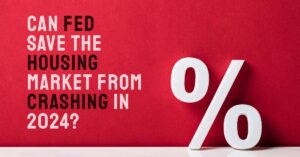
Can Fed Save the Housing Market from Crashing in 2024?

The question on many investors' and homeowners' minds is the role of the Federal Reserve (the Fed) in potentially saving or stabilizing the housing market. While potential rate cuts could offer some support, the housing market appears to be undergoing a correction regardless.

The Fed has a toolkit at its disposal that can influence the real estate market, primarily through monetary policy, which includes setting interest rates and regulating the money supply. The Federal Reserve's main tool in influencing the real estate market is through setting interest rates.

When the Fed raises rates, borrowing becomes more expensive, including mortgages. This reduces affordability for buyers, thus cooling down the market. Since 2022, the Fed has been raising rates in an effort to combat inflation, which has resulted in a slowdown in the housing market.

The US Federal Reserve (US Fed), under the leadership of Chair Jerome Powell, on September 18, 2024, made its first interest rate cut since 2020, lowering rates by 50 basis points (0.5%) to a range of 4.75 to 5 percent.

With signs of easing inflation, there is speculation that the Fed might cut rates one more time by the end of 2024. This action could make mortgages more affordable and potentially reignite buyer activity. However, experts are cautious, predicting that rates are unlikely to fall below 6% this year.

Irrespective of the Fed's actions, the housing market is already experiencing shifts. Home price growth is slowing, and inventory is showing signs of a slight increase. These indicators suggest a transition towards a more balanced market compared to the seller's market observed in recent years.

Can Fed Save the Housing Market from Crashing in 2024?

Interest rates are a powerful tool that can affect the real estate market significantly. A decision by the Fed to increase interest rates typically aims to cool down an overheating economy and can lead to a slowdown in the housing market. Conversely, lowering interest rates can stimulate the market by making borrowing cheaper, thus encouraging buying and lending activities.

In the current climate, experts have noted several factors that are influencing the real estate market. Mortgage rates have remained high compared to the historic lows of 2020 and 2021, contributing to a stagnation in housing activity. Additionally, the economic uncertainty, including high household debt and inflation rates above the Fed's target, poses challenges to the market's stability.

The Fed's actions in 2024 will be closely watched as they could signal the market's future direction. A deliberate increase in rates could indicate a strategic slowdown, while a decrease might suggest an attempt to invigorate the market. However, it's important to note that the Fed's policies are not the only factors at play. Economic growth, geopolitical events, and the upcoming 2024 election could also impact the real estate market and investors' decisions.

Furthermore, the global property market is showing signs of stabilization, and the private real estate market is being assessed for its state and opportunities for recovery and transformation. This includes embracing technology, sustainability, and addressing the affordable housing crisis.

Other Things That Impact the Housing Market

The housing market is a dynamic entity, influenced by a myriad of factors that interplay to shape its current state and future trajectory. Here are some pivotal factors currently affecting the real estate market:

1. Technological Advancements:

The rise of property technology (proptech) is revolutionizing the industry. From data-driven property management to artificial intelligence and predictive analytics, technology is enhancing efficiency and decision-making processes.

2. Economic Conditions:

The market is sensitive to national economic trends, including inflation rates, employment levels, and GDP growth. These factors influence consumer confidence and purchasing power, which in turn affect real estate demand and pricing.

3. Urbanization and Demographic Shifts:

Changing demographics, such as the aging population and urban migration, are altering housing needs. The demand for different types of housing, like retirement homes and urban apartments, is evolving accordingly.

4. Government Policies:

Fiscal policies, housing regulations, and zoning laws play a significant role in the development and affordability of real estate. Government initiatives can either stimulate or restrain the market.

5. Global Events:

Geopolitical tensions, international trade agreements, and global pandemics can have ripple effects on the real estate market, influencing investor sentiment and cross-border investments.

6. Environmental Factors:

The increasing awareness of climate change is leading to a demand for sustainable and resilient building designs. This trend is shaping construction practices and investor preferences.

7. Interest Rates:

As already discussed above, as a tool of monetary policy, interest rates set by central banks have a direct impact on mortgage rates, influencing the affordability of real estate and the volume of transactions.

8. Secondary Markets:

The emergence of secondary markets is challenging the dominance of traditional real estate hubs. This shift is driven by the search for more affordable options and better quality of life outside of primary markets.

9. Housing Supply and Inventory:

The availability of housing stock, or lack thereof, can significantly sway market prices and rental rates. Construction rates, land availability, and renovation trends are key contributors to this factor.

10. Consumer Behavior:

The preferences, expectations, and behaviors of consumers are constantly evolving, often driven by generational changes and cultural shifts. These can influence the types of properties in demand and the modes of transaction.

11. Investment Trends:

The flow of capital into real estate, whether from individual investors or institutional entities, affects market dynamics. Investment trends can signal the market's health and influence its direction.

In conclusion, while the Fed has significant influence over the real estate market through its monetary policies, it is not the sole determinant of the market's fate. The interplay of various economic factors and the Fed's response to them will shape the real estate landscape in 2024. Investors and homeowners alike should stay informed and consider a wide range of indicators when making decisions in this dynamic market. For a more detailed analysis, you can refer to the comprehensive reports and predictions by experts in the field.

Filed Under: Housing Market, Real Estate Market Tagged With: Housing Market

The Subprime Crisis: A Look Back at What Went Wrong

October 1, 2024 by Marco Santarelli

The Subprime Crisis: A Look Back at What Went Wrong

The subprime mortgage crisis, a pivotal event in U.S. financial history, was a period of extreme distress in global financial markets and economies. This crisis, which occurred between 2007 and 2010, was a significant contributor to the Great Recession. It was characterized by a dramatic decline in U.S. home prices following the collapse of a housing bubble, leading to mortgage delinquencies, foreclosures, and the devaluation of housing-related securities.

The roots of the crisis can be traced back to the early 2000s, a time when the U.S. housing market experienced a remarkable boom. This boom was partly fueled by low-interest rates, which made borrowing more affordable. Banks and other financial institutions began to offer home loans to individuals with poor credit histories, known as subprime mortgages. These mortgages were then repackaged into mortgage-backed securities (MBS) and collateralized debt obligations (CDOs), which were sold to investors around the world.

Unraveling of the Crisis

As housing prices continued to climb, many believed the value of these securities was secure. However, the reality was that these financial products were highly risky, and their failure would have far-reaching consequences. When the real estate bubble burst, it led to a sharp increase in high-risk mortgage defaults. The subprime meltdown became apparent as borrowers with these risky loans were unable to meet their payment obligations.

The crisis was exacerbated by the proliferation of NINJA loans, an acronym for “no income, no job, no assets.” These loans were given to borrowers who were least likely to repay them. Investment firms, eager to capitalize on the housing market boom, bought these risky loans and repackaged them as MBSs, which were then sold to investors. The rating agencies assigned attractive risk ratings to these securities, making them seem like safe investments.

Global Impact

The collapse of the housing market and the subsequent financial turmoil had a domino effect on the global economy. Financial institutions that had heavily invested in these toxic assets suffered significant losses. Lehman Brothers, a giant in the banking sector, filed for bankruptcy in September 2008, an event often cited as the culmination of the subprime mortgage crisis and a catalyst for the ensuing global financial crisis.

Government Response

The U.S. government responded with a series of measures to stabilize the financial system, including the Troubled Asset Relief Program (TARP) and the American Recovery and Reinvestment Act (ARRA). These interventions were aimed at providing relief to the financial markets and spurring economic recovery.

Regulatory Reforms

The subprime mortgage crisis serves as a cautionary tale of what can happen when financial innovation is not matched with adequate regulation and oversight. It highlighted the need for more stringent lending standards and better risk management practices in the financial industry. The crisis also underscored the interconnectedness of global financial markets and the potential for systemic risk to spread rapidly across borders.

In the aftermath, regulatory reforms such as the Dodd–Frank Wall Street Reform and Consumer Protection Act were enacted to prevent a similar crisis from happening again. These reforms aimed to increase transparency, improve the quality of financial products, and ensure that financial institutions have sufficient capital to withstand economic downturns.

The Impact of the Subprime Crisis on Ordinary People

The subprime mortgage crisis, which precipitated the global financial crisis of 2007-2008, had profound effects on ordinary people, not just in the United States but around the world. The crisis led to a severe and long-lasting recession, with nearly 9 million jobs lost in the U.S. during 2008 and 2009, representing about 6% of the workforce. The job market was slow to recover, with employment numbers not returning to pre-crisis levels until May 2014.

Impact on Homeowners

For homeowners, the crisis was devastating. Many who had taken out mortgages—especially subprime ones—found themselves unable to keep up with payments as interest rates reset higher. As home prices fell, a significant number of homeowners found their homes were worth less than what they owed, a situation known as being “underwater” on their mortgages. This led to a sharp increase in foreclosures, with millions of families losing their homes.

Broader Economic Impact

The crisis also had a broader economic impact. Consumer spending decreased as people lost their jobs and homes, leading to a decline in economic activity. The construction industry, which had boomed during the housing bubble, experienced a significant downturn, further contributing to job losses. Financial firms, burdened by the devaluation of mortgage-backed securities, reduced their lending activities, making credit less accessible for businesses and consumers alike. This credit crunch had a ripple effect, impacting the ability of firms to raise funds and invest, thereby stifling economic growth.

International Impact

Internationally, the crisis affected economies through various channels. For instance, in India, there were concerns about the potential impact on economic growth, which had averaged over 9% in the previous three years. The Indian economy faced challenges such as rising inflation and a current account deficit, which were exacerbated by the global credit crunch and the U.S. economic slowdown.

Lessons Learned and Regulatory Reforms

The subprime crisis highlighted the vulnerabilities of the financial system and the dire consequences of risky lending practices. It underscored the importance of financial literacy for ordinary people, making it clear that understanding the terms of mortgages and other loans is crucial. The crisis also led to regulatory reforms aimed at preventing such a catastrophe from happening again, such as the Dodd–Frank Wall Street Reform and Consumer Protection Act, which sought to increase transparency and improve the quality of financial products.

Bottom Line: The subprime mortgage crisis was a complex event with multiple causes and far-reaching consequences. It was a stark reminder of the importance of responsible lending and borrowing practices, as well as the need for vigilance in financial markets to safeguard against excessive risk-taking. As we look back, it's crucial to learn from the mistakes of the past to ensure a more stable and secure financial future.

Filed Under: Financing

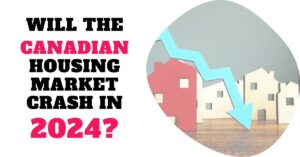
Will the Canada Housing Market Crash in 2024?

October 1, 2024 by Marco Santarelli

Will the Canada Housing Market Crash in 2023 or 2024?

If you are a homeowner or a prospective buyer in Canada, you might be wondering what the future holds for the housing market. Will prices continue to fall or will they rebound? Will interest rates rise or stay low? Will demand outstrip supply or will new listings increase? These are some of the questions that many Canadians are asking as they face uncertainty and volatility in the real estate sector.

The Canadian housing market has seen a lot of turbulence in 2023, following a record-breaking year in 2021. The main drivers of this slowdown were the rising interest rates, the cooling of demand, and the tightening of mortgage rules. The Bank of Canada raised its overnight rate five times since July 2022, from 0.25 percent to 1.25 percent, making borrowing more expensive and reducing affordability for many buyers.

The demand for housing also softened as some buyers decided to wait on the sidelines for more clarity and stability in the market. Moreover, the federal government introduced a new stress test for uninsured mortgages in June 2022, requiring borrowers to qualify at a higher rate than their contract rate or the Bank of Canada's five-year benchmark rate, whichever is higher.

The impact of these factors varied across different regions and segments of the market. Some areas, such as B.C.'s Lower Mainland and the Greater Toronto Area, saw strong price growth in the first quarter of 2023, driven by low inventory and high demand for detached homes and condos.

However, other areas, such as Alberta and Saskatchewan, experienced price declines due to weak economic conditions and an oversupply of housing. The market also diverged between urban and rural areas, as well as between different types of properties. The pandemic-induced shift to remote work and online learning boosted the demand for larger homes with more space and amenities in less dense areas while reducing the appeal of smaller units in central locations.

Will the Canadian Housing Market Crash in 2024

Looking ahead to 2024, most experts and analysts expect the Canadian housing market to recover gradually as interest rates stabilize and demand returns. CREA forecasts that national home sales will rise by 13.9 percent to 561,090 units in 2024, while the national average home price will increase by 4.7 percent to $702,200.

The main reasons for this optimism are the improving economic outlook and the pent-up demand from buyers who delayed their purchases in 2023.

According to GlobalData, Canada's real GDP growth rate is expected to decrease from 3.7% in 2022 to 1.4% in 2023 and 0.9% in 2024. Trading Economics projects the GDP growth rate to trend around 0.50 percent in 2024 and 1.00 percent in 2025. The Bank of Canada expects inflation to fall to about 3% in late 2023, and then return to 2% in 2024.

TD Economics forecasts the unemployment rate to peak at 4.5% in Q4-2024, before gradually moving back to its long-run average of 4% by early-2026. The demand for housing is also likely to rebound as buyers regain confidence and take advantage of lower prices and favorable mortgage rates.

However, there are also some risks and challenges that could affect the housing market in 2024 and beyond. One of them is the worsening housing supply issue that Canada faces across the entire continuum, from rental units to new homes to existing homes.

New listings have been dropping fast and are currently at 20-year lows, creating a severe imbalance between supply and demand that could push prices higher and erode affordability further.

Another risk is the possibility of another wave of COVID-19 cases or variants that could trigger new lockdowns and restrictions, disrupting economic activity and consumer confidence. A third risk is the uncertainty around global economic conditions and geopolitical tensions that could affect trade, investment, immigration, and tourism.

Final Thoughts on the Future Outlook

The Canadian housing market has been through a lot of ups and downs in recent years, influenced by various factors such as interest rates, mortgage rules, pandemic effects, economic trends, and consumer preferences.

The outlook for 2024 is cautiously optimistic, with expectations of a gradual recovery in sales and prices as conditions improve. However, there are also some potential pitfalls that could derail this scenario, such as supply shortages, health crises, or external shocks.

If you are planning to buy or sell a home in 2024, it is important to stay informed and prepared for any changes in the market. You should also consult a professional mortgage broker or real estate agent who can help you find the best deal and navigate the complex process of financing and closing a transaction.

Filed Under: Housing Market, Trending News Tagged With: Canada, Housing Market

  • « Previous Page
  • 1
  • …
  • 267
  • 268
  • 269
  • 270
  • 271
  • …
  • 379
  • Next Page »

Real Estate

  • Birmingham
  • Cape Coral
  • Charlotte
  • Chicago

Quick Links

  • Markets
  • Membership
  • Notes
  • Contact Us

Blog Posts

  • Today’s Mortgage Rates, July 27: 30-Year Fixed Jumps to 6.70%, Even VA Loans Climb
    July 27, 2026Marco Santarelli
  • Interest Rate Predictions for the Next 5 Years: 2026-2030
    July 27, 2026Marco Santarelli
  • Mortgage Rates Today, July 27, 2026: 30-Year Refinance Rate Rises by 14 Basis Points
    July 27, 2026Marco Santarelli

Contact

Norada Real Estate Investments 30251 Golden Lantern, Suite E-261 Laguna Niguel, CA 92677

(949) 218-6668
(800) 611-3060
BBB
  • Terms of Use
  • |
  • Privacy Policy
  • |
  • Testimonials
  • |
  • Suggestions?
  • |
  • Home

Copyright 2018 Norada Real Estate Investments

Loading...