If you're looking to grow your real estate investment portfolio in 2026, I've got some exciting news for you. You can absolutely find fantastic investment properties for under $300,000 that can actually make you money from day one. While many people are focused on expensive coastal cities, I’ve found that the real opportunities for strong cash flow and steady growth are often in places that are more affordable, especially in the Midwest and parts of the South. These are the places where lower purchase prices mean you can afford more properties, scale your investments faster, and see a real return on your money without needing a massive chunk of cash upfront.
Finding Your Next Investment Gem: Best Cities to Buy Properties Under $300K in 2026
Why “Under $300K” is the Magic Number for Savvy Investors in 2026
The housing market in 2026 is shaping up to be a lot steadier than the frenzy we saw a few years back. Experts are predicting home prices to stay pretty flat, maybe growing just a little bit, around 0% to 2.2% nationally. Mortgage rates are expected to hang out in the mid-6% range. This means that while it's still tough to afford a home in pricey areas, it creates some real bargains in other parts of the country.
Buying properties under $300,000, and ideally even lower between $150,000 and $250,000, is a smart move for several reasons:
- Bigger Bang for Your Buck (Cash-on-Cash Returns): When you spend less to buy a property, you need a smaller down payment and a smaller loan. This means your monthly rent can easily cover your mortgage and expenses, leaving you with extra cash in your pocket every month.
- Build Your Empire Faster (Scalability): It’s much easier to buy not just one, but two or even three properties when they cost less. This is a great way to build a larger portfolio quickly, especially if you're looking at small apartment buildings (like duplexes or triplexes) or even living in one unit while renting out the others (house hacking).
- Built-in Demand (Resilience): These more affordable markets often have a higher percentage of people who rent. This is usually because jobs in areas like healthcare, manufacturing, or logistics are strong, providing a steady stream of tenants who need a place to live.
- Diversify Your Risk: Instead of putting all your eggs in one expensive basket, spreading your investments across different, more affordable markets can be a safer strategy.
I’ve really seen that the “heartland metros” and secondary cities in the South are where you’ll find these “refuge markets.” They offer a good mix of affordability, jobs that are here to stay, and fewer investors competing for the same properties.
How I Picked These Top Cities
When I started looking for the best places to invest, I focused on a few key things that I know make a big difference for investors:
- Price Point: Are the homes really under $300,000, and ideally much less?
- Rental Income Potential: Can you get good rent that covers your costs and leaves you with profit? I look for strong gross rental yields, which is basically the rent you collect compared to the property's price.
- Job Market Stability: Are there big hospitals, universities, or companies that bring jobs to the area? This means people will always need a place to live.
- Population and Job Growth: Is the city growing, or at least staying steady, with low unemployment?
- Local Regulations: Are the rules friendly to landlords, and are property taxes and insurance reasonable?
- Ease of Management: If you don't live there, is it easy to find a good property manager?
- Risk vs. Reward: While we want affordability, we also need to make sure the neighborhoods are safe and have potential for improvement, not just decay.
I looked at data from places like Realtor.com and Fox Business, but remember, real estate is super local. What's true for a whole city might not be true for every single neighborhood, so always do your homework on the ground!
My Top Picks for Investment Properties Under $300K in 2026
Here’s a look at some of the cities that really stood out to me. Keep in mind these are estimates based on what I’m seeing, and prices can change.
| City | Median Listing Price (Approx.) | Est. 2–3BR Rent (Approx.) | Est. Gross Yield Potential | Unemployment (Approx.) | Why It's Great |
|---|---|---|---|---|---|
| Detroit, MI | $109k–$150k | $1,200–$1,600 | 8–12%+ | ~5–5.5% | Super affordable entry, great for high cash flow, lots of areas improving. |
| Birmingham, AL | ~$181k | $1,300–$1,700 | 7.5–10%+ | ~3.2% | Revitalization is happening, strong job market (healthcare/education), good yields. |
| Memphis, TN | ~$218k | $1,300–$1,700 | 7–9% | Moderate | Logistics jobs drive demand, high renter population, lots to do. |
| Cleveland, OH | ~$250k | $1,200–$1,600 | 7–10% | ~3.1% | Big employers (Cleveland Clinic, universities), nice amenities, good quality of life. |
| Indianapolis, IN | ~$268k | $1,400–$1,800 | 6.5–8% | Low (~3–4%) | Balanced growth, diverse jobs, steady and reliable market. |
| Pittsburgh, PA | ~$245k–$275k | $1,400–$1,800 | 6–8% | ~3.8% | High quality of life, strong education/tech, good for long-term holding. |
1. Detroit, MI — King of Cash Flow and Value-Add
If you're chasing the absolute highest cash flow and looking for properties where you can add value, Detroit is hard to beat. The entry prices here are some of the lowest you'll find in a major city, often under $150,000. I’ve seen some neighborhoods where prices have gone up dramatically, and areas like Midtown and Corktown are really getting a facelift.
My Investment Angle: Because the rents are high compared to the property prices, you can get some seriously impressive gross rental yields. This is especially true if you buy a property that needs a little work. You can use strategies like the BRRRR method (Buy, Rehab, Rent, Refinance, Repeat) to boost the value and your cash flow.
A Quick Example (Thinking for 2026): Imagine buying a house for about $140,000 that needs minor fixes. With a 20% down payment ($28,000), you'd have a mortgage of around $112,000. At a 6.5% interest rate, your monthly mortgage payment (principal and interest) might be about $710. If you can rent it for $1,450 a month, after paying for taxes, insurance, maintenance, and a property manager, you could easily be pocketing $300 to $500+ each month. And that’s before rents potentially go up!
The Upside: Super low cost to get in, easy to buy multiple properties, and jobs are bringing more people in.
Watch Out For: Some neighborhoods are much better than others. Stick to areas with momentum and avoid places that look run-down. You’ll also need to be mindful of insurance costs and keeping up with maintenance.
Where to Look: Midtown, Corktown, or any stable suburbs with good rental history.
2. Birmingham, AL — Revitalization and Great Yields
Birmingham is a city that’s really turning things around. With homes averaging around $181,500, it’s affordable, and the demand for rentals is strong, especially with the big University of Alabama at Birmingham (UAB) and all the growth happening downtown. I’ve seen rental yields here frequently hit the 7.5% to 10%+ range, meaning great cash-on-cash returns are definitely possible.
The Good Stuff: Lower price than many other cities, a consistent pool of renters, and the downtown area is becoming more walkable and attractive.
Things to Consider: Some parts of the city are still recovering, so thorough inspections are key. Also, make sure you factor in insurance for potential weather events.
Good Spots: The Southside, areas near Homewood, or developing streets that are close to jobs.
3. Memphis, TN — Fueled by Logistics
Memphis is accessible with median home prices around $218,200, and it offers solid rental income potential, typically in the 7% to 9% yield range. The city is a huge hub for shipping and delivery (think FedEx World Hub!), plus its music and tourism scene keeps rental demand steady.
Why I Like It: A lot of people in Memphis rent their homes, and the demand is diverse. It’s also generally a pretty fair place for landlords to operate.
What to Watch For: The condition of houses can vary a lot, so you need to be picky and focus on well-kept or updated homes. Also, be aware of potential flood zones in certain areas and get the right insurance.
Where to Invest: Midtown, East Memphis, or any neighborhoods close to major employment centers.
4. Cleveland, OH — Anchor Institutions and Quality of Life
Cleveland offers homes around the $250,000 mark, which is a good deal considering the major employers like the Cleveland Clinic and several universities. Plus, the city has a lot going for it in terms of quality of life, with beautiful lakefront areas and a growing food and arts scene. You can often find yields in the 7% to 10% range here.
The Perks: Reliable tenants from the healthcare and university sectors, and the city’s amenities help keep renters happy. It feels like a more established and desirable place compared to some pure cash-flow markets.
Things to Keep in Mind: Winters can be harsh, and with older homes, you'll want to budget more for maintenance and repairs.
Smart Buys: Look near the university and medical areas or in neighborhoods that are getting better and have good public transport.
5. Indianapolis, IN — A Solid All-Around Choice
With a median price of about $268,500, Indianapolis hits a sweet spot. It's affordable, has a diverse economy with jobs in logistics, life sciences, and manufacturing, and the population and job market are growing steadily. Expect yields typically in the 6.5% to 8% range.
Why It's a Great Bet: The city has strong fundamentals, meaning it’s good for both immediate cash flow and long-term growth. The rules for landlords are generally fair, and the infrastructure is solid.
A Small Caveat: Because the prices are a bit higher than in cities like Detroit, your profit margins might be a little tighter. This means you really need to buy smart and look for ways to add value.
Where to Focus: Near big job centers, universities, or in the growing suburbs where rents are holding up well.
6. Pittsburgh, PA — Livability and Long-Term Potential
Pittsburgh homes are around $245,000 to $275,000, offering a nice blend of affordability and a high quality of life. It’s known for its sports culture, great universities (like Carnegie Mellon and the University of Pittsburgh), a strong healthcare and tech presence, and neighborhoods that are easy to walk around and have lots of amenities.
The Advantages: While the yields might be a bit lower than in Detroit or Birmingham (maybe 6% to 8%), the quality of life here can attract a better caliber of tenant and potentially lead to better long-term appreciation.
What to Consider: You’ll likely be dealing with older homes, so planning for capital expenditures (like replacing roofs or systems) is important.
Good Areas: Neighborhoods that are easy to walk to shops and restaurants, have good public transport, or are close to the major universities and hospitals.
Real-World Investing: What to Expect
Let's break down a realistic scenario for a property in one of these cities. Say you buy a nice, move-in-ready 3-bedroom house for $200,000:
- Your Cash Out: With a 20–25% down payment, you’re looking at $40,000 to $50,000.
- Your Mortgage: A loan of $150,000–$160,000 at 6.5% interest would mean a monthly payment of about $950 to $1,010 for the loan itself (principal and interest).
- Rental Income: You could likely rent this out for $1,400 to $1,600 per month.
- Your Expenses: After accounting for property taxes (usually 1–2% of the home’s value), insurance, maintenance (budget 1% annually), property management (8–10% of rent), and vacancy (assuming it’s empty 5–7% of the time), your total monthly expenses could be around 35–50% of the rent.
- Your Profit: This leaves you with a net cash flow of $250 to $500+ per month from that single property, even after all costs. And that doesn't even include any potential increase in the property's value over time!
My Go-To Rules of Thumb:
- The 1% Rule: Aim for monthly rent that's at least 1% of the purchase price. For a $200,000 house, that's $2,000 in rent. While not always possible in every market, it’s a great target.
- The 50% Rule: Assume your operating expenses (everything except the mortgage) will be about 50% of the rent.
- Capitalization Rate (Cap Rate): For good cash flow, I look for properties where the cap rate (annual rent minus annual expenses, divided by the property price) is 6–8% or higher.
- Reserves: Always set aside 5–10% of your income for unexpected big repairs (like a new furnace or roof).
And honestly, sometimes buying a duplex or triplex in these price ranges can give you even better cash flow than a single-family home.
Navigating the Risks and Doing Your Homework
Like any investment, real estate has its risks. You need to be aware of:
- Neighborhood Issues: Always visit the area at different times of day. Is it safe? Are there signs of neglect?
- Older Homes: Be prepared for potential issues with old wiring, plumbing, or lead paint.
- Insurance Costs: These can vary a lot, especially in areas prone to certain weather.
- Economic Shifts: If a city relies heavily on one industry, be aware of how that industry is doing.
- Interest Rates: Higher rates can make it harder for tenants to afford rent.
My Due Diligence Checklist:
- Find a Great Local Property Manager: This is non-negotiable if you're not living there. Look for ones with good reviews and experience working with investors.
- Thorough Inspections: Don't skip this! Get a professional inspector, check the title, and compare prices with other similar homes that have recently sold.
- Understand Local Laws: Know the rules for landlords and tenants in that state.
- Stress Test Your Numbers: What if the property is empty for 6 months? What if you have a huge repair bill? Make sure your finances can handle it.
- Financing: Look into loans specifically for investors, like DSCR (Debt Service Coverage Ratio) loans.
Ready to Start Investing in 2026?
My advice is to focus on properties that are ready to rent or just need a little sprucing up, especially in neighborhoods that are on the rise. Put together a solid local team: a good real estate agent who knows investors, a reliable inspector, a trustworthy contractor, a great property manager, and maybe even a local real estate attorney.
My Final Thoughts
In 2026, the investors who win are the ones who focus on making money now (cash flow) and not just hoping the property value will skyrocket later. Cities like Detroit, Birmingham, Memphis, Cleveland, Indianapolis, and Pittsburgh are fantastic places to start because they are affordable and have real potential for good returns.
The key is to buy the right property in the right spot, do your math carefully, and have a professional manage it for you. These markets reward people who are willing to look beyond the most talked-about places and do their homework.
So, if you’re ready to jump in, do your research, talk to professionals, and make sure it fits your own comfort level with risk. Real estate is all about location, and every investment is unique. The opportunities are definitely there if you know where to look!
In 2026, select U.S. cities are projected to see surging demand, rising rents, and appreciation—creating prime opportunities for investors seeking passive income and long‑term wealth.
Work with Norada Real Estate to find stable, cash-flowing markets beyond the bubble zones—so you can build wealth without the risks of ultra-competitive areas.
VS
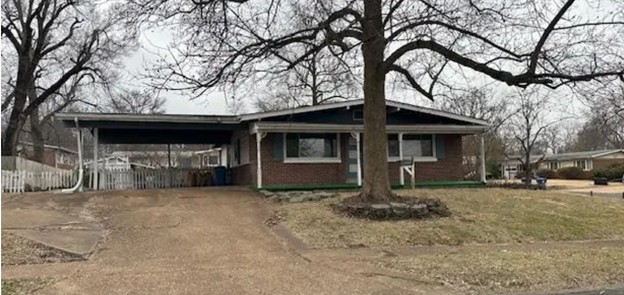
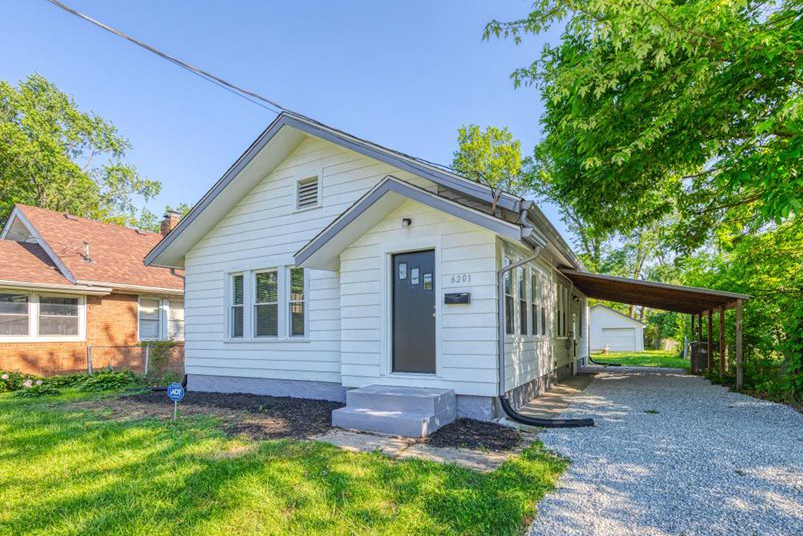
Out‑of‑State investors can compare Indiana’s affordable rental with solid cap rate vs Missouri’s larger property with stronger NOI. Which fits YOUR investment strategy?
We have much more inventory available than what you see on our website – Let us know about your requirement.
📈 Choose Your Winner & Contact Us Today!
Speak to a Norada Investment Counselor (No Obligation):
(800) 611-3060
Recommended Read:
- Hottest Housing Markets in 2026: Northeast Leads With Hartford at $475K
- Best Cities in the West to Invest in Real Estate in 2026
- 20 Best Small Cities to Invest in Real Estate in 2026
- Best Places to Invest in Real Estate in 2026
- Top Markets for Out-of-State Real Estate Investing in 2026
- Best Cities to Buy Investment Properties in 2026
- Best Cities to Buy Multi-Family Homes for Investment in 2026
- 10 Cities With the Highest Demand for Rental Properties in 2026
- 20 Cheapest States to Buy a House in 2026
- Best States to Buy a House in 2026
- Best Cities to Buy a House for Investment in 2026
- Best Cities to Buy a House For Rental Income in 2026
- Should You Invest in the Austin or Raleigh Real Estate Market in 2026?
- Dallas vs. Houston: Which City Offers Better Returns for Real Estate Investors
- Single-Family vs. Townhome: Which is the Real Cash Flow Winner for Investors?
- 5 Hottest Florida and Texas Markets for Real Estate Investors in 2025
- Best Places to Invest in Real Estate: November 2024 Hotspots
- How to Secure Your Retirement With Cash-Flowing Rental Properties
- Best Places to Invest in Single-Family Rental Properties in 2025
- 5 Hottest Real Estate Markets for Buyers & Investors in 2025