Well, if you're thinking about buying a home or refinancing, you're probably wondering about today's mortgage rates. As of June 30th, the average rate for a 30-year fixed mortgage is sitting at 6.19%, according to Zillow's data. While that's a tiny bump up from yesterday, it's still the lowest we've seen for this popular loan type since mid-May. So, while rates aren't exactly plummeting, they're also not soaring out of reach. It feels like we're in a bit of a holding pattern, which can be good news for many!
Today's Mortgage Rates, June 30: Buyers See Relief With Fixed Rates Holding Steady
I've been watching the mortgage market for a while now, and this period feels different from the wild ride we had in the spring. Remember when rates seemed to jump every other day? It was enough to make anyone’s head spin. Now, things feel a bit more settled, though the underlying factors that influence these rates are still quite complex. It’s not just about what the Federal Reserve is doing; a lot of other things play a part, from global events to how much things cost every day.
What's Moving the Mortgage Needle Today?
It’s easy to think mortgage rates are set by some big, mysterious bank, but it’s a bit more complicated than that. They don't directly follow the Fed's short-term rates. Instead, they’re more closely tied to something called the 10-Year Treasury Yield. Right now, this yield is hanging out near 4.40%.
Think of the 10-Year Treasury Yield as the starting point. Lenders then add a bit extra, usually between 1.5% and 3%, to that yield. This extra bit is to cover their risks, like the chance that you might pay back your mortgage early. Because that 10-year yield hasn't been climbing much lately, it’s helping to keep mortgage rates from going up too fast.
Here’s a quick look at the rates we’re seeing today, according to Zillow:
| Loan Type | Today's Rate |
|---|---|
| 30-Year Fixed | 6.19% |
| 20-Year Fixed | 6.04% |
| 15-Year Fixed | 5.70% |
| 5/1 ARM | 6.06% |
| 7/1 ARM | 6.05% |
| 30-Year VA | 5.61% |
| 15-Year VA | 5.25% |
| 5/1 VA | 5.70% |
As you can see, it’s not all upward movement. The 15-year fixed loan and the 5/1 ARM have actually dipped a bit, which is encouraging news if those are options you're considering.
From Global Tensions to Your Wallet: How World Events Impact Rates
It might seem strange, but what happens across the world can really affect the cost of your mortgage. Back in the spring, we saw rates jump quite a bit. A big reason for that was the conflict in the Middle East. When there were fears about oil supplies being disrupted, especially with the temporary closure of the Strait of Hormuz, oil prices shot up. This global worry directly influenced the bond market and, in turn, pushed mortgage rates higher.
However, thankfully, we've seen some de-escalation. The news of a ceasefire and the reopening of the Strait has helped bring energy prices down. This is a significant factor in why mortgage rates have pulled back from their earlier peaks. For me, this is a clear reminder of how interconnected everything is. A problem on the other side of the world can eventually show up in your monthly housing payment.
Inflation: The Stubborn Speed Bump for Lower Rates
Even though oil prices have eased, there's another big player making it tough for mortgage rates to drop much lower: inflation. The latest reports show that prices for everyday goods and services are still going up, with annual inflation reaching 4.2%.
When inflation is high, people who invest their money want to earn more to make sure their savings don't lose value over time. This means they demand higher yields on things like bonds. Since mortgage rates are linked to these bond yields, stubbornly high inflation keeps those rates from falling too much. It’s like trying to drive downhill, but there’s a persistent uphill pull resisting the descent.
What the Fed is Doing (and Not Doing)
The Federal Reserve's actions, or inactions, are always a huge topic when we talk about interest rates. Recently, the Fed decided to keep its main interest rate steady, in the range of 3.5% to 3.75%. This decision, especially under the new Chair Kevin Warsh, is a shift. Just a short while ago, many expected the Fed to start cutting rates. Now, with a strong job market, most Fed officials are actually predicting one or more rate hikes by the end of the year.
On top of that, the Fed is actively selling off a lot of its holdings in Treasury notes and mortgage-backed securities. When they sell these, it means there’s more of them on the market, which can lower demand and, you guessed it, push borrowing costs higher. It’s a bit of a double whammy: they’re not cutting rates, and they’re actively working to reduce their own footprint in the market, both of which tend to support higher borrowing costs.
My Take: What This Means for You
So, what’s the takeaway from all this? As of June 30th, mortgage rates are relatively stable, but there are definite pressures keeping them from falling significantly. The 30-year fixed rate at 6.19% (per Zillow) is still attractive compared to historical averages, especially if you compare it to rates from a decade ago. However, the stickiness of inflation and the Fed’s hawkish outlook suggest we might not see a dramatic drop in rates anytime soon.
If you're a buyer, this might be a good time to lock in a rate that feels comfortable for your budget. The market is a little calmer now, which can make the home-buying process less stressful. For those looking to refinance, especially if you have a higher rate from a year or two ago, the current rates might offer some savings, particularly with the 15-year fixed and ARM options showing slight decreases.
It’s always a good idea to shop around with different lenders and talk to a mortgage broker. They can help you understand which loan products best fit your financial goals and personal situation. Remember, these rates are averages, and your personal rate will depend on your credit score, the loan amount, your down payment, and the specific lender.
This market requires patience and a good understanding of the forces at play. Don't get too caught up in the daily fluctuations; focus on the bigger picture and what makes sense for your long-term financial health.
VS
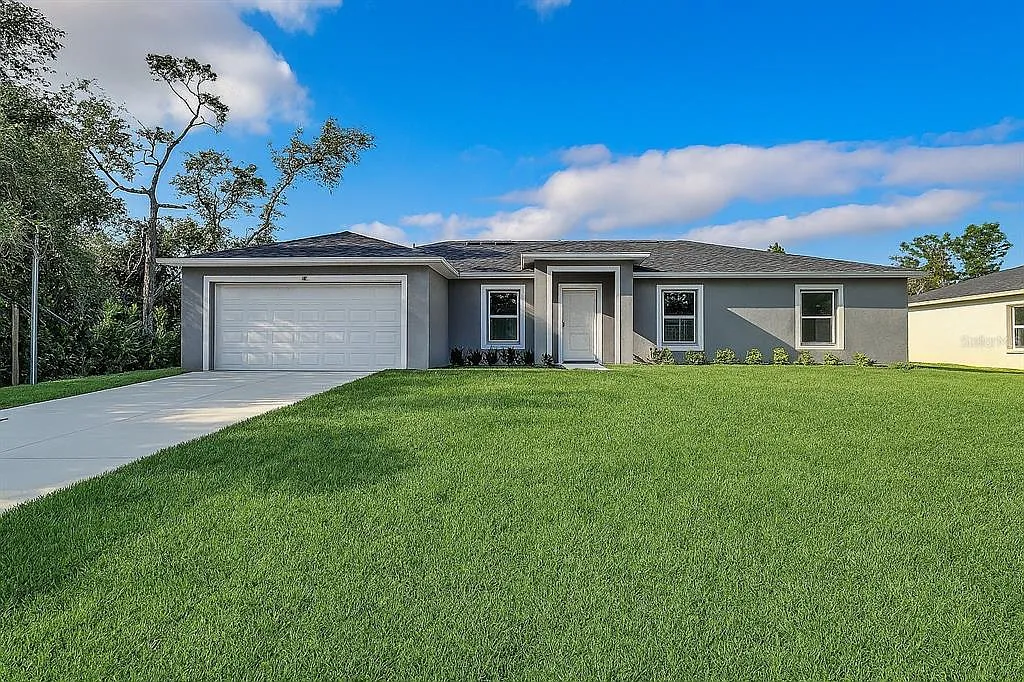
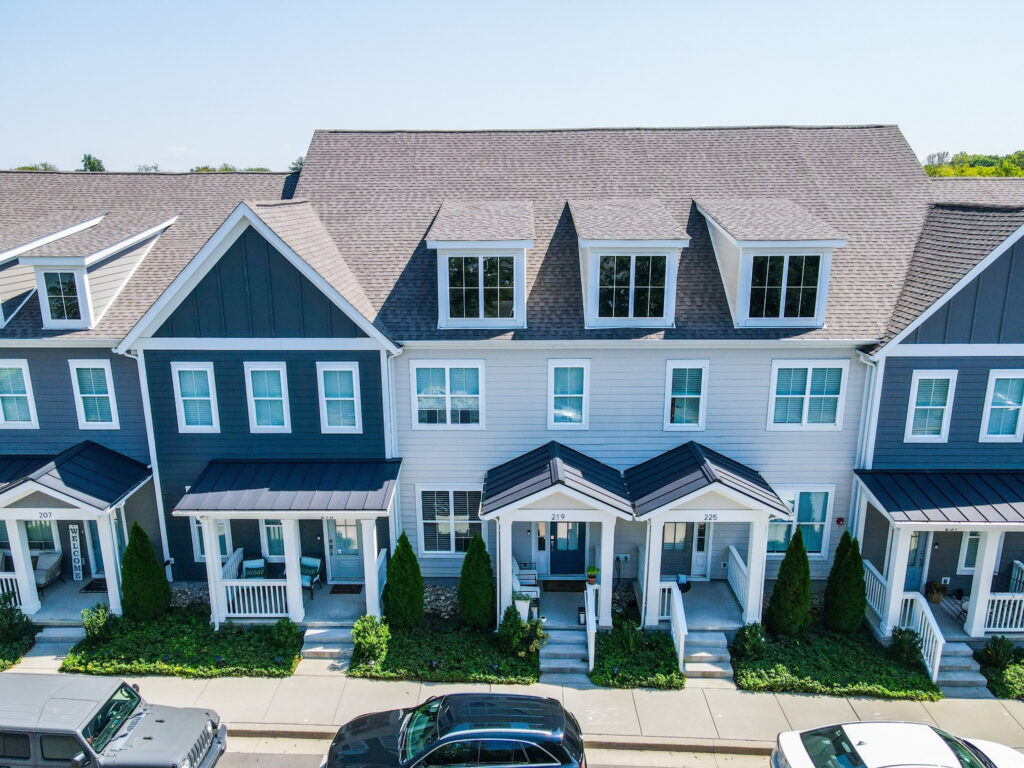
Out‑of‑State investors can compare Tennessee’s newer rental with higher NOI vs Florida’s A+ property with strong yield. Which fits YOUR investment strategy?
We have much more inventory available than what you see on our website – Let us know about your requirement.
📈 Choose Your Winner & Contact Us Today!
Speak to a Norada Investment Counselor (No Obligation):
(800) 611-3060
Mortgage rates remain high in 2026, but rental properties continue to deliver strong cash flow and appreciation. Savvy investors know that turnkey real estate is the path to passive income and long‑term wealth.
Norada Real Estate helps you secure turnkey rental properties designed for immediate cash flow and appreciation—so you can invest smartly regardless of interest rate trends.
Also Read:
- Mortgage Rates Predictions Backed by 7 Leading Experts: 2025–2026
- Mortgage Rate Predictions for the Next 3 Years: 2026, 2027, 2028
- 30-Year Fixed Mortgage Rate Forecast for the Next 5 Years
- 15-Year Fixed Mortgage Rate Predictions for Next 5 Years: 2025-2029
- Will Mortgage Rates Ever Be 3% Again in the Future?
- Mortgage Rates Predictions for Next 2 Years
- Mortgage Rate Predictions for Next 5 Years
- Mortgage Rate Predictions: Why 2% and 3% Rates are Out of Reach
- How Lower Mortgage Rates Can Save You Thousands?
- How to Get a Low Mortgage Interest Rate?
- Will Mortgage Rates Ever Be 4% Again?