Well, it looks like those hoping for a quick dip in mortgage rates are going to have to wait a bit longer. Today, July 6, 2026, the national average for a 30-year fixed refinance rate has inched up by 4 basis points to 6.79%. While this might seem like a tiny bump, it’s a signal that the road to lower borrowing costs is still a bit bumpy.
It's understandable why we all watch these numbers so closely. The idea of lowering our monthly mortgage payments or tapping into our home's equity is a powerful one, especially when we’ve seen rates dip much lower in the past. But the reality is, the market is a bit like a seesaw right now, going up and down based on a lot of different things happening in the world and in our economy.
Mortgage Rates Today, July 6, 2026: 30‑Year Refinance Rate Rises by 4 Basis Points
What's Shaking Up Mortgage Rates This Week?
As I look at the numbers from Zillow today, it’s clear that things aren't as simple as a single number.
- 30-Year Fixed Refinance: Sticking at 6.79%. This is the rate most people think about, and it’s the one that saw that small increase.
- 15-Year Fixed Refinance: Holding steady at 5.86%. This is a great option if you want to pay off your home faster and can handle a higher monthly payment.
- 5-Year ARM Refinance: Sitting at 6.00%. Adjustable-Rate Mortgages (ARMs) can be attractive with lower starting rates, but you have to be ready for them to change later on.
Here’s a quick look at what Zillow reported for us:
| Mortgage Type | Current Average Rate | Change from Last Week |
|---|---|---|
| 30-Year Fixed Refinance | 6.79% | +4 Basis Points |
| 15-Year Fixed Refinance | 5.86% | Stable |
| 5-Year ARM Refinance | 6.00% | Stable |
Why the “Higher for Longer” Vibe?
I’ve been following the mortgage market for a while, and honestly, the first half of 2026 has been a real rollercoaster. Remember back in February when we saw rates dip to almost 6%? It felt like a good sign, but then new economic pressures popped up, and rates bounced back. Now, they seem to be hanging out in a pretty narrow range in the mid-to-high 6%s.
The smart folks at Fannie Mae and the Mortgage Bankers Association (MBA) are saying we should expect rates to stay around 6.3% to 6.5% for the rest of the year. That’s not a huge drop from where we are now, and it’s definitely not the super-low rates we saw a few years back.
The Big Movers: What’s Really Driving Rates?
It’s easy to just look at the number and shrug, but there are some big forces at play. Think of it like a bunch of different weather systems coming together to create the overall climate.
1. Geopolitical Events & Energy Costs:
You might remember that conflict involving Iran early this year. That caused oil prices to jump, and when fuel costs go up, it often means prices for everything else do too. This energy-driven inflation is a big reason why mortgage rates haven't fallen much.
2. The Bond Market and 10-Year Treasury Yields:
Mortgage rates often follow what's happening with the 10-year U.S. Treasury yield. Right now, that yield is sitting pretty high, around 4.48%. When investors get worried about the economy, they tend to put their money into safer things like Treasury bonds, which pushes their yields up. Higher Treasury yields usually mean higher mortgage rates.
3. The Federal Reserve's Stance on Rate Cuts:
The Federal Reserve (often called the “Fed”) is like the main thermostat for interest rates in our country. They've been pretty clear that they’re not in a hurry to cut interest rates. Why? Because the job market is still strong (that last jobs report was pretty good!), and inflation is still a bit higher than they'd like, sitting at 4.2%. So, they're holding off on those rate cuts, and investors are pretty much accepting that we won’t see big cuts this year.
The “Refinance Paradox”: Is It Worth It for You?
This is where I often see people getting a little confused. We're in what I call the “Refinance Paradox.”
- Your Current Rate vs. Today's Rate: The big rule of thumb is that you should only refinance if today's rate is significantly lower than your current rate. Most people who bought homes a few years ago have mortgage rates well below 6%. If your rate is already low, say under 6.7%, then refinancing to today's ~6.6% average might not save you much, if anything.Today's Average Refinance Rate: ~6.6%
You Need Your Current Rate To Be Higher Than: This Amount
Factors to Think About Before You Refi:
- Closing Costs: Refinancing isn't free. You'll have closing costs, which can add up to 2% to 5% of your loan amount. You need to figure out how much you'll save each month and then divide those total costs by your monthly savings. This gives you your “break-even timeline.” If you plan to move before you reach that point, it might not be worth it.
- Your Credit Score: Those advertised rates are usually for people with the best credit scores and low debt. If your credit score is below 740 or you have a lot of debt compared to your income (your Debt-to-Income ratio, or DTI), you’ll likely see higher rates than the national average.
- Cash-Out Refinances vs. HELOCs: If you need to borrow money using your home's equity, a cash-out refinance at today's rates might not be the best idea. Many homeowners are now opting for Home Equity Lines of Credit (HELOCs) or fixed home equity loans. This way, they can keep their existing, low primary mortgage rate and still access funds.
My Two Cents: Patience Might Be a Virtue
Looking at where things stand, my advice is to stay patient and informed. The market is constantly changing, and while today’s rates are a bit higher than last week, it doesn’t mean they’ll stay there forever. Keep an eye on those economic reports and what the Federal Reserve is saying.
If you're thinking about refinancing, do your homework. Get quotes from a few different lenders, understand all the fees, and really calculate that break-even point. It’s your money, and making sure a refinance makes financial sense for your situation is the most important thing.
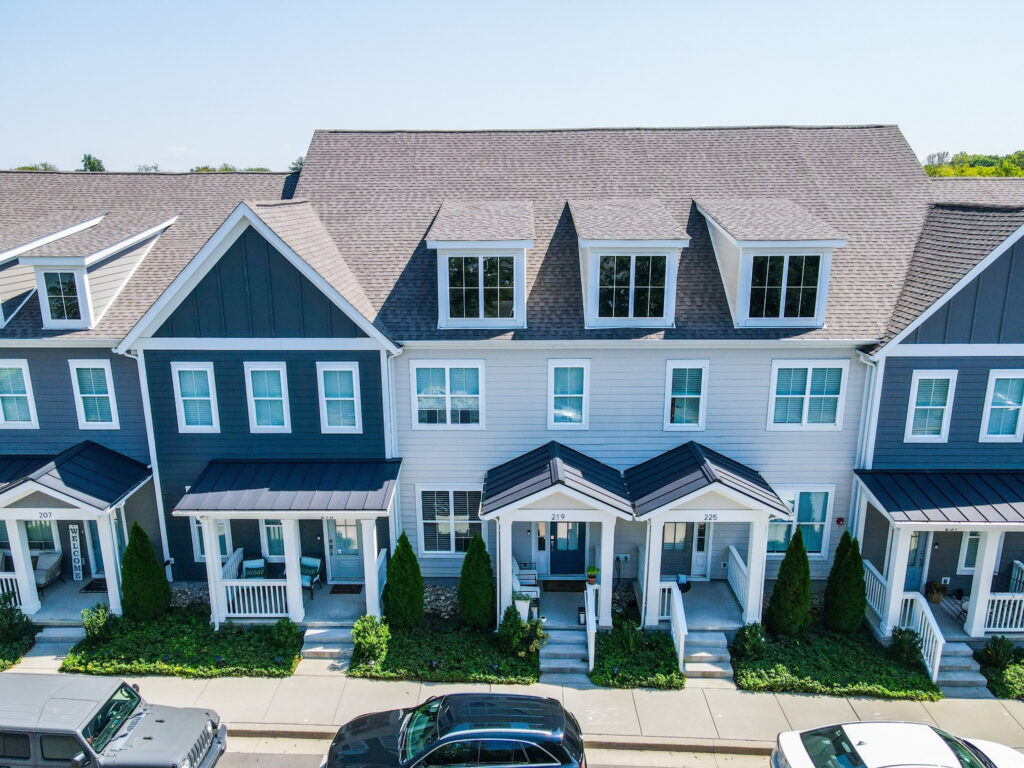
VS
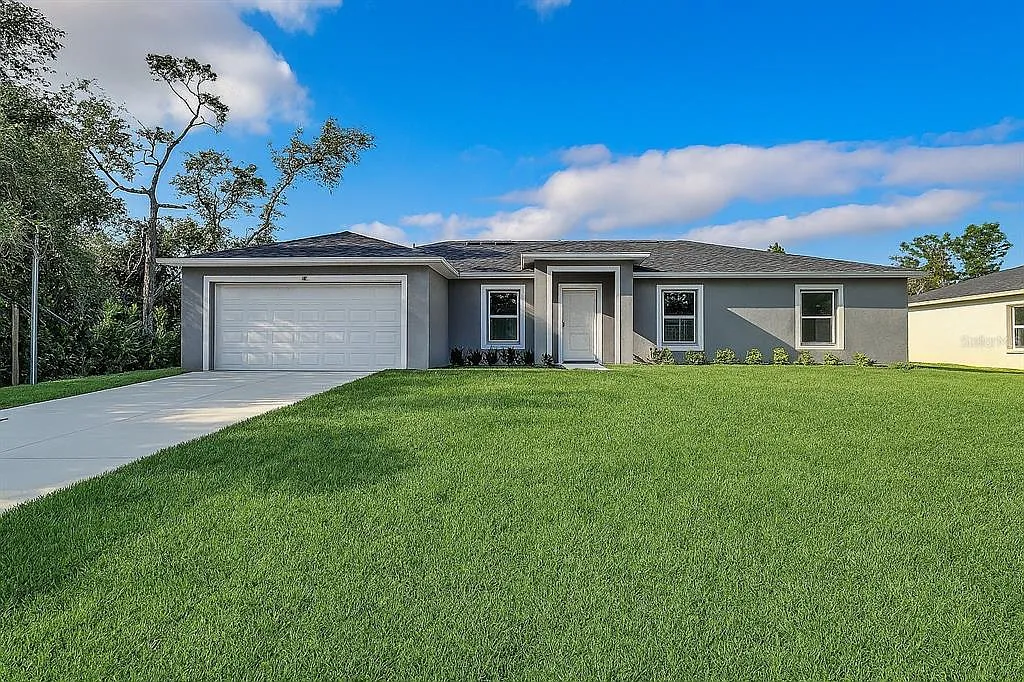
Out‑of‑State investors can compare Tennessee’s newer rental with higher NOI vs Florida’s A+ property with strong yield. Which fits YOUR investment strategy?
We have much more inventory available than what you see on our website – Let us know about your requirement.
📈 Choose Your Winner & Contact Us Today!
Speak to a Norada Investment Counselor (No Obligation):
(800) 611-3060
Mortgage rates remain high in 2026, but rental properties continue to deliver strong cash flow and appreciation. Savvy investors know that turnkey real estate is the path to passive income and long‑term wealth.
Norada Real Estate helps you secure turnkey rental properties designed for immediate cash flow and appreciation—so you can invest smartly regardless of interest rate trends.
Also Read:
- Mortgage Rates Predictions Backed by 7 Leading Experts: 2025–2026
- Mortgage Rate Predictions for the Next 3 Years: 2026, 2027, 2028
- 30-Year Fixed Mortgage Rate Forecast for the Next 5 Years
- 15-Year Fixed Mortgage Rate Predictions for Next 5 Years: 2025-2029
- Will Mortgage Rates Ever Be 3% Again in the Future?
- Mortgage Rates Predictions for Next 2 Years
- Mortgage Rate Predictions for Next 5 Years
- Mortgage Rate Predictions: Why 2% and 3% Rates are Out of Reach
- How Lower Mortgage Rates Can Save You Thousands?
- How to Get a Low Mortgage Interest Rate?
- Will Mortgage Rates Ever Be 4% Again?