Norada Real Estate Investments

  • Home
  • Markets
  • Properties
  • Membership
  • Podcast
  • Learn
  • About
  • Contact

Today’s Mortgage Rates, March 8: Buyers Gain More Power as 30-Year Fixed Holds Below 6%

March 8, 2026 by Marco Santarelli

Today's Mortgage Rates, Sept 8: Oil Tops $93 a Barrel, Adding Pressure to Mortgage Rates

According to Zillow, the national average 30-year fixed mortgage rate on March 8, 2026, is 5.98%, while the 15-year fixed rate stands at 5.50%. These figures are hovering around a key psychological threshold, offering both opportunities and considerations for buyers and homeowners looking to refinance.

This positioning near the 6% mark is significant. For potential buyers, it signals improved affordability compared to the peaks above 7% seen in 2025. For homeowners, it presents a chance to evaluate refinancing options, though many remain locked into pandemic-era rates below 4%. The current environment reflects a mix of optimism and caution, with rates low enough to boost buying power yet high enough to keep some borrowers on the sidelines.

Today's Mortgage Rates, March 8: Buyers Gain More Power as 30-Year Fixed Holds Below 6%

Let’s break down the numbers from Zillow for March 8th, 2026:

Loan Type Interest Rate
30-year fixed 5.98%
20-year fixed 5.90%
15-year fixed 5.50%
5/1 ARM 5.96%
7/1 ARM 5.70%
30-year VA 5.52%
15-year VA 5.24%
5/1 VA 5.30%

Understanding the Bigger Picture: What These Rates Mean

Seeing these rates at 5.98% for a 30-year fixed loan is pretty significant. As my data highlights, these are some of the lowest rates we’ve seen in about three years. Remember those stressful times in 2025 when rates were climbing well past 7%? This current dip feels like a breath of fresh air.

Zillow’s analysis really hammers this home: this drop in rates has actually given the average household about $30,000 more buying power than they had just last year. That’s not a small amount – it can mean the difference between a starter home and the home you really want.

There’s also a psychological element at play here. Any time rates dip below the big 6% mark, it’s a green light for many buyers who might have been sitting on the sidelines, waiting for a better deal. It’s like a door opening, inviting more people back into the market.

However, it’s not all sunshine and rainbows. Even with lower rates, finding a home can still be a struggle. The biggest hurdle right now is that there just aren't enough houses for sale. Plus, so many people locked in super low rates during the pandemic (think below 4%), they’re not eager to sell and buy again with a higher rate, even if it's just under 6%. This limits the number of homes available, which keeps prices up in many areas.

A Quick Trip Down Memory Lane: How Today Compares

It’s easy to forget how much rates fluctuate. While today's 5.98% might seem a bit high compared to the crazy low rates of the pandemic, it's actually still a great deal when you look at the long haul.

Let's put it in perspective:

  • Over the last 50 years, the average 30-year fixed mortgage rate has hovered around 7.70%. So, we’re currently below that average.
  • Think back to the 1980s – rates hit a jaw-dropping 18.63% in October 1981! That's almost unbelievable now.
  • In the 1990s, most people were looking at rates somewhere between 7% and 10%.
  • The special period from 2009 to 2021 saw rates averaging a very low 3.92%.
  • And the absolute rock-bottom, all-time low was a stunning 2.65% in January 2021.

So, while we’re not at crisis lows, current rates are definitely still in a favorable historical range.

What Does This Mean for Your Monthly Payment?

Let's crunch some numbers to see what these rates might mean for you. Using Zillow's estimate for the median U.S. home price of $400,300 and today's 5.98% 30-year fixed rate, here's a look at a typical mortgage payment:

Calculation Component Estimated Value
Median Home Price $400,300
Down Payment (20%) $80,060
Loan Amount $320,240
Monthly Principal & Interest $1,914.54
Total Estimated Payment* $2,329.00

This total estimated payment includes an estimate for property taxes (around 1.2% annually) and homeowners insurance. Keep in mind that these costs can change quite a bit depending on where you live.

How Rates Affect Payments Geographically

It’s crucial to remember that these monthly payments can vary wildly from one state to another. Housing prices and local taxes play a huge role.

  • In high-cost areas like California (where the median payment might be around $3,001) or New York (around $2,544), your monthly bill will be considerably higher than the national average.
  • On the flip side, if you're looking in more affordable states like West Virginia (around $1,272) or Arkansas (around $1,375), your monthly housing costs can be significantly lower.

The Key Takeaways for March 8th, 2026

So, what’s the bottom line?

  • The 30-year fixed mortgage rate is holding steady at 5.98%, right on the edge of that important 6% mark.
  • These rates are the lowest they've been in about three years, a big relief compared to the higher rates of 2025.
  • This rate drop has given buyers more purchasing power, adding about $30,000 to their potential budget compared to last year.
  • The biggest challenge remains the lack of homes for sale, which is still making affordability tough for many.
  • Looking historically, these rates are still quite good when you compare them to where they’ve been over the past several decades.

🏡 Two Texas Rental Properties With Strong Cash Flow

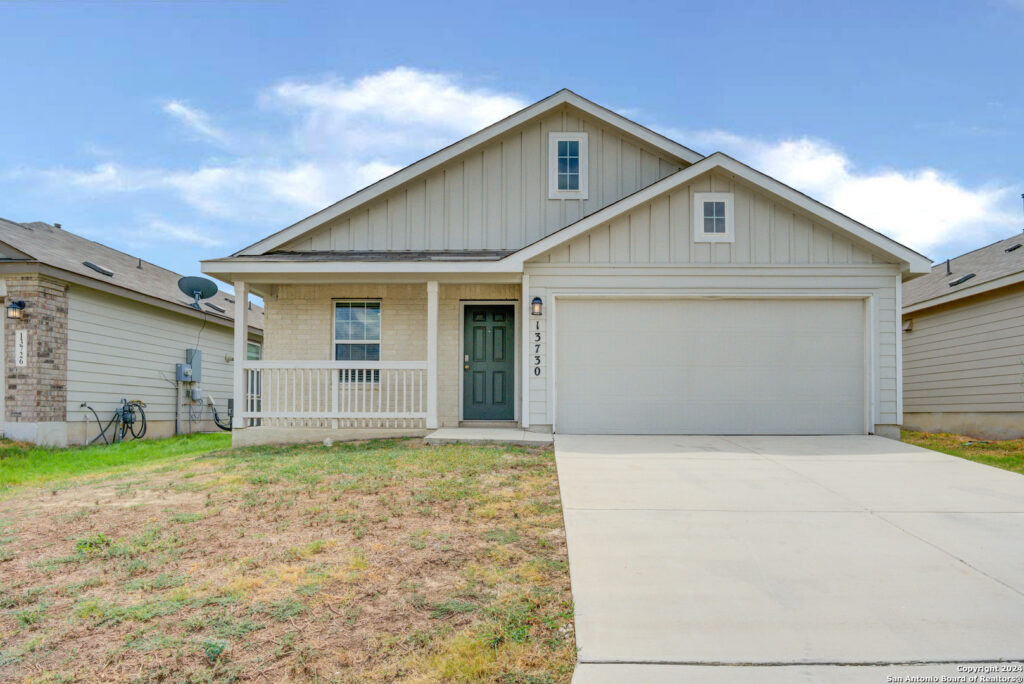
Cibolo, TX
🏠 Property: Columbia Dr
🛏️ Beds/Baths: 3 Bed • 2 Bath • 1758 sqft
💰 Price: $245,000 | Rent: $1,795
📊 Cap Rate: 5.2% | NOI: $1,052
📅 Year Built: 2007
📐 Price/Sq Ft: $140
🏙️ Neighborhood: A

VS

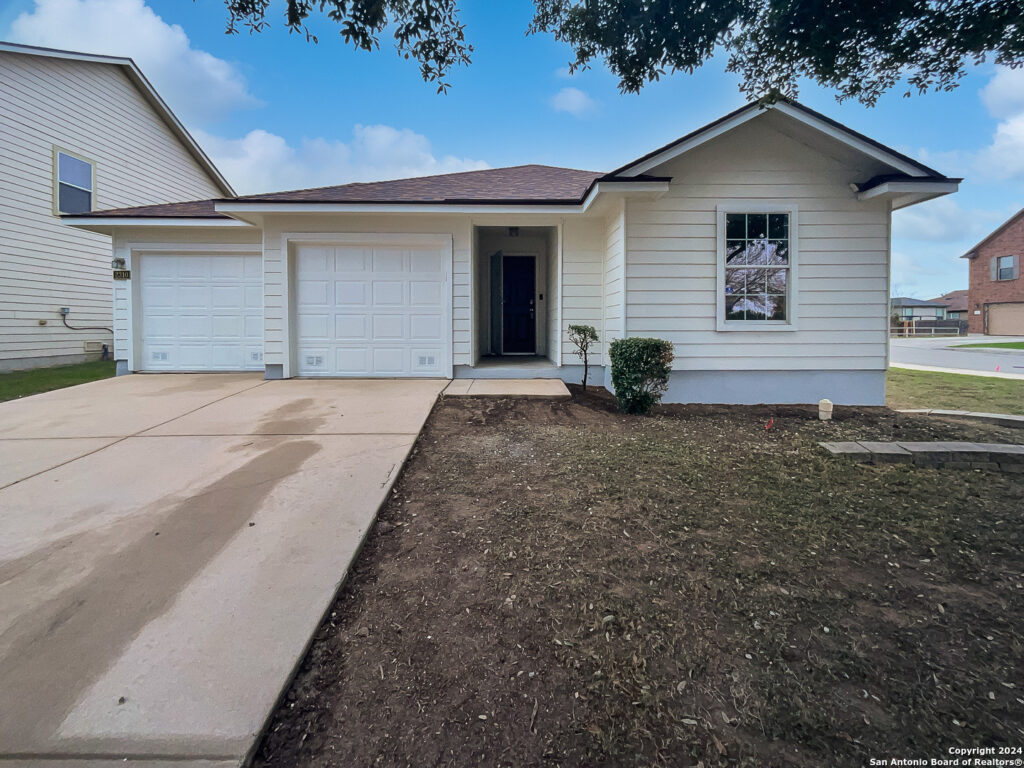
San Antonio, TX
🏠 Property: Burning Lamp
🛏️ Beds/Baths: 3 Bed • 2 Bath • 1415 sqft
💰 Price: $237,500 | Rent: $1,750
📊 Cap Rate: 5.4% | NOI: $1,069
📅 Year Built: 2012
📐 Price/Sq Ft: $168
🏙️ Neighborhood: A

Two Texas rentals in A‑rated neighborhoods—Cibolo’s larger home vs San Antonio’s newer build with stronger cap rate. Which fits YOUR investment strategy?

We have much more inventory available than what you see on our website – Let us know about your requirement.

📈 Choose Your Winner & Contact Us Today!

Speak to a Norada Investment Counselor (No Obligation):

(800) 611-3060

View All Properties

Build Passive Income & Wealth with Turnkey Rentals in 2026

Mortgage rates remain high in 2026, but rental properties continue to deliver strong cash flow and appreciation. Savvy investors know that turnkey real estate is the path to passive income and long‑term wealth.

Norada Real Estate helps you secure turnkey rental properties designed for immediate cash flow and appreciation—so you can invest smartly regardless of interest rate trends.

🔥 HOT 2026 INVESTMENT LISTINGS JUST ADDED! 🔥
Request a Callback / Fill Out the Form Online

Contact Us

Also Read:

  • Mortgage Rates Predictions Backed by 7 Leading Experts: 2025–2026
  • Mortgage Rate Predictions for the Next 3 Years: 2026, 2027, 2028
  • 30-Year Fixed Mortgage Rate Forecast for the Next 5 Years
  • 15-Year Fixed Mortgage Rate Predictions for Next 5 Years: 2025-2029
  • Will Mortgage Rates Ever Be 3% Again in the Future?
  • Mortgage Rates Predictions for Next 2 Years
  • Mortgage Rate Predictions for Next 5 Years
  • Mortgage Rate Predictions: Why 2% and 3% Rates are Out of Reach
  • How Lower Mortgage Rates Can Save You Thousands?
  • How to Get a Low Mortgage Interest Rate?
  • Will Mortgage Rates Ever Be 4% Again?

Filed Under: Financing, Mortgage Tagged With: mortgage, mortgage rates, Today’s Mortgage Rates

Mortgage Rates Today, March 8, 2026: 30-Year Refinance Rate Rises by 3 Basis Points

March 8, 2026 by Marco Santarelli

Mortgage Rates Today, Sept 8, 2026: 30-Year Refinance Rate Rises by 19 Basis Points

The mortgage market, much like the weather, can be unpredictable. Today, March 8, 2026, we're seeing a slight nudge upward in the most talked-about mortgage rate: the 30-year fixed refinance rate. While it might not sound like a big deal, even small shifts can make a difference for homeowners looking to adjust their loans.

Mortgage Rates Today, March 8, 2026: 30-Year Refinance Rate Rises by 3 Basis Points

Let's get straight to the point. As of Sunday, March 8, 2026, the national average 30-year fixed refinance rate has ticked up. According to the latest data from Zillow, this key rate has moved to 6.51%. This is a small increase of 7 basis points compared to yesterday and a 3 basis point rise from where it stood this time last week (when it averaged 6.44%).

It’s not just the 30-year fixed rate that’s seen some action. Here’s a quick look at other popular refinance options:

Loan Type Today's Rate Change from Yesterday Change from Last Week
30-Year Fixed 6.51% +7 basis points +3 basis points
15-Year Fixed 5.58% +2 basis points (Not provided)
5-Year ARM 6.38% -44 basis points (Not provided)

Notice how the 5-year ARM (Adjustable-Rate Mortgage) actually saw a significant drop of 44 basis points. This kind of mixed movement is a hallmark of the current market – it’s certainly keeping us all on our toes!

Why the Small Jump? Understanding the Forces at Play

As someone who's been following the mortgage world for a while, these small shifts usually signal underlying economic movements. Today, a few things seem to be contributing to this uptick in the 30-year fixed rate:

  • Treasury Yields: When Treasury yields, particularly those on the 10-year Treasury note, start to climb, mortgage rates often follow suit. These yields are a benchmark for many loan products.
  • Inflation Concerns: While we've seen efforts to control inflation, any whispers or new data suggesting it might be sticking around longer than expected can spook lenders. Lenders will often raise rates to protect themselves from the possibility that the money they lend today will be worth less tomorrow due to rising prices.
  • Geopolitical Unofficially: The ongoing global situation, including the prolonged tensions in the Middle East and its impact on energy prices, can add layers of uncertainty. Uncertainty often translates into higher borrowing costs.

It's a delicate balance. On one hand, we have a strong housing market driven by demand. On the other, these external pressures introduce volatility.

A “Refinance Window” Still Exists, But Be Smart

Even with this small increase, it's crucial to remember that rates today are still significantly lower than they were just a year or two ago. Many homeowners who took out mortgages in late 2024 or early 2025 at rates above 7% are likely still finding value in refinancing. This has led to a considerable surge in refinance activity.

In fact, the Mortgage Bankers Association has reported that refinance activity is up a whopping 109% compared to last year! This tells me people are actively looking to lower their monthly payments, especially given the current rate environment compared to previous years.

My personal take? This “refinance window” is still open. If your current mortgage rate is considerably higher than today's average, it’s worth exploring. However, and this is where my experience really kicks in, you can't just accept the first offer you get.

Shopping Around is Non-Negotiable

I cannot stress this enough: comparison shopping is absolutely essential. Bankrate's Mortgage Rate Variability Index currently sits at a 7 out of 10. This means there's a big difference between what different lenders are offering. Relying on just one quote could cost you a lot of money over the life of your loan.

Consider this: the best lender offers can sometimes be as much as 0.69% lower than the national average. For a typical $340,000 loan, finding that better rate could mean saving around $1,773 per year. That's not pocket change! It could fund a nice vacation or a significant chunk of savings.

Beyond Refinancing: Other Ways to Access Home Equity

I've also noticed a growing trend among homeowners who are hesitant to refinance their primary mortgage. Many of them locked in rates below 5% a few years back and are reluctant to give those up, even with current rates being lower than 2025. This “lock-in effect” is real.

For these homeowners, tapping into their home equity is becoming a popular alternative. Instead of a full refinance, they're looking at:

  • HELOCs (Home Equity Lines of Credit): These are flexible, revolving credit lines that allow you to borrow money as needed up to a certain limit. You typically pay interest only on the amount you draw.
  • Home Equity Loans: These are lump-sum loans that you repay over a set period with fixed monthly payments.

These options allow homeowners to access the cash they need for renovations, debt consolidation, or other major expenses without touching their current, low-rate primary mortgage.

Looking Ahead: What to Expect

Forecasting mortgage rates feels like a constant tightrope walk. The experts I follow generally believe that rates will continue to be a bit jumpy in the short term. However, they're expected to stay within a relatively narrow range. For the 30-year fixed refinance rate, the consensus seems to be between 6.40% and 6.60% for the next few weeks.

The key drivers will continue to be inflation reports and any new developments on the global stage. It's a good reminder to stay informed and be ready to act if an opportunity arises.

Key Takeaways for Today

To sum it all up, here’s what homeowners should be aware of as of March 8, 2026:

  • The 30-year fixed refinance rate is now at 6.51%, a slight increase from yesterday and last week.
  • The 15-year fixed rate also nudged up slightly, while the 5-year ARM saw a noticeable drop.
  • Refinance applications are through the roof, a clear sign that many are still keen to lower their payments.
  • Don't settle for the first rate you see – comparison shopping can reveal significant savings.
  • HELOCs and home equity loans are popular choices for those wanting cash without touching their existing low mortgage rates.

🏡 Two Texas Rental Properties With Strong Cash Flow

Cibolo, TX
🏠 Property: Columbia Dr
🛏️ Beds/Baths: 3 Bed • 2 Bath • 1758 sqft
💰 Price: $245,000 | Rent: $1,795
📊 Cap Rate: 5.2% | NOI: $1,052
📅 Year Built: 2007
📐 Price/Sq Ft: $140
🏙️ Neighborhood: A

VS

San Antonio, TX
🏠 Property: Burning Lamp
🛏️ Beds/Baths: 3 Bed • 2 Bath • 1415 sqft
💰 Price: $237,500 | Rent: $1,750
📊 Cap Rate: 5.4% | NOI: $1,069
📅 Year Built: 2012
📐 Price/Sq Ft: $168
🏙️ Neighborhood: A

Two Texas rentals in A‑rated neighborhoods—Cibolo’s larger home vs San Antonio’s newer build with stronger cap rate. Which fits YOUR investment strategy?

We have much more inventory available than what you see on our website – Let us know about your requirement.

📈 Choose Your Winner & Contact Us Today!

Speak to a Norada Investment Counselor (No Obligation):

(800) 611-3060

View All Properties

Invest Smart — Build Long-Term Wealth Through Turnkey Real Estate in 2026

Market forecasts suggest steady demand, making turnkey real estate one of the most reliable paths to passive income and wealth creation.

Norada Real Estate helps investors capitalize on these trends with turnkey rental properties designed for appreciation and consistent cash flow—so you can grow wealth securely while others wait for clarity in the market.

🔥 HOT 2026 INVESTMENT LISTINGS JUST ADDED! 🔥
Send Us An Email or Request a Call Back

Contact Us

Recommended Read:

  • 30-Year Fixed Refinance Rate Trends – March 7, 2026
  • Best Time to Refinance Your Mortgage: Expert Insights
  • Should You Refinance Your Mortgage Now or Wait Until 2026?
  • When You Refinance a Mortgage Do the 30 Years Start Over?
  • Should You Refinance as Mortgage Rates Reach Lowest Level in Over a Year?
  • Half of Recent Home Buyers Got Mortgage Rates Below 5%
  • Mortgage Rates Need to Drop by 2% Before Buying Spree Begins
  • Will Mortgage Rates Ever Be 3% Again: Future Outlook
  • Mortgage Rates Predictions for Next 2 Years
  • Mortgage Rate Predictions for Next 5 Years

Filed Under: Financing, Mortgage Tagged With: mortgage rates, Mortgage Rates Today, Refinance Rates

Today’s Mortgage Rates, March 7: Volatility Pushes Rates Higher, 30-Year Fixed at 5.98%

March 7, 2026 by Marco Santarelli

Today's Mortgage Rates, Sept 8: Oil Tops $93 a Barrel, Adding Pressure to Mortgage Rates

Here's the snapshot you're looking for: As of Saturday, March 7, 2026, today's mortgage rates are showing a bit of an upward tick. The popular 30-year fixed mortgage rate has settled at 5.98%, inching up from last weekend. It's a good reminder that even small shifts can matter when you're planning a big purchase like a home.

So many factors can nudge rates up or down, and this past week has been a prime example of that. It feels like just yesterday we were seeing rates dip lower, but as my mom always used to say, “Things change, son, just like the weather.” And in the world of finance, that's especially true.

Today's Mortgage Rates, March 7: Volatility Pushes Rates Higher, 30-Year Fixed at 5.98%

According to the latest data from Zillow, here's a breakdown of where things stand for the most common loan types:

Loan Type Today's Rate
30-year fixed 5.98%
20-year fixed 5.90%
15-year fixed 5.50%
5/1 ARM 5.96%
7/1 ARM 5.70%
30-year VA 5.52%
15-year VA 5.24%
5/1 VA 5.30%

Why the Rate Bump? Untangling the Market's Moves

This is where it gets interesting, and frankly, a little concerning for some. The main story this week has been a bit of a rollercoaster in the bond market, and that directly impacts mortgage rates.

A few things are pushing those bond yields higher, consequently lifting mortgage rates:

  • Geopolitical Jitters: There's been some military action in Iran, which always tends to make investors nervous. When people get nervous about the world stage, they often pull their money out of safer investments like bonds, causing bond prices to fall and their yields (which are closely tied to interest rates) to rise.
  • Inflation Fears Creeping Back In: You know how we've been talking about inflation calming down? Well, oil prices have been climbing again, heading towards the $90 per barrel mark. When oil gets more expensive, it affects everything from gas at the pump to the cost of shipping goods, and that can feed into broader inflation concerns.
  • The 10-Year Treasury's Big Leap: The 10-year Treasury yield is a really important benchmark that lenders watch closely. It shot up significantly this week, moving from around 3.96% in late February to over 4.13%. Think of it as the canary in the coal mine for interest rate movements.

From my perspective, these are the kinds of headlines that make my internal “alert” system go off. It's not just a dry financial report; it's about how global events can directly impact your wallet when you're trying to buy a house.

Following the Trends: What We've Seen Recently

It’s not just Zillow’s data showing this uptick. Freddie Mac, another big player in the mortgage world, reported that the average 30-year fixed mortgage rate was 6.00% as of March 5th. That’s just a hair above where Zillow has it, but it confirms the general upward trend. The prior week, it was at 5.98%, so it’s a small but noticeable climb.

Another interesting metric is Bankrate’s Mortgage Rate Variability Index. It jumped to a 7 out of 10 this past week. What does that mean for you? It means there's a pretty big difference between what different lenders are offering. This is crucial for anyone shopping for a mortgage. Don't just go with the first person you talk to! Shopping around is more important than ever when rates are moving like this.

Looking Ahead: What Might Happen Next?

Forecasting mortgage rates is a bit like predicting the weather – you can make educated guesses, but surprises happen. However, housing economists are generally expecting things to stay a bit choppy but not completely spiral out of control.

Here’s what some experts are saying about the 30-year fixed rate for the near future:

  • The Range: Many believe rates will likely stay within a band of 5.75% to 6.30% throughout March 2026. We're already inside that range, and depending on how those geopolitical tensions and inflation fears play out, we could see movement within it.
  • Quarterly Insights:
    • Fannie Mae is looking at averages around 6.1% for both the first and second quarters of 2026.
    • The Mortgage Bankers Association (MBA) sees a slightly higher 6.2% in the first quarter, dipping slightly to 6.1% for the rest of the year.
    • Morgan Stanley offers a potentially more optimistic outlook, suggesting rates could ease back towards 5.50%–5.75% by the middle of 2026 if those Treasury yields start to calm down.

It’s a lot of numbers, I know! But the takeaway here is that while rates have gone up a bit recently, they aren't expected to suddenly skyrocket. However, that slight uptick and the possibility of continued volatility mean that staying informed and acting strategically is key.

How Current Rates Affect Homebuyers and Sellers

You might be thinking, “Okay, rates are up a bit, but is it a big deal?” Well, it depends. Compared to this time last year, rates are still nearly a full percentage point lower. That's a significant difference!

This has actually been good news for people looking to buy or refinance:

  • Refinance Frenzy: Lower rates have been an invitation for many homeowners to refinance their existing mortgages, potentially lowering their monthly payments or cashing out equity.
  • Purchase Power Boost: For buyers, even with this slight increase, rates are still relatively attractive compared to recent history. This has spurred a noticeable increase in people putting in purchase applications. It means more folks are feeling confident enough to make that big step into homeownership.

From my experience helping people navigate these waters, the current environment still offers good opportunities. The key is understanding your personal financial situation and how these rate movements fit into your long-term goals.

Your Action Plan: What This Means for You

So, what's the bottom line of all this?

  • Rates Tick Up: Today, the 30-year fixed rate is at 5.98%, and the 15-year fixed rate is at 5.50%, both up from last weekend.
  • Global Forces at Play: Geopolitical events and inflation worries are the main drivers behind these recent rate increases.
  • Volatility is Key: The market is showing signs of being skittish, making comparison shopping between lenders more important than ever.
  • Outlook is Stable (Mostly): While immediate futures suggest rates might hover around the 6% mark, there's potential for dips later in the year.

🏡 Two Texas Rental Properties With Strong Cash Flow

Cibolo, TX
🏠 Property: Columbia Dr
🛏️ Beds/Baths: 3 Bed • 2 Bath • 1758 sqft
💰 Price: $245,000 | Rent: $1,795
📊 Cap Rate: 5.2% | NOI: $1,052
📅 Year Built: 2007
📐 Price/Sq Ft: $140
🏙️ Neighborhood: A

VS

San Antonio, TX
🏠 Property: Burning Lamp
🛏️ Beds/Baths: 3 Bed • 2 Bath • 1415 sqft
💰 Price: $237,500 | Rent: $1,750
📊 Cap Rate: 5.4% | NOI: $1,069
📅 Year Built: 2012
📐 Price/Sq Ft: $168
🏙️ Neighborhood: A

Two Texas rentals in A‑rated neighborhoods—Cibolo’s larger home vs San Antonio’s newer build with stronger cap rate. Which fits YOUR investment strategy?

We have much more inventory available than what you see on our website – Let us know about your requirement.

📈 Choose Your Winner & Contact Us Today!

Speak to a Norada Investment Counselor (No Obligation):

(800) 611-3060

View All Properties

Build Passive Income & Wealth with Turnkey Rentals in 2026

Mortgage rates remain high in 2026, but rental properties continue to deliver strong cash flow and appreciation. Savvy investors know that turnkey real estate is the path to passive income and long‑term wealth.

Norada Real Estate helps you secure turnkey rental properties designed for immediate cash flow and appreciation—so you can invest smartly regardless of interest rate trends.

🔥 HOT 2026 INVESTMENT LISTINGS JUST ADDED! 🔥
Request a Callback / Fill Out the Form Online

Contact Us

Also Read:

  • Mortgage Rates Predictions Backed by 7 Leading Experts: 2025–2026
  • Mortgage Rate Predictions for the Next 3 Years: 2026, 2027, 2028
  • 30-Year Fixed Mortgage Rate Forecast for the Next 5 Years
  • 15-Year Fixed Mortgage Rate Predictions for Next 5 Years: 2025-2029
  • Will Mortgage Rates Ever Be 3% Again in the Future?
  • Mortgage Rates Predictions for Next 2 Years
  • Mortgage Rate Predictions for Next 5 Years
  • Mortgage Rate Predictions: Why 2% and 3% Rates are Out of Reach
  • How Lower Mortgage Rates Can Save You Thousands?
  • How to Get a Low Mortgage Interest Rate?
  • Will Mortgage Rates Ever Be 4% Again?

Filed Under: Financing, Mortgage Tagged With: mortgage, mortgage rates, Today’s Mortgage Rates

Top 5 Housing Markets Poised to Deliver High Investor ROI in 2026

March 7, 2026 by Marco Santarelli

Top 5 Housing Markets Set to Deliver High Investor ROI in 2026

The U.S. real estate investment landscape is entering a new phase heading into 2026. With mortgage rates stabilizing near recent levels and housing inventory gradually improving, investors are reassessing which markets can still deliver strong rental yields and ROI. After several years of rapid home price appreciation and strong rent growth, investors are increasingly focusing on markets that offer stability, reliable cash flow, and long-term fundamentals. For those seeking passive income through turnkey rental properties—fully renovated homes with tenants already in place and professional management—several housing markets stand out for their affordability, population growth, and potential for attractive returns.

Here are five housing markets investors are increasingly watching for high rental income and ROI potential in 2026.

Top 5 Housing Markets Set to Deliver High Investor ROI in 2026

Why Turnkey Rentals Make Sense in 2026

I've seen a lot of investors get burned chasing the “next big thing.” That's why I appreciate the appeal of turnkey rentals. You buy a place, it's already fixed up, has a tenant in it, and a professional company handles all the day-to-day headaches. That's hands-off investing at its finest.

Now, the national rent growth has settled down, sitting somewhere between 0-3% in 2025. Cap rates are also finding their footing. For seasoned investors like myself, this means we're looking less at speculative growth and more at solid cash flow. It's not that rent growth isn't important, but predictable income is king. And get this: single-family rentals are at a seven-year high in terms of demand in 2025. People still need places to live, and good quality rentals are snapped up fast. This signals that even as some markets cool off, the demand for solid rental housing is still very much there.

So, where should you be looking to put your money for the best turnkey results in 2026? Based on my research and what I'm seeing on the ground, these five markets are offering a really compelling mix of affordability, population growth, and solid income potential.

1. Birmingham, Alabama: The Value Champion

Birmingham continues to be a powerhouse for rental investors, and 2026 is no different. When you compare it to the national average, the median home price here is around a very attractive $180,000. This means you can actually buy properties that generate cash flow without needing a massive amount of capital upfront. It's refreshing! It's no surprise that institutional investors have been taking notice, accounting for 11.2% of home sales in 2025, which tells me the professionals with deep pockets see the value here.

Here's what makes Birmingham a standout:

  • Affordability: You can get into properties for under $200,000. This low entry cost allows for strong cash-on-cash returns, often in the 8-12% range, even with modest rents. That's a healthy return on your investment.
  • Steady Appreciation: While we're not seeing crazy, double-digit jumps, Birmingham's forecasted 2-4% price growth in 2026 is exactly what a stable investor wants. It’s equity growth without the stomach-churning volatility you find elsewhere.
  • Strategic Shift: After years of rapid growth, 2026 is about smart strategy, not just speculation. Birmingham’s fundamentals – strong job growth and positive migration patterns – are still intact, making it a solid, long-term bet.

Investor takeaway: Birmingham delivers the classic turnkey formula—low acquisition cost, reliable tenant demand, and manageable property management costs—making it ideal for investors prioritizing cash flow over rapid appreciation.

2. Indianapolis, Indiana: The Midwest Stability Play

Indianapolis offers something truly rare in today's market: it’s attracting people like some of the warmer, sunnier states, but with the affordability and stability that’s a hallmark of the Midwest. More companies are relocating here, and the rise of remote work means people are moving to places where their money goes further, without giving up city amenities.

What investors need to know for 2026:

  • Rent Stability: After a few years of solid rent increases, Indianapolis rents are expected to stabilize in 2026, while demand stays strong. This means less risk of sudden drops for investors.
  • Healthy Occupancy: Even with rents growing by about 3-4% in 2025, vacancy rates have stayed low. This is a sure sign that people want to live here and are willing to pay for quality rentals.
  • Job Market Strength: Indiana's economy is adding jobs, which means more people working, forming households, and having the income stability to rent homes. This directly supports rental demand.

Investor takeaway: Indianapolis won't deliver explosive returns, but its balanced fundamentals—moderate appreciation, stable occupancy, and reasonable entry prices—make it a reliable “set-and-forget” market for turnkey investors seeking consistency.

3. Jacksonville, Florida: The Buyer-Friendly Sun Belt Opportunity

Florida is still a magnet for people, but some of its coastal markets are incredibly expensive and dealing with insurance headaches. Jacksonville, however, is standing out in 2026 as one of the more buyer-friendly places in the entire country. While other Florida cities might be struggling, Jacksonville offers a bit more stability, plus it's still benefiting from those strong “in-migration” trends.

Here's what’s happening in Jacksonville:

  • Price Correction Creates Opportunity: We saw median home prices dip about 3% from 2024 to 2025, settling around $302,000. This makes it more affordable for investors right now, just as demand is picking up.
  • Population Momentum: Jacksonville continues to ride the wave of people moving to Florida. This sustained population growth is a huge positive for long-term demand for rentals, even if prices have softened a bit in the short term.
  • Rental Resilience: Even with sales prices cooling off, rental demand has stayed pretty solid. This is absolutely crucial for turnkey investors, as consistent occupancy is key to steady income.

Investor takeaway: Jacksonville presents a contrarian opportunity in 2026. Investors willing to navigate near-term price softness can acquire properties at improved valuations while positioning for rental demand driven by Florida's enduring population growth.

4. San Antonio, Texas: The Balanced Growth Market

For many investors in 2026, San Antonio hits that sweet spot: steady growth without the crazy, overheated conditions that have plagued other Texas cities. With median home prices around $292,000 as of mid-2025, it's still accessible, and it's tapping into Texas's strong economic engine.

Why San Antonio is on my radar:

  • Rental Demand Recovery: After a period where there were a few too many empty rentals, San Antonio's market is rebalancing. We’re seeing modest rent growth (around 3% by early 2026) as supply and demand get back in sync.
  • Military and Healthcare Anchors: The city has a really stable job base, with major military bases and large healthcare systems. This diversity makes the tenant demand pretty recession-resistant.
  • Appreciation Without Volatility: San Antonio has grown a lot, but it has managed to do so without the wild boom-and-bust cycles we've seen in other popular cities. This means more predictable equity growth.

Investor takeaway: San Antonio won't make headlines for explosive returns, but its combination of affordability, economic diversity, and moderating—but positive—rent growth makes it a low-volatility turnkey market ideal for conservative investors.

5. Kansas City, Missouri: The NAR-Endorsed Hotspot

Even the National Association of Realtors recognizes Kansas City’s potential, naming it one of their top housing hot spots for 2026. They're citing strong demand and, importantly, improving affordability due to easing interest rates. With median sales prices around $320,711 (up a healthy 5.2% in 2025) but average home values around $240,000, there are different entry points for investors.

Here’s the investment case for Kansas City:

  • Consistent Appreciation: Over the last five years, Kansas City has seen consistent annual appreciation of 6-8%. That’s reliable equity growth you can count on, alongside your rental income.
  • Market Rebalancing: After a slower 2025, Kansas City’s outlook is brightening significantly for 2026. Falling interest rates are expected to get both homebuyers and investors more active in the market.
  • Neighborhood Diversity: One of the things I love about Kansas City is its range. You can find affordable areas that are just starting to gain traction, or stable, established neighborhoods. This flexibility lets investors match properties to their specific risk and return goals.

Investor takeaway: Kansas City offers a “Goldilocks” scenario—not too hot, not too cold. Its steady appreciation history, improving affordability, and NAR endorsement signal institutional confidence that retail investors can leverage through turnkey operators.

🏡 Two Texas Rental Properties With Strong Investor Appeal

San Antonio, TX
🏠 Property: Bradford Park
🛏️ Beds/Baths: 3 Bed • 2 Bath • 1498 sqft
💰 Price: $229,900 | Rent: $1,650
📊 Cap Rate: 5.1% | NOI: $976
📅 Year Built: 2019
📐 Price/Sq Ft: $154
🏙️ Neighborhood: A+

VS

Converse, TX
🏠 Property: Cloudbait View
🛏️ Beds/Baths: 3 Bed • 2 Bath • 1408 sqft
💰 Price: $232,000 | Rent: $1,695
📊 Cap Rate: 5.6% | NOI: $1,080
📅 Year Built: 2008
📐 Price/Sq Ft: $165
🏙️ Neighborhood: A-

San Antonio’s newer A+ rental vs Converse’s established A‑rated property with stronger cap rate. Which fits YOUR investment strategy?

We have much more inventory available than what you see on our website – Let us know about your requirement.

📈 Choose Your Winner & Contact Us Today!

Speak to a Norada Investment Counselor (No Obligation):

(800) 611-3060

View All Properties


Maximizing Your Turnkey ROI in 2026: Key Considerations

Before you jump headfirst into any market, I always remind myself and others to focus on the fundamentals. It's easy to get caught up in the excitement of a new market, but these details are what separate a good investment from a great one.

  • Cash-on-Cash Returns: In the current market, aim for 7-10% cash-on-cash returns. If a deal sounds too good to be true with promises of 15%+, there are probably hidden risks or unrealistic assumptions.
  • Property Management Quality: Your turnkey experience is only as good as the manager running it. Do your homework. Ask about their response times for repairs, how they screen tenants, and what their fee structure looks like.
  • Total Cost Awareness: Don't just look at the rent minus the mortgage. You must factor in property taxes (they vary wildly by state!), insurance (especially vital in places like Florida!), HOA fees, and of course, the management fees. This gives you your net cash flow.
  • Hold Period Alignment: These markets are designed for the long haul. Think 5-10 year holds. Trying to flip quickly in these stable markets will likely mean missing out on their true value.
  • Diversification: Don't put all your eggs in one basket. Consider investing in 2-3 of these markets. This spreads out your risk and still lets you tap into both Sun Belt dynamism and Midwest stability.

The Bottom Line

2026 isn't about chasing the next hot market—it's about building resilient portfolios grounded in fundamentals. Birmingham, Indianapolis, Jacksonville, San Antonio, and Kansas City each offer distinct advantages: deep affordability, demographic momentum, price corrections creating opportunity, economic stability, or institutional endorsement.

For turnkey investors, success this year comes not from speculation but from strategic selection—choosing markets where rents cover expenses comfortably, appreciation supports long-term equity growth, and professional management can execute consistently. In an era of moderating returns, that disciplined approach may be the highest-yielding strategy of all.

Invest in Turnkey Rentals for a Strong ROI

Birmingham, Indianapolis, Jacksonville, San Antonio, and Kansas City stand out in 2026 as top turnkey rental housing markets. These cities combine affordability, strong rental demand, and appreciation potential—making them ideal for investors seeking high ROI.

Norada Real Estate helps investors secure turnkey properties in these high‑growth markets—delivering immediate cash flow and long‑term wealth opportunities for buyers ready to capitalize on 2026 trends.

🔥 HOT 2026 INVESTMENT LISTINGS JUST ADDED! 🔥
Request a Callback / Fill Out the Form Online

Contact Us

Recommended Read:

  • Best Turnkey Rental Markets in Texas for Out-of-State Investors (2026)
  • Best Places to Invest in Single-Family Rental Properties in 2025
  • Why Real Estate Can Thrive During Tariffs Led Economic Uncertainty
  • Rise of AI-Powered Hyperlocal Real Estate Marketing in 2025
  • Real Estate Forecast Next 5 Years: Top 5 Predictions for Future
  • 5 Hottest Real Estate Markets for Buyers & Investors in 2025
  • Will Real Estate Rebound in 2025: Top Predictions by Experts
  • Recession in Real Estate: Smart Ways to Profit in a Down Market
  • Will There Be a Real Estate Recession in 2025: A Forecast
  • Will the Housing Market Crash Due to Looming Recession in 2025?
  • 4 States Facing the Major Housing Market Crash or Correction
  • New Tariffs Could Trigger Housing Market Slowdown in 2025
  • Real Estate Forecast Next 10 Years: Will Prices Skyrocket?

Filed Under: Housing Market, Real Estate Investing, Real Estate Market Tagged With: Real Estate Investing, Rental Properties, Turnkey Real Estate, Turnkey Rentals

Benefits of Investing in New Construction Real Estate in 2026

March 7, 2026 by Marco Santarelli

Benefits of Investing in New Construction Real Estate

When it comes to investing in residential real estate, there are only two basic types of property you can invest in – new construction and resale. Resale properties are more often than not purchased directly from the homeowner who has been living in it themselves or has been leasing it to tenants. They are typically not purchased from a builder or developer.

New construction properties are those that are purchased directly from the builder or developer who constructed the property. They are the owner and seller. They do not have a residence and have never lived in one before. In short, they are considered brand new. Investing in new construction real estate can provide a number of benefits to investors. They tend to appreciate value faster than older properties, as they are often built in growing areas and offer modern amenities.

Due to their modern amenities and energy-efficient features, new development might attract greater rentals than older residences. Buying a newly constructed home may also provide tax advantages, such as a reduced property tax rate for the first year and the option to claim mortgage interest and property tax deductions.

If your investment focus is on pre-foreclosure, foreclosure, bank-owned property (REOs), or probate sales then you are likely to be purchasing resale properties. Occasionally, however, REOs are new construction properties because the bank foreclosed on the builder or developer who built the property but could not sell it prior to the foreclosure.

Benefits of Investing in New Construction Real Estate

Here are some of the many benefits of investing in new construction real estate: 

Small Deposits

Builders will typically require a very small deposit to secure a contract for a newly built property. Upfront deposits can range from as little as $1,000 to as much as 10% of the purchase price. This is sometimes negotiable and is a major advantage for investors who prefer to minimize their out-of-pocket cash until the actual closing date.

This is true for both new construction and pre-construction real estate where the property is constructed after the acceptance of your purchase contract and deposit.

During real estate booms where there is higher than normal appreciation, a small builder deposit allows some investors to profit by “flipping” or assigning their purchase contract to other investors for a fee. This only makes sense when the second investor is benefiting from the property's equity through discounts and appreciation during construction. This however is not common in today’s market.

Low Maintenance and Repair

New construction properties require less maintenance and repairs than older properties, which can help to keep expenses low. Unlike resale property, new construction property comes with a builder’s warranty which is required by law. Typically, warranties cover materials and workmanship as well as all systems (electrical, plumbing, heating and air conditioning, etc.) for up to two years.

There is also a 10-year warranty covering major structural elements such as the foundation and basement walls. Resale property rarely includes a home warranty unless one was purchased by the seller. However, these warranties carry limitations and are not as extensive as warranties on new construction real estate.

Additionally, resale property that has undergone renovations may not meet current-day building codes. They may be less energy efficient and contain hazardous building materials like asbestos or lead paint.

Growth and Emerging Markets

New construction can always be found in growth and emerging markets. As a real estate investor, this is where you want to invest to reduce your risk and maximize your long-term appreciation. Although you could also invest in resale property in these same growth markets, you would be giving up the other benefits outlined in this article.

As always, be sure to do your research and study the markets you're considering. Purchasing a new property in areas where employment, shopping, and other important amenities are a long commute away may put you too far ahead of the curve and dampen your investments rental prospects.

Appreciation

More than one real estate expert has concluded that, as a whole, new construction properties tend to appreciate at a faster pace than their resale counterparts. As new developments see an increase in residents, retail establishments, schools, and other amenities quickly pop up to service the growing population. This helps increase property values as more residents continue to move into the area adding to the demand and establishing the community.

Discounts and Instant Equity

There are situations where purchasing new construction from a builder in the early stages of development can provide you with early bird pricing or significant discounts. It is not uncommon to purchase property from a builder at 5% to as much as 20% below market value.

Why would the builder sell your property at a discount? One reason is to keep their sales up and debts low in order to be able to attract lender financing so they can build more property. Having buyers lined up to purchase the builder’s product reduces the lender's risk on loans they provide that builder.

Customization and Cost Control

If you are purchasing a pre-construction property you get the added benefit of being able to customize the property to suit your needs. An obvious benefit of buying pre-construction property is that you can choose many of the features such as flooring, cabinetry, lighting, plumbing, and fixtures. This is useful when you want to keep your costs down while making it as durable and appealing to future tenants as possible. You can even choose your lot location in most new subdivisions.

Newer Technology

New construction properties offer better construction and more advanced, longer-lasting building materials than resale properties. Insulation technology is far better than in years past providing better comfort and energy efficiency. Additionally, due to advances in heating and air conditioning systems, indoor air quality is far better.

Overall, newly constructed real estate is better suited as investment property than resale homes. They are simply more energy-efficient, healthier, and lower maintenance. They can be purchased in growth markets using small upfront deposits and often at below-market value. There are no surprises, and that translates into less worry and stress for you.

It's important to note that investing in new construction real estate comes with its own set of challenges, such as dealing with construction delays and unexpected costs. It may also necessitate more upfront capital, but the end result can be a high-demand property with a high return on investment.

Want Stronger Returns? Invest Where the Housing Market’s Growing

In 2026, select U.S. cities are projected to see surging demand, rising rents, and appreciation—creating prime opportunities for investors seeking passive income and long‑term wealth.

Work with Norada Real Estate to find stable, cash-flowing markets beyond the bubble zones—so you can build wealth without the risks of ultra-competitive areas.

🔥 HOT 2026 INVESTMENT LISTINGS JUST ADDED! 🔥
Talk to a Norada Investment Counselor (No Obligation):
(800) 611-3060

Get Started Now

Recommended Read:

  • Turnkey Properties Are Game Changer for New Real Estate Investors
  • New Housing Construction Trends and Forecast 2024
  • Real Estate Investing: Why Smart Investors Are Buying Now
  • New Home Sales Trends and Forecast
  • Real Estate Investing Trends and Predictions

Filed Under: Real Estate Investing Tagged With: Investment Properties, Investment Property, Real Estate Investing, Real Estate Investment

How to Find High-Cash-Flow Rental Properties in 2026

March 7, 2026 by Marco Santarelli

How to Find High-Cash-Flow Rental Properties in 2026

Finding rental properties that consistently put money back in your pocket is the heartbeat of successful real estate investing. In 2026, the key to securing high-cash-flow properties lies in a smart, data-driven approach that looks beyond just the sticker price.

How to Find High-Cash-Flow Rental Properties in 2026

Why Cash Flow Matters More Than Ever

Let's be honest, the idea of owning rental properties sounds glamorous – passive income, building wealth, all that good stuff. But the real magic happens when those properties are actually generating cash. High cash flow means your rental income is comfortably covering your expenses (mortgage, taxes, insurance, maintenance) with plenty left over. This leftover money can be reinvested, saved, or used however you see fit. For me, chasing that consistent positive cash flow is the ultimate goal. It’s not just about appreciating asset values; it’s about having money in your bank account every single month.

Your Blueprint for Finding Cash-Flow Kings

Discovering these money-making machines takes more than just scrolling through online listings. It's about digging deep and understanding a few crucial elements.

1. Mastering the Rental Yield Equation

This is your bread and butter. Rental yield tells you how much income you can expect from a property relative to its cost. There are a couple of ways to look at this:

  • Gross Rental Yield: This is a quick calculation. You take the annual rental income and divide it by the property's purchase price.
    • Formula: (Annual Rental Income / Purchase Price) * 100%
    • Why it’s useful: It gives you a basic idea of income potential.
    • My take: I see this as a starting point. A good gross yield is great, but it doesn’t tell the whole story.
  • Net Rental Yield (or Cap Rate): This is a more accurate picture because it accounts for operating expenses. This is often referred to as the Capitalization Rate (Cap Rate).
    • Formula: (Net Operating Income (NOI) / Purchase Price) * 100%
    • What is NOI? Net Operating Income = Annual Rental Income – Annual Operating Expenses (property taxes, insurance, property management fees, maintenance, vacancy costs, etc.). This is crucial.
    • Why it's critical: This is the number that truly shows you how much cash the property is likely to generate after all the bills are paid. I always aim for properties with a solid cap rate that indicate healthy cash flow.

2. Decoding Local Market Trends: Where the Opportunities Lie

Every market is different. What works in one city might flop in another. For 2026, you need to be looking at markets that are showing these promising signs:

  • Job Growth: A strong, growing job market means more people moving into an area, increasing demand for rentals.
  • Population Growth: Similar to job growth, more people means more potential tenants.
  • Affordability: Areas where housing is still relatively affordable, even with growth, can offer better cash flow potential. High-priced markets often have slimmer margins.
  • Rent Increases: Are rents trending upwards in the area? This is a fantastic sign for future cash flow. I pay close attention to historical rent trends.

3. The Vacancy Rate Whisperer: Keeping Your Property Occupied

A vacant property is a hole in your pocket. High vacancy rates in an area signal trouble.

  • Low Vacancy Rates: This is what you want. It means tenants are snatching up rentals quickly, which translates to consistent income for you. I aim for areas with vacancy rates below 5%.
  • Where to Find This Data: Local property management companies, real estate data providers, and even city planning departments can offer insights into vacancy trends.

4. Financing Factors: Making Your Money Work Harder

How you finance your purchase significantly impacts your cash flow.

  • Down Payment: A larger down payment means a smaller mortgage, leading to lower monthly payments and thus higher cash flow.
  • Interest Rates: In 2026, understanding current mortgage rates and how they affect your monthly payments is vital. Locking in a favorable rate can make a big difference.
  • Loan Terms: Shorter loan terms mean higher monthly payments but you own the property outright sooner. Longer terms mean lower payments. It's a balancing act for cash flow.

5. Neighborhood Power: Beyond Just the Street Name

The neighborhood is everything. It dictates tenant quality and demand.

  • School Districts: Good schools attract families, which often means stable, longer-term renters.
  • Amenities: Proximity to shopping, dining, parks, and public transportation makes a neighborhood more desirable.
  • Safety: Low crime rates are non-negotiable for attracting good tenants.
  • Future Development: Are there plans for new businesses, infrastructure, or community projects? These can boost property values and rental demand. I look for neighborhoods with an “A” or “A-” rating, signifying good quality and potential.

Tools of the Trade: Your Data Detective Kit

To put these strategies into practice, you'll need the right tools.

  • MLS (Multiple Listing Service): This is your primary source for properties. Work with a real estate agent who has excellent MLS access.
  • Property Management Software/Data: Many platforms offer data on average rents, vacancy rates, and tenant demographics for specific areas.
  • Neighborhood Growth Indicators: Look for local economic reports, census data, and news articles about upcoming developments.
  • Investment Calculators: Use online tools or spreadsheets to run the numbers on potential deals. Be conservative with your expense estimates!

Real-World Opportunities: High Cash-Flow Rentals Showing Promise in 2026

While numbers are crucial, seeing actual examples helps solidify the concepts. Based on current market indicators and the principles we've discussed, here are some properties that represent the type of opportunity I'd be looking for. These are not just theoretical; they are actual properties that illustrate strong cash-flow potential.

Bradford Park, San Antonio, Texas

Bradford Park, San Antonio, Texas

  • Specs: 3 Beds, 2 Baths, 1498 sqft, Built 2019
  • Purchase Price: $229,900
  • Estimated Rental Income: $1,650/month
  • Analysis: This property benefits from being newer construction and a strong neighborhood rating of A+. Even with a purchase price in the mid-$200,000s, the rent/value ratio of 0.7% and a solid Cap Rate of 5.1% suggest healthy cash flow, with an estimated NOI of $976. San Antonio is a growing market, which is a huge plus.

Cloudbait View, Converse, Texas

Cloudbait View, Converse, Texas

  • Specs: 3 Beds, 2 Baths, 1408 sqft, Built 2008
  • Purchase Price: $232,000
  • Estimated Rental Income: $1,695/month
  • Analysis: This property in Converse, with an A- neighborhood, shows a great Rent/Value Ratio of 0.7% and a slightly higher Cap Rate of 5.6%. The estimated NOI of $1,080 is particularly appealing, indicating strong monthly cash flow. The slightly older build date is offset by the prime location and demand.

Sabinal, San Antonio, Texas

Sabinal, San Antonio, Texas
  • Specs: 3 Beds, 2 Baths, 1455 sqft, Built 2018
  • Purchase Price: $224,000
  • Estimated Rental Income: $1,595/month
  • Analysis: This is another San Antonio gem. Priced a bit lower than Bradford Park, it still offers a desirable 0.7% Rent/Value Ratio and a 5.3% Cap Rate. The estimated NOI of $983 is very respectable, making it a solid contender for consistent cash flow. The A- neighborhood is a significant draw.

Whitney Ave, Akron, Ohio

  • Specs: 3 Beds, 1.5 Baths, 1056 sqft, Built 1923
  • Purchase Price: $135,000
  • Estimated Rental Income: $1,225/month
  • Analysis: This property represents a different market dynamic. Akron, Ohio, offers significantly lower price points, allowing for what I consider a fantastic Cap Rate of 9.4%. Even with a C+ neighborhood rating (which requires careful due diligence on tenant quality and property management), the Rent/Value Ratio of 0.9% and an estimated NOI of $1,063 are incredibly attractive for cash flow. This is the kind of deal that can generate substantial passive income, provided the management is top-notch.

Blue Jay Cir, Bessemer, Alabama

  • Specs: 4 Beds, 2 Baths, 1610 sqft, Built 2023
  • Purchase Price: $282,000
  • Estimated Rental Income: $1,885/month
  • Analysis: This is a newer, larger property in an A- neighborhood. While the purchase price is higher, the rental income is also proportionally strong. The Rent/Value Ratio is 0.7%, and the Cap Rate is a healthy 6.4%, with an estimated NOI of $1,500 – the highest among these examples. This indicates excellent cash-on-cash returns and a robust income stream.

Your Path to Financial Freedom

Finding high-cash-flow rental properties in 2026 is achievable with the right knowledge and a disciplined approach. It’s about understanding the numbers, researching the markets, and always, always prioritizing income-generating potential. Don't be afraid to put in the work; the rewards of consistent cash flow are well worth it.

Finding The Best High-Cash Flow Rental Properties

In 2026, investors are targeting high‑cash flow rental properties to maximize passive income. Turnkey rentals in strong growth markets deliver steady monthly returns, appreciation, and long‑term wealth potential.

Norada Real Estate helps investors acquire cash‑flowing turnkey properties—providing immediate rental income, professional management, and proven ROI across the nation’s top investment markets.

🔥 HOT 2026 INVESTMENT LISTINGS JUST ADDED! 🔥
Request a Callback / Fill Out the Form Online

Contact Us

🏡 Two Texas Rental Properties With Strong Investor Appeal

San Antonio, TX
🏠 Property: Bradford Park
🛏️ Beds/Baths: 3 Bed • 2 Bath • 1498 sqft
💰 Price: $229,900 | Rent: $1,650
📊 Cap Rate: 5.1% | NOI: $976
📅 Year Built: 2019
📐 Price/Sq Ft: $154
🏙️ Neighborhood: A+

VS

Converse, TX
🏠 Property: Cloudbait View
🛏️ Beds/Baths: 3 Bed • 2 Bath • 1408 sqft
💰 Price: $232,000 | Rent: $1,695
📊 Cap Rate: 5.6% | NOI: $1,080
📅 Year Built: 2008
📐 Price/Sq Ft: $165
🏙️ Neighborhood: A-

San Antonio’s newer A+ rental vs Converse’s established A‑rated property with stronger cap rate. Which fits YOUR investment strategy?

We have much more inventory available than what you see on our website – Let us know about your requirement.

📈 Choose Your Winner & Contact Us Today!

Speak to a Norada Investment Counselor (No Obligation):

(800) 611-3060

View All Properties

Recommended Read:

  • Best High-Cash Flow Rental Properties You Can Buy in 2026
  • Best Places to Invest $100,000 in Real Estate in 2026 for Passive Income 
  • Best Turnkey Rental Markets in Texas for Out-of-State Investors (2026)
  • Best Places to Invest in Single-Family Rental Properties in 2025
  • Why Real Estate Can Thrive During Tariffs Led Economic Uncertainty
  • Rise of AI-Powered Hyperlocal Real Estate Marketing in 2025
  • Real Estate Forecast Next 5 Years: Top 5 Predictions for Future
  • 5 Hottest Real Estate Markets for Buyers & Investors in 2025
  • Will Real Estate Rebound in 2025: Top Predictions by Experts
  • Recession in Real Estate: Smart Ways to Profit in a Down Market
  • Will There Be a Real Estate Recession in 2025: A Forecast
  • Will the Housing Market Crash Due to Looming Recession in 2025?
  • 4 States Facing the Major Housing Market Crash or Correction
  • New Tariffs Could Trigger Housing Market Slowdown in 2025
  • Real Estate Forecast Next 10 Years: Will Prices Skyrocket?

Filed Under: Passive Income, Real Estate, Real Estate Investing Tagged With: Best Investment, cash flow, Real Estate Investing, Rental Properties, Smart investment, Turnkey Real Estate

5 States Where Housing Markets Are Outpacing in Price Appreciation in 2026

March 7, 2026 by Marco Santarelli

5 States Where Housing Markets Are Outpacing in Price Appreciation in 2026

If you're keeping an eye on the housing market, it's clear that not all areas are experiencing the same thing right now. While the national picture shows a slight cool-down in price growth, a handful of states are bucking that trend, seeing their home values climb at a noticeably faster pace. This “two-speed” market means location is more important than ever for both buyers and sellers.

As a long-time observer of real estate, I've seen markets ebb and flow. What's particularly interesting to me right now is how consistently the Midwest and Northeast regions are showing strength. It’s not just a fluke; it’s a trend driven by fundamental factors that make these areas attractive, especially in today's economic climate.

The latest data from Cotality, a leading real estate analytics firm, highlights these top-performing areas. They've identified a select group of states where home prices are growing faster than the national average. This isn't just about numbers; it's about what those numbers tell us about where people want to live and why.

5 States Where Housing Markets Are Outpacing in Price Appreciation in 2026

The ‘Two-Speed' Market Revealed

According to Cotality, the U.S. housing market is currently experiencing what they call a “two-speed” effect. This means certain regions are seeing cooling prices, while others are heating up. The national year-over-year home price growth in January 2026 was a modest 0.7%, a significant drop from the 3.5% seen at the start of 2025. However, Cotality chief economist Selma Hepp points out that “high-cost coastal and Sun Belt regions undergo price corrections, the Midwest and Northeast are proving remarkably resilient.”

This resilience, as explained by Cotality senior principal economist Molly Boesel to Realtor.com, is rooted in several key factors. These include:

  • Relative Affordability: Homes in these regions generally come with a lower price tag compared to other parts of the country.
  • Low Inventory Levels: There simply aren't enough homes available for sale to meet the demand from buyers.
  • Stable Employment Bases: These states often have strong job markets that attract and retain residents.

These points resonate deeply with me. In my experience, when mortgage rates are higher, as they have been recently, buyers naturally gravitate towards areas where their money goes further. The Midwest and Northeast offer that compelling value proposition.

The Midwest Market Heats Up

The Midwest has truly cemented itself as a powerhouse in the current housing market. Cotality reports that this region as a whole has seen an impressive average year-over-year price growth of 3.56%. Leading this charge are Illinois, Wisconsin, and Nebraska.

Danielle Hale, chief economist of Realtor.com, explains, “The Midwest benefits from having a current affordability advantage in many areas. Even as home prices rise in the Midwest, they remain lower than in other parts of the country.” This is crucial. People are seeing the opportunity to get more home for their money, which is a huge draw.

Boesel echoes this sentiment, stating, “In an environment of high mortgage rates, the value proposition in the Midwest remains attractive to buyers who have been priced out of the West and South.” I've seen this firsthand. Buyers who might have been looking in more expensive areas are now discovering the wealth of options and relative affordability in the Midwest.

Let’s dive into the specifics for these standout Midwest states:

  • Illinois: Home prices in Illinois have seen a 4.91% increase year over year, with a median listing price of $280,000. Matt Laricy, managing broker at Americorp Real Estate in Chicago, paints a vivid picture for Realtor.com: “It's probably the best market we've seen in downtown Chicago in five or six years.” He notes a return of people who moved away during the pandemic, an influx of buyers from warmer, hurricane-prone states like Florida, and growing desirability in the suburbs leading to slimmer inventory and bidding wars. It’s a dynamic market, indeed.
  • Wisconsin: Following close behind, Wisconsin has experienced a 4.78% year-over-year price growth, with a median listing price of $370,000. Boesel highlights Milwaukee as an example of an “accelerating market” within the state.
  • Nebraska: Nebraska rounds out the Midwest trio with a 4.75% year-over-year price increase and a median listing price of $335,000. Mitch Coluzzi, co-founder and head of construction at SoldFast, offers a personal perspective: “My buddy is moving to the Midwest from California right now, and your money goes a lot further here. Plus, you've got the friendliness factor, too.” This combination of financial sense and quality of life is a powerful driver.

The Northeast Market Bucks the Trend

While the national trend has been a gentle easing of prices, pockets of the Northeast are showing remarkable strength and are indeed bucking the broader slowdown. Cotality data reveals that New Jersey and Connecticut are not only hot but are also recording some of the highest annual price appreciation in the entire country, with both seeing growth above 5%.

Boesel points to steady demand around major metro areas like Newark and Camden, along with a movement towards more affordable smaller markets where supply is constrained, as fueling this growth.

The anecdotal evidence from the ground is fascinating. Brendan Da Silva, a Newark real estate agent with Keller Williams, describes the situation in Newark as “insane—it's like mythic proportions.” He reports a highly competitive market with frequent bidding wars. In one instance, a house listed for $750,000 received seven offers, with the highest reaching $850,000. This indicates a demand that is significantly outstripping supply.

Here's how these Northeast states are performing:

  • New Jersey: Home prices in New Jersey have climbed 5.6% year over year, with a median listing price of $519,999. This significant appreciation reflects the strong demand and limited inventory.
  • Connecticut: Connecticut has seen a 5.26% year-over-year price increase, with a median listing price of $480,000. In areas like lower Fairfield County, including Greenwich and Stamford, real estate agent Susan Isaak of Coldwell Banker notes that the market remains “extremely competitive,” with inventory being the primary driver. Even at price points under $2 million, there's a stark lack of supply relative to demand, leading to multiple offers, often cash and without contingencies, for well-priced homes.

The Impact of Limited New Construction

A common thread weaving through these high-appreciation states is the scarcity of new homes. The latest Realtor.com New-Construction Insights report reveals that all but one of these top states have a below-average share of new-construction listings.

Even in Nebraska, where new construction is more available, it comes at a premium. Hale points out that new homes there command a whopping 58.5% premium over existing homes. This means new construction isn't serving as an affordability relief valve; rather, it's a more luxurious option.

The other states on this list share a similar story. In Wisconsin, the premium for new homes is also significant, though slightly less than 50%. Back in Newark, Da Silva notes that with only 53 newly built homes sold last year, the market is overwhelmingly driven by existing properties, further intensifying competition for available homes. This lack of new supply across the board is a major factor pushing up prices on the homes that are already there.

As we move through the spring buying season, understanding these regional dynamics is paramount. The states leading in price appreciation offer clear insights into where demand is strong and supply is tight, creating a competitive environment for buyers and encouraging sellers.

Position Yourself Ahead With Smart Real Estate Investments

In 2026, investors who position themselves strategically in real estate are gaining a competitive edge. Turnkey rental properties provide reliable cash flow, appreciation, and stability—making them one of the smartest ways to stay ahead in uncertain markets.

Norada Real Estate helps investors acquire turnkey properties in top U.S. markets—delivering immediate ROI and long‑term wealth growth with expert guidance and proven systems.

🔥 HOT 2026 INVESTMENT LISTINGS JUST ADDED! 🔥
Speak with an Investment Counselor Today (No Obligation):
(800) 611-3060
Or Request a Callback / Fill Out the Form Online

Contact Us

Want to Know More About the Housing Market Trends?

Explore these related articles for even more insights:

  • 5 Housing Markets Poised for Rapid Recovery if Mortgage Rates Fall in 2026
  • 10 Housing Markets With the Biggest Jump in Pending Sales in January 2026
  • Will 2026 Finally Shift the Housing Market to Buyers?
  • Housing Market: Booming vs. Shrinking Inventory Across America
  • Housing Market Gains Supply But Buyers Hit Pause in 2025
  • Mid-Atlantic Housing Market Heats Up as Mortgage Rates Go Down
  • NAR Chief's Bold Predictions for the 2025 Housing Market
  • Housing Market Update 2025: NAR Report Indicates Sluggish Trends
  • 7 Buyer-Friendly Housing Markets in 2025 With Abundant Homes for Sale
  • The $1 Trillion Club: America's Richest Housing Markets Revealed
  • 4 States Dominate as the Riskiest Housing Markets in 2025
  • Housing Market Predictions 2025 by Norada Real Estate
  • Housing Market Predictions 2026: Will it Crash or Boom?
  • Housing Market Predictions for the Next 4 Years: 2025 to 2029
  • Real Estate Forecast: Will Home Prices Bottom Out in 2025?
  • Real Estate Forecast Next 5 Years: Top 5 Predictions for Future
  • Will Real Estate Rebound in 2025: Top Predictions by Experts

Filed Under: Housing Market, Real Estate Market Tagged With: Home price appreciation, home prices, Housing Market, Housing Market Trends

Mortgage Rates Today, March 7, 2026: 30-Year Refinance Rate Rises by 5 Basis Points

March 7, 2026 by Marco Santarelli

Mortgage Rates Today, Sept 8, 2026: 30-Year Refinance Rate Rises by 19 Basis Points

The 30-year fixed refinance rate is now at 6.53%, ticking up by 5 basis points from where it was last week. This slight increase, reported by Zillow for Saturday, March 7, 2026, signals a bit of a shift in the mortgage market after a period of encouragingly lower rates. While it might not sound like a huge jump, these small changes can add up over the life of a loan, so understanding what’s happening is key for anyone thinking about refinancing.

For homeowners looking to save money on their mortgage, it’s a good time to pay attention. My instinct, based on years of watching this market, is that we’re in a phase of “wait and see,” where economic news can easily sway things in one direction or another.

Mortgage Rates Today, March 7, 2026: 30-Year Refinance Rate Rises by 5 Basis Points

Today's Refinance Rates Snapshot (March 7, 2026)

Loan Type Current Rate Change from Last Week
30-Year Fixed Refinance 6.53% +5 Basis Points
15-Year Fixed Refinance 5.61% +6 Basis Points
5-Year ARM Refinance 6.61% Steady

Let’s break down the numbers from Zillow today:

  • 30-Year Fixed Refinance Rate: This is the big one most people care about. It’s now 6.53%, up from 6.48% last week. A 5 basis point increase.
  • 15-Year Fixed Refinance Rate: For those looking to pay off their mortgage faster, this rate also saw a slight bump. It moved from 5.55% up to 5.61%, a 6 basis point rise.
  • 5-Year Adjustable-Rate Mortgage (ARM) Refinance Rate: This one held steady at 6.61%. ARMs can be appealing if you plan to move before the rate adjusts, but this stability is worth noting.

Even with this small rise, it’s important to remember that these rates are still considerably better than what we saw in the not-so-distant past. If you’re coming from a rate well above 7%, which a lot of people were just a year ago, there’s still a real opportunity to lower your monthly payments.

Why the Little Jump Today?

Several things are playing a role in these daily fluctuations. Think of it like a balancing act with different forces pushing and pulling.

  • Job Market Woes: The recent jobs report for February showed a surprise loss of 92,000 jobs. This is a bit of a head-scratcher because usually, a weaker job market would mean lower interest rates. However, sometimes mixed signals in the economy can create confusion for investors, which then affects Treasury yields, and by extension, mortgage rates. It's a complicated dance.
  • Global Tensions and Oil Prices: We're seeing ongoing conflicts and strikes in the Middle East. This directly impacts oil prices, which are a major driver of inflation. When oil prices go up, it can make people worried about inflation rising, and that often leads to higher interest rates as a way to combat it.
  • What the Fed is Thinking: Everyone is watching the Federal Reserve really closely. Next week, we’ll get important inflation numbers – the Consumer Price Index (CPI) and the Personal Consumption Expenditures (PCE) index. What these reports say will heavily influence whether the Fed decides to keep interest rates where they are or maybe even start thinking about cutting them later this spring. This anticipation alone can move the markets.
  • A Bumpy Ride: Zillow’s Mortgage Rate Variability Index is currently a 7 out of 10. This is a pretty high score, meaning there’s a significant difference between what different lenders are offering. It’s not a one-size-fits-all market right now, and shopping around is more critical than ever.

Are Refinancing Opportunities Still Out There?

Absolutely! Even with this slight increase, the current rate environment still offers compelling reasons to consider refinancing.

  • Rate-and-Term Refinance: If you took out your mortgage when rates were high, say above 7% (which was common not too long ago), you’re very likely in a prime position to refinance. Dropping even a full percentage point can save you thousands over the loan’s life.
  • Cash-Out Refinance: This type of refinance, where you pull cash out of your home equity, is becoming more attractive again. Rates have moved down enough from their highs in early 2025 that the cost of borrowing that extra cash is becoming more manageable for homeowners wanting to do renovations or consolidate debt.
  • The Power of Comparison: With that 7 out of 10 variability score, I can't stress this enough: get quotes from at least three different lenders. Don't just go with your current bank. You might be surprised what you find! Look at both the interest rate and any associated fees to get the true cost of the loan.

Putting It All Together

While today’s 30-year fixed refinance rate inching up to 6.53% by 5 basis points is a minor change, it’s a reminder that the mortgage market is a dynamic place. We’re seeing a tug-of-war between factors like a weaker job market (which usually pushes rates down) and worries about inflation driven by global events (which often push rates up).

Looking back, rates in the 7s and even 8s were the norm not too long ago. So, while a move from 6.48% to 6.53% might seem small, it's happening from a much more favorable position than even a year prior. For homeowners who have been holding off on refinancing, now might be the time to seriously explore your options. The key is to stay informed, watch the economic news, and, most importantly, shop around to make sure you’re getting the best deal possible before rates potentially climb again.

🏡 Two Texas Rental Properties With Strong Cash Flow

Cibolo, TX
🏠 Property: Columbia Dr
🛏️ Beds/Baths: 3 Bed • 2 Bath • 1758 sqft
💰 Price: $245,000 | Rent: $1,795
📊 Cap Rate: 5.2% | NOI: $1,052
📅 Year Built: 2007
📐 Price/Sq Ft: $140
🏙️ Neighborhood: A

VS

San Antonio, TX
🏠 Property: Burning Lamp
🛏️ Beds/Baths: 3 Bed • 2 Bath • 1415 sqft
💰 Price: $237,500 | Rent: $1,750
📊 Cap Rate: 5.4% | NOI: $1,069
📅 Year Built: 2012
📐 Price/Sq Ft: $168
🏙️ Neighborhood: A

Two Texas rentals in A‑rated neighborhoods—Cibolo’s larger home vs San Antonio’s newer build with stronger cap rate. Which fits YOUR investment strategy?

We have much more inventory available than what you see on our website – Let us know about your requirement.

📈 Choose Your Winner & Contact Us Today!

Speak to a Norada Investment Counselor (No Obligation):

(800) 611-3060

View All Properties

Invest Smart — Build Long-Term Wealth Through Turnkey Real Estate in 2026

Market forecasts suggest steady demand, making turnkey real estate one of the most reliable paths to passive income and wealth creation.

Norada Real Estate helps investors capitalize on these trends with turnkey rental properties designed for appreciation and consistent cash flow—so you can grow wealth securely while others wait for clarity in the market.

🔥 HOT 2026 INVESTMENT LISTINGS JUST ADDED! 🔥
Send Us An Email or Request a Call Back

Contact Us

Recommended Read:

  • 30-Year Fixed Refinance Rate Trends – March 6, 2026
  • Best Time to Refinance Your Mortgage: Expert Insights
  • Should You Refinance Your Mortgage Now or Wait Until 2026?
  • When You Refinance a Mortgage Do the 30 Years Start Over?
  • Should You Refinance as Mortgage Rates Reach Lowest Level in Over a Year?
  • Half of Recent Home Buyers Got Mortgage Rates Below 5%
  • Mortgage Rates Need to Drop by 2% Before Buying Spree Begins
  • Will Mortgage Rates Ever Be 3% Again: Future Outlook
  • Mortgage Rates Predictions for Next 2 Years
  • Mortgage Rate Predictions for Next 5 Years

Filed Under: Financing, Mortgage Tagged With: mortgage rates, Mortgage Rates Today, Refinance Rates

Today’s Mortgage Rates, March 6: Rates Stay Close to 6%, Sparking Optimism in the Market

March 6, 2026 by Marco Santarelli

Today's Mortgage Rates, Sept 8: Oil Tops $93 a Barrel, Adding Pressure to Mortgage Rates

For anyone dreaming of homeownership or looking to refinance, I've got some good news. As of Friday, March 6, 2026, today's mortgage rates are sitting comfortably near three-year lows, offering a welcome bit of relief in what can often feel like a challenging market. While there was a slight nudge upwards earlier this week due to some global unease, the big picture remains remarkably positive for borrowers.

Today's Mortgage Rates, March 6: Rates Stay Close to 6%, Sparking Optimism in the Market

What the Numbers Are Saying Today

Let's get down to the brass tacks. We have two key sources that give us a really good picture of where mortgage rates stand today.

First, Freddie Mac's Primary Mortgage Market Survey, a report I always trust for its thoroughness, tells us that for the week ending March 5, 2026, the 30-year fixed-rate mortgage (FRM) averaged 6.00%. This is a tiny bump up, just two basis points, from last week's impressive 3.5-year low of 5.98%. It’s like seeing a tiny ripple on an otherwise calm lake.

For those looking at shorter terms, the 15-year fixed-rate mortgage also saw a minor shift, averaging 5.43%, down from 5.44% last week.

Then we have the figures from Zillow, which often provides a slightly more real-time snapshot. According to their latest data for today, March 6, 2026, here’s a breakdown of the rates they're seeing:

Mortgage Type Today's Rate
30-year fixed 5.94%
20-year fixed 5.87%
15-year fixed 5.47%
5/1 ARM 5.78%
7/1 ARM 5.68%
30-year VA 5.53%
15-year VA 5.38%
5/1 VA 5.20%

As you can see, Zillow’s numbers are also showing that 30-year fixed rate hovering just below 6%, which is a fantastic place to be if you're buying a home. The fact that these rates are so close across different surveys really solidifies the overall trend.

Why Are Rates This Low, and What’s Influencing Them?

It’s not just magic that brings these rates down. Several factors are at play, and understanding them can help you make smarter decisions.

Economic Stability is Key: Chief Economist Sam Khater mentioned that rates are holding steady near their lowest levels since 2022. This stability is crucial. When the economy feels on solid ground, lenders are more comfortable offering lower rates because the risk of borrowers defaulting is lower. It means that despite some bumps, the underlying economic engine is running smoothly enough for these favorable borrowing conditions to continue.

Increased Activity is a Good Sign: We're seeing more people looking to buy homes and refinance their existing mortgages. Why? Because the rates are simply better. A nearly full percentage point lower than this time last year is a huge difference when you’re talking about hundreds of thousands of dollars over 15 or 30 years. This increased activity actually helps keep rates competitive, as lenders vie for your business.

External Pressures (And How They're Being Managed): You might have heard that there was a bit of a wobble in the bond market this week. Geopolitical tensions in the Middle East, along with a spike in oil prices, did put some upward pressure on rates for a hot minute. When oil prices go up, inflation can follow, and that often makes bonds, which are tied to interest rates, less attractive. The 10-year Treasury yields, a big influencer of mortgage rates, did creep up towards 4.14%. However, the fact that mortgage rates largely bounced back and are still so low shows that the market is resilient, and perhaps these external pressures aren't as deeply impacting the housing market as they might have in the past. It's a good reminder that while global events matter, the domestic economic picture is still the primary driver for our mortgage rates.

Putting It in Perspective: A Year Ago vs. Today

To really appreciate these numbers, let's look back. Just one year ago, in March 2025, the average 30-year FRM was around 6.63%. That's a substantial difference – about 0.63% higher. On a $300,000 mortgage, that’s hundreds of dollars more in your monthly payment.

This current dip below the 6% psychological milestone is incredibly important. For a long time, that 6% mark was something of a barrier. When rates hover at or just below it, it really does encourage hesitant buyers to step into the market and gives sellers who might have been waiting more confidence to list their homes. It's a sweet spot for the housing market's health.

Looking Ahead: What’s Next for Mortgage Rates?

Now, I know what you’re thinking: “Will they stay this low?” That’s the million-dollar question, isn't it?

Geopolitical Wildcards: We can't ignore that conflicts and global events can still cause short-term spikes. The recent jitters related to Iran, for example, showed how quickly things can shift. However, the market’s ability to absorb these shocks and return to lower rates is a positive sign.

Economic Forecasts: Housing economists, whose opinions I value greatly, are generally predicting that rates will likely stay within the 6.0% to 6.5% range for the coming months. This is still a very favorable range for borrowers. It suggests that the current trend is expected to hold steady for a while, rather than making sudden, dramatic moves.

The Fed's Role: The Federal Reserve has been keeping a close eye on inflation and the economy. While they held rates steady in their last meeting, all eyes are on their upcoming March meeting and the employment data. Any signals of future rate cuts from the Fed could put even more downward pressure on mortgage rates, which would be fantastic news for anyone looking to buy or refinance. It's a waiting game, but the current trend is encouraging.

My Take on Today's Rates

From where I stand, today's mortgage rates on March 6, 2026, represent a fantastic opportunity. The combination of near three-year lows, increased housing activity, and a generally stable economic outlook makes it an attractive time to consider your housing goals.

If you've been on the fence about buying a home or refinancing your current mortgage, I'd strongly encourage you to explore your options now. Don't just look at the headline numbers; look at what they mean for your specific financial situation. Shop around with different lenders, understand the fees involved, and see how much you could potentially save.

The mortgage market can be a bit of a rollercoaster, but right now, it feels like we're on a gentle, downward slope, offering a smooth ride for those looking to get into a home or improve their current mortgage situation. It’s a moment to seize.

🏡 Two Texas Rental Properties With Strong Cash Flow

Cibolo, TX
🏠 Property: Columbia Dr
🛏️ Beds/Baths: 3 Bed • 2 Bath • 1758 sqft
💰 Price: $245,000 | Rent: $1,795
📊 Cap Rate: 5.2% | NOI: $1,052
📅 Year Built: 2007
📐 Price/Sq Ft: $140
🏙️ Neighborhood: A

VS

San Antonio, TX
🏠 Property: Burning Lamp
🛏️ Beds/Baths: 3 Bed • 2 Bath • 1415 sqft
💰 Price: $237,500 | Rent: $1,750
📊 Cap Rate: 5.4% | NOI: $1,069
📅 Year Built: 2012
📐 Price/Sq Ft: $168
🏙️ Neighborhood: A

Two Texas rentals in A‑rated neighborhoods—Cibolo’s larger home vs San Antonio’s newer build with stronger cap rate. Which fits YOUR investment strategy?

We have much more inventory available than what you see on our website – Let us know about your requirement.

📈 Choose Your Winner & Contact Us Today!

Speak to a Norada Investment Counselor (No Obligation):

(800) 611-3060

View All Properties

Build Passive Income & Wealth with Turnkey Rentals in 2026

Mortgage rates remain high in 2026, but rental properties continue to deliver strong cash flow and appreciation. Savvy investors know that turnkey real estate is the path to passive income and long‑term wealth.

Norada Real Estate helps you secure turnkey rental properties designed for immediate cash flow and appreciation—so you can invest smartly regardless of interest rate trends.

🔥 HOT 2026 INVESTMENT LISTINGS JUST ADDED! 🔥
Request a Callback / Fill Out the Form Online

Contact Us

Also Read:

  • Mortgage Rates Predictions Backed by 7 Leading Experts: 2025–2026
  • Mortgage Rate Predictions for the Next 3 Years: 2026, 2027, 2028
  • 30-Year Fixed Mortgage Rate Forecast for the Next 5 Years
  • 15-Year Fixed Mortgage Rate Predictions for Next 5 Years: 2025-2029
  • Will Mortgage Rates Ever Be 3% Again in the Future?
  • Mortgage Rates Predictions for Next 2 Years
  • Mortgage Rate Predictions for Next 5 Years
  • Mortgage Rate Predictions: Why 2% and 3% Rates are Out of Reach
  • How Lower Mortgage Rates Can Save You Thousands?
  • How to Get a Low Mortgage Interest Rate?
  • Will Mortgage Rates Ever Be 4% Again?

Filed Under: Financing, Mortgage Tagged With: mortgage, mortgage rates, Today’s Mortgage Rates

Mortgage Rates Today, March 6, 2026: 30-Year Refinance Rate Rises by 7 Basis Points

March 6, 2026 by Marco Santarelli

Mortgage Rates Today, Sept 8, 2026: 30-Year Refinance Rate Rises by 19 Basis Points

As of Friday, March 6, 2026, the 30-year fixed refinance rate has moved up to 6.55%, marking a slight increase of 7 basis points from last week, though overall rates remain near their lowest points since late 2022, as reported by Zillow. This week's update shows the 30-year fixed refinance rate nudging up to 6.55%. While it's a small jump of 7 basis points from last week's 6.48%, it's enough to make you sit up and pay attention.

Mortgage Rates Today, March 6, 2026: 30-Year Refinance Rate Rises by 7 Basis Points

What Does This Mean for You?

You might be wondering, “Is now still a good time to refinance?” And honestly, that's the million-dollar question, isn't it? The good news is that 6.55% is still a far cry from the painful rates we saw just a couple of years ago. For many, it still presents a solid opportunity to lower their monthly payments, shorten their loan term, or tap into some home equity.

Let's break down the numbers as of today, March 6, 2026, according to Zillow's data:

Loan Type Rate Change (from last week)
30-Year Fixed Refinance 6.55% +7 bps
15-Year Fixed Refinance 5.65% Stable
5-Year ARM Refinance 7.00% Stable

As you can see, the 15-year fixed refinance rate and the 5-year ARM refinance rate are holding steady. The 15-year option continues to be a fantastic choice for those looking to pay off their mortgage faster and save on interest in the long run. The 5-year ARM, while a bit higher, can be attractive for those who plan to move or refinance again before the fixed period ends.

The Curious Case of “Inactivity Demand”

This is where things get really interesting, and frankly, a bit counterintuitive. We're seeing lower rates, but not everyone is jumping at the chance to refinance. Analysts are calling this phenomenon “inactivity demand,” and it's a powerful force shaping today's housing market.

I've seen this play out time and again. It’s not just about the numbers; it's about how people feel and what their long-term plans are.

  • Borrower Fatigue is Real: Many people are tired of the constant news cycle and the feeling that professional advice might not always be in their best interest. They'd rather sit tight than go through a complex process if they don't feel a clear benefit.
  • The “Lock-In Effect” is Strong: This is the big one. Millions of homeowners are still sitting pretty with mortgage rates below 3% from the pandemic era. Moving from, say, a 2.5% rate to a 6.55% rate, even if it's lower than what’s currently available, just doesn't make financial sense for them. They're essentially locked into a fantastic deal.
  • Activity is Still Subdued: Because of this “inactivity demand” and other affordability issues, existing-home sales are still about 20% below what we saw before the pandemic. People aren't moving or refinancing as much as you might expect given the rate situation.
  • Some Buyers Are Just Checking Out: You hear it in conversations – about 11% of potential buyers have stopped looking at listings entirely. They're frustrated by the high prices and the market's unpredictability.

What's Been Happening in the Market Recently?

It's not just the refinance rates that tell the story. There are other forces at play:

  • Economic Shocks: We've seen some wobbles in the economy lately. Things like unexpected changes in oil prices and concerns about new trade policies and tariffs have added to inflation worries. This is a big reason why rates have been pushing back towards the 6% level.
  • Refinance Boom (For Some): Despite the slight uptick today, applications for refinancing are way up, by 109% year-over-year! Who are these people? Mostly those who took out loans when rates were much higher, like above 7% back in 2024. For them, even the current rates offer significant savings.
  • A Rise in Delinquencies: This is a concerning trend. At the end of 2025, mortgage delinquency rates actually climbed to 4.26%, the highest we’ve seen in a while. Borrowers with FHA loans seem to be the most affected by this. It’s a reminder that economic pressures can hit people differently.

My Take on Today's Rates

Looking at these numbers, my gut feeling is that while the overall refinancing market might be experiencing some “inactivity,” there are still plenty of opportunities for those who can benefit. If your current mortgage rate is significantly higher than 6.55%, you should absolutely be looking into what refinancing could do for your monthly budget. It's not just about the headline rate; it’s about your personal financial situation.

The rise of 7 basis points in the 30-year fixed refinance rate isn't a signal to panic, but it's a nudge to act if you've been thinking about it. The 15-year fixed rate at 5.65% remains a compelling option for those who want to build equity faster.

Remember, the mortgage market is dynamic. What looks like a small change today could be different next week. My advice? Stay informed, understand your own financial goals, and talk to a trusted mortgage professional. They can help you navigate these shifts and figure out the best path forward for your homeownership journey.

🏡 Two Texas Rental Properties With Strong Cash Flow

Cibolo, TX
🏠 Property: Columbia Dr
🛏️ Beds/Baths: 3 Bed • 2 Bath • 1758 sqft
💰 Price: $245,000 | Rent: $1,795
📊 Cap Rate: 5.2% | NOI: $1,052
📅 Year Built: 2007
📐 Price/Sq Ft: $140
🏙️ Neighborhood: A

VS

San Antonio, TX
🏠 Property: Burning Lamp
🛏️ Beds/Baths: 3 Bed • 2 Bath • 1415 sqft
💰 Price: $237,500 | Rent: $1,750
📊 Cap Rate: 5.4% | NOI: $1,069
📅 Year Built: 2012
📐 Price/Sq Ft: $168
🏙️ Neighborhood: A

Two Texas rentals in A‑rated neighborhoods—Cibolo’s larger home vs San Antonio’s newer build with stronger cap rate. Which fits YOUR investment strategy?

We have much more inventory available than what you see on our website – Let us know about your requirement.

📈 Choose Your Winner & Contact Us Today!

Speak to a Norada Investment Counselor (No Obligation):

(800) 611-3060

View All Properties

Invest Smart — Build Long-Term Wealth Through Turnkey Real Estate in 2026

Market forecasts suggest steady demand, making turnkey real estate one of the most reliable paths to passive income and wealth creation.

Norada Real Estate helps investors capitalize on these trends with turnkey rental properties designed for appreciation and consistent cash flow—so you can grow wealth securely while others wait for clarity in the market.

🔥 HOT 2026 INVESTMENT LISTINGS JUST ADDED! 🔥
Send Us An Email or Request a Call Back

Contact Us

Recommended Read:

  • 30-Year Fixed Refinance Rate Trends – March 5, 2026
  • Best Time to Refinance Your Mortgage: Expert Insights
  • Should You Refinance Your Mortgage Now or Wait Until 2026?
  • When You Refinance a Mortgage Do the 30 Years Start Over?
  • Should You Refinance as Mortgage Rates Reach Lowest Level in Over a Year?
  • Half of Recent Home Buyers Got Mortgage Rates Below 5%
  • Mortgage Rates Need to Drop by 2% Before Buying Spree Begins
  • Will Mortgage Rates Ever Be 3% Again: Future Outlook
  • Mortgage Rates Predictions for Next 2 Years
  • Mortgage Rate Predictions for Next 5 Years

Filed Under: Financing, Mortgage Tagged With: mortgage rates, Mortgage Rates Today, Refinance Rates

  • « Previous Page
  • 1
  • …
  • 56
  • 57
  • 58
  • 59
  • 60
  • …
  • 389
  • Next Page »

Real Estate

  • Birmingham
  • Cape Coral
  • Charlotte
  • Chicago

Quick Links

  • Markets
  • Membership
  • Notes
  • Contact Us

Blog Posts

  • Today’s Mortgage Rates, Sept 8: Oil Tops $93 a Barrel, Adding Pressure to Mortgage Rates
    September 8, 2026Marco Santarelli
  • Mortgage Rates Today, Sept 8, 2026: 30-Year Refinance Rate Rises by 19 Basis Points
    September 8, 2026Marco Santarelli
  • Today’s Mortgage Rates, Sept 7: Buyers Get a Better Deal Than Refinancers Right Now
    September 7, 2026Marco Santarelli

Contact

Norada Real Estate Investments 30251 Golden Lantern, Suite E-261 Laguna Niguel, CA 92677

(949) 218-6668
(800) 611-3060
BBB
  • Terms of Use
  • |
  • Privacy Policy
  • |
  • Testimonials
  • |
  • Suggestions?
  • |
  • Home

Copyright 2018 Norada Real Estate Investments

Loading...