Norada Real Estate Investments

  • Home
  • Markets
  • Properties
  • Membership
  • Podcast
  • Learn
  • About
  • Contact

Today’s Mortgage Rates, Dec 12: 30-Year Fixed Rate Has Dropped Noticeably From Last Year

December 12, 2025 by Marco Santarelli

Today's Mortgage Rates, Jan 7: Stable Rates Continue for Buyers and Refinancers

As of December 12, 2025, mortgage rates are sitting comfortably near their lowest points for the year, presenting a truly attractive picture for anyone looking to buy a home or refinance an existing mortgage. The national average for a 30-year fixed mortgage rate is hovering around 6.22%, a noticeable drop from where we were just twelve months ago. This is excellent news for many, as it means securing a home loan is more affordable than it has been for a good chunk of 2025.

Right now, it feels like a welcome breath of fresh air for borrowers. We've navigated through periods of rapidly rising rates, and seeing them stabilize and even dip slightly is a significant development. It’s not just about the headline numbers; it's about what this means for your monthly payments and your overall financial goals.

Today's Mortgage Rates, Dec 12: 30-Year Fixed Rate Has Dropped Noticeably From Last Year

Where Do Mortgage Rates Stand Today?

Let's start with the data from Freddie Mac, a major player in the housing finance system. They regularly survey lenders across the country.

Freddie Mac's Weekly Mortgage Rate Survey (Data as of December 12, 2025)

Loan Type Current Rate Rate a Year Ago
30-Year Fixed 6.22% 6.60%
15-Year Fixed 5.54% 5.84%

As you can see, both the popular 30-year fixed and the shorter-term 15-year fixed rates are performing significantly better than they were this time last year. This is a key indicator that the market is offering more favorable terms for borrowers.

Now, let's look at the Zillow data, which often provides a slightly different perspective and includes a wider variety of loan types.

Current Mortgage Rates (National Averages, December 12, 2025)

Loan Type Current Rate
30-Year Fixed 6.06%
20-Year Fixed 5.98%
15-Year Fixed 5.49%
5/1 ARM 6.23%
7/1 ARM 6.37%
30-Year VA 5.54%
15-Year VA 5.19%
5/1 VA 5.40%

Note: These averages are rounded, and individual offers will vary.

What This Means for You: Homebuyers and Homeowners

So, what’s the big deal about these numbers? It boils down to opportunity.

  • For Homebuyers: If you’re in the market to purchase a new home, these rates mean that your purchasing power is likely greater than it was a few months ago. A lower interest rate can translate into a significantly smaller monthly payment or allow you to afford a slightly more expensive home without stretching your budget too thin. The 30-year fixed rate is still a favorite for its predictability – your principal and interest payment stays the same for the entire life of the loan. This offers a sense of security, especially in uncertain economic times.
  • For Homeowners Looking to Refinance: Many homeowners who locked in higher rates in previous years might be wondering if it's time to refinance. The Zillow refinance table shows rates that are also very competitive. Refinancing can allow you to lower your monthly payment, shorten your loan term (and pay off your home faster), or even tap into your home's equity for other needs. It's always worth getting quotes to see if refinancing makes financial sense for your situation.
  • Comparing Loan Types:
    • Fixed-Rate Mortgages: As you can see, both 15-year and 30-year fixed rates are attractive. The 15-year fixed typically comes with a lower interest rate than the 30-year, but your monthly payments will be higher because you're paying it off in half the time. It's a great option if you can afford the higher payments and want to build equity faster and pay less interest over the life of the loan.
    • Adjustable-Rate Mortgages (ARMs): Currently, ARMs like the 5/1 ARM and 7/1 ARM are seeing rates that are a bit higher than some fixed options. ARMs offer a lower introductory rate for a set period (e.g., 5 or 7 years), after which the rate adjusts based on market conditions. While they can be appealing if you plan to sell or refinance before the adjustment period, the current environment makes fixed rates look more appealing for long-term stability.
    • VA Loans: For eligible veterans and active-duty military members, VA loans continue to be a fantastic option. They offer rates that are often lower than conventional loans, as seen in the Zillow data for 30-year VA and 15-year VA loans. These loans also typically come with no private mortgage insurance, which can be a significant saving.

The Bigger Picture: Why Are Rates Here?

Understanding why rates are where they are can help you make more informed decisions. This past week, the Federal Reserve made another move, cutting its benchmark federal funds rate by 0.25% on December 10th. This was their third such cut this year.

Now, sometimes people think the Fed directly controls mortgage rates, but that’s not quite how it works. Mortgage rates are more closely tied to the 10-year Treasury yield. Think of it this way: when investors are confident about the economy, they tend to invest more in things like Treasury bonds, which pushes their yields down. Conversely, when they're less confident, they might pull back, and yields can rise.

The market had largely anticipated this Fed rate cut, meaning the move didn't cause a huge shock. Instead, the mortgage market had already adjusted based on that expectation. What we're seeing now is a reflection of broader economic sentiment and inflation expectations, rather than just the Fed's latest action.

It's also worth noting that the current rates are a far cry from the highs we saw earlier in 2025 (over 7%) and especially the peak we experienced in October 2023 (over 8%). The year-to-date average for the 30-year fixed is around 6.62%, so we are definitely running below that.

The Affordability Puzzle

While lower mortgage rates are a huge positive for affordability, it's not the whole story. Home prices, unfortunately, have remained stubbornly high in many areas due to a shortage of homes for sale. This means that even with cheaper financing, the sticker price of a home can still be a major hurdle for many aspiring buyers. The combination of these factors has led to the payment-to-income ratio (how much of your income goes towards your mortgage payment) reaching its lowest point since early 2023. This is a good sign, as it suggests housing is becoming slightly more manageable for the average earner.

What's Next? My Take on the Forecast

Looking ahead, most experts I follow believe that mortgage rates will likely stay within a relatively tight range for the rest of December. We're probably looking at rates in the low to mid-6% area for the 30-year fixed.

Here’s what some industry leaders are predicting for the fourth quarter of 2025:

Forecasted Mortgage Rates (Q4 2025)

Housing Authority 30-Year Mortgage Rate Forecast (Q4 2025)
Wells Fargo 6.25%
Fannie Mae 6.30%
Mortgage Bankers Assoc. 6.30%

These forecasts suggest a period of stability, with potential for minor bumps up or down based on incoming economic data. Key reports to watch will be inflation figures and job market statistics. If inflation cools more than expected or the job market shows signs of weakening, rates could tick down. If inflation proves stubborn or the economy stays very strong, we might see slight upward pressure.

For now, though, if you've been thinking about buying or refinancing, today's mortgage rates on December 12, 2025, present a compelling opportunity. It's a good time to get pre-approved, talk to lenders, and explore your options.

Invest in Turnkey Rentals for Smarter Wealth Building

With mortgage rates dipping to their lowest levels in months, savvy investors are seizing the opportunity to lock in financing. By securing favorable terms now, they’re maximizing immediate cash flow while positioning themselves for stronger long‑term returns.

Norada Real Estate helps you seize this rare opportunity with turnkey rental properties in strong markets—so you can build passive income while borrowing costs remain historically low.

🔥 HOT NEW LISTINGS JUST ADDED! 🔥

Talk to a Norada investment counselor today (No Obligation):

(800) 611-3060

Get Started Now

Also Read:

  • Mortgage Rates Predictions Backed by 7 Leading Experts: 2025–2026
  • Mortgage Rate Predictions for the Next 3 Years: 2026, 2027, 2028
  • 30-Year Fixed Mortgage Rate Forecast for the Next 5 Years
  • 15-Year Fixed Mortgage Rate Predictions for Next 5 Years: 2025-2029
  • Will Mortgage Rates Ever Be 3% Again in the Future?
  • Mortgage Rates Predictions for Next 2 Years
  • Mortgage Rate Predictions for Next 5 Years
  • Mortgage Rate Predictions: Why 2% and 3% Rates are Out of Reach
  • How Lower Mortgage Rates Can Save You Thousands?
  • How to Get a Low Mortgage Interest Rate?
  • Will Mortgage Rates Ever Be 4% Again?
Filed Under: Financing, Mortgage Tagged With: Interest Rate, mortgage, Mortgage Rate Trends, mortgage rates, Mortgage Rates Today

Fed Interest Rate Predictions for 2026 Indicate Just One Rate Cut

December 12, 2025 by Marco Santarelli

Fed Interest Rate Predictions for 2026 Indicate Just One Rate Cut

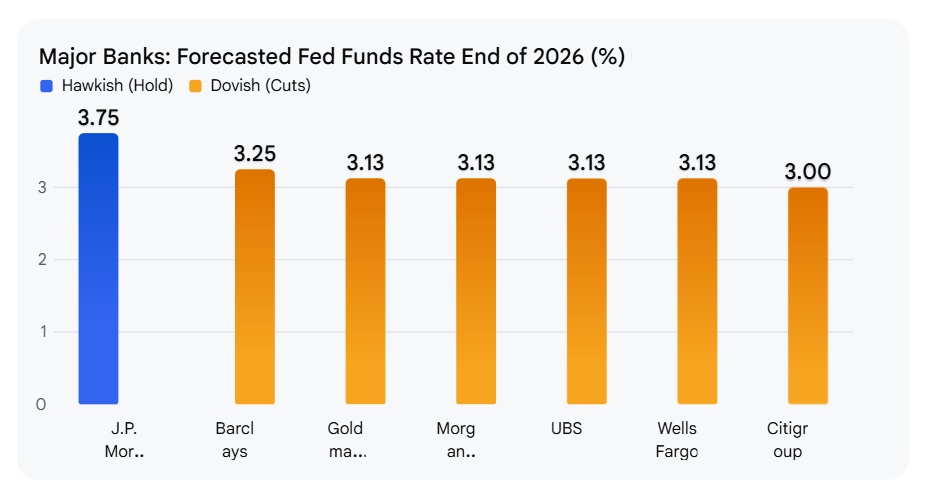
Let's talk about the big question on everyone's mind: what are the Federal Reserve's plans for interest rates in 2026? Based on their latest projections, it looks like they're aiming for just one more quarter-point interest rate cut by the end of 2026. This would bring the target for the federal funds rate down to the 3.25% to 3.5% range. But here's the thing, and I’ve seen this play out before in my years following the economy – these predictions are more like educated guesses than concrete plans. The economy is a wild horse, and we can't always predict its every move.

Fed Interest Rate Predictions for 2026 Indicate Just One Rate Cut

It's easy to get lost in the numbers and charts, but understanding what drives these decisions is key. The Fed, or the Federal Open Market Committee (FOMC) as they're formally known, just made another 0.25% cut on December 10th, 2025. This brought their main interest rate tool, the federal funds rate, to a target of 3.5% to 3.75%. This was their third cut of the year, signaling a shift from their earlier stance of keeping rates high to fight inflation.

Now, let's dive into what the folks at the Fed are thinking for 2026.

Peering into the Fed's Crystal Ball: The Official Forecasts

Every now and then, the FOMC releases what they call the Summary of Economic Projections (SEP). Think of it as their report card on where they see the economy going and what path their interest rate policy might take.

Here's a rundown of their key hopes for the end of 2026:

  • Federal Funds Rate: The big prediction is a median forecast of 3.4%. This basically means they expect the rate to land somewhere between 3.25% and 3.50% by the close of 2026, which ties into that single cut.
  • GDP Growth: They're feeling a bit more optimistic about how much the economy will grow. They've bumped up their prediction to 2.3%, which is up from the 1.8% they thought back in September.
  • Unemployment Rate: They generally expect the job market to stay pretty stable, forecasting the unemployment rate to be around 4.4%.
  • Core PCE Inflation: This is the Fed's preferred measure of inflation, and they think it will cool down to 2.5% by the end of 2026. That’s a welcome drop from the 3.0% they were projecting for the end of 2025.

More Like a Crowd: Disagreements Among the Fed Officials

What really jumps out at me from these projections, and frankly, it always does, is how much the Fed officials themselves disagree. It’s not a monolith; it’s a bunch of smart people looking at the same data and coming to different conclusions.

While the average or median prediction is for just one cut, look deeper, and you see a wide spread. Some officials think rates should end up much lower – down to 2% or 2.25%. Others, however, believe rates should stay higher, or even tick up a little.

This is a crucial point because it contrasts with what the markets are expecting. Traders in the financial world often bet on two or even more rate cuts in 2026, pushing the rates down towards or even below the 3% mark. When the Fed's thinking and the market's expectations diverge this much, it can create a lot of uncertainty and volatility. I’ve seen this lead to surprising market moves when the Fed’s actions don’t quite match what everyone was betting on.

The Economic Tightrope Walk: Why the Cautious Approach?

Fed Chair Jerome Powell has explained that they're in a tough spot. They need to balance keeping inflation in check with supporting job growth. Inflation, while coming down, is still a bit higher than their long-term goal of 2%. At the same time, the job market, while strong, shows some signs of weakening.

Their current thinking – the optimism about faster growth and cooling inflation – is what's leading them to be cautious about aggressively cutting rates. They don’t want to cut too much and risk reigniting inflation, but they also don’t want to keep rates too high and choke off the economy.

What Could Derail the Fed's 2026 Rate Path?

Okay, so the Fed is projecting one cut. But let’s be real, predicting the future is a fool’s errand, especially when it comes to something as complex as the economy. I’ve learned to always have a few “what if” scenarios in mind. Here’s what could seriously throw a wrench into their current plans:

  • Inflation Plays Hard to Get: The Fed's main job is keeping prices stable. If inflation, particularly that core PCE number they’re watching, stubbornly stays above their 2% target or, worse, starts creeping back up, they’ll have to hit the brakes on rate cuts. We could even see them consider raising rates again if things get out of hand. Think about unexpected global events or new supply chain problems – those can quickly inflate prices.
  • The Job Market Stumbles: Right now, they’re betting the unemployment rate will stay around 4.4%. But if we see a sudden jump in people losing their jobs or fewer people looking for work, that’s a clear signal for the Fed to step in and cut rates more aggressively to try and keep the economy humming and people employed.
  • The Economy Gets Too Hot: This sounds like a good problem to have, right? But if the economy starts growing much faster than their 2.3% prediction, fueled by, say, a massive tech boom or government spending, the Fed might worry about overheating. That means too much money chasing too few goods, which leads back to inflation. In this case, they might hold rates steady to cool things down.
  • A New Boss with New Ideas: Jerome Powell's term as Chair ends in May 2026. The President will pick a new Chair and likely appoint new members to the Fed board. A new leader might have a completely different philosophy on monetary policy. Someone who’s really focused on growth might push for lower rates, while a staunch inflation hawk might be more reluctant. This change in leadership could significantly shift the committee's direction.
  • Global Curveballs: The world economy is interconnected. A major international conflict, a trade war that flares up unexpectedly, or even domestic political gridlock could create massive uncertainty. These kinds of shocks can disrupt everything, forcing the Fed to react in ways they haven’t even considered today.

Tariffs: The Wild Card That Could Mess with Everything

Tariffs are a prime example of something that can seriously complicate the Fed’s plan. They’re like a tax on imported goods, and they tend to do two things: make prices go up and slow down economic growth. This creates a tough dilemma for the Fed, which has to juggle both inflation and employment.

How Tariffs Hit Inflation and the Economy

  • Higher Prices for You and Me: When tariffs are put in place, businesses that import goods have to pay more. They usually pass that cost on to consumers in the form of higher prices. This effect doesn’t just disappear overnight; it can linger and impact prices well into 2026. Some economists believe tariffs could add a full percentage point to inflation.
  • Prices Stay Higher: Even if the rate of inflation from tariffs slows down, the overall level of prices for certain goods will likely stay permanently higher than they would have been without the tariffs.
  • Messing with Supply Chains and Trade: Tariffs can disrupt how businesses get their materials, raising their costs. Plus, other countries often retaliate with their own tariffs, which can hurt American exports and slow down our economy.

Tariffs and Fed Policy in 2026

The Fed’s current prediction of a single rate cut likely assumes that the impact of any existing tariffs will fade and that no major new ones will be announced. But if tariffs cause more trouble than expected, we could see some big changes:

  • Slower Rate Cuts: If tariffs keep inflation higher than anticipated, the Fed will likely get more cautious. They might delay those planned rate cuts. Chair Powell has said they're trying to look past temporary, tariff-driven price hikes, but if they become a lasting problem, they’ll have to act.
  • Potential for Rate Hikes: In a more extreme scenario, imagine new, significant tariffs being imposed. If these lead to a surge in inflation or higher expectations for future inflation, the Fed might be forced to consider raising interest rates, which would be a huge departure from their current outlook.
  • The “Stagflation” Dilemma: Tariffs can create a nasty situation where you have higher inflation and slower economic growth (and potentially higher unemployment). This is what economists call stagflation. In such a scenario, the Fed might have to choose which goal to prioritize, making their policy moves unpredictable.
  • More Uncertainty: When there’s uncertainty about trade policy, it makes it harder for businesses to plan and invest. This general economic fuzziness can lead to shaky markets, and the Fed might feel pressured to use its tools to calm things down.

So, while the Fed's projections give us a roadmap, it's crucial to remember that the journey can be unpredictable. Keep an eye on inflation data, the job market, and any surprising policy shifts – those are the real indicators of where interest rates are headed.

Invest in Real Estate While Rates Are Dropping — Build Wealth

The Federal Reserve’s last FOMC meeting of 2025 delivered a 25 basis point cut, lowering borrowing costs and signaling continued support for a cooling economy.

For investors, this move strengthens opportunities to lock in financing for turnkey rental properties—Norada Real Estate helps you capitalize on lower rates with cash-flowing deals in strong markets.

🔥 HOT NEW LISTINGS JUST ADDED! 🔥

Talk to a Norada investment counselor today (No Obligation):

(800) 611-3060

Get Started Now

Want to Know More?

Explore these related articles for even more insights:

  • FOMC Meeting Today Expected to Announce Third Fed Rate Cut of 2025
  • Fed Interest Rate Decision Today: Latest News and Predictions
  • Fed Meeting Today is Poised to Deliver the Third Interest Rate Cut of 2025
  • Fed Interest Rate Predictions Signal 70% Chance of December 2025 Cut
  • Fed Meeting Minutes Expose Divide: Why December Rate Cut Odds Are Fading Fast
  • Fed Interest Rate Predictions for the December 2025 Policy Meeting
  • Fed Signals Growing Reluctance to Interest Rate Cut in December 2025
  • Fed Cuts Interest Rate Today for the Second Time in 2025
  • Fed Interest Rate Forecast for the Next 12 Months
  • When is Fed's Next Meeting on Interest Rate Decision in 2025?
  • Market Reactions: How Investors Should Prepare for Interest Rate Cut
  • Impact of Interest Rate Cut on Mortgages, Car Loans, and Your Wallet

Filed Under: Economy, Financing Tagged With: Economy, Fed, Federal Reserve, FOMC Meeting, interest rates

Mortgage Rates Today, Dec 12: 30-Year Refinance Rate Rises Sharply by 20 Basis Points

December 12, 2025 by Marco Santarelli

Mortgage Rates Today, Jan 1, 2026: 30-Year Refinance Rate Rises by 48 Basis Points

As of December 12, 2025, the average 30-year fixed refinance rate has climbed to 6.88%, marking a significant increase and making it more costly for homeowners to lock in a long-term fixed mortgage today. While the 15-year fixed rate offers a slight reprieve, dipping to 5.62%, the surge in the 30-year rate, alongside a jump in adjustable-rate mortgages, signals a dynamic and sometimes unpredictable market that requires careful navigation. Let’s dive into what this means for your wallet and your homeownership dreams.

Mortgage Rates Today, Dec 12: 30-Year Refinance Rate Rises Sharply by 20 Basis Points

National Refinance Rate Update: A Mixed Bag

On Friday, December 12, 2025, Zillow reported some notable shifts in refinance rates. The big story is the average 30-year fixed refinance rate, which jumped by 21 basis points. This means it moved from last week’s average of 6.67% up to 6.88%. When you compare it to the average from the week before, which was 6.68%, we’re looking at a solid 20 basis point rise. This isn’t just a small blip; it’s a clear sign that the cost of long-term borrowing has increased.

Now, it’s not all bad news. In contrast, the 15-year fixed refinance rate saw a small dip, falling by 5 basis points to settle at 5.62%. This offers a glimmer of hope for homeowners who can manage higher monthly payments and are looking to pay off their mortgage faster.

However, things are looking a bit more volatile with shorter-term products. The 5-year adjustable-rate mortgage (ARM) experienced a significant jump, climbing 25 basis points from 7.25% to 7.50%. This sharp increase highlights the inherent risk and changing nature of adjustable-rate loans in the current economic climate.

What These Numbers Mean for You

So, what does this mean in plain English for someone like me, or for you, thinking about refinancing?

  • For 30-Year Fixed Loans: The increase to 6.88% definitely makes refinancing into a stable, long-term fixed loan more expensive than it was just a short time ago. It forces us to really think hard about whether the security of a fixed payment is worth the higher upfront cost right now. I’ve always appreciated the predictability of a 30-year fixed, but when rates climb this much, you have to pause and reconsider if it’s the right move today.
  • For 15-Year Fixed Loans: The slight drop to 5.62% is certainly appealing. If you're someone who wants to build equity faster and significantly reduce the total interest paid over the life of your loan, and you can comfortably afford the larger monthly payments, this could be a good opportunity. It’s a trade-off: higher payment, faster payoff, less interest overall.
  • For 5-Year ARM Loans: With rates now sitting at 7.50%, adjustable-rate mortgages are looking less and less attractive. Not only is the starting rate higher than the 15-year fixed, but the big worry with ARMs is what those rates will do in the future. If you're looking for certainty in your monthly housing costs, this is probably not the product to consider right now. I’ve seen people get burned by ARMs when rates jumped unexpectedly, and this move just reinforces that caution.

Putting it in Market Context: Why the Fluctuations?

It’s easy to get caught up in the daily rate movements, but it’s important to understand the bigger picture. These fluctuations aren’t happening in a vacuum. They're a reflection of how the economy is reacting to various forces.

When we see long-term rates like the 30-year fixed climbing, it often tells us that lenders are factoring in things like inflation concerns and potential shifts in Federal Reserve policy. The Fed's actions, or even just the anticipation of their actions, can have a big ripple effect on mortgage rates.

The slight dip in 15-year rates might suggest that competition among lenders for shorter-term loans is still present, which is great for borrowers who fit that profile. However, the volatility in ARMs, as seen by the jump to 7.50%, is a classic sign of uncertainty. Lenders are less willing to offer predictable rates when they themselves are unsure about future economic conditions.

My Take: What’s the Smart Move?

From my perspective, and after years of watching the mortgage market, the key takeaway is always to compare current refinance rates carefully before making any big decisions. Don’t just look at the headline number; look at the specific offer you’re getting from different lenders.

The 30-year fixed rate’s climb to 6.88% might make some of us hit the pause button, and that’s wise. But if you were already considering a refinance, don’t let this single day’s data deter you completely. It’s worth exploring if the overall savings and the benefits still outweigh the costs.

On the flip side, the 15-year fixed at 5.62% genuinely presents an opportunity for those who are disciplined and want to be mortgage-free sooner. It’s a different strategy, but a powerful one if it fits your financial situation.

And for those tempted by adjustable-rate mortgages? As they stand now, at 7.50%, they carry a significant amount of risk. Unless you have a very specific, short-term plan for your home and are comfortable with the possibility of rising payments, I’d steer clear for now.

Recommended Read:

30-Year Fixed Refinance Rate Trends – December 11, 2025

Best Time to Refinance Your Mortgage: Expert Insights

Should You Refinance Your Mortgage Now or Wait Until 2026? 

A Look at Refinance Activity and What’s Ahead

It's interesting to note that despite the recent uptick in the 30-year rate, refinance activity has actually been quite strong lately. We’ve seen it surge compared to a year ago, largely because rates had previously dipped from their earlier 2025 highs (which were actually over 7%!). The Mortgage Bankers Association’s Refinance Index shows an impressive 88% increase year-over-year. Fannie Mae’s data also indicated a significant bump in refinance application dollar volume just last week.

However, and this is a crucial point, the overall volume is still nowhere near the frenzy we saw during the pandemic. Why? Because most homeowners today are fortunate to be locked into rates well below 5%. For many, even with today's rates, refinancing just doesn’t make financial sense unless they're pulling out cash, using their home's equity for other needs rather than just chasing a lower rate. This is what’s known as a cash-out refinance, and it’s becoming the dominant reason people are refinancing these days.

When I look at the forecasts from housing economists, they generally expect rates to hang out in the 6% range for the foreseeable future. This means we probably won’t see another massive refinancing boom unless something pretty dramatic happens in the economy. Predictions for the end of 2025 suggest the average 30-year fixed rate will hover around 6.3%. Looking towards the end of 2026, there might be a slight easing, potentially bringing rates down to the 6.0% to 6.2% range.

The big wildcards that will influence these forecasts are upcoming economic data – especially the November jobs report and inflation figures. If these show the economy cooling down and inflation easing, it could indeed put some downward pressure on mortgage rates.

“Invest Smart — Build Long-Term Wealth Through Real Estate”

Norada's team can guide you through current market dynamics and help you position your investments wisely—whether you're looking to reduce rates, pull out equity, or expand your portfolio.

Work with us to identify proven, cash-flowing markets and diversify your portfolio while borrowing costs remain favorable.

HOT NEW TURNKEY DEALS JUST LISTED!

Speak with a seasoned Norada investment counselor today (No Obligation):

(800) 611-3060

Get Started Now

Recommended Read:

  • When You Refinance a Mortgage Do the 30 Years Start Over?
  • Should You Refinance as Mortgage Rates Reach Lowest Level in Over a Year?
  • NAR Predicts 6% Mortgage Rates in 2025 Will Boost Housing Market
  • Mortgage Rates Predictions for 2025: Expert Forecast
  • Half of Recent Home Buyers Got Mortgage Rates Below 5%
  • Mortgage Rates Need to Drop by 2% Before Buying Spree Begins
  • Will Mortgage Rates Ever Be 3% Again: Future Outlook
  • Mortgage Rates Predictions for Next 2 Years
  • Mortgage Rate Predictions for Next 5 Years
  • Mortgage Rate Predictions for 2025: Expert Forecast

Filed Under: Financing, Mortgage Tagged With: mortgage, mortgage rates, Mortgage Refinance Rates

Mortgage Rates Stay Low Offering Relief and Savings to Homebuyers

December 12, 2025 by Marco Santarelli

Mortgage Rates Stay Low Offering Relief and Savings to Homebuyers

It feels like just yesterday we were talking about mortgage rates reaching dizzying heights. But now, as we approach the end of 2025, a welcome shift is happening – mortgage rates are settling near their lowest points of the year, and it's starting to bring a much-needed sense of calm and balance to the housing market. For anyone hoping to buy or sell a home, this is a crucial moment to understand what these lower rates mean.

Mortgage Rates Stay Low Offering Relief and Savings to Homebuyers

For months, the housing market has felt a bit like a seesaw, with high rates making affordability a major challenge for buyers and making existing homeowners hesitant to move. But now, with rates hovering around 6.22% for a 30-year fixed mortgage, as reported by Freddie Mac on December 11, 2025, we're seeing a significant improvement. This is considerably lower than the year-to-date average of 6.62%, and it’s creating a more stable environment for everyone involved.

Understanding the Shift: What the Numbers Tell Us

Let’s break down what’s actually happening with these mortgage rates. Freddie Mac’s Primary Mortgage Market Survey® gives us a clear picture:

Mortgage Type 30-Yr Fixed Rate (12/11/2025) 1-Week Change 1-Year Change 52-Week Average
30-Year Fixed 6.22% +0.03% -0.38% 6.63%
15-Year Fixed 5.54% +0.10% -0.30% 5.81%

What does this mean in real terms? Let’s look at the savings compared to the past:

  • Compared to a month ago: While there was a slight uptick in the 30-year fixed rate from last week (6.19% to 6.22%), the monthly average is holding steady around 6.23%. The 15-year fixed rate saw a slightly larger weekly bump (5.44% to 5.54%), but again, the monthly average remained very close at 5.51%. So, the monthly savings are still substantial compared to historical averages for the year.
  • Compared to a year ago: This is where the real impact is felt. The 30-year fixed rate is now 0.38% lower than it was a year ago (6.22% vs. 6.60%). For a 15-year fixed rate, it’s even better, down 0.30%.
    • Example Savings: Imagine you're taking out a $300,000 mortgage. A 0.38% difference on a 30-year loan could mean saving thousands of dollars over the life of the loan. This is a significant boost to affordability.

30-Year vs. 15-Year Fixed: Which is More Attractive Right Now?

As you can see from the table, the 15-year fixed mortgage is still offering a lower interest rate than the 30-year fixed. Currently, it's at 5.54% compared to 6.22%.

Generally, the 15-year fixed mortgage is attractive because:

  • Lower Interest Rate: You pay less interest overall.
  • Faster Payoff: You own your home free and clear in half the time.
  • Lower Monthly Payments (for equivalent loan amount): If you can afford the higher monthly payment, your overall interest paid will be significantly less.

However, the 30-year fixed mortgage remains popular because:

  • Lower Monthly Payments: The extended term means your monthly payments are more manageable, freeing up cash flow for other expenses or investments.
  • Flexibility: Life happens. A lower monthly payment on a 30-year loan offers more breathing room if unexpected costs arise.

My take: Given that rates are near yearly lows, for many buyers, especially those who can comfortably afford the higher payments, a 15-year fixed mortgage could offer substantial long-term savings. However, if maximizing monthly cash flow is a priority, the 30-year fixed at these improved rates is still a very solid choice. The key is to find the blend that suits your financial situation and long-term goals.

Looking Ahead: What Do Experts Say About Future Mortgage Rates?

The good news doesn't seem to stopping. Most expert forecasts predict that mortgage rates will continue to trend downwards through the end of 2025 and into 2026. We're likely to see averages in the low-to-mid 6% range. Some even suggest the 30-year fixed mortgage could dip below 6% by the end of 2026.

Here's a summary of what some major sources are predicting:

Source 2025 Forecast (Average/Year-End) 2026 Forecast (Average/Year-End)
Fannie Mae 6.4% (year-end) 6% (year-end)
National Association of Realtors (NAR) Near 6% 6%
Mortgage Bankers Association (MBA) 6.3% (year-end) 6.4% (year-end)
Redfin 6.6% (average) 6.3% (average)
Wells Fargo 6.52% (average) 6.18% (average)
Realtor.com – 6.3% (average)

It’s important to remember that these are forecasts, and the market can be unpredictable. Experts also emphasize that we are unlikely to see a return to the ultra-low 2-3% rates we experienced during the pandemic. Those were truly exceptional times.

Key Factors Shaping Mortgage Rates

Several factors are influencing where mortgage rates are heading:

  • Federal Reserve Policy: The Federal Reserve plays a big role. By adjusting the federal funds rate, they influence overall borrowing costs. The Fed has been cutting its benchmark rate, signaling a more accommodative stance. However, they've also indicated that future cuts might be slow, especially if inflation remains a concern.
  • Inflation: Inflation is still a key watchpoint. While it's cooling, it's generally staying above the Fed's target of 2%. A consistent drop in inflation is crucial for the Fed to feel confident in making more significant rate cuts, which would then push mortgage rates down further.
  • Economic Conditions: The broader economy matters. If there were a significant economic slowdown or a rise in unemployment, the Fed might cut rates more aggressively to stimulate growth. Currently, forecasts point to modest economic growth and a stable job market, which supports the idea of gradual rate stabilization rather than sharp drops.
  • 10-Year Treasury Yield: Mortgage rates are closely tied to the 10-year U.S. Treasury yield. When investors feel confident about the economy, they tend to move money from safer government bonds to riskier assets, which can push Treasury yields (and therefore mortgage rates) up. Conversely, uncertainty can drive yields down.

Impact on Buyers and Sellers: A More Balanced Market?

This shift is incredibly significant. Lower mortgage rates, combined with what's expected to be modest home price increases and rising incomes, are creating a more favorable environment for housing affordability.

  • For Buyers: This is great news. Lower rates mean lower monthly payments, making homes more accessible. It can help them qualify for larger loans or simply reduce their overall housing cost. We could see increased buyer demand as a result.
  • For Sellers: While high prices may have been a draw for some, gently moderating price growth combined with better affordability for buyers can lead to a more stable and predictable market. Homes may sit on the market for a reasonable time without the frantic bidding wars of the past, leading to more balanced negotiations.
  • Refinancing Boom: This is also a prime time for homeowners to consider refinancing their existing mortgages, especially if they locked in at much higher rates. Taking advantage of lower rates now can save them substantial money over the remaining term of their loan.

Overall, I believe these mortgage rates near 2025 lows are not just a temporary blip. They represent a return to a more sustainable and balanced housing market. It's a period that encourages thoughtful decision-making for both buyers and sellers, moving away from the extreme pressures of recent years.

Invest in Turnkey Rentals for Smarter Wealth Building

With mortgage rates dipping to their lowest levels in months, savvy investors are seizing the opportunity to lock in financing. By securing favorable terms now, they’re maximizing immediate cash flow while positioning themselves for stronger long‑term returns.

Norada Real Estate helps you seize this rare opportunity with turnkey rental properties in strong markets—so you can build passive income while borrowing costs remain historically low.

🔥 HOT NEW LISTINGS JUST ADDED! 🔥

Talk to a Norada investment counselor today (No Obligation):

(800) 611-3060

Get Started Now

Also Read:

  • Mortgage Rates Predictions Backed by 7 Leading Experts: 2025–2026
  • Mortgage Rate Predictions for the Next 3 Years: 2026, 2027, 2028
  • 30-Year Fixed Mortgage Rate Forecast for the Next 5 Years
  • 15-Year Fixed Mortgage Rate Predictions for Next 5 Years: 2025-2029
  • Will Mortgage Rates Ever Be 3% Again in the Future?
  • Mortgage Rates Predictions for Next 2 Years
  • Mortgage Rate Predictions for Next 5 Years
  • Mortgage Rate Predictions: Why 2% and 3% Rates are Out of Reach
  • How Lower Mortgage Rates Can Save You Thousands?
  • How to Get a Low Mortgage Interest Rate?
  • Will Mortgage Rates Ever Be 4% Again?

Filed Under: Financing, Mortgage Tagged With: Interest Rate, mortgage, Mortgage Rate Trends, mortgage rates, Mortgage Rates Today

How Will Today’s Fed Rate Cut Impact Mortgage and Refinance Rates

December 12, 2025 by Marco Santarelli

How Will Today's Fed Rate Cut Impact Mortgage and Refinance Rates

You've probably heard the Federal Reserve is considering cutting interest rates today, December 10, 2025, and you're wondering, “Will this finally make my mortgage payment cheaper or make refinancing my home a no-brainer?” It's a fair question, and the short answer is: a Fed rate cut can influence mortgage and refinance rates, but it's not always a direct, slam-dunk connection. Often, the impact is more like a gentle nudge than a shove, and a lot of what's expected is already baked into the rates you see today.

How Will Today's Fed Rate Cut Impact Mortgage and Refinance Rates

This isn't just about numbers and economic jargon. It's about your wallet, your biggest investment, and making smart financial decisions. As someone who's navigated these choppy waters, I can tell you that understanding when and how these moves by the Fed actually trickle down to your mortgage is key. Think of the Fed as setting the thermostat for the entire economy, but your mortgage rate is more like a complex thermostat in a specific room – influenced, but not solely controlled, by the main setting.

The Fed's Main Tool: The Federal Funds Rate

First things first, let's clarify what the Federal Reserve actually does. The Fed doesn't directly set your mortgage interest rate. Instead, their primary tool is the federal funds rate. This is the target rate at which commercial banks lend reserve balances to each other overnight. When the Fed decides to raise or lower this rate, it's like them adjusting the prime lending rate for banks.

This action does have a ripple effect. When banks borrow money more cheaply, they tend to pass those savings on to consumers through lower interest rates on things like credit cards, auto loans, and crucially, home equity lines of credit (HELOCs). These are typically shorter-term loans, so they react more quickly and directly to changes in the federal funds rate.

Why Mortgage Rates are a Different Beast

Now, for mortgages and refinancing, it gets a bit more complicated. Most people looking for a new mortgage or considering a refinance are interested in a fixed-rate mortgage. These loans have an interest rate that stays the same for the entire life of the loan, often 15 or 30 years. Because these are long-term commitments, their rates are much more closely tied to longer-term U.S. Treasury yields, particularly the 10-year Treasury note.

Why the 10-year Treasury? Think of it this way: investors are buying these bonds, lending money to the government for 10 years. The yield (the interest they expect to earn) on these bonds is influenced by expectations about future inflation, economic growth, and the overall health of the economy over that decade. If investors expect inflation to rise or the economy to boom, they'll demand a higher yield on their bonds, which pushes mortgage rates up. Conversely, if they expect a slowdown or low inflation, yields fall, and so do mortgage rates.

This is where today's situation, as an example, becomes interesting. Imagine it's December 10, 2025, and the Fed is widely expected to cut its short-term federal funds rate by 0.25 percentage points. While this is significant for short-term borrowing, the big question for your mortgage is what the 10-year Treasury yield is doing.

The “Priced In” Phenomenon: What the Market Already Knows

One of the biggest factors influencing mortgage rates is anticipation. The financial markets are incredibly good at predicting the Fed's moves. If economists and traders believe, with high certainty (like that 90% chance of a cut we're seeing discussed), that the Fed will lower rates, this expectation is often “priced in” to the current mortgage rates before the official announcement even happens.

So, even if the Fed announces that rate cut, you might not see your mortgage rate suddenly drop by the same amount. It's like knowing a friend is coming to your party; you're excited, but the anticipation is already part of the experience. The actual arrival might not change your mood drastically.

In my experience, this is where many homeowners get a little confused. They hear “Fed cuts rates” and expect a significant drop, only to see their offers not move as much as they hoped. This is often why. The market has already adjusted.

“Hawkish Cuts” and What They Mean for You

There's another layer of complexity: the Fed's messaging. Sometimes, even when the Fed cuts rates, they might also signal that they're not done cutting, or that they're worried about inflation. This is what analysts sometimes call a “hawkish cut.”

Imagine the Fed cuts rates, but in their press conference, Fed Chair Jerome Powell hints that future cuts are uncertain, or that inflation is still a concern. This kind of talk can actually make investors nervous about the long-term economic outlook. They might think inflation could pick up later, or that the Fed might pause and even start raising rates again in the future.

In such a scenario, the 10-year Treasury yield could actually rise after the Fed announces its cut. This is because investors are looking beyond the immediate short-term rate cut and focusing on potential future economic conditions. A rising Treasury yield, as we've discussed, typically leads to higher mortgage and refinance rates, or at least halts any downward movement.

Impact on Different Mortgage Types

  • Fixed-Rate Mortgages: As mentioned, these are less directly affected by the Fed's rate cuts because they're tied to longer-term bonds.
  • Adjustable-Rate Mortgages (ARMs): These are a different story. ARMs often have interest rates tied to short-term benchmarks, like the Secured Overnight Financing Rate (SOFR). These benchmarks do tend to move more closely with the federal funds rate. So, if the Fed cuts rates, homeowners with ARMs might see their payments decrease more directly and immediately.
  • Refinance Rates: This is where the 10-year Treasury yield and market expectations play the biggest role. If the market has already priced in the cut, and the Fed signals a hawkish stance, the refinance market might remain largely unchanged, or even see a slight uptick in rates.

What to Watch For: Beyond the Headlines

If you're a homeowner looking to refinance or someone buying a new home, it's crucial to look beyond just the Fed's decision. Here's what I always advise people to pay attention to:

  • The Fed's “Dot Plot”: This is a chart showing individual Fed members' projections for future interest rates. It gives clues about their confidence in future rate cuts.
  • Fed Chair's Press Conference: This is a goldmine of information. Listen to the tone and read between the lines for hints about future policy. Are they concerned about growth? Inflation? This will heavily influence market sentiment.
  • Economic Data: Inflation reports (like the Consumer Price Index or CPI), employment figures, and GDP growth numbers are watched closely by the Fed and the bond market. These can sway future interest rate decisions.
  • Daily Rate Shopping: Don't rely on one announcement. Mortgage rates can fluctuate daily. If you're looking to refinance, keep an eye on rates and be ready to lock in a rate if you find an offer that meets your financial goals.

My Take: Stay Informed, Be Patient (But Ready to Act)

From where I stand, the Fed's decisions are just one piece of a much larger puzzle when it comes to mortgage and refinance rates. While a rate cut can create a more favorable environment, it's not a guarantee of drastically lower rates overnight for fixed-rate loans. The market's anticipation and the Fed's own messaging about future policy are often more influential.

So, while it's good to be aware of what the Fed is doing, for your own financial planning, focus on what the 10-year Treasury yield is doing and what the overall economic sentiment suggests for the future. And if you're thinking about refinancing, don't wait too long once you see a rate that feels right. The market can shift quickly, and locking in a good rate is often the smartest move.

Invest in Real Estate While Rates Are Dropping — Build Wealth

If the Federal Reserve moves forward with another rate cut in December, investors could gain a valuable window to secure more favorable financing terms and scale their portfolios ahead of renewed buyer demand.

Lower borrowing costs would boost cash flow and enhance overall returns, especially for those positioned to act quickly

Work with Norada Real Estate to find turnkey, income-generating properties in stable markets—so you can capitalize on this easing cycle and grow your wealth confidently.

NEW TURNKEY DEALS JUST ADDED!

Talk to a Norada investment counselor today (No Obligation):

(800) 611-3060

Get Started Now

Want to Know More?

Explore these related articles for even more insights:

  • Fed Interest Rate Decision Today: Latest News and Predictions
  • Fed Meeting Today is Poised to Deliver the Third Interest Rate Cut of 2025
  • Fed Interest Rate Predictions Signal 70% Chance of December 2025 Cut
  • Fed Meeting Minutes Expose Divide: Why December Rate Cut Odds Are Fading Fast
  • Fed Interest Rate Predictions for the December 2025 Policy Meeting
  • Fed Signals Growing Reluctance to Interest Rate Cut in December 2025
  • Fed Cuts Interest Rate Today for the Second Time in 2025
  • Fed Interest Rate Forecast for the Next 12 Months
  • When is Fed's Next Meeting on Interest Rate Decision in 2025?
  • Market Reactions: How Investors Should Prepare for Interest Rate Cut
  • Impact of Interest Rate Cut on Mortgages, Car Loans, and Your Wallet

Filed Under: Economy, Financing Tagged With: Economy, Fed, Federal Reserve, FOMC Meeting, interest rates

Today’s Mortgage Rates, Dec 11: 30-Year Fixed Rate Holds at 6.15%, 15-Year at 5.57%

December 11, 2025 by Marco Santarelli

Today's Mortgage Rates, Jan 7: Stable Rates Continue for Buyers and Refinancers

Interest rates for mortgages and refinances on December 11th are sitting just a whisper above their lowest point of 2025, presenting a compelling opportunity for anyone looking to buy a home or adjust their existing mortgage. This stability, even with the Federal Reserve's recent rate cut, means that borrowers can act with a bit more confidence as they navigate the housing market.

Today's Mortgage Rates, Dec 11: 30-Year Fixed Rate Holds at 6.15%, 15-Year at 5.57%

After a period of decline since May and hitting a bottom in late October, rates have settled into a very narrow range. Zillow's data shows the average 30-year fixed mortgage rate is currently 6.15%. This is incredibly close – just 0.02% higher – than the lowest point we've seen this year. For those considering a shorter loan term, the 15-year fixed rate stands at 5.57%, a truly appealing option if you can manage the higher monthly payments and aim to build equity faster.

Understanding the Fed's Move and Its Impact on Mortgages

You might have heard that on December 10th, the Federal Reserve made its third interest rate cut of 2025, bringing the federal funds rate down by 0.25% to a range of 3.50%-3.75%. This is significant, as it's the most aggressive easing we've seen since September, with a total reduction of 0.75%. Federal Reserve Chair Jerome Powell has made it clear that future decisions will be data-dependent, focusing on inflation and job market figures.

Now, here's where it gets a little nuanced. While the Fed's actions directly influence short-term borrowing costs – think credit cards and car loans – mortgage rates are more closely tied to longer-term Treasury yields. The bond market's reaction to the Fed's announcement has been to keep mortgage rates near their yearly lows. Today's slight uptick suggests investors are still carefully assessing inflation risks, but overall, the impact has been largely stabilizing rather than causing a sharp rise.

Current Mortgage Rates – December 11, 2025

Here’s a look at the national averages for various mortgage types as reported by Zillow:

Loan Type Average Rate
30-year fixed 6.15%
20-year fixed 6.01%
15-year fixed 5.57%
5/1 ARM 6.21%
7/1 ARM 6.30%
30-year VA 5.58%
15-year VA 5.24%
5/1 VA 5.44%

Please remember these are national averages, rounded to the nearest hundredth. Your actual rate will depend on your unique financial situation.

Current Mortgage Refinance Rates – December 11, 2025

For homeowners looking to refinance, the rates are very similar, with slightly higher averages in some cases:

Loan Type Average Rate
30-year fixed 6.19%
20-year fixed 6.05%
15-year fixed 5.62%
5/1 ARM 6.36%
7/1 ARM 6.61%
30-year VA 5.64%
15-year VA 5.41%
5/1 VA 5.41%

Refinance rates can sometimes be a touch higher than purchase rates. This is usually due to pricing strategies, risk assessment, and specific loan characteristics. However, intense lender competition and a strong borrower profile can sometimes flip this expectation.

Why Are Rates So Close to the Year's Low?

It's not just by chance that rates are hovering near their lowest levels. Several factors are at play:

  • Bond Market Stability: Mortgage rates tend to follow the lead of the 10-year Treasury yield. Since this yield has stayed within a tight band after dipping in late October, mortgage rates have followed suit.
  • Balanced Economic Data: We're seeing a bit of a mixed bag in the economy. Inflation is starting to cool down, which is good news. At the same time, the job market and consumer spending remain strong. This kind of “balanced” data keeps investors cautious but not overly worried, preventing wild swings in rates.
  • Lender Pricing Strategies: When market volatility is low, lenders often become more competitive. They might tighten their profit margins slightly to attract more business, which helps keep rates near these cycle lows.
  • Adjustable-Rate Mortgages (ARMs): Loans like ARMs often reflect short-term borrowing costs and current market risks more directly. This is why you sometimes see ARM rates that are higher than fixed rates, even when overall market conditions are favorable.

The 30-Year Fixed vs. 15-Year Fixed: A Crucial Decision

Choosing between a 30-year and a 15-year fixed-rate mortgage is a big decision with different pros and cons.

  • Monthly Costs vs. Total Interest:
    • The 30-year fixed offers a lower monthly payment, which provides more breathing room in your budget. However, over the life of the loan, you'll end up paying significantly more in total interest.
    • The 15-year fixed requires a higher monthly payment, but it allows you to pay off your home much faster and save a substantial amount on total interest.
  • Rate Advantage:
    • 15-year fixed rates are typically lower than 30-year rates. Lenders face less risk because their money is tied up for a shorter period, and the chances of early repayment or default are reduced.
  • Who Should Choose Which?
    • The 30-year fixed is ideal for borrowers who need to prioritize monthly cash flow, want more financial flexibility, or anticipate selling the home before paying it off entirely.
    • The 15-year fixed is a great choice for those with a stable income who want to aggressively build equity, plan to pay off their mortgage before retirement, or are comfortable with a higher monthly outlay.

Fixed-Rate vs. ARM in Today's Market

In an environment with low market volatility, the choice between a fixed-rate mortgage and an adjustable-rate mortgage (ARM) becomes clearer.

  • Fixed-Rate Stability:
    • Benefit: Predictable, unchanging monthly payments for the entire loan term.
    • Insight: When rates are near a cycle low and market swings are minimal, locking in a fixed rate provides the most security and certainty for your housing costs.
  • ARM Considerations:
    • Potential Benefit: Often starts with a lower initial interest rate compared to fixed rates.
    • Insight: Although ARMs can offer a lower starting payment, today's average ARM rates are a bit higher, reflecting some lender caution about the future direction of interest rates.
  • The Decision:
    • Key Factor: Your time horizon in the home.
    • Insight: If you are very confident you'll move or refinance the loan within the initial period before the rate starts adjusting (usually 5 or 7 years for common ARMs), the lower upfront rate might be appealing. If you plan to stay in your home long-term, the certainty of a fixed rate is usually the safer and more advantageous choice.

Smart Moves to Get the Best Rate

Securing the lowest possible mortgage rate involves more than just looking at the advertised numbers. Here are some practical steps I always recommend:

  • Shop Around Extensively: Don't settle for the first offer. Get at least three written loan estimates on the same day. This ensures you're comparing apples to apples on both the interest rate and the Annual Percentage Rate (APR), which includes fees.
  • Boost Your Credit Score: Before you apply or lock a rate, take stock of your credit. Pay down credit card balances (especially revolving debt), dispute any errors you find on your credit report, and avoid opening new credit accounts just before or during the mortgage process. Even a small improvement in your credit score can lead to a better rate.
  • Optimize Your Down Payment: While not always feasible, a larger down payment can sometimes lead to better pricing from lenders. It reduces their risk and can improve your Loan-to-Value (LTV) ratio, potentially resulting in a lower interest rate.
  • Consider Discount Points: You can pay a fee, known as a “point,” at closing to buy down your interest rate. The key is to calculate how long it will take for the savings from the lower rate to recoup the cost of the point. Make sure this break-even period aligns with how long you expect to keep the mortgage.
  • Choose the Right Loan Product: Different loan types (Conventional, FHA, VA) and terms (15-year, 30-year) have different pricing structures. Discuss with your loan officer the pricing differences for each scenario that fits your needs.
  • Lock Strategically: If you're close to closing and the market feels unpredictable, locking your rate can protect you from potential increases. If economic data is pointing towards lower rates, ask your lender about a “float-down” option, which allows you to potentially benefit if rates drop before closing, but secures you against rising rates.
  • Time Your Application: Some lenders are more aggressive with their pricing mid-week. Also, ensuring you have all your documentation ready and organized can speed up the underwriting process, which can be beneficial when trying to lock a favorable rate within a specific timeframe.
  • Negotiate Fees: Not all fees are set in stone. Some lender and third-party fees can be negotiated. A reduction in fees can make a slightly higher interest rate more attractive when you look at the overall APR.

What Today's Rates Mean for You

  • For Buyers: With rates sitting just above their 2025 low, affordability has improved. This means you might qualify for a larger loan amount than earlier in the year, potentially allowing you to buy a more expensive home or simply have more comfortable monthly payments. Locking a rate now can lock in these benefits.
  • For Refinancers: Even though refinance rates are a tad higher than purchase rates, if you have an older mortgage with a rate significantly higher than today's averages, refinancing could still lead to substantial savings on your monthly payments or allow you to shorten your loan term. If you're considering a cash-out refinance, weigh the benefits of consolidating debt or accessing funds against the current borrowing costs.
  • For VA-Eligible Borrowers: VA loan rates continue to be very competitive, often outperforming conventional loan rates. On top of the lower rates, VA loans typically come with more flexible credit requirements and no private mortgage insurance, making them an excellent option for eligible veterans and service members.

The Bottom Line

Mortgage rates on December 11th are holding steady, just above their lowest point this year, even after the Federal Reserve's latest rate cut. From my perspective, this is a particularly opportune time for both home buyers and homeowners. Fixed-rate mortgages offer a great deal of stability at rates that are very attractive right now. Refinancing can still offer significant advantages if your current mortgage carries a higher rate. Given the Fed's signal that future rate cuts might be slower, locking in a favorable rate now could be a very wise move before market conditions inevitably shift again.

Ultimately, the current environment presents a valuable window to explore your options. Take the time to compare lenders, think carefully about your loan type and term, and aim to lock in a rate that aligns with your long-term financial goals. Whether you're prioritizing payment stability with a 15-year fixed or seeking the cash-flow flexibility of a 30-year fixed at near-cycle-low pricing, there's a strong case to be made for taking action.

Invest in Turnkey Rentals for Smarter Wealth Building

With mortgage rates dipping to their lowest levels in months, savvy investors are seizing the opportunity to lock in financing. By securing favorable terms now, they’re maximizing immediate cash flow while positioning themselves for stronger long‑term returns.

Norada Real Estate helps you seize this rare opportunity with turnkey rental properties in strong markets—so you can build passive income while borrowing costs remain historically low.

🔥 HOT NEW LISTINGS JUST ADDED! 🔥

Talk to a Norada investment counselor today (No Obligation):

(800) 611-3060

Get Started Now

Also Read:

  • Mortgage Rates Predictions Backed by 7 Leading Experts: 2025–2026
  • Mortgage Rate Predictions for the Next 3 Years: 2026, 2027, 2028
  • 30-Year Fixed Mortgage Rate Forecast for the Next 5 Years
  • 15-Year Fixed Mortgage Rate Predictions for Next 5 Years: 2025-2029
  • Will Mortgage Rates Ever Be 3% Again in the Future?
  • Mortgage Rates Predictions for Next 2 Years
  • Mortgage Rate Predictions for Next 5 Years
  • Mortgage Rate Predictions: Why 2% and 3% Rates are Out of Reach
  • How Lower Mortgage Rates Can Save You Thousands?
  • How to Get a Low Mortgage Interest Rate?
  • Will Mortgage Rates Ever Be 4% Again?
Filed Under: Financing, Mortgage Tagged With: Interest Rate, mortgage, Mortgage Rate Trends, mortgage rates, Mortgage Rates Today

Housing Market Predictions for 2026 Show a Modest Price Rise of 1.2%

December 11, 2025 by Marco Santarelli

10 Housing Market Predictions for 2026 Every Buyer and Seller Should Know

Get ready, because the housing market in 2026 is shaping up to be a more balanced and steady environment, with a modest increase in both sales and home values. As affordability slowly improves and buyer demand finds its footing, both those looking to buy and those ready to sell can anticipate a smoother ride.

As we look ahead to 2026, the housing market is expected to shift from a period of uncertainty to one of greater stability. My take, supported by insights from economists at Zillow, is that we’ll see a welcome uptick in home sales coupled with modest price appreciation nationally. This outlook suggests a market that’s becoming more accessible for buyers and more predictable for sellers.

For years, we've been navigating a choppy sea of fluctuating prices and mortgage rates. Many of you have likely been on the sidelines, waiting for the right moment. Well, 2026 might just be that moment. It’s not going to be a free-for-all, but the tide feels like it's turning in a positive direction.

Let's dive into what this means for you, whether you’re dreaming of a new home or planning to list your current one.

Housing Market Predictions for 2026 Show a Modest Price Rise of 1.2%

1. Home Values Will See Modest Growth

After a period where national home values were largely flat, economists at Zillow predict a 1.2% increase in home values for 2026. This isn’t a boom, but it’s a healthy signal that the market is firming up. This gradual growth is anticipated due to better affordability and steady demand from buyers.

I see this as a good sign for sellers that their property values are likely to hold their ground and even appreciate a bit. For buyers, it means you’re not likely to be buying at the peak, and there's potential for your investment to grow over time.

2. Fewer Markets Will Experience Price Declines

Remember how many areas saw home prices drop in 2025? Well, that trend is expected to reverse. Zillow forecasts that the number of major markets experiencing annual price declines will fall from 24 to just 12 in 2026. This means more stability across the country, with fewer homeowners feeling “underwater” on their mortgages.

This is a significant shift. It indicates that localized dips won't be as widespread, and a greater sense of confidence will return to many communities. For sellers, it means a higher probability of getting your asking price, and for buyers, it suggests you’re less likely to be caught in a declining market.

3. Existing Home Sales Will Climb

Get ready for a bit more activity! Zillow projects a 4.3% increase in existing home sales, reaching an estimated 4.26 million sales in 2026. This boost comes from a combination of improving affordability and pent-up demand from people who’ve been waiting to make a move.

From my perspective, this means more inventory will likely be coming onto the market. For buyers, this is great news – more choices! For sellers, it means potential buyers are more likely to be out there, actively looking.

4. Mortgage Rates Will Stay Above 6%

This is a crucial point. While we might see some moderation, Zillow economists don't expect mortgage rates to dip below the 6% mark in 2026. This isn't cause for panic, though. Borrowers have already seen some relief, and rates in the 6% range are still a far cry from the highs we've seen in the past.

Think of it this way: buyers have become more accustomed to this rate environment. The key is that affordability is improving through other means, like wages rising or home prices staying relatively stable. Sellers should price their homes realistically, knowing that buyer budgets will be influenced by these rates.

5. New Construction Will Slow Down

This might sound counterintuitive given the improved market, but new single-family home construction starts in 2026 are predicted to be at their weakest since before the pandemic. This is due to existing, unsold inventory and homes still being built, making builders cautious about starting new projects.

For buyers, this means if you're looking for a brand-new home, you might face tighter inventory or need to be patient. Builders will likely continue to offer incentives like rate buydowns to attract buyers to their existing stock. Sellers of existing homes might find themselves in a stronger position if demand for new builds remains subdued.

6. Relief for Apartment Renters

After a tough few years, apartment renters can look forward to some breathing room. Multifamily rents are forecast to rise by a tiny 0.3% in 2026, a significant slowdown. This means incomes will have a better chance to catch up, improving rent affordability for many.

However, my experience tells me to always look at local nuances. While the national picture is bright, Zillow’s data points out that renters in specific markets like New York City might see accelerated rent growth, bucking the trend. So, always check your local rental market!

7. The Rise of the “Lifestyle Renter”

Renting is becoming a conscious choice for many. Nearly 3 in 5 renters plan to keep renting next year, and importantly, even if mortgage rates dropped, a significant portion still wouldn't buy. They value the mobility and flexibility renting offers, which better fits their desired way of living.

This trend is important for both renters and property investors. Renters, consider what features make your rental work for your lifestyle. Investors, understand that catering to renters seeking flexibility and lower maintenance is key.

8. “Kidfluence” is Shaping Rental Demand

Families are increasingly a driving force behind rental demand, with 37% of renters now having a child under 18. With children influencing a substantial amount of household spending, their preferences are starting to factor into housing decisions. This means rental properties that offer family-friendly amenities, like dedicated play or study areas, will be more attractive.

For landlords and property managers, this presents an opportunity. Think about how you can adapt spaces to appeal to families. For families renting, look for properties that are designed with your children's needs in mind.

9. Inflation-Savvy Home Features Are Going Mainstream

With household budgets still feeling the pinch, buyers are increasingly looking for homes that help them save money. Energy-efficient features like zero-energy-ready homes, whole-home batteries, and EV charging stations are appearing more often in listings. My observations in the market show a growing appreciation for features that reduce utility bills.

Additionally, Zillow predicts a rise in demand for “grocery-optimized” homes. Think walk-in pantries, garage-based cold zones for bulk storage, refrigerated drawers, and smart organizational systems. These features help families manage food costs and reduce waste. For sellers, highlighting these efficiencies can be a major selling point.

10. AI Evolves from Assistant to Coordinator

Artificial intelligence is set to play a much more significant role in real estate transactions. In 2026, AI won't just be offering advice; it will be actively coordinating steps in the buying, selling, and renting processes. This means AI assistants could help manage tasks from start to finish, including connecting buyers and sellers with agents, scheduling tours, assisting with negotiations, and preparing for closing.

From my viewpoint, this “agentic” AI could streamline the entire process, making it more predictable and efficient for everyone involved. Buyers and sellers might find the transaction smoother, with less administrative burden thanks to AI's capabilities.

In Conclusion:

The housing market in 2026 promises a more comfortable environment for those looking to make a move. While we won't see a dramatic surge, the steadying trends in home values, sales volume, and improved affordability are certainly welcome. Whether you're buying or selling, staying informed and adapting to these shifts, especially the growing emphasis on affordability and practical home features, will be key to a successful real estate journey.

2026 Housing Market Forecast for Investors

Most experts forecast steady but modest price growth, shifting affordability, and evolving rental demand in 2026—creating unique opportunities for each group.

Rising demand keeps rental markets competitive, but turnkey investors benefit from strong cash flow.

Norada Real Estate helps you navigate these shifts with fully managed rental properties—so whether you’re buying, selling, or renting, you can position yourself for success in 2026.

🔥 HOT NEW Investor Deals JUST ADDED! 🔥

Talk to a Norada investment counselor today (No Obligation):

(800) 611-3060

Get Started Now

Want to Know More About the Housing Market Trends?

Explore these related articles for even more insights:

  • Housing Market Predictions 2026 for Buyers, Sellers, and Renters
  • Why Are Home Prices Dropping in Over Half of Major US Cities in 2025?
  • Redfin's Bold Predictions About The Great Housing Market Reset in 2026
  • 5 Most Expensive Housing Markets Are Now Seeing the Biggest Price Cuts
  • Housing Market Predicted to See Strong Growth in 2026: Expert Forecast
  • Housing Market Predictions for the Next 12 Months by Zillow
  • Housing Market Regains Ground as Falling Mortgage Rates Unlock Buyer Savings
  • Hidden Costs of Homeownership Now Add Up to Nearly $16,000 a Year
  • Small Investors Dominate the Housing Market From Detroit to Vegas
  • Housing Market Predictions for the Next 4 Years: 2025 to 2029
  • Housing Market 2025 Splits Between Wealthy Buyers and First-Timers
  • Housing Markets at Risk of Double-Digit Price Decline Over the Next 12 Months
  • Will the Housing Market Shift to a Buyer’s Market in 2026?
  • Mid-Atlantic Housing Market Heats Up as Mortgage Rates Go Down

Filed Under: Housing Market, Real Estate Market Tagged With: Housing Market, Housing Market Trends

What Buyers Need to Know About Mortgage Rate Buydowns

December 11, 2025 by Marco Santarelli

What Buyers Need to Know About Mortgage Rate Buydowns

Thinking about buying a home and heard about “mortgage rate buydowns” as a way to save money upfront? It sounds fantastic, right? A lower interest rate right from the start could mean a more affordable monthly payment, making that dream home feel a little closer.

However, before you jump in, it’s crucial to understand that while buydowns can be a great tool, they come with their own set of considerations that many first-time homebuyers (and even some seasoned ones!) overlook. In short, while a mortgage rate buydown can offer welcome relief, you must understand its temporary nature, potential upfront costs, and how it impacts your long-term financial planning.

What Buyers Need to Know About Mortgage Rate Buydowns

I’ve seen this play out many times. A buyer gets excited about a lower payment for the first year or two, signs on the dotted line, and then gets a shock when their payment jumps up significantly. It’s not a trick, but it’s definitely a detail that needs to be crystal clear. Today, I want to walk you through what you really need to watch out for with mortgage rate buydowns, so you can make an informed decision that truly benefits you in the long run.

Understanding How Mortgage Rate Buydowns Work

Let's break down the mechanics so we’re all on the same page. A mortgage rate buydown is essentially a way to temporarily lower your interest rate for the initial period of your loan. The most common type is a 2-1 buydown.

Here’s how it typically shakes out:

  • The Permanent Rate (Note Rate): This is the actual interest rate you qualify for on your mortgage. It’s the rate that’s permanently locked in for the life of your loan, regardless of what happens in the market.
  • The Buydown Schedule: This is where the magic (and the catch) happens. For a 2-1 buydown:
    • Year 1: Your interest rate is 2% lower than the permanent note rate.
    • Year 2: Your interest rate is 1% lower than the permanent note rate.
    • Year 3 and beyond: You pay the full, permanent note rate.
  • The Escrow Account: So, how do you pay the lower rate? A lump sum of money is put into an escrow account at closing. This money is used to cover the difference between the higher payment (at the permanent rate) and the lower payment you actually make during the buydown period. Typically, this lump sum comes from the seller or builder as an incentive.

Let’s look at a quick example: Imagine the permanent rate on a $400,000 loan is 7.0%.

  • Permanent Monthly P&I Payment: Roughly $2,660
  • Year 1 Payment (at 5.0% effective rate): Roughly $2,147 (a saving of about $513 per month)
  • Year 2 Payment (at 6.0% effective rate): Roughly $2,398 (a saving of about $262 per month)

The seller or builder would contribute the difference over those two years (around $7,836 in this example) to your escrow account. This makes your initial monthly payments much more manageable.

Key Watch Outs: What to Look For

Now, for the part you really need to pay attention to. While those lower initial payments are appealing, here’s where things can get tricky if you’re not careful.

1. The Temporary Nature of the Rate Reduction

This is the biggest thing to grasp. The lower rate is not permanent. It’s a temporary subsidy. After two years (in a 2-1 buydown), your monthly payment will jump up to the full, permanent rate.

I’ve spoken to clients who were caught off guard by this. They got used to the lower payment and didn’t budget for the significant increase. It’s crucial to run the numbers based on the permanent rate when you’re determining affordability.

My Pro Tip: When you're looking at your mortgage options, always ask for a breakdown of the payment at the initial buydown rate and the payment at the permanent rate. Don't just focus on the immediate savings.

2. The Upfront Cost (Who's Paying and How Much?)

While sellers or builders often offer buydowns as an incentive to get a deal done, it's important to understand where that money is coming from. Sometimes, it's rolled into the home's price, meaning you might be paying a bit more for the house itself. Other times, the cost of the buydown is paid by you in the form of points at closing.

  • Points: A point is a fee equal to 1% of your loan amount. Paying points upfront can buy down your interest rate. For a buydown, these points essentially fund the initial subsidy.

If you are paying for the buydown: The upfront cost can add thousands of dollars to your closing costs. You need to weigh whether those initial savings are worth the extra cash you’re shelling out at closing, especially if you don’t plan to stay in the home for a long time.

If the seller/builder is paying: This is generally a better deal for you. However, still consider if the buydown is worth the seller choosing it over other concessions, like repairs or a lower purchase price.

3. Losing the Benefit If You Refinance or Sell Early

Here’s a scenario that can quickly erase the financial benefit of a buydown: You buy a home, get a 2-1 buydown, and then within the first two years, you decide to sell the house or refinance your mortgage.

If you refinance, you’ll be getting a new loan, and any remaining funds in the buydown escrow account are typically yours (more on that in a bit). However, you won't have benefited from the full duration of the lower rate. If you sell, the new owner won’t get the buydown benefit; it’s tied to your loan.

In these cases, the upfront cost you (or the seller, whose contribution is now reflected in the home's price) paid for the buydown might be more than the actual interest savings you received.

My Experience: I’ve seen buyers who thought they were getting a great deal, only to immediately need to move for a job. They’d spent money on a buydown that they barely used. Always assess your long-term plans.

4. Qualifying at the Permanent Rate

This is a non-negotiable requirement. Lenders will always require you to qualify for the mortgage based on the higher, permanent interest rate (the note rate). They need to be sure you can handle those payments once the subsidy period is over, even if market rates drop down the line.

Why this matters: If you stretch your budget just to qualify with the temporarily lowered rate, you run the risk of being “house-poor” when the rate increases. Make sure your income and expenses comfortably support the payment at the permanent rate.

5. Escrow Accounts and Potential Refunds

As I mentioned, the funds for the buydown go into an escrow account. If you pay off your mortgage early or refinance before the buydown period ends, you are entitled to a refund of any remaining funds in that account.

However, this isn't always automatic. You might need to proactively contact your mortgage servicer to inquire about and claim this refund. Don't assume the money will just appear in your bank account.

Actionable Advice: Keep detailed records of your closing documents, especially anything related to the buydown and escrow account. When you're ready to refinance or sell, make sure to ask about any remaining buydown funds.

6. Market Risk and Alternative Options

The interest rate environment can change. Let’s say you get a 2-1 buydown today, and in six months, the Federal Reserve cuts rates significantly, causing permanent mortgage rates to drop dramatically.

Suddenly, that buydown might not look so attractive. You might be better off with a different loan product or could have refinanced into a much lower permanent rate sooner than you thought. The buydown's usefulness is shortened, and the upfront cost might not justify the savings anymore.

This is why it’s important to have a good loan officer who can explain not just buydowns, but also other options like percentage rate buydowns (e.g., 1-0 buydown where the rate is 1% lower in year 1 and permanent thereafter) or even just locking in a competitive permanent rate without a buydown if market conditions are favorable.

Common Misconceptions About Mortgage Rate Buydowns

  • Misconception: Buydowns make my mortgage payment permanently lower.
    • Reality: The rate reduction is temporary.
  • Misconception: The buydown money is a gift that I can use for anything.
    • Reality: It’s a subsidy for your mortgage payment, and any unused portion may need to be claimed upon refinance or sale.
  • Misconception: I qualify based on the lower buydown rate.
    • Reality: You must qualify based on the permanent note rate.

What Closing Costs are Associated with Buydown Agreements?

The primary closing cost associated with a buydown agreement comes in the form of points. These points are essentially prepaid interest that fund the buydown. The cost of these points is typically 1% of the loan amount for each point paid. So, if you’re paying for a 2-1 buydown, it could cost you anywhere from 1% to 3% of your loan amount upfront, depending on how the specifics are structured.

In addition to points, standard closing costs apply, such as appraisal fees, title insurance, origination fees, etc. The buydown points are an additional cost on top of those.

Tax Implications of a Buydown Payment

Generally, the interest paid on a primary mortgage is tax-deductible. When you have a buydown, the amount of interest you deduct in those initial years will be based on the lower, subsidized payment. However, as you continue to pay the full permanent rate in later years, your deductions will reflect that higher interest payment.

It's always best to consult with a tax professional for advice tailored to your specific situation and tax laws in your area, as deductions and tax laws can be complex and change.

Final Thoughts

A mortgage rate buydown can be a valuable tool for homebuyers looking to ease their initial housing costs, especially in a market where sellers or builders are eager to make a deal. However, they are not a magic bullet. My advice? Go into any buydown agreement with your eyes wide open. Understand precisely how it works, who is paying for it, and most importantly, how your payment will change down the road. Plan your budget based on the permanent rate, and consider your long-term housing plans.

By being informed and asking the right questions, you can ensure that a mortgage rate buydown truly serves as a financial advantage, not a future headache.

Invest in Turnkey Rentals for Smarter Wealth Building

With mortgage rates dipping to their lowest levels in months, savvy investors are seizing the opportunity to lock in financing. By securing favorable terms now, they’re maximizing immediate cash flow while positioning themselves for stronger long‑term returns.

Norada Real Estate helps you seize this rare opportunity with turnkey rental properties in strong markets—so you can build passive income while borrowing costs remain historically low.

🔥 HOT NEW LISTINGS JUST ADDED! 🔥

Talk to a Norada investment counselor today (No Obligation):

(800) 611-3060

Get Started Now

Also Read:

  • Mortgage Rates Predictions Backed by 7 Leading Experts: 2025–2026
  • Mortgage Rate Predictions for the Next 3 Years: 2026, 2027, 2028
  • 30-Year Fixed Mortgage Rate Forecast for the Next 5 Years
  • 15-Year Fixed Mortgage Rate Predictions for Next 5 Years: 2025-2029
  • Will Mortgage Rates Ever Be 3% Again in the Future?
  • Mortgage Rates Predictions for Next 2 Years
  • Mortgage Rate Predictions for Next 5 Years
  • Mortgage Rate Predictions: Why 2% and 3% Rates are Out of Reach
  • How Lower Mortgage Rates Can Save You Thousands?
  • How to Get a Low Mortgage Interest Rate?
  • Will Mortgage Rates Ever Be 4% Again?
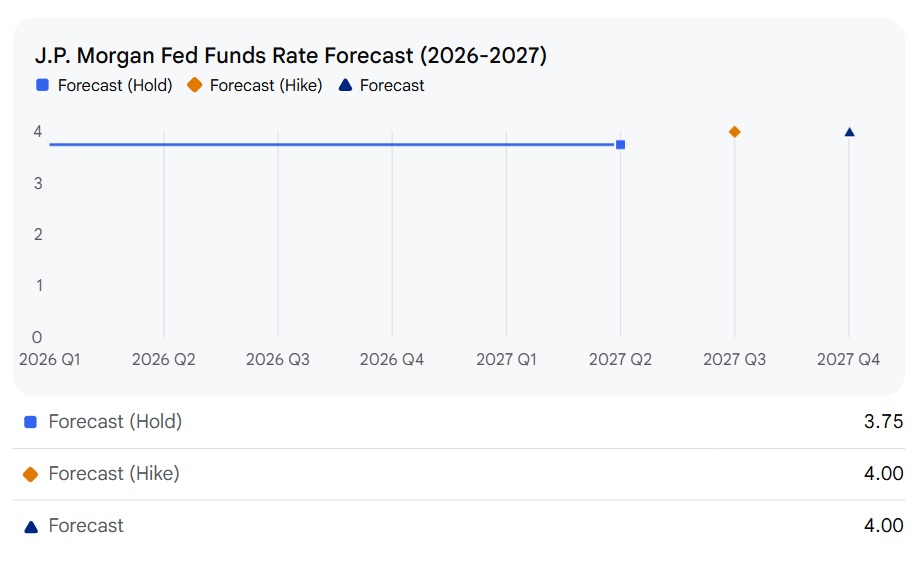
Filed Under: Financing, Mortgage Tagged With: Interest Rate, mortgage, Mortgage Rate Buydowns, mortgage rates

How to Improve Your Credit Score for Mortgage Refinancing and Unlock Better Rates

December 11, 2025 by Marco Santarelli

How to Improve Your Credit Score for Mortgage Refinancing and Unlock Better Rates

Let’s be honest, thinking about your credit score can feel a bit like stepping into a chilly shower – not exactly exciting, but absolutely essential if you want to get comfortable. If you're looking to refinance your mortgage, getting your credit score in tip-top shape isn't just a good idea; it's your golden ticket to unlocking significantly better interest rates and terms. In short, a higher credit score means a lower risk for lenders, which translates directly into more money saved for you over the life of your loan.

When I first started in the world of home loans, I saw firsthand how a few extra points on a credit score could change everything for my clients. It’s not just about getting approved; it's about getting approved with the best possible deal. Imagine saving tens of thousands of dollars over 30 years just by bringing your score up a little. That's the power we're talking about here.

How to Improve Your Credit Score for Mortgage Refinancing and Unlock Better Rates

Why Your Credit Score is the Undisputed Champion in Refinancing

Think of your credit score as your financial report card. Lenders use it to get a quick snapshot of how reliable you are when it comes to handling debt. It’s their primary tool for assessing the risk involved in lending you a large sum of money.

  • Risk Assessment: This score tells a lender if you're likely to pay back your loan on time. A high score signals stability, while a low one might raise a red flag.
  • Tiered Pricing: Mortgage rates aren't one-size-fits-all. Lenders group borrowers into different credit score ranges, and the higher your score, the better the pricing – meaning a lower interest rate. Generally, a score of 740 or above is considered excellent and typically gets you the most competitive rates.
  • Savings Galore: As I’ve seen countless times, the difference between a great credit score and a just-okay one can mean tens of thousands of dollars in savings on interest over a 30-year mortgage. Even a modest jump of 20 or 30 points can noticeably lower your monthly payment.
  • Beyond Just the Rate: A strong credit score doesn't just snag you a lower interest rate. It can also open doors to more favorable loan terms, like potentially needing a smaller down payment or even avoiding Private Mortgage Insurance (PMI).

Understanding Credit Score Tiers: Where Do You Stand?

While every lender has its own specific guidelines, here’s a general idea of what different credit score ranges typically mean for mortgage refinancing:

  • 740–850 (Excellent): This is the prime territory. You'll likely qualify for the absolute best interest rates and loan terms available.
  • 670–739 (Good): You're in a solid spot. You'll generally qualify for good rates, though perhaps not the absolute lowest on the market.
  • 620–669 (Fair): You might qualify for a loan, but expect higher interest rates and fees.
  • Below 620 (Poor): Your options become much more limited. If approved, you'll likely face significantly higher interest rates, and you might need a larger down payment or explore government-backed loan programs like FHA or VA, which often have more lenient score requirements.

Actionable Steps to Boost Your Score for Refinancing

If your credit score isn’t quite where you’d like it to be for that refinance, don't despair! Taking proactive steps can make a real difference. Based on my experience, focusing on a few key areas yields the best results.

1. Make Your Payments on Time, Every Time

I cannot stress this enough. Payment history is the single most important factor in your credit score. Even one late payment can ding your score significantly. If you have any recurring bills you’re worried about missing, consider setting up automatic payments. It’s a simple habit that pays huge dividends.

2. Tackle Your Debt Strategically

High debt isn't just a burden on your wallet; it's a drag on your credit score. The goal is to lower your overall debt, especially on revolving credit.

  • Credit Utilization Ratio: This is the amount of credit you're using compared to your total available credit. Aim to keep this below 30% across all your cards, and ideally even lower. Paying down balances aggressively is key here. Don't just shift debt around; pay it down!
  • Focus on High-Interest Debt: Prioritize paying off credit cards with the highest interest rates first. This saves you money and reduces your credit utilization quickly.

3. Scrutinize Your Credit Reports for Errors

Mistakes happen. Credit bureaus (Experian, Equifax, and TransUnion) are massive data repositories, and sometimes, errors slip through. I’ve seen clients’ scores jump just from getting an incorrect negative mark removed.

  • Get Your Free Reports: You're entitled to a free credit report from each of the three major bureaus annually at AnnualCreditReport.com.
  • Review Thoroughly: Check for anything that looks off: accounts you don't recognize, incorrect payment statuses, or erroneous late fees.
  • Dispute Inaccuracies: If you find an error, dispute it immediately with both the credit bureau and the creditor. The process can take time, so start this early.

4. Be Patient with New Credit

Opening new credit accounts before applying for a mortgage refinance can actually temporarily lower your score. Each time you apply for credit, a “hard inquiry” is placed on your report, which can shave off a few points. While these inquiries have less impact over time, it’s best to avoid them in the months leading up to your refinance application if your score is on the borderline.

The Real Impact: How a Better Score Saves You Money

Let's circle back to the savings. Improving your credit score isn't just an abstract goal; it has tangible financial benefits. Securing a lower interest rate on your refinance means two major things:

  1. Lower Monthly Payments: This frees up cash flow for your budget.
  2. Significantly Less Interest Paid Over Time: This is where the big bucks are saved.

Consider this hypothetical scenario for a $300,000, 30-year fixed-rate mortgage refinance:

Credit Score Range Borrower Interest Rate (APR) Monthly Payment (Principal & Interest) Total Interest Paid Over 30 Years Total Savings (vs. Excellent)
760+ (Excellent) Borrower A ~6.14% ~$1,822.42 ~$356,071.20 Base Case
620–639 (Fair) Borrower B ~7.86% ~$2,169.83 ~$481,138.80 ~$125,067.60

Note: These rates are illustrative averages. Your actual rates will depend on many factors, including the lender and your specific financial situation.

Key Takeaways from This Example:

  • Monthly Savings: Borrower A, with the excellent credit, saves around $347 per month compared to Borrower B. That’s real money in your pocket every single month.
  • Long-Term Impact: The compounding effect over 30 years is staggering. Borrower B ends up paying over $125,000 more in interest!
  • The Power of Small Differences: This clearly shows how even a percentage point or two difference in your interest rate, driven by your credit score, can have a monumental impact on your financial well-being.

Beyond Your Score: Other Factors Influencing Refinance Rates

While your credit score is arguably the biggest individual factor you can control for refinancing, it's not the only piece of the puzzle. Lenders also consider broader economic forces and your personal financial profile.

Broader Economic & Market Factors

These set the overall interest rate environment:

  • Inflation: When prices rise quickly, lenders demand higher interest rates to keep their returns valuable.
  • Bond Market & Treasury Yields: Mortgage rates are closely linked to the yields on long-term Treasury bonds. When these yields go up, so do mortgage rates.
  • Economic Growth & Job Data: A booming economy with lots of jobs usually means more demand for loans, pushing rates up. A slowdown can lead to lower rates.
  • Supply and Demand for Mortgage-Backed Securities (MBS): When investors want to buy bundles of mortgages (MBS), rates tend to fall. Low demand pushes them up.
  • Global Events: International instability can sometimes lead investors to U.S. bonds, making them more attractive and potentially lowering mortgage rates.

Personal & Loan-Specific Factors

These determine where you fall within that market rate:

  • Loan-to-Value (LTV) Ratio: This is the loan amount compared to your home’s appraised value. A lower LTV (meaning you have more equity) means less risk for the lender, often leading to a better rate and skipping PMI.
  • Debt-to-Income (DTI) Ratio: This compares your total monthly debt payments to your gross monthly income. A lower DTI (often below 43% for conventional loans) shows you can manage your payments comfortably.
  • Loan Term and Type: Shorter loan terms (like a 15-year mortgage) generally have lower interest rates than longer terms (like a 30-year) because the lender’s money is at risk for less time.
  • Property Type and Occupancy: Lenders usually see investment properties or second homes as riskier than primary residences, so rates might be higher.
  • Discount Points: You can pay an upfront fee at closing, called “discount points,” to permanently lower your interest rate. This is a strategic decision that depends on how long you plan to stay in the home.
  • Lender-Specific Pricing: Every lender has its own costs and strategies. This is why shopping around with multiple lenders is crucial to compare offers and find the best deal for you.

Improving your credit score is a powerful step in your mortgage refinancing journey. It’s an investment in your financial future that can pay off handsomely, both in your monthly budget and in the long run.

“Invest Smart — Build Long-Term Wealth Through Real Estate”

Norada's team can guide you through current market dynamics and help you position your investments wisely—whether you're looking to reduce rates, pull out equity, or expand your portfolio.

Work with us to identify proven, cash-flowing markets and diversify your portfolio while borrowing costs remain favorable.

HOT NEW TURNKEY DEALS JUST LISTED!

Speak with a seasoned Norada investment counselor today (No Obligation):

(800) 611-3060

Get Started Now

Recommended Read:

  • When You Refinance a Mortgage Do the 30 Years Start Over?
  • Should You Refinance as Mortgage Rates Reach Lowest Level in Over a Year?
  • NAR Predicts 6% Mortgage Rates in 2025 Will Boost Housing Market
  • Mortgage Rates Predictions for 2025: Expert Forecast
  • Half of Recent Home Buyers Got Mortgage Rates Below 5%
  • Mortgage Rates Need to Drop by 2% Before Buying Spree Begins
  • Will Mortgage Rates Ever Be 3% Again: Future Outlook
  • Mortgage Rates Predictions for Next 2 Years
  • Mortgage Rate Predictions for Next 5 Years
  • Mortgage Rate Predictions for 2025: Expert Forecast

Filed Under: Financing, Mortgage Tagged With: credit score, mortgage, mortgage rates, Mortgage Refinance Rates

Mortgage Rates Today, Dec 11: 30-Year Refinance Rate Rises by 13 Basis Points

December 11, 2025 by Marco Santarelli

Mortgage Rates Today, Jan 1, 2026: 30-Year Refinance Rate Rises by 48 Basis Points

If you're a homeowner looking to refinance, you'll want to know that mortgage rates today, Dec 11, show the 30-year refinance rate rising by 13 basis points, according to Zillow's latest data. This upward tick means that securing a lower rate on your mortgage just became a little more costly. While the numbers might seem small, these changes can add up to a significant difference in your monthly payments and the total interest you pay over the life of your loan. It’s a reminder that the mortgage market is always moving, and staying informed is key to making smart financial decisions.

Mortgage Rates Today, Dec 11: 30-Year Refinance Rate Rises by 13 Basis Points

National Refinance Rates Push Higher

Let's break down what's happening with the major mortgage types. According to Zillow, the average rate for a 30-year fixed refinance reached 6.74% on Thursday, December 11th. This is up from 6.61% just a short while ago. What's more, this figure is also a 6-basis-point jump compared to last week's average of 6.68%. This upward trend indicates that lenders are adjusting their offerings based on market conditions and investor outlook.

For those of you who hold a mortgage now, you might be thinking about refinancing to take advantage of potentially lower rates. However, this recent rise means that refinancing might not be as immediately beneficial as it seemed even a week ago. The market is sensitive to even small changes, and this increase reflects that.

15‑Year Fixed Refinance Rate Adjusts

It's not just the long-term loans that are seeing changes. The national average for a 15-year fixed refinance also nudged upward, rising 8 basis points to 5.74% from its previous 5.66%. While 15-year mortgages have historically offered lower interest rates and allow you to pay off your home faster, they also come with higher monthly payments.

For homeowners who were eyeing a 15-year refi, this increase means the cost of that faster payoff is going up. It highlights a tough decision: do you lock in a rate that's now a bit higher, or do you wait, hoping rates will drop again? My experience tells me that while instinct might be to wait for the “perfect” rate, often a rate that's even just 0.50% to 0.75% lower than your current one can be a solid reason to refinance. Waiting too long can mean missing out on savings altogether if rates continue their climb.

5‑Year ARM Refinance Rate Sees Sharpest Increase

Adjustable-rate mortgages (ARMs), particularly the 5-year option, have experienced the most significant movement. The average 5-year ARM refinance rate jumped a noticeable 15 basis points, moving from 7.24% to 7.39%.

ARMs typically start with lower rates than fixed mortgages, offering a potential savings upfront. However, the recent surge here suggests that lenders are building in more caution. They're pricing in greater uncertainty about where interest rates might head in the future. This makes fixed-rate loans, despite their own recent increases, look comparatively more stable and predictable for borrowers who value certainty in their housing costs. For me, this is a clear signal that the perceived “safer bet” in the current climate is leaning towards fixed rates.

Recommended Read:

30-Year Fixed Refinance Rate Trends – December 10, 2025

Best Time to Refinance Your Mortgage: Expert Insights

Should You Refinance Your Mortgage Now or Wait Until 2026? 

What This Means for Borrowers Today

So, what’s the bottom line for homeowners considering refinancing?

  • Refinance Costs Are Climbing: As we’ve seen, the cost of refinancing is going up. Your monthly payment might be higher now than it would have been if you had acted at the beginning of December.
  • Fixed vs. ARM Decisions: With ARMs seeing a faster rate increase, fixed-rate mortgages now appear more appealing for those seeking long-term predictability. The initial lure of a lower ARM rate is diminished when its future increases are so uncertain.
  • Timing Remains Crucial: This is where personal strategy comes into play. You need to weigh the current, higher costs against the possibility that rates could go even higher. On the flip side, there's always the hope that future economic adjustments, perhaps from the Fed, could bring rates down in early 2026.
  • Equity Still Offers Opportunities: Even with rising rates, if you have significant equity in your home, a cash-out refinance could still be a smart move. This is especially true if you're looking to consolidate higher-interest debt, like credit cards or personal loans.

Current National Average Refinance Rates (Zillow Data)

Here’s a quick snapshot of where things stand as of December 11, 2025, according to Zillow:

  • 30-year fixed: 6.74%
  • 15-year fixed: 5.74%
  • 5-year ARM: 7.39%

Last updated: Thursday, December 11, 2025

Key Takeaway and Expert Insight

The trend is clear: refinance rates are moving higher across the board, with adjustable-rate mortgages showing the most aggressive climb. While fixed-rate loans are still offering relative stability, it’s a dynamic situation.

The recent move by the Federal Reserve to cut its benchmark rate yesterday, December 10th, was largely anticipated by the market. This is why we didn't see a dramatic drop in mortgage rates following the announcement. In fact, some lenders even saw a slight uptick immediately after. Fixed mortgage rates, being long-term products, are more influenced by the 10-year Treasury yield and expectations about future inflation, not just the Fed's short-term rate.

Despite not dropping further after the Fed's decision, the current rates are near their lowest points for 2025, having come down from over 7% earlier in the year. The general consensus among experts is that rates will likely hover within a relatively narrow range, staying above 6% consistently, for the immediate future.

So, the advice from many financial experts – and myself – is to consider refinancing now if you can secure a rate that offers a tangible improvement over your current one, perhaps a 0.50% to 0.75% reduction. Waiting for a perfect scenario might mean missing out on current savings. The best approach is to compare personalized refinance offers online from different lenders to find the best rate for your unique financial situation. Don't let market fluctuations discourage you; informed action is your best strategy.

“Invest Smart — Build Long-Term Wealth Through Real Estate”

Norada's team can guide you through current market dynamics and help you position your investments wisely—whether you're looking to reduce rates, pull out equity, or expand your portfolio.

Work with us to identify proven, cash-flowing markets and diversify your portfolio while borrowing costs remain favorable.

HOT NEW TURNKEY DEALS JUST LISTED!

Speak with a seasoned Norada investment counselor today (No Obligation):

(800) 611-3060

Get Started Now

Recommended Read:

  • When You Refinance a Mortgage Do the 30 Years Start Over?
  • Should You Refinance as Mortgage Rates Reach Lowest Level in Over a Year?
  • NAR Predicts 6% Mortgage Rates in 2025 Will Boost Housing Market
  • Mortgage Rates Predictions for 2025: Expert Forecast
  • Half of Recent Home Buyers Got Mortgage Rates Below 5%
  • Mortgage Rates Need to Drop by 2% Before Buying Spree Begins
  • Will Mortgage Rates Ever Be 3% Again: Future Outlook
  • Mortgage Rates Predictions for Next 2 Years
  • Mortgage Rate Predictions for Next 5 Years
  • Mortgage Rate Predictions for 2025: Expert Forecast

Filed Under: Financing, Mortgage Tagged With: mortgage, mortgage rates, Mortgage Refinance Rates

  • « Previous Page
  • 1
  • …
  • 69
  • 70
  • 71
  • 72
  • 73
  • …
  • 365
  • Next Page »

Real Estate

  • Birmingham
  • Cape Coral
  • Charlotte
  • Chicago

Quick Links

  • Markets
  • Membership
  • Notes
  • Contact Us

Blog Posts

  • 30-Year Fixed Mortgage Rate Drops by 37 Basis Points Year-Over-Year
    June 4, 2026Marco Santarelli
  • Today’s Mortgage Rates, June 4: 30‑Year Fixed at 6.29%, Adjustable Rates Drop Sharply
    June 4, 2026Marco Santarelli
  • Mortgage Rates Today, June 4, 2026: 30‑Year Refinance Rate Falls by 8 Basis Points
    June 4, 2026Marco Santarelli

Contact

Norada Real Estate Investments 30251 Golden Lantern, Suite E-261 Laguna Niguel, CA 92677

(949) 218-6668
(800) 611-3060
BBB
  • Terms of Use
  • |
  • Privacy Policy
  • |
  • Testimonials
  • |
  • Suggestions?
  • |
  • Home

Copyright 2018 Norada Real Estate Investments

Loading...