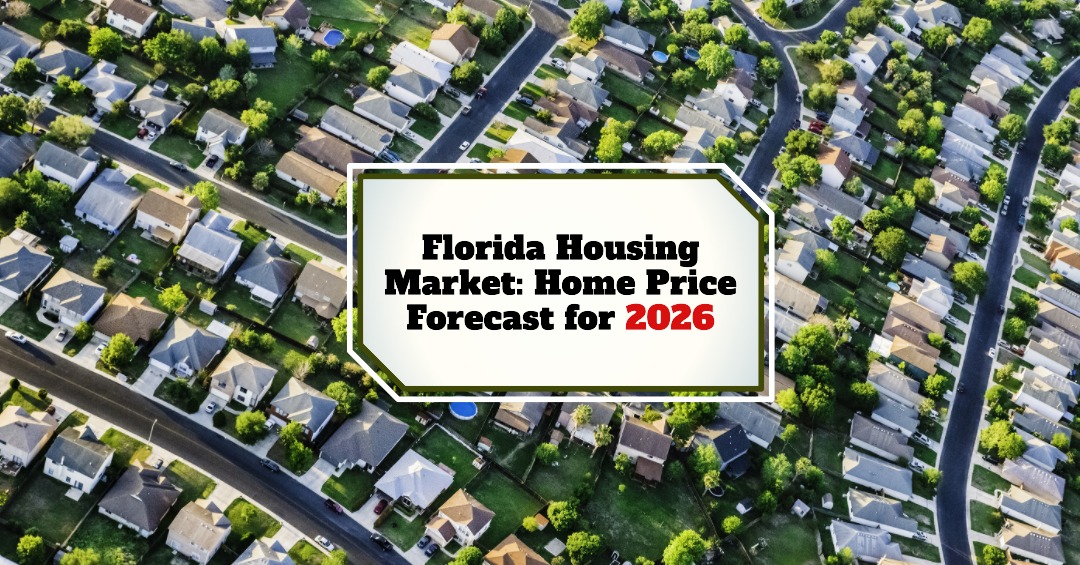
The Florida housing market forecast points to a continued cooling in home prices in 2026, following several years where the Sunshine State's market has taken a different path than the rest of the country. According to the latest projections from Realtor.com®, we can expect a slight average dip in home prices across Florida's eight largest metro areas. While this might sound unnerving, it’s crucial to understand the nuances behind these numbers to make informed decisions.
As someone who has been following Florida's real estate trends closely, I’ve seen firsthand how dynamic and sometimes unpredictable this market can be. While national headlines might paint a broad picture, Florida often has its own unique story. This year, that story involves a shift from the feverish pace of recent years to a more balanced, and in some areas, declining price environment. However, this doesn't mean the dream of homeownership in Florida is out of reach; it simply means a more opportune time might be on the horizon for many buyers.
Florida Housing Market Forecast 2026: Another Year of Price Correction
Understanding the Trends: Why Florida is Different
For a while, Florida seemed to be on a rocket ship, with home prices soaring. But as Realtor.com® senior economist Joel Berner points out, “Florida has had a very different story than the national market over the past several years and a much different outlook.” The primary driver for this divergence seems to be a growing supply of homes hitting the market at a time when demand has softened somewhat.
I've noticed this myself when looking at inventory levels. We've seen a significant amount of new construction, which is fantastic for housing availability, but when combined with shifts in buyer behavior, it naturally leads to a recalibration of prices.
Metro-Level Projections: Where the Biggest Changes Might Happen
The Realtor.com® forecast offers a fascinating look at how different parts of Florida are expected to fare:
- Average Decline: Across the eight largest metro areas, a projected average decrease of 1.9% in median sales prices for existing homes and condos is anticipated for 2026. This is notably lower than the expected national gain of 2.2%.
- Miami: A Lone Star? Interestingly, Miami is the only one of these major markets projected to see a positive gain, with an estimated growth of 1.1%. This suggests a continued strong pull for properties in South Florida, perhaps driven by international buyers or a sustained demand for its lifestyle.
- Gulf Coast Hit Hardest: The Gulf Coast regions are expected to experience the most significant price adjustments. Cape Coral faces a projected decline of 10.2%, followed by North Port at 8.9%, and Tampa at 3.6%. These areas saw substantial price increases previously, and a correction is not entirely unexpected.
- Other Major Cities: Jacksonville (-1.4%), Orlando (-1.6%), and Palm Bay (-1%) are also anticipated to see modest price declines. Lakeland is projected to have a very small decrease of -0.2%.
The Condo Conundrum: A Major Influence on Prices
When I delve into the data, one thing becomes crystal clear: condos are playing a significant role in the overall price trends in Florida. Realtor.com® data shows that the weakness in the condo market is the main reason for the statewide price softness.
- Condo Prices Down Sharply: In the first half of 2025, median listing prices for condos were down a significant 10.8% compared to the same period in 2023. For comparison, single-family home prices saw a smaller decline of 3.6% over the same timeframe.
- Special Assessments and HOA Fees: A major factor impacting condo demand and prices appears to be the rising auxiliary costs of homeownership. Soaring insurance premiums and steep homeowners association (HOA) fees, especially for condos, have become a significant burden. Recent regulatory changes may have also led to an uptick in HOA special assessment fees, which can substantially impact a buyer's monthly expenses and the overall appeal of a condo.
Beyond Price Tags: The Cost of Ownership Matters
It’s not just the sticker price of a home that influences the market. As I mentioned, insurance costs and HOA fees are major concerns for Floridians. I know many homeowners who are feeling the pinch, and this directly affects how much they can afford or are willing to pay for a property.
Governor Ron DeSantis has even pushed for measures like the elimination of property taxes on owner-occupied homes as a potential solution to these rising costs. While such a move could theoretically boost home values, it requires significant political and voter backing, making its immediate impact uncertain.
Factors Shaping Demand and Supply
Several forces are at play in shaping Florida’s housing dynamics:
- New Construction: The state has seen a high rate of new home building. While this increases the supply of homes, it can also lead to increased competition among builders and potentially put downward pressure on prices if demand doesn't keep pace.
- Remote Work Slowdown: The surge in remote work during the pandemic fueled demand in places like Florida's “Sun Belt.” As more companies call employees back to the office, this demand driver may be waning, affecting the market.
- Mortgage Rates: While high interest rates have been a deterrent, any relief on this front could stimulate demand by making it easier for renters to transition into homeownership. This could especially help first-time homebuyers.
- Builder Response: In response to price cues and market conditions, builders are likely to slow down new construction. This proactive measure can help prevent a severe imbalance between supply and demand in the future.
Affordability: A Mixed Picture
Despite recent price dips, the overall affordability of single-family homes in Florida remains a concern.
- Single-Family Homes: Even with price declines, the typical single-family home in Florida is listed at about six times the state's median household income for 2025. This is higher than the pre-pandemic average ratio of 5.6 times.
- Condos: On the other hand, condos have become relatively more affordable. The ratio of condo listing prices to median income is projected to fall to about 4.4 in 2025, down from a pre-pandemic average of 4.6. This suggests that, based purely on listing price, condos are now a more attractive option than before COVID-19.
However, and this is a big caveat I always emphasize, the increased costs of insurance and HOA fees can significantly offset these affordability gains for condos. For buyers, it's crucial to look beyond the asking price and understand the total cost of ownership.
What This Means for You
For potential buyers, this Florida housing market forecast suggests a potential shift in power from sellers to buyers. In areas expecting price declines, there might be more room for negotiation. It could present a more opportune moment to enter the market, especially if you're looking for a single-family home and can absorb the associated ownership costs. For condo buyers, careful due diligence on insurance and HOA fee trends is paramount.
For sellers, the advice is to be realistic about pricing, especially in markets projected for declines. Understanding the local conditions and the specific type of property you're selling is key.
The Florida market is perpetually fascinating. While the forecast indicates a cooling period, it’s not a universal downturn. Miami's resilience and the ongoing affordability improvements in the condo market (when considering listing price alone) show the complexity. As always, staying informed with reliable data from sources like Realtor.com® and consulting with local real estate professionals is the best approach to navigating these evolving trends.
Florida’s Market Is Shifting—Investors Are Staying Ahead
From Cape Coral to Jacksonville, Florida’s housing market is evolving—but turnkey investors are locking in cash-flowing properties while prices and rents remain favorable.
Norada Real Estate helps you navigate Florida’s changing landscape with fully managed rental properties in high-demand cities—so you can build passive income and long-term equity with confidence.
🔥 NEW FLORIDA LISTINGS JUST ADDED! 🔥
Talk to a Norada investment counselor today (No Obligation):
(800) 611-3060
Want to Know More About the Florida Housing Market?
Explore these related articles for even more insights:
- Multiple Florida Housing Markets Are on the Brink of a Crash in 2026
- Florida Condos Hit Hardest Since the Great Recession as Prices Tumble
- Florida Leads Among the Fastest Cooling Housing Markets of 2025
- Florida Housing Market Predictions Over the Next One Year
- Florida Housing Market Trends: 4 Cities Turn Buyer-Friendly in 2025
- Florida Housing Market Sees a Major Shift With a Jump in Pending Sales
- Florida Housing Prices Drop for the Fifth Consecutive Month in 2025
- Is the Florida Housing Market on the Edge of a Crash or Downturn?
- 24 Florida Housing Markets Could See Home Prices Drop by Early 2026
- Tax Relief Proposed as Florida Housing Market Faces Deepening Crisis
- Florida Housing Market: Record Supply Expected to Favor Buyers in 2025
- Florida Housing Market Forecast for Next 2 Years: 2025-2026
- Florida Housing Market: Predictions for Next 5 Years (2025-2030)