The housing market bounces back, with home sales ticking up in July 2025, offering a much-needed breath of fresh air for buyers and sellers alike. This positive trend, detailed in the National Association of REALTORS® (NAR) Existing-Home Sales Report, indicates a market that’s slowly but surely finding its footing. After a period of adjustment, it seems the market is signaling a return to more favorable conditions.
As a long-time observer of the real estate world, I’ve seen my share of market shifts, and this July report feels significant. It’s not a runaway boom, but a steady, encouraging climb. For those of you who’ve been waiting on the sidelines, feeling a bit discouraged by past conditions, this data offers a reason to pay attention. It suggests that the hesitations of the recent past are beginning to recede, and more people are feeling confident enough to make that big move.
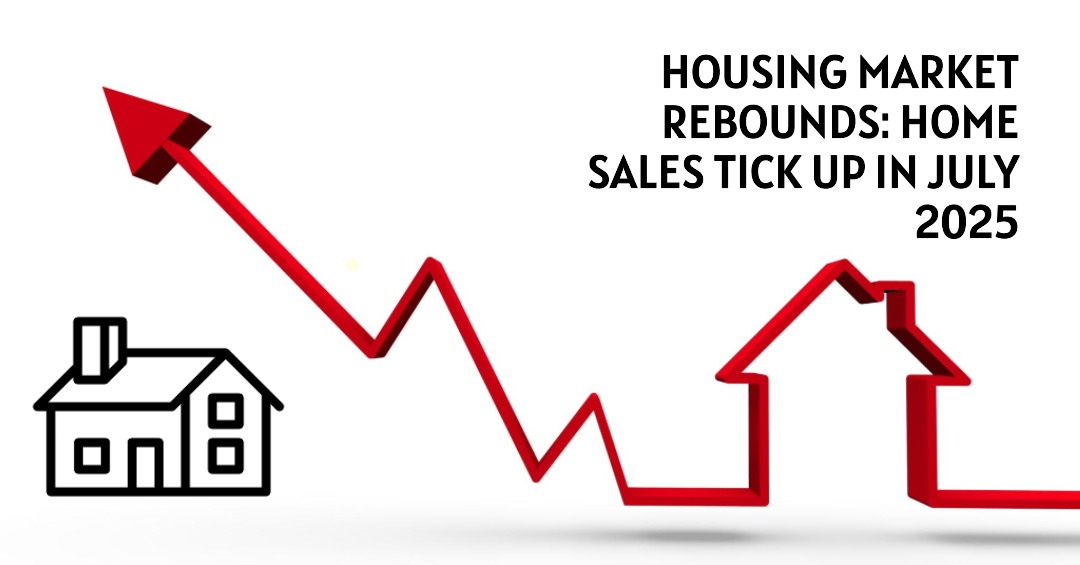
Housing Market Bounces Back: Home Sales Tick Up in July 2025
What the Numbers Tell Us: A Closer Look at July 2025
The NAR report paints a picture of modest but meaningful growth. Let’s break down what those figures really mean for the average person trying to navigate the housing market.
- A 2.0% Increase in Sales: This month-over-month jump to a seasonally adjusted annual rate of 4.01 million existing-home sales is a solid indicator of renewed activity. It means more homes are changing hands, which generally leads to a more dynamic market.
- Inventory Grows, Giving Buyers More Choices: We saw a 0.6% increase in unsold inventory, reaching 1.55 million units. This translates to a 4.6-month supply. For buyers, this is fantastic news. More homes on the market means less frantic competition and a better chance of finding the perfect place without feeling rushed. Think of it like walking into a store with a wider selection – you're more likely to find what you're looking for.
- Prices Stabilize with Modest Growth: The median existing-home price saw a 0.2% increase year-over-year to $422,400. This is important. While we’re not seeing massive price jumps that scare buyers away, we’re also not seeing prices plummet. This stability is a healthy sign, especially when you consider it alongside wage growth.
Why This Uptick Matters: Beyond the Statistics
It’s easy to get lost in the numbers, but what’s really driving this change? I believe it’s a confluence of factors, most notably the subtle improvements in housing affordability.
According to NAR Chief Economist Lawrence Yun, “Wage growth is now comfortably outpacing home price growth, and buyers have more choices.” This is the crucial piece of the puzzle. When your paycheck stretches a little further relative to home prices, and you have a better selection of homes to choose from, the entire process becomes less daunting. It’s about regaining that sense of possibility.
Yun also highlighted something I find particularly reassuring: “Homebuyers are in the best position in more than five years to find the right home and negotiate for a better price.” This shift in buyer leverage is a significant development. It means that the frantic bidding wars and waived contingencies that characterized some recent periods are becoming less common. Buyers can take a breath, do their due diligence, and make more informed decisions.
Regional Variations: A Mixed Bag, But Mostly Bright
It’s always important to remember that the national picture is made up of many local stories. Here’s a quick look at how different regions performed:
| Region | Month-over-Month Sales Change | Year-over-Year Sales Change | Median Price Change (YoY) |
|---|---|---|---|
| Northeast | +8.7% | +2.0% | +0.8% |
| Midwest | -1.1% | +1.1% | +3.9% |
| South | +2.2% | +2.2% | -0.6% |
| West | +1.4% | -4.0% | -1.4% |
As you can see, not every region experienced the same level of growth. The South and Northeast saw solid gains, both month-over-month and year-over-year. The Midwest also showed year-over-year improvement despite a slight dip month-over-month. The West experienced a year-over-year decline in sales, though it did see an increase month-over-month.
I’m particularly interested in the South. Yun mentioned that “Condominium sales increased in the South region, where prices had been falling for the past year.” This suggests that some markets are correcting themselves, creating opportunities. Meanwhile, the West’s slight dip might be due to higher price points in some areas making affordability a bigger hurdle.
Key Trends Shaping the Market
Beyond the headline sales figures, several other trends are worth noting:
- Time on Market: Homes are staying on the market a bit longer, averaging 28 days. This is up from 27 days last month and 24 days in July 2024. This isn’t necessarily a bad thing; it allows for more thorough inspections and smoother transactions.
- First-Time Homebuyers: The percentage of sales to first-time homebuyers dipped slightly to 28%. While this number is down from previous months, it's still a significant portion of the market. The goal is to see this number climb as affordability improves further.
- Cash Sales and Investors: We’re seeing an increase in cash sales (31%) and transactions by individual investors or second-home buyers (20%). This often indicates confidence in the market, but it also means more competition for traditional buyers who rely on mortgages.
- Distressed Sales Remain Low: A crucial positive is the continued low rate of distressed sales (foreclosures and short sales) at just 2%. This is a testament to the overall financial health of homeowners and a stark contrast to markets in distress. The fact that only 2% of sales were foreclosures or short sales is a sign of a remarkably healthy market.
What This Means for You
If you're a buyer, this July report is encouraging. The increased inventory and stabilizing prices mean you have a better chance of finding a home that fits your needs and budget. The longer time on market also gives you more room to negotiate.
For sellers, while bidding wars might be less common, a well-priced and well-presented home will still attract serious buyers. The overall increase in sales suggests demand is present.
Looking Ahead
The housing market bounces back with these July numbers, offering a hopeful glimpse into the future. While challenges remain, particularly for those in pricier markets, the underlying trends – wage growth outpacing home prices and increasing inventory – are strong positives. It’s a market that’s maturing, becoming more balanced, and, dare I say, more accessible for many. I’ll be watching closely to see if this momentum continues into the fall.
Invest in Real Estate in the Top U.S. Markets
Discover high-quality, ready-to-rent properties designed to deliver consistent returns.
Contact Norada today to expand your real estate portfolio with confidence.
Contact our investment counselors (No Obligation):
(800) 611-3060
Also Read:
- Housing Market Shift 2025: Pandemic Boomtowns Lead in Price Drops
- Housing Market Predictions 2025 by Norada Real Estate
- Housing Market Predictions 2025 by Warren Buffett's Berkshire Hathaway
- Will the Housing Market Crash in 2025: What Experts Predict?
- Housing Market Predictions 2026: Will it Crash or Boom?
- Housing Market Predictions for the Next 4 Years: 2025 to 2029
- 12 Housing Markets Set for Double-Digit Price Decline by Early 2026
- Real Estate Forecast: Will Home Prices Bottom Out in 2025?
- Real Estate Forecast Next 5 Years: Top 5 Predictions for Future
- 5 Hottest Real Estate Markets for Buyers & Investors in 2025
- Will Real Estate Rebound in 2025: Top Predictions by Experts
- Will the Housing Market Crash Due to Looming Recession in 2025?
- 4 States Facing the Major Housing Market Crash or Correction
- New Tariffs Could Trigger Housing Market Slowdown in 2025
- Real Estate Forecast Next 10 Years: Will Prices Skyrocket?