Many homeowners and hopeful buyers are wondering if 2026 will be the year home prices, which have felt stubbornly high for some time, finally hit their lowest point and start to rebound. Based on the insights from leading housing economists, the answer is a definitive yes, we can expect home prices to moderate and for the market to find a healthier balance in 2026, rather than a dramatic “bottoming out” followed by a crash. While dramatic price drops are not anticipated, a period of minimal price growth, coupled with improved affordability, signals a turning point.
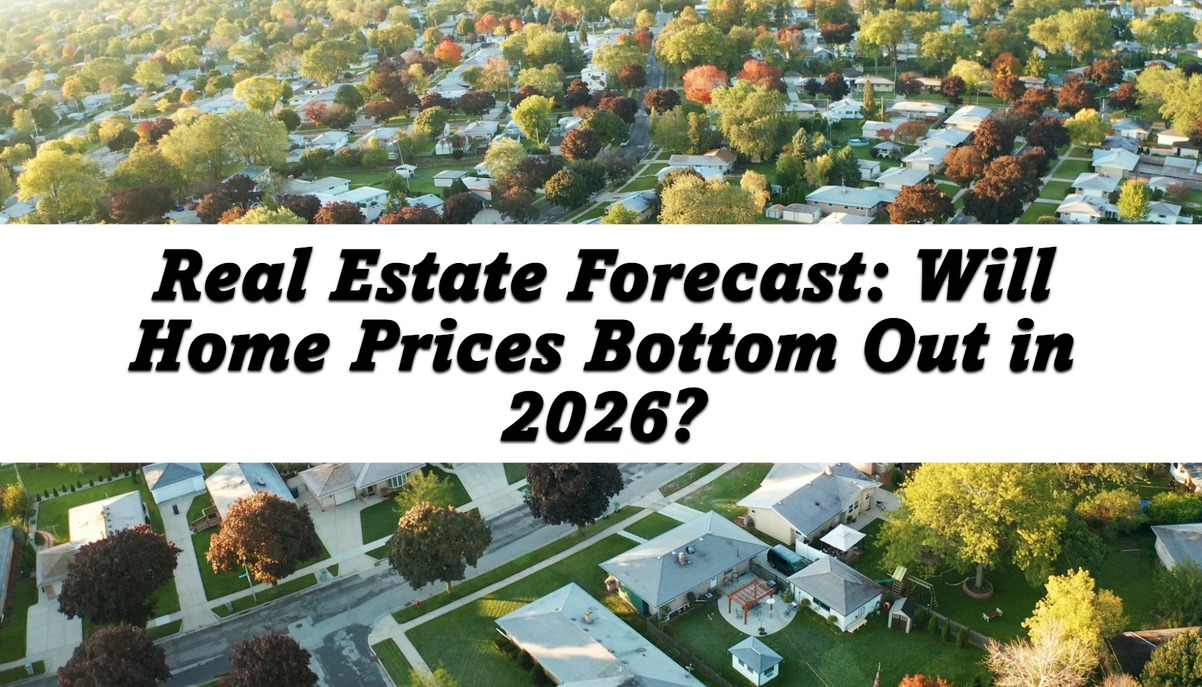
Real Estate Forecast: Will Home Prices Bottom Out in 2026?
It feels like just yesterday that the housing market was a frantic race. Bidding wars were the norm, and making an offer felt like stepping into a battlefield. Many of us watched from the sidelines, hoping for a chance to finally own a piece of the dream. Now, as we look ahead to 2026, a sense of cautious optimism is starting to bloom.
The experts are suggesting that the market is not only showing signs of catching its breath but is also preparing for a gentle ascent. This isn't about a sudden freefall of prices; it's more about a recalibration, creating a more sensible environment for both buyers and sellers. From my perspective, having navigated the real estate world for a while, this shift is more about sustainable growth than a jarring peak and valley.
A Reawakening in Home Sales
Lawrence Yun, NAR Chief Economist, offers a hopeful outlook for home sales in 2026. He anticipates an increase of about 14% nationwide. This boost is largely attributed to improving conditions: more homes becoming available for sale and the “lock-in effect” gradually fading. You know, that phenomenon where homeowners with super-low mortgage rates from years past are hesitant to sell because their new mortgage would be much higher? That’s starting to ease as life events prompt people to move.
Key Takeaways for Home Sales in 2026:
- Increased Inventory: More homes on the market mean more choices for buyers and less pressure to make rushed decisions.
- Lower Mortgage Rates: As rates become more favorable, more buyers will qualify for mortgages, unlocking demand.
- “Lock-in Effect” Easing: Life changes will encourage more people to list their homes, adding to available inventory.
Home Prices: Moderation, Not Meltdown
One of the biggest questions on everyone's mind is: will home prices crash? The consensus among economists is a resounding no. Instead, expect home price growth to be minimal, around 2% to 3%. Why is this good news? Because it's projected to be in line with overall consumer price inflation, and importantly, wage growth is expected to outpace it.
What does this mean for you? It means your income will likely grow faster than the cost of living and home prices. This translates to increased purchasing power, a truly “welcoming development” for people trying to achieve homeownership. As Yun puts it, “Home prices are in no danger of any major decline, and even a 3% gain will bring smiles to many homeowners.” From my experience, this kind of steady, modest appreciation is far healthier for the market in the long run than rapid, unsustainable spikes.
Less Pressure on Buyers, More Choices
Remember those days of 20% above asking price offers and waived contingencies? That intense pressure cooker environment is subsiding. Inventory levels, according to Yun, are already about 20% higher than a year ago. While we're not quite back to the “normal” levels seen before the pandemic, the situation is far less dire.
This inventory increase means buyers have more choices and less prevalence of multiple offers. You won't have to rush into a decision like you might have in recent years. This is a significant shift; it means buyers can take their time, conduct thorough inspections, and negotiate more effectively. For me, seeing the market move towards this balance is incredibly encouraging for first-time buyers who have been priced out or overwhelmed.
The American Dream is Still Within Reach
Despite the frustrations of the past few years, the fundamental desire for homeownership remains strong. Many renters are still expressing their wish to become homeowners when conditions are right. With more inventory choices and the prospect of falling mortgage rates in 2026, achieving that American dream will become much more attainable. It’s about creating an environment where aspiring homeowners can realistically plan and execute their purchase.
Supply-Side Signals: Building for the Future
The construction industry is also showing signs of improvement, which is crucial for long-term affordability. Robert Dietz, chief economist at the National Association of Home Builders, highlights that the easing of the Federal Reserve's stance is a significant factor. While the Fed doesn't directly set mortgage rates, lowering the Fed Funds Rate influences the cost of construction and development loans for builders. This is good news for inventory and, consequently, for home buyers and renters.
New Homes vs. Resale Homes: An Unexpected Dynamic
One interesting trend Dietz points out is that the median resale home price is currently more expensive than the median price of a newly built home. This is a rare occurrence that has happened only a few times in recent decades. The combination of builder incentives, like price cuts, and the geographic distribution of new construction has created this peculiar situation. This can offer some interesting opportunities for buyers looking for value.
The Persistent Housing Deficit
Despite inventory improvements, Dietz warns that a structural housing deficit remains a major headwind. The sheer number of homes available is still not enough to meet the needs of the growing population. This deficit is a primary driver of affordability challenges. The only way to truly solve this, he argues, is to build our way out of it. This means increasing the construction of single-family homes, multi-family units, and homes for both sale and rent.
Barriers to Building:
- Zoning and Land-Use Policies: Often, restrictive zoning laws limit the density needed to build more affordable housing options like townhomes. Updating these policies is essential for increasing supply.
Geographic Shifts in the Housing Market
Keep an eye on geography in 2026. While some previously hot markets like Texas and Florida are seeing a slowdown due to factors like limited overbuilding and sustained mortgage rates, pockets of strength are emerging in the Midwest. Cities like Columbus, Ohio; Indianapolis; and Kansas City, which have historically been more affordable and are near major universities, are showing outsized growth. This suggests a potential rebalancing of market demand.
Housing Affordability Sees a Bright Spot
Danielle Hale, chief economist at realtor.com®, is particularly excited about the improvement in housing affordability expected in 2026. This is a critical factor for driving home sales, helping to move away from the recent “4 million home sales floor.”
What's Driving Affordability Improvements:
- Lower Mortgage Rates: Expected decreases in mortgage rates will help offset modest home price growth.
- Growing Incomes: The anticipation is that incomes will grow faster than inflation and home prices.
- Monthly Payments Declining: For the first time since 2020, we might see a decline in monthly mortgage payments.
In essence, while sticker prices might not drop dramatically, the real cost of homeownership, relative to income, is expected to decrease. This means homes will genuinely become more affordable.
Pricing Sensitivity and Market Balance
Hale notes a subtle but important shift: an increase in the share of sellers pulling their homes off the market. While this is still a small percentage (around 6%), it signifies a more balanced market. Unlike the seller's market of the pandemic, where sellers had almost all the leverage, now buyers have a bit more leeway, and sellers need to be more flexible. This balance is a significant departure from the frenzied market of a few years ago. The market is the most balanced it's been in almost a decade.
Demographic Trends Reshaping the Market
Jessica Lautz, NAR deputy chief economist, points to evolving demographics that are influencing who is buying homes. We're seeing a growing share of single female buyers, which reflects changing societal trends like lower marriage and birth rates. This means the profile of the typical homebuyer is shifting.
Key Demographic Shifts:
- First-Time Buyers: With improving affordability and more inventory, first-time buyers have a better opportunity to enter the market. Their participation is essential for healthy market growth, as homeownership is a powerful tool for wealth building.
- Baby Boomers: This generation continues to be a dominant force, leveraging their housing wealth to move closer to family or to preferred retirement locations. They are not making many concessions and have the funds to make informed choices.
- Smaller Households: The trend towards smaller household sizes and a focus on shorter homes is likely to continue, influenced by the increasing presence of retirees and a decline in buyers with young children.
- All-Cash Buyers: While more buyers are using mortgages, all-cash buyers remain a significant segment due to the substantial wealth within the housing market.
All Eyes on Mortgage Rates
Nadia Evangelou, NAR senior economist, emphasizes the profound impact of mortgage rates. We've moved from historically low rates of around 3% in 2021 to above 7% in recent years, significantly increasing monthly payments. However, a shift from 7% down to 6% could have a dramatic effect.
The Power of Lower Rates:
A one percentage-point drop in mortgage rates is estimated to expand the pool of eligible buyers by about 5.5 million households, including roughly 1.6 million renters. If even a portion of these households purchase a home, it could lead to about 500,000 additional home sales in 2026.
The Need for More Inventory:
While lower rates are a major catalyst, they aren't the sole solution. Inventory must keep pace with the incoming demand. Although inventory is rising, more homes will be needed to meet the increased pool of potential buyers.
Middle-Income Buyers Still Face Hurdles
Even with improvements in affordability, middle-income buyers still have a challenging road ahead. They can currently afford only about 21% of the homes for sale, a stark contrast to the roughly 50% they could afford before the pandemic. This highlights the ongoing need for targeted approaches and the development of homes that align with the incomes of this crucial segment of the market.
In conclusion, while there isn't a single “bottom” point to pinpoint for 2026, the consensus among economists is that the housing market is moving towards a more balanced and affordable state. Expect modest price appreciation, healthier inventory levels, and a more favorable environment for both buyers and sellers.
Want stronger returns? Invest where the housing market’s growing. In 2026, select U.S. cities are projected to see surging demand, rising rents, and appreciation—creating prime opportunities for investors seeking passive income and long‑term wealth.
Work with Norada Real Estate to find stable, cash-flowing markets beyond the bubble zones—so you can build wealth without the risks of ultra-competitive areas.
Also Read:
- Housing Markets With the Biggest Decline in Home Prices Since 2024
- Why Real Estate Can Thrive During Tariffs Led Economic Uncertainty
- Rise of AI-Powered Hyperlocal Real Estate Marketing in 2025
- Real Estate Forecast Next 5 Years: Top 5 Predictions for Future
- 5 Hottest Real Estate Markets for Buyers & Investors in 2025
- Will Real Estate Rebound in 2025: Top Predictions by Experts
- Recession in Real Estate: Smart Ways to Profit in a Down Market
- Will There Be a Real Estate Recession in 2025: A Forecast
- Will the Housing Market Crash Due to Looming Recession in 2025?
- 4 States Facing the Major Housing Market Crash or Correction
- New Tariffs Could Trigger Housing Market Slowdown in 2025
- Real Estate Forecast Next 10 Years: Will Prices Skyrocket?