Norada Real Estate Investments

  • Home
  • Markets
  • Properties
  • Membership
  • Podcast
  • Learn
  • About
  • Contact

Bay Area Housing Market: What Can You Buy for Half a Million?

September 3, 2024 by Marco Santarelli

Bay Area Housing Market: What Can You Buy for Half a Million?

In the Bay Area housing market, the challenge of finding a suitable home for $500,000 can feel like navigating a labyrinth of uncertainty. With prices skyrocketing and demand outpacing supply, prospective homeowners often find themselves grappling with the question: What kind of home can you buy with $500,000 in this competitive market?

Bay Area Housing Market: What Can You Buy for Half a Million?

Key Takeaways

  • Limited Inventory: Homes under $500,000 are scarce in the Bay Area, particularly in desirable neighborhoods.
  • Focus on Smaller Homes or Condos: Most properties available at this price point lean towards smaller homes, condos, or fixer-uppers.
  • Emerging Areas: Suburban locations like Vallejo, Benicia, and certain parts of San Jose offer more affordable options.
  • Price Trends: The Bay Area saw a 6% increase in home prices over the past year, indicating ongoing demand even in the lower price brackets.
  • Interest Rates: Current mortgage rates are significantly impacting buying power and affordability.

Navigating the Bay Area Housing Market

The Bay Area is infamous for its high cost of living and equally high housing prices. As of September 2024, the median home price hovers around $1.4 million, making the quest for affordable housing a daunting one. According to a report from Silicon Valley News, the prices have surged 6% from the previous year, illustrating how buyers continue to battle increasing costs.

For those looking to purchase a home with a $500,000 budget, the options are often limited. In cities with a high cost of living, such as San Francisco or San Jose, homes within this price range typically present smaller footprints or require significant renovations. Thus, buyers frequently shift their attention to more affordable suburban areas such as Vallejo or Benicia, where listings closer to the $500,000 mark are more common.

What about the Homes?

So, what kind of property can buyers realistically expect for $500,000 in the Bay Area?

  1. Smaller Single-family Homes:
    • In Vallejo, you may find a 1,100-square-foot single-family home, featuring two to three bedrooms, which reflects the average offering for this budget. While these homes typically come with basic amenities, the key is to look for properties that are well-maintained.
    • Listings in Benicia often show homes with similarly modest interiors but potentially offer access to better school systems and community facilities.
  2. Condos and Townhouses:
    • Condominiums provide another viable option. In suburban areas such as San Jose or Fremont, buyers might uncover two-bedroom condos around 800 to 1,200 square feet. These properties frequently come with HOA fees that can average between $300 to $600 monthly, which is a crucial aspect to factor in when budgeting.
    • A recent article from the New York Times highlighted the scarcity of condos under $500,000, so swift action is often necessary.
  3. Fixer-Uppers:
    • For more adventurous buyers open to renovations, many homes priced at or below $500,000 are in need of considerable repairs. This category includes houses with peeling paint, outdated kitchens, or lacking necessary HVAC systems. Such properties can offer substantial long-term equity if handled correctly.

The Growing Competition

The housing market in the Bay Area has become extremely competitive. A significant factor pushing the prices up is the influx of wealthy bidders who have dominated the market, particularly evident in the luxury segment. While this surge benefits certain sellers, it creates a challenging environment for those at lower price points. To illustrate, homes priced at around $500,000 often attract multiple offers, especially in well-connected neighborhoods.

Additionally, potential buyers should be mindful of interest rate fluctuations. Recent updates show that mortgage rates in California are on the rise, hovering around 7% as of September 2024. Higher rates can greatly affect monthly payments and overall affordability, making it vital for buyers to pre-qualify for mortgages to ascertain their true budget.

Emerging Neighborhoods to Explore

As the Bay Area continues to absorb newcomers, the spotlight shines on previously overlooked neighborhoods that are becoming increasingly attractive.

  • Vallejo: Located approximately 30 miles northeast of San Francisco, Vallejo offers a surprisingly affordable housing market compared to its neighbors. With its waterfront views and reasonable commute times to major job centers, it has garnered interest from first-time buyers.
  • Benicia: This quaint Bay Area town is particularly appealing for families. With a small-town feel, historical charm, and close-knit community, it provides more spacious homes for families looking to grow.
  • San Jose: Within the sprawling expanse of Silicon Valley, certain neighborhoods in San Jose still offer homes at the $500,000 mark, particularly in the East Side. Known for a diverse culture and excellent schools, these areas often yield good long-term investment potential.

Why Are Homes So Expensive in the Bay Area?

The high cost of homes in the Bay Area can be attributed to a combination of various factors that create a challenging housing market. Here are some of the primary reasons driving home prices up in the Bay Area:

  1. Strong Job Market: The Bay Area is home to Silicon Valley, a global hub for technology and innovation. Major tech companies like Google, Apple, Facebook, and many startups attract a highly skilled workforce, contributing to a robust job market. The influx of high-paying jobs leads to increased demand for housing, driving prices upward.
  2. Limited Housing Supply: The supply of housing in the Bay Area has not kept pace with demand due to several constraints:
    • Zoning Regulations: Stringent zoning laws and land-use policies limit the number of new residential developments.
    • Geographical Constraints: The Bay Area's geographical layout, surrounded by water and hills, restricts land availability for new construction.
    • Long Approval Processes: The time-consuming process of obtaining permits and approvals for new housing projects can delay new developments, exacerbating the housing shortage.
  3. High Cost of Construction: Building new homes in the Bay Area is significantly more expensive compared to other regions due to:
    • Labor Costs: Skilled labor is in high demand, leading to higher wages for construction workers.
    • Materials Costs: The cost of building materials has risen, further increasing the price of new homes.
    • Regulatory Compliance: Compliance with local regulations and environmental standards adds to construction expenses.
  4. Population Growth: The Bay Area has experienced consistent population growth, with people moving in for job opportunities and lifestyle benefits. This increasing population puts additional pressure on the housing market, elevating demand and contributing to rising prices.
  5. Investment and Speculation: The Bay Area real estate market attracts investors from around the world looking for profitable opportunities. Speculation on future price increases can lead to bidding wars and inflated home prices, making it difficult for first-time buyers to enter the market.
  6. Low Interest Rates: Historically low mortgage interest rates have made borrowing cheaper, allowing buyers to afford more expensive homes. This increased buying power has fueled competition in the market and contributed to price hikes.
  7. Desirability of Location: The Bay Area is known for its scenic beauty, diverse culture, and abundance of amenities. Its desirable lifestyle, combined with excellent schools and strong community infrastructure, makes it a sought-after place to live. This desirability leads to an inclination for residents to pay premium prices for homes.
  8. Income Inequality: Income inequality in the Bay Area means that a significant portion of the population can afford to pay a premium for housing. Higher income brackets are willing to compete for homes, driving up prices and pushing out lower-income families and first-time buyers.

Conclusion: Understanding Your Options

For those navigating the Bay Area housing market with a budget of $500,000, flexibility is essential. Whether you opt for a smaller single-family home, a condo, or a fixer-upper, understanding market dynamics, exploring new neighborhoods, and securing financing are all integral components of the home-buying journey. The pursuit of affordability in one of the nation's priciest regions may come with concessions, but plenty of potential remains for savvy buyers ready to explore.


ALSO READ:

  • Bay Area Home Prices Skyrocket: Wealthy Buyers Fuel Market
  • Bay Area Housing Market: Prices, Trends, Forecast 2024
  • Bay Area Housing Market Booming! Median Prices Hit Record Highs
  • Most Expensive Housing Markets in California
  • SF Bay Area Housing Market Records 19% Sales Growth in July 2024
  • Bay Area Housing Market Heats Up: Home Prices Soar 11.9%

Filed Under: Housing Market, Real Estate Market Tagged With: Bay Area, california, Housing Market

SF Bay Area Housing Market Records 19% Sales Growth in July 2024

August 20, 2024 by Marco Santarelli

SF Bay Area Housing Market Records 19% Sales Growth in July 2024

As we dive into the San Francisco Bay Area housing market, July 2024 brought noteworthy shifts in home sales and pricing. The Bay Area, known for its vibrant tech culture and stunning landscapes, continues to showcase a dynamic real estate environment to which buyers and investors must pay attention. The latest data from the California Association of Realtors (C.A.R.) indicates that the area is experiencing a resurgence in home sales, despite fluctuating prices.

San Francisco Bay Area Housing Market – July Data

Key Takeaways:

  • Median Home Price: The median price for single-family homes in the Bay Area is $1,300,000, reflecting a 7.1% decrease from June.
  • Sales Growth: Home sales surged 19.2% compared to July 2023, marking a robust recovery.
  • Regional Insights: Alameda County led with a 24.9% increase in sales year-over-year.
  • Market Trends: The statewide median home price was $886,560, down 1.6% month-over-month, yet up 6.5% from the previous year.
  • Annual Comparisons: Four of the five major regions in California observed increased sales compared to last year, except for the Far North region which fell by 0.5%.

Current Market Overview

July's data illustrates a mixed picture for the real estate market in the San Francisco Bay Area. Despite a drop in median home prices, the volume of sales significantly increased. The median sold price of existing single-family homes in the Bay Area stood at $1,300,000, down from $1,400,000 in June but still 3.6% higher than the previous year’s value of $1,255,000.

Comparative Highlights

Region/County July 2024 Median Price June 2024 Median Price July 2023 Median Price MTM Change (%) YTY Change (%) Sales YTY Change (%)
San Francisco Bay Area $1,300,000 $1,400,000 $1,255,000 -7.1 3.6 19.2
Alameda $1,280,000 $1,369,210 $1,260,000 -6.5 1.6 24.9
Contra Costa $916,500 $903,000 $900,000 1.5 1.8 3.6
Marin $1,594,000 $1,800,000 $1,609,500 -11.4 -1.0 16.0
Napa $1,052,500 $952,500 $927,500 10.5 13.5 -4.1
San Francisco $1,600,000 $1,650,000 $1,460,000 -3.0 9.6 34.8
San Mateo $2,100,000 $2,110,000 $1,984,000 -0.5 5.8 18.2
Santa Clara $1,880,000 $1,955,000 $1,800,000 -3.8 4.4 30.5
Solano $586,400 $601,250 $600,560 -2.5 -2.4 15.2
Sonoma $850,000 $835,000 $850,960 1.8 -0.1 24.5

Regional Insights

In July, home sales across the San Francisco Bay Area surged, showing resilience against a backdrop of high mortgage rates. Notably:

  • Alameda County showcased exceptional growth, with sales increasing by 24.9% compared to last year, driven by affordable housing options relative to other parts of the Bay Area.
  • San Mateo County, while experiencing a slight decrease in price, recorded a healthy sales growth of 18.2%, attracting buyers despite high costs.
  • Santa Clara also proved strong, with a growth in sales by 30.5%, despite the slight decline in median price.

The data indicates a market that is adapting and responding to economic conditions, with homebuyers actively participating even as they face high-interest rates.

Future Projections

Looking ahead, analysts are keenly observing how the interplay of mortgage rates and housing supply will shape the market dynamics. For potential buyers in the Bay Area, moving quickly may be wise as inventory remains tight, despite the recent uptick in activity.

Summary

July 2024 marks a critical month in the San Francisco Bay Area housing market, demonstrating that even amid challenges, opportunities exist for buyers and investors alike. With rising sales figures and a slight dip in prices, the region continues to attract both local and national attention. It's crucial for prospective homeowners and investors to stay informed of these trends to make educated decisions.

For further insights, visit California Association of Realtors for detailed reports and updates.


ALSO READ:

Bay Area Home Prices Skyrocket: Wealthy Buyers Fuel Market

Bay Area Housing Market: Prices, Trends, Forecast 2024

Bay Area Housing Market Heats Up: Home Prices Soar 11.9%

Bay Area Housing Market Booming! Median Prices Hit Record Highs

Most Expensive Housing Markets in California

Filed Under: Housing Market, Real Estate Market Tagged With: Bay Area, california, Housing Market

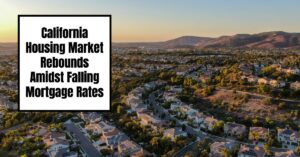
California Housing Market Rebounds Amidst Falling Mortgage Rates

August 20, 2024 by Marco Santarelli

California Housing Market Rebounds Amidst Falling Mortgage Rates

The California housing market experienced a rebound in July, with home sales reaching a five-month high. This surge in activity was largely driven by a decline in mortgage rates, which fell to their lowest point since spring. The CALIFORNIA ASSOCIATION OF REALTORS® (C.A.R.) reported that existing single-family home sales totaled 279,810 on a seasonally adjusted annualized rate in July, representing a 3.6% increase from June and a 4.1% increase from July 2023.

Key Takeaways:

  • California housing sales rebounded in July, fueled by declining mortgage rates.
  • The statewide median home price dipped slightly, but remained elevated year-over-year.
  • Inventory levels continued to improve, with both active listings and new listings increasing.
  • The market is expected to remain moderate in the coming months, with continued growth in sales and prices.

Let's delve deeper into the factors shaping the California housing market in July:

California Housing Market in July: A Resurgence Fueled by Lower Mortgage Rates

The Rise of Home Sales

The upswing in sales is a welcome sign after a period of relative stagnation in the market. The seasonally adjusted annualized sales figure signifies the total number of homes that would be sold if the July pace persisted throughout the year, accounting for seasonal variations in sales. This metric rose 3.6% from June and 4.1% from the same period last year. Despite the improvement, sales remained below the 300,000 threshold for the 22nd consecutive month, indicating that the market is still navigating a delicate balance between buyer and seller activity.

The Impact of Lower Mortgage Rates

The key driver of the July surge was the decline in mortgage rates. C.A.R.'s Senior Vice President and Chief Economist, Jordan Levine, attributed this positive development to the “cooling economy” in recent months. With lower borrowing costs, homebuyers who had been sidelined due to higher rates found themselves in a more favorable position to enter the market. The allure of lower monthly payments, combined with the potential for price softening, motivated buyers to take the plunge.

Median Home Prices: A Mixed Bag

While sales picked up, the statewide median home price dipped slightly in July, marking the second consecutive monthly decline after reaching a record high in May. The median price fell from $900,720 in June to $886,560 in July, representing a 1.6% decrease. However, year-over-year, the median price remained elevated, reflecting a 6.5% increase from July 2023. This positive annual trend suggests that while prices may have started to soften, they are likely to continue on an upward trajectory for the remainder of the year, albeit at a more moderate pace.

Regional Variations in the Housing Market

The performance of the housing market varied across different regions of California in July. Here's a breakdown by region:

Sales Performance:

  • San Francisco Bay Area: Experienced the most significant year-over-year sales increase at 19.2%.
  • Southern California: Followed closely with a 11.4% annual increase in sales.
  • Central Valley: Also saw double-digit growth in sales, rising 10.3% from the previous year.
  • Central Coast: Sales grew by a more modest 5.8% from July 2023.
  • Far North: Was the only region to record a decline in sales, dropping by 0.5% year-over-year. This drop was partially attributed to the Park Fire, which began in late July.

Price Performance:

  • Central Coast: Posted the largest year-over-year price increase at 8.0%.
  • Southern California: Came in second with a 6.1% increase in median prices.
  • San Francisco Bay Area: Experienced a 3.6% annual price growth.
  • Far North: Saw a 3.1% increase in median prices.
  • Central Valley: Registered the smallest annual price gain at 2.2%.

Inventory: A Growing Supply of Homes

The statewide unsold inventory index (UII), a measure of the number of months needed to sell the available inventory at the current sales pace, showed mixed results in July. While the index declined from 3.0 months in June to 2.9 months in July, it was higher than the 2.5 months recorded in July 2023. This indicates that while the inventory is growing, it is still not at a level that would drastically shift the balance of power in favor of buyers.

The number of active listings at the state level rose significantly by 39.0% from a year ago, marking the sixth consecutive month of annual gains in available properties. This upward trend is likely to continue, particularly as the lock-in effect of low interest rates gradually dissipates, leading to more homeowners considering putting their properties on the market.

New Listings: Reflecting Market Sentiment

New active listings at the state level increased for the seventh straight month, with the pace of growth accelerating to 19.5% in July. This indicates that sellers are increasingly confident in the market, emboldened by the recent decline in interest rates and the potential for continued price appreciation.

Days to Sell: A Faster Pace

The median number of days it took to sell a California single-family home in July was 20, down from 16 days in July 2023. This decrease suggests that the market is moving at a slightly faster pace, driven by the increased demand and improved inventory levels.

Sales-Price-to-List-Price Ratio: A Steady Market

The sales-price-to-list-price ratio remained at 100.0% in July 2024, indicating that homes were selling at or close to their asking price. This stable ratio highlights the relative balance between buyer and seller activity, suggesting that neither party holds a significant advantage in negotiations.

Average Price Per Square Foot: Reflecting Demand

The statewide average price per square foot for an existing single-family home rose to $437 in July, up from $408 in the same month of the previous year. This increase reflects the continued demand for housing in California, particularly as buyers seek out more value in a competitive market.

Looking Ahead: A Moderate Forecast

The California housing market is likely to continue on a moderate path in the coming months. Lower mortgage rates and an improving inventory situation provide a positive outlook, but the market is still expected to be influenced by economic uncertainties and potential fluctuations in interest rates.

C.A.R. President Melanie Barker, a Yosemite REALTOR®, emphasized the importance of continued improvement in the availability of homes for sale and further moderation in mortgage rates in the third and fourth quarters to maintain the market's vibrancy.

The California housing market is showing signs of resilience, navigating through economic uncertainty and fluctuating interest rates. While the market is not expected to experience a dramatic upswing, the combination of lower mortgage rates, improved inventory, and continued demand suggests a moderate and balanced path forward.


ALSO READ:

  • California Dominates Housing With 7 of Top 10 Priciest Markets
  • Real Estate Forecast Next 5 Years California: Boom or Crash?
  • Anaheim, California Joins Trillion-Dollar Club of Housing Markets
  • California Housing Market: Nearly $174,000 Needed to Buy a Home
  • Most Expensive Housing Markets in California
  • Abandoned Houses for Free California: Can You Own Them?
  • California Housing in High Demand: 19 Golden State Cities Sizzle
  • Homes Under 50k in California: Where to Find Them?
  • California Housing Market: Prices, Trends, Forecast 2024
  • Will the California Housing Market Crash in 2024?
  • Will the US Housing Market Crash?
  • California Housing Market Crash: Is a Correction Coming Up?

Filed Under: Housing Market, Real Estate Market Tagged With: california, Housing Market

California Housing Market Affordability Crisis Deepens in Q2 2024

August 18, 2024 by Marco Santarelli

California Housing Affordability Crisis Deepens in Q2 2024

California housing affordability took a significant hit in the second quarter of 2024, reaching near 17-year lows, as soaring home prices and stubbornly high mortgage rates continued to squeeze potential homebuyers. According to the CALIFORNIA ASSOCIATION OF REALTORS® (C.A.R.), a mere 14% of California households could afford the median-priced home in this challenging market.

California Housing Affordability Crisis Deepens in Q2 2024

This disheartening figure marks a notable decline from 17% in the first quarter of 2024 and 16% in the second quarter of 2023. The current affordability index stands in stark contrast to the peak of 56% witnessed back in the second quarter of 2012, highlighting the dramatic shift in market dynamics over the past decade.

Soaring Prices and Mortgage Rates Create a Perfect Storm for Affordability

The median price for a single-family home in California skyrocketed to a staggering $906,600 in the second quarter of 2024. To make matters worse, the average interest rate on a 30-year fixed-rate mortgage climbed to a daunting 7.10%. This toxic combination translated into a monthly mortgage payment of $5,920 (including principal, interest, taxes, and insurance) for those fortunate enough to secure a loan.

To qualify for a mortgage on a median-priced home, prospective buyers needed a minimum annual income of $236,800. This staggering figure represents a significant barrier to entry for many Californians, particularly first-time homebuyers and those in lower-income brackets.

Condo and Townhome Market Offers Little Respite

Even the condo and townhome market, often seen as a more affordable alternative to single-family homes, offered little relief for budget-conscious buyers. The median price for a condo or townhome in California reached $690,000 in the second quarter of 2024, requiring a minimum annual income of $180,000 to qualify for a mortgage.

A Glimmer of Hope on the Horizon?

Despite the gloomy affordability picture in the second quarter, there are some glimmers of hope on the horizon. Recent signs of weakness in macroeconomic data have prompted a slight dip in mortgage rates over the past few weeks. Furthermore, growing anticipation of a potential interest rate cut by the Federal Reserve in September has fueled optimism that housing affordability in California may improve in the coming months.

Key Takeaways from the Second-Quarter 2024 Housing Affordability Report:

  • Declining Affordability: Housing affordability declined in 40 California counties compared to the first quarter of 2024, remained unchanged in six, and improved in only seven.
  • Most and Least Affordable Counties: Lassen County remained the most affordable in California, with an affordability index of 52%. Mono, Monterey, and Santa Barbara counties were the least affordable, with indices of 5%, 8%, and 9%, respectively.
  • Highest Minimum Qualifying Income: San Mateo County required the highest minimum qualifying income ($574,800) to purchase a median-priced home, followed by Santa Clara County ($524,000).
  • Year-Over-Year Decline: Plumas County experienced the most significant year-over-year decline in affordability, falling by nine percentage points.

California Housing Affordability Index: A Closer Look

The C.A.R. Traditional Housing Affordability Index (HAI) provides valuable insights into the state's housing market dynamics. Let's delve into the numbers for the second quarter of 2024:

State/Region/County 2nd Qtr. 2024 1st Qtr. 2024 2nd Qtr. 2023 Median Home Price Monthly Payment (PITI) Minimum Qualifying Income
Calif. Single-family homes 14% 17% 16% $906,600 $5,920 $236,800
Calif. Condo/Townhomes 22% 24% 25% $690,000 $4,500 $180,000
Los Angeles Metro Area 13% 15% 17% $840,000 $5,480 $219,200
Inland Empire 20% 21% 22% $600,000 $3,910 $156,400
San Francisco Bay Area 18% 20% 19% $1,430,000 $9,330 $373,200
United States 33% 37% 36% $422,100 $2,750 $110,000

Navigating the Challenging Road Ahead

The second quarter of 2024 painted a bleak picture of housing affordability in California. With home prices reaching new heights and mortgage rates remaining stubbornly high, aspiring homeowners faced significant hurdles. While potential interest rate cuts and a slight cooling in the market offer a glimmer of hope for the future, the dream of homeownership remains out of reach for many Californians.

The coming months will be crucial in determining the trajectory of the housing market. Potential homebuyers should carefully analyze market trends, interest rate movements, and their financial situation before making any decisions.


ALSO READ:

  • California Dominates Housing With 7 of Top 10 Priciest Markets
  • Real Estate Forecast Next 5 Years California: Boom or Crash?
  • Anaheim, California Joins Trillion-Dollar Club of Housing Markets
  • California Housing Market: Nearly $174,000 Needed to Buy a Home
  • Most Expensive Housing Markets in California
  • Abandoned Houses for Free California: Can You Own Them?
  • California Housing in High Demand: 19 Golden State Cities Sizzle
  • Homes Under 50k in California: Where to Find Them?
  • California Housing Market: Prices, Trends, Forecast 2024
  • Will the California Housing Market Crash in 2024?
  • Will the US Housing Market Crash?
  • California Housing Market Crash: Is a Correction Coming Up?

Filed Under: Housing Market, Real Estate Market Tagged With: california, Housing Market

California Dominates Housing With 7 of Top 10 Priciest Markets

August 18, 2024 by Marco Santarelli

California Dominates Housing With 7 of Top 10 Priciest Markets

Seven of the top 10 most expensive housing markets in the U.S. are in California. Is anyone really surprised? The Golden State, known for its beautiful beaches, thriving tech industry, and high cost of living, consistently ranks high in real estate prices. But in 2024, California has truly outdone itself.

This article delves into the factors contributing to this trend, explores the implications for both current and prospective residents, and analyzes whether this dominance in the luxury real estate market is sustainable.

7 Out of Top 10 Most Expensive Markets Are in California – Surprising or Not?

Key Takeaways:

  • A new milestone: For the first time since the National Association of REALTORS® began tracking metro area single-family home prices in 1979, a metro area's median price exceeded $2 million (San Jose, Calif.).
  • California Dominance: Seven out of the top 10 most expensive housing markets in the U.S. are in California.
  • Double-Digit Growth: Thirteen percent of metro areas experienced double-digit price gains in Q2 2024.
  • Affordability Concerns: Rising home prices, coupled with increasing mortgage rates, are creating affordability challenges for potential homebuyers.

California's Stranglehold on Luxury Real Estate

The data speaks for itself. According to the National Association of REALTORS®, in Q2 2024:

  • San Jose-Sunnyvale-Santa Clara, Calif. ($2,008,000 median home price)
  • San Francisco-Oakland-Hayward, Calif. ($1,449,000)
  • Anaheim-Santa Ana-Irvine, Calif. ($1,437,500)
  • San Diego-Carlsbad, Calif. ($1,050,000)
  • Salinas, Calif. ($1,035,700)
  • Oxnard-Thousand Oaks-Ventura, Calif. ($927,900)
  • San Luis Obispo-Paso Robles, Calif. ($895,300)

These staggering figures highlight the premium placed on living in California's most desirable regions.

Why is California So Expensive?

The reasons behind California's exorbitant housing market are multifaceted:

  1. Desirability: California boasts a near-perfect climate, diverse geography, and a vibrant cultural scene, attracting residents from all walks of life.
  2. Thriving Job Market: Home to Silicon Valley and numerous Fortune 500 companies, California offers unparalleled job opportunities, particularly in the tech and entertainment industries, driving up demand for housing.
  3. Limited Housing Supply: California faces a chronic housing shortage, with construction failing to keep pace with population growth and in-migration. This supply-demand imbalance inevitably pushes prices upward.
  4. Proposition 13: This California law limits property tax increases, making it financially advantageous for long-term homeowners to stay put, further constraining housing supply.
  5. Foreign Investment: California's real estate market is a magnet for foreign investors seeking stable assets, adding to the competition and driving up prices.

The Impact on Residents

The consequences of California's expensive housing market are significant:

  • Affordability Crisis: Many middle- and working-class families are priced out of the market, forcing them to relocate or face significant housing burdens.
  • Increased Homelessness: The lack of affordable housing contributes to California's growing homeless population, a complex issue with far-reaching societal impacts.
  • Economic Disparities: The wealth gap widens as homeowners benefit from appreciating asset values, while renters face increasing financial strain.

Is Change on the Horizon?

While California's housing market shows no immediate signs of a significant downturn, several factors could potentially mitigate the upward price trajectory:

  • Increased Housing Construction: Addressing the housing shortage through increased construction, particularly of affordable and multi-family units, is crucial for long-term affordability.
  • Policy Changes: Reforms to zoning laws and building codes could streamline the development process and encourage the creation of more housing units.
  • Remote Work Trends: The rise of remote work could potentially alleviate some pressure on the housing market in major metropolitan areas if people choose to live in more affordable locations.

Conclusion

California's dominance in the luxury real estate market is unlikely to change anytime soon. The state's desirable qualities, strong economy, and constrained housing supply create a perfect storm for continued high prices. However, addressing the affordability crisis through increased housing supply, policy reforms, and innovative solutions is essential for ensuring the long-term health and sustainability of California's economy and communities.


ALSO READ:

  • Real Estate Forecast Next 5 Years California: Boom or Crash?
  • Anaheim, California Joins Trillion-Dollar Club of Housing Markets
  • California Housing Market: Nearly $174,000 Needed to Buy a Home
  • Most Expensive Housing Markets in California
  • Abandoned Houses for Free California: Can You Own Them?
  • California Housing in High Demand: 19 Golden State Cities Sizzle
  • Homes Under 50k in California: Where to Find Them?
  • California Housing Market: Prices, Trends, Forecast 2024
  • Will the California Housing Market Crash in 2024?
  • Will the US Housing Market Crash?
  • California Housing Market Crash: Is a Correction Coming Up?
Filed Under: Housing Market, Real Estate Market Tagged With: california, Housing Market

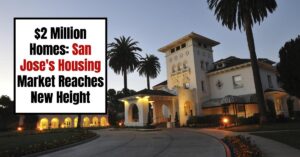
$2 Million Homes: San Jose’s Housing Market Reaches New Height

August 15, 2024 by Marco Santarelli

$2 Million Homes: San Jose's Housing Market Reaches New Height

The San Jose housing market just hit a staggering milestone: a median home price of $2 million. This news, while shocking, isn't entirely surprising given the trends we've been seeing in the U.S. housing market. Let's unpack what this means for San Jose and the broader implications for the real estate market.

$2 Million Homes: San Jose's Housing Market Reaches New Height

Key Takeaways:

  • $2 Million Threshold: San Jose is now the first U.S. metro area to record a median single-family home price of $2 million, according to the National Association of Realtors (NAR).
  • National Trend: U.S. median single-family home prices rose to $422,100, a 4.9% year-over-year increase.
  • Cooling Signs: While prices are still rising, the pace of growth is slowing. Fewer markets experienced double-digit price jumps in Q2 2023 compared to Q1 2023.

San Jose's Record-Breaking Home Prices

The Silicon Valley tech hub, known for its high cost of living, has officially become the least affordable major metropolitan area for homebuyers in the U.S. The NAR report, released in [Month, Year – add source link here if available], cemented San Jose's position at the top of the list, outpacing even perennial contenders like San Francisco.

Several factors contribute to San Jose's record-breaking home values:

  • Tech Industry Dominance: The concentration of high-paying tech jobs in San Jose and the surrounding Silicon Valley creates intense demand for housing.
  • Limited Housing Supply: San Jose, like many desirable coastal cities, faces geographical constraints and strict zoning regulations that limit new housing construction. This supply-demand imbalance fuels price growth.
  • Desirable Location and Amenities: Beyond job opportunities, San Jose boasts a high quality of life with its pleasant climate, proximity to outdoor recreation, and excellent schools. These factors attract affluent buyers, further driving up prices.

National Housing Market Trends: Growth Amidst a Slowdown

While San Jose's $2 million median home price is an outlier, it's crucial to understand the national context. The NAR report highlighted several key trends in the U.S. housing market:

  • Continued Price Appreciation: The national median home price rose by 4.9% year-over-year, demonstrating that the housing market, while moderating, is still experiencing growth.
  • Slowing Momentum: The number of metropolitan areas experiencing double-digit price increases declined from 30% in Q1 2023 to 13% in Q2 2023. This suggests that the pace of price growth is easing.
  • Affordability Concerns: The report's author, NAR Chief Economist Lawrence Yun, acknowledged the challenges faced by aspiring homeowners. Rising interest rates, coupled with already high home prices, have significantly eroded affordability for many.

Cities Experiencing the Most Significant Price Growth

While San Jose grabbed headlines, other cities across the U.S. witnessed substantial price increases in Q2 2023. The top five cities for year-over-year price growth, according to the NAR data, were:

  1. Racine, Wisconsin (19.8%)
  2. Glens Falls, New York (19.8%)
  3. El Paso, Texas (19.2%)
  4. Morristown, Tennessee (16.7%)
  5. Manchester-Nashua, New Hampshire (16.4%)

These figures underscore that while major coastal cities often dominate housing market discussions, affordability challenges are impacting diverse regions across the country.

The California Effect: Golden State Dominates the Top 10

California's presence in the top 10 most expensive housing markets is undeniable. Alongside San Jose's top spot, here's how other Californian cities fared:

  • San Jose-Sunnyvale-Santa Clara, Calif. ($2,008,000 median home price)
  • San Francisco-Oakland-Hayward, Calif. ($1,449,000)
  • Anaheim-Santa Ana-Irvine, Calif. ($1,437,500)
  • San Diego-Carlsbad, Calif. ($1,050,000)
  • Salinas, Calif. ($1,035,700)
  • Oxnard-Thousand Oaks-Ventura, Calif. ($927,900)
  • San Luis Obispo-Paso Robles, Calif. ($895,300)

California's robust economy, desirable climate, and job opportunities continue to make it a magnet for high-income earners, placing upward pressure on home prices across the state.

Looking Ahead: A Balancing Act

The San Jose housing market serves as a microcosm of the larger forces shaping real estate trends. While predicting the future of home prices is notoriously difficult, several factors will likely influence the market's trajectory:

  • Interest Rates: The Federal Reserve's decisions on interest rate hikes will significantly impact mortgage rates and, consequently, housing affordability.
  • Inventory Levels: An increase in housing supply is essential to moderate price growth. However, construction timelines, zoning regulations, and labor shortages pose significant challenges.
  • Economic Conditions: The overall health of the economy, both nationally and locally, will play a role in housing demand.

The $2 million median home price in San Jose is a stark reminder of the challenges and opportunities present in today's housing market. As affordability concerns mount, policymakers, industry leaders, and individuals alike grapple with finding sustainable solutions that balance economic growth with housing accessibility.


ALSO READ:

  • Real Estate Forecast Next 5 Years California: Boom or Crash?
  • Anaheim, California Joins Trillion-Dollar Club of Housing Markets
  • California Housing Market: Nearly $174,000 Needed to Buy a Home
  • Most Expensive Housing Markets in California
  • Abandoned Houses for Free California: Can You Own Them?
  • California Housing in High Demand: 19 Golden State Cities Sizzle
  • Homes Under 50k in California: Where to Find Them?
  • California Housing Market: Prices, Trends, Forecast 2024
  • Will the California Housing Market Crash in 2024?
  • Will the US Housing Market Crash?
  • California Housing Market Crash: Is a Correction Coming Up?

Filed Under: Housing Market, Real Estate Market Tagged With: california, Housing Market, san jose

Bay Area Home Prices Skyrocket: Wealthy Buyers Fuel Market

July 31, 2024 by Marco Santarelli

Bay Area Home Prices Skyrocket: Wealthy Buyers Fuel Market

Are you considering a move to California’s vibrant Bay Area? The housing market is buzzing, and in a surprising turn, Bay Area home prices are up 6% from last year, driven largely by affluent buyers snapping up properties as investments or dream homes. This uptick isn’t just a statistic; it reflects a broader trend tied to the region's economy, driven by tech industry growth, limited inventory, and a desire for luxury living. Let’s dive deeper into the current state of the Bay Area housing market and what it means for prospective buyers and sellers alike.

Bay Area Home Prices Up 6% from Last Year

An Overview of the Bay Area Housing Market in 2024

In 2024, the Bay Area real estate market remains robust despite fluctuating economic conditions nationally. Recent reports indicate that the median home price has risen dramatically over the past year, with certain high-end neighborhoods seeing even more significant increases. The tech boom continues to attract high-net-worth individuals to the area, fueling demand for lavish properties.

According to a report, the rise in home prices can primarily be attributed to wealthy buyers who dominate the market, especially in luxury segments where homes are priced above $5 million. This trend reflects a shift in buyer behavior, where investments in real estate remain a priority for many high-income earners. The phenomenon showcases not only the resilience of the housing market here but also the desirability of the Bay Area as a place to live and invest.

Why Are Bay Area Home Prices Rising?

1. Tech Industry Growth

The Bay Area is home to Silicon Valley, a nerve center for technology innovation and development. Major players like Google, Apple, and Facebook continue to thrive, creating high-paying jobs that attract talent from around the globe. This influx of wealth inevitably drives up housing demand.

2. Limited Housing Inventory

One of the critical factors contributing to rising prices is the limited inventory of homes on the market. With fewer homes available, competition becomes fierce among buyers, particularly for desirable locations. The struggle for limited options pushes prices higher, and sellers can command more for their properties.

3. Wealthy Buyers and Investment Trends

Wealthy buyers are increasingly treating real estate as a safe investment. In an economy where stock market fluctuations loom large, investing in tangible assets like property has become a preferred method for preserving and growing wealth. This trend is particularly pronounced in the luxury market, where buyers are often more willing to pay a premium.

Current Market Dynamics: A Closer Look

As of July 2024, the Bay Area's median home price sits around $1.4 million, reflecting the average cost for existing homes across key counties. The luxury market has particularly thrived, with an impressive amount of sales growth recorded in the upper-tier segment of the housing market over the last year.

Neighborhoods Seeing the Most Growth

San Francisco, Palo Alto, and Los Altos Hills have become prime spots for wealthy buyers, with properties consistently selling above asking prices. Buyers are looking for homes that offer not only scenic views and spacious living but also proximity to tech hubs and cultural amenities.

Luxury Market Insights

In the luxury market, homes priced at $5 million and above are experiencing phenomenal demand. The number of transactions in this price tier increased considerably compared to previous years, as buyers seek not just homes, but lifestyles that reflect their success and aspirations.

Challenges for First-Time Buyers

While the luxury segment flourishes, first-time buyers in the Bay Area face significant obstacles. The increased competition from wealthy buyers narrows the options available for those entering the market for the first time. Many are forced to contend with bidding wars, waiving contingencies, and over-extended financing to secure properties.

The Role of Interest Rates

Another factor influencing the housing market is the rising interest rates. Mortgage rates have seen incremental increases, prompting some to wonder if affordability will become a primary concern for buyers in the upcoming months. However, many wealthy buyers remain unfazed, fortifying their purchases with cash offers, thereby driving prices higher.

Advice for Buyers and Sellers in Today’s Market

If You’re Looking to Buy:

  1. Do Your Research: Understand the neighborhoods of interest and the unique market dynamics at play. Knowledge is your best ally.
  2. Get Pre-Approved: With competition fierce, having a pre-approved mortgage can streamline the buying process and give you a competitive edge.
  3. Be Ready to Act Quickly: Properties are moving fast in this market. Being prepared to make an offer quickly can be the difference between success and missing out.

If You’re Looking to Sell:

  1. Highlight Your Home’s Unique Features: Wealthy buyers are looking for distinctive homes. Ensure your property stands out through effective staging and marketing.
  2. Price Strategically: Collaborate with a trusted real estate agent to set a competitive price that attracts serious buyers while also reflecting your property’s value.

Final Thoughts on the Bay Area Housing Market

The Bay Area housing market continues to exhibit strength in 2024, with prices climbing 6% year-over-year. This robust performance is driven by a combination of demographic and economic factors. While the market remains challenging for first-time homebuyers, the luxury segment thrives as affluent individuals seek real estate as a secure investment.

A deep understanding of these market dynamics is essential for both buyers and sellers to navigate this complex landscape successfully. Whether you're a prospective homeowner or looking to sell a high-end property, tailoring your strategy to the unique characteristics of the Bay Area market is key to achieving your real estate goals.


ALSO READ:

Will the California Housing Market Crash in 2024?

Most Expensive Housing Markets in California

Filed Under: Housing Market, Real Estate Market Tagged With: Bay Area, california, Housing Market

Housing Shortage Crisis: 10 Cities Where Finding a Home is a Nightmare

June 19, 2024 by Marco Santarelli

Housing Shortage Crisis: 10 Cities Where Finding a Home is a Nightmare

The American dream of homeownership seems to be slipping further out of reach for many. A recent report by Zillow paints a concerning picture of a nationwide housing shortage that continues to worsen despite a pandemic-driven construction surge. This lack of available homes is hitting some major cities especially hard, pushing affordability further out of reach.

Zillow estimates the U.S. housing deficit to be a staggering 4.5 million units in 2022, up from 4.3 million the year before. This shortage is considered the “root cause” of the affordability crisis plaguing the market. The study focused on the 50 largest metropolitan areas, revealing a trend – many of the cities with the most severe housing shortages are located along the coasts.

Coastal Squeeze: Supply vs. Demand

Zillow points to restricted geographic limitations and “the most strict building regulations in the country” as contributing factors to the coastal housing crunch. These same coastal markets are often magnets for newcomers, further straining housing availability. Cities like Austin and Seattle, known for attracting new residents for their booming tech industries and exciting lifestyles, are likely to see their housing situations worsen in the short term.

Top Cities Affected by Housing Shortages

Zillow's analysis of the 50 largest metropolitan areas reveals that several coastal cities are bearing the brunt of the housing shortage crisis. Notably, California features prominently, with five cities ranking among the top 10 worst affected:

  • Boston
  • Sacramento
  • Portland
  • San Diego
  • San Francisco
  • San Jose
  • Seattle
  • Minneapolis
  • Los Angeles
  • Austin

These cities are grappling with a profound imbalance between housing supply and demand, largely influenced by stringent building regulations and geographic constraints that limit new construction.

Beyond the Coasts: A Nationwide Issue

While coastal cities face unique challenges, the housing shortage isn't just a coastal problem. Minneapolis, for example, ranks eighth on Zillow's list. Factors like strong job markets in certain industries can also lead to housing shortages in inland areas. This highlights the fact that the current shortage is a complex issue with multifaceted causes.

Understanding the Shortage: A Demand Surge Outpaces Construction

The housing deficit is essentially the gap between the number of families needing homes and the number of available units for purchase or rent. While construction did see a rise, it wasn't enough to keep pace with the increasing number of American families seeking homes. Zillow points to two key factors: a rise in the nation's family count and a sluggish period of homebuilding that preceded the pandemic.

The pandemic did trigger a construction boom, with 2022 marking “the best year for home construction” since the late 2000s. However, this wasn't enough to meet the even greater demand. With 1.8 million new families formed in 2022, the U.S. fell short of “even building enough to make a place for the new families,” let alone addressing the existing deficit.

The Affordability Crisis: A Dream Out of Reach

Zillow emphasizes the role of supply and demand in the housing market. When the number of potential homebuyers outpaces the available homes, prices inevitably rise. The “decade of underbuilding” following the Great Recession coincided with Millennials, the largest generation in U.S. history, entering prime first-time homebuyer age. This confluence of factors has significantly squeezed affordability, worsened by stubbornly high mortgage rates.

The Impact: Beyond Homeownership

The housing shortage isn't just a hurdle for aspiring homeowners. It also impacts the rental market. With fewer homes available overall, rental vacancy rates have remained low, and rents have climbed alongside home prices. This creates a ripple effect, making it difficult for many renters to save up for a down payment on a home, further perpetuating the affordability crisis.

Looking Ahead: A Long-Term Challenge

“The simple fact is there are not enough homes in this country,” states Orphe Divounguy, a senior economist at Zillow. The current situation is pushing homeownership out of reach for many families, and renters are feeling the pinch as well, with nearly half facing cost burdens. Divounguy emphasizes that filling the housing gap is the key to long-term affordability. The U.S. faces a significant challenge, and addressing it will require a multi-pronged approach that includes streamlining regulations, incentivizing construction, and exploring innovative housing solutions.


Filed Under: Housing Market, Real Estate Market Tagged With: Bay Area, california, Housing Market

Bay Area Housing Market Heats Up: Home Prices Soar 11.9%

June 19, 2024 by Marco Santarelli

Bay Area Housing Market Heats Up: Home Prices Soar 11.9% in May

The housing market in the San Francisco Bay Area continues to be a hot topic, and with good reason. New data reveals a significant increase in year-over-year prices, making it the region with the biggest jump in the state.

Home prices in the Bay Area climbed 11.9% in May 2024 compared to May 2023, the CALIFORNIA ASSOCIATION OF REALTORS® (C.A.R.) reported. Let's delve deeper and see how this increase played out across different counties.

County-by-County Performance

The story varies across counties. Here's a detailed breakdown:

In Alameda County, the median sold price of existing single-family homes in May 2024 was $1,375,000. This is 1.9% below the April 2024 level and a mighty 9.1% above last May. Sales were good in Alameda, at 12.6% more than the previous month and up by 6.1% over the same month in 2023.

Prices in Contra Costa County took a slight 0.3% jump from last month, with the median price hitting $942,500 in May 2024. This was 6.1% more than was posted last May. Sales also perked up with an increase of 9.2% since April 2024 but a mild 0.4% increase from last year.

Marin County: Here, the median price at which properties were sold rose by a massive 5.9% from April 2024 to May 2024, reaching $1,800,000. However, this was on par with the values of May 2023. Sales made here took a giant leap, surging to 28.7% every month and even by 5.1% compared to last year.

The median sold price in Napa County was up 3.9% month-over-month to $987,000 in May 2024, representing an 11.1% increase year-over-year. Despite the price gains, sales in Napa decreased by 11.9% from April 2024 and 7.5% year-over-year.

San Francisco County saw the median sold price decrease by 6.1% from April 2024 to $1,690,000 in May 2024. This is still up by 2.2% from May 2023. Sales in San Francisco increased modestly by 1.8% on a month-over-month measure and intensified further with 20.4% more sales than the year-over-year figures.

San Mateo County: This region continued being one of the most expensive in terms of median price since the one it had was $2,400,000 in May 2024. This is an essential raise about April 2024 since it is equal to 11.6%, and as far as May 2023, it is equal to 15.7%. Sales increased: 11.5% from last month and 13.4% from the previous year.

Santa Clara County: The median sold price for May 2024 was $2,100,000, up 5.0% from last month and a robust 17.4% increase from one year ago. Sales were brisk, too, up 14.2% versus last month and 13.7% versus one year ago.

The median sold price in Solano County rose 2.5% month-over-month to $605,000 this May 2024. This is a slight 0.8% rise from May 2023. Sales in Solano dropped -0.7% from last month, April 2024, and were down 20.3% year-over-year.

The median price paid for a home in Sonoma County last month came in at $880,450, which was up 3.6% from April and 2.4% higher than last May. Sales also fared better last month, up 8.5% from April but 0.6% lower than last May.

These statistics only underscore how diverse the San Francisco Bay Area housing market truly is dependent upon the county one reads. As price and sales growth continue to be very impressive in places such as San Mateo and Santa Clara, the relative results in counties such as San Francisco and Napa remain substantially more mixed.

Overall, the data paints a picture of a robust market in most Bay Area counties, with San Mateo and Santa Clara leading the surge. However, there are pockets like Marin County where the market appears to be stabilizing.

What's Driving the Increase?

Several factors contribute to the rising prices in the Bay Area. A key driver is classic supply and demand. There's a continued shortage of available homes, especially single-family dwellings. This scarcity pushes prices upward as buyers compete for a limited pool of properties. Additionally, the robust tech industry in the region fuels buyer demand. With high salaries and a thriving job market, many tech professionals are drawn to the Bay Area. This influx of well-qualified buyers further intensifies competition and puts upward pressure on home prices.

Is it a Buyer's or Seller's Market?

Given the substantial price increases and limited inventory, the Bay Area market currently favors sellers. With more buyers competing for a smaller pool of homes, sellers have the upper hand. This translates to several advantages for sellers. They are likely to receive multiple offers, potentially above the asking price. They may also have more flexibility with negotiating closing costs and other terms of the sale. In a seller's market, homes tend to sell faster, too. This means sellers can avoid the carrying costs of an extended listing period.

What to Consider if You're Looking to Buy

If you're contemplating buying a home in the Bay Area, it's crucial to have a well-defined strategy. Here are some pointers:

  • Get Pre-Approved for a Mortgage: Having pre-approval demonstrates to sellers that you're a serious buyer and strengthens your offer.
  • Work with a Real Estate Agent: An experienced agent can guide you through the competitive market, navigate the complexities of the buying process, and help you find a home that meets your needs and budget.
  • Be Prepared to Move Quickly: In a fast-paced market, homes can sell within days of being listed. So be ready to act swiftly when you find a property that interests you.

ALSO READ:

Will the California Housing Market Crash in 2024?

Most Expensive Housing Markets in California

Filed Under: Housing Market, Real Estate Market Tagged With: Bay Area, california, Housing Market

California Home Prices Hit Another Record Highs in May 2024

June 19, 2024 by Marco Santarelli

California Home Prices Soar Despite Mortgage Rate Surge

California housing market is again a market of two tales: soaring prices and a sales slowdown. Let's get into the data care of the California Association of Realtors (C.A.R.).

Rising Rates, Cooling Sales—For most of this year, mortgage rates have been increasing since late 2023, and mortgage rates did their job in May. “More recently, sales had a slightly weaker performance than in April and were 6% below May last year. This marks the 20th month that sales have not breached the 300,000 units line, and sales year to date are unchanged.

C.A.R. President Melanie Barker feels the recent spike in mortgage rates is a major contributor to the sales malaise. But there is a ray of hope.”. Recent interest rate declines and a slow increase in available properties may turn heads back toward buyers before the peak summer homebuying season.

Record Prices The sales pace may be cooling, but prices continue to heat up. The statewide median home price set another record high in May at more than $900,000 for the second consecutive month. That is a whopping 8.7% more than last May of 2023; prices then were slightly higher than April's record.

California has seen its 11th month in a row of annual price growth. A significant factor in this price surge is the tight supply of houses, particularly ones in the affordable range. Sales of million-dollar-plus homes are outpacing those of lower-priced options.

Million-dollar-and-up sales jumped 15.5% year-over-year in May, while homes under $500,000 fell by 12.2%. Homes above $1 million now represent 36.6% of all sales – the highest share in at least five years.

What Does This Mean to You? California's housing market remains a complex landscape. If you are a buyer, expect competition and possibly an escalation of prices for something pocket-friendly. But there may be a window due to recent slumps in mortgage rates. If you are a seller, this appears to be the best time.

Low inventory and high demand might place you in an excellent position to pick out a top-dollar offer. Nonetheless, it's always prudent to take advice from a realtor with respect to the price of listing and effective selling.

Increased pressure on prices is still expected in the coming months, influenced by seasonal factors and limited housing supply. Therein lies the rub: A potential bounce in sales and shifts in mortgage rates will just throw another wrinkle into the market. Stay in the loop, and stay connected with a professional in real estate to be better guided in making informed decisions within this rapidly changing market.

California's housing market is experiencing a shift. Here's a breakdown of the key trends:

More Homes on the Market

  • Active listings are up for the fourth month in a row, with the biggest year-over-year increase in 15 months. This suggests a potential rise in housing inventory, which could moderate price growth.
  • New listings are also surging, with year-over-year double-digit growth for five consecutive months. This indicates more sellers are entering the market.

Potential for Moderation in Mortgage Rates

  • Recent economic reports hint at a cooling down of inflation, which could lead to more moderate mortgage rates in the coming months.
  • This, along with the rise in active listings, could create a more balanced market for buyers.

County-Level Variations

  • Almost all counties (49 out of 52) saw an increase in year-over-year active listings in May. The biggest increases were in Solano (85.4%), Santa Barbara (73.8%), and Alameda (72.9%).
  • Only Tulare (-37.7%), Glenn (-23.7%), and San Francisco (-2.9%) saw a decrease in active listings compared to last year.

Stable Selling Time and Sales Price Ratio

  • The median time to sell a single-family home in California remained steady at 16 days compared to May 2023.
  • The statewide sales-to-list-price ratio also remained unchanged at 100.0%.

Increase in Price per Square Foot

  • The average price per square foot for existing single-family homes increased to $446 in May, up from $407 a year ago.

Regional Sales Performance

  • Home sales softened in most major regions compared to May 2023.
  • The San Francisco Bay Area and Central Coast saw slight increases, while Southern California and the Far North experienced declines.
  • The Central Valley remained flat despite higher interest rates.

County-Level Sales Fluctuations

  • Sales dropped in 24 counties year-over-year, with Tehama County leading the decline at -38.5%.
  • 29 counties saw sales increases, with Plumas County experiencing the biggest jump at 70.6%.

Regional Price Trends

  • All major regions saw median price increases compared to May 2023.
  • The San Francisco Bay Area and Southern California led with double-digit growth, while other regions saw more moderate increases.

County-Level Price Trends

  • 40 counties had higher median prices than last year, with Plumas County leading the surge at 49.0%.
  • Only 12 counties saw price dips, with Del Norte County experiencing the steepest decline at -27.0%.

Overall Market Outlook

The California housing market is showing signs of a shift towards a more balanced market. Rising inventory levels and potentially moderate mortgage rates could provide some relief for buyers, especially those targeting more affordable options. However, it's important to note that mortgage rate fluctuations and inflation trends will be key factors to watch in the coming months.


ALSO READ:

Will the California Housing Market Crash in 2024?

Will the US Housing Market Crash?

Most Expensive Housing Markets in California

Filed Under: Growth Markets, Housing Market, Real Estate Market Tagged With: california, Housing Market

  • « Previous Page
  • 1
  • …
  • 5
  • 6
  • 7
  • 8
  • Next Page »

Real Estate

  • Birmingham
  • Cape Coral
  • Charlotte
  • Chicago

Quick Links

  • Markets
  • Membership
  • Notes
  • Contact Us

Blog Posts

  • Hottest and Fastest-Growing Housing Markets in 2026
    May 3, 2026Marco Santarelli
  • When Will Mortgage Rates Go Down to 4%?
    May 3, 2026Marco Santarelli
  • Atlanta Housing Market: Prices, Trends, Forecast 2026
    May 3, 2026Marco Santarelli

Contact

Norada Real Estate Investments 30251 Golden Lantern, Suite E-261 Laguna Niguel, CA 92677

(949) 218-6668
(800) 611-3060
BBB
  • Terms of Use
  • |
  • Privacy Policy
  • |
  • Testimonials
  • |
  • Suggestions?
  • |
  • Home

Copyright 2018 Norada Real Estate Investments

Loading...