Norada Real Estate Investments

  • Home
  • Markets
  • Properties
  • Membership
  • Podcast
  • Learn
  • About
  • Contact

Housing Market Trends 2024: Is a Buyer’s Market on the Horizon?

September 15, 2024 by Marco Santarelli

Housing Market Trends 2024: Is a Buyer's Market on the Horizon?

The housing market in 2024 is whispering a tale of change. While still grappling with the echoes of the pandemic frenzy, the narrative is evolving, and the winds of a potential buyer's market are starting to blow. As someone deeply entrenched in analyzing housing market trends, I'm seeing several key indicators that point towards this shift.

Inventory Growth: A Glimmer of Hope for Buyers

One of the most significant housing market trends 2024 is the sustained growth in housing inventory. After a prolonged period of tight supply, the number of homes actively for sale has been steadily increasing.

  • According to Realtor.com, in August 2024, the number of active listings surged by a considerable 35.8% year-over-year, marking the tenth consecutive month of inventory growth.
  • This trend signals a potential turning point, offering buyers a wider selection of homes to choose from.

However, a reality check is in order:

  • Despite the encouraging growth, inventory levels are still playing catch-up. Current active listings remain 26.4% below the pre-pandemic norms of 2017-2019.
  • This discrepancy highlights that while we're moving towards a more balanced market, we're not quite there yet.

Regional Inventory Trends: The South Takes the Lead

The resurgence in housing inventory isn't uniform across the country. The South and West are leading the charge, showing the most significant increases in active listings:

  • The South: Inventory soared by an impressive 45.6% year-over-year, demonstrating the region's robust housing market.
  • The West: Not far behind, the West experienced a 34.5% jump in active listings.

In contrast, the Northeast and Midwest lag with more modest gains.

Sellers Adjust to the Shifting Tides

The winds of change are prompting sellers to adapt their strategies in response to the evolving housing market trends of 2024.

Price Reductions on the Rise

  • August 2024 witnessed a notable increase in the percentage of homes with price reductions, reaching 19.3% compared to 16.2% in the same period last year.
  • This trend suggests that sellers are becoming more realistic about pricing their properties in light of the growing inventory and moderating buyer demand.

New Listings Slow Down

  • After a sustained period of growth, new listings experienced a slight dip of -0.9% year-over-year in August 2024.
  • This slowdown could indicate that sellers are approaching the market with a touch of caution, observing buyer behavior before making their move.

Interest Rates and Their Impact

The wild card in the housing market trends 2024 deck remains interest rates. While they've come down slightly from their peak, they continue to influence buyer behavior.

  • Potential buyers are exercising a degree of caution, carefully weighing the impact of interest rates on affordability.
  • This hesitancy is contributing to the slowing sales activity and the rise in days on market.

The Days on Market Edge Up

With increased inventory and more discerning buyers, homes are staying on the market longer.

  • August 2024 saw the median days on market increase to 53 days, a seven-day jump compared to last year.
  • While this increase is noteworthy, it's crucial to remember that it's still six days shorter than the pre-pandemic average for August.

Median Listing Prices: A Mixed Bag

When analyzing housing market trends for 2024, median listing prices present a nuanced picture:

  • National Median Listing Price: In August 2024, the national median listing price experienced a slight dip of 1.3% year-over-year, settling at $429,990.
  • Price Per Square Foot Tells a Different Story: However, digging deeper reveals that the median listing price per square foot actually increased by 2.3% year-over-year.

Decoding the Price Discrepancy

This apparent contradiction in price trends highlights an important factor at play:

  • The Changing Mix of Inventory: The increase in price per square foot suggests that while the median price may be down slightly, the types of homes being listed are changing.
  • Smaller, More Affordable Homes: More smaller and more affordable homes are entering the market, pulling down the overall median price while the price per square foot remains relatively stable.

What Does This Mean for Buyers and Sellers?

For Buyers:

  • Increased Options and Negotiating Power: The housing market trends 2024 are creating a more favorable environment for buyers.
    • You now have more choices and greater leverage to negotiate prices.
    • Don't be afraid to shop around and make offers that align with your budget.
  • Interest Rate Watch: Keep a close eye on interest rate movements as they can significantly impact affordability.

For Sellers:

  • Realistic Pricing is Key: In this shifting market, overpricing your home can lead to longer market times and potentially lower offers.
    • Carefully research comparable properties and price competitively to attract buyers.
  • Highlight Your Home's Strengths: Focus on showcasing your home's unique features and benefits to stand out in a more competitive market.

Looking Ahead: Navigating the Housing Market of 2024

The housing market trends 2024 are painting a dynamic picture, with a gradual shift towards a more buyer-friendly environment.

  • Inventory is expected to continue to grow: This trend should provide buyers with more options and potentially moderate price growth.
  • Interest rates remain the wild card: Their trajectory will heavily influence both buyer and seller behavior in the coming months.

My advice? Whether you're a buyer or a seller, stay informed, be strategic, and work with experienced real estate professionals to navigate the evolving housing market landscape successfully.

August 2024 Regional Statistics

Region Active Listing Count YoY New Listing Count YoY Median Listing Price YoY Median Listing Price per SF YoY Median Days on Market Y-Y (Days) Price-Reduced Share Y-Y (Percentage Points)
Midwest 23.1% -4.7% 0.0% 3.3% 3 3.3 pp
Northeast 13.9% -1.5% 4.3% 5.0% 2 2.0 pp
South 45.6% 5.2% -1.5% 1.6% 9 2.8 pp
West 35.4% -0.9% 0.0% 3.9% 7 3.5 pp

August 2024 Regional Statistics vs. Pre-Pandemic 2017–19

Region Active Listing Count vs. Pre-Pandemic New Listing Count vs. Pre-Pandemic Median Listing Price vs. Pre-Pandemic (August 2019 Only) Median Listing Price Per SF vs. Pre-Pandemic (August 2019 Only) Median Days on Market vs. Pre-Pandemic (Days) Price-Reduced Share vs. Pre-Pandemic (Percentage Points)
Midwest -44.7% -22.4% 37.6% 45.6% -10 -0.9 pp
Northeast -54.6% -29.0% 46.4% 58.4% -14 -5.0 pp
South -11.7% -12.8% 34.6% 51.3% -6 3.9 pp
West -15.9% -23.5% 36.8% 47.4% 1 2.7 pp

ALSO READ:

  • Housing Market Predictions for the Next 4 Years: 2024 to 2028
  • Real Estate Forecast Next 5 Years: Top 5 Predictions for Future
  • Is the Housing Market on the Brink in 2024: Crash or Boom?
  • 2008 Forecaster Warns: Housing Market 2024 Needs This to Survive
  • Housing Market Predictions for the Next 2 Years
  • Real Estate Forecast Next 10 Years: Will Prices Skyrocket?
  • Housing Market Predictions for Next 5 Years (2024-2028)
  • Housing Market Predictions 2024: Will Real Estate Crash?
  • Housing Market Predictions: 8 of Next 10 Years Poised for Gains
  • Trump vs Harris: Which Candidate Holds the Key to the Housing Market (Prediction)

Filed Under: Housing Market, Real Estate Market Tagged With: Home Price Forecast, Housing Market, housing market predictions, Housing Market Trends

Housing Market Outlook 2025: Key Trends and Predictions

September 14, 2024 by Marco Santarelli

Housing Market Outlook 2025: Key Trends and Predictions

As we look ahead to 2025, the 2025 housing market forecasts reveal insights that could shape your homeownership journey. Whether you're contemplating buying your first home or considering selling your property, understanding what to expect in the housing market is crucial. With experts weighing in on potential shifts in mortgage rates, home sales, and prices, this comprehensive overview equips you with the knowledge you need to navigate the market confidently.

2025 Housing Market Forecast: What to Expect

Key Takeaways

  • Mortgage Rates Expected to Decrease: Gradual decline anticipated in mortgage rates due to easing inflation.
  • Increase in Home Sales: An estimated 5.4 million homes to be sold in 2025.
  • Moderate Price Growth: Home prices expected to rise by about 2.6% nationally.
  • Market Dynamics Shifting: More buyers entering the market as conditions improve.

The housing market is always in flux, and as we approach 2025, several factors will influence the buying and selling landscape. Experts from prominent organizations such as Fannie Mae, the Mortgage Bankers Association (MBA), and the National Association of Realtors (NAR) have provided projections that can help demystify the trends to watch. Let’s take a closer look at these forecasts.

Mortgage Rates Are Projected to Come Down Slightly

One of the most significant elements impacting the housing market is mortgage rates. According to forecasts for 2025, experts predict a slight decline in these rates. This is attributed to ongoing signs of easing inflation and a modest rise in unemployment rates, suggesting a strong yet decelerating economy. Many analysts believe that the Federal Reserve may lower its key interest rates in response to these economic indicators.

Morgan Stanley highlighted the expectation that “the U.S. Federal Reserve is widely anticipated to begin cutting its benchmark interest rate in 2024, which could also lead to a drop in mortgage rates.” Lower mortgage rates could encourage hesitant buyers to enter the market, easing some of the financial pressure that high rates have imposed in recent years. This sentiment is supported by U.S. News, which reports that the housing market may “thaw” in 2025, though sales could remain somewhat constrained due to the lingering effects of recent high rates.

Expect More Homes to Sell

In addition to lower mortgage rates, we can expect a notable increase in the number of homes sold next year. An uptick in both the supply of homes on the market and the demand from buyers is projected. Many potential buyers and sellers who have been sidelined due to elevated rates are anticipated to make their moves in 2025.

Fannie Mae, the MBA, and NAR collectively forecast that total home sales will reach approximately 5.4 million. This figure represents a modest rise compared to the approximately 4.8 million homes sold in 2023 and an estimated 4.5 million homes projected for 2024. Although a surge in sales is not expected, the incremental rise indicates a more dynamic market with increased activity. This increase in sales activity can be attributed to improved economic conditions and consumer confidence.

However, it’s important to note that some forecasts suggest that home sales might still be limited due to the overall housing supply issue. According to an article on Yahoo Finance, while more people may enter the market, high prices and persistent affordability challenges could keep some prospective buyers at bay.

Home Prices Will Go Up Moderately

With more buyers ready to enter the market, home prices are likely to experience further appreciation, albeit at a moderate pace. The consensus among ten reputable real estate sources suggests that home prices may rise by roughly 2.6% nationally in 2025. Some experts, such as those at ResiClub, anticipate an even slightly higher average increase of 2.5%, with certain analysts projecting as high as 4.4% from institutions like Goldman Sachs (Fast Company).

This anticipated increase marks a transition to a more traditional rate of growth compared to the volatility seen in previous years. It reflects not just rising demand but also ongoing supply constraints, as many regions still face severe inventory shortages. As housing remains in short supply, particularly in urban and desirable suburban areas, this shortage continues to exert upward pressure on prices.

Economic Influences on the Housing Market

Understanding the broader economic landscape is necessary when considering the housing market forecasts for 2025. Factors such as inflation, job growth, and investment trends all contribute to how the market behaves.

The predicted decrease in mortgage rates may stem from tightening inflation rates, which have been a concern for both consumers and policymakers. Reports suggest that the Federal Reserve's ability to manage inflation will play a crucial role in shaping consumer behavior and confidence in the housing market.

Moreover, simultaneously rising unemployment could trigger shifts in consumer confidence. While it may sound contradictory, mild increases in unemployment can sometimes encourage the Federal Reserve to take action to lower interest rates, thereby fostering an environment more conducive to home buying. Keeping an eye on these economic indicators will help potential buyers and sellers time their decisions effectively.

What Should You Keep an Eye On?

As you contemplate your homeownership plans, consider the following areas of focus:

  • Mortgage Interest Rates: Monitor announcements from the Federal Reserve and economic reports that could signal shifts in mortgage rates. Lower rates could open doors for first-time buyers or lead to refinancing opportunities.
  • Local Market Conditions: Research your specific housing market's trends. Markets can behave very differently even within the same state, so familiarize yourself with local sales trends, price changes, and inventory levels.
  • Buyer Competition: As more buyers enter the market, competition might elevate, particularly in desirable neighborhoods. Be prepared for bidding wars or quicker sales.
  • Economic Indicators: Stay informed about economic reports such as unemployment rates, inflation, and job growth forecasts, as these will all influence the housing market trajectory.

Demographic Trends Impacting Housing Demand

Another critical factor shaping the 2025 housing market forecasts is the changing demographics of potential homebuyers. Millennials and Gen Z are increasingly entering the housing market, seeking not just homes but affordable options that suit their lifestyles. Many young buyers are particularly interested in urban areas or places that offer flexible work environments, contributing to the shifting dynamics of housing demand.

On the other hand, baby boomers are selling their homes and downsizing, impacting the supply side of the equation. This demographic shift can influence not only the types of homes in demand but also the features that buyers are looking for, such as energy efficiency and smart home technology. Markets are adapting to meet these needs, with more properties highlighting their technological features to cater to younger buyers.

Concluding Thoughts

As we step into 2025, a well-informed understanding of the housing market forecasts will empower you to make astute decisions about buying or selling your home. With mortgage rates forecasted to taper off, home sales projected to rise, and prices expected to increase modestly, dynamics are shifting, creating avenues for many.

These trends are not just numbers; they reflect people making life-changing decisions about where they live and invest. Keeping abreast of economic indicators, understanding local market movements, and adapting to demographic trends will form the backbone of successful navigation through the 2025 housing market. This growing complexity means that expert insights and reliable resources are more vital than ever.

For anyone considering a real estate move in 2025, being proactive and well-informed will be your best strategy in this evolving market. By understanding the interplay of rates, prices, and buyer behavior, you can position yourself favorably for whatever comes next.

Also Read:

  • Housing Market Predictions for the Next 4 Years: 2024 to 2028
  • Real Estate Forecast Next 5 Years: Top 5 Predictions for Future
  • Is the Housing Market on the Brink in 2024: Crash or Boom?
  • 2008 Forecaster Warns: Housing Market 2024 Needs This to Survive
  • Housing Market Predictions for the Next 2 Years
  • Real Estate Forecast Next 10 Years: Will Prices Skyrocket?
  • Housing Market Predictions for Next 5 Years (2024-2028)
  • Housing Market Predictions 2024: Will Real Estate Crash?
  • Housing Market Predictions: 8 of Next 10 Years Poised for Gains
  • Trump vs Harris: Which Candidate Holds the Key to the Housing Market (Prediction)

Filed Under: Housing Market, Real Estate Market Tagged With: Home Price Forecast, Housing Market, housing market predictions, Housing Market Trends, Real Estate Market Predictions

Should You Buy a House If the Fed Cuts Interest Rates This Month?

September 14, 2024 by Marco Santarelli

Should You Buy a House If the Fed Cuts Interest Rates This Month?

Should you buy a house if the Fed cuts interest rates this month? This is a question many potential homebuyers might be pondering this month, especially if they have been waiting for the right moment to make their move in the real estate market.

Lower interest rates from the Federal Reserve can have a significant impact on mortgage rates, which directly influence how much you will pay for a home over time. As potential homebuyers, understanding these dynamics is essential to making an informed decision about purchasing a home in the current economic climate.

Should You Buy a House If the Fed Cuts Interest Rates This Month?

Imagine finally finding the perfect home, only to realize your monthly payments would be drastically higher if interest rates are high. If the Fed decides to cut interest rates, it might just be the opportunity buyers have been waiting for to secure a more affordable mortgage and achieve their dream of homeownership. Yet, it might still be wise to consider various factors before taking the plunge.

Key Takeaways

  • Impact of Interest Rates: A reduction in interest rates typically lowers mortgage rates, making homes more affordable over the loan term.
  • Market Speculation: Buyers should consider whether the rate cut is a response to economic hardships, which can affect housing demand and home values.
  • Timing the Market: While lower rates are attractive, the real estate market can be unpredictable; it's important not to rush into a decision.
  • Personal Financial Situation: Buyers must evaluate their financial stability, credit scores, and readiness to take on home ownership before committing.
  • Homeownership Benefits: Owning a home can be financially beneficial in the long run, but buyers should consider their long-term plans and local market conditions.

Understanding Interest Rates and Their Effects

Before diving into whether you should buy a house if the Fed cuts interest rates this month, it’s crucial to understand what interest rates are and how they function in the housing market. The Federal Reserve, often referred to as the Fed, is responsible for managing the country's monetary policy, which includes setting short-term interest rates. When the Fed cuts interest rates, it makes borrowing money cheaper for banks, which, in turn, can lower mortgage rates for homebuyers.

If Federal Reserve reduces its rates, mortgage rates tend to follow suit. This means that buyers could potentially save thousands of dollars over the life of their loan. For example, just a 1% drop in interest rates can make a significant difference in monthly payments. A buyer financing a $300,000 home would see their monthly payment drop by approximately $200 with a 1% decrease in their mortgage rate.

However, it’s important to recognize that not all mortgage products will see immediate reductions in rates. Lenders may take time to adjust to the new Fed rates and their offerings might vary. Moreover, while a rate cut benefits buyers, it also raises questions about the overall economic climate.

Considering the Bigger Picture: Is This a Good Time to Buy?

If the Fed cuts interest rates, many would assume that it is a good time to invest in real estate. However, the timing of such cuts is crucial. Rate cuts can often signal underlying economic issues, such as recession or inflation concerns. When the Fed reduces rates to stimulate the economy, it may also mean that housing demand could drop due to increased economic uncertainty.

Homebuyers should be cautious and evaluate the broader economic context. If reduced interest rates are due to a struggling economy, you may face lower home values and a more strained housing market in the future. It's wise to be aware of how local and national employment rates, consumer confidence, and inflation are influenced during these times. If uncertainties arise in these key economic areas, the housing markets might reflect volatility that can affect home prices and buyers' purchasing power.

Timing the Market: Good News or Just a Trend?

Many buyers enter the market hoping to “time” their purchase perfectly, but timing can be elusive. Just because interest rates are falling does not guarantee a decrease in home prices or a strengthened real estate market. It’s crucial to keep in mind that the housing market can have varying responses based on demand and competition. Lower rates may attract more buyers, which can, in fact, drive up home prices due to increased competition.

Additionally, homebuyers should pay attention to local market conditions. Some areas may be experiencing a surge in home values regardless of national interest rate changes due to job growth, infrastructure developments, or an influx of new residents. Conversely, other regions may experience stagnation or declines in property prices.

Rather than trying to time your purchase solely based on interest rates, it's often better to focus on your individual situation and find a home that meets your personal needs. A home is a long-term investment, and it’s important to consider whether it aligns with your lifestyle, family plans, and financial goals.

Evaluating Your Personal Financial Situation

In addition to considering interest rates and market conditions, potential homebuyers should evaluate their financial health. Here are some key areas to consider:

  • Credit Score: Your credit score plays a significant role in determining your mortgage interest rate. A higher score can lead to better rates, which translates to lower monthly payments. Before buying, check your credit score and work on improving it if necessary.
  • Debt-to-Income Ratio: Lenders typically prefer a debt-to-income ratio (DTI) of no more than 43%. Understanding your DTI will help you gauge how much house you can afford and whether you will be approved for a loan.
  • Down Payment: The amount you save for a down payment can significantly impact your mortgage. A larger down payment generally leads to lower interest rates and smaller monthly payments.
  • Job Stability: If the Fed has cut rates due to economic uncertainties, potential buyers must consider their own job security. If your employment situation feels shaky, it may be wise to stabilize your finances before purchasing a home.

By thoroughly investigating your financial situation, you can make an informed decision about whether now is the right time to buy, even if interest rates are favorable.

Long-Term Benefits of Homeownership

While you contemplate whether to buy a house if the Fed cuts interest rates, it's essential to think about the long-term benefits of homeownership. Owning a home can be a significant investment for many families, offering stability and a sense of community. Here are some key advantages:

  • Equity Building: As you pay off your mortgage, you build equity in your home. This equity can serve as a valuable asset for future financial needs.
  • Control Over Your Space: Owning a home allows you the freedom to personalize and improve your living space, which is often restricted in rental agreements.
  • Potential Tax Benefits: Homeownership can offer various tax advantages. Mortgage interest payments and property taxes may be deductible, providing financial relief come tax season.
  • Investment Opportunity: Real estate tends to appreciate over time, and a well-chosen property can be a robust investment. When you're ready to sell, you may be able to profit significantly from your home’s value appreciation.

These long-term benefits should be carefully weighed against the current market conditions and your personal circumstances. Ensure that you not only focus on the immediate financial landscape but also consider whether homeownership aligns with your future plans.

In Summary: Making the Right Decision

While a Fed rate cut may initially signal a great opportunity to buy a house, the decision should be approached thoughtfully. Potential homebuyers must consider various factors, including overall economic conditions, their personal financial situation, and the long-term benefits of homeownership.

Lower mortgage rates can help make purchasing a home more affordable, but if those cuts come amidst a struggling economy, it may pay to be cautious. Remember, your goal should not just be to snag a low mortgage but to find a home that fits your needs and aligns with your financial goals.

Also Read:

  • Best Time to Buy a Home in 2024 is From Sept 29 to Oct 5
  • Best Time to Buy a House in the US: Timing Your Purchase
  • Should I Buy A House Now Or Wait Until Later 2024? It a Good Time?
  • Is Now a Good Time to Buy a House with Cash
  • Is It a Bad Time to Buy a House?
  • Is it a Good Time to Buy a House in California in 2024?
  • Is It a Good Time to Sell a House or Should I Wait in 2024?
  • Is Now a Good Time to Invest in Rental Property (2024)?
  • Is 2024 a Good Time to Buy an Investment Property?

Filed Under: Housing Market, Real Estate Market Tagged With: Best Time to Buy a House, Housing Market

Sunnyvale Home Prices: Trends and Forecast 2024-2025

September 12, 2024 by Marco Santarelli

Sunnyvale Home Prices: Trends and Forecast

If you’re curious about Sunnyvale home prices, you’re not alone. This vibrant city in Silicon Valley has been a buzzing topic among homebuyers, real estate enthusiasts, and residents alike. The Sunnyvale home prices have drawn a lot of attention recently, and it’s essential to understand why. With scenic parks, excellent schools, and a booming tech industry nearby, it’s no surprise that many people are looking to settle in this charming city.

🏡
Sunnyvale Housing Market Update

Sunnyvale home prices have demonstrated remarkable resilience, showing an impressive 11.8% increase from the previous year. This strong growth highlights the city's ongoing desirability and continued demand for housing in the market.


Sunnyvale Home Prices: A Deep Dive into the Housing Market

Key Takeaways

  • Average Home Value: The current average home price in Sunnyvale is approximately $2.01 million.
  • Median Home Price: As of August 2024, the median sold price for homes was $1.8 million, reflecting a 4.9% increase from the previous year.
  • Market Trends: Home prices are on the rise, up 11% over the past year.
  • Competitive Market: The Sunnyvale housing market scored 94 out of 100 on competitiveness.
  • Cost of Living: The cost of living in Sunnyvale is approximately 125% higher than the national average.

Average Home Value in Sunnyvale, CA, by Home Size

Home Size Number of Homes Average Home Value
1 bedroom 9 $670,643
2 bedrooms 45 $1,126,243
3 bedrooms 66 $1,892,695
4 bedrooms 23 $2,687,691

Source: [Trulia]

The State of Sunnyvale Home Prices

In recent months, Sunnyvale home prices have shown remarkable resilience and growth. According to Zillow, the average home value is currently $2,014,550, reflecting an impressive 11.8% increase from the previous year. This surge signifies the city's desirability and the ongoing demand for housing.

A closer look reveals that the homes in Sunnyvale are often sold faster than in many other cities. For instance, homes are typically listed for days rather than weeks, with properties spending an average of just 9 days on the market before going pending. This quick turnaround reflects the intense competition among buyers eager to seize opportunities as soon as they arise.

Looking at the trends over the last few months, we see consistent upward momentum in home prices. For instance, data from Redfin shows that the median house price stood at $1.8 million in August 2024, which has increased by 4.9% compared to the previous quarter. This continued growth paints a picture of a highly competitive real estate market, making it essential for prospective buyers to act swiftly and decisively.

Recommended Read:

$2 Million Homes: San Jose’s Housing Market Reaches New Height

Factors Influencing Sunnyvale Home Prices

The rising Sunnyvale home prices can be attributed to several key factors:

1. High Demand for Housing

Sunnyvale, located in the heart of Silicon Valley, is surrounded by the tech giants of the world, from Google to Apple. The city's strategic location, featuring a blend of work-life balance and access to major tech employers, drives high demand for housing. This area is not just appealing to tech workers, but it attracts professionals from various industries looking for a suburban lifestyle close to urban job markets. With many people wanting to live in this sought-after area, it’s no surprise that prices continue to rise.

2. Limited Inventory

A significant challenge in the Sunnyvale real estate market is the limited housing inventory. With fewer homes on the market compared to the number of prospective buyers, the imbalance leads to increased competition. As of September 2024, there were only 70 homes listed for sale, as reported by Rocket Homes. This scarcity fuels competition, where buyers often find themselves in bidding wars, further driving home prices upward and making it challenging for many to enter the market.

3. Quality of Life

Sunnyvale offers a fantastic quality of life, thanks to its well-kept parks, family-friendly neighborhoods, and an assortment of dining and shopping options. The city prides itself on having excellent schools, like Sunnyvale Middle School and Fremont High School, which consistently rank among the best in the area. The combination of a safe environment, community facilities, and a culturally rich atmosphere makes Sunnyvale an attractive spot for families and individuals alike, further justifying the high home prices.

4. Economic Stability

California's economy, especially Silicon Valley’s tech-driven ecosystem, continues to thrive. The aftermath of recent economic challenges has solidified tech's position as a cornerstone of financial stability in the region, with companies expanding and new startups emerging. This economic backdrop assures homeowners and investors of the viability of their real estate investments. Consequently, this stability provides assurance to homeowners and investors, keeping Sunnyvale home prices buoyant.

Current Market Conditions

As we analyze the Sunnyvale home prices today, it’s essential to understand the current market conditions. The housing market has a 94 out of 100 score in competitiveness, indicating that homes rarely linger on the market for long. This high competitiveness means that homes in Sunnyvale often attract multiple bidders, leading to bidding wars where prices can escalate quickly. Buyers should be prepared to act quickly, as homes frequently go under contract shortly after listing.

In recent reports, the median home listing price in Sunnyvale is approximately $1.7M million, indicating that while the prices have increased, there are signs of slight stabilization in some neighborhoods.

As buyers weigh their options, those interested in purchasing property are often encouraged to negotiate rather than settle for asking prices, thanks to a growing number of listings in the current market. This slight increase in inventory can provide some relief for buyers, but the competitive nature of the market remains prevalent.

Sunnyvale Housing Market Forecast 2025

In considering the housing market forecast in Sunnyvale, experts predict that while prices may continue to rise in the short term, the pace could slow due to potential economic shifts and interest rate changes.

Analysts highlight that inflationary pressures and Federal Reserve policies may influence interest rates, prompting a change in buyer sentiment. Should these rates increase, some buyers might delay their purchasing decisions, temporarily slowing the upward trajectory of home prices.

However, Sunnyvale's strong demand fundamentals, combined with limited inventory, suggest that substantial price drops are unlikely. Buyers are encouraged to stay vigilant about these factors, as they could significantly impact purchasing power and real estate investment decisions.

Sunnyvale Home Appreciation

Sunnyvale has seen impressive home appreciation levels over the years. Many properties have maintained their value even amid broader economic fluctuations. On average, homes in Sunnyvale have appreciated at a rate of around 8% annually, making it one of the more stable markets in Silicon Valley. This consistent appreciation is reflective of the high demand for housing as families and professionals look for homes in a coveted area.

Such appreciation not only secures a reliable investment for homeowners but also creates a sense of pride and community as neighborhoods grow and develop. Additionally, increased demand for housing leads to further developments, making Sunnyvale an even more attractive place to live.

Sunnyvale Real Estate Listings

With numerous options available, prospective buyers can explore the current Sunnyvale real estate listings. Websites like Realtor.com showcase an extensive array of homes, often with features appealing to a wide range of buyers. The median listing price is around $1.4 million, and options range from single-family homes to condominiums, accommodating varying budgets and lifestyles.

Notably, the average time for homes to sell currently sits at 17 days, underscoring the competitiveness of the market. This swift turnover highlights how urgent the current market dynamics are, suggesting that interested buyers need to be prepared for quick decision-making when they find a property that fits their criteria.

Cost of Living in Sunnyvale

Another crucial aspect to consider when discussing Sunnyvale home prices is the cost of living, which is significantly higher than the national average—approximately 125% more. This increase in living expenses is influenced by rising housing costs, which dominate everyone’s budgeting concerns.

Factors contributing to this cost include housing, groceries, transportation, and health expenses. Rent and mortgage payments take up a significant portion of residents' income. For instance, the average rent can be as high as $3,200 per month, depending on the neighborhood and type of property. While residents enjoy a high standard of living, the trade-off comes in the form of increased financial commitment, leading many to discuss and evaluate whether living in Sunnyvale balances out their financial goals.

Why Are Sunnyvale Home Prices So High?

A question frequently asked by potential buyers and investors is why are Sunnyvale home prices so high? The answer lies in the interplay of demand, local economic stability, and limited housing stock. Sunnyvale's appeal stems from its high-quality living conditions, access to excellent schools, and proximity to major employment centers within Silicon Valley.

Moreover, the influx of technology workers seeking proximity to their jobs means that more people than ever want to live in Sunnyvale, driving prices up further. This dynamic makes it less likely that property prices will experience significant drops, creating concern among buyers about potential future affordability.

Is Sunnyvale Real Estate Overpriced?

Some buyers might wonder if Sunnyvale real estate is overpriced. While opinions may vary, many believe that the high prices reflect the city's desirability and robust local economy. It's not unusual for new buyers to feel concerned about affordability when faced with high home prices; however, the consistent demand for housing in Sunnyvale coupled with a lack of inventory suggests that while prices are high, they remain rooted in demand rather than speculative bubbles.

Overall, pricing reflects the market's ability to sustain these values over time. Potential homeowners and investors should consider their long-term financial strategy and the unique factors driving Sunnyvale's market when evaluating whether or not they are comfortable with current pricing.

Best Time to Buy a Home in Sunnyvale

Considering market trends, some buyers may ponder the best time to buy a home in Sunnyvale. Homes typically sell quickly, especially in the warmer months, with spring and early summer being the most active periods for listings and sales. In these months, buyers have a larger inventory to choose from, but they also face intense competition.

Potential homeowners may find advantageous opportunities during quieter months—like fall and winter—when fewer homes are on the market. This could lead to reduced competition, allowing buyers to negotiate better terms or find deals on properties that may have been overlooked. However, entering the market at any time requires careful consideration and planning.

Are Home Prices Dropping in Sunnyvale?

Amid ongoing discussions about rising prices, many are curious if home prices are dropping in Sunnyvale. As of now, prices continue to trend upwards, although the rate of increase could slow. Recent data shows a cautious yet optimistic sentiment in the market, suggesting that while there might be fluctuations, a dramatic decline in prices is unlikely at this moment.

Factors like interest rates, economic outlook, and overall demand will weigh heavily on future pricing trends. Buyers should stay informed and monitor market conditions closely to leverage any fluctuations that may benefit their shopping experience.

Sunnyvale Home Price Growth

Long-term projections show continued Sunnyvale home price growth, with many industry experts expecting the upward trajectory to persist, albeit at a slower pace than we’ve observed in recent years. As Silicon Valley maintains its status as a tech hub, favorable economic conditions promise to keep demand robust.

With ongoing developments and the ever-present tech industry, it is likely that home values will keep climbing steadily. Buyers who invest in Sunnyvale today may benefit significantly from this trend in the future, especially as the Bay Area demographic tide continues to rise.

In summary, the Sunnyvale home prices reflect the city's extraordinary appeal, characterized by high demand, a thriving economy, and a vibrant community. As nature and technology coexist, making Sunnyvale a unique place to call home, it will continue to attract individuals and families alike. The housing market is competitive, but for many, the benefits of living in Sunnyvale outweigh the rising costs.

FAQs

What is the average home price in Sunnyvale?

The average home value in Sunnyvale is approximately $2.01 million, with recent trends highlighting significant appreciation over the past year.

Is Sunnyvale a good place to invest in real estate?

Given its strong economic foundation and consistent demand for housing, Sunnyvale is often considered a good investment option for real estate.

How have Sunnyvale home prices changed over the years?

Sunnyvale home prices have consistently increased, with notable appreciation rates reflecting the city's desirability and limited housing supply.

What are the future predictions for Sunnyvale home prices?

While prices are expected to continue growing, the pace may slow down due to various economic factors. Buyers should remain informed about market shifts.

Are there affordable homes in Sunnyvale?

The current market presents challenges for affordability, but options may exist, particularly in less central neighborhoods or through local homebuyer assistance programs.

Also Read:

  • San Jose Housing Market: Prices, Trends, Forecast 2024
  • Average Home Price in San Jose
  • $2 Million Homes: San Jose's Housing Market Reaches New Height
  • Real Estate Forecast Next 5 Years California: Crash or Boom?
  • California Housing Market: Price, Trends, Forecast 2024-2025
  • Bay Area Housing Market: Prices, Trends, Forecast 2024-2025
  • Bay Area Housing Market: What Can You Buy for Half a Million?
  • The Great Recession and California's Housing Market Crash: A Retrospective
  • Where Can I Buy a House for 300k in California?

Filed Under: Housing Market, Real Estate Market Tagged With: Housing Market, housing market predictions, Housing Market Trends, Sunnyvale Home Prices, Sunnyvale Housing Market

Housing Market Insights & Predictions – September 2024

September 12, 2024 by Marco Santarelli

Housing Market Insights & Predictions

Have you ever wondered what's going on with home prices? Are they going up, down, or sideways? We'll break down the current housing market insights & predictions, so you know what to expect. We'll dive deep into the data, but don't worry; I'll explain everything in a way that's easy to understand, even if you're new to this whole real estate thing.

Housing Market Insights & Predictions – September 2024

Home Price Growth Moderates as Sales Remain Slow

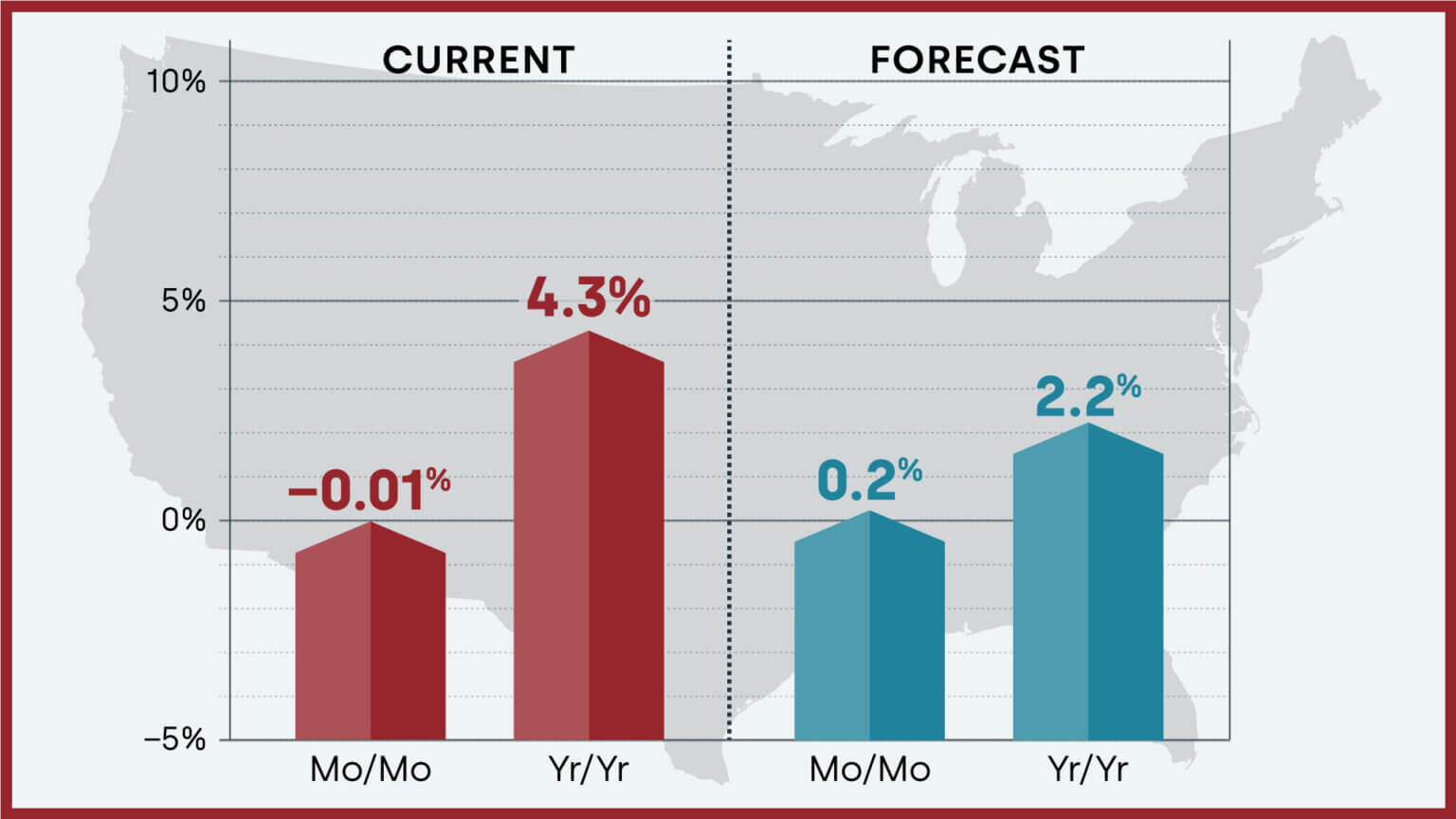
For a long time, home prices seemed to be on a one-way trip to the moon! But things are starting to change. While prices are still up compared to last year, they're not skyrocketing like they used to. In fact, according to CoreLogic, home prices across the U.S. went up by 4.3% in July 2024 compared to July 2023. That might seem like a lot, but it's actually slower growth than what we've seen recently.

Why the Slowdown?

One word: interest rates. They've been going up, making it more expensive for people to borrow money to buy a home. This has made some buyers hesitant, leading to fewer sales. However, there's a glimmer of hope! The Federal Reserve (the big guys who control interest rates) might lower them soon. This could make buying a home more affordable and give the market a little boost.

Dr. Selma Hepp, Chief Economist for CoreLogic, puts it this way: “Housing demand continued to buckle under the pressure of high mortgage rates and unaffordable home prices, leading to a considerable slowing of home price gains during the summer.”

What About the Future?

CoreLogic's housing market predictions suggest that prices will likely rise by just 0.2% from July 2024 to August 2024. Looking further ahead, they predict an increase of 2.2% between July 2024 and July 2025. These are just predictions, though, and things could change.

Here’s a quick look at the national forecast:

  • July 2024 to August 2024: Home prices expected to rise by 0.2%.
  • July 2024 to July 2025: Home prices expected to rise by 2.2%.
Housing Market Insights & Predictions - September 2024
Source: CoreLogic

Regional Differences

It's important to remember that the housing market isn't the same everywhere. Some places are hot, while others are cooling down. Here's a look at some interesting regional data:

States with the highest year-over-year home price increases (July 2023 to July 2024):

  • Rhode Island: 10.6%
  • New Jersey: 9.7%
  • Connecticut: 8.3%
  • South Dakota: 8.1%
  • Illinois: 7.5%

Metro area with the highest year-over-year home price increase (July 2023 to July 2024):

  • Miami: 9.1% increase
  • Chicago: 7.2% rise
  • Las Vegas: 7.0% growth
  • Boston: 5.5% uptick
  • Washington D.C.: 5.0% increase
  • San Diego: 6.2% jump
  • Los Angeles: 4.0% increase
  • Phoenix: 3.5% growth
  • Houston: 2.0% rise
  • Denver: 1.4% increase

Markets at high risk of home price declines:

  • Gainesville, FL
  • Palm Bay-Melbourne-Titusville, FL
  • Atlanta-Sandy Springs-Roswell, GA
  • Lakeland-Winter Haven, FL
  • Ogden-Clearfield, UT

What Does It All Mean?

The housing market can be confusing, but understanding the basics can help you make informed decisions. Here are a few key takeaways:

  • The market is cooling down: Home price growth is slowing, and sales are down.
  • Interest rates are a big factor: High rates make buying more expensive, which impacts demand.
  • Location matters: Some areas are seeing strong price growth, while others are at risk of declines.

Keep an Eye Out for…

  • Changes in interest rates: Lower rates could stimulate the market.
  • The economy: A strong economy usually means a strong housing market.
  • Inventory levels: More homes for sale could ease price pressure.

ALSO READ:

  • Housing Market Predictions for the Next 4 Years: 2024 to 2028
  • Real Estate Forecast Next 5 Years: Top 5 Predictions for Future
  • Is the Housing Market on the Brink in 2024: Crash or Boom?
  • 2008 Forecaster Warns: Housing Market 2024 Needs This to Survive
  • Housing Market Predictions for the Next 2 Years
  • Real Estate Forecast Next 10 Years: Will Prices Skyrocket?
  • Housing Market Predictions for Next 5 Years (2024-2028)
  • Housing Market Predictions 2024: Will Real Estate Crash?
  • Housing Market Predictions: 8 of Next 10 Years Poised for Gains
  • Trump vs Harris: Which Candidate Holds the Key to the Housing Market (Prediction)

Filed Under: Housing Market, Real Estate Market Tagged With: Home Price Forecast, Housing Market, housing market predictions, Housing Market Trends, Real Estate Market Predictions

Is Now a Bad Time to Buy a House? 83% of Consumers Say Yes

September 11, 2024 by Marco Santarelli

Is Now a Bad Time to Buy a House? 83% of Consumers Say Yes

Have you ever thought about buying a home in 2024 and then hesitated, wondering if it’s the right time? You're not alone. Consumer confidence plummets as a staggering 83% of people believe it’s a bad time to buy a home. This feeling of unease reflects broader economic trends that affect our daily lives.

When consumer confidence sinks, it can impact everything from house prices to job security, leaving many wondering what the future holds in the housing market. Let’s delve deeper into the factors behind this sentiment and explore what it means for potential homebuyers.

Consumer Confidence Plummets: 83% Think It's a Bad Time to Buy

Key Takeaways

  • 83% of consumers think it's a bad time to buy a home.
  • Only 17% feel it’s a good time to buy.
  • The Home Purchase Sentiment Index (HPSI) in August reached 72.1, a slight increase from the previous month.
  • 39% of consumers believe mortgage rates will fall in the next year.
  • Regional differences in perception reflect ongoing dynamics in the housing supply.

Understanding the Current Sentiment: What’s Driving the Numbers?

The perception that it is not a great time to buy a home stems from several economic factors, most notably the affordability crisis and changing dynamics in the housing market. According to a recent report from Fannie Mae, consumer sentiment in the housing market has largely stabilized, but it still reflects deep-seated concerns.

The Home Purchase Sentiment Index (HPSI) rose slightly in August to 72.1, indicating a marginal improvement in overall sentiments about the housing market compared to the previous month. However, it's crucial to underscore that while there seems to be a flicker of hope in terms of mortgage rates, consumer outlook remains gloomy. The report shows that only 17% of surveyed individuals feel it's an opportune time to buy, while 83% express the opposite sentiment. This discrepancy can be difficult to reconcile, but it is critical for understanding the current state of consumer confidence.

Mortgage Rates and Home Prices: The Shifting Landscape

What adds to this complex situation is the expectation surrounding mortgage rates. A significant 39% of consumers now believe that mortgage rates will trend downwards in the next 12 months, a notable increase from 29% just a month before. This sense of optimism about future mortgage rates serves as a double-edged sword. While it shows growing confidence in lower borrowing costs, it starkly contrasts with the prevailing fears of affordability in the current market.

Conversely, when it comes to home prices, there's a notable shift in sentiment. Only 37% of respondents now think that home prices will increase over the next year, a decrease from 41% a month ago. Additionally, the expectation that prices will fall has risen to 25%, up from 21% previously. This indicates a growing belief that home prices may not be as stable as once thought. How does this reaction impact consumer confidence? Well, it leads to a defensive stance among potential buyers, who may choose to wait for prices to drop before making a purchase.

Regional Variations: What’s Happening in Different Areas?

Interestingly, consumer sentiment isn’t uniform across the country. The regional divergence in sentiment highlights how local market conditions can vary significantly. For example, 56% of respondents in the South believe it is a good time to sell their homes, a respectable figure but down from the previous month. Comparatively, in the Northeast, an impressive 80% feel similarly. This illustrates a stark contrast in attitudes toward home selling across regions, likely driven by differences in housing supply and local economies.

Mark Palim, Vice President and Deputy Chief Economist at Fannie Mae, highlighted this fact, noting, “This likely reflects in part the wide geographic variation in new home construction activity.” Markets that have seen an uptick in construction are experiencing changes in the dynamics of homebuying, affecting how consumers perceive both buying and selling conditions. Sellers, particularly in regions with higher construction rates, may find their negotiating power weakened, reflecting a growing supply of homes on the market.

The Economic Context: Job Security and Household Income

Consumer confidence is not solely tethered to the housing market; it is part of a larger economic picture. Job security plays a crucial role in this sentiment. The percentage of respondents expressing concern about losing their jobs remains stable at 21%, showing that while many feel relatively secure, a sizable chunk is still worried. This anxiety can stifle consumer spending and investment, including home purchases.

When considering household income, the sentiment remains mixed. The share of respondents stating that their household income has significantly increased decreased from 18% to 17%, while those feeling financially squeezed has increased. With households less certain of financial movements, confidence in making major purchases, such as homes, naturally wanes.

As for job security concerns and household income, they intertwine to further amplify consumer hesitation. When individuals are preoccupied with financial stability, it’s only natural for them to pull back on significant investments. As potential homebuyers weigh their options, an overwhelming sense of pessimism can dissuade them from entering the market.

What Does This Mean for Future Homebuyers?

For minds contemplating the housing landscape, the current atmosphere marked by plummeting consumer confidence can seem daunting. The expectation of lower mortgage rates may stimulate interest later on, but today’s fear reflects real hesitations stemming from affordability issues and economic uncertainties.

In times where 83% think it's a bad time to buy, scrutinizing economic fundamentals becomes essential. Homebuyers may want to adopt a cautious approach rather than rushing into a decision, especially with home prices and interest rates projected to evolve. Nevertheless, with regional nuances playing a vital role, the context is crucial for potential buyers looking to seller markets.

What adds to the confusion is the fluctuating balance between urgent buying needs and strategic delays in purchasing. Individuals considering homes due to life changes, like job relocation or family growth, might nevertheless decide to wait in hopes of better timing, further feeding the sentiment of waiting it out.

The Road Ahead: A Waiting Game?

As the indicators paint a mixed picture and consumer confidence dwindles, it seems clear that many potential buyers are opting for caution. The impending shifts in mortgage rates and home prices may eventually shift sentiment, but until then, the overwhelming belief that it’s a poor time to buy remains pivotal in consumer decision-making. With 83% thinking it's a bad time to buy, understanding these dynamics as they unfold will be key for those navigating the unpredictable waters of the housing market.


ALSO READ:

  • Best Time to Buy a Home in 2024 is From Sept 29 to Oct 5
  • Best Time to Buy a House in the US: Timing Your Purchase
  • Should I Buy A House Now Or Wait Until Later 2024? It a Good Time?
  • Is Now a Good Time to Buy a House with Cash
  • Is It a Bad Time to Buy a House?
  • Is it a Good Time to Buy a House in California in 2024?
  • Is It a Good Time to Sell a House or Should I Wait in 2024?
  • Is Now a Good Time to Invest in Rental Property (2024)?
  • Is 2024 a Good Time to Buy an Investment Property?

Filed Under: Housing Market, Real Estate Market Tagged With: Best Time to Buy a House, Housing Market

Best Time to Buy a House in the US: Timing Your Purchase

September 11, 2024 by Marco Santarelli

Best Time to Buy a House in the US: Timing Your Purchase

Buying a home is one of the most significant financial decisions you'll make in your life. It's not just about finding the perfect property, but also about choosing the right time to buy. The real estate market in the United States fluctuates throughout the year due to various factors, including economic conditions, seasonal trends, and personal circumstances. Understanding when is the best time to buy a house in the US can help you secure a better deal and make a more informed decision.

Understanding the Best Time to Buy a House in the US

Timing plays a crucial role in the real estate market. While it's impossible to predict the market with absolute certainty, being aware of trends and economic conditions can give you a significant advantage. The best time to buy a house varies depending on market conditions, your financial situation, and your personal needs.

The decision to buy a house should align with both market conditions and your personal readiness. While some people may find better deals during certain seasons, others might prioritize moving during a specific time due to personal or family reasons.

The Importance of Timing in the Real Estate Market

Timing can have a significant impact on the price you pay for a home. The real estate market is influenced by supply and demand. When there are more homes available (high supply) and fewer buyers (low demand), prices tend to decrease, creating a buyer’s market. Conversely, when there are fewer homes and more buyers, prices can increase, leading to a seller’s market.

Economic conditions, such as interest rates and job growth, also play a vital role. When interest rates are low, more people can afford to buy homes, increasing demand. In contrast, high interest rates can reduce the number of qualified buyers, putting downward pressure on prices. Understanding these factors is crucial in determining when is the best time to buy a house in the US.

Seasonal Trends: When is the Best Time to Buy a House?

Spring: The Most Popular Time to Buy

Spring is traditionally the most popular time to buy a house in the US. The weather is generally pleasant, which makes it easier to attend open houses and view properties. Additionally, many sellers choose to list their homes in the spring, resulting in a higher inventory and more options for buyers.

Pros:

  • More Inventory: Spring typically offers the most extensive selection of homes, giving you more choices.
  • Ideal Weather: Warmer weather makes house hunting more enjoyable and allows you to see homes in their best light.
  • Moving During Summer: Buying in spring means you can move during the summer, which is especially advantageous for families with school-aged children.

Cons:

  • Higher Competition: Because spring is the most popular season, you'll likely face more competition from other buyers.
  • Potentially Higher Prices: Increased demand can drive up home prices, making it a more expensive time to buy.

Summer: A Competitive but Busy Season

Summer continues the trend of high activity in the housing market. Many people want to move before the school year begins, so there's often a rush to close deals during this season.

Pros:

  • Easier for Families: With children out of school, summer is a convenient time for families to move.
  • Longer Days: Extended daylight hours give you more time to visit properties after work.

Cons:

  • High Competition: Just like in spring, summer can be competitive, with multiple offers on desirable homes.
  • Possible Price Increases: The demand in summer can lead to bidding wars, which may drive prices up.

Fall: A Buyer’s Market Opportunity

Fall often presents a unique opportunity for buyers. As the market begins to slow down, sellers who didn’t sell in the summer may become more motivated, leading to potential price reductions.

Pros:

  • Less Competition: With fewer buyers in the market, you may find better deals and have more negotiating power.
  • Motivated Sellers: Sellers who are eager to close before the holidays or the end of the year may be more willing to negotiate.

Cons:

  • Limited Inventory: The number of homes on the market typically decreases in the fall, limiting your choices.
  • Weather Considerations: Depending on the region, weather conditions may not be ideal for moving.

Winter: The Off-Season Advantages and Disadvantages

Winter is generally considered the off-season in real estate. However, for those who don’t mind braving the cold, it can be an advantageous time to buy.

Pros:

  • Lower Prices: Homes listed in the winter are often priced lower due to decreased demand.
  • Motivated Sellers: Sellers in winter are usually more serious and may be willing to negotiate on price.

Cons:

  • Limited Inventory: Fewer homes are available in the winter, which can limit your options.
  • Harsh Weather: In colder climates, snow and ice can make house hunting and moving more challenging.

Economic Factors to Consider

Interest Rates and Mortgage Rates

Interest rates are one of the most critical factors affecting home affordability. Even a small change in mortgage rates can significantly impact your monthly payments and overall cost of the loan.

  • Low Interest Rates: When mortgage rates are low, your buying power increases, allowing you to afford a more expensive home or reduce your monthly payments.
  • High Interest Rates: Conversely, higher rates can reduce your budget and increase your monthly costs, making it a less favorable time to buy.

According to the Federal Reserve, mortgage rates can fluctuate based on their policies and broader economic conditions. Monitoring these rates can help you determine when is the best time to buy a house in the US.

Housing Market Conditions

Understanding whether you're in a buyer’s market or a seller’s market is crucial when considering the timing of your purchase.

  • Buyer’s Market: In a buyer’s market, there are more homes for sale than there are buyers. This scenario typically results in lower prices and gives buyers more negotiating power.
  • Seller’s Market: In a seller’s market, demand outpaces supply, leading to higher prices and more competition among buyers.

Monitoring local and national housing market conditions can provide insights into the best time to buy.

Economic Indicators and Forecasts

Key economic indicators, such as the unemployment rate, GDP growth, and consumer confidence, can also influence the housing market. For example, a strong economy with low unemployment may lead to increased demand for homes, while a recession could result in lower prices and more favorable conditions for buyers.

Consulting housing market forecasts can help you anticipate changes in the market and make a more informed decision on when is the best time to buy a house in the US.

Personal Factors to Consider

Financial Preparedness: Are You Ready to Buy?

Before you even start house hunting, it's essential to assess your financial readiness. A strong credit score and stable income are crucial for securing a favorable mortgage rate.

  • Down Payment: Aim to save at least 20% of the home’s purchase price for a down payment to avoid private mortgage insurance (PMI).
  • Closing Costs: These typically range from 2% to 5% of the loan amount and should be factored into your budget.
  • Ongoing Costs: Homeownership comes with ongoing expenses like maintenance, property taxes, and insurance, so it's essential to budget accordingly.

Life Events and Future Plans

Your personal circumstances and future plans also play a significant role in determining the best time to buy.

  • Job Stability: Ensure that your job and income are stable before committing to a mortgage.
  • Family Considerations: If you have or plan to have children, consider school districts and the local community amenities.
  • Long-Term Plans: Are you planning to stay in the area for the long term? If not, it might be better to wait or consider renting.

Timing Your Move for Maximum Benefit

Strategically timing your move can help you maximize the benefits of your purchase.

  • Align with Milestones: Consider major life events such as marriage, retirement, or the birth of a child.
  • Lease Expiration: If you're renting, try to time your home purchase with the end of your lease to avoid paying both rent and a mortgage.
  • Selling Your Current Home: If you're selling a home to buy another, coordinating the timing of both transactions can be challenging but crucial to avoid financial strain.

Regional Differences: Best Time to Buy a House Across the US

Regional Housing Market Trends

Housing market trends can vary significantly by region, influenced by factors like climate, local economies, and population growth.

  • Northeast: Cold winters often result in fewer buyers, making late winter and early spring a good time to find deals.
  • Southwest: Warmer climates may not have the same seasonal fluctuations, but local economic conditions can still impact timing.
  • Urban vs. Rural: Urban areas may see more competition and higher prices, while rural areas might offer better deals year-round.

How Climate and Weather Affect Home Buying

Climate can also play a significant role in the best time to buy a house. For example, buying a home in a region prone to hurricanes or wildfires may require additional considerations, such as insurance costs and property risks.

  • Warmer States: In states like Florida or Texas, the real estate market may be more active year-round, with less impact from harsh winters.
  • Colder States: In northern states, harsh winters can slow down the market, potentially leading to better deals for buyers willing to brave the cold.

How to Prepare for Buying a House

Steps to Take Before You Start House Hunting

Preparation is key to a successful home purchase. Before you start looking

at homes, take these essential steps:

  • Get Pre-Approved: A mortgage pre-approval shows sellers that you’re a serious buyer and can give you an edge in competitive markets.
  • Research Neighborhoods: Look into the neighborhoods you’re interested in, focusing on factors like school quality, crime rates, and proximity to work.
  • Set a Budget: Determine how much you can afford to spend, factoring in all associated costs, including down payment, closing costs, and ongoing expenses.

Navigating the Home Buying Process

The home buying process can be complex, but understanding each step can help you navigate it more smoothly.

  • Working with a Real Estate Agent: A knowledgeable real estate agent can guide you through the process, from finding homes to making offers and closing the deal.
  • Understanding Contracts: Real estate contracts can be complicated, so it’s essential to understand the terms and conditions before signing.
  • Inspections and Closing: Don’t skip the home inspection, as it can uncover potential issues that may affect your decision. Closing involves finalizing the purchase, so be prepared for paperwork and additional costs.

Tips for Negotiating the Best Deal

Negotiation is an essential part of the home buying process. Here are some tips to help you get the best deal:

  • Know the Market: Understanding whether you’re in a buyer’s or seller’s market can give you leverage in negotiations.
  • Make a Competitive Offer: In a competitive market, you may need to make a strong offer to secure the home, but be cautious not to overpay.
  • Negotiate Repairs: If the home inspection reveals issues, you can negotiate for the seller to make repairs or reduce the price.

Case Studies: Best Times to Buy a House in Different US Cities

Best Time to Buy a House in New York City

New York City is known for its competitive real estate market, where timing can make a significant difference.

  • Seasonal Trends: Spring and fall are the busiest times in NYC’s real estate market, with more listings and higher competition. However, winter can offer lower prices and motivated sellers.
  • Timing Considerations: Buying in late winter or early spring can give you a head start before the market heats up.

Best Time to Buy a House in Los Angeles

Los Angeles has a unique real estate market influenced by its mild climate and high demand.

  • Seasonal Trends: LA’s market is active year-round, but spring and summer see the most listings. Fall and winter might offer better deals with less competition.
  • Timing Considerations: Consider the overall economic conditions and mortgage rates when timing your purchase in LA.

Best Time to Buy a House in Dallas

Dallas is a rapidly growing city with a dynamic real estate market.

  • Seasonal Trends: Spring and summer are the peak seasons in Dallas, with more homes available but also more buyers. Fall can offer opportunities for better deals.
  • Timing Considerations: Pay attention to local economic trends, such as job growth, which can influence market conditions.

Common Mistakes to Avoid When Timing Your Home Purchase

  • Waiting for the “Perfect” Market: Trying to time the market perfectly can lead to missed opportunities. It’s more important to buy when you’re financially ready.
  • Overpaying Due to High Competition: In a hot market, it’s easy to get caught up in bidding wars. Stick to your budget to avoid overpaying.
  • Ignoring Long-Term Factors: Don’t focus solely on short-term market conditions. Consider long-term factors like economic stability and future plans.
  • Neglecting Regional Differences: The best time to buy varies by region, so be sure to consider local market conditions.

Conclusion: Final Thoughts on the Best Time to Buy a House in the US

Timing your home purchase is about finding the right balance between market conditions and personal readiness. While spring and summer offer more inventory, fall and winter may present opportunities for better deals. Economic factors, such as interest rates and housing market conditions, also play a crucial role in determining when is the best time to buy a house in the US. Ultimately, the best time to buy is when you’re financially prepared and have found the right home that meets your needs.

FAQs: When is the Best Time to Buy a House in the US?

Is spring really the best time to buy a house?

Spring is popular due to more listings, but higher competition can drive up prices. It’s essential to weigh the pros and cons based on your situation.

How do interest rates affect the timing of buying a house?

Lower interest rates can reduce your monthly payments and increase your buying power, making it a favorable time to buy.

Can I get a good deal in the winter?

Yes, winter often has lower prices and more motivated sellers, but the trade-off is limited inventory and potentially harsh weather for moving.


ALSO READ:

  • Should I Buy A House Now Or Wait Until Later 2024? It a Good Time?
  • Is Now a Good Time to Buy a House with Cash
  • Is It a Bad Time to Buy a House?
  • Is it a Good Time to Buy a House in California in 2024?
  • Is It a Good Time to Sell a House or Should I Wait in 2024?
  • Is Now a Good Time to Invest in Rental Property (2024)?
  • Is 2024 a Good Time to Buy an Investment Property?

Filed Under: Housing Market, Real Estate Market Tagged With: Best Time to Buy a House, Housing Market

Best Time to Buy a Home in 2024 is From Sept 29 to Oct 5

September 11, 2024 by Marco Santarelli

Best Time to Buy a Home in 2024 is From Sept 29 to Oct 5

So, you're thinking about buying a home in 2024? Smart move! But timing is everything, right? You want the best time to buy a home in 2024, the sweet spot where you can score a great deal and maybe even some extra cash for those fancy kitchen upgrades you've been eyeing.

Well, hold onto your hats, because according to a recent Realtor.com report, that time is closer than you think!

Best Time To Buy a Home in 2024: Snag Your Dream Home and Save Thousands

Mark Your Calendars: The Week of September 29th – October 5th

That's right, folks! The week of September 29th – October 5th is shaping up to be the best time to buy a home in 2024. Why? Let's break it down:

  • Savings Galore: Imagine saving over $14,000 on a median-priced home! That's not chump change. This magical week could put a hefty sum back in your pocket compared to the summer peak.
  • More Homes, More Choices: Remember those slim pickings everyone was talking about? Well, kiss them goodbye! Historical trends suggest that during this golden week, you'll have 14% more listings to choose from compared to an average week. That's a whopping 37% more than the start of the year!

Did You Know: Best Time to Buy a House in 2023 Was Between October 1-7

Why This Week? Realtor.com Explains:

Realtor.com didn't just pull this date out of a hat. They crunched the numbers, analyzing years of housing data, including:

  • List prices
  • Inventory levels
  • New listings
  • Days on the market
  • Homebuyer demand
  • Price reductions

And guess what? The week of September 29th – October 5th came out on top!

Mortgage Rates: The Wild Card That Could Sweeten the Deal

Remember those pesky high mortgage rates that had everyone hitting the brakes? Well, they might just take a dip before our best time to buy a home window!

  • Rates are Already Trending Down: Mortgage rates have been falling, hitting a one-year low recently.
  • The Fed Might Lend a Hand (or Rate Cut): The Federal Reserve is hinting at lowering its rates soon, which usually nudges mortgage rates in the same direction.
  • Realtor.com's Prediction: Experts at Realtor.com have adjusted their year-end mortgage rate forecast to 6.3%. That's good news for buyers!

Lower Mortgage Rates = More Money in Your Pocket!

Lower mortgage rates mean lower monthly payments, making it easier to afford your dream home. It's a win-win!

The Fall Advantage: Less Competition for Your Dream Home

Think of the fall as the real estate reset button. The spring and summer frenzy has calmed down, and you're left with:

  • Fewer Buyers: Most people buy in the spring and summer, leaving less competition for you.
  • More Breathing Room: You can take your time, shop around, and make sure you find the perfect place without feeling rushed.

Should You Jump In During the Best Week?

While the week of September 29th – October 5th is looking like a prime time to buy, remember, it's ultimately a personal decision.

Here's What You Should Do:

  • Get Familiar with the Market: Start looking at listings, researching neighborhoods, and understanding what you can afford.
  • Talk to a Lender: Get pre-approved for a mortgage so you're ready to make an offer when you find the one.
  • Be Prepared to Act Fast: If mortgage rates do drop, there might be more competition than usual.

Can't Wait Until Fall? Late Fall Has Its Perks Too!

If you can't swing a purchase during the “magic week,” don't fret! Late fall still offers some advantages:

  • Prices Continue to Fall: You might snag an even better deal on the home itself.
  • Inventory Starts to Dwindle: You'll have less to choose from, but you might find a hidden gem.

The Bottom Line: The best time to buy a home in 2024 is fast approaching! Do your homework, get your finances in order, and get ready to find your dream home without breaking the bank.


ALSO READ:

  • Best Time to Buy a House in the US: Timing Your Purchase
  • Should I Buy A House Now Or Wait Until Later 2024? It a Good Time?
  • Is Now a Good Time to Buy a House with Cash
  • Is It a Bad Time to Buy a House?
  • Is it a Good Time to Buy a House in California in 2024?
  • Is It a Good Time to Sell a House or Should I Wait in 2024?
  • Is Now a Good Time to Invest in Rental Property (2024)?
  • Is 2024 a Good Time to Buy an Investment Property?

Filed Under: Housing Market, Real Estate Market Tagged With: Best Time to Buy a House, Housing Market

United States Housing Bubble: Are We Headed for Another Crash?

September 11, 2024 by Marco Santarelli

United States Housing Bubble: Are We Headed for Another Crash?

Remember the housing crash of 2008? It sent shivers down everyone's spines. Well, whispers about a United States housing bubble are back, and folks are getting nervous. With home prices soaring, it's natural to wonder if we're on the verge of another major downturn.

The S&P Corelogic Case-Shiller Index reported a 5.5% annual home price gain for the calendar year 2023. That's higher than the average annual gain of 4.7% over the past 35 years. While this growth isn't as crazy as the double-digit jumps we saw in 2021 and 2022, it's still making a lot of people wonder: Is this a bubble about to burst?

United States Annual Home Price Gain
Source: S&P Global

The United States Housing Bubble

What is a Housing Bubble, Anyway?

Imagine blowing air into a bubblegum bubble. It gets bigger and bigger, right? That's kind of what a housing bubble is, except instead of air, it's money (or the idea of money).

Here's the breakdown:

  • Prices go up: More people want to buy houses than there are houses for sale. This high demand pushes prices way up, often beyond what's considered reasonable.
  • Speculation takes over: People start buying houses, not to live in, but hoping to sell them quickly for a profit. Think of it like flipping a house, but on a much larger scale.
  • Loose lending practices: Banks and lenders start giving out mortgages like candy, even to people who might struggle to pay them back.
  • The bubble bursts: Eventually, something gives. Maybe interest rates rise, people can't afford their mortgages, or the demand for houses simply dries up. Prices start to fall, and panic sets in. People rush to sell, prices plummet even further, and many end up owing more on their homes than what they're worth (underwater mortgages).

Signs of a Potential United States Housing Bubble

Okay, so we know what a housing bubble is, but are we in one right now? Let's look at some telltale signs:

  • Rapid Price Increases: Home prices have been climbing steadily for years, outpacing wage growth and inflation. According to the S&P Corelogic Case-Shiller Index, home prices in the United States have increased by over 40% since the start of 2020.
  • Low Housing Inventory: There simply aren't enough homes for sale to meet the demand. This shortage fuels competition and pushes prices even higher.
  • FOMO (Fear of Missing Out): Remember the frenzy around GameStop stock? Some experts believe a similar fear-driven mentality is gripping the housing market, leading people to make hasty decisions.
  • Increased Investor Activity: Large investment companies are buying up homes, pricing out individual buyers, and potentially contributing to a speculative bubble.

But… Is it Really a Bubble This Time?

Hold on a second! Before we hit the panic button, let's consider some key differences between the current United States housing market and the pre-2008 bubble:

  • Stronger Lending Standards: Banks are much stricter about who they give mortgages to these days. Remember those “no-doc” loans from the 2000s? Gone! Borrowers now face stricter credit checks and income verification.
  • Higher Down Payments: Gone are the days of getting a mortgage with little to no money down. Today, buyers typically need a sizable down payment, which means they have more skin in the game and are less likely to walk away if things go south.
  • Genuine Demand: Unlike the speculative frenzy of the mid-2000s, today's housing demand is driven by genuine factors: a growing population, a desire for more space post-pandemic, and a generational shift as millennials enter their homebuying years.

What Does the Future Hold for the United States Housing Market?

Predicting the future is tricky business, especially when it comes to something as complex as the housing market.

Here's what experts are saying:

  • Slowdown, Not Crash: Most analysts expect the market to cool off, with price growth slowing down or even plateauing. A dramatic crash, like the one we saw in 2008, is considered unlikely.
  • Rising Interest Rates: The Federal Reserve's recent interest rate hikes are making mortgages more expensive, which could dampen demand and moderate price growth.
  • Regional Variations: Real estate is all about “location, location, location,” and different parts of the country will experience different trends. Some areas may see prices continue to rise, while others could experience a correction.

My Take on the United States Housing Bubble Debate

Having closely watched the real estate market for years, I believe the current situation is different from the 2008 bubble. While there are some concerning signs—rapid price growth, low inventory—the underlying fundamentals are stronger.

Here's what I think:

  • We're not heading for a 2008-style crash. The lending practices are more responsible, and there's genuine demand for housing.
  • However, a correction is possible. Prices have risen at an unsustainable pace, and a slowdown is healthy.
  • It's a “Tale of Two Markets.” Hot markets will likely cool off, while more affordable areas might see continued growth.

My Advice for Buyers and Sellers

For Buyers:

  • Don't panic buy. Don't let FOMO drive your decisions. Be patient, do your research, and buy a home that fits your budget and lifestyle.
  • Get pre-approved for a mortgage. Knowing how much you can borrow will give you a realistic idea of what you can afford.
  • Be prepared to walk away. Don't be afraid to walk away from a deal if the price is too high or the terms aren't favorable.

For Sellers:

  • Don't overprice your home. While the market is strong, overpricing could lead to a longer time on the market and ultimately a lower sale price.
  • Get a realistic valuation. Consult with a reputable real estate agent to understand your home's true market value.
  • Be prepared to negotiate. In a cooling market, buyers may have more leverage, so be open to negotiation.

The Bottom Line

The United States housing market is at a crossroads. While a full-blown bubble burst is unlikely, a slowdown is on the horizon. By understanding the factors at play and proceeding with caution, buyers and sellers can navigate this uncertain terrain successfully.


ALSO READ:

  • Will the Next HOUSING CRASH Be WORSE Than 2008?
  • Housing Market Crash 2008 Explained: Causes and Effects
  • Will the Housing Market Crash in 2025?
  • Housing Market Crash 2024: When Will it Crash Again?
  • Here's Why Housing Market Crash Predictions Are Overblown!
  • Housing Market Crash: Expert Says Market is Ready to Pop
  • Will the Housing Market Crash: Top Cities Where Prices Are Soaring
  • If The Housing Market Crashes What Happens To Interest Rates?

Filed Under: Housing Market, Real Estate Tagged With: Housing Market

Is the Housing Bubble About to Burst in the US?

September 11, 2024 by Marco Santarelli

Is the Housing Bubble About to Burst in the US?

As the sun rises on the US housing market, many potential buyers and investors find themselves asking the pressing question: Is the housing bubble about to burst? With home prices reaching record highs, sales figures fluctuating, and economic indicators sending mixed signals, this situation warrants close examination.

In this article, we’ll delve deeper into the complexities of the current housing landscape, explore what various experts are saying, and highlight the factors that may influence the course of the market moving forward.

Is the Housing Bubble About to Burst in the US?

Understanding the Current Market Situation

The US housing market has experienced a rollercoaster ride over the past several years. Following the global pandemic, a surge in demand led many regions to see home values explode. According to a report from Forbes, the median home price has skyrocketed to an astonishing $426,900 in early 2024. This marks a significant increase and raises critical questions about purchasing power and market stability.

In a recent analysis from the National Association of Realtors (NAR), existing-home sales fell by 5.4% in June compared to the previous month—signaling potential buyer fatigue as prices soar. They also reported that homes are staying on the market longer and that sellers are receiving fewer offers. With home prices putting off many prospective buyers, experts wonder: could this finally indicate we are tipping into a buyer's market?

What is a Real Estate or Housing Bubble?

To fully understand the implications of the current market situation, it’s essential to define what a real estate or housing bubble is. A housing bubble occurs when property prices rise to levels that are not sustainable based on economic fundamentals. Essentially, it’s a situation where speculation and excessive demand inflate prices beyond what the market can support.

How Does a Housing Bubble Form?

A real estate bubble generally forms as a result of:

  • Low Interest Rates: When mortgage rates are low, borrowing becomes cheaper, prompting more buyers to enter the market.
  • Speculative Investments: If investors believe home values will continue to rise, demand may outpace supply. This kind of speculation can drive up prices rapidly.
  • Economic Factors: Population growth, job creation, and rising incomes can increase demand for housing, further inflating prices.

How Does the Bubble Burst?

A bubble typically bursts when:

  • Interest Rates Rise: As borrowing costs increase, the number of potential buyers decreases, leading to reduced demand.
  • Over-Speculation: When prices rise too quickly, buyers might become hesitant, fearing that they are overpaying. This sentiment can contribute to slowing demand.
  • Economic Downturn: An economic recession can adversely affect employment and incomes, leading to a decline in housing demand.

What Happens When the Housing Bubble Bursts?

The aftermath of a housing bubble bursting can be significant:

  • Declining Property Prices: The most immediate consequence is a sharp reduction in property values. Homeowners may find themselves with mortgages that exceed the market value of their homes.
  • Foreclosures and Distressed Sales: As homeowners struggle to sell their homes for enough to cover their mortgages, foreclosures often increase, leading to a surplus of unsold properties.
  • Wider Economic Impact: Since the housing market is linked to many sectors, a crash can lead to widespread economic disruption, affecting everything from construction jobs to banking stability.

Key Indicators of the Housing Market

To assess whether the real estate bubble is indeed on the verge of bursting, we must consider various key indicators:

  1. Home Prices: The astonishing median home price of $426,900 represents a barrier for many potential buyers. This recent surge means many families are priced out of homeownership, raising questions about sustainability.
  2. Existing-Home Sales: Sales figures are declining. The NAR has documented a 5.4% drop in existing-home sales over the last month, marking the fourth consecutive month of declining sales. With resale homes becoming less affordable, many buyers are waiting for more favorable conditions or lower prices.
  3. Inventory Levels: Despite the high prices, inventory is starting to show signs of improvement. NAR data indicates that inventory has grown 3.1% month-over-month, with 1.32 million unsold homes available at the end of June. This level of inventory—enough for approximately 4.1 months of sales at the current pace—could indicate a shift toward a more balanced market.
  4. Interest Rates: Current mortgage rates hover around 7.5%, an increase that has significantly impacted affordability for many buyers. The combination of rising interest rates and high home prices poses a double whammy for prospective homeowners.
  5. Buyer Sentiment: As interest rates rise and affordability continues to decline, consumer confidence has waned. Many buyers hesitate, leading to a broader sentiment that suggests potential market uncertainty—something that prompts the looming question: Is the real estate bubble about to burst?

Table: Key Metrics of the US Housing Market (2024)

Metric Value
Median Home Price $426,900
Existing-Home Sales Change -5.4% in June
Average Mortgage Rate 7.5%
Housing Inventory 1.32 million unsold homes
Months of Inventory 4.1 months
Consumer Confidence Index Declining

What Experts Are Saying

The prevailing sentiment among economists is mixed. Some experts warn that the signs of a potential bubble are emerging, while others express caution regarding a significant decline.

  1. The Case for Caution: Many analysts are wary, comparing current market conditions to those preceding the 2008 crisis. They emphasize the rapid price increases and rising interest rates as indicators that could lead to a market correction. Several reports echo this concern, suggesting that the high home prices, coupled with the challenges of affordability, raise the question: Is the real estate bubble about to burst?
  2. Optimism Amidst Crisis: Alternatively, others point to low inventory levels as a buffer against a severe market crash. The ongoing shortage of available homes keeps prices elevated even in the face of declining buyer confidence. The fear remains, however, that if prices continue to climb without adequate demand, it could trigger a sharp correction.
  3. Long-term Perspectives: Many experts believe that while we may be at a critical juncture, a significant market downturn may not be imminent. Factors such as sustained demand from millennials seeking homes and investment from institutional buyers could provide stability in the long run.

Strategies for Prospective Buyers

In light of these insights, potential homebuyers should tread carefully. Here are some strategies to consider:

  • Wait for the Market to Stabilize: With the current prices and fluctuating interest rates, it may pay off to be patient and observe the market trends for a few months. By waiting, buyers might leverage the growing inventory and declining sales to negotiate better deals.
  • Consider Renting: For those who feel uncertain about entering the market, renting may provide flexibility without the risks of fluctuating property values.
  • Analyze Financial Health: Before making a purchase, potential buyers should ensure they are financially prepared for rising mortgage payments and maintenance costs. This is crucial, as affordability remains a significant concern.

Conclusion: Navigating the Future of the Housing Market

As we assess the reality of whether the real estate bubble is about to burst in the US, it becomes clear that the situation is complex. While home prices reach unprecedented heights, inventory is finally starting to loosen, and interest rates rise, the underlying demand remains strong.

The story unfolds gradually, and any dramatic shifts toward a buyer's market might take time. For those contemplating homeownership, staying informed and assessing market trends will be key in navigating this tumultuous terrain. Ultimately, whether the market stabilizes or further corrections materialize will hinge on a variety of economic conditions over the coming months.

As the old adage goes in real estate: Location, location, location. For today's buyers, it may also be about timing, timing, timing. Only time will tell whether the question—Is the housing bubble about to burst?—becomes a reality.


ALSO READ:

  • Will the Next HOUSING CRASH Be WORSE Than 2008?
  • Housing Market Crash 2008 Explained: Causes and Effects
  • Will the Housing Market Crash in 2025?
  • Housing Market Crash 2024: When Will it Crash Again?
  • Here's Why Housing Market Crash Predictions Are Overblown!
  • Housing Market Crash: Expert Says Market is Ready to Pop
  • Will the Housing Market Crash: Top Cities Where Prices Are Soaring
  • If The Housing Market Crashes What Happens To Interest Rates?

Filed Under: Housing Market, Real Estate Tagged With: Housing Market

  • « Previous Page
  • 1
  • …
  • 58
  • 59
  • 60
  • 61
  • 62
  • …
  • 93
  • Next Page »

Real Estate

  • Birmingham
  • Cape Coral
  • Charlotte
  • Chicago

Quick Links

  • Markets
  • Membership
  • Notes
  • Contact Us

Blog Posts

  • 20 Best Small Cities to Invest in Real Estate in 2026
    June 23, 2026Marco Santarelli
  • Best Places to Buy a House in the USA for Investment in 2026
    June 23, 2026Marco Santarelli
  • Best Places to Invest in Real Estate in 2026
    June 23, 2026Marco Santarelli

Contact

Norada Real Estate Investments 30251 Golden Lantern, Suite E-261 Laguna Niguel, CA 92677

(949) 218-6668
(800) 611-3060
BBB
  • Terms of Use
  • |
  • Privacy Policy
  • |
  • Testimonials
  • |
  • Suggestions?
  • |
  • Home

Copyright 2018 Norada Real Estate Investments

Loading...