Norada Real Estate Investments

  • Home
  • Markets
  • Properties
  • Membership
  • Podcast
  • Learn
  • About
  • Contact

Best Time to Buy a House in the US: Timing Your Purchase

September 11, 2024 by Marco Santarelli

Best Time to Buy a House in the US: Timing Your Purchase

Buying a home is one of the most significant financial decisions you'll make in your life. It's not just about finding the perfect property, but also about choosing the right time to buy. The real estate market in the United States fluctuates throughout the year due to various factors, including economic conditions, seasonal trends, and personal circumstances. Understanding when is the best time to buy a house in the US can help you secure a better deal and make a more informed decision.

Understanding the Best Time to Buy a House in the US

Timing plays a crucial role in the real estate market. While it's impossible to predict the market with absolute certainty, being aware of trends and economic conditions can give you a significant advantage. The best time to buy a house varies depending on market conditions, your financial situation, and your personal needs.

The decision to buy a house should align with both market conditions and your personal readiness. While some people may find better deals during certain seasons, others might prioritize moving during a specific time due to personal or family reasons.

The Importance of Timing in the Real Estate Market

Timing can have a significant impact on the price you pay for a home. The real estate market is influenced by supply and demand. When there are more homes available (high supply) and fewer buyers (low demand), prices tend to decrease, creating a buyer’s market. Conversely, when there are fewer homes and more buyers, prices can increase, leading to a seller’s market.

Economic conditions, such as interest rates and job growth, also play a vital role. When interest rates are low, more people can afford to buy homes, increasing demand. In contrast, high interest rates can reduce the number of qualified buyers, putting downward pressure on prices. Understanding these factors is crucial in determining when is the best time to buy a house in the US.

Seasonal Trends: When is the Best Time to Buy a House?

Spring: The Most Popular Time to Buy

Spring is traditionally the most popular time to buy a house in the US. The weather is generally pleasant, which makes it easier to attend open houses and view properties. Additionally, many sellers choose to list their homes in the spring, resulting in a higher inventory and more options for buyers.

Pros:

  • More Inventory: Spring typically offers the most extensive selection of homes, giving you more choices.
  • Ideal Weather: Warmer weather makes house hunting more enjoyable and allows you to see homes in their best light.
  • Moving During Summer: Buying in spring means you can move during the summer, which is especially advantageous for families with school-aged children.

Cons:

  • Higher Competition: Because spring is the most popular season, you'll likely face more competition from other buyers.
  • Potentially Higher Prices: Increased demand can drive up home prices, making it a more expensive time to buy.

Summer: A Competitive but Busy Season

Summer continues the trend of high activity in the housing market. Many people want to move before the school year begins, so there's often a rush to close deals during this season.

Pros:

  • Easier for Families: With children out of school, summer is a convenient time for families to move.
  • Longer Days: Extended daylight hours give you more time to visit properties after work.

Cons:

  • High Competition: Just like in spring, summer can be competitive, with multiple offers on desirable homes.
  • Possible Price Increases: The demand in summer can lead to bidding wars, which may drive prices up.

Fall: A Buyer’s Market Opportunity

Fall often presents a unique opportunity for buyers. As the market begins to slow down, sellers who didn’t sell in the summer may become more motivated, leading to potential price reductions.

Pros:

  • Less Competition: With fewer buyers in the market, you may find better deals and have more negotiating power.
  • Motivated Sellers: Sellers who are eager to close before the holidays or the end of the year may be more willing to negotiate.

Cons:

  • Limited Inventory: The number of homes on the market typically decreases in the fall, limiting your choices.
  • Weather Considerations: Depending on the region, weather conditions may not be ideal for moving.

Winter: The Off-Season Advantages and Disadvantages

Winter is generally considered the off-season in real estate. However, for those who don’t mind braving the cold, it can be an advantageous time to buy.

Pros:

  • Lower Prices: Homes listed in the winter are often priced lower due to decreased demand.
  • Motivated Sellers: Sellers in winter are usually more serious and may be willing to negotiate on price.

Cons:

  • Limited Inventory: Fewer homes are available in the winter, which can limit your options.
  • Harsh Weather: In colder climates, snow and ice can make house hunting and moving more challenging.

Economic Factors to Consider

Interest Rates and Mortgage Rates

Interest rates are one of the most critical factors affecting home affordability. Even a small change in mortgage rates can significantly impact your monthly payments and overall cost of the loan.

  • Low Interest Rates: When mortgage rates are low, your buying power increases, allowing you to afford a more expensive home or reduce your monthly payments.
  • High Interest Rates: Conversely, higher rates can reduce your budget and increase your monthly costs, making it a less favorable time to buy.

According to the Federal Reserve, mortgage rates can fluctuate based on their policies and broader economic conditions. Monitoring these rates can help you determine when is the best time to buy a house in the US.

Housing Market Conditions

Understanding whether you're in a buyer’s market or a seller’s market is crucial when considering the timing of your purchase.

  • Buyer’s Market: In a buyer’s market, there are more homes for sale than there are buyers. This scenario typically results in lower prices and gives buyers more negotiating power.
  • Seller’s Market: In a seller’s market, demand outpaces supply, leading to higher prices and more competition among buyers.

Monitoring local and national housing market conditions can provide insights into the best time to buy.

Economic Indicators and Forecasts

Key economic indicators, such as the unemployment rate, GDP growth, and consumer confidence, can also influence the housing market. For example, a strong economy with low unemployment may lead to increased demand for homes, while a recession could result in lower prices and more favorable conditions for buyers.

Consulting housing market forecasts can help you anticipate changes in the market and make a more informed decision on when is the best time to buy a house in the US.

Personal Factors to Consider

Financial Preparedness: Are You Ready to Buy?

Before you even start house hunting, it's essential to assess your financial readiness. A strong credit score and stable income are crucial for securing a favorable mortgage rate.

  • Down Payment: Aim to save at least 20% of the home’s purchase price for a down payment to avoid private mortgage insurance (PMI).
  • Closing Costs: These typically range from 2% to 5% of the loan amount and should be factored into your budget.
  • Ongoing Costs: Homeownership comes with ongoing expenses like maintenance, property taxes, and insurance, so it's essential to budget accordingly.

Life Events and Future Plans

Your personal circumstances and future plans also play a significant role in determining the best time to buy.

  • Job Stability: Ensure that your job and income are stable before committing to a mortgage.
  • Family Considerations: If you have or plan to have children, consider school districts and the local community amenities.
  • Long-Term Plans: Are you planning to stay in the area for the long term? If not, it might be better to wait or consider renting.

Timing Your Move for Maximum Benefit

Strategically timing your move can help you maximize the benefits of your purchase.

  • Align with Milestones: Consider major life events such as marriage, retirement, or the birth of a child.
  • Lease Expiration: If you're renting, try to time your home purchase with the end of your lease to avoid paying both rent and a mortgage.
  • Selling Your Current Home: If you're selling a home to buy another, coordinating the timing of both transactions can be challenging but crucial to avoid financial strain.

Regional Differences: Best Time to Buy a House Across the US

Regional Housing Market Trends

Housing market trends can vary significantly by region, influenced by factors like climate, local economies, and population growth.

  • Northeast: Cold winters often result in fewer buyers, making late winter and early spring a good time to find deals.
  • Southwest: Warmer climates may not have the same seasonal fluctuations, but local economic conditions can still impact timing.
  • Urban vs. Rural: Urban areas may see more competition and higher prices, while rural areas might offer better deals year-round.

How Climate and Weather Affect Home Buying

Climate can also play a significant role in the best time to buy a house. For example, buying a home in a region prone to hurricanes or wildfires may require additional considerations, such as insurance costs and property risks.

  • Warmer States: In states like Florida or Texas, the real estate market may be more active year-round, with less impact from harsh winters.
  • Colder States: In northern states, harsh winters can slow down the market, potentially leading to better deals for buyers willing to brave the cold.

How to Prepare for Buying a House

Steps to Take Before You Start House Hunting

Preparation is key to a successful home purchase. Before you start looking

at homes, take these essential steps:

  • Get Pre-Approved: A mortgage pre-approval shows sellers that you’re a serious buyer and can give you an edge in competitive markets.
  • Research Neighborhoods: Look into the neighborhoods you’re interested in, focusing on factors like school quality, crime rates, and proximity to work.
  • Set a Budget: Determine how much you can afford to spend, factoring in all associated costs, including down payment, closing costs, and ongoing expenses.

Navigating the Home Buying Process

The home buying process can be complex, but understanding each step can help you navigate it more smoothly.

  • Working with a Real Estate Agent: A knowledgeable real estate agent can guide you through the process, from finding homes to making offers and closing the deal.
  • Understanding Contracts: Real estate contracts can be complicated, so it’s essential to understand the terms and conditions before signing.
  • Inspections and Closing: Don’t skip the home inspection, as it can uncover potential issues that may affect your decision. Closing involves finalizing the purchase, so be prepared for paperwork and additional costs.

Tips for Negotiating the Best Deal

Negotiation is an essential part of the home buying process. Here are some tips to help you get the best deal:

  • Know the Market: Understanding whether you’re in a buyer’s or seller’s market can give you leverage in negotiations.
  • Make a Competitive Offer: In a competitive market, you may need to make a strong offer to secure the home, but be cautious not to overpay.
  • Negotiate Repairs: If the home inspection reveals issues, you can negotiate for the seller to make repairs or reduce the price.

Case Studies: Best Times to Buy a House in Different US Cities

Best Time to Buy a House in New York City

New York City is known for its competitive real estate market, where timing can make a significant difference.

  • Seasonal Trends: Spring and fall are the busiest times in NYC’s real estate market, with more listings and higher competition. However, winter can offer lower prices and motivated sellers.
  • Timing Considerations: Buying in late winter or early spring can give you a head start before the market heats up.

Best Time to Buy a House in Los Angeles

Los Angeles has a unique real estate market influenced by its mild climate and high demand.

  • Seasonal Trends: LA’s market is active year-round, but spring and summer see the most listings. Fall and winter might offer better deals with less competition.
  • Timing Considerations: Consider the overall economic conditions and mortgage rates when timing your purchase in LA.

Best Time to Buy a House in Dallas

Dallas is a rapidly growing city with a dynamic real estate market.

  • Seasonal Trends: Spring and summer are the peak seasons in Dallas, with more homes available but also more buyers. Fall can offer opportunities for better deals.
  • Timing Considerations: Pay attention to local economic trends, such as job growth, which can influence market conditions.

Common Mistakes to Avoid When Timing Your Home Purchase

  • Waiting for the “Perfect” Market: Trying to time the market perfectly can lead to missed opportunities. It’s more important to buy when you’re financially ready.
  • Overpaying Due to High Competition: In a hot market, it’s easy to get caught up in bidding wars. Stick to your budget to avoid overpaying.
  • Ignoring Long-Term Factors: Don’t focus solely on short-term market conditions. Consider long-term factors like economic stability and future plans.
  • Neglecting Regional Differences: The best time to buy varies by region, so be sure to consider local market conditions.

Conclusion: Final Thoughts on the Best Time to Buy a House in the US

Timing your home purchase is about finding the right balance between market conditions and personal readiness. While spring and summer offer more inventory, fall and winter may present opportunities for better deals. Economic factors, such as interest rates and housing market conditions, also play a crucial role in determining when is the best time to buy a house in the US. Ultimately, the best time to buy is when you’re financially prepared and have found the right home that meets your needs.

FAQs: When is the Best Time to Buy a House in the US?

Is spring really the best time to buy a house?

Spring is popular due to more listings, but higher competition can drive up prices. It’s essential to weigh the pros and cons based on your situation.

How do interest rates affect the timing of buying a house?

Lower interest rates can reduce your monthly payments and increase your buying power, making it a favorable time to buy.

Can I get a good deal in the winter?

Yes, winter often has lower prices and more motivated sellers, but the trade-off is limited inventory and potentially harsh weather for moving.


ALSO READ:

  • Should I Buy A House Now Or Wait Until Later 2024? It a Good Time?
  • Is Now a Good Time to Buy a House with Cash
  • Is It a Bad Time to Buy a House?
  • Is it a Good Time to Buy a House in California in 2024?
  • Is It a Good Time to Sell a House or Should I Wait in 2024?
  • Is Now a Good Time to Invest in Rental Property (2024)?
  • Is 2024 a Good Time to Buy an Investment Property?

Filed Under: Housing Market, Real Estate Market Tagged With: Best Time to Buy a House, Housing Market

Best Time to Buy a Home in 2024 is From Sept 29 to Oct 5

September 11, 2024 by Marco Santarelli

Best Time to Buy a Home in 2024 is From Sept 29 to Oct 5

So, you're thinking about buying a home in 2024? Smart move! But timing is everything, right? You want the best time to buy a home in 2024, the sweet spot where you can score a great deal and maybe even some extra cash for those fancy kitchen upgrades you've been eyeing.

Well, hold onto your hats, because according to a recent Realtor.com report, that time is closer than you think!

Best Time To Buy a Home in 2024: Snag Your Dream Home and Save Thousands

Mark Your Calendars: The Week of September 29th – October 5th

That's right, folks! The week of September 29th – October 5th is shaping up to be the best time to buy a home in 2024. Why? Let's break it down:

  • Savings Galore: Imagine saving over $14,000 on a median-priced home! That's not chump change. This magical week could put a hefty sum back in your pocket compared to the summer peak.
  • More Homes, More Choices: Remember those slim pickings everyone was talking about? Well, kiss them goodbye! Historical trends suggest that during this golden week, you'll have 14% more listings to choose from compared to an average week. That's a whopping 37% more than the start of the year!

Did You Know: Best Time to Buy a House in 2023 Was Between October 1-7

Why This Week? Realtor.com Explains:

Realtor.com didn't just pull this date out of a hat. They crunched the numbers, analyzing years of housing data, including:

  • List prices
  • Inventory levels
  • New listings
  • Days on the market
  • Homebuyer demand
  • Price reductions

And guess what? The week of September 29th – October 5th came out on top!

Mortgage Rates: The Wild Card That Could Sweeten the Deal

Remember those pesky high mortgage rates that had everyone hitting the brakes? Well, they might just take a dip before our best time to buy a home window!

  • Rates are Already Trending Down: Mortgage rates have been falling, hitting a one-year low recently.
  • The Fed Might Lend a Hand (or Rate Cut): The Federal Reserve is hinting at lowering its rates soon, which usually nudges mortgage rates in the same direction.
  • Realtor.com's Prediction: Experts at Realtor.com have adjusted their year-end mortgage rate forecast to 6.3%. That's good news for buyers!

Lower Mortgage Rates = More Money in Your Pocket!

Lower mortgage rates mean lower monthly payments, making it easier to afford your dream home. It's a win-win!

The Fall Advantage: Less Competition for Your Dream Home

Think of the fall as the real estate reset button. The spring and summer frenzy has calmed down, and you're left with:

  • Fewer Buyers: Most people buy in the spring and summer, leaving less competition for you.
  • More Breathing Room: You can take your time, shop around, and make sure you find the perfect place without feeling rushed.

Should You Jump In During the Best Week?

While the week of September 29th – October 5th is looking like a prime time to buy, remember, it's ultimately a personal decision.

Here's What You Should Do:

  • Get Familiar with the Market: Start looking at listings, researching neighborhoods, and understanding what you can afford.
  • Talk to a Lender: Get pre-approved for a mortgage so you're ready to make an offer when you find the one.
  • Be Prepared to Act Fast: If mortgage rates do drop, there might be more competition than usual.

Can't Wait Until Fall? Late Fall Has Its Perks Too!

If you can't swing a purchase during the “magic week,” don't fret! Late fall still offers some advantages:

  • Prices Continue to Fall: You might snag an even better deal on the home itself.
  • Inventory Starts to Dwindle: You'll have less to choose from, but you might find a hidden gem.

The Bottom Line: The best time to buy a home in 2024 is fast approaching! Do your homework, get your finances in order, and get ready to find your dream home without breaking the bank.


ALSO READ:

  • Best Time to Buy a House in the US: Timing Your Purchase
  • Should I Buy A House Now Or Wait Until Later 2024? It a Good Time?
  • Is Now a Good Time to Buy a House with Cash
  • Is It a Bad Time to Buy a House?
  • Is it a Good Time to Buy a House in California in 2024?
  • Is It a Good Time to Sell a House or Should I Wait in 2024?
  • Is Now a Good Time to Invest in Rental Property (2024)?
  • Is 2024 a Good Time to Buy an Investment Property?

Filed Under: Housing Market, Real Estate Market Tagged With: Best Time to Buy a House, Housing Market

United States Housing Bubble: Are We Headed for Another Crash?

September 11, 2024 by Marco Santarelli

United States Housing Bubble: Are We Headed for Another Crash?

Remember the housing crash of 2008? It sent shivers down everyone's spines. Well, whispers about a United States housing bubble are back, and folks are getting nervous. With home prices soaring, it's natural to wonder if we're on the verge of another major downturn.

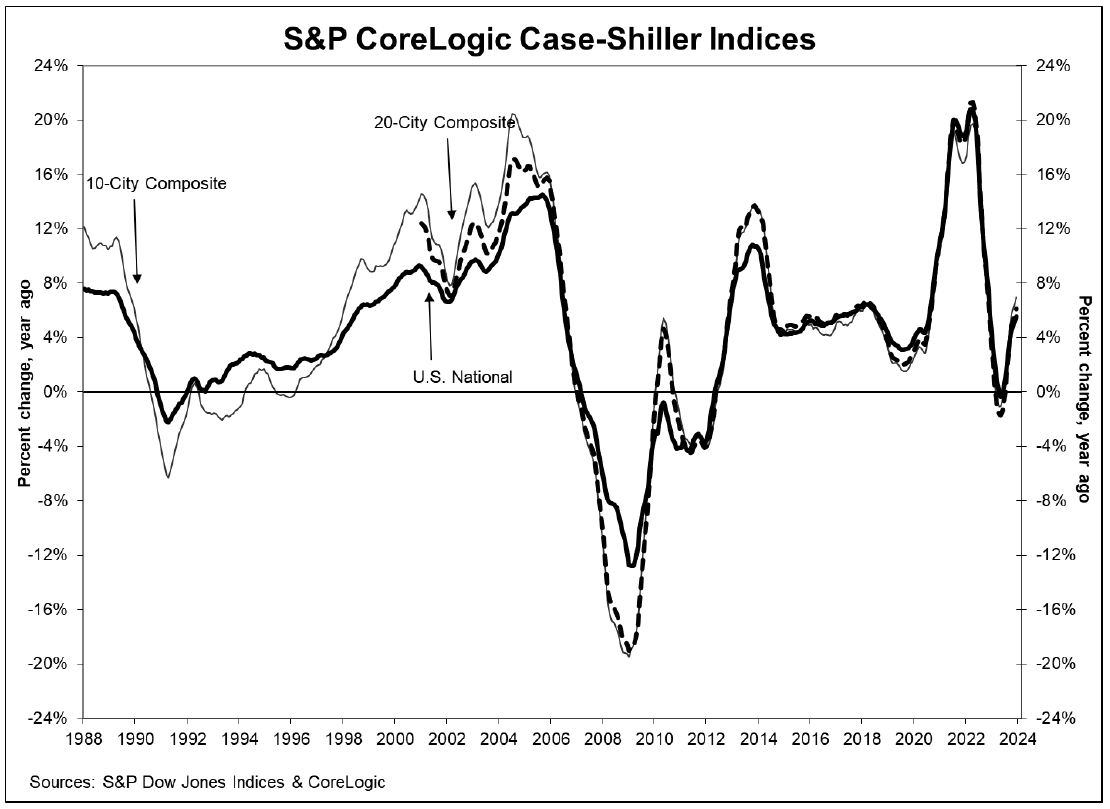
The S&P Corelogic Case-Shiller Index reported a 5.5% annual home price gain for the calendar year 2023. That's higher than the average annual gain of 4.7% over the past 35 years. While this growth isn't as crazy as the double-digit jumps we saw in 2021 and 2022, it's still making a lot of people wonder: Is this a bubble about to burst?

United States Annual Home Price Gain
Source: S&P Global

The United States Housing Bubble

What is a Housing Bubble, Anyway?

Imagine blowing air into a bubblegum bubble. It gets bigger and bigger, right? That's kind of what a housing bubble is, except instead of air, it's money (or the idea of money).

Here's the breakdown:

  • Prices go up: More people want to buy houses than there are houses for sale. This high demand pushes prices way up, often beyond what's considered reasonable.
  • Speculation takes over: People start buying houses, not to live in, but hoping to sell them quickly for a profit. Think of it like flipping a house, but on a much larger scale.
  • Loose lending practices: Banks and lenders start giving out mortgages like candy, even to people who might struggle to pay them back.
  • The bubble bursts: Eventually, something gives. Maybe interest rates rise, people can't afford their mortgages, or the demand for houses simply dries up. Prices start to fall, and panic sets in. People rush to sell, prices plummet even further, and many end up owing more on their homes than what they're worth (underwater mortgages).

Signs of a Potential United States Housing Bubble

Okay, so we know what a housing bubble is, but are we in one right now? Let's look at some telltale signs:

  • Rapid Price Increases: Home prices have been climbing steadily for years, outpacing wage growth and inflation. According to the S&P Corelogic Case-Shiller Index, home prices in the United States have increased by over 40% since the start of 2020.
  • Low Housing Inventory: There simply aren't enough homes for sale to meet the demand. This shortage fuels competition and pushes prices even higher.
  • FOMO (Fear of Missing Out): Remember the frenzy around GameStop stock? Some experts believe a similar fear-driven mentality is gripping the housing market, leading people to make hasty decisions.
  • Increased Investor Activity: Large investment companies are buying up homes, pricing out individual buyers, and potentially contributing to a speculative bubble.

But… Is it Really a Bubble This Time?

Hold on a second! Before we hit the panic button, let's consider some key differences between the current United States housing market and the pre-2008 bubble:

  • Stronger Lending Standards: Banks are much stricter about who they give mortgages to these days. Remember those “no-doc” loans from the 2000s? Gone! Borrowers now face stricter credit checks and income verification.
  • Higher Down Payments: Gone are the days of getting a mortgage with little to no money down. Today, buyers typically need a sizable down payment, which means they have more skin in the game and are less likely to walk away if things go south.
  • Genuine Demand: Unlike the speculative frenzy of the mid-2000s, today's housing demand is driven by genuine factors: a growing population, a desire for more space post-pandemic, and a generational shift as millennials enter their homebuying years.

What Does the Future Hold for the United States Housing Market?

Predicting the future is tricky business, especially when it comes to something as complex as the housing market.

Here's what experts are saying:

  • Slowdown, Not Crash: Most analysts expect the market to cool off, with price growth slowing down or even plateauing. A dramatic crash, like the one we saw in 2008, is considered unlikely.
  • Rising Interest Rates: The Federal Reserve's recent interest rate hikes are making mortgages more expensive, which could dampen demand and moderate price growth.
  • Regional Variations: Real estate is all about “location, location, location,” and different parts of the country will experience different trends. Some areas may see prices continue to rise, while others could experience a correction.

My Take on the United States Housing Bubble Debate

Having closely watched the real estate market for years, I believe the current situation is different from the 2008 bubble. While there are some concerning signs—rapid price growth, low inventory—the underlying fundamentals are stronger.

Here's what I think:

  • We're not heading for a 2008-style crash. The lending practices are more responsible, and there's genuine demand for housing.
  • However, a correction is possible. Prices have risen at an unsustainable pace, and a slowdown is healthy.
  • It's a “Tale of Two Markets.” Hot markets will likely cool off, while more affordable areas might see continued growth.

My Advice for Buyers and Sellers

For Buyers:

  • Don't panic buy. Don't let FOMO drive your decisions. Be patient, do your research, and buy a home that fits your budget and lifestyle.
  • Get pre-approved for a mortgage. Knowing how much you can borrow will give you a realistic idea of what you can afford.
  • Be prepared to walk away. Don't be afraid to walk away from a deal if the price is too high or the terms aren't favorable.

For Sellers:

  • Don't overprice your home. While the market is strong, overpricing could lead to a longer time on the market and ultimately a lower sale price.
  • Get a realistic valuation. Consult with a reputable real estate agent to understand your home's true market value.
  • Be prepared to negotiate. In a cooling market, buyers may have more leverage, so be open to negotiation.

The Bottom Line

The United States housing market is at a crossroads. While a full-blown bubble burst is unlikely, a slowdown is on the horizon. By understanding the factors at play and proceeding with caution, buyers and sellers can navigate this uncertain terrain successfully.


ALSO READ:

  • Will the Next HOUSING CRASH Be WORSE Than 2008?
  • Housing Market Crash 2008 Explained: Causes and Effects
  • Will the Housing Market Crash in 2025?
  • Housing Market Crash 2024: When Will it Crash Again?
  • Here's Why Housing Market Crash Predictions Are Overblown!
  • Housing Market Crash: Expert Says Market is Ready to Pop
  • Will the Housing Market Crash: Top Cities Where Prices Are Soaring
  • If The Housing Market Crashes What Happens To Interest Rates?

Filed Under: Housing Market, Real Estate Tagged With: Housing Market

Is the Housing Bubble About to Burst in the US?

September 11, 2024 by Marco Santarelli

Is the Housing Bubble About to Burst in the US?

As the sun rises on the US housing market, many potential buyers and investors find themselves asking the pressing question: Is the housing bubble about to burst? With home prices reaching record highs, sales figures fluctuating, and economic indicators sending mixed signals, this situation warrants close examination.

In this article, we’ll delve deeper into the complexities of the current housing landscape, explore what various experts are saying, and highlight the factors that may influence the course of the market moving forward.

Is the Housing Bubble About to Burst in the US?

Understanding the Current Market Situation

The US housing market has experienced a rollercoaster ride over the past several years. Following the global pandemic, a surge in demand led many regions to see home values explode. According to a report from Forbes, the median home price has skyrocketed to an astonishing $426,900 in early 2024. This marks a significant increase and raises critical questions about purchasing power and market stability.

In a recent analysis from the National Association of Realtors (NAR), existing-home sales fell by 5.4% in June compared to the previous month—signaling potential buyer fatigue as prices soar. They also reported that homes are staying on the market longer and that sellers are receiving fewer offers. With home prices putting off many prospective buyers, experts wonder: could this finally indicate we are tipping into a buyer's market?

What is a Real Estate or Housing Bubble?

To fully understand the implications of the current market situation, it’s essential to define what a real estate or housing bubble is. A housing bubble occurs when property prices rise to levels that are not sustainable based on economic fundamentals. Essentially, it’s a situation where speculation and excessive demand inflate prices beyond what the market can support.

How Does a Housing Bubble Form?

A real estate bubble generally forms as a result of:

  • Low Interest Rates: When mortgage rates are low, borrowing becomes cheaper, prompting more buyers to enter the market.
  • Speculative Investments: If investors believe home values will continue to rise, demand may outpace supply. This kind of speculation can drive up prices rapidly.
  • Economic Factors: Population growth, job creation, and rising incomes can increase demand for housing, further inflating prices.

How Does the Bubble Burst?

A bubble typically bursts when:

  • Interest Rates Rise: As borrowing costs increase, the number of potential buyers decreases, leading to reduced demand.
  • Over-Speculation: When prices rise too quickly, buyers might become hesitant, fearing that they are overpaying. This sentiment can contribute to slowing demand.
  • Economic Downturn: An economic recession can adversely affect employment and incomes, leading to a decline in housing demand.

What Happens When the Housing Bubble Bursts?

The aftermath of a housing bubble bursting can be significant:

  • Declining Property Prices: The most immediate consequence is a sharp reduction in property values. Homeowners may find themselves with mortgages that exceed the market value of their homes.
  • Foreclosures and Distressed Sales: As homeowners struggle to sell their homes for enough to cover their mortgages, foreclosures often increase, leading to a surplus of unsold properties.
  • Wider Economic Impact: Since the housing market is linked to many sectors, a crash can lead to widespread economic disruption, affecting everything from construction jobs to banking stability.

Key Indicators of the Housing Market

To assess whether the real estate bubble is indeed on the verge of bursting, we must consider various key indicators:

  1. Home Prices: The astonishing median home price of $426,900 represents a barrier for many potential buyers. This recent surge means many families are priced out of homeownership, raising questions about sustainability.
  2. Existing-Home Sales: Sales figures are declining. The NAR has documented a 5.4% drop in existing-home sales over the last month, marking the fourth consecutive month of declining sales. With resale homes becoming less affordable, many buyers are waiting for more favorable conditions or lower prices.
  3. Inventory Levels: Despite the high prices, inventory is starting to show signs of improvement. NAR data indicates that inventory has grown 3.1% month-over-month, with 1.32 million unsold homes available at the end of June. This level of inventory—enough for approximately 4.1 months of sales at the current pace—could indicate a shift toward a more balanced market.
  4. Interest Rates: Current mortgage rates hover around 7.5%, an increase that has significantly impacted affordability for many buyers. The combination of rising interest rates and high home prices poses a double whammy for prospective homeowners.
  5. Buyer Sentiment: As interest rates rise and affordability continues to decline, consumer confidence has waned. Many buyers hesitate, leading to a broader sentiment that suggests potential market uncertainty—something that prompts the looming question: Is the real estate bubble about to burst?

Table: Key Metrics of the US Housing Market (2024)

Metric Value
Median Home Price $426,900
Existing-Home Sales Change -5.4% in June
Average Mortgage Rate 7.5%
Housing Inventory 1.32 million unsold homes
Months of Inventory 4.1 months
Consumer Confidence Index Declining

What Experts Are Saying

The prevailing sentiment among economists is mixed. Some experts warn that the signs of a potential bubble are emerging, while others express caution regarding a significant decline.

  1. The Case for Caution: Many analysts are wary, comparing current market conditions to those preceding the 2008 crisis. They emphasize the rapid price increases and rising interest rates as indicators that could lead to a market correction. Several reports echo this concern, suggesting that the high home prices, coupled with the challenges of affordability, raise the question: Is the real estate bubble about to burst?
  2. Optimism Amidst Crisis: Alternatively, others point to low inventory levels as a buffer against a severe market crash. The ongoing shortage of available homes keeps prices elevated even in the face of declining buyer confidence. The fear remains, however, that if prices continue to climb without adequate demand, it could trigger a sharp correction.
  3. Long-term Perspectives: Many experts believe that while we may be at a critical juncture, a significant market downturn may not be imminent. Factors such as sustained demand from millennials seeking homes and investment from institutional buyers could provide stability in the long run.

Strategies for Prospective Buyers

In light of these insights, potential homebuyers should tread carefully. Here are some strategies to consider:

  • Wait for the Market to Stabilize: With the current prices and fluctuating interest rates, it may pay off to be patient and observe the market trends for a few months. By waiting, buyers might leverage the growing inventory and declining sales to negotiate better deals.
  • Consider Renting: For those who feel uncertain about entering the market, renting may provide flexibility without the risks of fluctuating property values.
  • Analyze Financial Health: Before making a purchase, potential buyers should ensure they are financially prepared for rising mortgage payments and maintenance costs. This is crucial, as affordability remains a significant concern.

Conclusion: Navigating the Future of the Housing Market

As we assess the reality of whether the real estate bubble is about to burst in the US, it becomes clear that the situation is complex. While home prices reach unprecedented heights, inventory is finally starting to loosen, and interest rates rise, the underlying demand remains strong.

The story unfolds gradually, and any dramatic shifts toward a buyer's market might take time. For those contemplating homeownership, staying informed and assessing market trends will be key in navigating this tumultuous terrain. Ultimately, whether the market stabilizes or further corrections materialize will hinge on a variety of economic conditions over the coming months.

As the old adage goes in real estate: Location, location, location. For today's buyers, it may also be about timing, timing, timing. Only time will tell whether the question—Is the housing bubble about to burst?—becomes a reality.


ALSO READ:

  • Will the Next HOUSING CRASH Be WORSE Than 2008?
  • Housing Market Crash 2008 Explained: Causes and Effects
  • Will the Housing Market Crash in 2025?
  • Housing Market Crash 2024: When Will it Crash Again?
  • Here's Why Housing Market Crash Predictions Are Overblown!
  • Housing Market Crash: Expert Says Market is Ready to Pop
  • Will the Housing Market Crash: Top Cities Where Prices Are Soaring
  • If The Housing Market Crashes What Happens To Interest Rates?

Filed Under: Housing Market, Real Estate Tagged With: Housing Market

Lakeland Housing Market: Prices, Trends, Forecast 2024-2025

September 9, 2024 by Marco Santarelli

Lakeland Housing Market

The Lakeland housing market trends reveal significant insights into the state of real estate in this vibrant Florida city. As we delve deeper into the latest statistics and observations, it becomes clear that Lakeland is an appealing locale for both buyers and investors alike. The rhythm of this housing market is influenced by a combination of economic factors, community growth, and changing demographics. Understanding these elements can provide a clearer perspective on what lies ahead for potential homeowners and real estate enthusiasts

Lakeland Housing Market Trends

Key Takeaways

  • Median Home Prices: The median home price in Lakeland has been observed to fluctuate, reflecting a recent uptick to approximately $315,086.
  • Market Dynamics: Home prices have increased year-over-year, with a notable rise of 1.9%.
  • Supply and Demand: The housing inventory remains tight, with around 292 homes currently available for sale.
  • Average Selling Time: Homes in Lakeland are selling faster, averaging 53-55 days on the market before being purchased.
  • Future Outlook: Analysts suggest continued modest growth, with predictions that prices may stabilize or increase slightly in the year ahead.

Current Overview of the Lakeland Housing Market

As of August 2024, Lakeland's housing market displays a compelling mix of stability and gradual growth. An essential factor to note is that the median home price has reached approximately $315,086, as reported by sources like RocketHomes. This price represents a slight increase of 0.2% from the previous year, signifying a stable yet competitive market atmosphere.

According to Zillow, the average home value in Lakeland is currently estimated at $324,803, indicating a nominal growth of 1.6% year-over-year. When comparing these figures, it becomes evident that despite economic fluctuations and external pressures, the Lakeland housing market continues to hold its ground.

Home Sales and Inventory Trends

In terms of inventory, the Lakeland housing market remains somewhat constrained. With approximately 292 homes listed for sale, prospective buyers may face a competitive environment. Homes are selling relatively quickly, often within 53 to 55 days, indicating a responsive market that is driven by buyer demand.

Moreover, according to Redfin, there has been a 5.8% increase in home prices compared to last year, showcasing a robust demand that suggests buyers are willing to pay a premium for properties in sought-after neighborhoods.

Demographic and Economic Influences

Several factors affect the Lakeland housing market, particularly demographic shifts and economic trends. The population in Lakeland has been steadily increasing, with new residents attracted by job opportunities and the appealing lifestyle that Florida offers. Recent trends indicate a growing interest from both local and out-of-state buyers, particularly retirees looking for warmer climates or families searching for more affordable housing options compared to urban centers.

The city’s strategic location between Tampa and Orlando adds to its appeal, as accessibility to larger cities enhances the desirability of living in Lakeland without the associated costs of urban living.

Lakeland Housing Market Forecast for 2024-2025

Looking ahead, analysts speculate the Lakeland housing market will continue to experience moderate growth. The estimates suggest that prices may stabilize with an increase projected for the next couple of years. According to Zillow, the average property value is expected to maintain upward momentum, anticipating a 0.5% growth trajectory in home values between July 2024 and July 2025.

This forecast is supported by economic indicators such as low unemployment rates, rising wage growth, and ongoing community developments. However, potential buyers should keep an eye on external economic pressures including inflation rates and interest rates, which may impact buyer capabilities and overall market dynamics.

Local Market Sentiment

Surveying local sentiment about the housing market, many real estate agents report a strong demand for affordable homes. This has resulted in multiple offers on desirable properties, creating a sense of urgency among buyers. At the same time, sellers are capitalizing on the favorable conditions, leading to a rising trend of home renovations and upgrades in a bid to enhance property value.

In summary, the Lakeland housing market trends indicate a positive outlook characterized by steady price appreciation, tight inventory, and increased buyer demand. As the region continues to grow and attract new residents, the interplay of various economic factors will remain crucial in shaping the market’s future.

Will the Lakeland Housing Market Crash?

The question of whether the Lakeland housing market will crash remains a topic of significant discussion among economists and real estate professionals. As of mid-2024, predictions suggest that while the market may face some fluctuations, a complete crash is not anticipated in the immediate future.

Current Market Analysis

  1. Stability and Growth: The average home value in Lakeland was reported to be around $324,803, experiencing a 1.6% increase year-over-year. This ongoing appreciation in home values indicates relative stability in the market, although growth may be slowing compared to previous years.
  2. Cooling Trends: Recent reports indicate that Florida's housing markets, including Lakeland, are beginning to cool. While this can raise concerns of an impending crash, it is critical to differentiate between a market cooling off and a straightforward decline in prices. A cooling market often reflects a transition from a seller's market to a more balanced or even a buyer's market, which can stabilize prices without leading to drastic devaluation.
  3. External Economic Factors: Key factors influencing the housing market's performance include interest rates and local economic conditions. Any significant increases in mortgage interest rates could lead to a decrease in housing demand, pressuring home prices downward. However, as of now, many experts believe that market fundamentals remain strong enough to sustain current price levels.
  4. Local Demand Dynamics: Despite potential signs of cooling, the demand for homes in Lakeland continues to be supported by its appealing location, employment opportunities, and quality of life offerings. The city has attracted many out-of-state buyers and families seeking affordable housing compared to larger metropolitan areas like Tampa and Orlando.

In light of the aforementioned factors, while there may be a softening in growth and potential fluctuations in home sales, a full crash of the Lakeland housing market is not on the horizon for 2024. The market is expected to transition calmly, potentially moving towards a more balanced state without substantial decreases in pricing.

Investing in the Lakeland, FL Real Estate Market: A Comprehensive Analysis

1. Population Growth and Trends:

  • Population Dynamics: Lakeland has experienced consistent population growth, contributing to a vibrant real estate market. The city's appeal to residents is reflected in the steady influx, providing a positive outlook for real estate investors.
  • Trends Impacting Demand: Demographic trends, such as an increase in young professionals or retirees moving to the area, can drive housing demand. Investors should monitor these trends to make informed decisions.

2. Economy and Jobs:

The city's economic landscape is a critical factor for real estate investors.

  • Economic Growth: Lakeland's growing economy, supported by diverse industries, enhances the overall stability of the real estate market.
  • Job Market: A robust job market is indicative of economic health. Investors should consider employment trends and the presence of major industries in Lakeland.

3. Livability and Other Factors:

The quality of life in Lakeland plays a pivotal role in attracting residents and, consequently, influencing the real estate market.

  • Livability Scores: Assessing livability indices, considering factors like schools, amenities, and safety, provides insights into the overall attractiveness of the city for potential tenants and buyers.
  • Infrastructure Development: Ongoing or planned infrastructure projects can positively impact property values. Investors should stay informed about city development initiatives.

4. Rental Property Market Size and Growth:

For investors interested in rental properties, understanding the market size and its growth potential is crucial.

  • Market Size: Analyze the current size of the rental market in Lakeland to determine the level of competition and potential for rental income.
  • Growth Trends: Evaluate historical data and future projections to gauge the growth trajectory of the rental market, identifying opportunities for sustained returns.

5. Other Factors Related to Real Estate Investing:

  • Interest Rates: Monitor interest rate trends, as they can impact financing costs for real estate investments.
  • Regulatory Environment: Stay informed about local regulations and policies that may affect real estate transactions and property management.
  • Property Appreciation: Assess historical property appreciation rates to gauge the potential for long-term capital gains.

Filed Under: Housing Market, Real Estate Market Tagged With: Florida, Housing Market, Lakeland

Is the Housing Market Cooling Off in 2024?

September 9, 2024 by Marco Santarelli

Is the Housing Market Cooling Off in 2024?

The housing market has been on an upward trajectory in recent years. However, rising interest rates, slowing sales, and slower home price rises indicate a cooling-off phase of the housing market.

Is the Housing Market Cooling Off in 2024?

The year 2023 witnessed a whirlwind in the housing market. Soaring prices fuelled by relentless demand and persistent inventory shortages left buyers baffled and hopeful for a reprieve. Now, as we tiptoe into 2024, whispers of a “cooling market” swirl in the air. But is this more than just wishful thinking?

The Rise and Fall of Mortgage Rates:

  • 2023 saw historically high mortgage rates, effectively slamming the brakes on the red-hot housing market.
  • As the Federal Reserve navigates inflation, recent cuts in interest rates offer a glimmer of hope for affordability.
  • Experts predict a “seesaw” effect, with rates potentially increasing again later in the year, influencing overall market dynamics.

The Inventory Conundrum:

  • The chronic lack of available homes continues to be a bottleneck, preventing a free-fall in prices.
  • However, recent data suggests a slight uptick in new listings, potentially easing the pressure on demand.
  • This, coupled with slower sales due to higher mortgage rates, could create a more balanced market in the long run.

Buyer Sentiment: From FOMO to Cautious Optimism:

  • The euphoria of 2023 has given way to a more cautious approach among buyers.
  • Affordability concerns and economic uncertainty are making buyers think twice before jumping into the fray.
  • This shift in sentiment could lead to longer selling times and potentially, price adjustments in certain segments.

A Tale of Two Markets:

  • The national narrative masks regional variations.
  • Hot markets, particularly in coastal areas, might experience a gradual slowdown, while others could see modest price appreciation.
  • Factors like job markets, local economies, and housing stock composition will play a key role in shaping individual market trajectories.

The Crystal Ball Remains Cloudy:

  • Predicting the future of the housing market is an inherently tricky business.
  • Geopolitical factors, unforeseen economic shocks, and policy changes can all throw a wrench into the best-laid plans.
  • While a 2023-style frenzy seems unlikely, a controlled deceleration with modest price adjustments appears more probable.

Beyond the Headlines: What it Means for You:

  • For buyers: Patience and research will be key. Be prepared to negotiate and wait for the right property.
  • For sellers: Pricing your home realistically and being flexible on negotiation terms might attract buyers in a shifting market.
  • For investors: A wait-and-see approach might be prudent, with careful evaluation of specific regions and property types.

Strong Housing Markets to Watch in 2024

NAR Chief Economist Lawrence Yun, along with other leading housing analysts, shared insights during NAR's virtual Real Estate Forecast Summit. The consensus is that 2024 holds promise for a rebound in existing-home sales.

Mortgage rates, having peaked, are expected to decline from their recent high of nearly 8%. NAR predicts the 30-year fixed-rate mortgage to average 6.3% in 2024, while realtor.com® projects 6.5%. This shift is anticipated to enhance housing affordability, enticing more home buyers to re-enter the market.

NAR projects a significant 13.5% increase in existing-home sales and an impressive 19% potential rise in new-home sales by the end of the upcoming year. Despite a 5% increase in new-home sales this year, defying market trends, the real estate market appears poised for a positive shift.

Markets to Watch in 2024

Job growth is identified as a key determinant for long-term housing demand, and NAR has evaluated 100 of the largest U.S. metro areas to identify markets with the most potential. According to NAR, the following markets have the most pent-up housing demand for 2024:

  • Austin-Round Rock-Georgetown, Texas
  • Dallas-Fort Worth-Arlington, Texas
  • Dayton-Kettering, Ohio
  • Durham-Chapel Hill, N.C.
  • Harrisburg-Carlisle, Pa.
  • Houston-The Woodlands-Sugar Land, Texas
  • Nashville-Davidson–Murfreesboro–Franklin, Tenn.
  • Philadelphia-Camden-Wilmington, Pa.-N.J.-Del.-Md.
  • Portland-South Portland, Maine
  • Washington-Arlington-Alexandria, D.C.-Va.-Md.-W.V.

Inflation as a Wild Card

Danielle Hale, chief economist at realtor.com®, emphasizes optimism for the housing market in 2024 but highlights inflation as a potential disruptor. If inflation persists, it could lead to increased long-term interest rates, discouraging homeowners from selling and prolonging inventory bottlenecks. Younger generations may continue renting due to higher housing costs, impacting the overall housing market.

Despite an easing trend in overall inflation, “shelter inflation” continues to rise. The Consumer Price Index indicates a decrease to 3.1% in November, slightly above the Federal Reserve's 2% target. Lawrence Yun suggests that an oversupply of new apartment units may mitigate inflation, bringing rental rates down and potentially influencing the Fed's decisions regarding short-term rates.

Challenges and Opportunities in 2024

Despite potential improvements, the 2024 housing market is expected to remain challenging, especially for first-time buyers. Record-low inventory, reluctance among homeowners to sell, and historical underproduction by homebuilders contribute to the hurdles. However, existing homeowners stand to benefit, having accumulated substantial housing wealth over the past years. Home price appreciation, averaging 5% over the last year, has resulted in a typical homeowner gaining over $100,000 in housing wealth, according to NAR's data.

The wealth disparity between homeowners and renters remains significant, with homeowners holding an average of $396,200 in wealth compared to $10,400 for renters, as per Federal Reserve data. Lawrence Yun emphasizes the long-term wealth-building aspect for homeowners, providing a positive outlook amid the challenges of the real estate market.

The housing market in 2024 is poised for a transition. It won't be a dramatic crash, but rather a shift from breakneck speed to a more measured pace. While uncertainty lingers, understanding the underlying forces at play can help navigate these choppy waters. Remember, the decision to buy or sell is a deeply personal one, and seeking professional guidance remains crucial in securing your place in the ever-evolving landscape of the housing market.


ALSO READ:

  • Housing Market Predictions for the Next 4 Years: 2024 to 2028
  • Real Estate Forecast Next 5 Years: Top 5 Predictions for Future
  • Is the Housing Market on the Brink in 2024: Crash or Boom?
  • 2008 Forecaster Warns: Housing Market 2024 Needs This to Survive
  • Housing Market Predictions for the Next 2 Years
  • Real Estate Forecast Next 10 Years: Will Prices Skyrocket?
  • Housing Market Predictions for Next 5 Years (2024-2028)
  • Housing Market Predictions 2024: Will Real Estate Crash?
  • Housing Market Predictions: 8 of Next 10 Years Poised for Gains
  • Trump vs Harris: Which Candidate Holds the Key to the Housing Market (Prediction)

Filed Under: Housing Market Tagged With: Housing Market

Will Job Growth Surge Impact the Housing Market?

September 9, 2024 by Marco Santarelli

Will Job Growth Surge Impact the Housing Market?

In the face of concerns about a potential economic downturn, recent reports indicate that the U.S. job market continues to thrive. While this may seem like universally positive news, its implications for the housing market are somewhat more nuanced.

According to data released by the Labor Department, the United States experienced a significant surge in employment, with over 300,000 jobs added in March alone. This surge contributed to a decline in the unemployment rate from 3.9% to 3.8% compared to February figures.

Typically, a low unemployment rate is hailed as a positive indicator for the housing sector. After all, individuals are more inclined to invest in homeownership when they have stable employment and income. However, the current scenario presents a double-edged sword.

Will Job Growth Surge Impact the Housing Market?

Danielle Hale, chief economist at Realtor.com®, points out that while a strong labor market often prompts prompt actions from the Federal Reserve to mitigate inflation, it could also prolong the wait for interest rate cuts. This delay, in turn, is anticipated to keep mortgage rates elevated for a longer duration.

Mortgage rates, which averaged at 6.82% in the week ending April 4, have seen a slight decline from previous highs but are still a far cry from the more favorable rates many potential homebuyers had hoped for.

Lisa Sturtevant, Chief Economist at Bright MLS, notes that despite expectations for rate cuts, the robust jobs report suggests that such measures may not materialize until later in the year, possibly not before July. Consequently, mortgage rates are likely to remain relatively high, posing a challenge for prospective buyers as they enter the housing market.

Sturtevant further predicts that this could potentially delay the traditionally busy spring housing market, pushing it into the summer or even fall as buyers await more favorable mortgage rates.

Nevertheless, there is a glimmer of hope for buyers on the horizon. The surge in job growth, particularly within the construction sector, is expected to contribute to an increase in housing supply. Approximately 39,000 new jobs were added in construction in March, signaling a potential uptick in new homes becoming available in the market.

Lawrence Yun, Chief Economist at the National Association of Realtors®, highlights the significance of this uptick, suggesting that it could help alleviate the ongoing housing shortage.

Assessing the Risk: Will the Housing Market Rebound?

With the current economic landscape characterized by robust job growth and somewhat elevated mortgage rates, many are left wondering about the potential for a housing market crash or rebound. While it's natural to be concerned, it's essential to assess the situation with a level head and consider various factors at play.

Firstly, it's important to acknowledge that the housing market is influenced by a multitude of factors, including economic indicators, government policies, and consumer behavior. While job growth is undoubtedly a significant factor, it's not the sole determinant of market stability.

Additionally, while mortgage rates have remained somewhat higher than desired, they are still relatively low compared to historical averages. This suggests that despite the current rates, there is still room for adjustment, particularly if the Federal Reserve takes action to stimulate the economy.

Furthermore, the surge in construction jobs and the anticipated increase in housing supply could help alleviate some of the pressure on the market. More inventory means more options for buyers, potentially mitigating the risk of a crash resulting from a shortage of available homes.

However, it's crucial to remain vigilant and monitor market trends closely. While the current outlook may appear stable, unforeseen events or shifts in economic conditions could change the trajectory. Investors and homeowners alike should stay informed and be prepared to adapt to changing circumstances.

Ultimately, while the risk of a housing market crash cannot be entirely ruled out, the current indicators suggest a more nuanced picture. By staying informed and making well-informed decisions, individuals can navigate the market with confidence, even in the face of uncertainty.

Filed Under: Housing Market Tagged With: Housing Market, Real Estate Market

7 Metro Areas in the US With Home Prices Below $300,000

September 9, 2024 by Marco Santarelli

7 Metro Areas in the US With Home Prices Below $300,000

For many prospective homebuyers, the current landscape of the housing market may seem daunting, with soaring home prices and mortgage rates that are higher than ideal. However, amidst this seemingly challenging scenario, there is a glimmer of hope. A recent report by Realtor.com® has uncovered several cities where bargain hunters can find solace, with median home prices below $300,000.

According to the Realtor.com® March monthly housing report, the national median listing price has surged to $424,900. Despite this, there are seven metropolitan areas where homebuyers can still discover affordable housing options. These cities span across different regions of the United States, from the Northeast to the South to the Midwest.

“Continuing into the spring homebuying season, prospective homebuyers will find more options compared with previous years, particularly more affordably priced homes,” explains Sabrina Speianu, the economic data manager at Realtor.com®.

7 Metro Areas With Home Prices Below $300,000

Among these seven cities, Birmingham, AL stands out with its remarkable growth in listings. Despite a 4% annual increase in median prices to $290,000 in March, Birmingham experienced a substantial surge of 27.6% in housing inventory compared to the same period last year.

Interestingly, Rochester, NY, the only metro area with a decline in housing inventory (4%), still managed to see an 8.7% rise in median prices, reaching $277,000. Despite these increases, these cities remain a haven for bargain hunters, offering relatively low-priced homes amidst a backdrop of rising real estate values.

Exploring Affordable Metro Areas

  • Birmingham, AL: With a median list price of $290,000, Birmingham has experienced a modest annual price increase of 4%. Notably, the city has seen a substantial 27.6% rise in inventory over the past year. For example, a property like 2872 Norwood Blvd is currently listed for sale at $279,900, offering buyers a glimpse into the affordability of the area.
  • Buffalo, NY: The metro area boasts a median list price of $270,000, reflecting a significant annual price increase of 9.7%. Inventory has also grown by 4.2% over the past year. A sample listing, such as 714 Mount Vernon Rd priced at $269,900, showcases the affordability Buffalo has to offer.
  • Cleveland, OH: With a median list price of $227,000, Cleveland has seen an 8.4% annual price increase. While inventory growth has been more modest at 0.4%, properties like 3134 W 73rd St, listed for $220,000, exemplify the affordability of the area.
  • Detroit, MI: Detroit's median list price stands at $238,000, with a modest annual price change of 1.2%. Inventory has increased by 3.6% over the past year. For instance, a property like 1331 Cadillac Blvd, listed for $200,000, provides insight into the affordability of the city.
  • Pittsburgh, PA: Pittsburgh boasts a median list price of $240,000, experiencing a notable annual price increase of 11.6%. Inventory growth has been robust at 10.8%. A property like 141 Sheldon Ave, listed for $229,900, illustrates the affordability of Pittsburgh.
  • Rochester, NY: Despite a decline in inventory (-4.0%), Rochester has seen a significant annual price increase of 8.7%, with a median list price of $277,000. A listing such as 170 South Ave, priced at $250,000, provides a glimpse into the affordability of the area.
  • St. Louis, MO: With a median list price of $292,000, St. Louis has experienced a modest annual price change of 4.7%. Inventory growth has been robust at 14.2%. A property like 2328 Bellevue Ave, listed for $275,000, showcases the affordability of St. Louis.

Navigating the Current Housing Market

While nationwide home prices have seen marginal growth, the combination of rising prices and high mortgage rates has intensified the challenges for prospective buyers. In March, home prices increased by 0.2% compared to the previous year. When factoring in today's mortgage rates, financing 80% of the typical home became $63 more expensive per month, raising the required household income to $88,600 for purchasing the median-priced home, excluding tax and insurance costs.

For homebuyers unable to meet this financial threshold, exploring areas where homes are priced under $300,000 offers valuable flexibility and affordability.

While the overall trend in the housing market suggests increasing prices and limited inventory, these seven cities provide a ray of hope for homebuyers seeking affordability. With median prices below $300,000 and an increase in available listings, these metros offer opportunities for those looking to enter the housing market without breaking the bank. As the real estate landscape continues to evolve, it's essential for

Filed Under: Housing Market Tagged With: Housing Market, Real Estate Market

How Much Does a House Cost in New York City?

September 9, 2024 by Marco Santarelli

How Much Does a House Cost in New York City?

Ah, New York City. The city that never sleeps, the land of opportunity, and…a place with notoriously expensive housing. If you're dreaming of owning a house in the heart of the Big Apple, you might be wondering: just how much will it set you back?

The truth is, there's no one-size-fits-all answer. The cost of a house in New York City can vary greatly depending on several factors:

  • Borough: Manhattan is by far the most expensive borough, with Brooklyn and Queens following behind. Staten Island and the Bronx tend to have lower home prices. Manhattan boasts iconic areas like Soho and Tribeca, where luxury high-rises and trendy apartments push housing prices through the roof. Brooklyn offers a more diverse range, with areas like Park Slope and Brooklyn Heights commanding premium prices for brownstones and townhouses, while further out neighborhoods might offer better value for detached homes.
  • Neighborhood: Prices can fluctuate significantly within each borough. Trendy areas like Soho or Tribeca will cost a premium, while more residential neighborhoods might offer better value. Even within a specific neighborhood, factors like proximity to parks, subway lines, and schools can influence housing costs.
  • Size and Style: A detached single-family home will naturally cost more than a townhouse or condo. Square footage also plays a big role. Expect sprawling luxury estates in certain areas to come with a multi-million dollar price tag, while cozy apartments will obviously be more affordable.

Here's a breakdown to give you a general idea:

Average Price: $453,138 – $2 million+
Median Listing Price (as of February 2024): ~$825,000

Beyond Averages: A City of Diverse Options

Remember, these are just averages. New York City offers a range of housing options at various price points, catering to a diverse range of budgets and lifestyles. Here are some examples:

  • High-End: Luxury homes in Manhattan can easily reach into the millions (think $10 million and up). These sprawling estates boast multiple floors, prime locations, and top-of-the-line amenities.
  • Mid-Range: Townhouses in Brooklyn or Queens might range from $500,000 to $1 million. These charming homes offer a taste of classic New York living with a bit more space than a typical apartment.
  • More Affordable: Staten Island and some areas of the Bronx can offer detached houses for under $500,000. These neighborhoods may provide a more suburban feel with a connection to the city through commuter rail lines.

Housing affordability remains a significant challenge for both prospective renters and homebuyers, particularly for those who are not among the wealthiest. According to data from StreetEasy:

Median Sales Prices:

  • In 2023: The median sales price for homes that sold was $764K.
  • Decrease: This was a 2% decrease from the record high of $782K observed in 2022.
  • Recovery: By early 2024, the median sales price rose again to $785K.

Comparison with Pre-Pandemic Levels:

When compared with the period before the pandemic, it's evident that the median home price in the city has risen less dramatically than the national average:

  • Local Increase: The median home price in the city has increased by approximately 16%.
  • Nationwide Increase: In contrast, the national median home price has surged by 42%.

This discrepancy corresponds to an average annual price growth of around 4% locally and 10% nationally.

Finding Your Dream Home in the Concrete Jungle

If you're serious about buying a house in New York City, here are some next steps:

  • Refine Your Search: Consider which borough and neighborhood best suit your needs and budget. Make a list of your priorities – proximity to work, access to green spaces, school districts – and narrow your search accordingly.
  • Work with a Real Estate Agent: A good agent can help you navigate the competitive New York City market. They'll have expertise in specific neighborhoods, can connect you with appropriate listings, and guide you through the negotiation process.
  • Get Pre-Approved for a Mortgage: Knowing your budget beforehand is crucial. Pre-approval gives you a clear idea of how much house you can afford and strengthens your position when making offers.

New York City might have a hefty price tag, but it also offers an unparalleled lifestyle. By understanding the housing market and doing your research, you can increase your chances of finding your dream home in this one-of-a-kind city. Remember, there's something for everyone in the Big Apple, so don't be discouraged by the high numbers – with the right approach, you can find your perfect piece of the NYC dream.

It's important to note that these figures represent median prices, which means that half of the homes sold for more than these amounts, and half sold for less. The New York housing market is complex and dynamic, with prices influenced by economic factors, interest rates, and local demand.

For those interested in purchasing a home in New York City, it's advisable to research the current market trends and consult with real estate professionals who can provide detailed information and guidance tailored to specific needs and budgets.

Filed Under: Housing Market Tagged With: Housing Market, New York

How the Housing Market Fared During Donald Trump’s Presidency?

September 7, 2024 by Marco Santarelli

How the Housing Market Fared During Trump's Presidency – An Analysis

The Trump presidency, marked by tax cuts, deregulation, and a global pandemic, had a significant impact on the housing market. From soaring prices to record-low mortgage rates, understanding the performance of the housing market during this tumultuous period requires a nuanced perspective. Did the policies enacted under the Trump administration fuel a boom, or did they sow the seeds of future instability? Let's delve into the data and uncover the story behind the headlines.

The Trump Tenure: A Rollercoaster Ride for the Housing Market?

The Pre-Pandemic Boom: Tax Cuts, Deregulation, and Rising Prices

The early years of the Trump presidency saw a continuation of the housing market recovery that began after the 2008 financial crisis. Several factors contributed to this growth, some directly related to Trump's policies, while others were part of broader economic trends.

  • Tax Cuts and Jobs Act of 2017: This signature legislation significantly reduced taxes for corporations and individuals, including a cap on the State and Local Tax (SALT) deduction, a move that disproportionately affected high-tax states like California and New York. While the impact of the TCJA on the housing market is debated, some argue that it contributed to rising home prices in certain markets by increasing disposable income for some homeowners and investors.
  • Deregulation: The Trump administration rolled back numerous financial regulations implemented after the 2008 crisis. While proponents argued this would boost lending and stimulate the economy, critics warned it could lead to riskier lending practices and market instability. The impact of these deregulatory measures on the housing market during Trump's term remains inconclusive.
  • Low Mortgage Rates: Independent of Trump's policies, the Federal Reserve maintained a policy of low interest rates, making mortgages more affordable and fueling demand for housing. This was a significant driver of the pre-pandemic housing market surge.

Navigating a Pandemic: The Housing Market in Uncharted Territory

The COVID-19 pandemic, which began in early 2020, threw the global economy into turmoil, and the U.S. housing market was no exception.

  • Initial Shock and Uncertainty: The first few months of the pandemic saw widespread job losses and economic uncertainty, leading to a brief dip in home sales and a slowdown in price growth. However, the housing market proved to be more resilient than many anticipated.
  • Unprecedented Demand and Soaring Prices: As the pandemic wore on, several factors coalesced to create an incredibly competitive housing market.
    • Record-Low Mortgage Rates: The Federal Reserve slashed interest rates to near zero to stimulate the economy, making mortgages more affordable than ever before.
    • Shifting Priorities: The pandemic forced many to re-evaluate their living situations. Remote work and a desire for more space led to increased demand for larger homes, particularly in suburban and rural areas.
    • Limited Supply: The existing housing shortage, a long-standing issue in the U.S., was exacerbated by pandemic-related supply chain disruptions and a slowdown in new construction.

This confluence of factors created a perfect storm in the housing market, leading to record-high prices and intense competition among buyers, often involving bidding wars and offers well above the asking price.

Key Housing Market Trends During the Trump Presidency

To understand the scope of the changes during this period, let's look at some key data points:

Metric January 2017 January 2021 % Change Source
Median Home Price $228,900 $303,900 32.8% National Association of Realtors
30-Year Mortgage Rate 4.14% 2.65% -35.8% Freddie Mac
Housing Starts 1.24 million 1.58 million 27.4% U.S. Census Bureau

The Legacy of the Trump Era on Housing: Unfinished Business?

The Trump presidency left a complex legacy on the housing market. While the early years saw a continuation of the post-recession recovery, the pandemic upended the market, creating unprecedented challenges and opportunities.

Arguments for Positive Impact:

  • Proponents of Trump's economic policies argue that tax cuts and deregulation contributed to pre-pandemic economic growth, which indirectly benefited the housing market.
  • They also credit the administration's response to the pandemic, particularly the Federal Reserve's actions to lower interest rates, with preventing a more severe housing market collapse.

Arguments for Negative Impact:

  • Critics argue that the 2017 tax cuts primarily benefited the wealthy and corporations, exacerbating income inequality, which can negatively impact housing affordability.
  • They also contend that deregulation efforts could lead to riskier lending practices and increase the likelihood of future financial instability.
  • Additionally, they point to the administration's lack of focus on affordable housing policy as a missed opportunity to address the growing affordability crisis.

The Road Ahead: Lingering Challenges and Uncertain Future

As of 2024, the housing market is grappling with the aftershocks of the pandemic-driven frenzy. While price growth has cooled, affordability remains a major concern for many Americans. The long-term impact of the Trump presidency on the housing market will continue to be debated.


ALSO READ:

  • Trump vs Harris: Which Candidate Holds the Key to the Housing Market (Prediction)
  • How the Housing Market Fared During Obama’s Presidency – An Analysis
  • Housing Market Predictions for a Second Trump Presidency
  • Is the Housing Market on the Brink in 2024: Crash or Boom?
  • Trump vs Harris: Which Candidate Holds the Key to the Housing Market (Prediction)
  • 2008 Forecaster Warns: Housing Market 2024 Needs This to Survive
  • Housing Market Predictions for the Next 2 Years
  • Housing Market Predictions for Next 5 Years (2024-2028)
  • Housing Market Predictions 2024: Will Real Estate Crash?
  • Housing Market Predictions: 8 of Next 10 Years Poised for Gains

Filed Under: Housing Market, Real Estate Market Tagged With: Housing Market, housing market predictions, Housing Market Trends

  • « Previous Page
  • 1
  • …
  • 59
  • 60
  • 61
  • 62
  • 63
  • …
  • 94
  • Next Page »

Real Estate

  • Birmingham
  • Cape Coral
  • Charlotte
  • Chicago

Quick Links

  • Markets
  • Membership
  • Notes
  • Contact Us

Blog Posts

  • 30-Year Fixed Mortgage Rate Hits 6.67%, Up 9 Basis Points From Last Year
    August 14, 2026Marco Santarelli
  • Best Places to Invest in Real Estate With No State Income Tax (2026)
    August 14, 2026Marco Santarelli
  • Best Places to Buy Investment Properties in Growing Tech Corridors (2026)
    August 14, 2026Marco Santarelli

Contact

Norada Real Estate Investments 30251 Golden Lantern, Suite E-261 Laguna Niguel, CA 92677

(949) 218-6668
(800) 611-3060
BBB
  • Terms of Use
  • |
  • Privacy Policy
  • |
  • Testimonials
  • |
  • Suggestions?
  • |
  • Home

Copyright 2018 Norada Real Estate Investments

Loading...