Norada Real Estate Investments

  • Home
  • Markets
  • Properties
  • Membership
  • Podcast
  • Learn
  • About
  • Contact

Passive Income Ideas With Little or No Money (2025)

April 7, 2025 by Marco Santarelli

Passive Income Ideas

The pursuit of financial independence remains a significant goal for many individuals. With the expansion of the gig economy and the digital marketplace, passive income streams have emerged as an appealing avenue for augmenting earnings without the constraints of traditional employment. Below are twenty passive income ideas that necessitate minimal initial investment and have the potential to pave the path to financial freedom.

Passive Income Ideas With Little or No Money (2025)

1. Dropshipping

Dropshipping involves initiating a store with minimal upfront expenses. By collaborating with suppliers, you can directly sell products to consumers without the need for inventory, enabling a flexible and scalable business model. Consider the following:

  • Choose a niche you're passionate about to curate a unique product selection.
  • Research reliable dropshipping suppliers known for quality and fulfillment.
  • Build a user-friendly online store with clear product descriptions and high-quality images.
  • Utilize social media marketing and targeted advertising to reach your audience.

2. Blogging

Blogging entails creating and monetizing a blog centered around a niche of interest. Through consistent content creation and traffic generation, you can earn revenue via advertising, affiliate marketing, and sponsored posts. Consider the following:

  • Conduct keyword research to identify topics relevant to your audience.
  • Publish high-quality, informative content that provides value.
  • Build an email list to foster a community and promote new content.
  • Network with other bloggers for collaboration opportunities.

20 Passive Income Ideas With Little Money

3. Online Courses

Online courses offer an opportunity to share expertise and generate income. Platforms like Udemy or Teachable facilitate reaching a wide audience. Consider the following:

  • Identify a problem or skill suitable for online lessons.
  • Structure course content logically, using various media.
  • Promote courses through social media and email marketing.
  • Provide excellent customer support for student satisfaction.

4. Print-on-Demand

Print-on-demand enables launching a store where customers can purchase custom-designed items. Platforms like Redbubble or Society6 handle production and shipping. Consider the following:

  • Experiment with different design styles and trends.
  • Utilize design software or tools provided by the platform.
  • Partner with influencers to promote designs.
  • Run social media contests for brand awareness.

5. Invest in Stocks

Even with minimal funds, investing in dividend-paying stocks or ETFs is feasible. Platforms like Robinhood or Acorns simplify stock market navigation for beginners. Consider the following:

  • Research different investment options and associated risks.
  • Consider financial goals and risk tolerance for portfolio construction.
  • Rebalance portfolio periodically for optimal returns.
  • Adopt a long-term investment approach.

6. Social Media Influence

If possessing a substantial following, leverage it to become a social media influencer. Brands pay for sponsored content, product reviews, and endorsements. Consider the following:

  • Build an authentic and engaged audience.
  • Partner with brands aligning with your values.
  • Maintain transparency in sponsored content.
  • Foster long-term brand relationships.

7. Real Estate Crowdfunding

Participate in real estate crowdfunding platforms like Fundrise or RealtyMogul. Investments in property projects can yield passive rental income. Consider the following:

  • Research various crowdfunding platforms.
  • Evaluate project details including location and potential returns.
  • Diversify investments to mitigate risk.
  • Understand the long-term nature of real estate investments.

8. Peer-to-Peer Lending

Utilize platforms like Lending Club or Prosper for peer-to-peer lending and earn interest passively. Consider the following:

  • Research loan options and borrower creditworthiness.
  • Set clear investment criteria based on risk tolerance.
  • Diversify loan portfolio to minimize risk.
  • Be aware of default risk.

9. Create an App

If possessing a unique app idea, develop it and earn revenue through in-app purchases, ads, or subscriptions. Consider the following:

  • Conduct thorough market research.
  • Design a user-friendly app interface.
  • Promote app through various channels.
  • Consider freemium model for monetization.

10. Affiliate Marketing

Promote products or services and earn commissions for every sale. Websites like Amazon Associates offer various products for endorsement. Consider the following:

  • Choose products aligning with audience interests.
  • Disclose affiliate links transparently.
  • Track marketing performance.
  • Build trust with audience through valuable content.

11. Domain Flipping

Purchase domain names with commercial potential and sell them at a higher price. Consider the following:

  • Use domain name search tools for valuation.
  • Research trending keywords and brandable domains.
  • Exercise patience and persistence.

12. YouTube Channel

Start a YouTube channel focused on a specific

niche and monetize content through ads, sponsorships, and merchandise. Consider the following:

  • Invest in quality audio and video equipment.
  • Edit videos for engagement.
  • Interact with viewers to build a community.
  • Collaborate with other YouTubers.

13. E-Book Publishing

Write and publish e-books on platforms like Amazon Kindle. Consider the following:

  • Choose a topic with potential audience.
  • Design professional cover and format.
  • Utilize keyword research for optimization.
  • Promote e-book through various channels.

14. Stock Photography

Sell photos on stock photography websites. Consider the following:

  • Choose a niche for photography.
  • Utilize keyword research for demand identification.
  • Edit photos professionally.
  • Submit photos to multiple platforms.

15. Website Flipping

Develop and sell websites for profit. Consider the following:

  • Identify profitable niches.
  • Build user-friendly websites with quality content.
  • Focus on SEO for traffic growth.
  • Market websites through online platforms.

16. Digital Products

Create and sell digital products such as templates or graphic designs. Consider the following:

  • Identify problems digital products can solve.
  • Design user-friendly and high-quality products.
  • Price products competitively.
  • Promote products through various channels.

17. Audio Track Licensing

Produce and license audio tracks for podcasts, videos, etc. Consider the following:

  • Create high-quality audio tracks in various genres.
  • Partner with music licensing platforms.
  • Network with content creators.
  • Offer different licensing options.

18. High-Yield Savings Account

Place funds in a high-yield savings account for modest returns with minimal risk. Consider the following:

  • Research different account options.
  • Compare interest rates and fees.
  • Consider withdrawal limitations.
  • Understand savings accounts as part of a larger strategy.

19. Vending Machines

Invest in vending machines for a consistent income source. Consider the following:

  • Choose high-traffic locations.
  • Stock machines with profitable products.
  • Maintain machines regularly.
  • Offer healthy vending options.

20. Rent Out Your Gear

Rent out equipment like cameras or tools for additional income. Consider the following:

  • Create detailed listings on rental marketplaces.
  • Highlight equipment specifications.
  • Set competitive rental rates.
  • Provide excellent customer service.

These ideas are just the tip of the iceberg when it comes to generating passive income with little money. The key is to choose an avenue that aligns with your interests and skills, and then dedicate time to grow and nurture it. Remember, passive income is not about getting rich quickly; it's about creating sustainable income streams that can provide financial stability and freedom over time.

For more detailed information and guidance on starting your passive income journey, consider exploring the wealth of resources available online, such as comprehensive articles and courses that can help you take the first step towards building your wealth. Remember, the journey to passive income requires patience, persistence, and a willingness to learn and adapt. Good luck on your journey to financial independence in 2024!

Read More:

  • How to Invest in Real Estate for Passive Income?
  • 50 Passive Income Ideas for Making Money While You Sleep
  • Passive Income Investments: The Best Ways to Build Wealth
  • How to Make Passive Income Online: Examples for 2025
  • Passive Income Streams: Make $1000 in Passive Income
  • How to Generate Passive Income With No Initial Funds?

Filed Under: Making Money Online, Passive Income Tagged With: Passive Income

18 Best Real Estate Investing Books For Beginners (2025)

April 7, 2025 by Marco Santarelli

18 Best Real Estate Investing Books For Beginners (2025)

Real estate investments can provide excellent returns if the proper steps are taken, but many new investors lack the necessary skills and education. I wanted to discuss the significance of real estate education through books. This article will present the 18 best real estate investing books to get you started in 2025. If you read all of these books, you will gain a lot of knowledge and learn from the case studies of top investors who have had great success in real estate investing.

Are you a real estate investor? Are you planning to invest? Real estate investing is an ever-evolving industry. Real estate is regarded as one of the best investments that a person can make. But why do so many people struggle with it? The first step is to prepare your mind and habits for success. You will also require adequate real estate education to assist you along the way.

Why Should You Read the Best Real Estate Books as a Beginner in Investment?

Well, real estate investors disagree on many topics, but one that nearly all agree on is the necessity of investing in yourself. There are literally thousands of books out there that deal with real estate investing, and I've probably read a lot of them! These are my choices of good books on real estate investing for this year. What about you?

Reading books is one thing, but where do you start? To be successful as a new real estate investor, you need to learn but it can be hard to sift through all the books to choose from. Finding a good real estate book can be difficult, especially if you don't read a lot. So I've created this list and I felt I would give it to you in a way that breaks it down into several categories.

I want it to break it down into the following areas, mindset, finance, and investing real estate investing for beginners, which is really from beginners to intermediate level investors, and then real estate investing books to grow your business. So once you've gotten started just continue to grow and scale books on property management and books on taxes, or more specifically on how to save and minimize your taxes.

So that's essentially six categories. Now, keep in mind, this is not an exhaustive list. There are literally hundreds, if not thousands, but hundreds of books on real estate. In fact, if you don't believe me, just go to amazon.com and type in real estate investing or even just real estate. And you will see there are a lot of books and that's the problem. There are just too many books to choose from, and it's really hard to know which ones are good, great, or bad. And believe me, there are many bad books out there.

The other thing too, to keep in mind is that if you don't like reading, or if you're a slow reader, you can get the audiobook version of most, or probably all of these books that I have on the list today. So whether it's print or audio, there's something for you today. In fact, you could actually have both. You could read when you have the time to read and listen to the audiobook in the car, or when you're doing stuff around the house or going for a walk.

And last but not least, I will edit and continue to edit and add to this list from time to time. So it's a living, breathing dynamic list. It's not static, it's not a one size fits all list, but I wanted to pick what I felt were the best books for this list at this time. So with that, let's start with the first of the six categories and that is the mindset.

So I've tried to keep it to about anywhere from two to four books per category or section, it's probably an average of three books per section. And what I'm going to do is just tell you the book and give you a brief description of that book and what you can expect from it. And then you can just decide on your own, whether it's something you want to listen to or read. So the three books that I picked for mindset start with a classic, a perennial classic, and most people would think I'm going to say, Think and Grow Rich.

That is a great book. And I do recommend reading the classic, the original book, not the revised edition of it. If that's a book that you haven't read or it's been a long time and you probably should go back to reading it because Napoleon Hill's come out with a lot of great books and a lot of great content because he had access to some of the wealthiest people in the country back in the day.

18 Best Real Estate Investing Books For Beginners for 2025

Below, you will find 18 of the best real estate investing books for beginners recommended by entrepreneurs and investors. Read these real estate books in 2025 to become successful in this business. These books are vital to get success in real estate. They will form the backbone of your success for years to come. These books are not just real estate specific, they will also help you develop a winning mindset.

1. The Richest Man in Babylon

Best Book To Read On Real Estate Investing

But my first pick is The Richest Man in Babylon. And again, this is the original edition that I'm referring to, not the edited or revised edition for the 21st century. Get the original text. The Richest Man in Babylon is based on Babylonian parables, and it has been hailed as the greatest of all inspirational works on the subject of thrift and financial planning, and personal wealth in simple language, these fascinating and informative stories in the book set you on a sure path to prosperity and it's accompanying joy.

So these are just great stories. It's not really a how-to book. It's more of a storybook than anything else, but it is a celebrated bestseller. And it often offers an understanding and a solution to most people's personal financial problems, whether they know it or not, it identifies what your problems are, but revealed inside of the book are the secrets to acquiring money, keeping the money, and making money, earn more money for you, which really parallels perfectly with what I talk about all the time.

And that is the three categories, buckets, or areas of creating wealth. And that makes money, grows your money and protects your money. So anyway, stick to the original edition. It is the original uncensored version of the book, the language of the content, and the message from the author. George S Clason, I believe that's how you pronounce his last name.

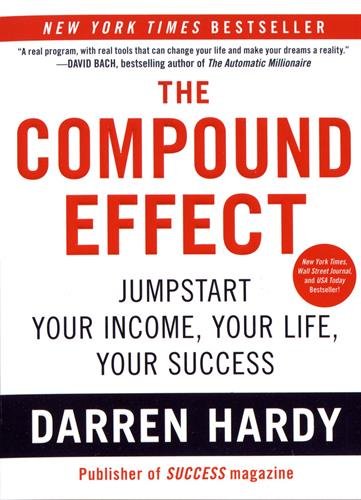
2. The Compound Effect: Jumpstart Your Income, Your Life, Your Success

Best Real Estate Investing Books to Read in 2021

And this book was actually written in 1926. So it's way back there. In fact, it's even before Napoleon Hill's Think and Grow Rich. Now, fast-forward to the recent past as in the 21st century, the next book I'm sure many of you are familiar with, but probably most of you are not a book by Darren Hardy called The Compound Effect: Jumpstart Your Income, Your Life, Your Success.

This book reveals the core principles that drive success and The Compound Effect book contains the essence of what every super achiever needs to know practice and master to obtain those extraordinary results, extraordinary success. So in this book, they talk about things like how to win almost every time, the number one strategy to achieve any goal and triumph over your competition.

It really is a book to help separate and differentiate yourself. It talks about eradicating bad habits and we all have bad habits. And often those derail your progress. It talks about the real lasting keys to motivation, kind of like what Tony Robbins talks about, but more so. And that is how to get yourself to do things you don't feel like doing.

And I know we're all there at various times of the day, the week, the month, how to capture that elusive awesome force of momentum. Because once you get going, you feel like you want to keep going. You don't want to stop because once you get going, it's almost hard to stop, and talks about many other things and something he refers to as the acceleration secrets of super achievers.

So The Compound Effect has a great title because small successes compounding on small successes lead to larger successes, which continue to compound on themselves. And so once you have that momentum, it continues to grow. But if you're serious about living an extraordinary life, then read this book. It will help to create the success that you desire.

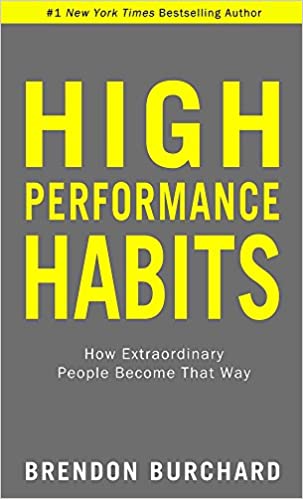
3. High Performance Habits

Best Real Estate Investing Books to Read in 2021

My third book pick here is from Brendon Burchard, someone who I had on the show, not too long ago, I think it was about a year, year, and a half ago. Great guy. In fact, our interview went so long. I had to split that episode into two parts. So you could look for that episode. And I believe it was called High-Performance Habits, which happens to be about the book that he wrote.

One of his last books is called High Performance Habits. How extraordinary people become that way. So 20 years ago, or so Brendan became obsessed with answering three questions. He wanted to know why do some individuals and teams succeed quickly more quickly than others, and actually sustain that success over the long term. You wanted to find out of those people who actually pull it off, why are some miserable?

And then the other group are consistently happy on their journey. And thirdly, you wanted to know what motivates people to reach for higher levels of success in the first place. And then what practices help them improve the most. So after doing some extensive, original research that he does in his own company, and after a decade, as the world's leading high performance, coach Brandon found the answers to these three questions.

And it turns out that just six deliberate habits give you that edge. Now he says that anyone can practice these habits. And when they do extraordinary things happen in their lives, in their relationships, in their careers, it really is a good book. It is definitely well worth reading regardless of what you do in terms of your job or career, business, or practice. It really is a book on becoming a high performer. And to become a high performer, you must seek clarity.

Clarity is so critically important. You have to know how to generate energy. You have to know how to raise necessities, increase your productivity, develop influence, and then lastly demonstrate courage. And this is what he talks about in the book. So it's really the art and the science of how to do it all. And that's what you're going to learn by reading this book or listening to the audio.

So those are my three picks and believe me in this category about mindset, literally, there are over a thousand books. I mean, there is so much out there from Brian, Tracy to Tony Robbins and you name it. But these three are, I think very, very fundamental. In fact, I would argue that they are cornerstone books, The Richest Man in Babylon, The Compound Effect, and High-Performance Habits will improve and change your life. Okay. That's the first category.

The second category is finance and investing. And again, this is one of those sections where there are literally hundreds of books. And again, it's hard to narrow it down, but it wasn't too hard for me to pick. What I feel are probably the three cornerstone books, regardless of how experienced you are how much, you know, how seasoned you are, or how wealthy you are.

Because the fundamentals and the principles found in these three next books are great as a refresher. I'm sure you're going to read it. And there are things that you never knew before, and it's just great additional knowledge.

4. Rich Dad, Poor Dad: What the Rich Teach Their Kids About Money That the Poor and Middle Class Do Not!

Best Real Estate Books 2021

So the first one is probably no surprise to anybody. I'm sure most of you have read this at some point in the last 22 years, it's been that long, but many of you know of it. So it is Rich Dad, Poor Dad, what the rich teach their kids about money that the poor and middle class do not buy. Obviously, Robert Kiyosaki, this book has since become the number one personal finance book of all time.

It's been translated into dozens of languages and it's been sold all around the world. I'm not even sure how many millions of copies this book has sold, but it has become a modern-day classic finance classic. So Rich Dad, Poor Dad is Robert's story of growing up with two dads, his real father and the father of his best friend, his rich dad.

And it talks about how both of these men, his fathers shaped his thoughts about money and investing. So the book explodes the myth that you need to earn a high income, to be rich and explains the difference between working for money and having money work for you. And that's a key distinction.

And a lot of the book builds upon that concept, but the book is great because it challenges the belief that your house is an asset, which most people still believe to this day. It is not, it is a liability. And if you don't know why to read the book, it shows why parents rely on the school system to teach their kids about money and why that's a mistake in that.

Doesn't actually work. It defines once and for all, what an asset and a liability truly are. It makes simple definitions for this stuff. And it teaches you what to teach your kids about money for their future. So if you're a parent listening to this and you want to help your children become financially literate and increase their financial IQ, this is a foundational book. It's one of the starting books if you will.

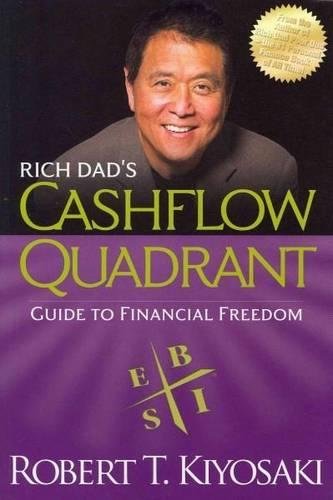
5. Rich Dad's Cashflow Quadrant: Rich Dad's Guide to Financial Freedom

Real Estate Books

So the second book, no surprise is going to be the second book in what is essentially a three-part series of the Rich Dad series of books. These are the three foundational books, but the second book is Rich Dad's Cashflow Quadrant: Rich Dad's Guide to Financial Freedom. This was the second book. So rich dad's cash flow quadrant is a guide to financial freedom.

It picks up where the last book left off first book, rich dad, poor dad. So as the second book in the rich dad series, reveals how some people work less, earn more, pay less in taxes, and learn to become financially free. So cash flow quadrant was written for those people who are ready to move beyond what they feel is job security.

And I say that in air quotes and enter the world of financial freedom. It's for those people who want to make significant changes in their lives and take control of their financial future because this is more of the how-to Rich Dad, Poor Dad was more of the foundational book, kind of laid out the principles and the concepts and some of the definitions that you need to know such as a profit and loss statement, a balance sheet, how money flows and all that, this builds on top of that.

Robert believes that the reason most people struggle financially is that they've spent years in school, but we're never taught about money. And Robert's rich. Dad taught him that this lack of financial education is why so many people work so hard. All their lives it's to work for money, instead of learning how to make money work for them, they basically just work for money.

So this book will change the way you think about your job, your career, owning your own business. And hopefully, it will inspire you to learn these rules of money that the rich use all the time to build and grow their wealth.

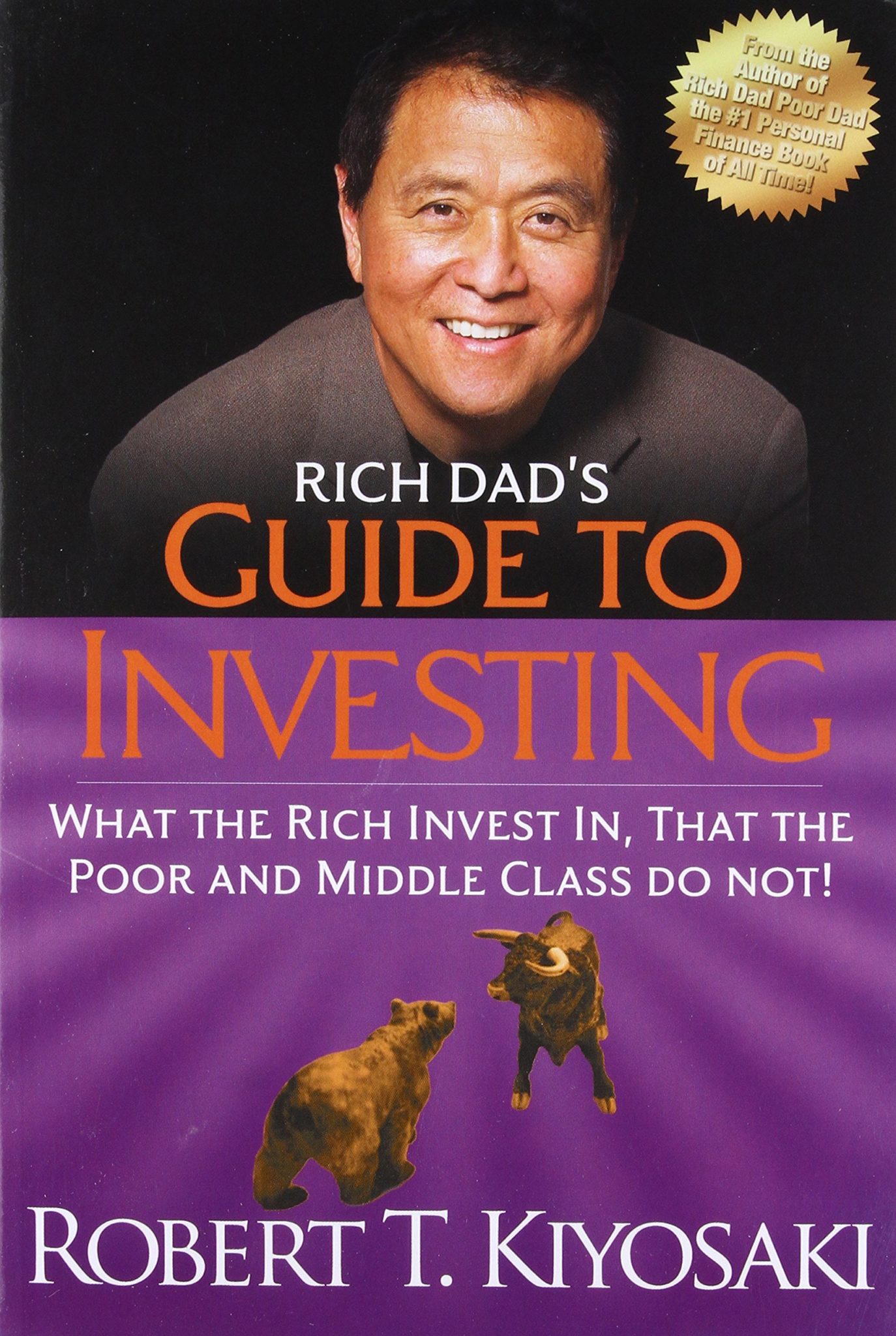
6. Rich Dad's Guide to Investing: What the Rich Invest in, That the Poor and the Middle-Class Do Not

Best Real Estate Books

The third book again, no surprises. It's not going to be a shocker. It's really the third book in that rich dad series. And these books work well together. They're built to be stacked on top of each other. So the third book is Rich Dad's Guide to Investing: What the Rich Invest in, That the Poor and the Middle-Class Do Not. So investing obviously means some different things to different people.

And there is a huge between passive investing and becoming an actively engaged investor. And one is not better than the other. There's no right or wrong. We're both at different times in our lives. And it also depends on what we're actually doing. We're always going to be active or passive investors.

Usually, we're both, but you just need to understand the distinction there, becoming an active investor means you're an engaged investor. And so there's a lot of power in that. So rich dad's guide to investing is one of the three core titles in this series. And it covers the basic rules of investing, how to reduce your risk in investing, how to convert that earned income you get from your active job or career, and turn that into passive income.

And he talks about something he refers to as rich dad's 10 investor controls. And this is where he gets into the weeds gets deep into the concepts of investing. So the rich dad philosophy makes a key distinction between managing your money and growing it and understanding the key principles of investing is the first step towards creating and growing wealth.

So this book delivers guidance. You need to help begin that process of becoming an investor and stay on that road till you get to that point of financial freedom. It's really more of a guide. In fact, the title says it is all rich dad's guide to investing. All right, well, those are the three books in the finance and investing category, and it's really the trio, the three rich dad series books, the initial or the original books.

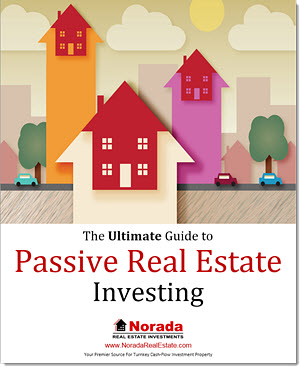
7. The Ultimate Guide to Passive Real Estate Investing

Best Book on Passive Real Estate Investing

Now let's talk about real estate investing for beginners. So this was a little bit challenging for me. In this category, I ultimately decided on four bucks instead of three for this now keep in mind, even though I'm calling it real estate investing for beginners, these books apply to almost everybody. Even if you are a seasoned or an experienced investor, there's a lot of stuff you can learn from these books.

If not every chapter, certainly some of the chapters in these books and the first one is really not a book at all. In fact, it is my ebook that has been a free download on our websites for the last probably 10 years, which has been downloaded literally tens of thousands of times. And I wrote this 40, 42-page ebook as a primer for people to understand the key concepts and key components of investing in real estate, leaning towards passive investing, meaning buy and hold, not flipping real estate, or to actively involved.

It's really about building a portfolio, creating wealth, creating passive income, and learning the fundamental key pieces. So it is really a great primer. So you read it, it's a great starting point, but then you build on top of it with these other books. So The Ultimate Guide to Passive Real Estate Investing the free download on our website is really about the most powerful way to accumulate wealth.

This guide that I wrote has been written to help educate all real estate investors, regardless of their experience level. And again, it's a primer. It talks about the advantages of income-generating real estate, how to analyze properties, key metrics, cash flow returns, what to look for in the quick test to see if a deal is worth even pursuing.

So it's kind of like the smell test, if you will, how to choose some of the best markets and neighborhoods. I try to pack it all in there. There's no fluff. It's just crammed with good information. So if you haven't downloaded a copy or read it, go ahead and do so. I'm going to be updating that soon to kind of a version 2.0, so I'll expand on it a little bit. And I'll just tighten up a few things in there based on today's economy and environment, but not much has changed because principles don't change. All right.

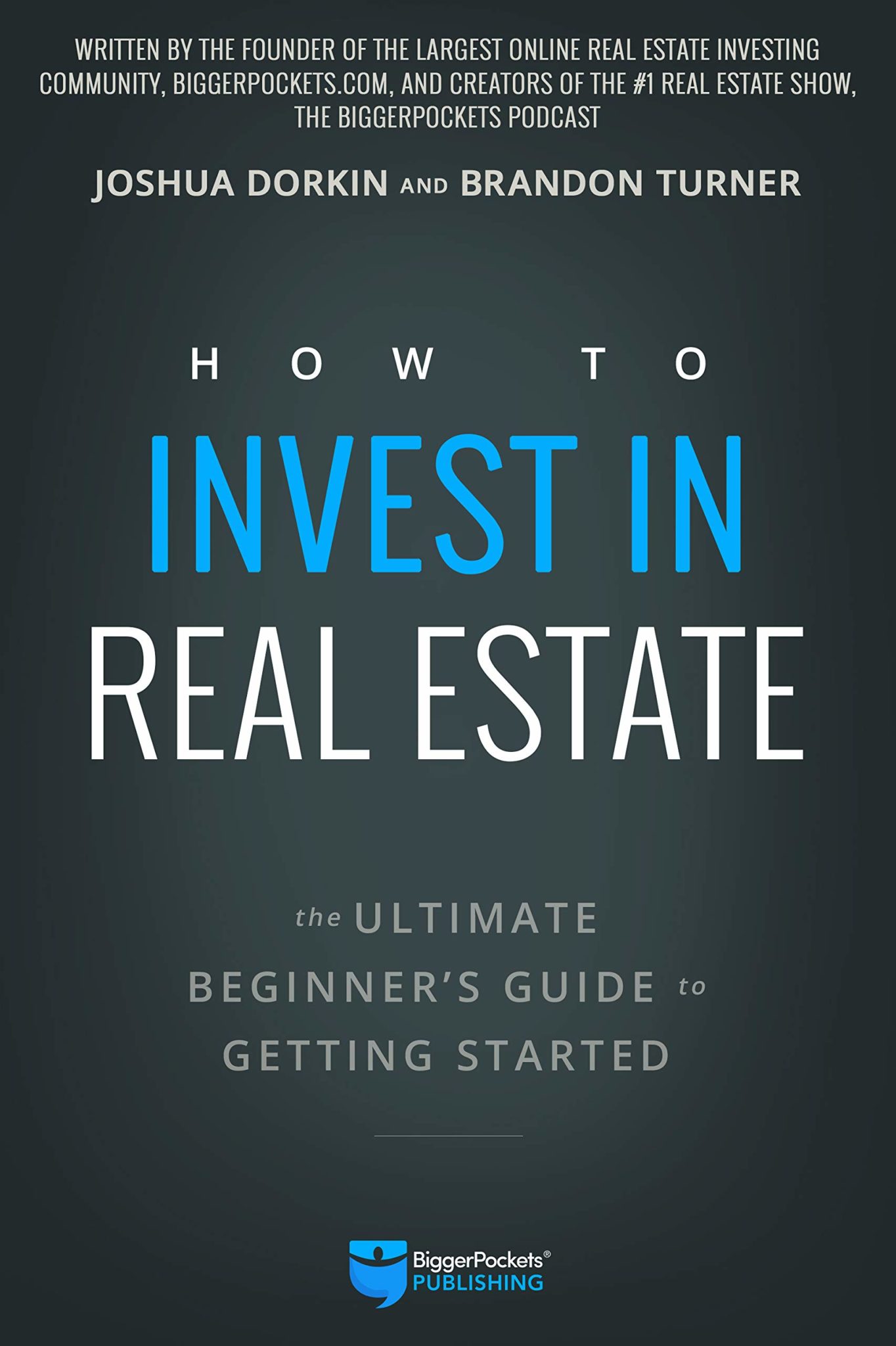
8. How to Invest in Real Estate: The Ultimate Beginner's Guide to Getting Started

Best Real Estate Investing Book

The second book in the real estate investing for beginners series here is How to Invest in Real Estate: The Ultimate Beginner's Guide to Getting Started. This book was written by Brandon Turner. He's got several books. I've picked a couple of his and this book is great if you're starting and good if you're a moderate level investor.

So everyone knows that real estate investing can be a powerful way to build wealth and achieve true financial freedom. But because each person's journey is going to be a little different knowing the first steps to take is challenging for some people. So what this book does, it becomes a manual of sorts on getting started in real estate investing.

It gives you essentially an insider's look at the many different niches and strategies that exist. So it's not all about passive real estate investing. It's got a little bit of everything and it just kind of help to paint pictures. In other words, it shows you the landscape and then you can choose your path.

So what you can do is find which strategy and path work best for you, and then help you build the resources and the goals around that. Unlike most real estate books, this one won't tell you that there's any one secret path, okay. It is considered by many one of the best books on real estate investing.

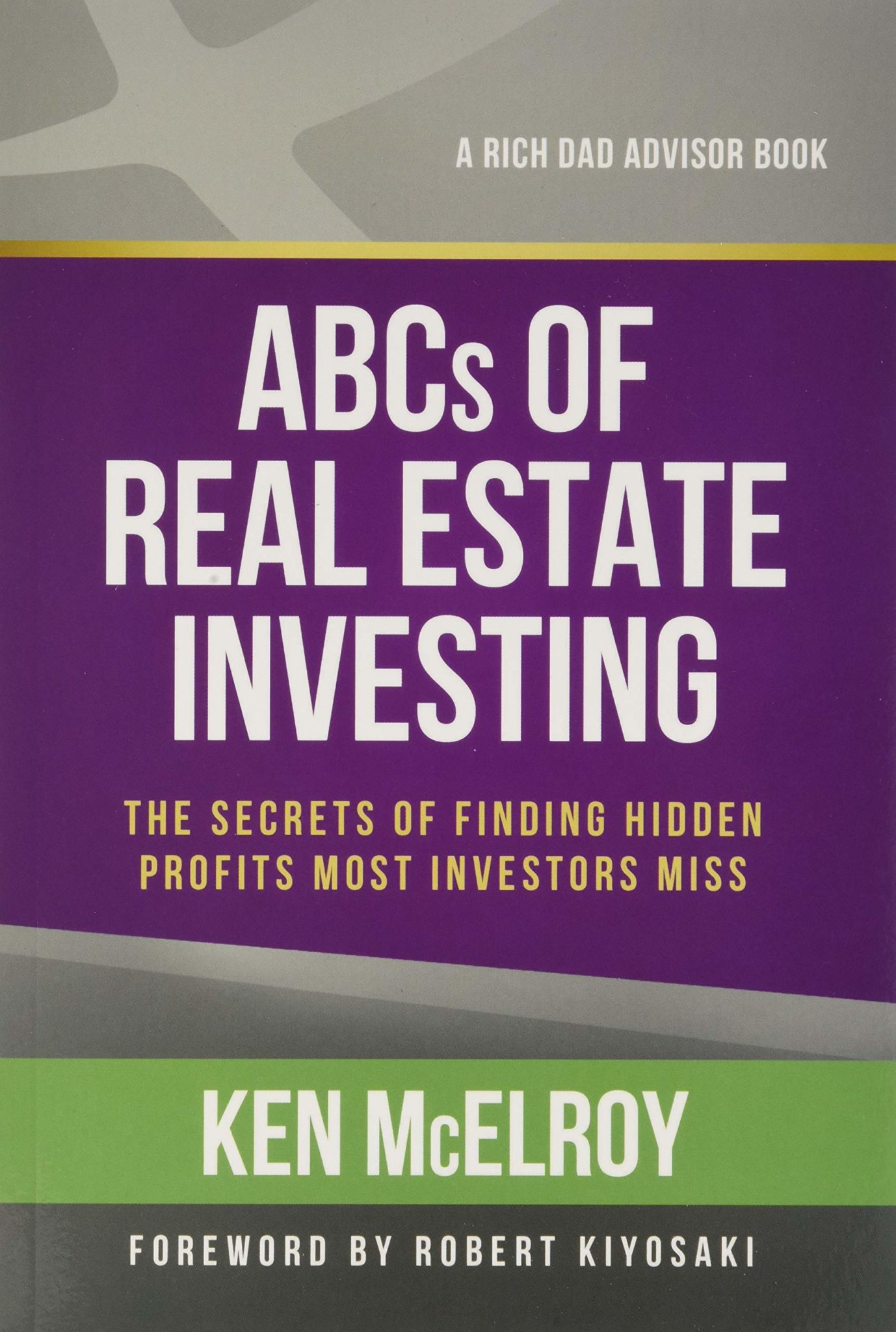
9. The ABCs of Real Estate Investing: The Secrets of Finding Hidden Profits, Most Investors Miss

Best Real Estate Books

There's more than one path to success in real estate, but it has more than 40 real-life stories in the book from other investors on how they achieve success in real estate investing. And I'm sure you're going to be able to relate to many of those stories. There are a lot of similarities, but there are differences between every person and every story.

All right, the next book, the third book, if you will, is The ABCs of Real Estate Investing: The Secrets of Finding Hidden Profits, Most Investors Miss. And this is by one of the rich dad advisors, Ken McElroy. He is a sharp guy. You know, I've talked to him in the past. I've had him on the show at one point and you know, I like his content. Now he's really a big real estate guy.

He's focused primarily on big multi-family apartment complexes, but he did start with, you know, small real estate, single-family homes. And that doesn't mean that there's a migration path here. Some people will start with, you know, multi-units and apartments and work their way down to single families, duplexes, and fourplexes, and other people do the other way around.

And while other people just stick with one and stay with it. So you can create wealth and passive income with every size and type of real estate. But with his book on the ABCs of real estate investing, he kind of geared it more towards the people who are just getting started in the beginners and just real estate investing.

Think of it like real estate investing one Oh one, but he talks about things on achieving wealth and cash flow using real estate. You know, what a property is potential is how to unlock the myths that float around real estate for people who are seasoned, how to negotiate deals, evaluate properties and the purchase price, how to increase the income on a property, and ways to properly manage a property.

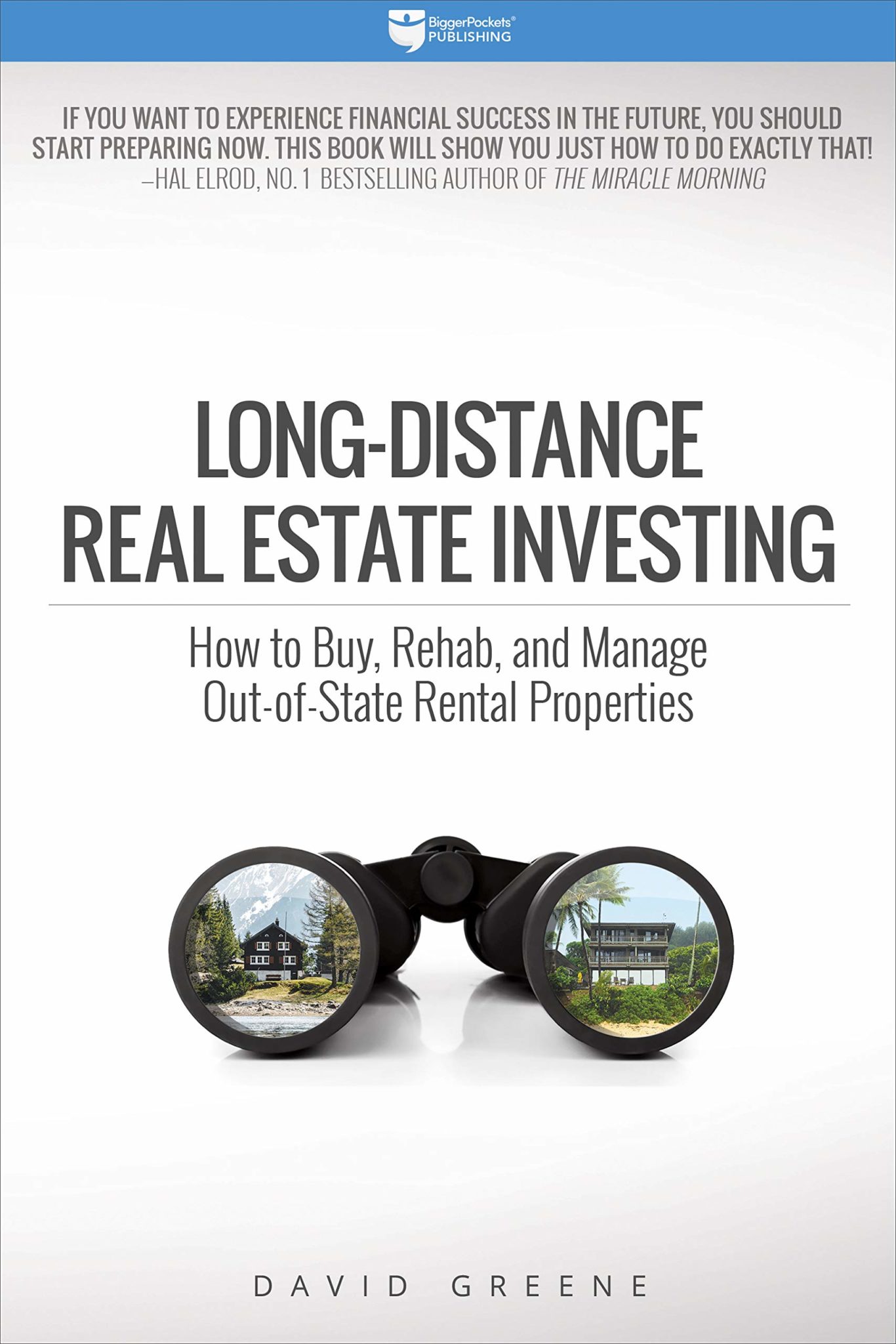
10. Long-Distance Real Estate Investing

Real Estate Investing Books

Now he doesn't get into property management in any depth in this book, it just touches upon it. He actually has another book on that topic, which I'll talk about here in a minute. And then the fourth, if you will, fourth and last book in this category is Long-Distance Real Estate Investing. Now I love that title. He doesn't get too deep into it, but it is a good book. It's by David Green.

It's one of the bigger pockets series books. But you know, what he talks about is living in a hot market or a market that's not suited for buying hold investing because it's just unaffordable too expensive. The numbers don't work, whatever the case is, but he poses the question. Well, how do I take advantage of building wealth in real estate? When I live in a market that I can't invest in, it's impossible, or how do I avoid, you know, market fluctuations or the next market crash.

So we know real estate investing is one of the greatest vehicles for creating wealth, but you need to understand how to choose markets and be able to be nimble and agnostic. And this is stuff I talk about on the podcast all the time, and this is what he talks about in the book. I just wish he would get more deep into the concept of done for you and rent, ready properties, and turnkey properties.

He touches upon it. But to be completely honest with you guys, I have always found since the beginning of bigger pockets in 2007, they've always had a bias towards turnkey, real estate investing, and passive real estate investing in general. They are certainly of the active, real estate investing flavor. They certainly believe in buying, fixing, and creating value on properties.

It seems that to me, that most, if not all of their content, either excludes conversations about turnkey investing, buying properties that are essentially rent-ready. So you don't have to do any fix-up or renovation work. They're all about putting in sweat equity to create value. That's fine, but that's not for everybody. And we all know that a lot of us are busy. We don't want to go down that road.

We just want to invest in real estate and build a portfolio and let it grow over time. So I'm not knocking the book. The book is good. I just wish he had more on the topic of passive real estate, investing, turnkey, real estate, investing, and done for you models instead of hiring a team outside of your local market to essentially do all the grunt work, swinging the hammers, and everything else, that's fine.

But I think he glosses over a little too much. In fact, all the “Bigger Pockets” books gloss over the turnkey space. So in this book, real estate investor and police officer David Green, shows you how he's built a multi-million dollar portfolio through buying, managing, and flipping out of state properties. So keep that in mind when you read it, but he does share tips, tricks, and systems that he's put in place over the years of his real estate investing experience and journey and what he's done to essentially succeed and avoid making mistakes along the way, but just realize that's the perspective.

Anyway, the bottom line with this book, and what I like to talk about all the time is to don't let your location dictate your financial freedom, learn how to succeed regardless of where you live and where you invest, choose the right markets, the right neighborhoods, the right properties, and have the right team around you. And that will be a secret if you will, or a formula to your success.

11. The Millionaire Real Estate Investor

Best Books For Real Estate Investors

All right, the next category is real estate investing to grow. So this is kind of the next level up. One of my favorite books that I read in real estate investing is The Millionaire Real Estate Investor by Gary Keller, Gary Keller well-known author. He is obviously the founder of Keller Williams, the real estate brokerage nationwide real estate brokerage. So he is a real estate investor and a very good one.

Anyone who seeks financial wealth first needs to learn the fundamental truths and models that drive it. And this is what he talks about in the book. So the millionaire real estate investor represents the collected wisdom and experience of over a hundred millionaire investors from all walks of life who have pursued financial wealth and achieved it through real estate.

And so what he did is he basically created this book in a straightforward, no-nonsense way that reveals the strategies that these hundred millionaire investors have used to create financial freedom, independence, and a lifestyle that works for them. So this book essentially is a handbook that has tried and true financial wealth-building principles and models built around real estate that reward your patience and perseverance, and he lays it out.

So some of the things he talks about are the myths about money and investing and especially the ones that hold people back and really how to develop a mindset of a millionaire investor, which goes back full circle to where we began about mindset. You know, even when he talks about this in the beginning part of the book, he talks about how to develop sound criteria for identifying great real estate investment opportunities, how to zero in on key terms and parts of transactions and achieve the best possible deals when you're putting a deal together or looking for a deal.

He also talks about how to develop your dream team, which is something I talk about often proven models and strategies that millionaire investors use to track their net worth understand finances. It's not a very complex or complicated book. It's not going to put you to sleep or cause your eyes to glaze over.

12. The Book on Rental Property Investing

Best Book on Rental Property Investing

I think it's extremely well-written. So again, it's one of my favorite books. It's a blue and white book. The next book in this category on real estate investing to grow is The Book on Rental Property Investing. Again, this one is the second one by Brandon Turner. So in this book, he discusses practical strategies that investors around the world use to build significant cash flow with their rental properties. So this is getting a little bit more into the weeds, a little bit more tactical if you will.

So in this book, you'll learn how to build an achievable plan, how to find good deals, how to analyze those properties and those deals build your team, finance, the rentals, and a whole bunch more, and basically everything you need to become successful at rental property investing. Again, it's a book there's only so much you can put in the book, but it does a good job of laying it out. This is one of the best books on real estate investing. This book will feed what you need to succeed in rental property investing.

13. Advanced Guide to Real Estate Investing: How to Identify the Hottest Markets and Secure the Best Deals 

Best Guide on Real Estate Investing 2021

Okay. So again, think of it like a, a, a practical guide. So there's a lot that he covers in this book, but you know, he starts with why real estate investors fail and how you ensure that you don't. And he talks about four easy-to-follow strategies that you can build your real estate portfolio on creative tips to find those deals, how to achieve success by avoiding property management, which, you know, we all love actionable ideas on financing.

Those rentals. Now, obviously, there are limitations there, but for the most part, it's going to be cheap financings like conventional loans and a little bit of advice on keeping your wealth by deferring and eliminating your taxes, which you know, is really not an extensive part of the book, but essentially something we'll talk about here in a minute last but not least. I included another book by Ken McElroy, and this is the Advanced Guide to Real Estate Investing: How to Identify the Hottest Markets and Secure the Best Deals.

So if you're interested in the real estate investing space, you may have noticed that this part of real estate doesn't get covered much. And when it does the mainstream media focuses mostly on, you know, stocks, bonds, mutual funds, and that kind of stuff. And they don't really talk about real estate as an investment, all that much. It's really about homeownership.

And even when they do talk about it, it's like, Oh, it's like this one, nebulous bob, they refer to as the housing market, but they don't really talk about specific markets unless you're listening to your local news channel, but that's because financial publications, TV, radio, um, they make the bulk of their money from advertising paid by the very companies who provide the mainstream media and those channels with financial services, the advertising, the marketing, all that stuff.

But real estate investment is something that you can do on your own without a large amount of money upfront, as we all know if you just learn how to do it and pick the right markets to do that. So what Ken did with this book is he picked up where he left off in the first book, the best-selling book, ABCs of real estate investing.  And he reveals the next essential lessons and the information that you need as an investor to succeed and continue to scale and grow your business.

So he built on the foundation of the first book, which is kind of like real estate investing one-on-one and he talks more about how to think and operate like a real estate mogul. How do identify and close expert deals, you know, differences between single multi-family property surrounding yourself with the right team to maximize your money, avoid paying thousands in taxes, by structuring property sales wisely? This is a kind of asset protection and tax strategy combined, and last but not least important projections about the future of real estate investing. Now, this book is a few years old, so, you know, I'm sure some things have changed.

14. TheABCs of Property Management: What You Need to Know to Maximize Your Money Now

Best Real Estate Book on Property Management

I don't think Ken was expecting the amount of appreciation that we would have seen over the last two, three years and the lack of inventory. So it kind of compounds what he talks about. The next section is about property management. And so again, Ken wrote a third book on this subject because this is where he actually started his real estate career as a property manager.

And so his book is The ABCs of Property Management: What You Need to Know to Maximize Your Money Now. So as you start to invest and you build your portfolio, the question comes up, you know, how are you going to make it as profitable as possible? And how will you maximize its potential and make it grow in value? And the one word he has for this is management.

Now that doesn't mean you managing the property, although you could, if you want it to, there's nothing wrong with that. And it's probably good to understand how to manage your property, but if you're managing your managers, this is good information. So this book can reveal the key to his success, and that is exceptional property management.

So he teaches you the most important principles and the keys to achieving success, where other people fail, which is often in the management of their properties. So he talks about things like how to decide, you know when to manage your property and went to hire someone, to do it, how to implement the right systems.

If you're doing it yourself structures for your investment, how to manage and maximize cash flow, you know what to expect, essentially it's the life of an owner-manager and how to find the right property manager and avoid the wrong ones. So I think this is a good book as a frame of reference, whether you manage or you don't.

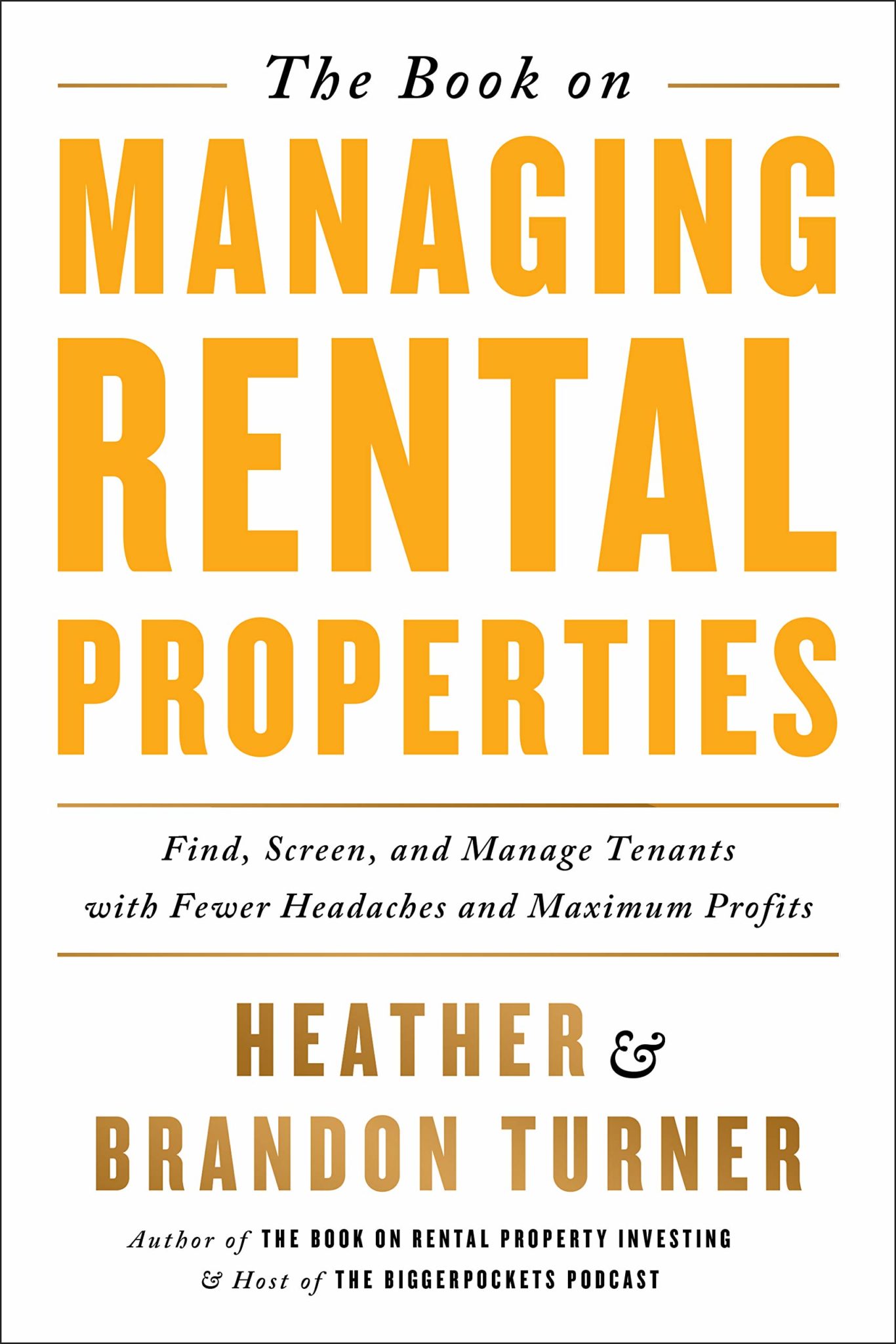
15. The Book on Managing Rental Properties

Best Real Estate Book on Managing Rental Properties in 2021

The second book is if you choose to manage your own properties, it's another book by Brandon Turner called The Book on Managing Rental Properties,  a proven system for finding, screening, and managing tenants with fewer headaches and maximum profits. This is definitely a book for a do-it-yourself. So if you want to manage your own properties, even if it's just one or you already manage your properties, this might be a good supplement to that.

So no matter how great, you know, you are at finding real estate deals, if you, I don't want to manage your properties well or correctly, you're obviously leaving money on the table, or you're not maximizing your returns. Brandon likes to say that being a landlord can be fun, but only if you do it right. So learning to effectively manage your tenants means that you end up with more freedom, less drama, higher profits from your real estate business.

And it just ends up looking good, feeling good. So Brandon's a, you know, an experienced property manager, he's been managing his own properties for a long time. And what he does in this book is essential takes you on an insightful tour of their management business there as in, you know, him and his wife. So you can learn how they've been able to maximize profit, minimize their stress.

He says that he has a blast doing it. So I guess you can learn how to do that too. But he talks a lot about his personal stories of the mistakes that they've had, and that you can learn from. And he talks about the different tools and tricks and systems that they've put in place over the years. And the book probably will change the way you think about property management altogether.

So there's a lot of stuff he covers in the book. I think it's more than a beginner's book. It's certainly a primer, but it has some advanced content. So overall I think it's great. And last but not least taxes, you know, the thing we want to defer or eliminate as much as possible. So I have three book picks here. There are many books out there on taxes, but I think these are great fundamental books.

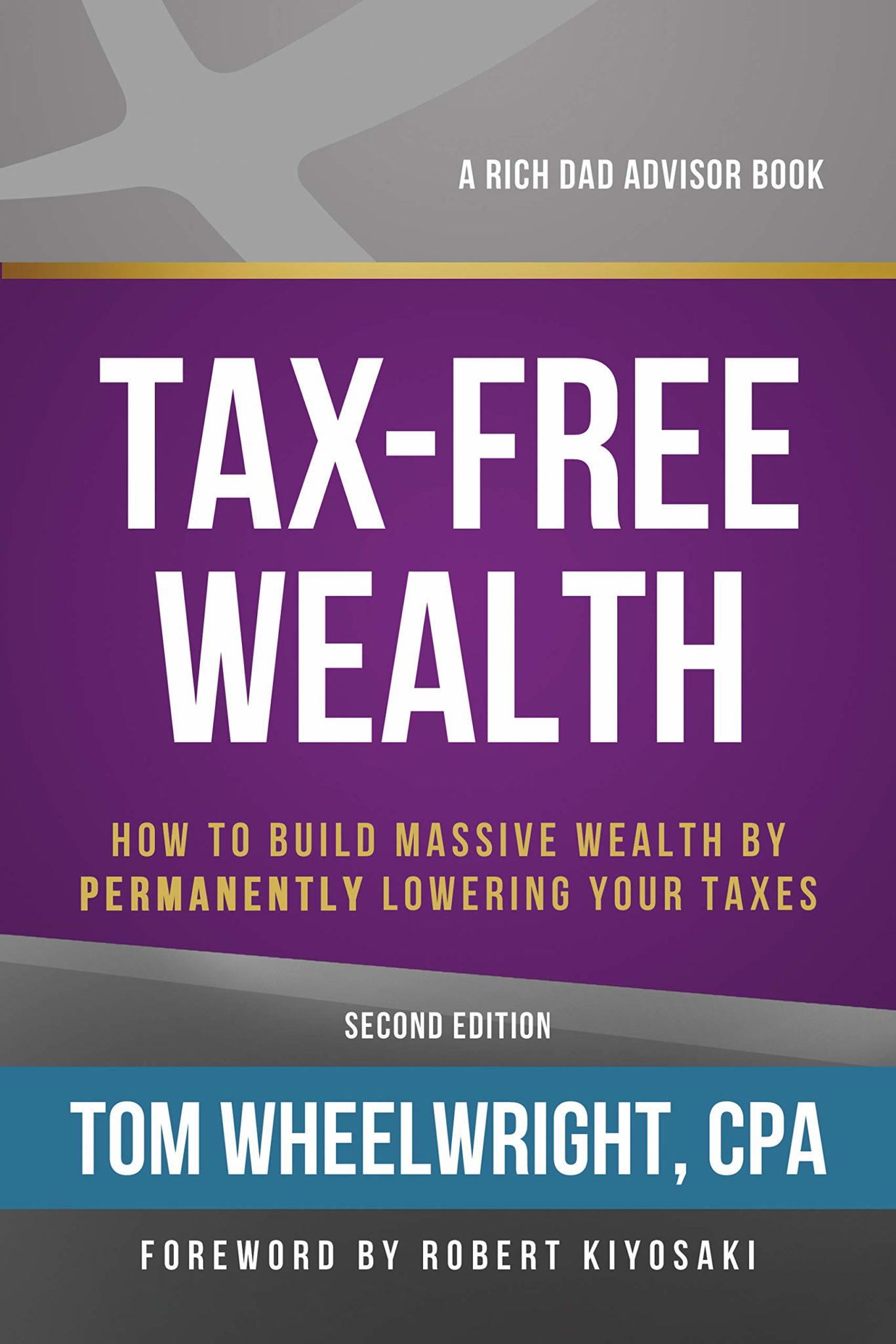
And really what I've tried to do again, is boil it down to the best two, three, or four books in each section that will give you everything. You need, the nuts bolts strategies, tactical plans, and not leave you hanging. So the three books I chose for the area of taxes is first and foremost, the book by Tom Wheelwright, another one of Robert Kiyosaki's rich dad advisors, great guy, super smart. I've had him on the show several times. Always have great episodes talking to Tom, but his book, which he just revised recently.

16. Tax-Free Wealth: How to Build Massive Wealth by Permanently Lowering Your Taxes

Best Real Estate Books on Taxes

So it's the newly revised version, but it's called Tax-Free Wealth: How to Build Massive Wealth by Permanently Lowering Your Taxes, what a great title. So I will say that this book is slanted a little bit more toward business owners and entrepreneurs, but it applies to anybody and everybody because if you pay taxes in any way, shape, or form, you're going to learn something or you can learn something from this book.

So tax-free wealth is about tax planning, concepts, and how to use the tax laws to your benefit. So Tom explains how the tax laws work and how they are designed to actually reduce your taxes, not increase them. The key here is to understand how taxes and tax law works. So the book explains how to use the tax laws to your advantage, and in ways that will support your vision and growth plans, not only for your company or your business, but you know, for your investing empire as well, however, that is structured and you know, more specifically real estate.

17. The Book on Tax Strategies for the Savvy Real Estate Investor

Best Real Estate Book on Tax Strategies for the Savvy Real Estate Investor

So once you understand the basic principles of tax reduction, then you can immediately reduce your taxes to the point where eventually you may be able to legally eliminate and contactless and drastically reduce your taxes overall. And he talks about this in the book. So it's about minimizing, eliminating, and deferring your taxes.

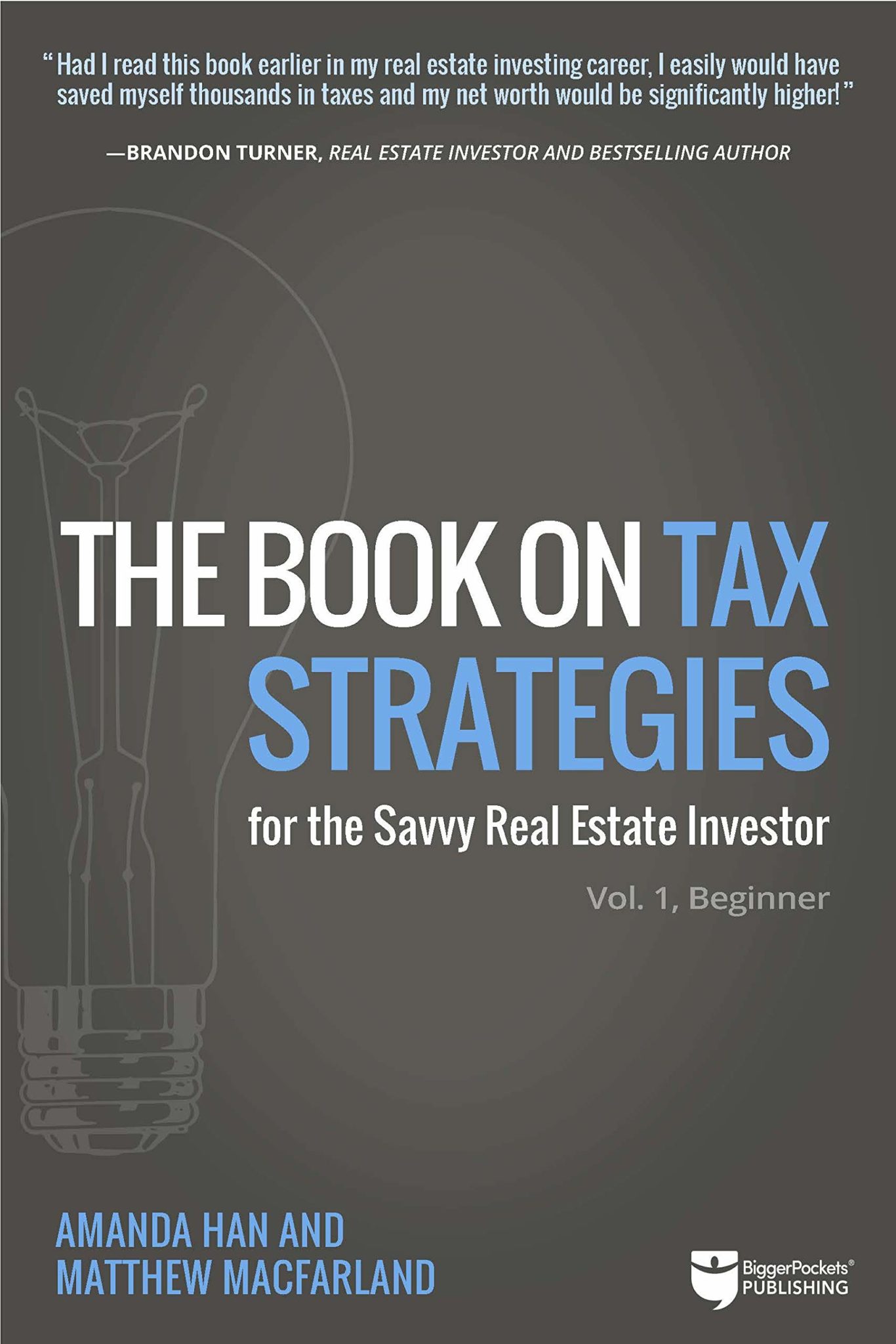
Those are the three things he talks about in the book. Now, once you get through that, there are two books specifically on real estate investing, as it relates to taxes. And the first one is The Book on Tax Strategies for the Savvy Real Estate Investor. The subtitle to this book is powerful techniques.

Anyone can use it to deduct more, invest martyrs, and pay far less to the IRS. The book was written by Amanda Hahn. She actually lives in Orange County here, not too far from Ireland. And what she talks about is ways to maximize your deductions for your real estate business.

18. The Book on Advanced Tax Strategies: Cracking the Code for Savvy Real Estate Investors

Best Real Estate Book on Cracking the Code for Savvy Real Estate Investors

And they also talk about practicals on how to minimize your taxes, not only for this year but in future years, as well as ongoing strategies that will make your next tax season that much easier. So what they want to do is basically help you save thousands of dollars by having great tax strategies in place.

So they talk about creative methods to maximize your deductions, clever ways to write off your kids' strategies, to write off every penny on your travel tips and tricks to cut down on bookkeeping time, and simple procedures that will protect you from IRS audits. So that's their first book, the foundational book, there's a lot in that book, but then they wrote a sequel to it, which is my third book in this category of taxes again by Amanda Hahn.

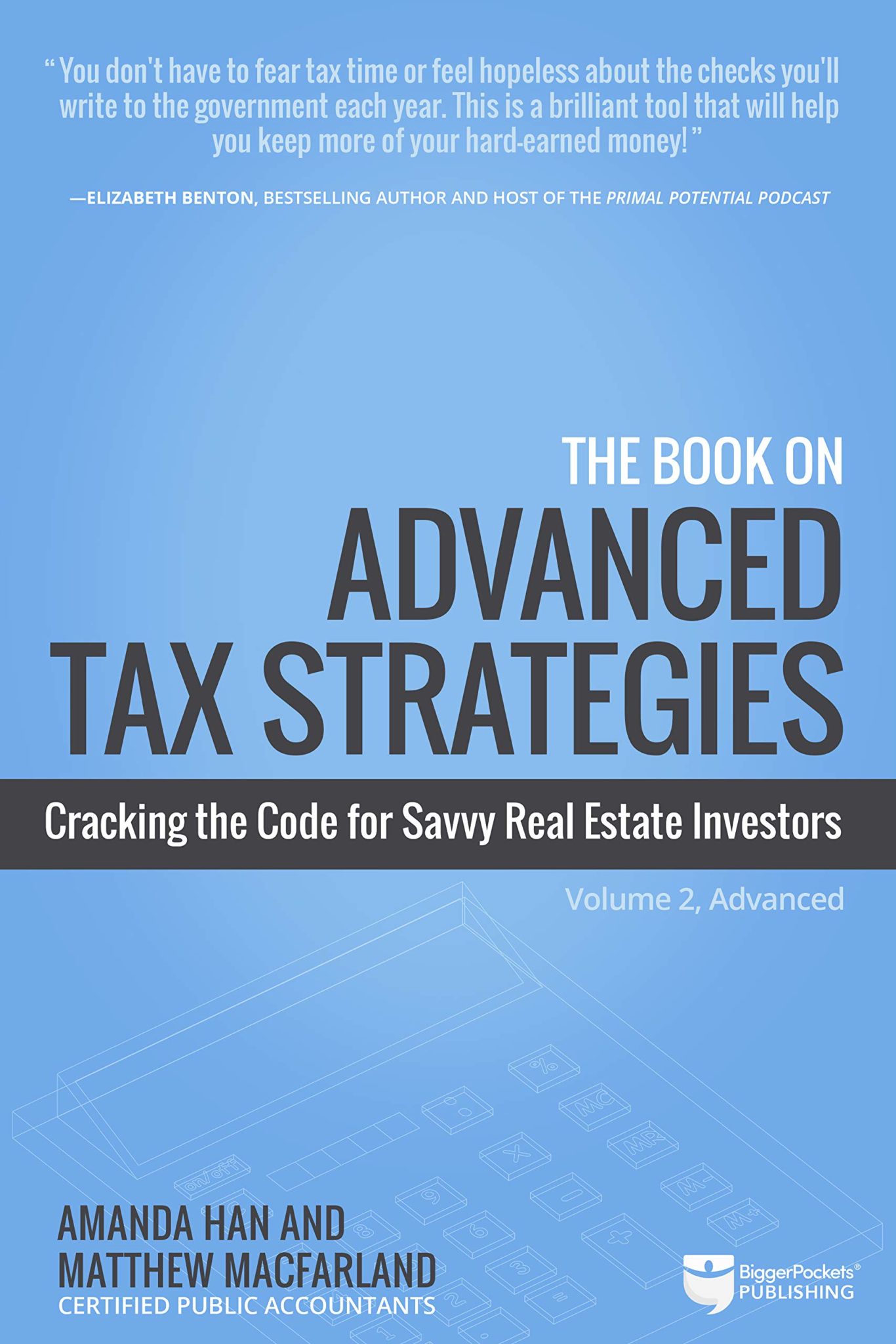
And this is The Book on Advanced Tax Strategies: Cracking the Code for Savvy Real Estate Investors. And you know, what they say is that when it comes to taxes, it's not about how much money you make, but how much money you actually keep. So if you're tired of working hard all year, just to lose, you know, the largest chunk of that money that you earned to the IRS, then, you know, obviously you want to learn as much as you can about taxes, you know, believe it or not.

The US tax system is filled with loopholes designed specifically to benefit real estate investors. And this actually got better in 2017 with the new tax act that was put into play under the Trump administration. So what was great as far as tax benefits for investors and real estate investors actually got even better with that tax act. So this book is a comprehensive follow-up to the book on tax strategies, which was a best-selling book by Han and Matthew McFarland.

And this just brings you more strategies to slash your taxes and turn your real estate investments into a tax-saving machine. And, you know, again, this book just goes deeper into a lot of the stuff from 10 31 exchanges to taking advantage of opportunity zone, tax benefits, how to supercharge your nest egg with self-directed investment strategies, steps to use your rental properties to legally wipe out your taxable income.

What else did they talk about in their ways to take advantage of the tax reform benefits that came about with all your real estate deals, accelerating your depreciation, and even common retirement and investment tax traps, and really how to avoid those? So, you know, people sometimes make the mistake of investing in their retirement account and then only find out that, you know, they've made a mistake. They don't have any tax benefits or maybe are not liable for tax penalties because they did it wrong.

Here's another blog that you can read – 12 Books to Read if You Want to Get Rich.

Work with Norada in 2025, Your Trusted Source for

Turnkey Real Estate Investing

Discover high-quality, ready-to-rent properties designed to deliver consistent returns.

Contact us today to expand your real estate portfolio with confidence.

Contact our investment counselors (No Obligation):

(800) 611-3060

Get Started Now 

Filed Under: General Real Estate, Getting Started, Real Estate Investing, Selling Real Estate Tagged With: Best Real Estate Books, Best Real Estate Investing Books, Real Estate Books, Real Estate Investing Books For Beginners

How to Invest in Real Estate for Passive Income?

April 7, 2025 by Marco Santarelli

How to Invest in Real Estate for Passive Income?

Imagine waking up every month to a steady stream of income, all without lifting a finger. Sounds like a dream, right? Well, that's the power of passive income, and real estate is one of the most reliable avenues to achieve it.

Investing in real estate goes beyond simply buying a property and hoping it appreciates in value. It’s about creating a strategic plan that generates consistent cash flow while you sit back and reap the rewards.

In this comprehensive guide, we’ll delve deep into the world of passive income through real estate. We'll explore the various strategies, analyze their pros and cons, and equip you with the knowledge to make informed investment decisions.

How to Invest in Real Estate for Passive Income: A Comprehensive Guide

Why Choose Real Estate for Passive Income?

Before we dive into the “how,” let's understand “why” real estate stands tall in the world of passive income:

  • Consistent Cash Flow: Rental income provides a predictable stream of monthly revenue, unlike the volatility often seen in stocks or other investments.
  • Appreciation Potential: Real estate historically tends to appreciate in value over time, building long-term wealth.
  • Tax Advantages: Real estate investors enjoy various tax deductions, including depreciation, mortgage interest, and property taxes, which can significantly reduce your tax burden.
  • Inflation Hedge: As inflation rises, so do rental rates and property values, making real estate a powerful hedge against inflation.
  • Tangible Asset: Unlike stocks or bonds, real estate is a tangible asset you can see and touch, providing a sense of security.

Unveiling the Strategies: How to Invest in Real Estate for Passive Income

There's a whole universe of real estate investment strategies, each with its own set of advantages and challenges. Let's explore some of the most popular options:

1. Rental Properties: Your Gateway to Steady Income

Rental properties are the cornerstone of passive income in real estate. The premise is simple: you purchase a property and rent it out to tenants, generating monthly cash flow.

Pros:

  • Recurring Revenue: Rental income provides a stable and predictable source of passive income.
  • Appreciation Potential: As property values increase, so does your investment portfolio.
  • Tax Benefits: You can deduct expenses like mortgage interest, property taxes, and depreciation.

Cons:

  • Tenant Management: Finding and managing tenants can be time-consuming and sometimes challenging.
  • Property Maintenance: Be prepared to handle repairs and maintenance, which can cut into your profits.
  • Vacancy Risks: Periods of vacancy can disrupt your cash flow.

Types of Rental Properties:

  • Single-Family Homes: The most common type of rental property, offering a balance of affordability and management.
  • Multifamily Properties: (Duplexes, triplexes, apartments) Allow you to generate multiple income streams from a single property.
  • Vacation Rentals: Short-term rentals can yield higher profits but require more active management.

2. REITs: Investing in Real Estate Without the Bricks and Mortar

Real Estate Investment Trusts (REITs) offer a hands-off approach to real estate investing. REITs are companies that own, operate, or finance income-generating real estate.

Pros:

  • Passive Income Stream: REITs distribute at least 90% of their taxable income to shareholders as dividends.
  • Liquidity: REITs are publicly traded, making them easier to buy and sell compared to physical property.
  • Diversification: REITs offer instant diversification by investing in various property types and locations.

Cons:

  • Market Volatility: REIT prices can fluctuate along with the stock market.
  • Limited Control: You have no control over the management or properties held by the REIT.
  • Tax Implications: REIT dividends are taxed as ordinary income.

Types of REITs:

  • Equity REITs: Invest directly in income-producing properties like shopping malls, office buildings, and apartments.
  • Mortgage REITs: Provide financing for income-producing real estate through mortgages and other loans.
  • Hybrid REITs: Combine elements of both equity and mortgage REITs.

3. Real Estate Crowdfunding: Pooling Resources for Collective Gains

Real estate crowdfunding platforms connect investors with developers seeking funding for various real estate projects.

Pros:

  • Lower Barrier to Entry: Crowdfunding allows you to invest in real estate with smaller amounts of capital.
  • Diversification: You can diversify your portfolio by investing in multiple projects across different locations and property types.
  • Passive Investment: The platform and sponsors handle the day-to-day management.

Cons:

  • Illiquidity: Investments are typically locked in for a predetermined period, making it difficult to access your funds.
  • Risk of Loss: Like all investments, real estate crowdfunding carries the risk of losing your principal.
  • Limited Control: You have limited control over the project and its management.

Types of Real Estate Crowdfunding:

  • Equity Crowdfunding: You become a part-owner of the property and share in its profits.
  • Debt Crowdfunding: You lend money to developers and earn interest payments.

4. Rental Property Syndications: Joining Forces for Larger Investments

Real estate syndications pool funds from multiple investors to purchase larger commercial properties. A sponsor or syndicator manages the property and distributes profits to investors.

Pros:

  • Access to Larger Investments: Participate in deals beyond your individual financial capacity.
  • Professional Management: Experienced sponsors handle the complexities of property acquisition, management, and disposition.
  • Passive Income: Enjoy consistent distributions without active involvement in the property.

Cons:

  • Limited Control: You have limited decision-making power once you invest in a syndication.
  • Fees: Syndication fees can cut into your overall returns.
  • Risk of Loss: Like all real estate investments, syndications carry inherent risks.

Before You Take the Plunge: Essential Considerations

Venturing into real estate for passive income requires careful planning and consideration. Here are some crucial factors to keep in mind:

1. Define Your Investment Goals:

  • What are your financial objectives? Are you aiming for monthly cash flow, long-term appreciation, or both?
  • What is your risk tolerance? Are you comfortable with higher-risk, higher-reward investments or prefer a more conservative approach?
  • What is your investment timeline? Are you looking for short-term gains or long-term wealth building?

2. Conduct Thorough Market Research:

  • Identify promising real estate markets. Look for areas with strong job growth, population growth, and a healthy rental market.
  • Analyze property values and rental rates. Understand the current market conditions to make informed investment decisions.
  • Research local regulations and landlord-tenant laws. Familiarize yourself with the legal framework governing rental properties in your chosen area.

3. Build a Strong Financial Foundation:

  • Secure your financing. Explore mortgage options and secure pre-approval to understand your borrowing power.
  • Create a realistic budget. Factor in all expenses, including mortgage payments, property taxes, insurance, maintenance, and potential vacancies.
  • Establish an emergency fund. Set aside funds to cover unexpected repairs or periods of vacancy.

4. Seek Expert Guidance:

  • Consult with a real estate agent or broker. Benefit from their market knowledge, property expertise, and negotiation skills.
  • Connect with a real estate attorney. Ensure all legal aspects of your investments are handled correctly.
  • Consider working with a property manager. Delegate the day-to-day tasks of managing your rental properties.

Unlocking the Power of Passive Income Through Real Estate

Investing in real estate for passive income offers a pathway to financial freedom and long-term wealth creation. By understanding the various strategies, conducting thorough research, and building a solid financial foundation, you can embark on a rewarding journey toward achieving your financial goals.

Remember, real estate investing is a marathon, not a sprint. Be patient, stay informed, and never stop learning. With the right approach, you can unlock the true potential of passive income through real estate.

Work with Norada, Your Trusted Source for

Passive Real Estate Investing

Discover high-quality, ready-to-rent properties designed to deliver consistent returns.

Contact us today to expand your real estate portfolio with confidence.

Contact our investment counselors (No Obligation):

(800) 611-3060

Get Started Now 

Read More:

  • Can Robert Kiyosaki's Real Estate Investing Make You Rich?
  • The Golden Rules of Real Estate Investing in Today's Market
  • Real Estate Investing: Why Smart Investors Are Buying Now
  • 18 Best Real Estate Investing Books For Beginners
  • What is Passive Real Estate Investing?
  • 10 Rules of Successful Real Estate Investing

Filed Under: Passive Income, Real Estate Tagged With: Passive Income, Real Estate Investing

Should You Invest In The Sacramento Housing Market?

April 7, 2025 by Marco Santarelli

Should You Invest In The Sacramento Housing Market?

Are you considering where to invest your hard-earned money? With so many options out there, you might be wondering if the Sacramento housing market is a worthwhile choice. Let’s break down everything you need to know before making that crucial decision.

Understanding the Sacramento Housing Market

Before diving into investment decisions, it's important to have a grasp on what makes the Sacramento housing market tick. This city, the capital of California, has experienced shifts in market trends over the years.

Sacramento has seen significant population growth, which typically leads to increased demand for housing. As job opportunities expand and the city continues to develop, the potential for property value appreciation becomes more enticing for investors like you.

Current Trends in Sacramento

As of this year, Sacramento's real estate market has shown a mix of resilience and adaptability amidst the changing economic landscape. The following trends may influence your investment decision:

  • Population Growth: Sacramento has steadily grown in population, partly due to its affordable living costs compared to nearby cities like San Francisco and Los Angeles.
  • Job Market: The job landscape is evolving, with a surge in tech and healthcare industries. This job influx brings stability to the housing market.
  • Rental Demand: With a growing population, there is an increasing demand for rental properties, which may generate passive income for investors.

Price Growth and Market Speed:

  • Median home price reached $520,000 in June 2024, a significant 11.2% increase year-over-year (Redfin).
  • Homes are selling quickly, with an average of 12 days on the market, compared to 9 days last year.
  • Despite the increase in sales speed, the number of homes sold has dipped slightly (333 in June 2024 vs 366 in June 2023). This indicates a decrease in available inventory.

Competition:

  • The market is highly competitive, with homes receiving an average of 4 offers.
  • “Hot homes” can sell for over the list price and go pending within 6 days.
  • The average sale price is around 1% above the list price.

Buyer Migration:

  • While some Sacramento residents are looking to move within the area (68%), a significant portion (32%) are considering locations outside the metro area.
  • San Francisco, Los Angeles, and Fresno are the top sources of incoming homebuyers to Sacramento.
  • Boise, Nashville, and Portland are popular destinations for those leaving Sacramento.

Why Consider Investing?

You might be asking yourself, “What’s in it for me?” Investing in real estate, particularly in a city like Sacramento, has several potential benefits that are definitely worth considering.

Potential for Appreciation

One of the most significant advantages of investing in real estate is the potential for property value appreciation over time. Sacramento has been marked by:

  • Historical Increases: Analyzing past housing prices reveals a consistent upward trend, especially following economic recoveries and developments.
  • Future Projections: Experts project continued growth due to infrastructure improvements and demographic trends.

Cash Flow Opportunities

If you're going the route of rental properties, cash flow is crucial. Sacramento’s rental market is buoyed by various factors:

  • Strong Rental Market: With increasing demand for rental properties, setting competitive yet profitable rental rates is feasible.
  • Diverse Tenant Pool: The city's diverse community ensures a range of potential tenants, further stabilizing your income stream.

Risks to Consider

It’s vital to approach any investment with a realistic mindset. While there are many potential benefits to investing in Sacramento, there are also risks involved that could impact your financial future.

Economic Fluctuations

Economic downturns can affect housing markets significantly. Understanding the local economy is crucial:

  • Dependence on Key Industries: Relying too heavily on a few industries can be risky if those sectors experience downturns.
  • Job Loss Impact: High unemployment rates can lead to increased vacancies and decreased rental income.

Market Competition

Investing in real estate often means competing with others. In Sacramento:

  • Buyer Competition: If you’re looking to buy, be prepared for bidding wars, especially in desirable neighborhoods.
  • Rental Market Saturation: As more investors enter the market, current rental rates may stabilize or even decline, affecting your cash flow.

Neighborhood Breakdown

Where you decide to invest in Sacramento can make all the difference. Each neighborhood has its own unique character, amenities, and investment potential. Here’s a closer look.

Midtown Sacramento

Midtown is a trendy area known for its vibrant culture and nightlife.

  • Pros: High demand for rental units, proximity to restaurants and entertainment, and ongoing development projects.
  • Cons: Higher property prices could result in lower cash flow, especially if mortgage costs exceed rental income.

East Sacramento

This neighborhood exudes charm with its historic homes and family-friendly atmosphere.

  • Pros: Strong community and schools, appealing to families; more stable property values.
  • Cons: Entry prices can be high, impacting immediate cash flow for investors.

North Sacramento

A region that's transforming, attracting new buyers and renters.

  • Pros: More affordable properties, potential for substantial appreciation as developments continue.
  • Cons: The area may have more crime rates, which could concern potential renters.

Land Park

Known for its beautiful parks and historic homes, Land Park is highly desirable.

  • Pros: Desirable school districts, stable property values, and higher demand for rentals due to local amenities.
  • Cons: Competition among buyers can result in higher purchasing prices.

Financing Your Investment

Understanding how to finance your investment is crucial. Several options might work for you depending on your financial situation.

Conventional Loans

Conventional loans are often the go-to for real estate investors.

  • Pros: Lower interest rates and flexible terms.
  • Cons: Requires good credit and may involve a larger down payment.

FHA Loans

If you’re a first-time investor, an FHA loan might be right for you.

  • Pros: Lower down payment requirements and more lenient credit criteria.
  • Cons: Mortgage insurance can increase your monthly costs.

Hard Money Loans

Hard money loans might be suitable for quick flips or investments.

  • Pros: Quick access to cash and less stringent approval processes.
  • Cons: High interest rates and short repayment terms can be risky if your investment doesn't pan out.

Evaluating Return on Investment (ROI)

Calculating your potential ROI is essential to determine if investing in Sacramento is worth it for you.

Cash Flow Analysis

For rental properties, cash flow will play a pivotal role. Start by analyzing:

  • Income: Monthly rental income.
  • Expenses: Mortgage, property taxes, insurance, maintenance, and management fees.

The formula to calculate cash flow is:

[ \text{Cash Flow} = \text{Rental Income} – \text{Expenses} ]

Appreciation

Consider property appreciation over time; it can significantly impact your overall return.

  • Historical Data: Look at the historical rates of appreciation to gauge future potential.
  • Market Trends: Keep an eye on local development projects, as they often affect property values.

Legal Considerations

Investing in real estate comes with legal responsibilities and regulations. Here are a few to keep in mind.

Landlord-Tenant Laws

Understanding landlord-tenant laws is crucial before renting your property. Each state has its own regulations that dictate:

  • Security Deposits: Maximum amount and how to handle them.
  • Eviction Procedures: Legal steps you must take if you need to evict a tenant.

Property Management Regulations

You may choose to manage the property yourself or hire a property management company. Either way, know the local regulations regarding:

  • Licensing: Ensure you’re in compliance with local property management laws.
  • Advertising: Follow fair housing laws when marketing your rental property.

Market Resources

Knowing where to find reliable market data can enhance your investment strategy. Here are some valuable resources to consider.

Local Real Estate Groups

Joining local real estate investment groups can provide guidance and support from experienced investors.

Benefits include:

  • Networking opportunities.
  • Learning from others’ experiences and mistakes.

Online Marketplaces

Websites like Zillow, Redfin, and Realtor.com let you browse current listings and compare market trends.

Utilize these platforms to:

  • Monitor price changes in targeted neighborhoods.
  • Gather insights about local amenities and schools.

Real Estate Agents

Working with a knowledgeable local real estate agent can make a significant difference in your investment journey. They can offer:

  • Market expertise on pricing.
  • Access to listings before they hit the public market.

Final Thoughts

Investing in the Sacramento housing market presents both opportunities and challenges. By carefully considering your investment goals, evaluating potential risks, and researching neighborhoods, you can position yourself for success.

Ultimately, the key is to be informed and patient. The real estate market can be unpredictable, but staying educated will help you make sound investment decisions. As you weigh your options, remember that real estate is generally a long-term investment; it often rewards those who are willing to persevere through the ebbs and flows of the market.

So, should you invest in the Sacramento housing market? That decision is yours to make. Consider your financial goals, risk tolerance, and the current market conditions. With the right strategy in place, you could find yourself reaping the rewards of a thriving property investment.

Read More:

  • Housing Market Predictions for Next 5 Years (2024-2028)
  • Real Estate Forecast for the Next 5 Years: Future Predictions?
  • Mortgage Rate Predictions for Next 5 Years
  • Mortgage Rate Predictions for the Next 2 Years
  • Mortgage Rate Predictions for Next 3 Years: Double Digit Rise

Filed Under: Housing Market, Real Estate Investing, Real Estate Investments Tagged With: Real Estate Investing, Real Estate Investment, Sacramento

Should You Invest In The Salt Lake City Housing Market?

April 7, 2025 by Marco Santarelli

Should You Invest In The Salt Lake City Housing Market?

Have you ever wondered if real estate could be a ticket to financial freedom? Many people consider investing in properties, but there’s often one critical question that lingers: Where should you invest? One location that’s been catching some serious attention lately is the Salt Lake City housing market.

Understanding the Salt Lake City Housing Market

In recent years, Salt Lake City has emerged as a hot spot for real estate investing. But what exactly makes it stand out? From its stunning landscapes to a thriving economy, the local housing market presents a mix of opportunities and challenges that you should take into account.

Economic Growth

Let’s start with the basics: the economy. Salt Lake City is situated within a rapidly growing metropolitan area. The economy has diversified significantly, moving beyond traditional sectors like agriculture and mining. Tech companies, healthcare facilities, and finance are reshaping the job landscape.

Economic Indicators to Consider

  • Unemployment Rate: The unemployment rate in Salt Lake City has remained low compared to national averages. As of 2024, it hovers around 3.50%. A low unemployment rate typically correlates with an increase in household income and greater housing demand.
  • Job Creation: Recently, the region has seen impressive job growth, especially in technology and healthcare. Major companies are setting up shop in SLC due to its educated workforce and appealing lifestyle. This influx translates directly into a stronger housing market.

Population Trends

One thing you should know is that Salt Lake City is experiencing population growth. This isn’t just a minor uptick; it’s a significant trend that impacts housing demand.

Key Population Statistics

  • Growth Rate: The city’s population has increased by approximately 20% over the last decade. New residents often seek housing, pushing up demand.
  • Demographics: A young, diverse demographic characterizes much of the new residents entering the area, particularly millennials. This group values urban living and is often willing to invest in properties, thereby fostering a competitive market.

Housing Prices

Now let’s talk about the numbers. Housing prices are one of the most critical elements to consider when thinking about property investment.

Current Market Trends

The median home price in Salt Lake City has surged in recent years, reaching about $600,000 in 2023. While that might seem high, it reflects both demand and the area's overall desirability.

Year Median Home Price
2019 $425,000
2020 $475,000
2021 $525,000
2022 $575,000
2023 $600,000

Despite these rising prices, when you compare Salt Lake City to other West Coast markets like San Francisco or Los Angeles, it remains relatively affordable, making it an attractive option for investors.

Rental Market Potential

For many investors, the idea of purchasing a property to rent out is a compelling reason to enter the market. Let’s take a look at what the rental landscape looks like in Salt Lake City.

Understanding Rental Prices

As of 2023, the average rental price for a one-bedroom apartment in Salt Lake City is around $1,700. A three-bedroom home can fetch even higher rents, averaging about $2,500. This gives investors a clear picture of potential returns on investment.

Property Type Average Rent
Studio $1,350
1-Bedroom $1,700
2-Bedroom $2,100
3-Bedroom $2,500

The rental yield for Salt Lake City typically ranges from 6% to 8%, depending on the location and type of property, which is quite enticing for real estate investors.

Investment Opportunities

If you have decided to dip your toes into the Salt Lake City housing market, you’ll be pleased to know that there are many options available.

Single-Family Homes

These are the bread and butter of real estate investment. Many first-time investors start by purchasing single-family homes to rent out. Given the rising population, there’s a solid demand for housing, making single-family rentals a smart choice.

Multi-Family Units

If you've got a budget that allows for it, multi-family units can yield fantastic returns. Salt Lake City has numerous properties, from duplexes to larger apartment buildings. The benefits are evident: more units can mean higher overall income.

Vacation Rentals

Consider looking at homes in desirable locations that can serve as vacation rentals, particularly in tourist-friendly neighborhoods or areas close to ski resorts. The combination of a booming tourism industry and a tech-savvy, younger demographic favors short-term rental opportunities.

Local Amenities and Quality of Life

You can’t ignore quality of life when it comes to investing in real estate. Not only does it impact current residents, but it also influences future buyers or renters.

Outdoor Recreational Options

Salt Lake City is renowned for outdoor activities. With multiple national parks and ski resorts nearby, you have easy access to nature, which many people find appealing. This aspect can make properties in the area much more attractive.

Cultural Vibrancy

Beyond outdoor activities, Salt Lake City possesses a rich cultural scene. Music festivals, art galleries, and dining options thrive throughout the city, making it a lively place to live, work, and explore. This cultural vibrancy will likely lure in future tenants and buyers, a significant factor when considering rental versus long-term investment.

Challenges of the Salt Lake City Housing Market

Of course, every market has its hurdles. While Salt Lake City presents many opportunities, being aware of the challenges can save you from potential pitfalls.

Affordability Issues

The rapid increase in housing prices poses a challenge, particularly for first-time homebuyers. Rising home prices mean that many residents may find themselves priced out of the market, which can lead to stagnation in demand over time.

Competition

With Salt Lake City becoming increasing popular, competition among investors is heating up. You’re likely to encounter multiple offers on desirable properties, making it crucial to be prepared to act quickly and decisively if you find a property that fits your criteria.

Financing Your Investment

If you’ve decided that investing in the Salt Lake City housing market is the right move for you, understanding your financing options is critical.

Traditional Mortgages

The conventional choice for property investment, traditional mortgages offer different terms based on your credit score, down payment size, and financial history. Rates are currently quite favorable, making this option worth considering.

Investment Property Loans

These loans are specifically designed for rental properties and often come with slightly higher interest rates than regular mortgages. They typically require a larger down payment, but they also offer terms tailored to rental property investments, which can be beneficial.

Making Your First Investment

If you’re feeling overwhelmed by the prospect of making your first real estate investment, fear not! With careful planning and the right information, you can navigate the process successfully.

Research is Key

Understanding the local market is essential. Consider attending open houses, looking into neighborhoods, and consulting with local real estate agents. The more you know, the more confident you’ll feel in your investment decisions.

Hire a Local Realtor

A knowledgeable local realtor can help you navigate market trends and find properties that fit your investment criteria. They can provide insights about neighborhoods and investment potential that might not be readily available otherwise.

Future Outlook for Salt Lake City

So, what does the future hold for the Salt Lake City housing market? Predicting economic trends can be tricky, but there are signs that suggest continued growth.

Economic Resilience

Salt Lake City has shown remarkable resilience through various economic cycles. The area’s economy is expected to keep growing, which can positively impact the housing market.

Ongoing Development

Urban development in the city, including infrastructure improvements and new mixed-use developments, indicates a commitment to supporting both residential growth and maintaining quality of life. This kind of investment generally points towards continued desirability.

Conclusion: Is It Right for You?

You have to ask yourself: Is investing in Salt Lake City right for you? With its booming economy, growing population, and vibrant lifestyle, the Salt Lake City housing market has many compelling attributes. Yet, it’s essential to weigh the challenges alongside the opportunities.

Consider your financial situation, your investment goals, and, most importantly, do your research. By staying informed and prepared, you can make an investment that pays off in the long run. So, if you’re still pondering whether to invest in this exciting market, the answer might just be a resounding yes!

Work with Norada in 2025, Your Trusted Source for

Real Estate Investing in “Salt Lake City”

Discover high-quality, ready-to-rent properties designed to deliver consistent returns.

Contact us today to expand your real estate portfolio with confidence.

Contact our investment counselors (No Obligation):

(800) 611-3060

Get Started Now 

Read More:

  • Housing Market Predictions for Next 5 Years
  • Real Estate Forecast for the Next 5 Years: Future Predictions?
  • Mortgage Rate Predictions for Next 5 Years
  • Mortgage Rate Predictions for the Next 2 Years
  • Mortgage Rate Predictions for Next 3 Years: Double Digit Rise

Filed Under: Housing Market, Real Estate Investing, Real Estate Investments Tagged With: Real Estate Investing, Real Estate Investment, Sacramento

Today’s Mortgage Rates April 7, 2025: Rates Plunge Driven by Economic Turmoil

April 7, 2025 by Marco Santarelli

Today's Mortgage Rates April 7, 2025: Rates Plunge Driven by Economic Turmoil

As of April 7, 2025, today's mortgage rates have decreased significantly. According to Zillow, the average 30-year fixed mortgage rate now stands at 6.39%, down by 20 basis points since last week. The 15-year fixed mortgage rate has also fallen, dropping 19 basis points to 5.72%. This downward trend in mortgage rates presents an opportunity for prospective homebuyers and current homeowners looking to refinance, especially as the spring home-buying season approaches and more homes become available on the market.

Today's Mortgage Rates April 7, 2025: Rates Plunge Driven by Economic Turmoil

Key Takeaways

  • Mortgage Rates Decline: Average 30-year fixed rates are now at 6.39%.
  • Refinance Rates also Drop: Average refinance rates for 30-year loans are at 6.43%.
  • Impact of Economic Factors: Recent tariff announcements and economic fluctuations influence these rates.
  • Spring Home-Buying Season: The current market conditions could favor buyers as more homes are listed for sale.

Current Mortgage Rates

To give you a clearer picture of where the mortgage rates stand today, here’s a comprehensive list based on the latest data from Zillow.

Mortgage Rates

Type of Mortgage Interest Rate (%)
30-Year Fixed 6.39
20-Year Fixed 6.01
15-Year Fixed 5.72
5/1 Adjustable Rate 6.48
7/1 Adjustable Rate 6.42
30-Year VA 5.91
15-Year VA 5.54
5/1 VA 5.93
30-Year FHA 5.95
5/1 FHA 5.69

Current Refinance Rates

Type of Refinance Interest Rate (%)
30-Year Fixed 6.43
20-Year Fixed 6.09
15-Year Fixed 5.79
5/1 Adjustable Rate 6.72
7/1 Adjustable Rate 6.68
30-Year VA 5.99
15-Year VA 5.83
5/1 VA 5.94
30-Year FHA 6.05
15-Year FHA 5.62
5/1 FHA 5.63

These figures represent national averages rounded to the nearest hundredth. Keep in mind that individual lender rates may vary.

The Context Behind Rate Changes

Mortgage rates are influenced by a variety of factors, including economic conditions, inflation rates, and government policies. In the past week, we have seen a notable decline in mortgage interest rates, translating into lower monthly payments for many potential homebuyers and those looking to refinance their existing loans.

The current drop in rates can largely be attributed to recent economic news, particularly concerning tariffs. Federal Reserve Chair Jerome Powell and other economic experts have expressed concerns over the possible impact of these tariffs on inflation and overall economic growth. As tariffs increase the prices of imported goods, it places pressure on consumers and could lead to higher inflation. This concern has caused a dip in investor confidence, resulting in lower yields on U.S. Treasury bonds, which often influences mortgage rates.

Fixed-Rate vs. Adjustable-Rate Mortgages

Choosing between a fixed-rate and an adjustable-rate mortgage (ARM) is a key decision for homebuyers. Here’s a look at the characteristics of each option and how they are priced currently:

  • Fixed-Rate Mortgages:
    These loans have a constant interest rate throughout the life of the loan, providing the borrower with predictable monthly payments. As of today, the average 30-year fixed-rate mortgage is at 6.39%.
  • Adjustable-Rate Mortgages:
    Adjustable-rate mortgages, which can start with lower initial rates, have rates that may change after a specific period. A good example is the 5/1 ARM, which has a fixed rate for the first five years before adjusting annually. Currently, average rates for 5/1 ARMs stand at 6.48%.

Let’s take a more detailed look at the cost implications of these options when considering a $300,000 mortgage loan:

Example of Payment Calculations

  • For a 30-Year Fixed Mortgage at 6.39%:
    • Monthly Payment: Approximately $1,875
    • Total Interest Paid Over 30 Years: Roughly $374,839
  • For a 15-Year Fixed Mortgage at 5.72%:
    • Monthly Payment: Approximately $2,486
    • Total Interest Paid Over 15 Years: About $147,554

This comparison illustrates the different financial commitments involved with varying mortgage terms. Many buyers prefer the lower monthly payments of the 30-year mortgage, although they pay significantly more in interest over the term.

The Effect of Tariffs on Mortgage Rates

Recent announcements regarding tariffs have created ripples in the economy, leading to a complex relationship between economic indicators and mortgage rates. Although job growth in March 2025 was stronger than expected, which typically would exert upward pressure on interest rates, the looming uncertainty surrounding tariffs has overshadowed these positive signals.

Think of tariffs as taxes applied to imported goods. When the U.S. imposed tariffs, it prompted other countries, including major trading partners like China, to retaliate. This back-and-forth can induce economic slowdown fears, as the potential for a trade war escalates. Investors, in turn, often seek safety in U.S. Treasury bonds, which pushes bond yields down and subsequently lowers mortgage rates.

Understanding Current Economic Sentiment

The ongoing dichotomy between strong job metrics and trade uncertainty highlights the intricacies of economic forecasting. While a healthier job market might typically hint at rising inflation and increasing mortgage rates, the threats posed by tariffs may restrain lenders from raising rates aggressively.

What This Means for Homebuyers and Owners

For potential homebuyers, this decline in mortgage rates signifies a potential window of opportunity. Lower rates mean more affordable monthly payments and may increase the price range of homes you can consider. During the spring home-buying season, more homes are likely to enter the market, boosting options for buyers.

If you are already a homeowner, the current rates may make refinancing more appealing. Refinancing can lead to reduced monthly payments or help shorten the life of the loan, saving substantial amounts in interest over time.

Recommended Read:

Mortgage Rates Likely to Go Down in the Short Term Due to Tariffs

Mortgage Rates Trends as of April 6, 2025

Tariffs Push Mortgage Rates Down But Housing Costs Remain Record High

The Big Question: How Long Will This Trend Last?

Predicting the future of mortgage rates remains difficult due to various influencing factors. Here are a few critical areas to watch:

  • Inflation vs. Economic Slowdown: Will the inflationary effects of tariffs outweigh the slowdown in economic growth? If significant inflation arises, the Federal Reserve may feel pressured to hike rates to mitigate its impact.
  • Global Trade Relations: The reactions of other countries to U.S. tariffs can dramatically shape the economic landscape. If further retaliatory tariffs arise, this situation could put additional downward pressure on interest rates.
  • Federal Reserve’s Response: The Fed’s decisions will depend heavily on upcoming economic data and interpretations of the risks posed by tariffs. Their moves significantly influence the broader interest rate environment, including mortgages.

Mortgage Payment Calculation Tools

Understanding how different mortgage terms and interest rates can affect your monthly payments is crucial. Several mortgage calculators available online, such as the Yahoo Finance mortgage calculator, can help you assess how varying terms or rates will impact your finances. These tools take factors like property taxes and homeowners insurance into account, which provides a more realistic estimation of your total monthly payment compared to just focusing on the principal and interest.

Summary:

As you evaluate mortgage options, consider working with lenders to secure the best rates. Typically, lenders offer lower rates to those with higher down payments, excellent credit scores, and low debt-to-income ratios. If you want to enhance your chances of getting a lower rate, it’s wise to save more, improve your credit score, or reduce your debt before applying for a mortgage.

The mortgage market continues to provide opportunities for homebuyers and owners looking to refinance, as rates are currently favorable. Understanding the economic factors influencing these rates fosters informed decision-making regarding home purchases and refinancing. Keep an eye on changes in economic conditions, as they will undoubtedly shape the mortgage landscape in the coming months.

Work With Norada, Your Trusted Source for

Real Estate Investment in the U.S.

Investing in turnkey real estate can help you secure consistent returns with fluctuating mortgage rates.

Expand your portfolio confidently, even in a shifting interest rate environment.

Speak with our expert investment counselors (No Obligation):

(800) 611-3060

Get Started Now

Also Read:

  • Will Mortgage Rates Go Down in 2025: Morgan Stanley's Forecast
  • Expect High Mortgage Rates Until 2026: Fannie Mae's 2-Year Forecast
  • Mortgage Rate Predictions 2025 from 4 Leading Housing Experts
  • Mortgage Rates Forecast for the Next 3 Years: 2025 to 2027
  • 30-Year Mortgage Rate Forecast for the Next 5 Years
  • 15-Year Mortgage Rate Forecast for the Next 5 Years
  • Why Are Mortgage Rates Going Up in 2025: Will Rates Drop?
  • Why Are Mortgage Rates So High and Predictions for 2025
  • Will Mortgage Rates Ever Be 3% Again in the Future?
  • Mortgage Rates Predictions for Next 2 Years
  • Mortgage Rate Predictions for Next 5 Years
  • Mortgage Rate Predictions: Why 2% and 3% Rates are Out of Reach
  • How Lower Mortgage Rates Can Save You Thousands?
  • How to Get a Low Mortgage Interest Rate?
  • Will Mortgage Rates Ever Be 4% Again?

Filed Under: Financing, Mortgage Tagged With: Interest Rate, mortgage, Mortgage Rate Trends, mortgage rates, Mortgage Rates Predictions, Mortgage Rates Today

Stock Market Meltdown: Dow, S&P 500, Nasdaq Hit Hard by Tariff Fears

April 7, 2025 by Marco Santarelli

Stock Market Meltdown: Dow, S&P 500, Nasdaq Hit Hard by Tariff Fears

The stock market today is painted in a sea of red, with Dow Jones, S&P 500, and Nasdaq futures all taking a significant hit. This sharp downturn signals a continuation of the market anxieties triggered by President Trump's aggressive tariff policies. The definitive statement is clear: investor confidence is shaken as the reality of widespread trade friction and potential economic slowdown sinks in.

It feels like just yesterday we were talking about market optimism, but the mood has drastically shifted. Over the weekend, as the impact of the newly implemented tariffs began to be fully digested, the air turned heavy with uncertainty. Now, as Monday trading gets underway, that anxiety has manifested in substantial pre-market losses, suggesting another turbulent day on Wall Street.

Stock Market Meltdown: Dow, S&P 500, Nasdaq Hit Hard by Tariff Fears

A Look at the Pre-Market Carnage

The numbers are hard to ignore. As of late Sunday and early Monday, futures tied to the major indexes showed considerable declines:

  • S&P 500 futures (ES=F) were down by as much as 2.4%.
  • Nasdaq 100 futures (NQ=F) saw even steeper drops, retreating by roughly 2.8%.
  • Dow Jones Industrial Average futures (YM=F) weren't spared, falling by about 2%, translating to a potential loss of around 800 points at the open.

These declines follow what was already a brutal week for the markets, with the Nasdaq Composite (^IXIC) officially entering a bear market on Friday. To put it in perspective, over $5 trillion in market value evaporated last week – the worst weekly performance since the early days of the pandemic in 2020.

The “Medicine” Metaphor and Market Reaction

President Trump, when questioned about the market's sharp reaction to his trade policies, reportedly stated that “sometimes you have to take medicine to fix something.” While the intention might be to convey a sense of necessary short-term pain for long-term gain, the market seems to be having a decidedly negative reaction to this particular prescription.

Investors are clearly worried that this “medicine” might be too strong, potentially causing more harm than good. The swift and significant sell-off indicates a lack of faith that the benefits of these tariffs will outweigh the risks of retaliatory measures, increased costs for businesses and consumers, and a general slowdown in global economic activity.

Global Ripples of the Tariff Tidal Wave

The impact of President Trump's tariffs isn't confined to the US. Markets across the globe are feeling the tremors:

  • Asia: Monday saw significant downturns in Asian markets. Japan's benchmark Nikkei 225 (^N225) plunged into a bear market, and the Hang Seng (^HSI) in Hong Kong experienced a dramatic slide, its worst daily loss since 1997, erasing all its gains for the year. Chinese stocks also faced “panic selling.”
  • Europe: European markets opened sharply lower, with the pan-European Stoxx 600 benchmark (^STOXX) hitting its lowest level since January 2024. All sectors experienced pullbacks, with defense stocks, which had seen recent gains, leading the decline.

These widespread declines highlight the interconnectedness of the global economy and the far-reaching consequences of protectionist trade policies. It's not just about one country imposing tariffs; it's about the cascading effect of retaliatory measures and the chilling effect on international trade and investment.

Tariffs in Effect and More to Come

The new baseline 10% tariffs on most trading partners have already gone into effect over the weekend. Adding to the uncertainty, further tariffs targeting what the administration deems “bad actors” are scheduled to be implemented starting this Wednesday. This phased approach to tariff implementation keeps the pressure on businesses and investors, with the potential for even greater disruption in the near future.

Voices of Concern and a Lone Optimist

While the prevailing sentiment seems to be one of worry, there are differing opinions emerging:

  • Jamie Dimon's Warning: Even JPMorgan Chase (JPM) CEO Jamie Dimon, while stating his belief that new tariffs won't necessarily cause a recession, warned of a hit to US growth and inflation. This nuanced perspective acknowledges the potential negative impacts without predicting a full-blown economic downturn.
  • Bill Ackman's “Economic Nuclear Winter”: Billionaire investor Bill Ackman, a known supporter of President Trump, issued a stark warning, stating that without a “time out” on the tariff plans, the US could be headed for an “economic nuclear winter.” His concern underscores the severity with which some in the business community view these policies.
  • Wall Street Strategists Re-evaluating: Several Wall Street strategists are significantly lowering their year-end targets for the S&P 500, with some even predicting a negative year for stocks. This shift in outlook from previously bullish analysts speaks volumes about the growing concern over the tariff fallout. Oppenheimer, for instance, slashed its S&P 500 target from 7,100 to 5,950. Evercore ISI also reversed its positive outlook, now anticipating a down year for the benchmark index. They highlight that prolonged policy uncertainty is already increasing market volatility and hurting consumer and business confidence, potentially leading to stagflation or even recession.
  • Goldman Sachs Increases Recession Odds: Adding to the gloom, Goldman Sachs has reportedly increased its odds of a US recession to 45%, directly citing the impact of the tariffs.
  • Administration's Defiance: On the other hand, administration officials, including Treasury Secretary Scott Bessent and top economic advisor Kevin Hassett, have publicly defended the tariffs. Bessent dismissed recession concerns, while Hassett clarified that the President is “not trying to tank the market.” They claim that numerous countries have reached out to begin negotiations, though the logistical challenges of such widespread talks while tariffs are being implemented remain unclear. Commerce Secretary Howard Lutnick stated unequivocally that the tariffs would remain in place for “days and weeks.”

The Tech Sector Under Pressure

The technology sector, often heavily reliant on international supply chains and global sales, is particularly vulnerable to trade disputes. The pre-market declines in the “Magnificent Seven” stocks – Tesla (TSLA), Nvidia (NVDA), Apple (AAPL), Meta (META), Amazon (AMZN), Microsoft (MSFT), and Alphabet (GOOG, GOOGL) – reflect this concern.

Apollo chief global economist Torsten Sløk pointed out that roughly 50% of the earnings for these tech giants come from abroad, making them more susceptible to the negative impacts of a trade war compared to the broader S&P 500, where the foreign earnings share is around 41%.

He also suggested that potential retaliatory digital services taxes from Europe could further exacerbate the earnings hit for these companies. Notably, Wedbush's Dan Ives, a prominent Tesla bull, significantly cut his price target for the stock, citing both CEO Elon Musk's actions and Trump's trade policies as contributing to a “brand crisis.”

Oil Prices Tumble Amid Demand Fears

Another significant development is the sharp decline in oil prices. Crude oil traded over 3% lower on Monday, having already fallen about 4% overnight to below $60 per barrel for the first time since 2021. This drop reflects growing concerns that a global trade war will lead to a slowdown in economic activity, consequently weakening the demand for oil. Citi has even lowered its near-term Brent crude oil forecast to $60 per barrel due to the tariff shock.

What's Next?

The coming days will be crucial in determining the long-term impact of these tariffs. Investors will be closely watching:

  • Economic Data: Any upcoming economic indicators will be scrutinized for signs of slowing growth or rising inflation that could be attributed to the tariffs.
  • Corporate Earnings: Earnings calls from companies in the coming weeks will provide valuable insights into how businesses are navigating the new tariff landscape and their outlook for the future.
  • Political Developments: Any signals of a shift in President Trump's trade policy or any progress in negotiations with trading partners could significantly alter market sentiment. Prime Minister Shigeru Ishiba of Japan is reportedly scheduled to speak with President Trump later today, which might offer some clues about potential diplomatic efforts.
  • Retaliatory Measures: The extent and nature of retaliatory tariffs from other countries, particularly the EU, will be a key factor in assessing the overall economic impact. China has already announced retaliatory tariffs, and the EU is preparing its countermeasures.

My Perspective

I believe this situation warrants serious attention. While tariffs can, in theory, protect domestic industries, their widespread and rapid implementation without clear negotiation strategies carries significant risks. The interconnected nature of today's global economy means that protectionist measures can easily backfire, leading to higher costs for consumers, reduced competitiveness for businesses relying on global supply chains, and ultimately, slower economic growth.

The market's reaction is a clear indication that investors are deeply concerned about these potential negative consequences. It feels like we're entering a period of heightened uncertainty, and navigating the market in such an environment requires caution and a focus on long-term fundamentals.

Work With Norada – Protect Your Portfolio in Uncertain Times

The Stock Market Meltdown sparks fears of a renewed trade war. Now is the time to shift toward stable, income-generating assets.

Norada’s turnkey rental properties offer reliable cash flow and long-term security, regardless of market volatility.

Speak with our expert investment counselors (No Obligation):

(800) 611-3060

Get Started Now 

Read More:

  • S&P 500 Plunges 6% in Biggest Fall Since 2020 Amid Trade War Fears
  • Stock Market Predictions 2025: Will the Bull Run Continue?
  • S&P 500 Plunges by 2% as Inflation Panic Grips Markets
  • Stock Market Crash: Nasdaq 100 Tanks 3.5% Amid AI Concerns
  • Stock Market Crash Prediction With Huge Discounts on Bitcoin, Gold, Houses
  • S&P 500 Forecast for the Next Year: What to Expect in 2025?
  • Stock Market Predictions for the Next 5 Years
  • Billionaire Warns of Stock Market Crash If Harris Wins Elections
  • Stock Market is Predicted to Surge Regardless of the Election Outcome
  • Echoes of 1987: Is Today’s Stock Market Crash Leading to a Recession?
  • Is the Bull Market Over? What History Says About the Stock Market Crash
  • Wall Street Bear Predicts a Historic Stock Market Crash Like 1929
  • Economist Predicts Stock Market Crash Worse Than 2008 Crisis
  • Stock Market Forecast Next 6 Months
  • Next Stock Market Crash Prediction: Is a Crash Coming Soon?
  • Stock Market Crash: 30% Correction Predicted by Top Forecaster

Filed Under: Economy, Stock Market Tagged With: Stock Market, Stock Market Forecast, Stock Market Predictions

Today’s Mortgage Rates April 6, 2025: Rates Go Down Amid Tariff Turmoil

April 6, 2025 by Marco Santarelli

Today's Mortgage Rates April 6, 2025: Rates Go Down Amid Economic Turmoil

As of April 6, 2025, mortgage rates have dropped significantly, reflecting changes in the economy. According to Zillow, the average 30-year fixed mortgage rate has decreased to 6.39%, while the 15-year fixed rate is now at 5.72%. These adjustments in rates indicate a response to economic pressures, including recently imposed tariffs that have raised concerns about inflation and economic growth. With lower rates available, it’s an essential time for buyers and current homeowners looking to refinance to understand these changes.

Today's Mortgage Rates April 6, 2025: Rates Go Down Amid Tariff Turmoil

Key Takeaways

  • Mortgage Rates Decrease: Average 30-year fixed rate is now 6.39%, down from previous levels.
  • Refinance Rates Drop: Average refinance rate for a 30-year mortgage is 6.43%.
  • Impact of Tariffs: Economic strain from tariffs has triggered lower rates, affecting both purchases and refinances.
  • Consider Preapproval: With rates falling, now may be an ideal time to get preapproved for a mortgage.

Current Mortgage Rates

Understanding the current mortgage rates is crucial for potential homebuyers and those looking to refinance. Here’s a summary of today’s average rates based on the latest data from Zillow:

Mortgage Rates

Type of Mortgage Interest Rate (%)
30-Year Fixed 6.39
20-Year Fixed 6.01
15-Year Fixed 5.72
5/1 Adjustable Rate 6.48
7/1 Adjustable Rate 6.42
30-Year VA 5.91
15-Year VA 5.54
5/1 VA 5.93
30-Year FHA 5.95
5/1 FHA 5.69

Mortgage Refinance Rates

Type of Refinance Interest Rate (%)
30-Year Fixed 6.43
20-Year Fixed 6.09
15-Year Fixed 5.79
5/1 Adjustable Rate 6.72
7/1 Adjustable Rate 6.68
30-Year VA 5.99
15-Year VA 5.83
5/1 VA 5.94
30-Year FHA 6.05
15-Year FHA 5.62
5/1 FHA 5.63

These rates provide a snapshot of the national averages available. It’s important to note that specific lender rates may vary based on individual qualifications and market conditions.

Understanding Rate Drops

Mortgage rates have historically fluctuated based on various economic factors. The recent drop in rates is closely related to concerns surrounding tariffs. In comments made by Federal Reserve Chair Jerome Powell, he highlighted specific worries that tariffs might contribute to inflation while potentially slowing economic growth. The relationship between these tariffs and investor sentiment has led to lower yields on U.S. Treasury bonds, which are a crucial factor influencing mortgage rates.

When economic stability is threatened by external forces, such as trade disputes, the resulting uncertainty can drive investors to seek refuge in safer investments, such as Treasury bonds. If demand for these bonds increases, their yields decrease, and consequently, mortgage rates often follow suit. This allows borrowers to benefit from lower rates, making home purchases more affordable during uncertain economic times.

Fixed-Rate vs. Adjustable-Rate Mortgages

When considering which type of mortgage to choose, understanding the difference between fixed-rate and adjustable-rate mortgages (ARMs) is crucial. Fixed-rate mortgages maintain the same interest rate throughout the loan term, providing predictability in monthly payments. Currently, the average rate for a 30-year fixed mortgage stands at 6.39%, while the 15-year fixed is at 5.72%.

Here’s a more detailed look into both options:

  • Fixed-Rate Mortgages:
    These loans offer stability and predictability. Your monthly payment won’t change regardless of what happens in the wider economy. This is particularly advantageous in a financial landscape characterized by volatility. For instance, if you lock in a fixed rate, you won't be impacted by future rate hikes which can occur due to inflation or economic rebound.
  • Adjustable-Rate Mortgages (ARMs):
    ARMs feature a fixed rate for a predetermined period, after which your rate adjusts based on the market. For example, a 7/1 ARM offers a fixed rate for the initial seven years before adjusting annually. The current ARM rates are slightly higher, with the 7/1 ARM at 6.42%. For some borrowers, especially those who plan to move or refinance before the rate adjustment, an ARM may seem appealing due to its initially lower rates.

Recommended Read:

Mortgage Rates Likely to Go Down in the Short Term Due to Tariffs

Mortgage Rates Trends as of April 5, 2025

Tariffs Push Mortgage Rates Down But Housing Costs Remain Record High

Mortgage Cost Comparison

Understanding what your monthly payment will look like is crucial, whether you choose a fixed or adjustable mortgage. Here’s a comprehensive comparison of costs based on obtaining a $300,000 mortgage.

  • With a 30-Year Fixed Rate at 6.39%:
    • Monthly Payment: Approximately $1,875
    • Total Interest Paid over 30 Years: Roughly $374,839
  • With a 15-Year Fixed Rate at 5.72%:
    • Monthly Payment: Approximately $2,486
    • Total Interest Paid: Roughly $147,554

Comparing these figures highlights the long-term savings connected to choosing a shorter term, despite the higher monthly payments. Opting for a fixed 15-year mortgage may mean you pay less in interest over the life of the loan compared to a 30-year option, making it an appealing choice for those who can manage the higher payments.

The Current Economic Climate and Its Impact on Mortgages

As we analyze today’s mortgage trends, understanding the larger economic environment is vital. Recently, economic indicators have shown a mix of strength and uncertainty. On one hand, job growth has reflected positively in the labor market, with March 2025 showing more jobs added than expected. However, on the other, the potential negative implications of trade disputes have raised red flags about long-term economic stability. Tariffs on goods can lead to increased costs for consumers and businesses, creating inflationary pressures that could adversely affect the broader economy.

Because of this economic backdrop, mortgage rates are quite unpredictable. Here are some factors that continue to influence rates:

  • Federal Reserve Decisions: The Fed plays a crucial role in determining monetary policy and directly influences rates through its decisions regarding inflation and economic growth. If inflation rises due to tariffs, the Fed may have to raise interest rates, which could subsequently increase mortgage rates.
  • Market Sentiment and Investor Behavior: The uncertain nature of global trade can lead to fluctuations in market confidence. When investors feel uneasy about economic prospects, they may shift investments into safer assets, again influencing mortgage rates.
  • Overall Housing Demand: Trends in supply and demand within the housing market also play a role. Even with lower rates, if the market is saturated or there is insufficient demand, rates may not decrease as much as they could.

How to Secure the Best Rates

While many factors affect mortgage rates, individuals can take steps to secure better rates based on their financial profiles. Mortgage lenders are likely to offer the most competitive rates to those with:

  • High Credit Scores: Individuals with higher credit scores are often seen as lower-risk borrowers. Lenders reward this by offering lower interest rates as companies are more inclined to lend to borrowers who show financial responsibility.
  • Larger Down Payments: Offering a substantial down payment can lead to improved loan terms and lower rates. A higher down payment reduces the lender’s risk and may also eliminate the need for private mortgage insurance (PMI).
  • Low Debt-to-Income Ratios: A lower debt-to-income ratio indicates financial stability. Borrowers with manageable debt relative to their income are more likely to qualify for advantageous rates.

The Importance of Pre-Approval

Given the current rate drop, securing pre-approval from lenders has become an attractive option for both potential buyers and those looking to refinance. A pre-approval not only provides a clearer picture of the mortgage amount you may qualify for but also positions you as a serious buyer in a competitive market. Many sellers prefer buyers who have been pre-approved, as it signals financial readiness and a commitment to the buying process.

Market Predictions and Future Outlook

Looking ahead, many wonder if mortgage rates will continue their downward trend or stabilize. Current predictions suggest that rates may remain low in the short term, heavily influenced by ongoing economic discussions surrounding tariffs and inflation. These tariffs may lead to rising prices, compelling the Federal Reserve to carefully evaluate its next moves.

Here are some future considerations to keep in mind regarding mortgage rates:

  • Trade Relations and Economic Responses: Continued tariffs could provoke retaliatory actions from other countries, impacting global trade dynamics and causing economic fluctuations. The uncertainty around these developments could influence mortgage rates.
  • Inflation Trends: If inflation rises significantly, the Federal Reserve may take steps to raise interest rates to combat it. Anticipating these shifts allows buyers to time their mortgage applications accordingly.
  • Consumer Demand in Housing Markets: As mortgage rates affect buying power, the demand for housing may shift. Lower rates can stimulate demand, while rising rates may cool it down.

Understanding these intricate dynamics helps potential homebuyers and owners plan more effectively in an ever-changing market landscape.

Summary:

With mortgage and refinance rates dropping on April 6, 2025, it’s an opportune moment for buyers and homeowners to consider their options. The current rates reflect broader economic uncertainty and market fluctuations influenced by tariffs. Understanding these elements can empower you to make informed decisions in the housing market.

Work With Norada, Your Trusted Source for

Real Estate Investment in the U.S.

Investing in turnkey real estate can help you secure consistent returns with fluctuating mortgage rates.

Expand your portfolio confidently, even in a shifting interest rate environment.

Speak with our expert investment counselors (No Obligation):

(800) 611-3060

Get Started Now

Also Read:

  • Will Mortgage Rates Go Down in 2025: Morgan Stanley's Forecast
  • Expect High Mortgage Rates Until 2026: Fannie Mae's 2-Year Forecast
  • Mortgage Rate Predictions 2025 from 4 Leading Housing Experts
  • Mortgage Rates Forecast for the Next 3 Years: 2025 to 2027
  • 30-Year Mortgage Rate Forecast for the Next 5 Years
  • 15-Year Mortgage Rate Forecast for the Next 5 Years
  • Why Are Mortgage Rates Going Up in 2025: Will Rates Drop?
  • Why Are Mortgage Rates So High and Predictions for 2025
  • Will Mortgage Rates Ever Be 3% Again in the Future?
  • Mortgage Rates Predictions for Next 2 Years
  • Mortgage Rate Predictions for Next 5 Years
  • Mortgage Rate Predictions: Why 2% and 3% Rates are Out of Reach
  • How Lower Mortgage Rates Can Save You Thousands?
  • How to Get a Low Mortgage Interest Rate?
  • Will Mortgage Rates Ever Be 4% Again?

Filed Under: Financing, Mortgage Tagged With: Interest Rate, mortgage, Mortgage Rate Trends, mortgage rates, Mortgage Rates Predictions, Mortgage Rates Today

Tariffs Push Mortgage Rates Down But Housing Costs Remain Record High

April 6, 2025 by Marco Santarelli

Tariffs Push Mortgage Rates Down But Housing Costs Remain Record High

Mortgage rates have indeed taken a dip, partly due to the ongoing trade tensions and tariffs, which is usually welcome news for anyone looking to buy a home or refinance. However, the reality is that even with these lower borrowing costs, the overall cost of buying a house remains stubbornly high, hovering near record levels.

It's a confusing situation, and if you're trying to navigate the world of real estate, you're probably wondering what this all means for you. Well, let's unpack this and try to make some sense of it together.

Tariffs Push Mortgage Rates Down But Housing Costs Remain Record High

The Good News: Lower Mortgage Rates

First, let's talk about the silver lining: those sinking mortgage rates. You might be asking, how exactly do tariffs play a role in this? It's a bit of a roundabout connection, but here's the gist. When there's uncertainty in the global economy, like what can happen with trade disputes and the imposition of tariffs, investors often look for safer places to put their money.

U.S. Treasury bonds are often seen as such a safe haven. When demand for these bonds increases, their yields (which are inversely related to their prices) tend to fall. Mortgage rates, particularly for 30-year fixed-rate mortgages, often follow the trend of these Treasury yields. So, as tariffs and trade concerns create economic uncertainty, pushing investors towards bonds, we often see a corresponding decrease in mortgage rates.

For potential homebuyers and those looking to refinance, this can be a real benefit. Lower rates mean lower monthly payments, making homeownership more accessible or freeing up cash for other expenses. I remember when I was first looking to buy, even a small change in the interest rate could have a significant impact on my budget over the life of the loan.

To put it simply:

  • Economic uncertainty (partially due to tariffs) → Increased demand for U.S. Treasury bonds → Lower Treasury yields → Lower mortgage rates.

The recent announcement of tariffs by the Trump administration has actually sent ripples through the financial markets. When there's an expectation of potential disruption to global trade, investors often look for safer places to put their money, and that often means buying bonds. This increased demand for bonds pushes their yields down, and since mortgage rates loosely follow the yield on the 10-year U.S. Treasury, we've seen a corresponding decrease in borrowing costs.

Specifically, the average rate on the popular 30-year fixed loan plunged by a significant 12 basis points to 6.63% on a recent Thursday, according to Mortgage News Daily. This was the lowest level we've seen since October. It's a noticeable drop and could potentially save homebuyers a decent chunk of money on their monthly payments over the life of a loan.

The Tariff Effect: A Double-Edged Sword?

While lower mortgage rates sound great on the surface, the reason behind this drop – tariffs – is something we need to consider carefully. Tariffs can lead to higher prices for imported goods, potentially impacting the overall economy and even leading to inflation down the line. This uncertainty is what initially spooked the stock market, causing that “flight to safety” into bonds. It's a reminder that economic forces are interconnected, and what seems like good news in one area might have less desirable consequences elsewhere.

The Unyielding Challenge of High Housing Costs

Now, let's tackle the other side of the coin: why are housing costs still so stubbornly high despite these lower mortgage rates? Several factors are at play here, and they paint a more complex picture for prospective buyers.

  • Persistently High Home Prices: Even with a slight cooling in some markets, overall sale prices are still up 3.4% year over year. This means that even with a lower interest rate, the base cost of the house itself remains a significant barrier.
  • Record-High Monthly Payments: According to Redfin, for the four weeks ending March 30th, the typical U.S. homebuyer's monthly payment hit a record high for the second week in a row, reaching $2,802. This starkly illustrates how the combination of still-high prices and even moderately lower rates can still result in a hefty monthly burden.
  • Affordability Crisis: The numbers are quite sobering. Estimates suggest that roughly 70% of households, or 94 million, cannot afford a $400,000 home. This is based on current income levels and lending standards. To put it in perspective, the estimated median price of a new home in 2025 is around $460,000, according to the National Association of Home Builders.
  • Income vs. Home Price: Consider this: the minimum income required to purchase a $200,000 home at a mortgage rate of 6.5% is around $61,487. In 2025, it's estimated that over 52 million households in the U.S. have incomes at or below this threshold, meaning they can realistically only afford homes priced at $200,000 or less. The availability of homes in this lower price range is a major issue.
  • Supply and Demand Mismatch: While it's true that we're seeing a growing supply of homes coming onto the market, the crucial point is that this supply isn't necessarily in the price range where demand is highest. There's still a shortage of more affordable homes, particularly at the lower end of the market. This is partly a legacy of chronic underbuilding since the Great Recession.

Recommended Read:

Mortgage Rates Likely to Go Down in the Short Term Due to Tariffs

Will Mortgage Rates Go Down in April 2025? Here's What the Experts Say

Expect High Mortgage Rates Until 2026: Fannie Mae's 2-Year Forecast

Will Mortgage Rates Rise Back Above 7% or Go Down in 2025?

Will New Tariffs Actually Lead to Lower Mortgage Rates in 2025?

What This Means for Homebuyers (My Perspective)

As someone who's been watching the housing market closely, this situation feels like a frustrating Catch-22.

Let's consider a simplified example (and remember, these are just illustrative concepts, not actual data):

Imagine a home priced at $400,000.

  • If mortgage rates were at 5%, your monthly principal and interest payment might be around $2,147 (this doesn't include property taxes, insurance, etc.).
  • Now, let's say mortgage rates drop to 4%. For that same $400,000 home, your monthly principal and interest payment would be closer to $1,910. That's a savings of $237 per month, which is definitely helpful!

However, what if those same market forces we discussed have also pushed the price of a comparable home up to $450,000? Even with the lower 4% interest rate, your monthly principal and interest payment would be around $2,149 – almost exactly what it was with the higher rate on the cheaper house!

You get a little relief with lower borrowing costs, but the fundamental issue of high home prices remains firmly in place. From my perspective, this highlights a few key takeaways for anyone looking to buy:

  • Don't Expect Miracles: While the dip in mortgage rates is welcome, it's unlikely to drastically change the affordability landscape overnight, especially if home prices remain elevated.
  • Be Realistic About Your Budget: It's more crucial than ever to have a clear understanding of what you can truly afford, factoring in not just the mortgage payment but also property taxes, insurance, and potential maintenance costs.
  • Location Matters More Than Ever: In more affordable areas, the drop in rates might have a more significant impact on your purchasing power. However, in high-demand markets, the benefit might be less pronounced.
  • Increased Inventory Offers More Choices (Potentially): The fact that new listings jumped by 10% annually in March, and active listings were up roughly 28% year over year is a positive sign. It means buyers might have more options to choose from, potentially leading to less intense bidding wars in some areas. However, as mentioned before, the price point of these new listings is key.
  • Homes Are Sitting on the Market Longer: The data also shows that homes are staying on the market for a longer duration, and the share of listings with price reductions is rising. This suggests that the market might be starting to cool slightly in some areas, giving buyers a bit more leverage.
  • Pending Sales Are Down: The fact that pending sales fell 5.2% in major metropolitan areas indicates that buyer demand might be softening in response to the high costs. This could eventually put downward pressure on prices, but it's a trend to watch closely.

Regional Differences Are Significant

It's also important to remember that the housing market isn't uniform across the country. Some areas are experiencing more significant shifts than others. For example, cities like Jacksonville and Miami, Florida, and Virginia Beach, Virginia, saw some of the steepest declines in pending sales, potentially due to shifts in pandemic-era migration patterns. This highlights the importance of understanding your local market conditions.

Looking Ahead: Uncertainty Remains

Danielle Hale, the chief economist for Realtor.com, aptly noted that the “high cost of buying coupled with growing economic concerns suggest a sluggish response from buyers in early spring.” She also pointed out that while recent improvements in mortgage rates are a positive sign for the later spring and early summer, this is contingent on economic concerns settling.

In Conclusion

The current housing market presents a complex puzzle. We have the welcome news of sinking mortgage rates, largely driven by reactions to new tariffs. However, this positive development is tempered by the reality that housing costs remain stubbornly high, near record levels in many areas. For potential homebuyers, this means that while borrowing might be slightly cheaper, the fundamental challenge of affording a home persists. Keeping a close eye on both interest rates and housing prices, understanding your local market, and being realistic about your budget are more important than ever in navigating this intricate landscape.

Work With Norada, Your Trusted Source for

Real Estate Investment in the U.S.

Investing in turnkey real estate can help you secure consistent returns with fluctuating mortgage rates.

Expand your portfolio confidently, even in a shifting interest rate environment.

Speak with our expert investment counselors (No Obligation):

(800) 611-3060

Get Started Now

Also Read:

  • Will Mortgage Rates Go Down in 2025: Morgan Stanley's Forecast
  • Mortgage Rate Predictions 2025 from 4 Leading Housing Experts
  • Mortgage Rates Forecast for the Next 3 Years: 2025 to 2027
  • 30-Year Mortgage Rate Forecast for the Next 5 Years
  • 15-Year Mortgage Rate Forecast for the Next 5 Years
  • Why Are Mortgage Rates Going Up in 2025: Will Rates Drop?
  • Why Are Mortgage Rates So High and Predictions for 2025
  • Will Mortgage Rates Ever Be 3% Again in the Future?
  • Mortgage Rates Predictions for Next 2 Years
  • Mortgage Rate Predictions for Next 5 Years
  • Mortgage Rate Predictions: Why 2% and 3% Rates are Out of Reach
  • How Lower Mortgage Rates Can Save You Thousands?
  • How to Get a Low Mortgage Interest Rate?
  • Will Mortgage Rates Ever Be 4% Again?

Filed Under: Financing, Mortgage Tagged With: Interest Rate, mortgage, Mortgage Rate Trends, mortgage rates, Mortgage Rates Predictions, Mortgage Rates Today

Canadian Interest Rate Forecast for Next 5 Years (2025-2030)

April 6, 2025 by Marco Santarelli

Canadian Interest Rate Forecast for Next Five Years (2024-2029)

Whether you're saving for a down payment, paying off a mortgage, or just curious about the Canadian economy, understanding where interest rates might be headed is crucial. So, what's the scoop? Based on current research, it looks like Canadian interest rates might just dip a bit to around 2.25% by the end of 2025.

After that, things get a little more complex, with a gradual climb expected, potentially reaching 3.25% by 2030. Of course, with all the twists and turns in the global economy, especially those trade talks with our neighbors down south, these are just forecasts, not written in stone.

Canadian Interest Rate Forecast for Next 5 Years (2025-2030): What You Need to Know

The Lay of the Land: Current Rates and What's Happening

Right now, as we stand on April 6, 2025, the Bank of Canada's main interest rate, what they call the target overnight rate, is sitting at 2.75%. This wasn't always the case, and the Bank has made some recent adjustments to try and steer our economy through some choppy waters. Think about it like driving a car – sometimes you need to tap the brakes, and sometimes you need to give it a little gas.

One of the big reasons for these adjustments? You guessed it – trade uncertainties with the United States. Our economies are so closely linked, so any bumps in that relationship can send ripples across our financial system. To try and keep things stable, the Bank of Canada has been using interest rate changes as one of its main tools. For example, they recently lowered the rate (like a little tap on the brakes) to try and encourage borrowing and spending, which can help businesses and people feel more confident. We saw the economy grow by a decent 2.6% in the last quarter of 2024, which is a good sign, but there's still a feeling of caution in the air.

Decoding the Crystal Ball: What Influences These Predictions?

Trying to predict the future is never easy, especially when it comes to something as complex as interest rates. There are a whole bunch of factors that economists like me look at to get a sense of where things might be heading. Here are a few of the big ones:

  • Inflation: This is basically how much the price of things you buy every day is going up. The Bank of Canada has a target of 2% inflation. If inflation is too high, they might raise interest rates to cool things down. If it's too low, they might lower rates to try and get things moving. Right now, inflation is around 2.6% (as of February 2025), which is pretty close to that target, but those trade uncertainties I mentioned could push it in either direction.
  • Economic Growth: How fast is our economy growing? Are businesses hiring? Are people spending money? If the economy is sluggish, the Bank of Canada might lower rates to encourage more activity. Forecasts suggest that our growth might be a bit slower in the next couple of years before picking up again around 2027. This slower growth could be a reason for those potential rate cuts in the near future.
  • Unemployment: The number of people looking for work also plays a role. If unemployment starts to rise (current rate is 6.6%), the Bank of Canada might lower rates to try and stimulate job creation. Some predictions suggest that unemployment might stay a bit higher than usual for a while, which could also support lower interest rates.
  • Global Trade: This is a big one, especially for Canada. What's happening with the global economy, and specifically our trade relationships (especially with the US), can have a significant impact. Those potential tariffs and trade disputes could really throw a wrench in the works, leading the Bank of Canada to adjust rates to either cushion the blow of a slowdown or deal with potential price increases if tariffs kick in.

Peering into the Future: A Year-by-Year Look (with a Grain of Salt!)

Based on what I'm seeing from various economic reports and expert opinions, here's a possible path for interest rates over the next five years. Keep in mind, this is just a forecast, and things can change quickly!

Year Possible Interest Rate (%) My Thoughts and Reasoning
2025 2.25% Given the ongoing trade worries and the need to support economic activity, I wouldn't be surprised to see the Bank of Canada nudge rates down a bit further. This could make borrowing a bit cheaper for folks.
2026 2.25% If those trade tensions don't escalate too much and the economy starts to find a bit of balance, we might see rates hold steady for a while. This could be a period of seeing how things play out.
2027 2.50% As the economy hopefully starts to recover more strongly and inflation stays around the target, the Bank of Canada might start to slowly increase rates. This is a normal part of managing a healthy economy.
2028 2.75% With continued economic growth, we could see another small bump up in rates as the Bank tries to keep inflation in check. This might start to feel a bit more “normal” compared to the very low rates we've seen in the past.
2029 3.00% If the economy is humming along and things are looking stable, we might see rates continue their gradual climb towards a more neutral level. This helps to ensure we don't get runaway inflation.
2030 3.25% By 2030, if all goes well and we see steady, healthy economic growth, rates could settle around this level. This would be a more typical interest rate environment for a well-functioning economy.

Now, I want to emphasize that these are just my interpretations of the available data and expert opinions. The actual path could be quite different depending on how those key factors I mentioned earlier evolve. And let's not forget those unexpected global events that can always throw a curveball!

What Does This Mean for You and Me? Potential Impacts

These potential shifts in interest rates can have a real impact on our daily lives:

  • Mortgages: For homeowners and those looking to buy, lower rates in the short term could mean lower mortgage payments and potentially make it easier to enter the housing market. Some experts even suggest average mortgage rates could dip to around 4% in 2025. However, if rates start to rise later in the decade, those with variable-rate mortgages could see their payments increase.
  • Borrowing: Lower rates generally make it cheaper to borrow money for things like cars or business investments. This can be a boost for the economy, encouraging spending and growth.
  • Savings: On the flip side, lower interest rates mean you'll likely earn less on your savings accounts. This might push some people to look at other types of investments that offer potentially higher returns, but often come with more risk.
  • Canadian Dollar: Interest rate differences between Canada and other countries, like the US, can affect the value of our dollar. Generally, higher interest rates can make our dollar stronger, which can be good for buying things from other countries but might make our exports more expensive. With the trade uncertainties already in play, any significant rate changes could have a noticeable impact on the loonie.

My Two Cents: Navigating the Uncertainty

From my perspective, the next five years for Canadian interest rates look like they'll be a bit of a balancing act. The Bank of Canada is walking a tightrope, trying to support economic growth while keeping inflation under control, all against the backdrop of some significant global uncertainties, particularly those trade discussions.

I think the potential for those initial rate cuts in 2025 makes sense given the current cautious outlook. It's a way to provide a bit of a cushion and encourage spending and investment. However, the expected gradual increase later on is also a prudent approach to make sure we don't see inflation become a problem down the road.

The biggest wild card, in my opinion, remains those trade tensions. Depending on how those play out, we could see significant deviations from these forecasts. Escalating tariffs could lead to a weaker economy and potentially even lower interest rates than currently predicted to try and offset the negative impacts. On the other hand, if trade relationships stabilize and the global economy picks up strongly, we might see those rate increases happen sooner and potentially be more significant.

It's crucial for all of us to stay informed and pay attention to what the Bank of Canada is saying, as well as keep an eye on those key economic indicators. Don't be afraid to talk to your financial advisor about how these potential interest rate changes might affect your personal financial situation.

In Conclusion

The Canadian interest rate forecast for the next 5 years (2025-2030) suggests a near-term dip to around 2.25% by the end of 2025, followed by a gradual rise to approximately 3.25% by 2030. This trajectory is heavily dependent on how economic conditions evolve, particularly in relation to global trade. While lower rates could provide a boost in the short term, the anticipated increases reflect a move towards a more typical interest rate environment. As always, these are projections, and staying informed is your best strategy.

Work with Norada, Your Trusted Source for

Turnkey Real Estate Investing

Discover high-quality, ready-to-rent properties designed to deliver consistent returns.

Contact us today to expand your real estate portfolio with confidence.

Contact our investment counselors (No Obligation):

(800) 611-3060

Get Started Now 

Read More:

  • Will the Canada Housing Market Crash?
  • Canada Housing Market Report: Cooling Down or Crash Landing?
  • Canada Housing Market Report: Cooling Down or Crash Landing?
  • Canada Interest Rate Forecast for Next 10 Years
  • Canada Real Estate Predictions for Next 5 Years

Filed Under: Economy, Mortgage Tagged With: Economy, mortgage

  • « Previous Page
  • 1
  • …
  • 187
  • 188
  • 189
  • 190
  • 191
  • …
  • 379
  • Next Page »

Real Estate

  • Birmingham
  • Cape Coral
  • Charlotte
  • Chicago

Quick Links

  • Markets
  • Membership
  • Notes
  • Contact Us

Blog Posts

  • Why Buyers Are Rushing to Lock In Before Mortgage Rates Hit 7%
    July 29, 2026Marco Santarelli
  • Best Cities to Buy a Duplex or Triplex for Rental Income in 2026
    July 29, 2026Marco Santarelli
  • Mortgage Rates Today, July 29, 2026: 30-Year Refinance Rate Drops by 4 Basis Points
    July 29, 2026Marco Santarelli

Contact

Norada Real Estate Investments 30251 Golden Lantern, Suite E-261 Laguna Niguel, CA 92677

(949) 218-6668
(800) 611-3060
BBB
  • Terms of Use
  • |
  • Privacy Policy
  • |
  • Testimonials
  • |
  • Suggestions?
  • |
  • Home

Copyright 2018 Norada Real Estate Investments

Loading...