Norada Real Estate Investments

  • Home
  • Markets
  • Properties
  • Membership
  • Podcast
  • Learn
  • About
  • Contact

What Happens to Homeowners if the Housing Market Crashes?

April 8, 2025 by Marco Santarelli

Housing Market Crash: What Happens to Homeowners if it Crashes?

How Does a Market Crash Affect Homeowners?

If home values fall quickly, purchasers may find themselves with underwater mortgages, which means they must either stay in the house until the market recovers or sell and lose money. Homeowners owe more on their mortgages than their homes were worth and can no longer just flip their way out of their homes if they cannot make the new, higher payments. Instead, they will lose their homes to foreclosure and often file for bankruptcy in the process. The housing crash begins to take its toll on homeowners and the real estate market.

The housing market has encountered significant obstacles over the previous century, but none, with the exception of the Great Depression of 1929, contributed to the decline in home prices that occurred during the Great Recession of 2007. Neither the 20 percent interest rates of the early 1980s nor the devastation of the savings and loan sector in the early 1990s led to a similar drop in property values.

<<<Also Read: Will the Housing Market Crash? >>>

It is also worth remembering that not all economic downturns chill the property market. In reality, throughout the 2001 recession, the housing market and house demand remained strong despite the economic slump. Throughout the course of the last century, the housing market has been subjected to a number of significant obstacles; but, with the exception of 1929's Great Depression, none of these problems have resulted in a decline in home values on par with that of 2007's Great Recession.

The interest rates of 20 percent in the early 1980s and the devastation of the savings and loan business in the early 1990s did not lead to a similar drop in the value of homes. It is also important to note that the housing market is not always affected negatively by recessions. Despite the fact that the economy was in a slump during the recession that began in 2001, the housing market and demand for homes continued to be healthy.

The previous housing bubble in the United States in the mid-2000s was caused in part by another bubble, this time in the technology industry. It was intimately tied to, and some believe was the cause of, the 2007-2008 financial crisis. During the late 1990s dot-com bubble, many new technology companies' stock was purchased quickly. Speculators bought up the market capitalizations of even firms that had yet to create earnings. By 2000, the Nasdaq peaked, and when the tech bubble burst, many high-flying equities plummeted.

After the dot-com bubble bust and stock market crisis, speculators fled to real estate. In response to the technology bust, the U.S. Federal Reserve lowered and maintained interest rates. This rush of money and credit met with government programs to encourage homeownership and financial market developments that improved real estate asset liquidity. More people bought and sold homes as home prices soared.

What Happened to Homeowners When The Housing Market Crashed?

In the next six years, the homeownership craze developed as interest rates fell and lending standards were relaxed. An increase in subprime borrowing began in 1999. Fannie Mae made a determined attempt to make home loans more accessible to borrowers with weaker credit scores and funds than are generally needed by lenders. The intention was to assist everyone in achieving the American dream of homeownership.

Since these customers were deemed high-risk, their mortgages had unconventional terms, such as higher interest rates and variable payments. In 2005 and 2006, 20% of mortgages went to persons who didn't meet regular lending conditions. They were called Subprime borrowers. Subprime lending has a higher risk, given the lower credit rating of borrowers.

75% of subprime loans were adjustable-rate mortgages with low initial rates and a scheduled reset after two to three years. Government promotion of homeownership prompted banks to slash rates and credit criteria, sparking a house-buying frenzy that drove the median home price up 55% from 2000 to 2007. The US homeownership rate had increased to an all-time high of 69.2% in 2004.

During that same period, the stock market began to rebound, and by 2006 interest rates started to tick upward. Due to rising property prices, investors stopped buying homes because the risk premium was too great. Subprime lending was a major contributor to this increase in homeownership rates and in the overall demand for housing, which drove prices higher.

Borrowers who would not be able to make the higher payments once the initial grace period ended, were planning to refinance their mortgages after a year or two of appreciation. As a result of the depreciating housing prices, borrowers’ ability to refinance became more difficult. Borrowers who found themselves unable to escape higher monthly payments by refinancing began to default.

There was an increase in the number of foreclosures and properties available for sale as more borrowers defaulted on their mortgages. A drop in housing prices resulted, in lowering the equity of homeowners even more. Because of the fall in mortgage payments, the value of mortgage-backed securities dropped, which hurt banks' overall value and health. The problem was rooted in this self-perpetuating cycle.

By September 2008, average US property prices had fallen by more than 20% since their peak in mid-2006. Because of the significant and unexpected drop in house values, many borrowers now have zero or negative equity in their houses, which means their properties are worth less than their mortgages. As of March 2008, an estimated 8.8 million borrowers – 10.8 percent of all homeowners – were underwater on their mortgages, a figure that is expected to have climbed to 12 million by November 2008.

By September 2010, 23 percent of all homes in the United States were worth less than the mortgage loan. Borrowers in this circumstance have the incentive to default on their mortgages because a mortgage is normally non-recourse debt backed by real estate. As foreclosure rates rise, so does the inventory of available homes for sale.

In 2007, the number of new residences sold was 26.4 percent lower than the previous year. The inventory of unsold new houses in January 2008 was 9.8 times the sales volume in December 2007, the highest value of this ratio since 1981. Furthermore, about four million existing residences were for sale, with around 2.2 million of them being unoccupied.

The inability of Homeowners To Make Their Mortgage Payments

The inability of homeowners to make their mortgage payments was primarily due to adjustable-rate mortgage resetting, borrowers overextending, predatory lending, and speculation. Once property prices began to collapse in 2006, record amounts of household debt accumulated over the decades. Consumers started paying off debt, which decreases their spending and slows the economy for a prolonged period of time until debt levels decreased.

Housing speculation using high levels of mortgage debt drove many investors with prime-quality mortgages to default and enter foreclosure on investment properties when housing prices fell.  As prices fell, more homeowners faced default or foreclosure. House prices are projected to fall further until the inventory of unsold properties (an example of excess supply) returns to normal levels. According to a January 2011 estimate, property prices in the United States fell by 26 percent from their high in June 2006 to November 2010, more than the 25.9 percent decrease experienced during the Great Depression from 1928 to 1933.

There were roughly 4 million finalized foreclosures in the United States between September 2008 and September 2012. In September 2012, over 1.4 million properties, or 3.3 percent of all mortgaged homes, were in some stage of foreclosure, up from 1.5 million, or 3.5 percent, in September 2011. In September 2012, 57,000 houses went into foreclosure, down from 83,000 the previous September but still far over the 2000-2006 monthly average of 21,000 completed foreclosures.

A variety of voluntary private and government-administered or supported programs were implemented during 2007–2009 to assist homeowners with case-by-case mortgage assistance, to mitigate the foreclosure crisis engulfing the U.S. During late 2008, major banks and both Fannie Mae and Freddie Mac established moratoriums (delays) on foreclosures, to give homeowners time to work towards refinancing In 2009, over $75 billion of the package was specifically allocated to programs that help struggling homeowners. This program is referred to as the Homeowner Affordability and Stability Plan.

Is There a Housing Bubble?

When a new generation of homebuyers enters the market, housing bubbles often arise naturally as a result of population expansion. As a result of this expansion, the demand for housing is expected to rise. Speculators, excellent economic circumstances, low-interest rates, and a wide variety of financing alternatives are all elements that will lead to an increase in home values. Increased demand drives up costs because of the building time lag. Any time housing prices diverge significantly from demographically-based organic demand, the broader economy is at risk of entering a state of crisis.

The COVID-19 pandemic did not slow home prices at all. Instead, it skyrocketed. In September 2020, they were a record $226,800, according to the Case-Shiller Home Price Index. According to the National Association of Realtors, the sales rate hit 5.86 million houses in July 2020, rising to 6.86 million by October 2020, surpassing the pre-pandemic record. Many people were taking advantage of the low-interest rates to purchase either residential properties or income-based flats that appeared to be inexpensive.

Home prices rose 18.8% in 2021, according to the S&P CoreLogic Case-Shiller US National Home Price Index, the biggest increase in 34 years of data and substantially ahead of the 2020s 10.4% gain. The median home sales price was $346,900 in 2021, up 16.9% from 2020, and the highest on record going back to 1999, according to the National Association of Realtors. Home sales had the strongest year since 2006, with 6.12 million homes sold, up 8.5% from the year before.

As speculators entered the market, home prices skyrocketed, exacerbating the housing market bubble. Now it reaches a time when home prices are no longer affordable to buyers. Rising prices make properties unsustainable, causing them to be overpriced. In other words, pricing increases. Low inventory, fierce competition, and large price increases have harmed purchasers since 2020, but quickly rising mortgage rates are making it much more difficult to find an affordable house.

As prices become unsustainable and interest rates rise, purchasers withdraw. Borrowers are discouraged from taking out loans when interest rates rise. On the other side, house construction will be affected as well; costs will rise, and the market supply of housing will shrink as a result. In contrast to a sudden jump, a sustained rise in interest rates will inflict little damage on the housing market.

Rising rent costs and mortgage rates, which increased from an average of just 3.2% at the beginning of the year to 5.81 percent by mid-June, have increased the cost of housing, pricing many individuals out of the market. This has resulted in a decline in house sales since an increasing number of individuals are unable to buy homes at the present inflated prices. According to NAR, existing-home sales declined for the fourth consecutive month in May, falling 3.4% from April and 8.6% from the same period last year.

Given the relative scarcity of available homes, the majority of analysts concur that a decline in housing prices is improbable. In addition to rising mortgage rates and subsequently less demand, a downturn might exert downward pressure on home prices. Despite many similarities to the housing bubble of 2008, the present housing market is quite different from it.

Homeowners with mortgages are not at a high risk of default, housing values are mostly determined by supply and demand rather than speculation, and lending rates continue to rise. Accordingly, the concept of a housing market crash is deemed improbable by a number of industry professionals. Many analysts believe that sky-high mortgage rates and the associated drop in housing demand will moderate the increase of home prices rather than result in any significant reversal in prices or a crash, which is generally defined as a widespread drop in home prices.

However, in the event that a more widespread recession hits the economy of the United States, the conditions might be created for a little decline in housing values. A deeper and more widespread economic downturn is likely to prompt a greater number of homeowners to sell their homes than would be the case otherwise. Because of the rise in available inventory, housing prices could experience some leveling out as a result.

It is also possible that a recession may just serve to limit the increase of property values, which is what many people anticipate would happen if interest rates continue to climb. However, it is still challenging to bring prices down because there are only limited properties available for purchase. The number of people applying for mortgages has already dropped by more than 50 percent since this time last year. It is not unrealistic to foresee a further decline in home demand given the impending implementation of additional rate increases. This will serve to rebalance the housing market, which is now squeezed, but it won't necessarily bring it to the point where it crashes.

Read More:

  • 3 Florida Cities at High Risk of a Housing Market Crash or Decline
  • 4 States Facing the Major Housing Market Crash or Correction
  • 5 Cities Where Home Prices Are Predicted To Crash in 2025
  • 3 BIG Cities Facing High Housing BUBBLE Risk: Crash Alert?
  • Is the Florida Housing Market Headed for a Crash Like the Great Recession?
  • Will Tariffs and Economic Policies Crash the Housing Market in 2025?
  • Majority of Americans Fear Housing Market Will Crash in 2025
  • Will the Housing Market Crash Due to Looming Recession in 2025?
  • Will the Housing Market Crash Due to Reciprocal Tariffs: Survey Warns
  • If The Housing Market Crashes What Happens To Interest Rates?
Filed Under: Housing Market Tagged With: Housing Bottom, Housing Bubble, housing market crash, Real Estate Boom, Recession

If The Housing Market Crashes What Happens To Interest Rates?
April 8, 2025 by Marco Santarelli

If The Housing Market Crashes What Happens To Interest Rates?
There is a lot of speculation in the media that the slowing housing market is an indication that the market is headed for a housing crash. People who recall the subprime mortgage crisis are concerned that the recent spike in home prices followed by a pause signals the bursting of another housing bubble. But is the housing market truly in a bubble?

During a housing market crash, the value of a home decreases. You will find sellers that are eager to reduce their asking prices. Sellers may be more motivated to bargain on price or make concessions to buyers. Due to the crash, there may also be short sales and foreclosures, offering you the opportunity to acquire a deal. Many homebuyers may feel that obtaining a mortgage is too risky.

Recessions are temporary pauses in an otherwise booming economy, but they have an impact on the housing market and interest rates. This break, however, may be an excellent moment to purchase or refinance a property. Discuss with your lender how recessions affect interest rates, how you might reduce your mortgage rate, and how to mitigate your homebuying risk. Now, it's more likely that home prices will not crash, and will continue to rise, although at a slower pace.

There is a lower likelihood that a borrower would default on a mortgage. New laws and lessons learned from the 2008 financial crisis have resulted in tougher lending criteria in today's housing market compared to the previous one. Mortgage approval rates today are lower than they were in the pre-crisis era, which suggests that borrowers are less likely to default on their loans. Before the previous housing crash, it was popular for lenders to issue so-called “no-doc loans,” which did not require borrowers to submit proof of their income.

A minimum credit score and a minimum down payment are often required for government-backed loans. According to regulations, lenders must now check a borrower's capacity to repay the loan, among other conditions. Lending standards have tightened and new mortgage credit scores are substantially higher on average now than they were in the early 2000s.

It is also important to keep in mind that a recession will not have a significant impact on home prices if the supply and demand for housing fall at about the same time. Interest rates are one factor that may make a difference. Reduced mortgage rates and consequently lower house costs can bring properties that were previously out of reach within reach. You stand a better chance of your application being approved if you've got good credit.

What Happens to Interest Rates if the Housing Market Crashes?

In a recession, people do not spend, money does not move freely across the economy. They decide against spending and instead save for a better price the next day. Or they save money and do not spend it because they believe they should have precautionary savings. This is true for any industry, including real estate or the housing market.

The Federal Reserve may alter interest rates soon in an effort to minimize economic damage. Occasionally, this helps stabilize markets and boost consumer confidence, resulting in increased expenditure. The adjusted interest rate is used by lenders to determine their interest rates for loans and mortgages in any way possible.

Loans aren't in high demand during a recession since individuals are reluctant to spend money and want to preserve it. Mortgages come in a variety of forms, and each has its advantages and disadvantages, regardless of the economic climate. It's up to you to decide how much risk you're willing to take, but your lender may provide guidance.

The Great Recession left an everlasting imprint on future housing markets. During that period of economic downturn, a greater number of homeowners had mortgages that were upside-down, which means that they owed more on their property than it was worth. As a result of the turmoil that was caused by unemployment and the high levels of consumer debt, lenders were obliged to evaluate in a more strict manner.

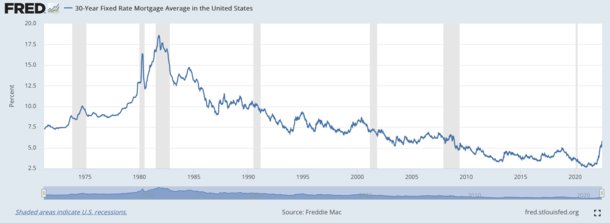
The graph below depicts the average 30-year fixed-rate mortgage based on Freddie Mac data obtained from FRED at the Federal Reserve Bank of St. Louis. The shaded areas represent U.S. recessions. The most recent recession, which ran from February to April of 2020, was the COVID-19 pandemic.

Freddie Mac's weekly survey indicates that during this brief period, the 30-year fixed mortgage rate declined from 3.45 percent to 3.23 percent. Thereafter, rates continued to decline, reaching record lows in January 2021. Throughout the Great Recession, which lasted from December 2007 to June 2009, 30-year fixed mortgage rates fluctuated between 6.10 and 5.42 percent.

Mortgage Rates During Past Recessions

The Great Recession was sparked by the mortgage crisis, which led the global financial system to collapse. From March 2001 to November 2001, during the early 2000s recession, mortgage rates decreased from 6.95 percent to 6.66 percent. From July 1990 to March 1991, during the recession of the early 1990s, mortgage rates declined from around 10 percent to 9.5 percent.

In the early 1990s recession, which was from July 1981 to November 1982, interest rates fell from 16.83 percent to 13.82 percent. From January 1980 to July 1980, rates decreased rather slowly, from 12.88 percent to 12.19 percent. In every instance, mortgage rates decreased during a recession. Obviously, the reduction varied from as little as 0.22 percent to as much as around 3 percent.

The lone exception was the 1973-1975 recession, which was caused by the 1973 oil crisis and saw rates rise from 8.58 to 8.89 percent. That was a time of so-called stagflation, which, according to some analysts, is reoccurring but remains to be seen. Homeowners, potential house purchasers, and the mortgage sector will all be hoping for the latter, a large fall in mortgage rates.

Many economists equate the 1980s to the present day, so it's feasible that we'll finally see significant respite. How much farther will mortgage rates rise before a recession, if one occurs at all, is the question. Will the 30-year fixed rate continue to rise to 7 or 8 percent by the end of 2022 or the beginning of 2023, then decrease to 6 percent?

If this is the case, any fall associated with a recession would simply return rates to their current elevated level. In other words, brace for the worst while the Fed does its utmost to combat inflation and hope for a swift recovery. In either case, you may wish to bid farewell to mortgage rates between 3 and 4 percent, at least for the foreseeable future.

What Happens to My Mortgage if the Housing Market Crashes?

The 2008 housing crash imposed an enormous financial burden on US households. As house prices fell by 30 percent nationwide, roughly 1 in 4 homeowners was pushed underwater, eventually leading to 7 million foreclosures. After a housing bubble burst, property values in the United States plunged, precipitating a mortgage crisis. Between 2007 and 2010, the United States subprime mortgage crisis was a transnational financial crisis that led to the 2007–2008 global financial crisis.

It was precipitated by a sharp decrease in US house values following the bursting of a housing bubble, which resulted in mortgage delinquencies, foreclosures, and the depreciation of housing-related assets.  The Great Recession was preceded by declines in home investment, which were followed by declines in consumer expenditure and subsequently business investment. In regions with a mix of high family debt and higher property price decreases, spending cuts were more pronounced.

The housing bubble that preceded the crisis was financed with mortgage-backed securities (MBSes) and collateralized debt obligations (CDOs), which initially provided higher interest rates (i.e., greater returns) than government securities as well as favorable risk ratings from rating agencies. Several large financial institutions collapsed in September 2008, resulting in a huge interruption in the supply of credit to businesses and individuals, as well as the commencement of a severe worldwide recession.

When property values in the United States fell precipitously after peaking in mid-2006, it became more difficult for borrowers to restructure their loans. Mortgage delinquencies skyrocketed as adjustable-rate mortgages began to reset at higher interest rates (resulting in higher monthly payments). Securities backed by mortgages, notably subprime mortgages, were extensively owned by financial firms throughout the world and lost the majority of their value.

Global investors also curtailed their purchases of mortgage-backed debt and other assets as the private financial system's ability and willingness to support lending declined. Concerns over the health of US credit and financial markets led to credit tightening globally and a slowing of economic development in the US and Europe.

Here's Why This Housing Slowdown Is Unlike Any Other

There aren’t as many risky loans or mortgage delinquencies, although high home prices are forcing many people out of the market. But if the Great Recession was triggered by a 2007-08 housing market crash, is today's market in a similar predicament? No, that's the simplest response. Today, the housing market in the United States is in much better shape. This is in part due to the stricter lending laws that were implemented as a result of the financial crisis. With these new guidelines, today's borrowers are in a far better position.

The average borrower's FICO credit score is a record high 751 for the 53.5 million first-lien home mortgages in the United States today. In 2010, it was 699, two years after the collapse of the banking industry. Considerably this is reflected in the credit quality as lenders have become much more rigorous about lending. As a result of pandemic-fueled demand, home prices have risen over the previous two years. Now homeowners have historic levels of equity in their homes.

According to Black Knight, a provider of mortgage technology and analytics, the so-called tappable equity, which is the amount of cash a borrower may withdraw from their house while still leaving 20% equity on paper, set a new high of $11 trillion this year. That's a 34% rise over the same period last year. Leverage, or the ratio of a homeowner's debt to the value of his or her house, has declined precipitously at the same time.

This is the lowest level of mortgage debt in US history, at less than 43 percent of home prices. When a borrower has more debt than the value of their house, they have negative equity. When compared to 2011, when over one-fourth of all borrowers were underwater, this is an improvement. Only 2.5% of borrowers have equity in their houses less than 10%. If property values do decline, this will give a significant amount of protection.

Just 3 percent of mortgages are past due, which is a record low for mortgage delinquencies. There are still fewer past-due mortgages now than before the epidemic, despite the dramatic rise in delinquencies during the first year. There are still 645,000 borrowers in mortgage forbearance programs connected to the pandemic that has helped millions of people recover.

Even though the pandemic-related forbearance programs have been exhausted by some 300,000 debtors, they are still overdue. Even though mortgage delinquencies are still at historically low levels, recent loan originations have seen a rise in the number of defaults.

The most pressing issue in the housing market right now is home affordability, which is at an all-time low in most regions. While inventory is increasing, it is still less than half of what it was before the pandemic. Rising inventory may ultimately chill house price rise, but the double-digit rate has shown to be extremely resilient thus far. As rising home costs begin to strain some buyers' finances, those who remain in the market should expect less competitive circumstances later in the year.

Home Values May Decline Regardless of a Recession

The housing market is based on a supply and demand cycle. A buyer's market exists when there is a big inventory of properties for sale, and property prices tend to decline. When inventory is low, however, residences are in high demand and the market shifts to a seller's market. It takes time to develop new dwellings and replenish supplies.

Housing prices will begin to fall if inventory grows and demand is fulfilled. Another reason that property prices have lately slowed is that individuals can no longer afford them. Income levels have not kept pace with house costs, and many first-time buyers who are still saddled with college loans cannot afford the extra weight of a mortgage.

The current housing inflation storm is driving buyers out of the market, contributing to the protracted period of extremely limited inventory—but sellers are still hesitant to lower prices. Waiting may be the best option for purchasers with time, regardless of whether there is a recession. According to Realtor.com, the number of houses for sale increased by the most in June 2022 on record. Active listings increased 18.7 percent year on year, but property prices remain persistently high.

In June, the national median listing price for active properties increased 16.9 percent from the previous month to $450,000. So far, property prices are up 31.4 percent from June 2020. It may take some time for values to fall because sellers are still trying to obtain top money for their property. Sellers are attempting to price their houses in line with recent comparables that closed in 2021—when mortgage rates were still at record lows and inventory was scarce.

However, many purchasers are waiting to see what happens in the autumn housing market, when there will be more inventory as well as greater competition. There is a lack of consensus on whether or not now is a good moment to purchase a house. In contrast to the most recent housing crash, which occurred during the financial crisis of 2008, we are currently experiencing growing inflation while job levels continue to be solid. The majority of economists were surprised by how quickly jobs were added in June.

The jobs market has been seen as the bulwark against a recession, and June’s numbers show that the employment pillar remains strong. Job growth accelerated at a much faster pace than expected in June, indicating that the main pillar of the U.S. economy remains strong despite pockets of weakness. Nonfarm payrolls increased 372,000 in the month, better than the 250,000 Dow Jones estimate and continuing what has been a strong year for job growth, according to data from the Bureau of Labor Statistics.

“The strong 372,000 gain in non-farm payrolls in June appears to make a mockery of claims the economy is heading into, let alone already in, a recession,” said Andrew Hunter, senior U.S. economist at Capital Economics.

The years that you anticipate living in the house is another factor that might play a role in determining whether or not you should buy it right away. Those who do not intend to remain in the house for at least five years after the purchase may end up losing money if the housing market experiences a crash after the purchase and they decide to sell. On the other side, attempting to time the market incorrectly might result in you missing out on the opportunity to purchase your ideal house.

You may be priced out of the market if interest rates continue to climb and home prices do not fall by an amount that is sufficient to compensate for high mortgage expenses. Buyers are in a better position to take advantage of the increasing availability of houses now that sellers are asking for more reasonable prices for their properties. If there is a downturn in the economy, mortgage interest rates will very certainly fall to about 4 percent or even lower. If it does, it could be a good time to hold off and save some money, especially for first-time homeowners.

Read More:

  • 3 Florida Cities at High Risk of a Housing Market Crash or Decline
  • 4 States Facing the Major Housing Market Crash or Correction
  • 5 Cities Where Home Prices Are Predicted To Crash in 2025
  • 3 BIG Cities Facing High Housing BUBBLE Risk: Crash Alert?
  • Is the Florida Housing Market Headed for a Crash Like the Great Recession?
  • Will Tariffs and Economic Policies Crash the Housing Market in 2025?
  • Majority of Americans Fear Housing Market Will Crash in 2025
  • Will the Housing Market Crash Due to Looming Recession in 2025?
  • Will the Housing Market Crash Due to Reciprocal Tariffs: Survey Warns

Filed Under: Economy, General Real Estate, Housing Market Tagged With: housing market crash, mortgage rates, Recession

Will New Tariffs Actually Lead to Lower Mortgage Rates in 2025?

April 8, 2025 by Marco Santarelli

Will New Tariffs Actually Lead to Lower Mortgage Rates in 2025?

Have you ever heard the saying, “It's always darkest before the dawn”? Well, in the world of economics, sometimes things that seem bad on the surface can have unexpected silver linings. Right now, there's a lot of talk about new tariffs, and while my initial reaction might be to worry about higher prices, there's a chance these tariffs could actually push mortgage rates down. It sounds a bit backward, I know, but let's dive into why new tariffs might indeed lower mortgage rates, even if the path isn't exactly straightforward.

Could New Tariffs Actually Lead to Lower Mortgage Rates? Here's What I Think.

The Surprising Link Between Tariffs and Mortgage Rates

Here's the core idea: when there's economic uncertainty, investors tend to look for safer places to put their money. One of those safe havens is typically U.S. government bonds, particularly the 10-year Treasury yield. This yield is a crucial benchmark because it heavily influences the cost of borrowing for things like mortgages, especially the popular 30-year fixed-rate mortgage.

Think of it this way: if new tariffs create worries about the economy slowing down, investors might flock to buy Treasury bonds. This increased demand for bonds can drive their prices up, and when bond prices go up, their yields tend to go down. And as the 10-year Treasury yield falls, so too can mortgage rates. We saw this happen recently when the latest tariffs were announced – the 10-year Treasury yield dipped.

Why Economic Uncertainty Can Be Good for Borrowers (Sometimes)

It feels counterintuitive, I know. You'd think a strong economy would be good for everyone, including homebuyers. And in many ways, it is. But when the economy is booming too much, it can lead to higher inflation. To combat inflation, the Federal Reserve might raise interest rates, which in turn pushes mortgage rates higher.

Tariffs, while intended to protect domestic industries, can sometimes have the unintended consequence of slowing down economic growth due to increased costs for businesses and consumers. If the economy shows signs of cooling, investors might become more risk-averse and, as I mentioned, turn to safer investments like Treasury bonds. This increased demand helps keep those yields, and consequently mortgage rates, in check or even pushes them lower.

The Recent Data Points to This Trend

We've actually seen this dynamic play out recently. Following the announcement of new tariffs, the 10-year Treasury yield saw a decrease. This is a direct reaction to the uncertainty these tariffs introduce into the economic outlook. Some experts have even suggested that this could lead to lower mortgage rates in the short term.

For example, data indicates that the 30-year fixed mortgage rate has averaged around 6.92 percent this year, but it had already dipped to 6.67 percent earlier this month. While there are many factors at play, the reaction of the Treasury yield to tariff news suggests a potential for further downward pressure on mortgage rates.

However, It's Not All Smooth Sailing for Homebuyers

While lower mortgage rates sound great, the impact of tariffs on the housing market isn't entirely positive. Here's where things get a bit more complicated:

  • Inflationary Pressures: Tariffs can increase the cost of imported goods, which could lead to higher inflation. Even though lower mortgage rates might make monthly payments a bit more manageable, higher prices for everything else could still strain household budgets and make homeownership less affordable overall. The latest Consumer Price Index already showed overall inflation at 2.8 percent, with housing costs remaining stubbornly high.
  • Increased Construction Costs: Tariffs on materials like steel and lumber can significantly increase the cost of building new homes. One study even suggested that existing tariffs could increase new-home construction costs by 4 to 6 percent. Given that new construction makes up a significant portion of the available housing inventory right now, this could further limit supply and keep overall housing prices elevated.
  • Economic Uncertainty and Job Security: If tariffs lead to a significant economic slowdown, businesses might be less likely to hire, and some people could even lose their jobs. This increased uncertainty about job security could make potential homebuyers hesitant to make such a major financial commitment, even if mortgage rates are lower. Buying a home is often tied to confidence in one's financial future.

My Take: A Double-Edged Sword

In my opinion, the idea that new tariffs might lower mortgage rates is plausible, at least in the short term. The historical relationship between economic uncertainty, Treasury yields, and mortgage rates suggests this could indeed happen. However, I don't think this is necessarily a straightforward win for homebuyers.

The potential for increased inflation and higher construction costs could offset the benefits of lower mortgage rates. Ultimately, the overall affordability of housing depends on a complex interplay of factors, including interest rates, home prices, and the general economic health of the country.

Recommended Read:

Will Mortgage Rates Go Down in April 2025? Here's What the Experts Say

Expect High Mortgage Rates Until 2026: Fannie Mae's 2-Year Forecast

Will Mortgage Rates Rise Back Above 7% or Go Down in 2025?

Potential Opportunities for Some

Despite the uncertainties, lower mortgage rates could create opportunities for certain groups:

  • Refinancing: Homeowners who purchased their homes in the last couple of years when rates were higher (around 7 percent) might find that lower rates offer a chance to refinance their mortgages and potentially save a significant amount of money on their monthly payments.
  • Buyers in Specific Markets: In areas where there's already a decent supply of homes and demand softens due to economic uncertainty, lower mortgage rates could give buyers more negotiating power and potentially make homeownership more accessible. As one expert put it, “Everything’s this local supply and demand dynamic.”

What Should Potential Homebuyers Do?

Given this complex situation, my advice to anyone thinking about buying a home would be to:

  • Stay Informed: Keep a close eye on economic news, particularly reports on inflation, GDP growth, and the housing market.
  • Shop Around: Compare mortgage rates from different lenders. Even small differences in rates can add up to significant savings over the life of a loan.
  • Assess Your Personal Finances: Carefully evaluate your own financial situation and job security before making a decision. Don't let lower rates tempt you into overextending yourself.
  • Do Your Due Diligence: Research the local housing market in your area. Understand the supply and demand dynamics and be prepared to negotiate.

In Conclusion

While new tariffs could create the economic uncertainty that leads to lower mortgage rates, this potential benefit comes with significant caveats. The risk of higher inflation and increased construction costs could still make homeownership challenging. It's a complex situation with both potential opportunities and risks for homebuyers. As always, understanding the bigger economic picture and carefully considering your own circumstances is key.

Work With Norada, Your Trusted Source for

Real Estate Investment in the U.S.

Investing in turnkey real estate can help you secure consistent returns with fluctuating mortgage rates.

Expand your portfolio confidently, even in a shifting interest rate environment.

Speak with our expert investment counselors (No Obligation):

(800) 611-3060

Get Started Now

Also Read:

  • Will Mortgage Rates Go Down in 2025: Morgan Stanley's Forecast
  • Mortgage Rate Predictions 2025 from 4 Leading Housing Experts
  • Mortgage Rates Forecast for the Next 3 Years: 2025 to 2027
  • 30-Year Mortgage Rate Forecast for the Next 5 Years
  • 15-Year Mortgage Rate Forecast for the Next 5 Years
  • Why Are Mortgage Rates Going Up in 2025: Will Rates Drop?
  • Why Are Mortgage Rates So High and Predictions for 2025
  • Will Mortgage Rates Ever Be 3% Again in the Future?
  • Mortgage Rates Predictions for Next 2 Years
  • Mortgage Rate Predictions for Next 5 Years
  • Mortgage Rate Predictions: Why 2% and 3% Rates are Out of Reach
  • How Lower Mortgage Rates Can Save You Thousands?
  • How to Get a Low Mortgage Interest Rate?
  • Will Mortgage Rates Ever Be 4% Again?

Filed Under: Financing, Mortgage Tagged With: Interest Rate, mortgage, Mortgage Rate Trends, mortgage rates, Mortgage Rates Predictions, Mortgage Rates Today

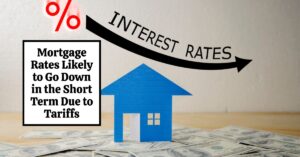
Mortgage Rates Likely to Go Down in the Short Term Due to Tariffs

April 8, 2025 by Marco Santarelli

Mortgage Rates Likely to Go Down in the Short Term Due to Tariffs

Right now, if you're keeping an eye on the housing market, you're probably wondering: Will mortgage rates go down? The short answer, based on recent happenings, is yes, mortgage rates are likely to fall, at least in the short term. However, like that unpredictable weather, the long-term outlook has a lot of clouds of uncertainty. Let's dive into what's causing this current dip and what it might mean for folks looking to buy or refinance a home.

Mortgage Rates Likely to Go Down in the Short Term Due to Tariffs

Why Mortgage Rates Are Heading Down Now?

You might be scratching your head, especially if you heard that the job market is doing pretty well. Usually, a strong economy can actually push interest rates up. So, what's the deal? Well, it boils down to something else entirely: tariffs and the potential for a trade war.

Just recently, there was news about stronger-than-expected job growth. In March of 2025, more jobs were added to the U.S. economy than experts predicted, and the unemployment rate stayed pretty much the same. This kind of news usually suggests a healthy economy, which can sometimes lead to higher interest rates as the Federal Reserve tries to keep things from overheating.

But here's the twist: the financial markets are paying much closer attention to the fallout from new tariffs. Think of tariffs like taxes on goods coming into the country. When these taxes go up, it can lead to higher prices for consumers and businesses. In response to the U.S. announcing these tariffs, other countries, like China, have said they'll put their own tariffs on American goods. This kind of back-and-forth can spook investors because it raises the risk of a slowdown in the global economy, or even a recession.

Tariffs Trump Jobs Data (For Now)

This is why, despite the good news about jobs, mortgage rates are actually falling. When investors get worried about the economy, they often look for safer places to put their money, like U.S. Treasury bonds. When demand for these bonds goes up, their yields (which often influence mortgage rates) tend to go down. So, the worry about the economic impact of these tariffs is pushing down Treasury yields, and in turn, pulling mortgage rates lower.

It's a bit counterintuitive, I know. You'd think a strong job market would be the main driver of interest rates. But right now, the potential economic shock from these trade disputes is overshadowing that.

What This Means for Homebuyers and Owners

For anyone thinking about buying a home, this dip in mortgage rates could be welcome news. Lower rates mean your monthly mortgage payments could be more affordable, and it might even increase how much house you can comfortably afford. It could be a window of opportunity to lock in a lower rate.

If you're already a homeowner, lower mortgage rates might make refinancing your current mortgage an attractive option. Refinancing could potentially lower your monthly payments or allow you to shorten the term of your loan, saving you money on interest over the long haul. It's always a good idea to run the numbers to see if refinancing makes sense for your individual situation.

The Big Question: How Long Will This Last?

Now, here's where things get a bit murky. While mortgage rates are falling right now due to tariff concerns, it's hard to say for sure how long this trend will continue. The future of mortgage rates really hinges on a few key things:

  • Will the inflationary effects of tariffs outweigh the recessionary risks? Tariffs can lead to higher prices for goods, which could cause inflation. If inflation becomes a big concern, the Federal Reserve might be inclined to keep interest rates higher. On the other hand, if the trade disputes lead to a significant economic slowdown or recession, the Fed might actually lower rates to try to stimulate the economy.
  • How will other countries respond to these tariffs? The more countries that impose retaliatory tariffs, the greater the potential impact on global trade and economic growth. This increased uncertainty could keep downward pressure on interest rates.
  • What will the Federal Reserve do? The Fed plays a crucial role in setting monetary policy, including influencing interest rates. Their decisions will depend heavily on the economic data they see and how they interpret the risks posed by the trade situation.

Recommended Read:

Will New Tariffs Actually Lead to Lower Mortgage Rates in 2025?

Will Mortgage Rates Go Down in April 2025? Here's What the Experts Say

Expect High Mortgage Rates Until 2026: Fannie Mae's 2-Year Forecast

Will Mortgage Rates Rise Back Above 7% or Go Down in 2025?

My Thoughts on the Road Ahead

Based on what I'm seeing, I believe the current dip in mortgage rates is largely driven by market jitters surrounding the trade situation. While the jobs report showed a strong labor market in the recent past, that data is a bit backward-looking now. The potential impact of widespread tariffs on businesses and consumer spending is a much bigger concern for investors right now.

I wouldn't be surprised to see some continued volatility in mortgage rates in the coming weeks and months. We're in a period of uncertainty, and any new developments on the trade front could quickly shift market sentiment.

  • Short-term: I anticipate that concerns about the economic impact of tariffs will continue to put downward pressure on mortgage rates. This could present a good opportunity for those looking to buy or refinance.
  • Long-term: The picture is much less clear. If the tariff situation escalates significantly and leads to a noticeable slowdown in economic growth, we could see rates stay lower for longer. However, if the trade disputes are resolved relatively quickly, or if inflation becomes a bigger concern due to the tariffs, rates could start to move back up.

What Should You Do?

If you're in the market to buy a home or refinance, it's crucial to stay informed and be prepared to act if you see an opportunity.

  • Keep a close eye on mortgage rate trends. There are many resources online that track daily and weekly mortgage rate movements.
  • Talk to a mortgage professional. They can provide personalized advice based on your financial situation and help you understand the different loan options available.
  • Be prepared to act quickly. If you see a rate that looks good, don't hesitate too long, as things can change rapidly.

In Conclusion

While a strong jobs report might typically signal upward pressure on interest rates, the current focus is firmly on the potential economic fallout from new tariffs. This has created a situation where mortgage rates will fall in the short term, offering a potential benefit to homebuyers and homeowners looking to refinance. However, the long-term trajectory remains uncertain and will depend on how the trade situation evolves and how the Federal Reserve responds. It's a time to pay close attention to the news and be ready to navigate a potentially volatile market.

Work With Norada, Your Trusted Source for

Real Estate Investment in the U.S.

Investing in turnkey real estate can help you secure consistent returns with fluctuating mortgage rates.

Expand your portfolio confidently, even in a shifting interest rate environment.

Speak with our expert investment counselors (No Obligation):

(800) 611-3060

Get Started Now

Also Read:

  • Will Mortgage Rates Go Down in 2025: Morgan Stanley's Forecast
  • Mortgage Rate Predictions 2025 from 4 Leading Housing Experts
  • Mortgage Rates Forecast for the Next 3 Years: 2025 to 2027
  • 30-Year Mortgage Rate Forecast for the Next 5 Years
  • 15-Year Mortgage Rate Forecast for the Next 5 Years
  • Why Are Mortgage Rates Going Up in 2025: Will Rates Drop?
  • Why Are Mortgage Rates So High and Predictions for 2025
  • Will Mortgage Rates Ever Be 3% Again in the Future?
  • Mortgage Rates Predictions for Next 2 Years
  • Mortgage Rate Predictions for Next 5 Years
  • Mortgage Rate Predictions: Why 2% and 3% Rates are Out of Reach
  • How Lower Mortgage Rates Can Save You Thousands?
  • How to Get a Low Mortgage Interest Rate?
  • Will Mortgage Rates Ever Be 4% Again?

Filed Under: Financing, Mortgage Tagged With: Interest Rate, mortgage, Mortgage Rate Trends, mortgage rates, Mortgage Rates Predictions, Mortgage Rates Today

California Housing Market: Nearly $174,000 Needed to Buy a Home

April 8, 2025 by Marco Santarelli

California Housing Market: Nearly $174,000 Needed to Afford Median Home

California, the land of sunshine, diverse cities, and breathtaking landscapes, beckons many with the dream of homeownership. However, the Golden State's housing market presents a stark reality – it's among the most expensive in the nation. Understanding the financial landscape is crucial for potential homebuyers to navigate this dream towards reality.

California Dreamin'? Here's How Much You Really Need to Buy a Home 

The Numbers: A Steeper Climb

Recent data paints a clear picture: California's median home price sits around $730,000, far exceeding the national average of $407,600 [National Association of Realtors, May 2024]. This premium reflects a confluence of factors. Favorable weather attracts residents year-round, while a booming job market in certain sectors like technology fuels demand.

Additionally, limited developable land, particularly in coastal areas, restricts housing supply and keeps prices high. To comfortably afford a median-priced home in California (assuming no more than 30% of gross income goes towards housing), a household would need an annual income of roughly $173,934. This translates to a monthly income requirement of around $14,494.

City by City: A Spectrum of Affordability

The picture gets more nuanced when we zoom in on specific cities. Aspiring homeowners in San Jose face a much steeper climb. There, the median home price skyrockets to a staggering $1.88 million, translating to a required income of approximately $337,000. Conversely, more affordable havens exist. In Riverside or San Bernardino, the median home price dips to $560,000, bringing the income requirement down to around $106,000.

Beyond the Down Payment: A Holistic View

It's important to remember these figures are based on assumptions that go beyond a simple 30-year fixed-rate mortgage and a 10% down payment. Here's a more comprehensive breakdown of the additional costs factored in:

  • Mortgage Interest Rate: This significantly impacts the monthly payment. A higher interest rate translates to a higher required income to afford the same home.
  • Private Mortgage Insurance (PMI): If your down payment is less than 20% of the purchase price, you'll likely be required to pay PMI. This adds to your monthly housing costs.
  • Property Taxes: Property taxes vary by location and property value. They can be a substantial expense, especially in high-cost areas.
  • Homeowner's Insurance: This insurance protects your investment in case of damage or loss. The cost depends on the value and location of the home.
  • HOA Fees: Homeowner's association (HOA) fees are common in planned communities and cover shared amenities and maintenance.

By factoring in all these expenses, you get a more accurate picture of the total cost of homeownership and the income required to comfortably manage it.

The Affordability Challenge: A Looming Barrier

The disparity between California's housing market and its median household income presents a significant challenge. Many residents find themselves priced out, struggling to achieve homeownership without financial strain.

Strategies for Success: Planning Makes Perfect

For those determined to own a piece of the California dream, a well-defined financial plan is paramount. Here are some strategies to consider:

  • Save for a Substantial Down Payment: A larger down payment reduces the loan amount and, consequently, the monthly mortgage payment. This can significantly lower the required income level.
  • Explore Mortgage Options: Different loan types offer varying interest rates and down payment requirements. Researching these options can help you find the program that best suits your financial situation.
  • Consider Areas with Lower Median Home Prices: While San Francisco might be your dream location, areas like Bakersfield or Fresno offer a more affordable entry point into the California housing market.

The Dream Lives On: With Planning and Strategy

The road to homeownership in California may be daunting, but it's not insurmountable. Careful financial planning, a strategic approach to the housing market, and a willingness to explore different options can make the dream a reality for determined buyers. Remember, buying a home is a long-term commitment. Ensure your purchase aligns with your financial goals and overall well-being.

Read More:

  • California Housing Market: Trends and Forecast 2025-2026
  • Real Estate Forecast Next 5 Years California: Crash or Boom?
  • California Housing Market Rebounds With Highest Sales in 2 Years
  • Will the California Housing Market Crash?
  • Will the US Housing Market Crash?
  • Most Expensive Housing Markets in California

Filed Under: Housing Market, Real Estate Market Tagged With: california, Housing Market

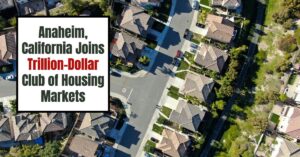
Anaheim, California Joins Trillion-Dollar Club of Housing Markets

April 8, 2025 by Marco Santarelli

Anaheim, California Joins Trillion-Dollar Club of Housing Markets

In a remarkable turn of events, the total home value in Anaheim, California, has crossed the $1 trillion mark, marking a pivotal moment in the U.S. housing market. This milestone not only showcases Anaheim's growing prominence in the real estate sector but also reflects broader trends that are reshaping the American housing landscape. According to a recent report by Redfin, the city's home values have skyrocketed by 12.1% over the past year, indicating a sustained demand for housing in this vibrant Southern California location.

The Total Home Value in This California City Crossed $1 Trillion

Anaheim: A Rising Star in California Real Estate

Anaheim's ascendance to trillion-dollar status places it among an elite group of U.S. metropolitan areas, including giants like New York and Los Angeles. The increasing home values in Anaheim underscore its transformation from a quiet suburban area to a bustling economic hub.

  • Attractions and Amenities: Home to famous attractions such as Disneyland, Angel Stadium, and the Honda Center, Anaheim offers both residents and visitors a vibrant lifestyle. These attractions draw millions of tourists each year, contributing significantly to the local economy and housing demand.
  • Employment Opportunities: The city's economy is booming, with a relatively low unemployment rate of 4%, making it an attractive location for prospective homebuyers seeking stability and opportunity.

Home Value Growth Amid National Trends

Anaheim's home value surge aligns with a nationwide increase in real estate prices. The number of U.S. metro areas exceeding the $1 trillion threshold has doubled over the past year, expanding the list of cities that now include:

  1. New York, NY – $2.48 trillion
  2. Los Angeles, CA – $2.19 trillion
  3. Atlanta, GA – $1.29 trillion
  4. Boston, MA – $1.28 trillion
  5. Anaheim, CA – $1.12 trillion

Anaheim's home values reflect a year-over-year increase of $121 billion, joining established markets and showcasing the city's rapid transformation.

What Drives This Growth?

Several underlying factors contribute to Anaheim's impressive home value growth:

  • Low Housing Inventory: As the demand for homes continues to climb, the limited availability of properties for sale prevents prices from dropping.
  • Interest Rates: While mortgage rates have been falling, many potential buyers are hesitant to enter the market, leading to a situation where housing prices gradually rise.
  • City Development: The ongoing development of infrastructure and amenities enhances the appeal of living in Anaheim, making it an attractive destination for families and young professionals alike.

A Look at the Future

Real estate experts, including Chen Zhao, Redfin's Economics Research Lead, suggest that the value of the U.S. housing market is on track to cross the $50 trillion milestone in the coming year. Zhao noted, “The value of America’s housing market will likely cross the $50 trillion threshold as there are not enough homes being listed to push prices down.” This growth illustrates the persistent demand for housing and the resilience of the real estate market, even amid economic uncertainties.

Challenges Ahead for Buyers and Sellers

While the outlook appears positive, prospective buyers may face challenges, including:

  • Affordability Concerns: As home values rise, affordability becomes a pressing issue for many families. The increased prices mean potential homebuyers may need to stretch their budgets.
  • Rising Competition: With more buyers entering the market, bidding wars could become commonplace, leading to further increases in home prices.

For sellers, the current market conditions present an opportunity to benefit from elevated home values. However, they must also consider timing, as many may be waiting for more favorable conditions to list their properties.

Conclusion: Anaheim's Transformation and Future Potential

Anaheim's achievement of surpassing the $1 trillion mark in total home value is not just a reflection of local growth but also indicative of broader trends impacting cities across the United States. As one of the fastest-growing metro areas, it exemplifies the dynamic nature of the current housing market.

With major attractions, a robust economy, and a favorable climate, Anaheim's appeal to residents and investors alike is likely to continue growing. Buyers and sellers alike should stay informed about market trends and remain vigilant, as the area evolves and adapts to new challenges and opportunities.

In conclusion, Anaheim’s rise to trillion-dollar status presents a unique and telling snapshot of the evolving dynamics within the U.S. real estate market. As the city continues to attract individuals and families from all walks of life, it stands poised to remain a key player in the Southern California housing landscape.

Read More:

  • Anaheim Housing Market Forecast for the Next 2 Years: 2025-2026
  • Will the California Housing Market Crash?
  • Will the US Housing Market Crash?
  • Most Expensive Housing Markets in California

Filed Under: Housing Market, Real Estate Market Tagged With: Anaheim, california, Housing Market

Worst Places to Live in North Carolina (2025)

April 8, 2025 by Marco Santarelli

Worst Places to Live in North Carolina (2024)

Have you ever wondered which places might not be the best fit for calling home in North Carolina? The Tar Heel State has a wealth of beautiful cities and charming towns, but like anywhere else, not every location is ideal for everyone. Whether it’s due to economic factors, crime rates, or simply the vibe of a community, some areas can be less desirable to live in. Let’s take a closer look at the 10 worst places to live in North Carolina, shedding some light on why they might not be your perfect match.

10 Worst Places to Live in North Carolina

1. Durham

Durham has a notorious history of crime, particularly related to the crack cocaine epidemic in the 90s. Despite efforts to improve, shootings, murders, and assaults remain high, with 190 people shot last year. The city's racial and economic divisions persist, contributing to ongoing challenges.

  • Durham ranks as one of the top 10 most dangerous cities in North Carolina for violent crime.
  • The city has made efforts to gentrify, but the socioeconomic divide remains stark, particularly between new tech workers and long-time residents.

2. Whiteville

Whiteville, with a population of 5,400, is deemed the most dangerous place in North Carolina according to the FBI. Residents face a staggering 1 in 10 chance of being a property crime victim. The town struggles with poverty, high drug use, and limited job opportunities, resulting in widespread hardship.

  • Whiteville has one of the highest property crime rates in the country.
  • A third of the population lives in poverty, contributing to high rates of crime and drug use.

3. Albemarle

Located 45 minutes from Charlotte, Albemarle suffers from the highest drug overdose rate in the state. With a 1 in 16 chance of being attacked or robbed annually, high poverty rates, and poor job prospects, it's a town battling significant socioeconomic issues.

  • Albemarle has the fourth-highest violent crime rate in North Carolina.
  • The town has a 25% poverty rate, with unemployment three times higher than the national average.

4. Salisbury

Salisbury, known as “Shotsberry,” ranks 10th in the state for crime rates. High poverty, frequent gang violence, and a lack of cultural amenities characterize this medium-sized city. Despite some economic ties to companies like Cheerwine and Food Lion, it remains a challenging place to live.

  • Salisbury has a violent crime rate significantly higher than the state average.
  • The city's poverty rate is over 20%, contributing to the high levels of crime and economic stagnation.

5. Rocky Mount and High Point

Both Rocky Mount and High Point face severe crime and drug issues. Rocky Mount, a Raleigh suburb, is plagued by violence and poverty, while High Point is one of the 25 deadliest cities in the U.S., with a significant murder rate and a segregated community.

  • Rocky Mount has a violent crime rate three times higher than the national average.
  • The city suffers from high unemployment and limited recreational activities for families.
  • High Point has a murder rate of 16 per 100,000 people, making it extremely dangerous.
  • The city is heavily segregated, with distinct racial and economic divides.

6. Winston-Salem

Despite its size and historical significance, Winston-Salem has large areas of poverty and crime. Twenty percent of the population lives in poverty, and the city experienced its deadliest year in 25 years. Efforts to gentrify are underway, but many areas remain dangerous and run down.

  • Winston-Salem has experienced a five-year increase in crime rates, making parts of the city highly unsafe.
  • Gentrification efforts are ongoing, but the city's poverty rate remains at 20%.

7. Laurinburg

Near the South Carolina border, Laurinburg has a high poverty rate with one-third of its residents living at or below the poverty line. The town struggles with crime, lack of job opportunities, and economic stagnation, making it a tough place to thrive.

  • Laurinburg has the fifth-highest violent crime rate in North Carolina.
  • The unemployment rate is over 15%, with many residents chronically unemployed.

8. Fayetteville

Known as “Fayettenam,” Fayetteville is the largest city on this list and has significant violence and poverty issues. With limited job prospects, underfunded schools, and a high STD rate, it ranks poorly for families and employment opportunities.

  • Fayetteville has a poverty rate of over 20%, with significant homelessness issues.
  • The city's schools are underfunded, impacting the quality of education.

9. Lumberton

Lumberton, near the South Carolina border, is so plagued by crime that it stopped reporting to the FBI. Forty percent of its population lives in poverty, and robberies are frequent. It's a struggling community with limited prospects for improvement.

  • Lumberton has a poverty rate of 40%, with many residents relying on government assistance.
  • The city has one of the highest robbery rates in the state.

10. Kinston

Kinston, the worst place to live in North Carolina, has extreme poverty and crime rates. With a crime index of 1 out of 100, residents have a 1 in 13 chance of being a crime victim annually. The economic decline and high unemployment make it a challenging place to live.

  • Kinston has the third-highest unemployment rate in North Carolina.
  • The city is nearly four times more dangerous than the national average.

Conclusion: Finding Your Perfect Fit

While North Carolina offers many great places to live, these ten locations present significant challenges with crime, poverty, and limited job opportunities.

While some cities in North Carolina may have certain drawbacks, they also hold unique qualities that can be appealing. It’s all about what you prioritize.

If you're considering moving to North Carolina, aim for the more prosperous areas like the Raleigh metro, Charlotte, or the coastal regions. Avoid the troubled spots mentioned here to ensure a better quality of life.

As you consider potential places to call home in North Carolina, it’s crucial to weigh the pros and cons of each location. Not everyone will thrive in the same environment, and what may be a deal-breaker for one person could be a non-issue for another. It’s about finding the right fit for you and your lifestyle.

Whether that’s economic opportunities, community safety, cultural vibrancy, or even the schools available to your children, your checklist for the perfect home is unique to you.

Ultimately, it’s worth investing time in research and understanding what each place can offer. North Carolina is a state rich with diverse communities, and your perfect living situation is out there, waiting for you to discover it.

***For more in-depth info on these places in North Carolina you should never move to, you may watch the video given above***

Read More:

  • Best Places to Live in North Carolina Near the Beach
  • 10 Safest Places to Live in North Carolina
  • Worst Places to Live in the New York State
  • Worst Places to Live in Florida for Families & Retirees
  • Worst Cities in California: These Are Worst Places to Live in CA
  • Worst Places to Live in Texas: Avoid These Texas Towns
  • 20 Worst Places to Live in the US: Avoid These Cities

Filed Under: Housing Market Tagged With: North Carolina, Worst Places to Live in North Carolina

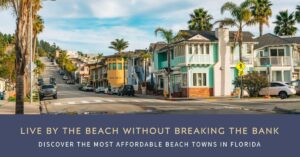
Cheapest Places to Live in Florida by the Beach in 2025

April 8, 2025 by Marco Santarelli

Cheapest Places to Live in Florida by the Beach

Picture yourself waking up to the sound of crashing waves, stepping outside into the warm Florida sun, and strolling along pristine beaches. Imagine experiencing all of this without breaking the bank. In this article, we will explore the affordable coastal living options in Florida, specifically highlighting the cheapest places to live by the beach.

Discover the ideal destinations where you can indulge in the coastal lifestyle without sacrificing your budget. Whether you're seeking a peaceful retirement spot or a vibrant community, Florida offers a range of affordable coastal havens waiting to be explored.

10 Cheapest Places to Live in Florida by the Beach in 2025

Now that you know what factors to consider for affordable coastal living, let's take a look at some of the most affordable coastal cities in Florida.

Fernandina Beach

Fernandina Beach is located on Amelia Island in northeast Florida. It offers a charming historic downtown, beautiful beaches, and a low cost of living. Housing options in Fernandina Beach range from single-family homes to condominiums, providing options for different budgets and preferences.

Port St. Lucie

Port St. Lucie is located on Florida's east coast and is known for its affordable housing and family-friendly atmosphere. The city has a range of housing options, including single-family homes, townhouses, and apartments. With a growing job market and a range of community amenities, Port St. Lucie offers a great quality of life at an affordable price.

Panama City

Panama City is located in northwest Florida and offers a mix of beautiful beaches and a vibrant downtown area. The city has a lower cost of living compared to many other coastal cities in Florida, making it an attractive option for those looking for affordable coastal living. Housing options in Panama City include single-family homes, condominiums, and townhouses.

Pensacola

Pensacola, located on Florida's panhandle, is known for its stunning Gulf Coast beaches and historic downtown area. The cost of living in Pensacola is relatively low compared to other coastal cities, and there are a range of housing options available, including single-family homes and apartments.

Fort Myers

Fort Myers is located on Florida's west coast and offers a warm climate, beautiful beaches, and a range of amenities. The city has a lower cost of living compared to many other coastal cities in Florida, and housing options include single-family homes, condominiums, and apartments.

Tarpon Springs

Tarpon Springs, located northwest of Tampa, is known for its Greek heritage and sponge diving industry. The cost of living in Tarpon Springs is relatively low, and there are a variety of affordable housing options, including single-family homes and condominiums.

Vero Beach

Vero Beach is located on Florida's east coast and is known for its beautiful beaches and small-town charm. The cost of living in Vero Beach is lower compared to many other coastal cities in Florida, and housing options range from single-family homes to condominiums.

New Smyrna Beach

New Smyrna Beach, located on Florida's east coast, offers a laid-back coastal lifestyle at an affordable price. The cost of living in New Smyrna Beach is lower compared to many other coastal cities, and housing options include single-family homes, townhouses, and condominiums.

Bradenton

Bradenton, located on Florida's Gulf Coast, offers a mix of beautiful beaches, cultural attractions, and a lower cost of living compared to many other coastal cities. Housing options in Bradenton include single-family homes, condominiums, and apartments.

Cocoa Beach

Cocoa Beach, located on Florida's east coast, is known for its stunning beaches and surf culture. The cost of living in Cocoa Beach is relatively low, and housing options range from single-family homes to condominiums.

ALSO READ: 10 Best Places to Live in Florida in 2024

Factors to Consider for Affordable Coastal Living

Living by the beach is a dream for many people, but it's often seen as an expensive luxury. However, with careful planning and consideration, you can find affordable coastal cities in Florida that offer a great quality of life without breaking the bank. When looking for an affordable coastal city, there are several factors to consider.

Location

The location of the city is a crucial factor to consider when looking for affordable coastal living. Some cities might be more expensive simply because they are more popular or well-known. Consider looking for cities that are slightly off the beaten path but still offer beautiful beaches and a high quality of life. These cities often have lower housing prices and a lower cost of living overall.

Cost of Living

The overall cost of living in a city is an important factor to consider when looking for affordability. This includes housing costs, utilities, transportation, groceries, and healthcare expenses. Look for cities where the cost of living is lower compared to other coastal cities in Florida. This will help you stretch your budget further and enjoy a comfortable lifestyle without sacrificing too much.

Housing Market

The state of the housing market in a city is another essential factor to consider. Look for cities where housing prices are affordable and within your budget. Consider the availability of different types of housing options such as single-family homes, condominiums, townhouses, apartments, and mobile homes. Each option has its own pros and cons, so consider your needs and preferences before making a decision.

Availability of Jobs

Finding affordable coastal living in Florida is not just about the cost of living; it's also about the availability of jobs. Look for cities with a diverse job market and a range of opportunities in different industries. This will ensure that you have access to stable employment and can support yourself financially while enjoying the coastal lifestyle.

Transportation

Transportation is an important aspect to consider when looking for affordable coastal living. Look for cities with reliable public transportation options, such as buses or trains, as this can help you save money on commuting expenses. Additionally, consider whether the city is bicycle-friendly and has a high walkability score, as this can further reduce transportation costs.

Community Amenities

Living in a city with a strong sense of community and a range of amenities can greatly enhance your quality of life. Look for cities with beautiful beaches and parks where you can relax and enjoy outdoor activities. Consider whether the city offers recreational activities, cultural events, and ample shopping and dining opportunities. These amenities can add value to your coastal living experience.

Healthcare Facilities

Access to quality healthcare is a crucial factor to consider when choosing an affordable coastal city. Look for cities with reputable hospitals and medical centers that provide a range of healthcare services. Additionally, consider the availability of healthcare insurance options and whether the city has specialized care facilities for any specific medical needs you may have.

Education Opportunities

If you have children or are planning to further your education, consider the education opportunities in the city. Look for cities with good public and private schools that provide quality education. Additionally, consider the presence of higher education institutions and continuing education programs if you are interested in furthering your own education or career.

Cost of Living Comparison

When considering affordable coastal living, it's important to compare the cost of living in different cities. Here are some aspects to consider:

Housing Costs

Housing costs can vary significantly between coastal cities in Florida. Compare the average prices for different housing options in each city to find the most affordable option for your budget.

Utilities

Utilities, such as electricity, water, and internet, can also vary in cost. Research the average utility costs in each city to get an idea of how much you will be spending on these essential services.

Transportation

Transportation costs can vary depending on factors such as fuel prices, public transportation availability, and driving distances. Consider the cost of commuting to work or other activities when comparing the affordability of different coastal cities.

Groceries

The cost of groceries can also vary between coastal cities. Compare the prices of common grocery items to get an idea of the overall cost of living.

Healthcare

Healthcare costs, including insurance premiums and out-of-pocket expenses, should also be taken into account. Look for cities with affordable healthcare insurance options and access to quality medical facilities.

Finding Affordable Jobs

One of the key factors to consider for affordable coastal living is the availability of jobs. Here are some tips for finding affordable jobs in coastal cities:

Job Market Overview

Research the job market in each coastal city to get an idea of the industries that are thriving. Look for cities with a diverse range of job opportunities to increase your chances of finding affordable employment.

In-Demand Industries

Consider the industries that are in high demand in each coastal city. Look for cities where these industries are thriving, as this can lead to more job opportunities and potentially higher wages.

Local Businesses

Research the local businesses in each coastal city. Local businesses often offer a more affordable cost of living compared to cities dominated by large corporations. Look for cities with a strong presence of local businesses to increase your chances of finding affordable job opportunities.

Transportation Options

Transportation is an important aspect of affordable coastal living. Here are some transportation options to consider:

Public Transport

Look for cities with reliable public transportation options, such as buses or trains. Having access to affordable public transportation can greatly reduce your transportation expenses.

Bicycle-Friendly Cities

Consider whether the city is bicycle-friendly. Having designated bike lanes and bike-sharing programs can make it easy and affordable to get around the city without relying on a car.

Walkability

Consider the walkability of the city. Cities with well-maintained sidewalks and pedestrian-friendly infrastructure can make it easier to get around on foot and reduce transportation costs.

Major Highways

Consider the accessibility of major highways in the city. Easy access to highways can make it more affordable to commute to work or explore other parts of the state without spending too much on transportation.

Community Amenities

Living in a city with a range of community amenities can greatly enhance your quality of life. Consider the following amenities when looking for affordable coastal living:

Beaches and Parks

Look for cities with beautiful beaches and well-maintained parks. These natural amenities provide free or low-cost entertainment options and can greatly improve your quality of life.

Recreational Activities

Consider whether the city offers a range of recreational activities. Look for cities with affordable recreation centers, sports leagues, or community events that cater to your interests.

Cultural Events

Consider the presence of cultural events in the city. Look for cities with affordable or free access to museums, art galleries, music festivals, or theater performances.

Shopping and Dining Opportunities

Consider the shopping and dining options in the city. Look for cities with a range of affordable restaurants and shopping centers that suit your budget and lifestyle.

Access to Healthcare

Access to quality healthcare is an important aspect to consider when choosing an affordable coastal city. Here are some factors to consider:

Hospitals and Medical Centers

Look for cities with reputable hospitals and medical centers. Access to quality healthcare services can greatly improve your overall quality of life and provide peace of mind.

Healthcare Insurance Options

Consider the availability of affordable healthcare insurance options in the city. Look for cities that offer a variety of insurance plans to choose from to meet your needs and budget.

Specialized Care Facilities

If you have any specific medical needs, consider whether the city has specialized care facilities that can provide the necessary treatment. Access to specialized care can be crucial for maintaining your health and well-being.

Education Opportunities

If you have children or are planning to further your education, consider the education opportunities in the city. Here are some factors to consider:

Public Schools

Examine the performance and reputation of the public schools in the city. Look for cities with highly rated schools that provide quality education.

Private Schools

Consider the availability and affordability of private schools in the city. Private schools can provide alternative educational options if public schools do not meet your needs or preferences.

Higher Education Institutions

Look for cities with reputable higher education institutions. Access to colleges or universities can provide educational and career opportunities for both yourself and your family.

Continuing Education Programs

Consider whether the city offers continuing education programs. These programs can help you further your education and skills, opening up more career opportunities and increasing your earning potential.

Conclusion

Affordable coastal living in Florida is possible with careful consideration of several factors. By considering the location, overall cost of living, housing market, availability of jobs, transportation options, community amenities, access to healthcare, and education opportunities, you can find a coastal city that suits your budget and lifestyle. With cities like Fernandina Beach, Port St. Lucie, Panama City, Pensacola, Fort Myers, Tarpon Springs, Vero Beach, New Smyrna Beach, Bradenton, and Cocoa Beach offering various affordable coastal living options, you can make your dream of living by the beach a reality without breaking the bank.

Recommended Read:

  • Best Places to Live in Texas for Families in 2025
  • 10 Best Places to Live in Texas for Young Adults in 2025
  • 10 Best Places to Live in Florida (2025)
  • 12 Best Places to Live in Arizona (2025)
  • 10 Best Places to Live in California for Families in 2025
  • 15 Best Places to Live in the US in 2025
  • 10 Best Places to Live in Florida for Families in 2025
  • Best Places to Live in North Carolina for Families & Retirees
  • 10 Best Places to Live in New Hampshire in 2025
  • Best Places to Live in Mississippi for Families & Retirees
  • Best Places to Retire in California
  • Best Places to Live in Florida for Young Adults (2025)
  • Best Places to Live in South Carolina for Families

Filed Under: Housing Market, Real Estate, Real Estate Market Tagged With: cheapest housing in florida, Cheapest Places to Live in Florida by the Beach

Top 20 Most Dangerous Cities in Florida: High Crime Rates

April 8, 2025 by Marco Santarelli

Top 20 Most Dangerous Cities in Florida: High Crime Rates

Florida, the Sunshine State, is renowned for its beautiful beaches, vibrant culture, and warm weather. However, beneath its sunny facade, Florida also grapples with a significant crime problem, particularly in certain cities. This report is about the top 20 most dangerous cities in Florida, analyzing their crime rates and exploring the factors contributing to their high crime index. Understanding these trends is crucial for residents, tourists, and policymakers alike.

Methodology and Data Source

The data used to rank these cities comes from USA.com, that compiles and analyzes crime statistics. They utilize a complex algorithm to calculate the crime index for each city, which is a numerical representation of the relative crime rate. A higher crime index indicates a higher likelihood of criminal activity. We will use this data to identify the cities with the highest crime indexes and provide a detailed analysis of their crime rates.

Top 20 Most Dangerous Cities in Florida: Crime Index and Analysis

Below is a list of the top 20 most dangerous cities in Florida, based on their respective crime indexes as of 2023:

Rank Crime Index City / Population
1 14,056 Mangonia Park, FL / 1,758
2 12,200 Medley, FL / 940
3 7,485 Opa Locka, FL / 15,867
4 7,322 Florida City, FL / 11,853
5 6,011 Cocoa, FL / 17,261
6 5,225 Belle Glade, FL / 17,785
7 5,034 Eatonville, FL / 2,258
8 4,698 Riviera Beach, FL / 33,123
9 4,614 Miami Beach, FL / 90,669
10 4,607 Madison, FL / 2,976
11 4,537 Bunnell, FL / 2,715
12 4,520 Lake Park, FL / 8,317
13 4,501 Lake City, FL / 12,059
14 4,414 Orlando, FL / 250,224
15 4,387 Fort Pierce, FL / 42,744
16 4,383 Lake Worth, FL / 35,903
17 4,373 Daytona Beach, FL / 61,913
18 4,356 Palatka, FL / 10,464
19 4,332 Chiefland, FL / 2,301
20 4,294 Mulberry, FL / 3,864

Understanding the Crime Index: A Deep Dive into the Data

1. Mangonia Park, FL (Crime Index: 14,056)

With the highest crime index in Florida, Mangonia Park is a small town with a population of just over 1,700 people. The high crime rate can be attributed to a combination of factors, including:

  • High poverty rate: A significant portion of the population lives below the poverty line, leading to social and economic vulnerabilities.
  • Limited job opportunities: The lack of employment opportunities can drive residents towards criminal activity as a means of survival.
  • Drug trafficking: The town's proximity to major highways makes it a hub for drug trafficking activities.

2. Medley, FL (Crime Index: 12,200)

Medley is a small municipality with a population of around 940. Its high crime index is primarily driven by:

  • Property crime: Thefts, burglaries, and vehicle theft are prevalent in Medley, contributing significantly to the overall crime rate.
  • Gang activity: The presence of gangs has been a major factor in the town's elevated crime levels.
  • Lack of resources: Limited police resources and a shortage of social services have hampered efforts to combat crime.

3. Opa Locka, FL (Crime Index: 7,485)

Opa Locka is a city located in Miami-Dade County, known for its high crime rate. The key factors contributing to this include:

  • High poverty and unemployment: Economic hardship is a major driving force behind crime in Opa Locka.
  • Gang violence: The city has a long history of gang activity, which has resulted in frequent shootings and other violent crimes.
  • Lack of community investment: Limited investment in education, social services, and community development has hampered efforts to address the root causes of crime.

4. Florida City, FL (Crime Index: 7,322)

Located in Miami-Dade County, Florida City has a high crime index, with property crime being the most prevalent type. The city's challenges include:

  • Proximity to Miami: Its proximity to Miami's urban areas exposes Florida City to spillover crime.
  • Lack of economic opportunities: Limited job availability and a high poverty rate contribute to criminal activity.
  • Drug-related crime: Florida City has a significant drug problem, which is often linked to violent crime.

5. Cocoa, FL (Crime Index: 6,011)

Cocoa, a city located on Florida's Space Coast, has a higher than average crime rate, mainly due to:

  • Drug trafficking: The city's proximity to major ports and its location on a transportation corridor makes it vulnerable to drug trafficking activities.
  • Property crime: Thefts and burglaries are common in Cocoa, contributing significantly to the crime index.
  • Lack of affordable housing: The lack of affordable housing options can lead to homelessness and crime.

6. Belle Glade, FL (Crime Index: 5,225)

Belle Glade, located in the heart of the Everglades, has a high crime index. Factors contributing to this include:

  • High poverty rate: Belle Glade has one of the highest poverty rates in Florida, leading to social and economic instability.
  • Limited job opportunities: The lack of employment opportunities in the area contributes to a higher crime rate.
  • Gang violence: Gang activity has been a persistent problem in Belle Glade, leading to violent crime.

7. Eatonville, FL (Crime Index: 5,034)

Eatonville, located near Orlando, is the oldest incorporated African American municipality in the United States. The city's high crime rate is attributed to:

  • Poverty and unemployment: Limited economic opportunities and a high poverty rate drive criminal activity.
  • Lack of investment: Eatonville has struggled with a lack of investment, leading to dilapidated infrastructure and poor social services.
  • Drug-related crime: Drug trafficking and related crimes are prevalent in the city.

8. Riviera Beach, FL (Crime Index: 4,698)

Riviera Beach, located on Florida's Atlantic coast, has a high crime rate due to:

  • High poverty rate: The city has a significant poverty rate, leading to social and economic challenges.
  • Drug trafficking: The city is a hub for drug trafficking activities, contributing to a high crime rate.
  • Limited police resources: Riviera Beach has faced challenges with police funding and staffing, hindering crime prevention efforts.

9. Miami Beach, FL (Crime Index: 4,614)

Miami Beach, a world-famous tourist destination, has a high crime index, particularly for property crime. The contributing factors include:

  • Tourism: The large number of tourists attracts opportunistic criminals.
  • High cost of living: The high cost of living can lead to financial stress and drive some to resort to criminal activity.
  • Lack of affordable housing: The lack of affordable housing options contributes to homelessness and crime.

10. Madison, FL (Crime Index: 4,607)

Madison, a small town in North Florida, has a high crime index for its size. The key factors contributing to this include:

  • Drug-related crime: Drug trafficking and related crimes are prevalent in Madison.
  • Lack of job opportunities: The lack of employment opportunities in the area can lead to crime.
  • Limited resources: Madison has limited police resources and social services, impacting its ability to combat crime.

11. Bunnell, FL (Crime Index: 4,537)

Bunnell, located in Flagler County, has a high crime index, primarily due to:

  • Drug-related crime: Drug trafficking and related crimes are a significant problem in Bunnell.
  • Property crime: Thefts and burglaries are common in the city.
  • Lack of economic development: Limited economic opportunities and a high poverty rate contribute to crime.

12. Lake Park, FL (Crime Index: 4,520)

Lake Park, located in Palm Beach County, has a high crime index, with property crime being a major concern. Factors contributing to this include:

  • Proximity to West Palm Beach: Its proximity to a larger urban area can lead to spillover crime.
  • High cost of living: The high cost of living can lead to financial stress and drive some to resort to criminal activity.
  • Lack of affordable housing: The lack of affordable housing options contributes to homelessness and crime.

13. Lake City, FL (Crime Index: 4,501)

Lake City, located in Columbia County, has a high crime index. The contributing factors include:

  • Drug-related crime: Drug trafficking and related crimes are prevalent in Lake City.
  • Property crime: Thefts and burglaries are common in the city.
  • Lack of economic opportunities: Limited job opportunities and a high poverty rate contribute to crime.

14. Orlando, FL (Crime Index: 4,414)

Orlando, a major metropolitan city in central Florida, has a high crime index. The contributing factors include:

  • Large population: A large population can contribute to higher crime rates.
  • Tourism: Orlando's large tourist industry attracts opportunistic criminals.
  • Poverty and homelessness: The city faces challenges with poverty and homelessness, which can drive criminal activity.

15. Fort Pierce, FL (Crime Index: 4,387)

Fort Pierce, located on Florida's Treasure Coast, has a high crime index. The contributing factors include:

  • Drug-related crime: Drug trafficking and related crimes are prevalent in Fort Pierce.
  • Property crime: Thefts and burglaries are common in the city.
  • Lack of economic opportunities: Limited job opportunities and a high poverty rate contribute to crime.

16. Lake Worth, FL (Crime Index: 4,383)

Lake Worth, located in Palm Beach County, has a high crime index. The contributing factors include:

  • Proximity to West Palm Beach: Its proximity to a larger urban area can lead to spillover crime.
  • High cost of living: The high cost of living can lead to financial stress and drive some to resort to criminal activity.
  • Lack of affordable housing: The lack of affordable housing options contributes to homelessness and crime.

17. Daytona Beach, FL (Crime Index: 4,373)

Daytona Beach, a popular tourist destination known for its beaches and motorsports, has a high crime index. The contributing factors include:

  • Tourism: The large number of tourists attracts opportunistic criminals.
  • Drug-related crime: Drug trafficking and related crimes are prevalent in Daytona Beach.
  • Property crime: Thefts and burglaries are common in the city.

18. Palatka, FL (Crime Index: 4,356)

Palatka, located in Putnam County, has a high crime index. The contributing factors include:

  • Drug-related crime: Drug trafficking and related crimes are prevalent in Palatka.
  • Property crime: Thefts and burglaries are common in the city.
  • Lack of economic development: Limited economic opportunities and a high poverty rate contribute to crime.

19. Chiefland, FL (Crime Index: 4,332)

Chiefland, a small town in Levy County, has a high crime index. The contributing factors include:

  • Drug-related crime: Drug trafficking and related crimes are prevalent in Chiefland.
  • Property crime: Thefts and burglaries are common in the city.
  • Lack of economic opportunities: Limited job opportunities and a high poverty rate contribute to crime.

20. Mulberry, FL (Crime Index: 4,294)

Mulberry, located in Polk County, has a high crime index. The contributing factors include:

  • Drug-related crime: Drug trafficking and related crimes are prevalent in Mulberry.
  • Property crime: Thefts and burglaries are common in the city.
  • Lack of economic development: Limited economic opportunities and a high poverty rate contribute to crime.

Key Factors Contributing to High Crime Rates in Florida

  • Poverty and Unemployment: A significant portion of Florida's population lives below the poverty line, and unemployment rates are high in some areas. This economic hardship can drive individuals towards criminal activity.
  • Drug Trafficking and Related Crimes: Florida's proximity to major drug trafficking routes makes it a target for illegal drug activities. These activities often lead to violence and other crimes.
  • Gang Activity: Gang violence is prevalent in many Florida cities, contributing to a high crime rate.
  • Lack of Affordable Housing: The high cost of living in Florida, combined with a shortage of affordable housing, can lead to homelessness and crime.
  • Limited Resources: Some communities in Florida lack adequate police resources, social services, and community development programs. This lack of resources hinders efforts to address the root causes of crime.
  • Tourism: The large number of tourists in Florida can attract opportunistic criminals.

Steps to Address Crime in Florida

Addressing the crime problem in Florida requires a multifaceted approach that includes:

  • Economic Development: Creating job opportunities and investing in education and training can reduce poverty and unemployment, which are major drivers of crime.
  • Affordable Housing: Building more affordable housing options can help address homelessness and reduce crime rates.
  • Community Policing: Strengthening relationships between police and communities can foster trust and cooperation, leading to more effective crime prevention.
  • Social Services: Investing in social services, such as mental health care, substance abuse treatment, and youth programs, can address the underlying issues that contribute to crime.
  • Community Development: Investing in community development projects can revitalize neighborhoods, create opportunities, and reduce crime.

FAQs

Q: What is the safest city in Florida?

A: Based on crime index data, cities like Indian River Shores, Highland Beach, Jupiter Inlet Colony, South Palm Beach, Sewall's Point, and Windermere tend to have the lowest crime rates. However, it's important to note that crime can occur anywhere, and it's always best to exercise caution and be aware of your surroundings.

Q: What are the most common types of crime in Florida?

A: Property crime, such as theft, burglary, and vehicle theft, is prevalent in Florida. However, violent crime, including murder, rape, robbery, and aggravated assault, also occurs, particularly in certain areas.

Q: What steps are being taken to reduce crime in Florida?

A: Florida has a range of initiatives aimed at reducing crime, including investments in law enforcement, community policing, social services, and economic development programs. These efforts are ongoing and require continued investment and community involvement.

Q: Is it safe to travel to Florida?

A: Florida is generally safe for tourists, but it's important to exercise caution and be aware of your surroundings, particularly in areas with high crime rates. It's advisable to avoid traveling alone at night or in unfamiliar areas, and to keep valuables out of sight.

Remember, safety is a shared responsibility. By being aware of your surroundings, taking precautions, and participating in community efforts, we can all contribute to a safer Florida.

Read More:

  • Worst Places to Live in Florida for Families & Retirees
  • 12 Best Places to Live in Florida for Young Adults
  • Best Beaches in Florida: Top Spots for Families & Adventurers
  • 10 Best Places to Live in Florida
  • 10 Best Places to Live in Florida for Families
  • Cheapest Places to Live in Florida by the Beach

Filed Under: Best Places, Housing Market Tagged With: Florida, Top 20 Most Dangerous Cities in Florida

Today’s Mortgage Rates April 8, 2025: Will Rates Drop Further if Tariffs Persist?

April 8, 2025 by Marco Santarelli

Today's Mortgage Rates April 8, 2025: Will Rates Drop Further if Tariffs Persist?

Today's mortgage rates, as of April 8, 2025, show an average of approximately 6.50% for a 30-year fixed-rate mortgage. This figure reflects a slight decrease in rates following recent political news but remains susceptible to fluctuations due to inflationary pressures. Factors such as the recent announcement of new tariffs are causing market uncertainty that can impact both mortgage and refinance rates.

Today's Mortgage Rates April 8, 2025: Will Rates Drop Further if Tariffs Persist?

Key Takeaways:

  • Current Average Mortgage Rate: Approximately 6.50% for 30-year fixed loans.
  • Refinance Rates: Average 30-year refinance rates are about 6.49%, matching purchase rates.
  • Tariff Impact: Recent tariffs could influence a rise in inflation, leading to potential higher rates upcoming.
  • Different Loan Types: Rates vary significantly across mortgage types including FHA, VA, and ARMs.

Current Mortgage Rates (April 8, 2025)

Mortgage Type Average Rate
30-Year Fixed 6.50%
15-Year Fixed 5.80%
7/1 ARM 6.63%
5/1 ARM 6.50%
FHA Loans 5.76%
VA Loans 6.00%

Source: Zillow

These rates come at a pivotal time as the housing market continues to navigate through economic challenges and changing financial landscapes. Understanding how these rates affect your home financing options is vital in making informed decisions.

Current Refinance Rates

Refinance Type Average Rate
30-Year Refinance 6.49%
15-Year Refinance 5.80%

For homeowners considering refinancing, rates are closely aligned with purchase rates, offering some appealing options for those looking to lower their monthly payments or tap into home equity.

What Influences Mortgage Rates?

Mortgage rates are influenced by a variety of factors that extend beyond just economic indicators. Here are some of the critical areas to consider:

1. Economic Indicators

Economic data releases such as Gross Domestic Product (GDP) growth, unemployment rates, and inflation statistics play a significant role. When the economy is strong, employment is high, and consumer spending is robust, we may see upward pressure on interest rates. Conversely, weak economic data can lead to lower rates as the Federal Reserve may intervene to spur growth.

2. Federal Reserve Policies

The Federal Reserve's decisions regarding monetary policy heavily influence mortgage rates. When the Fed raises its federal funds rate, it makes borrowing more expensive, which typically translates to higher mortgage rates. Conversely, when the Fed cuts rates, it’s often because the economy needs a boost, leading to lower mortgage rates. Recent comments from Federal Reserve Chairman Jerome Powell suggest that the Fed is weighing potential inflation impacts due to tariffs as it navigates its monetary policy going forward.

3. Housing Market Dynamics

Supply and demand in the housing market can significantly influence rates. If home sales are robust and demand outstrips supply, home prices rise, which can push mortgage rates higher. In contrast, if there is a surplus of homes and fewer buyers, mortgage rates may drop as lenders compete for business.

4. Investor Behavior

Investor sentiment in the bond markets, specifically in mortgage-backed securities, directly impacts mortgage rates. If investors are optimistic about the economy and confident about the stock market, they might sell lower-yielding bonds, causing bond prices to drop and yields (which mortgage rates follow) to rise.

Impact of Recent Tariffs

Recently, President Trump announced significant new tariffs that have provoked various reactions across financial markets. While mortgage rates did see a brief drop initially due to market reshuffling, they have started to creep back up as traders digest the long-term impact of these tariffs. Tariffs can lead to an increase in production costs for companies, which can be passed on to consumers through increased prices.

Such inflationary pressures have far-reaching implications for mortgage rates in the future. Chairman Powell emphasized that increased tariffs could lead to higher inflation, further complicating the Federal Reserve's efforts to manage interest rates effectively. Market analysts are now speculating that any increase in inflation may prompt the Fed to raise rates sooner than expected.

Recommended Read:

Mortgage Rates Are Dropping Rapidly Day by Day Due to Tariffs

Mortgage Rates Trends as of April 7, 2025

Tariffs Push Mortgage Rates Down But Housing Costs Remain Record High

Mortgage Rates Likely to Go Down in the Short Term Due to Tariffs

Types of Mortgages Explained

Understanding the different types of mortgages available can help homebuyers select the right option for their unique financial situation:

  • 30-Year Fixed-Rate Mortgages: These loans are the most common type for homebuyers. They offer a fixed interest rate for the entire duration of the loan, providing predictability in monthly payments. However, because of the long loan term, borrowers will generally pay more in interest over the life of the loan compared to shorter options.
  • 15-Year Fixed-Rate Mortgages: Ideal for those who wish to repay their home more quickly, 15-year fixed-rate mortgages offer lower interest rates and allow homeowners to build equity faster. While the monthly payments are higher than those for a 30-year loan, homeowners pay significantly less in total interest.
  • Adjustable-Rate Mortgages (ARMs): ARMs can come with lower introductory rates, which can be attractive to buyers. However, these loans come with the risk of increased payments after the initial fixed period. For example, a 7/1 ARM has a fixed rate for the first seven years, but after that, the rate adjusts annually based on market conditions.
  • FHA Loans: Insured by the Federal Housing Administration, these loans are designed for lower-income and first-time buyers, requiring lower down payments and more lenient credit scores. A credit score of at least 580 is typical to qualify for a lower down payment of 3.5%, making this an appealing option for many hopeful homeowners.
  • VA Loans: Offered to veterans and active military members, VA loans come with unique advantages including no required down payment and no need for private mortgage insurance (PMI). This can make them a compelling choice for eligible individuals looking to enter the housing market.

Overall Trends in Mortgage Rates

Over the past few months, there have been several fluctuations in mortgage rates due to a variety of factors including economic signals and global events. The average rate for a 30-year fixed mortgage today stands at 6.50%, slightly higher than previous monthly averages. This trend indicates a lingering uncertainty around the economic landscape, particularly in light of rising inflation concerns tied to tariffs and supply chain pressures.

  • The previous month, rates were reported at 6.45%, marking an incremental increase that reflects the broader economic outlook. Experts project that any sustained increase in inflation could trigger a series of rate increases from the Fed, which would further complicate the homebuying environment.
  • Historical trends show that mortgage rates have risen from their record lows during the pandemic. As of a few years ago, rates hovered around 3.00%, creating a stark contrast to today’s levels. This illustrates how quickly and dramatically shifts in economic policies and conditions can influence mortgage costs.

How to Analyze Refinancing Opportunities

Considering refinancing can be a strategic way to reduce monthly costs or tap into home equity. However, it's essential to perform thorough calculations to ensure it makes financial sense. The rule of thumb often suggests refinancing occurs if the new rate is at least 1% lower than the current one, but individual circumstances vary widely.

For example:

  • If you currently have a 30-year mortgage at 6.50%, and you find a new rate at 5.50%, this offers potential savings. If your monthly payment can drop from $1,161 to $961, you could save $200 monthly. If your refinancing closing costs total $3,000, your break-even point would be in 15 months.

Additionally, it’s worthwhile to consider the potential tax implications of refinancing, and whether it will impact your future financial plans, including retirement savings, education funds, or other investments.

The Future of Mortgage Rates

Currently, mortgage rates seem poised for further changes depending on the evolution of the economy, particularly inflation trends, geographic housing demand, and ongoing Federal Reserve policies. While there is hope for a potential decrease in rates if inflation continues to stabilize, market analysts emphasize the complexity and unpredictability of these predictions.

The upcoming months will be crucial for homebuyers and those considering refinancing, as both economic indicators and market strategies will influence both the current environment and budget planning for the future.

Summary:

Backed by thorough and evolving analysis, today's mortgage rates reflect immense complexities in our economy. As we witness potential shifts in policy and economic behavior, staying informed about these mortgages becomes increasingly vital. This knowledge empowers borrowers to make educated financial decisions regarding home buying and refinancing in a currently unpredictable market.

Work With Norada, Your Trusted Source for

Real Estate Investment in the U.S.

Investing in turnkey real estate can help you secure consistent returns with fluctuating mortgage rates.

Expand your portfolio confidently, even in a shifting interest rate environment.

Speak with our expert investment counselors (No Obligation):

(800) 611-3060

Get Started Now

Also Read:

  • Will Mortgage Rates Go Down in 2025: Morgan Stanley's Forecast
  • Expect High Mortgage Rates Until 2026: Fannie Mae's 2-Year Forecast
  • Mortgage Rate Predictions 2025 from 4 Leading Housing Experts
  • Mortgage Rates Forecast for the Next 3 Years: 2025 to 2027
  • 30-Year Mortgage Rate Forecast for the Next 5 Years
  • 15-Year Mortgage Rate Forecast for the Next 5 Years
  • Why Are Mortgage Rates Going Up in 2025: Will Rates Drop?
  • Why Are Mortgage Rates So High and Predictions for 2025
  • Will Mortgage Rates Ever Be 3% Again in the Future?
  • Mortgage Rates Predictions for Next 2 Years
  • Mortgage Rate Predictions for Next 5 Years
  • Mortgage Rate Predictions: Why 2% and 3% Rates are Out of Reach
  • How Lower Mortgage Rates Can Save You Thousands?
  • How to Get a Low Mortgage Interest Rate?
  • Will Mortgage Rates Ever Be 4% Again?

Filed Under: Financing, Mortgage Tagged With: Interest Rate, mortgage, Mortgage Rate Trends, mortgage rates, Mortgage Rates Predictions, Mortgage Rates Today

  • « Previous Page
  • 1
  • …
  • 186
  • 187
  • 188
  • 189
  • 190
  • …
  • 379
  • Next Page »

Real Estate

  • Birmingham
  • Cape Coral
  • Charlotte
  • Chicago

Quick Links

  • Markets
  • Membership
  • Notes
  • Contact Us

Blog Posts

  • Today’s Mortgage Rates, July 29: Rates Climb to 6.69%, But Home Purchase Applications Rise 6%
    July 29, 2026Marco Santarelli
  • Why Buyers Are Rushing to Lock In Before Mortgage Rates Hit 7%
    July 29, 2026Marco Santarelli
  • Best Cities to Buy a Duplex or Triplex for Rental Income in 2026
    July 29, 2026Marco Santarelli

Contact

Norada Real Estate Investments 30251 Golden Lantern, Suite E-261 Laguna Niguel, CA 92677

(949) 218-6668
(800) 611-3060
BBB
  • Terms of Use
  • |
  • Privacy Policy
  • |
  • Testimonials
  • |
  • Suggestions?
  • |
  • Home

Copyright 2018 Norada Real Estate Investments

Loading...