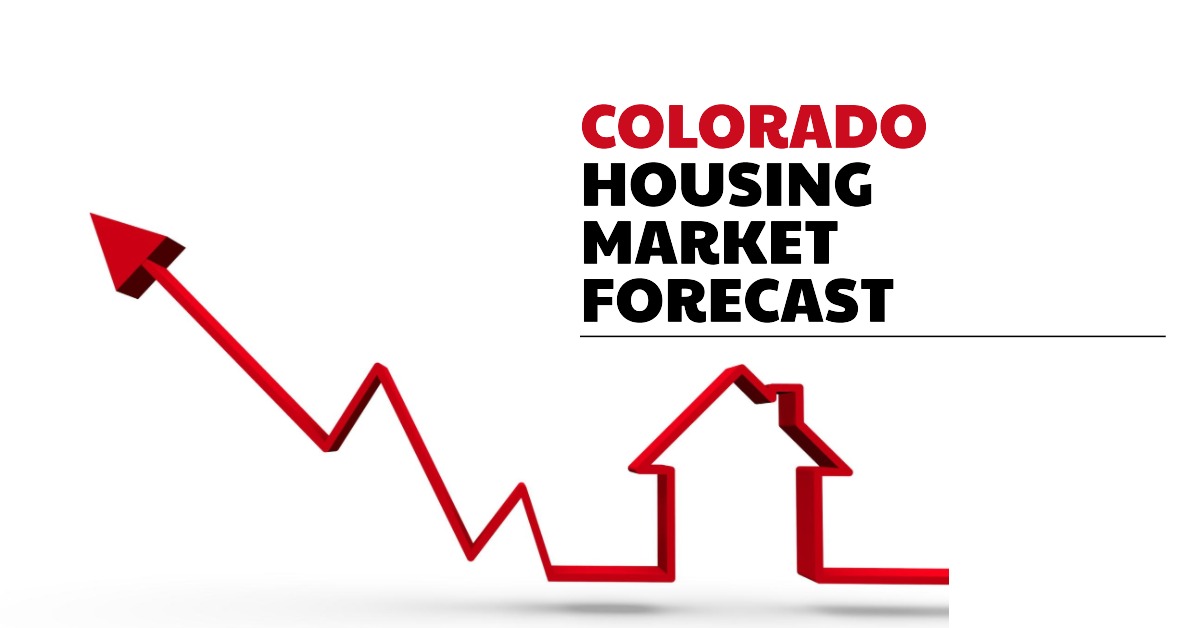
If you’ve been looking to buy a house, sell a home, or even just find a decent apartment in the Centennial State lately, you know the journey has been a wild ride. For years, demand seemed endless, prices soared like a hawk over the Rockies, and winning a bidding war felt like climbing Mount Elbert in flip-flops. However, the data confirms a significant shift: The Colorado housing market is moving away from the intense seller’s frenzy and entering a more stable, slower, and slightly buyer-friendly phase, driven by increasing inventory and cooling rental costs.
What we are seeing in the latest reports—specifically the data from Realtor.com®—isn't just a seasonal dip. It’s a structural change. For buyers who were priced out over the last few years, this might just be the window they’ve been waiting for.
Colorado Housing Market Trends and Update
Key Insights: Why the Market is Changing
When we look at the statewide numbers, we see stabilization mixed with clear signs of cooling. The central theme here is pace and choice.
According to Realtor.com, the median home price across Colorado sits at $515,000. While that might still sound high, it reflects a small year-over-year dip of -0.87%. This is the first time in a while we’ve seen consistent negative growth, which tells me that sellers aren't able to push the boundaries quite as much as they used to.
But the most telling number for me, as someone who understands the psychology of real estate, is the Average Days on Market (DOM).
| Metric | Statewide Value (Oct 2025) | Year-Over-Year Change | 3-Year Change |
|---|---|---|---|
| Median Home Price | $515,000 | -0.87% | 2.91% |
| Active Listings | 53,017 | 12.47% | 32.18% |
| Avg Days on Market (DOM) | 77 days | 14.29% | 22.08% |
A year ago, if a house sat for 77 days, we’d assume something was wrong with it. Today, that’s just the median. The market isn't making swift decisions; buyers are taking their time, weighing their options, and refusing to overpay. That 14.29% increase in time on the market is proof that momentum has slowed down dramatically.
My quick take: Sellers need patience, and buyers need to stop feeling pressured into immediate action. That sale-to-list price ratio confirms this—homes are typically selling 1.21% below list price. Buyers are finally negotiating again!
Home Prices and What $515,000 Really Buys You
When we discuss the Colorado Housing Market Trends, we have to accept that “Colorado” is not one single market. The $515,000 median is heavily skewed by the ultra-expensive mountain towns and the higher-priced metro areas.
To truly understand price stability, you have to look regionally. Here’s what the data from Realtor.com® shows us about the major cities:
| City | Median Home Price | Listing $ / sq ft | Median Monthly Rent |
|---|---|---|---|
| Boulder | $1,080,250 | $542 | $2,175/mo |
| Castle Rock | $702,500 | $223 | $2,250/mo |
| Denver | $550,000 | $358 | $1,799/mo |
| Fort Collins | $545,000 | $271 | $1,985/mo |
| Colorado Springs | $450,000 | $217 | $1,645/mo |
| Pueblo | $264,950 | $169 | $1,424/mo |
If you’re a first-time buyer, you are almost certainly looking outside the $700k+ markets like Douglas County ($735,000 median) or the astronomically high areas like Eagle County ($995,000 median).
The sweet spot for relative affordability remains cities like Pueblo, which offers a median price nearly half the state average, and Colorado Springs. These more budget-friendly areas are vital for maintaining buyer activity in the state. It’s an important reminder that while Colorado is expensive, there are still pockets of relative affordability available if you’re willing to drive.
Housing Supply: The Buyer's Best Friend
The biggest factor tipping the scales is the remarkable growth in supply, which directly influences the overall Colorado Housing Market Trends story.
We have 53,017 active listings statewide. This is a massive jump:
- 12.47% increase year-over-year.
- 32.18% increase over three years.
This surge means two things, and both are great for prospective buyers:
- More Selection: Buyers don't have to settle for the first house they see. They can compare locations, features, and builders.
- Less Fear of Missing Out (FOMO): With more houses available, the urgency to make a drastic, non-contingent offer is gone. This reduced pressure is why the median DOM has stretched to 77 days.
I believe this large increase in listings comes from two different groups of sellers:
- The Reluctant Sellers: People who wanted to move earlier but held back when they realized interest rates had made their next home purchase too expensive. Now, they are finally moving forward, perhaps accepting a lower sale price just to get to their next chapter.
- The Investment Sellers: Investors who bought properties when rates were low are now looking to offload them as holding costs (due to higher interest rates) and the cooling rental market cut into their profits.
This massive new inventory is what’s shifting the power dynamic.
Is the Colorado Housing Market Favoring Sellers or Buyers?
Based on the evidence—rising inventory, slowing price growth, and significantly longer days on market—the market definitively favors the buyer, though I would describe the overall situation as balanced compared to the chaos of 2021/2022.
Things Favoring Buyers
- Leverage Time: Use the fact that homes are sitting for 77 days. Don't rush your inspection or appraisal.
- Negotiate Harder: Buyers are successfully negotiating 1.21% below the list price, suggesting that asking for seller concessions (like paying closing costs or reducing the price) is back on the table.
- Interest Rates Still Matter: While prices are softer, high interest rates still reduce your purchasing power. Focus on your total monthly payment, not just the sticker price.
Things Favoring Sellers
- Price it Right, Now: The days of testing the market with an inflated price are over. If you price your home competitively from Day 1, you can still sell quickly. If you wait, you risk sitting on the market for 3 months and having to drop the price anyway.
- Focus on Condition: Buyers have options now. If your home has deferred maintenance or looks worn, they will choose the newer or better-maintained property down the street.
- Expect Negotiations: Be mentally prepared to accept an offer below asking and possibly offer funds for minor repairs or closing costs.
The Rental Market Momentum: Relief for Renters
The rental segment of the Colorado Housing Market Trends provides some of the most positive news for everyday Coloradans.
The median rent statewide is $1,840/month, which is a welcome sight for renters struggling with years of increases.
Look at the year-over-year change:
- Median Rent: -5.71% decline
- Rental Properties Count: -10.57% decline
Wait, let's look closer at that second number. Even though the number of total rentals reported is down, the price is falling sharply. I interpret this not as a shortage, but as a market correction. Many landlords who were pushing rents to unsustainable levels are now forced to bring them back in line with what a typical Colorado wage earner can actually afford.
This cooling rental market provides relief and also eases pressure on the purchase market. If renting is cheaper and easier, fewer people feel desperate to jump into a purchase purely to escape high rent.
City Rental Snapshot:
Even in high-demand areas, rents are reasonable compared to some US coastal cities:
- Denver: $1,799/mo
- Colorado Springs: $1,645/mo
- Pueblo: $1,424/mo (a surprisingly low entry point for Colorado living)
The Critical Factor: Schools and Neighborhood Choices
For families moving to Colorado, the real estate decision is often secondary to the school district decision. The provided data on schools reveals how essential research is—you aren't just buying a house, you’re buying into a district.
When I advise clients (and this is where my experience pays off), I remind them that there’s a trade-off between affordability and academic performance.
Take a look at two major districts:
- Douglas County Re 1 School District: This district, associated with the highly-priced Douglas County, boasts a median home price of $735,000, but they also show the reward: 52.3% math proficiency.
- Denver County 1 School District: Associated with the slightly more affordable Denver median ($580,000), it has a massive enrollment (87,883 students) but a lower 31.2% math proficiency.
My observation is this: Families are clearly willing to pay a premium—hundreds of thousands of dollars more—to access smaller, better-performing districts like Douglas County, even if it means moving further out or paying higher property taxes. This trend will keep home values resilient in areas with highly rated schools, even if the general market cools.
County-Level Deep Dive: Where the Money Moves
To appreciate the vast economic differences across the state, we must compare the county data.
| County | Median Home Price | Listing $ / sq ft | Focus Area |
|---|---|---|---|
| Eagle County | $995,000 | $739 | High-end mountain/resort homes |
| Douglas County | $735,000 | $242 | Affluent suburban growth |
| Jefferson County | $650,000 | $303 | Western metro influence |
| Larimer County | $550,000 | $262 | Northern Front Range stability |
| El Paso County | $464,990 | $219 | Colorado Springs affordability |
The sheer cost per square foot in places like Eagle County ($739/sq ft) and Summit County ($797/sq ft) puts them in a league entirely separate from the rest of the state, confirming that the luxury mountain retreat market operates on entirely different principles than the Front Range metropolitan areas.
On the Front Range, the more balanced pricing in El Paso County (Colorado Springs area) shows why it remains a huge magnet for military families and those seeking a lower cost of home ownership than Denver.
Conclusion: A Return to Sanity in the Colorado Housing Market
The latest data from Realtor.com® for October 2025 painted a clear picture for the Colorado Housing Market Trends: The market is less frantic, inventory is abundant, and prices are mostly stable year-over-year.
For years, many of us who live and work here felt locked out. The change we are seeing now—longer days on market and serious rent relief—is not a collapse. It is simply a return to a more logical market cycle. Buyers finally have the power to deliberate, negotiate, and choose instead of competing against 20 cash offers.
My professional opinion is that as long as interest rates remain elevated, we will continue to see this balanced, slower pace. This is a great time to stop rushing and start planning your next move carefully, whether you are buying your first home in Pueblo or upgrading to a bigger space in Littleton. The wild frontier days of Colorado real estate are, for now, settling down.
Colorado Housing Market Forecast: 2026 & 2027
2026 is going to be dominated by two big factors: how high interest rates stay and how much we value the Colorado life. Based on the data showing increased inventory and softer pricing (as of late 2025), I can give you a very clear outlook.
Will Home Prices Drop or Will It Crash?
I get asked this question almost daily, and my answer is firm: No, the Colorado housing market will not crash.
A crash implies a rapid, massive, systemic failure—think 2008, where prices dropped 20% to 30% almost overnight due to risky loans and forced foreclosures. We are not there. Here is why the “crash” scenario is extremely unlikely for Colorado:
- Strong Equity: Most homeowners who bought in the last five years have significant built-up equity. If they face financial difficulty, they can sell without resorting to a short sale or foreclosure, stabilizing the market.
- Demand Remains High: People want to live here. The job market, the mountains, and the lifestyle continually attract new residents. This underlying demand acts as a safety net for prices.
- Lending Standards are Tight: Lenders have maintained far more rigorous standards than they did before 2008, meaning the market isn't built on shaky foundations.
What we will see is a price drop in certain areas, likely meaning flat or slightly negative appreciation, which is really just a price correction. This is the market finally breathing out after years of holding its breath.
2026 Colorado Housing Market Forecast
My forecast for 2026 is based on the expectation that interest rates will either remain elevated (in the 6%–7% range for a 30-year fixed mortgage) or see only very slight reductions later in the year.
Key Expectations for 2026
- Price Movement: Flat to Mild Decline (0% to -3% range)
- The median price of $515,000 will likely hold stable or dip slightly. Buyers have adjusted to the high rate environment by demanding lower prices for homes that need work or are slightly less desirable. Areas like Douglas County and Boulder County might see stabilization, while less expensive areas like Pueblo or Greeley might see competitive pricing return if economic activity picks up there.
- Inventory & Days on Market (DOM): Elevated
- Inventory will stay high. Sellers who couldn't move in 2025 will try again in 2026, keeping the supply robust. I predict the median DOM will remain between 60 and 75 days. This translates to a slower market where prepared buyers benefit greatly.
- Rental Market: Continued Stability
- The rental market will remain relatively balanced. Landlords will likely keep rent increases minimal or flat to retain tenants, continuing the cooling trend observed in late 2025. This supports affordability for people saving up to buy.
- Winner: The Patient Buyer. Those who can afford the current interest rates and are willing to negotiate will find good opportunities.
2027 Colorado Housing Market Forecast
Looking ahead to 2027 requires more speculation on federal policy, but assuming that the economy avoids a major recession and interest rates move down moderately (perhaps 5%–6% mortgage rates by late 2026/early 2027), the picture changes again.
Key Expectations for 2027
- Return of Price Appreciation (+3% to +5% Range)
- If interest rates drop even one full percentage point (say, from 6.5% to 5.5%), it unlocks huge amounts of buying power for the many people who have been sitting on the sidelines. This will flood the market with demand.
- While inventory is high in 2025/2026, that inventory will quickly be absorbed once buyers return en masse. That demand surge will push prices back into the positive appreciation territory. We won't see the absurd 15%+ gains from a few years ago, but slow and steady growth will be the norm again.
- Competition Rises:
- As lower rates bring back more buyers, especially first-time buyers and those moving to Colorado, the time on market will drop again (I predict back into the 40-50 day range). Bidding wars might reappear in the most desirable suburbs near highly rated schools.
- Long-Term Trend Confirmation:
- In the long run, Denver, Boulder, and Colorado Springs will continue to be magnets for high-wage jobs and population growth. This means that after a correction period (2026), the underlying upward pressure on home values will resume in 2027.
My definitive view is that 2026 is the best window for buyers concerned about finding a deal, but 2027 will mark the definitive return to an appreciating, seller-leaning market driven by irresistible demand.
Want Stronger Returns? Invest Where the Housing Market’s Growing
Turnkey rental properties in fast-growing housing markets offer a powerful way to generate passive income with minimal hassle.
Work with Norada Real Estate to find stable, cash-flowing markets beyond the bubble zones—so you can build wealth without the risks of ultra-competitive areas.
🔥 HOT NEW LISTINGS JUST ADDED! 🔥
Talk to a Norada investment counselor today (No Obligation):
(800) 611-3060
Read More:
- Colorado Springs Housing Market: Trends and Forecast
- Colorado Springs Will be the Hottest Housing Market
- Denver Housing Market Trends: Sellers Still Have the Upper Hand
- Denver Housing Market Heats Up Again: Can You Afford?
- Where to Buy Denver Investment Properties?
- Is Buying a House in Denver a Wise Investment
- Buying a House in Denver in 2025: Comprehensive Guide