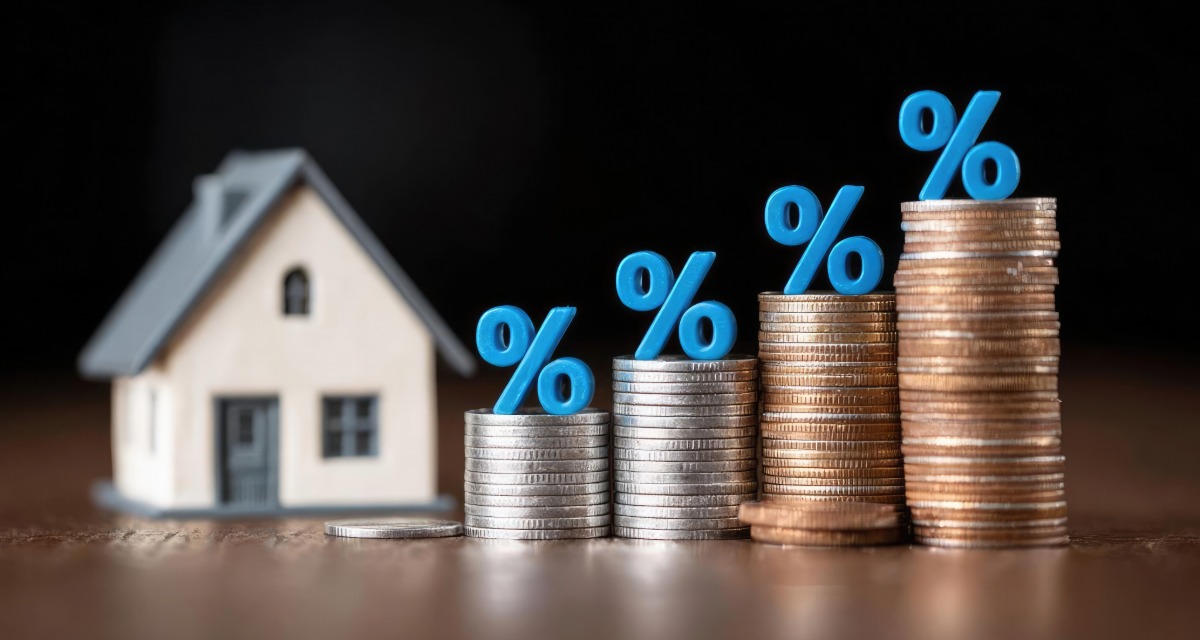
If you're a Texan thinking about buying a home or refinancing in 2026, you're probably wondering what's going to happen with mortgage rates. Let me cut straight to the chase: Texas mortgage rates in 2026 are expected to stay pretty steady, hovering close to the 6% mark, and it's unlikely we'll see a big drop back to the super-low rates we experienced during the pandemic. While rates have certainly calmed down from their recent peak, don't expect a sudden dive. Let's break down what 2026 might look like for Texas homebuyers and homeowners.
Texas Mortgage Rates Forecast for 2026: Will Rates Drop?
Understanding the 2026 Texas Mortgage Rate Picture
Think of mortgage rates as being influenced by a lot of different things, kind of like ingredients in a complex recipe. For 2026, the main ingredients suggest a stable, albeit slightly higher than we'd all ideally prefer, situation.
Here’s what the experts are saying for the end of 2026:
- Fannie Mae: Predicts rates around 5.9%.
- Mortgage Bankers Association (MBA): Gives a range of 6.1% to 6.4%.
- National Association of Realtors (NAR): Points to 6.0%.
- Wells Fargo: Estimates 6.1% to 6.25%.
And what are we seeing right now, as of mid-February 2026?
- The average 30-year fixed mortgage rate in Texas is around 6.19%.
- For a 15-year fixed-rate mortgage, it's hovering at about 5.61%.
The Texas Real Estate Research Center at Texas A&M aptly describes the current market as being “stuck in neutral.” It’s not a dramatic fall, but it’s also not a runaway climb. What's interesting is that even with these rates, buyer confidence is slowly picking up. This is partly because, in big cities like Dallas and Houston, more homes are becoming available. It feels like the market is starting to balance out a bit, which is good news for buyers who felt squeezed by low inventory.
What's Driving the Rates in Texas?
Several key factors are playing a role in shaping where mortgage rates are headed. It’s not just one big force; it’s a combination of government actions, the Federal Reserve’s decisions, and even the ups and downs of the bond market.
Government Intervention: A Helping Hand?
We've seen recent moves by the government, like orders for Fannie Mae and Freddie Mac to buy a significant amount of mortgage-backed securities. This is like the government pouring a bit of money into the system to keep things moving. It has put some downward pressure on rates. However, some financial thinkers are cautious, viewing this more as a temporary boost to liquidity rather than a permanent solution to lower rates.
The Federal Reserve's Balancing Act
The Federal Reserve, often called “the Fed,” has been playing a careful game. After pausing interest rate cuts in early 2026 to see how “sticky” inflation (which has been around 2.7%) responds, they're watching the economic data closely. Any future rate cuts are expected to be gradual and spaced out. They don't want to jump the gun and cause new problems, and I don’t blame them. The goal is a soft landing, not a crash.
Bond Market Volatility: The Real Driver
It might surprise some people, but mortgage rates often follow the 10-year Treasury yield more closely than they follow the Fed's direct actions. The 10-year Treasury yield has been sitting above 4%, which is a significant level. This persistent yield acts as a ceiling, limiting how much further mortgage rates can really slide down. Think of it as a natural brake on rapid rate decreases.
The Texas Housing Market: A Look Ahead
Even though rates aren't at historic lows, the Texas housing market is expected to remain resilient. We're looking at a slight increase in home prices for 2026, somewhere in the range of 1.3% to 2%. What’s fueling this? Simple economics: strong population growth. More people moving to Texas means more demand for homes, and that usually pushes prices up a bit.
However, it's not a one-size-fits-all picture across the state. Some areas, like Austin, have seen recent price drops, about 2.1% year-over-year. This suggests that, at least in some markets, we are moving towards a healthier, more balanced state where homes aren't being snatched up the second they hit the market. This is good for buyers who want more options and a little more breathing room.
Do Mortgage Rates Really Vary from State to State?
This is a question I get asked a lot. And the answer is yes, but generally, the differences aren't huge. You might see variations of 0.2% to 0.5% between states. While the big economic forces set the general direction for rates across the country, there are local factors that cause these minor shifts.
Why the Subtle Differences?
Lenders have to consider the cost of doing business and the specific risks tied to each state's economic and legal environment.
- Foreclosure Laws: States with a judicial foreclosure process (where a court has to approve it) can mean longer and more expensive procedures for lenders. States like New York, Florida, and Illinois fall into this category. Naturally, lenders might factor this increased risk into their rates, sometimes leading to slightly higher ones for borrowers in those states.
- Lender Competition: In bustling states with lots of real estate activity, like California, there are tons of lenders competing for business. This intense competition can sometimes drive rates down. Conversely, in more rural states with fewer lenders, you might find slightly higher average rates simply due to less competition.
- Operating Costs: If a lender has to pay high rents for offices in major cities or offer higher salaries because the cost of living is high in that area, those costs can sometimes be passed on to borrowers through interest rates.
- Loan Size Trends: States with extremely high home prices, like Hawaii or parts of Massachusetts, might have different rate structures because larger “jumbo” loans, while profitable, can be harder for lenders to sell on the secondary market.
A State-by-State Snapshot (February 2026)
Here’s a general look at how 30-year fixed rates were trending by region in February 2026:
| Category | Typical States | Average Rate (Feb 2026) |
|---|---|---|
| Lower Rates | California, North Carolina, New Jersey | ~5.9% – 6.1% |
| Higher Rates | Texas, Kansas, Hawaii, Alaska | ~6.3% – 6.5% |
Looking at it visually, this is roughly what you might have seen for a 30-year fixed mortgage:
- New Jersey: Around 5.95%
- California: Around 6.12%
- National Average: Around 6.19%
- Texas: Around 6.35%
- Kansas: Around 6.44%
- Hawaii: Around 6.57%
The Bottom Line for Texas Homebuyers
While it’s interesting to know that rates can differ slightly from state to state, here's my professional opinion: For most Texans, the state you live in will have a much smaller impact on your final mortgage rate than your own personal financial situation. Your credit score, down payment amount, and the type of loan you choose are the true power players.
My best advice? Shop around! Don't just go with the first lender you speak to. Compare offers from at least three different places. This includes big national banks, local credit unions, and even online-only lenders. You might be surprised at the difference even a small percentage point can make over the life of your loan. Staying informed and being proactive is the best way to navigate the Texas mortgage market in 2026.
And
Alabama’s newer A- rental vs Tennessee’s larger property with higher NOI. Which fits YOUR investment strategy?
We have much more inventory available than what you see on our website – Let us know about your requirement.
📈 Choose Your Winner & Contact Us Today!
Speak to a Norada Investment Counselor (No Obligation):
(800) 611-3060
Mortgage rates remain high in 2026, but rental properties continue to deliver strong cash flow and appreciation. Savvy investors know that turnkey real estate is the path to passive income and long‑term wealth.
Norada Real Estate helps you secure turnkey rental properties designed for immediate cash flow and appreciation—so you can invest smartly regardless of interest rate trends.
Also Read:
- What Leading Housing Experts Predict for Mortgage Rates in 2026
- Mortgage Rate Predictions for 2026: What Leading Forecasters Expect
- Mortgage Rate Predictions for the Next 3 Years: 2026, 2027, 2028
- 30-Year Fixed Mortgage Rate Forecast for the Next 5 Years
- 15-Year Fixed Mortgage Rate Predictions for Next 5 Years: 2025-2029
- Will Mortgage Rates Ever Be 3% Again in the Future?
- Mortgage Rates Predictions for Next 2 Years
- Mortgage Rate Predictions for Next 5 Years
- Mortgage Rate Predictions: Why 2% and 3% Rates are Out of Reach
- How Lower Mortgage Rates Can Save You Thousands?
- How to Get a Low Mortgage Interest Rate?
- Will Mortgage Rates Ever Be 4% Again?