It’s a bit of a jolt for homeowners looking to refinance today, August 19, 2026. The average 30-year fixed refinance rate has nudged up again, climbing by 23 basis points to 7.17%. This means if you've been waiting for the perfect moment to lock in a new rate, today's numbers suggest that moment might be just a little further out of reach.
Mortgage Rates Today, August 19, 2026: 30-Year Refinance Rate Rises by 23 Basis Points
Here’s a quick look at what’s happening:
| Loan Type | Current Average Rate | Change from Previous Day | Change from Previous Week |
|---|---|---|---|
| 30-Year Fixed Refinance | 7.17% | +23 basis points | +15 basis points |
| 15-Year Fixed Refinance | 6.08% | +7 basis points | – |
| 5-Year ARM Refinance | 6.50% | – | – |
Note: “Basis points” are like small fractions of a percent. 100 basis points equal 1%. So, 23 basis points is 0.23%.
What’s Happening with Refinance Rates Right Now?
I know, seeing those numbers go up can feel like a step backward, especially after the big jumps we saw at the end of July. But let’s break down what’s really going on with mortgage rates today, August 19, 2026, and what it means for you.
According to Zillow, the national average 30-year fixed refinance rate is now sitting at 7.17%. This is a noticeable jump from yesterday's 6.94%. Looking back, it's also up 15 basis points from the average rate we saw just last week, which was 7.02%. It feels like we’re taking two steps forward and one step back, doesn't it?
But it’s not just the big 30-year loans seeing changes. The 15-year fixed refinance rate has also climbed, adding 7 basis points to reach 6.08%. And for those who are more comfortable with an Adjustable-Rate Mortgage (ARM), the 5-year ARM refinance rate is currently holding steady at 6.50%.
It's interesting to note that refinance rates are currently a tiny bit higher than what you'd see for buying a new home. However, they have pulled back a little from the highest point we saw in about a year, which was at the end of July. This tells me the market is still a bit jumpy.
A Quick Pause, But No Big Drop Yet
You might have noticed that after rates shot up pretty quickly in late July, things have felt a little calmer this past week. We've seen small, single-digit changes, which feels like a brief moment of peace. But don't get too comfortable. The experts who study the housing market, like Fannie Mae and the Mortgage Bankers Association (MBA), are saying that we shouldn't expect a big drop in 30-year fixed rates anytime soon. They think rates will stick around, maybe averaging between 6.4% and 6.5% for the rest of 2026. This “higher for longer” idea is definitely something we're all getting used to.
Why Are Rates Still Playing Games?
I've been watching mortgage rates for a while now, and I've learned that they don't move on their own. A lot of different things are pulling and pushing them around. Here are the main players right now:
- The Fed's Mixed Signals: The Federal Reserve, which is like the boss of our country's money, recently decided to keep its main interest rate the same. It’s sitting between 3.5% and 3.75%. But the talk coming from the Fed officials is a bit confusing. Some are saying we need to keep fighting inflation hard, while others are a bit more relaxed. This uncertainty makes the bond market – which is super important for mortgage rates – a bit wobbly. That’s why we can’t get a clear drop in mortgage rates.
- Wobbly Bond Yields: Mortgage rates are like little siblings to the 10-year U.S. Treasury yield. When that yield goes up, so do mortgage rates. And this yield has been high, even hitting its highest point for 2026 earlier this month, going above 4.5% to 4.7%. That strong upward push is still making mortgage prices higher.
- Global Worries: You’ve probably heard about the tensions in the Middle East. When there's worry about things like oil supplies, it can make investors nervous. They start thinking about potential price increases (inflation), and this adds a sort of invisible support under mortgage rates, keeping them from falling too much.
- Conflicting News About the Economy: Sometimes the news about our economy is like a tug-of-war. On one side, we see signs that the job market is cooling down, and prices for things aren’t going up as fast. That should make rates go down. But then, people are still spending money, and prices for some important things are still a bit stubborn. This makes it hard for rates to make a big move downwards.
My Thoughts for Anyone Thinking About Refinancing Today
Here are a few things that really stand out to me today:
- The “Short-Term Lock” Idea: Because the news can change so fast – one day it’s about the economy, the next it’s about something happening across the world – mortgage rates can swing around quite a bit day-to-day. If you get a rate quote today that makes you happy and fits your budget, don't hesitate. Lock it in. It’s often better than trying to guess if it will go lower tomorrow. I've seen too many people miss out by waiting for a “perfect” rate that never arrived.
- Refinancing vs. Buying: Just a friendly reminder: when you see ads for buying a home, the rates advertised might be lower than what you'll get for a refinance. Zillow’s data confirms this is currently happening, with refinance rates running a little higher, about 0.05% to 0.15% more than purchase rates. So, if you're looking to refinance, make sure you're comparing refinance offers, not just general mortgage rate ads.
- Shop Around Like Crazy: Honestly, this is the most important thing you can do right now. I cannot stress this enough. Bankrate has found that people who compare offers from at least three different lenders can save a whopping $78,000 over the life of their loan compared to those who just take the first offer they get. It sounds like a lot of work, but that $78,000 is worth the effort!
- Figure Out Your Break-Even Point: With rates hovering around 7.17% for a 30-year fixed refinance, refinancing only really makes sense if you bought your home when rates were super high, or if you have an Adjustable-Rate Mortgage (ARM) and you want the safety of a fixed payment. You need to make sure the money you save each month is more than the fees you pay to the lender to refinance. It's a simple calculation, but crucial!
Looking Ahead
While today’s numbers show a slight increase, it’s part of a bigger picture of rates settling into a higher range for a while. It’s a good reminder to stay informed, be patient, and make smart choices when you're ready to refinance.
VS
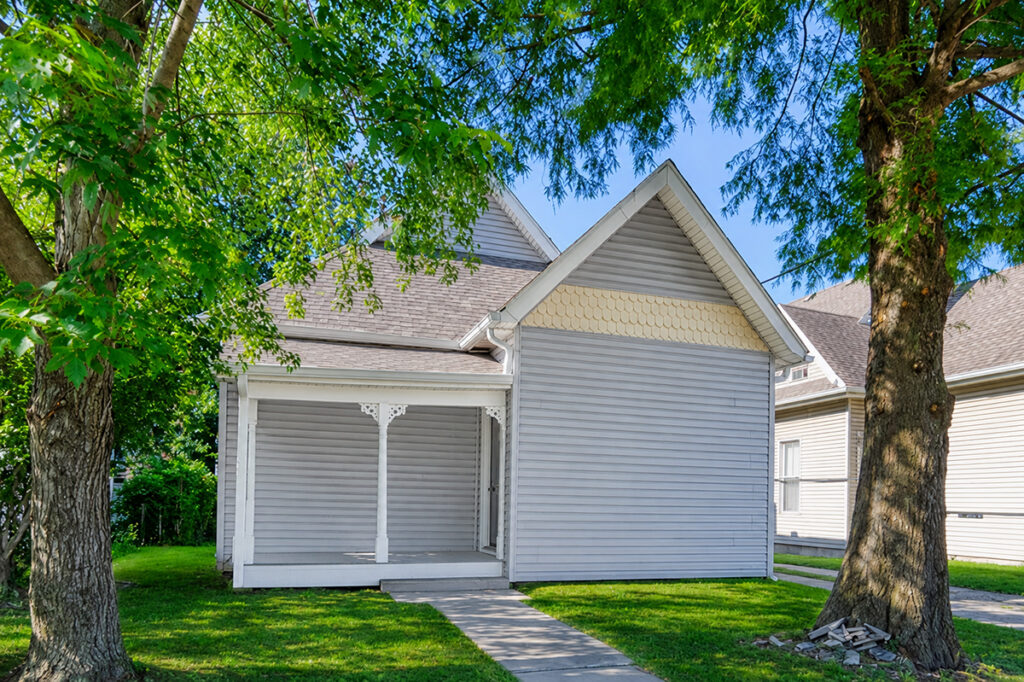
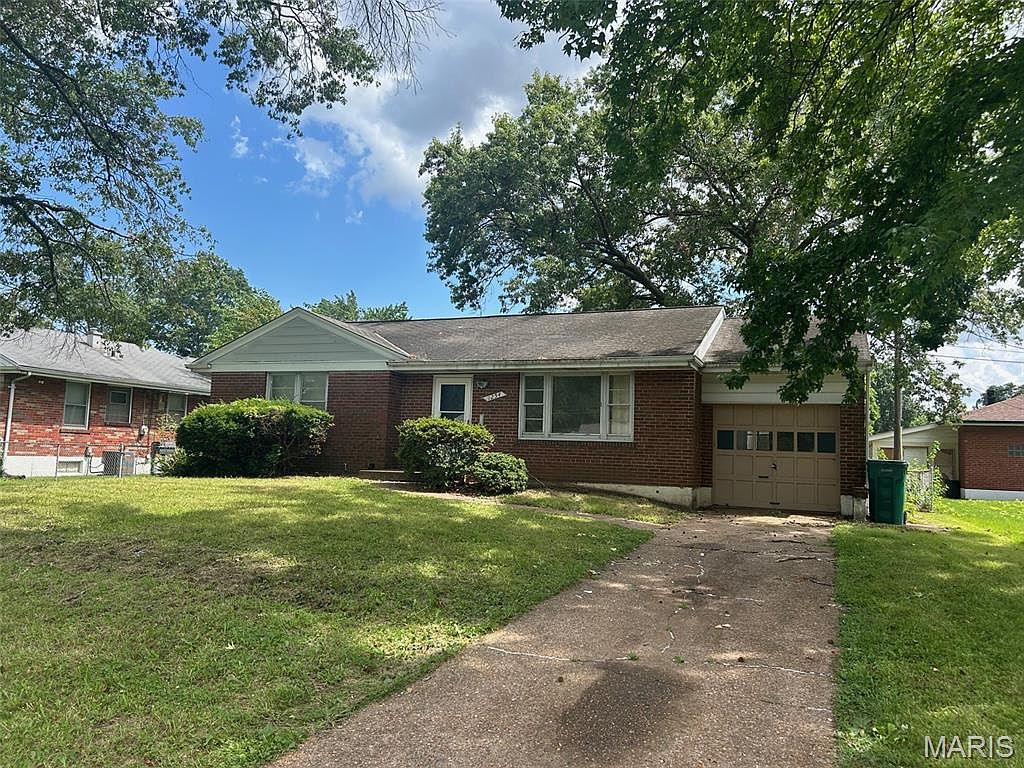
Saint Louis offers a budget‑friendly 4‑bed rental with a high cap rate, while Indianapolis provides a classic 2‑bed property with steady cash flow. Which Midwest market fits YOUR investment strategy?
We have much more inventory available than what you see on our website – Let us know about your requirement.
📈 Choose Your Winner & Contact Us Today!
Speak to a Norada Investment Counselor (No Obligation):
(800) 611-3060
Mortgage rates remain high in 2026, but rental properties continue to deliver strong cash flow and appreciation. Savvy investors know that turnkey real estate is the path to passive income and long‑term wealth.
Norada Real Estate helps you secure turnkey rental properties designed for immediate cash flow and appreciation—so you can invest smartly regardless of interest rate trends.
Also Read:
- Mortgage Rates Predictions Backed by 7 Leading Experts: 2025–2026
- Mortgage Rate Predictions for the Next 3 Years: 2026, 2027, 2028
- 30-Year Fixed Mortgage Rate Forecast for the Next 5 Years
- 15-Year Fixed Mortgage Rate Predictions for Next 5 Years: 2025-2029
- Will Mortgage Rates Ever Be 3% Again in the Future?
- Mortgage Rates Predictions for Next 2 Years
- Mortgage Rate Predictions for Next 5 Years
- Mortgage Rate Predictions: Why 2% and 3% Rates are Out of Reach
- How Lower Mortgage Rates Can Save You Thousands?
- How to Get a Low Mortgage Interest Rate?
- Will Mortgage Rates Ever Be 4% Again?