Norada Real Estate Investments

  • Home
  • Markets
  • Properties
  • Membership
  • Podcast
  • Learn
  • About
  • Contact

Will the Housing Market Crash in the Next 5 Years?

August 6, 2026 by Marco Santarelli

Will the Housing Market Crash in the Next 5 Years?

As of August 2026, the U.S. housing market sits in an unusual holding pattern. Mortgage rates hover near 6.7%, existing-home sales remain subdued around the 4.1 million annualized pace, and national home-price growth has slowed to the low single digits. Many prospective buyers and owners wonder whether a sharp crash—reminiscent of 2008—is coming within the next five years. The short answer from most mainstream economists and institutional forecasts is no. A full-blown national crash appears unlikely. A prolonged period of muted price growth, regional corrections, and gradual improvement in affordability is far more probable.

Will the Housing Market Crash in the Next 5 Years? Experts Say No

What’s Happening Right Now?

Houses are still expensive, but the wild price jumps from a few years ago have stopped. Think of it like a race car that’s gone from speeding to a comfortable cruise. The numbers show that home prices are only going up by about 0.7% to 1.6% each year right now. That’s way less than the super-fast increases we saw back in 2021 and 2022.

Even though the numbers look okay, if you think about how much money things cost nowadays (like milk and gas), houses have actually gotten a little cheaper when you really look at it. The average home price is near $440,000, which sounds like a lot, but it’s not zooming up like before.

Too Few Houses, Too Many People

One of the main reasons prices are still up there is that there aren't enough houses for everyone who wants one. Imagine trying to buy the last piece of pizza at a party – you might have to pay more! While there are more houses for sale now than during the craziness of the pandemic, there are still fewer than there were before all that happened.

And guess what? A lot of people have mortgages with super low interest rates, like 3% or even less. They don’t want to sell their house if it means getting a new mortgage that costs almost double, like 6.5% or 7%. This is called the “lock-in effect,” and it’s keeping a lot of homes off the market.

Not Your Grandpa's 2008 Crisis

Remember 2008? That was a big, scary mess because banks were lending money to people who couldn’t really afford it, many people bought houses they planned to flip quickly for profit, and then lots of people lost their homes, which made even more houses available. It was a perfect storm of badness.

Today, things are way different. Banks are much more careful about who they lend money to. Most people buying homes now have put down a good chunk of money, and they have to prove they can afford the payments. Also, most homeowners have paid off a good part of their loans, so they aren’t losing money on their houses.

What’s Keeping Things Steady?

There are a few big reasons why a crash seems unlikely:

  • Not Enough Homes: For many years, we haven’t built enough new houses. So, even if not a lot of people are buying, the few who are can still keep prices up because there just aren’t that many options.
  • People Have Money in Their Homes: Like we talked about, most people who own homes have paid off a good amount of their loans. This means they aren’t in danger of losing their homes if prices dip a little.
  • More People Want Homes: A lot of younger people (Millennials and Gen Z) are still at the age where they want to buy their first home. They need places to live, and that keeps demand steady.
  • What the Experts Say: Big banks like J.P. Morgan think home prices will stay about the same this year and go up only a little bit next year. Fannie Mae, another big housing company, also thinks prices will go up slowly, and more people will start buying homes.

These smart people expect things to cool down gently, not fall off a cliff.

What Could Still Cause Problems?

Even though a big crash isn’t likely, there are a few things that could make prices drop more than expected, especially in certain areas:

  • Lots of People Lose Jobs: If the economy takes a big hit and many people become unemployed, they won’t be able to buy houses, and some will have to sell their homes, which could lower prices.
  • Mortgage Rates Stay Super High: If interest rates stay near 7% for a long time, it will be even harder for people to afford homes, and fewer people will buy or sell.
  • Many People Sell at Once: If interest rates suddenly drop a lot, some of those people who are “locked-in” might decide to sell their homes all at once. This could make too many houses available in some places.
  • Some Areas Have Too Many New Houses: Some places that have been growing really fast might have built too many houses. If fewer people move there, prices could go down in those specific towns or cities.
  • Paychecks Don’t Keep Up: If home prices and mortgage rates keep going up but people’s salaries don’t, it will be even harder for people to buy homes.

It’s important to remember that what happens in one city might be totally different from what happens in another.

What to Expect in the Next Five Years

Here’s a look at what most people think will happen between now and 2031:

  • Prices: Home prices will likely stay pretty much the same or go up just a little bit each year. Real prices (what you can actually buy with your money after considering inflation) might even go down sometimes. Don't expect the crazy price jumps of the past.
  • Buying and Selling: More people will start buying and selling homes as interest rates might slowly go down and more houses become available. We could see more homes sold than right now.
  • Interest Rates: Most experts think interest rates will slowly come down over the next few years, maybe to somewhere in the mid-to-high 5% range. Don’t expect them to suddenly drop a lot.
  • Being Able to Afford a Home: It will get a little easier to buy a home, but it will still take time. This will happen if salaries go up, home prices go down a bit in some areas, and interest rates get lower.

A huge crash where prices drop a lot all over the country for many years is very unlikely unless something very bad happens with the economy.

What This Means for You

  • If You Want to Buy: Waiting for a massive price drop might mean you miss out on better interest rates and limited house choices. It’s better to focus on your own money, what’s happening in the area you want to buy in, and if you can afford to stay in your home for a long time. Trying to guess when the market will crash is super hard.
  • If You Want to Sell: It’s really important to price your home correctly for today’s market. Homes that look good and are priced right will still sell. Houses priced too high, like from the peak of the pandemic, might sit on the market for a long time.
  • If You Invest in Homes: Think carefully about where you invest and if the rental income makes sense. Places with good jobs and not many houses to rent might be better choices than trying to guess what will become popular.
  • For People Who Make Rules: Building more houses is the best way to make them more affordable for everyone in the long run. This means making it easier and faster to get permission to build.

The Bottom Line

The housing market in 2026 is a bit tricky, expensive, and frustrating for many people. But it doesn’t look like the kind of situation that leads to a big, sudden crash. Not enough homes available, people having money in their houses, and banks being careful with loans are all good things that protect us.

Most expert predictions say prices will stay about the same or go up a little in the next few years, and things will slowly get better. It won’t be the wild ride of the past, but a more normal pace.

This doesn’t mean every town or every homeowner will be completely safe. Some areas might see prices drop, and it will still be hard for some people to afford a home. But for most of the country, it’s more likely that we’ll see a few years of slower price changes, more houses being bought and sold, and things getting a little easier for people who can be patient or who buy smart.
🏡 High‑Yield Midwest Rentals: Missouri vs Indiana

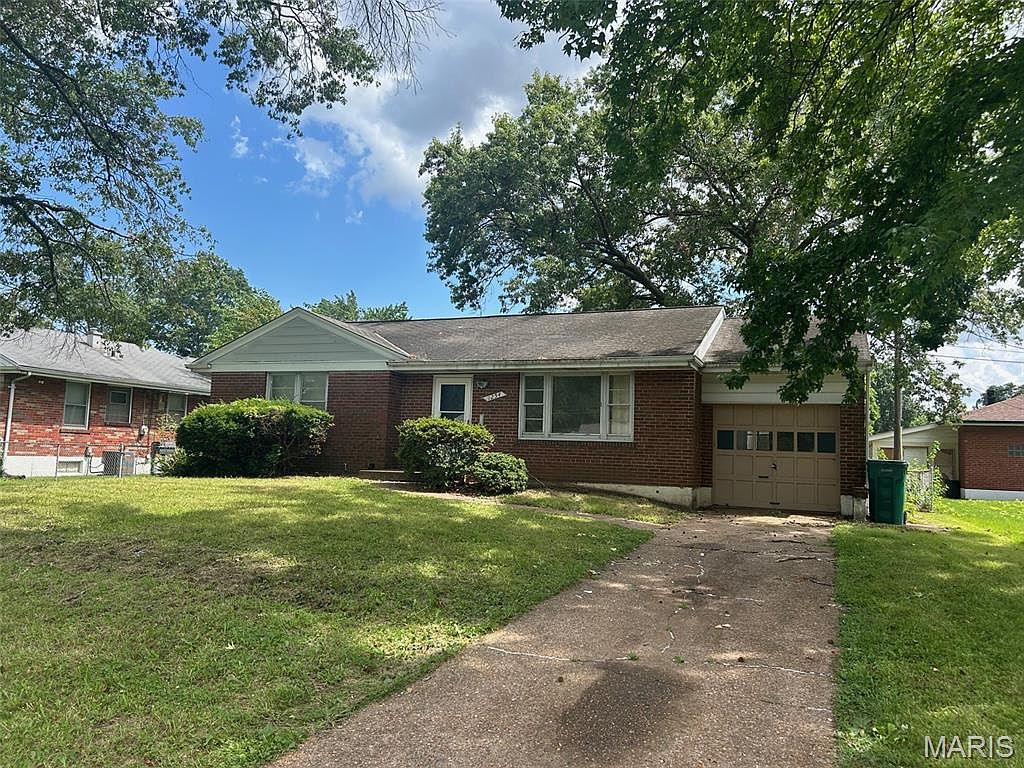
Waldorf Dr Property
Saint Louis, MO
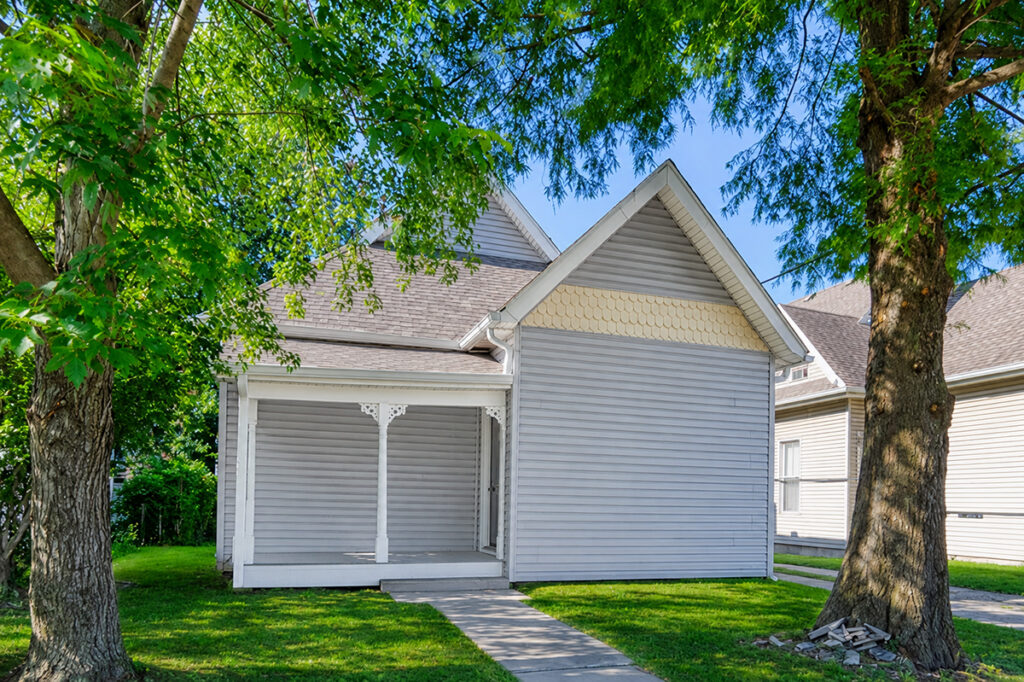
🏠 Property: Waldorf Dr
🛏️ Beds/Baths: 4 Bed • 1 Bath • 1192 sqft
💰 Price: $145,000 | Rent: $1,500
📊 Cap Rate: 8.7% | NOI: $1,051
📅 Year Built: 1961
📐 Price/Sq Ft: $122
🏙️ Neighborhood: B+

VS

E Raymond St Property
Indianapolis, IN
🏠 Property: E Raymond St
🛏️ Beds/Baths: 2 Bed • 1 Bath • 968 sqft
💰 Price: $192,000 | Rent: $1,550
📊 Cap Rate: 7.4% | NOI: $1,179
📅 Year Built: 1904
📐 Price/Sq Ft: $199
🏙️ Neighborhood: B

Saint Louis offers a budget‑friendly 4‑bed rental with a high cap rate, while Indianapolis provides a classic 2‑bed property with steady cash flow. Which Midwest market fits YOUR investment strategy?

We have much more inventory available than what you see on our website – Let us know about your requirement.

📈 Choose Your Winner & Contact Us Today!

Speak to a Norada Investment Counselor (No Obligation):

(800) 611-3060

View All Properties

Also Read:

  • Top 10 Housing Markets Set to Deliver High ROI in 2026
  • Top 10 Most Popular Housing Markets of 2025 for Homebuyers
  • Will Real Estate Rebound in 2026: Top Predictions by Experts
  • Housing Market Predictions for the Next 4 Years: 2026, 2027, 2028, 2029
  • Housing Market Predictions for 2026 Show a Modest Price Rise of 1.2%
  • Housing Market Predictions 2026 for Buyers, Sellers, and Renters
  • 12 Housing Markets Set for Double-Digit Price Decline by Early 2026
  • Real Estate Forecast: Will Home Prices Bottom Out in 2025?
  • Housing Markets With the Biggest Decline in Home Prices Since 2024
  • Why Real Estate Can Thrive During Tariffs Led Economic Uncertainty
  • Rise of AI-Powered Hyperlocal Real Estate Marketing in 2025
  • Real Estate Forecast Next 5 Years: Top 5 Predictions for Future
  • 5 Hottest Real Estate Markets for Buyers & Investors in 2025
Filed Under: Housing Market, Real Estate Market Tagged With: Housing Market, housing market crash, Housing Market Forecast

Today’s Mortgage Rates, August 6: 15-Year Falls 6 Basis Points to 6.03%, VA Rates Dip Below 6%

August 6, 2026 by Marco Santarelli

Today's Mortgage Rates, Sept 7: Buyers Get a Better Deal Than Refinancers Right Now

Looking to buy a home or refinance? Today, August 6, 2026, brings some good news for certain borrowers: the 15-year fixed mortgage rate has fallen 6 basis points to 6.03%, and VA loan rates have dipped below 6%, with the 30-year VA now at 6.07% and the 15-year VA at 5.70%. The popular 30-year fixed rate, meanwhile, ticked up just slightly to 6.62%. It's a mixed picture, but shorter-term loans and VA borrowers are seeing the biggest wins today — here's what's driving it and what it means for you.

Today's Mortgage Rates, August 6: 15-Year Falls 6 Basis Points to 6.03%, VA Rates Dip Below 6%

What's Happening with Mortgage Rates Right Now?

You know, the cost of borrowing money for a house can change almost every day. It's like the weather – sometimes sunny, sometimes a little cloudy. Today, we're seeing a mix of things. Some rates are staying pretty much the same, while others, especially for shorter-term loans and loans for people who have served in our military, are actually getting a little cheaper. That’s a nice little perk!

Here’s a look at some of the common types of home loans and what they're costing today:

Purchase Mortgage Rates: August 6, 2026

Loan Type Rate
30-Year Fixed 6.62%
20-Year Fixed 6.42%
15-Year Fixed 6.03%
5/1 ARM 6.73%
7/1 ARM 6.42%

(These rates are from Zillow)

Now, the 30-year fixed rate is the most popular one for people buying homes. It went up just a tiny bit, only 2 “basis points,” which is a super small change. But don't let that little tick up fool you! The really good news is that the 15-year fixed rate went down by 6 basis points, and the 5/1 ARM also dropped by 6 basis points. This means if you're thinking about paying off your house faster or you want a lower payment for the first few years, today could be a really good day to lock in a rate.

Special Deals for Our Heroes: VA Loan Rates

If you or someone you know is a military service member, a veteran, or a surviving spouse, I have some especially exciting news! VA loans continue to be a fantastic deal. These loans are backed by the government, and they often come with lower rates than regular loans. Today, they're sitting very nicely, with some rates even below 6%!

VA Loan Rates: August 6, 2026

Loan Type Rate
30-Year VA 6.07%
15-Year VA 5.70%
5/1 VA 5.99%

I always feel good when I see these rates. It's a small way we can say “thank you” to those who have served our country.

What Does This Mean for You?

So, what does all this mean for someone like you who's thinking about buying a house? Even though the most common rate, the 30-year fixed, went up a tiny bit, the overall picture for today is pretty positive for borrowers.

The fact that the 15-year fixed and the 5/1 ARM both dropped is really something to pay attention to. If you're looking to save money over the long haul, a 15-year loan might be perfect. Or, if you're comfortable with your payment changing a bit after five years, the 5/1 ARM can give you a lower starting payment.

My personal take is that watching the news from other countries can really impact how much it costs to borrow money. Things like making sure ships can travel safely through important sea routes can make a big difference. When everyone feels a little more secure about the world, it usually helps the bond market, and that's good for mortgage rates. If things keep going smoothly with global trade, we might see even better rates as we head into the fall.

Looking Ahead: What Experts Think

You might be wondering, “Will rates keep going up or down?” That's the million-dollar question, right? Well, the experts are saying things are going to stay pretty steady for the rest of the year.

  • The Mortgage Bankers Association thinks the 30-year fixed rate will hang around 6.50%.
  • Fannie Mae is predicting an average of 6.40% for the rest of 2026.

This means we're likely to stay in a pretty narrow range for rates. It’s not like we’re expecting huge drops, but also not huge spikes. It’s a good time to plan!

Why Do Rates Change So Much?

It can be confusing why these rates move around. There are a few main things that lenders pay close attention to when they decide how much to charge for a mortgage:

  1. World Events and Gas Prices: As I mentioned, big things happening around the world, like conflicts or agreements, can really shake things up. If there's trouble in places that produce oil, gas prices can go up. When gas prices rise, it can make prices for everything else go up too (that's called inflation), and that makes it harder for mortgage rates to go down. Thankfully, sometimes these tensions calm down, and that helps oil prices and, in turn, mortgage rates.
  2. The 10-Year Treasury Yield: This is a fancy way of saying how much people expect to earn by investing in government bonds. Lenders look at this a lot when setting rates for fixed-rate mortgages (like the 30-year fixed). If people think prices will go up a lot in the future (stubborn inflation), the yield on these bonds goes up, and lenders usually raise mortgage rates to match. Right now, yields are a bit high, which is keeping mortgage rates from falling further.
  3. The Federal Reserve: This is the main bank for our country. They have meetings where they decide on a key interest rate. Even though they decided to keep their main rate the same recently, some important people at the Fed thought they should actually raise the rate. This disagreement tells us that some folks at the top still think inflation is a problem, and that can make the bond market think borrowing costs will stay higher for longer.

My Two Cents

From my experience, while it's great to see rates dip, it's also important to remember that they can and will change. What I’ve learned is that you can't time the market perfectly. The best approach is to be prepared.

If you're thinking about buying, get your finances in order now. This means checking your credit score, saving up for a good down payment, and understanding your budget. When you find the right home, you'll be ready to act.

And for those thinking about refinancing, if you see a rate that fits your goals, don't wait too long! The difference of even a quarter of a percent can save you a lot of money over the life of your loan.

Important Note: Mortgage rates change all the time based on what's happening in the world and the economy. The rates I'm sharing are just a snapshot for August 6, 2026, based on data from Zillow. Your actual rate will depend on your personal situation, like your credit score, how much you put down, and the specific type of loan you choose.

🏡 Real Estate Investment: Tennessee vs Florida

Ribbon Ln Property
Franklin, TN
🏠 Property: Ribbon Ln
🛏️ Beds/Baths: 2 Bed • 2.5 Bath • 1662 sqft
💰 Price: $569,999 | Rent: $3,000
📊 Cap Rate: 5.1% | NOI: $2,415
📅 Year Built: 2022
📐 Price/Sq Ft: $343
🏙️ Neighborhood: A-

VS

Chamberlain Blvd Property
Port Charlotte, FL
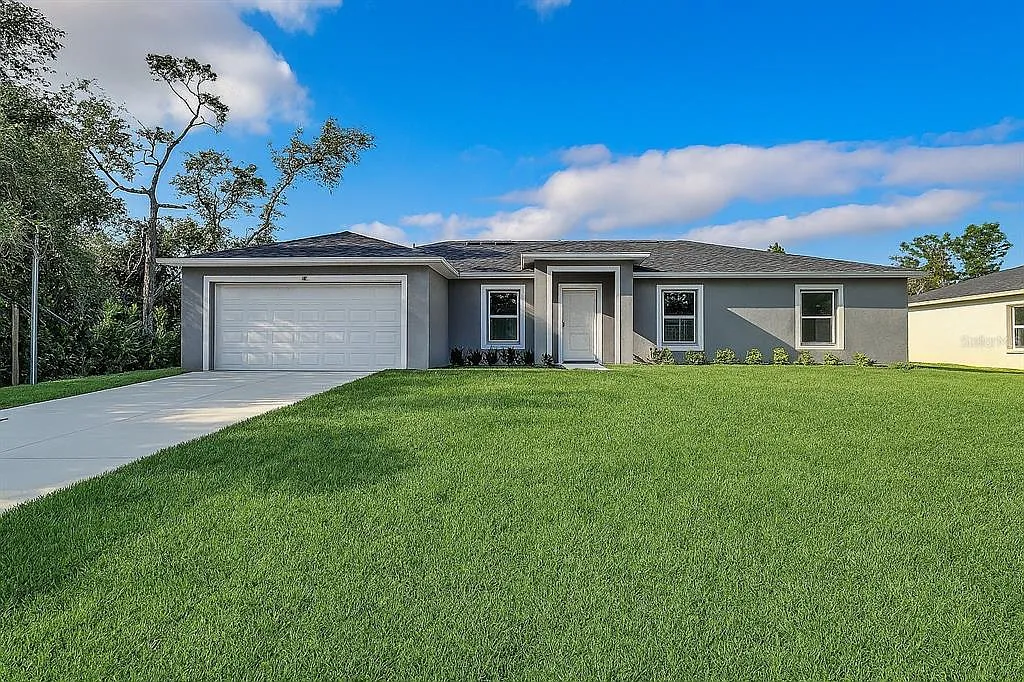
🏠 Property: Chamberlain Blvd
🛏️ Beds/Baths: 4 Bed • 2 Bath • 1617 sqft
💰 Price: $274,900 | Rent: $1,845
📊 Cap Rate: 5.4% | NOI: $1,231
📅 Year Built: 2023
📐 Price/Sq Ft: $171
🏙️ Neighborhood: A+

Out‑of‑State investors can compare Tennessee’s newer rental with higher NOI vs Florida’s A+ property with strong yield. Which fits YOUR investment strategy?

We have much more inventory available than what you see on our website – Let us know about your requirement.

📈 Choose Your Winner & Contact Us Today!

Speak to a Norada Investment Counselor (No Obligation):

(800) 611-3060

View All Properties

Build Passive Income & Wealth with Turnkey Rentals in 2026

Mortgage rates remain high in 2026, but rental properties continue to deliver strong cash flow and appreciation. Savvy investors know that turnkey real estate is the path to passive income and long‑term wealth.

Norada Real Estate helps you secure turnkey rental properties designed for immediate cash flow and appreciation—so you can invest smartly regardless of interest rate trends.

🔥 HOT 2026 INVESTMENT LISTINGS JUST ADDED! 🔥
Request a Callback / Fill Out the Form Online

Contact Us

Also Read:

  • Mortgage Rates Predictions Backed by 7 Leading Experts: 2025–2026
  • Mortgage Rate Predictions for the Next 3 Years: 2026, 2027, 2028
  • 30-Year Fixed Mortgage Rate Forecast for the Next 5 Years
  • 15-Year Fixed Mortgage Rate Predictions for Next 5 Years: 2025-2029
  • Will Mortgage Rates Ever Be 3% Again in the Future?
  • Mortgage Rates Predictions for Next 2 Years
  • Mortgage Rate Predictions for Next 5 Years
  • Mortgage Rate Predictions: Why 2% and 3% Rates are Out of Reach
  • How Lower Mortgage Rates Can Save You Thousands?
  • How to Get a Low Mortgage Interest Rate?
  • Will Mortgage Rates Ever Be 4% Again?

Filed Under: Financing, Mortgage Tagged With: mortgage, mortgage rates, Today’s Mortgage Rates

Mortgage Rates Today, August 6, 2026: 30-Year Refinance Rate Drops by 15 Basis Points

August 6, 2026 by Marco Santarelli

Mortgage Rates Today, Sept 7, 2026: 30-Year Refinance Rate Drops by 10 Basis Points

If you've been dreaming of a lower monthly mortgage payment, you might be in luck. The average rate for a 30-year fixed mortgage refinance just took a nice tumble, dropping by 15 basis points this week. According to Zillow's latest numbers, that means we're now seeing an average rate of 6.88% for a 30-year refinance. This is a welcome sight after hovering just above the 7% mark for a bit.

For anyone with a mortgage that’s costing them a pretty penny each month, this dip is definitely something to pay attention to. It's not just a tiny blip; it's a noticeable drop that could translate into real savings for your household budget.

Mortgage Rates Today, August 6, 2026: 30-Year Refinance Rate Drops by 15 Basis Points

What's Happening with Mortgage Rates Today?

Let's break down what Zillow is telling us about the rates on this particular Thursday:

  • 30-Year Fixed Refinance Rate: This is the big story. It's currently sitting at 6.88%. This is down from 6.94% yesterday and, more importantly, down 15 basis points from last week when it was averaging 7.03%. This consistent downward movement is a signal that the refinancing market might be opening up for more homeowners.
  • 15-Year Fixed Refinance Rate: This one is moving in the opposite direction. The average rate for a 15-year fixed refinance has actually gone up by 15 basis points from last week, reaching 6.16% today, up from 6.01%. While it's climbing, it’s still a great option for those who want to pay off their home faster and save a lot on interest over the life of the loan.
  • 5-Year Adjustable-Rate Mortgage (ARM) Refinance Rate: This rate is holding steady at 6.50%. ARMs can be attractive if you plan to sell or refinance again before the fixed period is up, but it’s always good to understand the risks involved.

Why Are Rates Moving Like This?

It’s always a puzzle trying to figure out exactly why rates do what they do, but there are a few big players in the game that I've learned to watch. Think of it like a complicated recipe; many ingredients go into making the final dish.

The Federal Reserve's Steady Hand (Mostly)

The Federal Reserve has been pretty quiet lately. They decided to keep their main interest rate, the federal funds rate, right where it was, between 3.50% and 3.75%, after their late July meeting. However, it wasn't a unanimous decision, and the economy has been humming along pretty well. This has made some folks think the Fed might have to raise rates later this fall to keep inflation in check, rather than lower them. When the Fed hints at raising rates, even indirectly, it can make lenders a bit more cautious, which can sometimes push mortgage rates up. But today, we're seeing the opposite, which suggests other factors are having a bigger impact.

Global News and Your Wallet

You might be surprised how much world events can affect your mortgage! There's been some worry about new conflicts brewing in places like Iran, especially around a really important shipping route called the Strait of Hormuz. When there's trouble in oil-producing regions, oil prices tend to go up. Higher oil prices often mean higher gas prices for us, and that can make people worry about inflation – the general rise in prices for everything. When inflation fears heat up, lenders might ask for higher interest rates to protect themselves from their money losing value.

The 10-Year Treasury Yield: A Mortgage Mirror

For many years, I've seen that mortgage rates often dance to the tune of the 10-year U.S. Treasury yield. This is basically what the government pays when it borrows money for 10 years. Right now, that yield has been a bit jumpy, hovering around 4.63% to 4.75%. When these bond yields go up, it means lenders have to charge more for loans, like mortgages, to make them worthwhile. Today's drop in refinance rates suggests that the 10-year Treasury yield might be easing off a bit, or at least that its influence is being overshadowed by other positive factors for borrowers.

What Does This Drop Mean for YOU?

If you locked in your mortgage during those peak times over the last year or two, keeping an eye on these daily rate shifts is super important. That move below the 7% mark for the 30-year fixed refinance is a big deal. If your current mortgage rate is, say, in the mid-to-high 7% range, refinancing now could make a lot of sense and start saving you money right away.

I always tell people that the exact rate you get depends on a lot of things – your credit score, where you live, and how much debt you have compared to your income. So, while the national average is helpful, it’s crucial to shop around with different lenders. What looks good on paper might be even better with another bank or mortgage company.

Crucial Things to Consider Before You Refinance

Just because the rate dropped doesn't mean refinancing is a guaranteed win for everyone. Here are a few things I always advise people to think about:

  • Calculate Your Break-Even Point: When you refinance, you usually have to pay closing costs. These can add up, often being 2% to 6% of your loan amount. You need to figure out how many months of lower payments it will take for you to get back the money you spent on closing costs. If you plan to move or refinance again before you reach that break-even point, it might not be worth it.
  • Look at Your Current Rate: Most people who got a mortgage before things got really expensive are likely paying less than 6% – in fact, over 80% of homeowners are in that boat. If your current rate is already below 7%, a simple rate-and-term refinance might not save you enough to cover the closing costs.
  • Cash-Out Refinance: If you're thinking about refinancing to pull out some cash for home improvements or to pay off other debts, remember that these types of loans often come with slightly higher interest rates than a standard refinance. You'll need to weigh the benefits of having that extra cash against the higher borrowing cost.
  • Compare, Compare, Compare! This is a big one. I've seen it too many times: people who don't shop around end up paying a lot more over the life of their loan. Some reports suggest that borrowers who only get one or two quotes could end up paying tens of thousands of dollars more than someone who compares offers from at least three different lenders. Don't leave money on the table!

Quick Look at Today's Refinance Rates (August 6, 2026)

Here’s a handy table showing the average refinance rates as reported by Zillow today. Remember, these are averages, and your personal rate might be different.

Loan Type Average Rate Change from Previous Week
30-Year Fixed Refinance 6.88% -15 basis points
15-Year Fixed Refinance 6.16% +15 basis points
5-Year Adjustable-Rate (ARM) 6.50% 0 basis points

It’s an exciting time for homeowners who have been waiting for rates to become more favorable for refinancing. This drop in the 30-year fixed rate is a clear sign that opportunities are emerging. So, if you’re thinking about making a change to your mortgage, now is definitely a good time to start looking into what might be available to you.

🏡 High‑Yield Midwest Rentals: Missouri vs Indiana

Waldorf Dr Property
Saint Louis, MO
🏠 Property: Waldorf Dr
🛏️ Beds/Baths: 4 Bed • 1 Bath • 1192 sqft
💰 Price: $145,000 | Rent: $1,500
📊 Cap Rate: 8.7% | NOI: $1,051
📅 Year Built: 1961
📐 Price/Sq Ft: $122
🏙️ Neighborhood: B+

VS

E Raymond St Property
Indianapolis, IN
🏠 Property: E Raymond St
🛏️ Beds/Baths: 2 Bed • 1 Bath • 968 sqft
💰 Price: $192,000 | Rent: $1,550
📊 Cap Rate: 7.4% | NOI: $1,179
📅 Year Built: 1904
📐 Price/Sq Ft: $199
🏙️ Neighborhood: B

Saint Louis offers a budget‑friendly 4‑bed rental with a high cap rate, while Indianapolis provides a classic 2‑bed property with steady cash flow. Which Midwest market fits YOUR investment strategy?

We have much more inventory available than what you see on our website – Let us know about your requirement.

📈 Choose Your Winner & Contact Us Today!

Speak to a Norada Investment Counselor (No Obligation):

(800) 611-3060

View All Properties

Build Passive Income & Wealth with Turnkey Rentals

Mortgage rates remain high in 2026, but rental properties continue to deliver strong cash flow and appreciation. Savvy investors know that turnkey real estate is the path to passive income and long‑term wealth.

Norada Real Estate helps you secure turnkey rental properties designed for immediate cash flow and appreciation—so you can invest smartly regardless of interest rate trends.

🔥 HOT INVESTMENT LISTINGS JUST ADDED! 🔥
Request a Callback / Fill Out the Form Online

Contact Us

Also Read:

  • Mortgage Rates Predictions Backed by 7 Leading Experts: 2025–2026
  • Mortgage Rate Predictions for the Next 3 Years: 2026, 2027, 2028
  • 30-Year Fixed Mortgage Rate Forecast for the Next 5 Years
  • 15-Year Fixed Mortgage Rate Predictions for Next 5 Years: 2025-2029
  • Will Mortgage Rates Ever Be 3% Again in the Future?
  • Mortgage Rates Predictions for Next 2 Years
  • Mortgage Rate Predictions for Next 5 Years
  • Mortgage Rate Predictions: Why 2% and 3% Rates are Out of Reach
  • How Lower Mortgage Rates Can Save You Thousands?
  • How to Get a Low Mortgage Interest Rate?
  • Will Mortgage Rates Ever Be 4% Again?

Filed Under: Financing, Mortgage Tagged With: mortgage rates, Mortgage Rates Today, Refinance Rates

Today’s Mortgage Rates, August 5: 30‑Year Fixed Slips to 6.60%, ARMs Edge Higher

August 5, 2026 by Marco Santarelli

Today's Mortgage Rates, Sept 7: Buyers Get a Better Deal Than Refinancers Right Now

So, you're wondering about today's mortgage rates for Wednesday, August 5, 2026? It's a mixed bag, with the popular 30-year fixed rate inching down a bit, landing at 6.60% according to Zillow. But don't let one number fool you; there's a lot more to unpack if you're thinking about buying a home or refinancing.

Today's Mortgage Rates, August 5: 30‑Year Fixed Slips to 6.60%, ARMs Edge Higher

What the Numbers Are Saying Today

Here's a breakdown of the mortgage rates we're seeing today, straight from Zillow. It’s good to know the different options available:

Loan Type Interest Rate
30-year fixed 6.60%
20-year fixed 6.50%
15-year fixed 6.09%
5/1 ARM 6.79%
7/1 ARM 6.51%
30-year VA 6.03%
15-year VA 5.61%
5/1 VA 6.09%

You can see that while the 30-year fixed rate, which is the most common choice for homebuyers, has gone down a tiny bit, the 15-year fixed has actually gone up. And adjustable-rate mortgages (ARMs), like the 5/1 ARM, are also seeing a slight increase. This just shows how things can be different for each type of loan.

Looking Ahead: Where Are Rates Likely Going?

It’s easy to get caught up in the daily numbers, but I think it’s even more important to try and see the bigger picture. The days of those super-low rates we saw a few years back, the ones that made everyone want to buy a house, seem to be behind us for now. We’re in a bit of a holding pattern, where rates aren't dropping dramatically, but they aren't shooting up like a rocket either.

Short-Term Forecast (This Fall – 2026):

For the next few months, I expect rates to stay pretty steady, probably bouncing around between 6.5% and 6.9%. There's a good chance the Federal Reserve might even raise interest rates in September. Some folks on the Fed board were really pushing for it at their last meeting, so that’s definitely something to keep an eye on.

Longer-Term Outlook (Late 2026 – 2027):

Looking further out, even experts like those at Fannie Mae think rates will stick around. They're guessing we'll see an average of 6.2% to 6.3% for the rest of next year. So, if you were hoping for those sub-5% or even 3% rates again, it’s probably best to adjust those expectations for the time being.

My Top 3 Tips for Borrowers Today

Having seen a lot of people go through the home-buying process, I’ve learned that knowledge is power. Here are a few things I truly believe can make a big difference for you right now:

  1. Shop Around Like It's Your Job!
    This is HUGE. Because rates are a bit jumpy, lenders are offering different deals, and the gap between the best and worst offers is wider than usual. I read a study that said if you don't compare offers from different banks or mortgage companies, you could end up paying an extra $78,000 over the life of your loan. That’s a mind-blowing amount of money! My advice? Talk to at least three different lenders. Get quotes from each. It’s the best way to make sure you’re getting a good deal.
  2. Consider the 15-Year Fixed Loan
    If your budget allows for slightly higher monthly payments, a 15-year fixed loan can be a fantastic way to build wealth. Yes, your monthly payment will be higher than a 30-year loan, but the savings in interest are incredible. Not only do you usually get a lower interest rate (around 6.11% compared to maybe 6.76% for a 30-year), but you pay off your loan much faster. This can cut the total interest you pay by about 60%. Imagine what you could do with that extra money over the years!
  3. “Marry the House, Date the Rate” – It's Still Good Advice!
    This saying is really popular for a reason. Right now, there are more houses on the market, which means buyers like you have a little more power and more choices than before. If you find a home that you absolutely love, that fits your budget, and that you can see yourself living in for a long time, it’s often a smart move to buy it now. You can get the loan at today's rate, and then if rates drop in the future to that wonderful high-5% range, you can look into refinancing. It’s about securing the home you want while still keeping an eye on your long-term financial goals.

Why These Rates Matter to You

Every little bit of a percentage point on a mortgage rate can make a big difference, especially when you're talking about loans that last 15 or 30 years. Even a change of a few “basis points” (that's just 0.01% each) can add up.

  • For Homebuyers: Today's rates directly impact how much house you can afford. A slightly higher rate means a higher monthly payment, which could mean you need to adjust your budget or look at homes in a slightly different price range.
  • For Refinancers: If you're thinking about refinancing your current mortgage, today's rates are crucial. If the rates are higher than your current one, it might not make sense to refinance unless you have a specific reason. But if they are lower, you could save a lot of money.

My Final Thoughts

The mortgage market is always moving, and it’s my job to help you make sense of it. Today, August 5, 2026, we're seeing a bit of a push and pull with rates. The 30-year fixed is slightly down, which is good news for many, but other loans are nudging up. The key takeaway for me is that staying informed and being proactive is your best strategy. Don't just look at the headline number; understand the different options, compare lenders diligently, and consider your long-term financial picture. This is a big decision, and I want to make sure you feel confident and well-equipped to make it.

🏡 Real Estate Investment: Tennessee vs Florida

Ribbon Ln Property
Franklin, TN
🏠 Property: Ribbon Ln
🛏️ Beds/Baths: 2 Bed • 2.5 Bath • 1662 sqft
💰 Price: $569,999 | Rent: $3,000
📊 Cap Rate: 5.1% | NOI: $2,415
📅 Year Built: 2022
📐 Price/Sq Ft: $343
🏙️ Neighborhood: A-

VS

Chamberlain Blvd Property
Port Charlotte, FL
🏠 Property: Chamberlain Blvd
🛏️ Beds/Baths: 4 Bed • 2 Bath • 1617 sqft
💰 Price: $274,900 | Rent: $1,845
📊 Cap Rate: 5.4% | NOI: $1,231
📅 Year Built: 2023
📐 Price/Sq Ft: $171
🏙️ Neighborhood: A+

Out‑of‑State investors can compare Tennessee’s newer rental with higher NOI vs Florida’s A+ property with strong yield. Which fits YOUR investment strategy?

We have much more inventory available than what you see on our website – Let us know about your requirement.

📈 Choose Your Winner & Contact Us Today!

Speak to a Norada Investment Counselor (No Obligation):

(800) 611-3060

View All Properties

Build Passive Income & Wealth with Turnkey Rentals in 2026

Mortgage rates remain high in 2026, but rental properties continue to deliver strong cash flow and appreciation. Savvy investors know that turnkey real estate is the path to passive income and long‑term wealth.

Norada Real Estate helps you secure turnkey rental properties designed for immediate cash flow and appreciation—so you can invest smartly regardless of interest rate trends.

🔥 HOT 2026 INVESTMENT LISTINGS JUST ADDED! 🔥
Request a Callback / Fill Out the Form Online

Contact Us

Also Read:

  • Mortgage Rates Predictions Backed by 7 Leading Experts: 2025–2026
  • Mortgage Rate Predictions for the Next 3 Years: 2026, 2027, 2028
  • 30-Year Fixed Mortgage Rate Forecast for the Next 5 Years
  • 15-Year Fixed Mortgage Rate Predictions for Next 5 Years: 2025-2029
  • Will Mortgage Rates Ever Be 3% Again in the Future?
  • Mortgage Rates Predictions for Next 2 Years
  • Mortgage Rate Predictions for Next 5 Years
  • Mortgage Rate Predictions: Why 2% and 3% Rates are Out of Reach
  • How Lower Mortgage Rates Can Save You Thousands?
  • How to Get a Low Mortgage Interest Rate?
  • Will Mortgage Rates Ever Be 4% Again?

Filed Under: Financing, Mortgage Tagged With: mortgage, mortgage rates, Today’s Mortgage Rates

Mortgage Rates Today, August 5, 2026: 30-Year Refinance Rate Rises by 1 Basis Point

August 5, 2026 by Marco Santarelli

Mortgage Rates Today, Sept 7, 2026: 30-Year Refinance Rate Drops by 10 Basis Points

As of Wednesday, August 5, 2026, the national average 30-year fixed refinance rate has nudged up by 1 basis point to 7.04%, while the 15-year fixed and 5-year ARM refinance rates remain steady. This slight uptick might seem small, but for homeowners thinking about refinancing, it’s a good moment to pay attention.

It's been quite a ride in the mortgage world lately, hasn't it? I've been following these numbers closely, and it feels like things are settling down a bit, but with a few interesting twists. On August 5, 2026, Zillow tells us that the 30-year fixed refinance rate is sitting at 7.04%. That's just a tiny bit higher than last week, when it was 7.03%.

Mortgage Rates Today, August 5, 2026: 30-Year Refinance Rate Rises by 1 Basis Point

What's Happening with Refinance Rates?

So, why are we seeing this little bump? It’s not just one thing; it’s a mix of what’s happening in the big world and what’s going on with our money.

  • The World Stage: Lately, there have been some worrying news about conflicts involving Iran. This has made people nervous about how much oil will cost and if we’ll get our supplies on time. When oil prices get shaky, it can affect everything, including how much it costs to borrow money. It’s like a ripple effect.
  • The Fed's Decision: The Federal Reserve, which is like the main banker for the country, decided to keep their main interest rate the same. It's between 3.5% and 3.75%. But, and this is a big “but,” some people on the Fed’s team wanted to make borrowing more expensive. This disagreement tells me that even though they didn't raise rates this time, they might in the future if prices keep going up too fast. That uncertainty can make mortgage rates a bit jumpy.
  • Bonds and Borrowing: Mortgage rates like to follow something called the 10-year U.S. Treasury yield. Right now, that yield is pretty high, around 4.67%. When this yield is high, it generally means it costs more for lenders to borrow money, and they pass that cost onto us through higher mortgage rates. It's like the price of ingredients going up for a baker – they have to charge more for the cake.

Let's Talk Numbers: Today's Refinance Rates

Here's a quick snapshot of what Zillow is reporting for August 5, 2026. It's always a good idea to look at a few different numbers to get the full picture:

Loan Type Average Rate (August 5, 2026) Change from Previous Week
30-Year Fixed Refinance 7.04% +1 basis point
15-Year Fixed Refinance 5.98% Stable
5-Year ARM Refinance 6.00% Stable

Is Refinancing Right for You?

Seeing these numbers might make you wonder if it's time to refinance. Based on my experience, there are a few things to think about.

My rule of thumb is this: If your current mortgage rate is significantly higher than what's available today, refinancing could save you a good chunk of change. Generally, if your rate is above 7.25% to 7.50%, it’s worth exploring.

But it’s not just about the rate itself. You also need to look at the total picture.

  • Breaking Even: When you refinance, you usually have to pay fees, called closing costs. These can add up to thousands of dollars. You need to figure out how long it will take for the money you save each month to cover those upfront costs. If you plan to move or sell your home before you reach that “break-even” point, refinancing might not be worth it. Think of it like buying a new phone – you have to use it for a while to make the cost feel worthwhile.
  • Your Goals: What do you want to achieve by refinancing?
    • Save Money Monthly: If you want to lower your monthly payments, a 30-year fixed rate might be good.
    • Pay Off Sooner: If you want to be mortgage-free faster and have extra cash down the road, the 15-year fixed loan is a fantastic option. It’s currently under 6%, which is a great rate to pay off your home quicker and save a lot on interest over the life of the loan.

Smart Moves When You Refinance

If you decide that refinancing makes sense for you, here are some tips from my years in this business:

  • Shop Around! This is probably the most important piece of advice I can give. Don't just go to the first lender you see. Get quotes from at least three different lenders. Websites like Bankrate or NerdWallet can help you compare offers. Even a small difference in the rate or fees can save you a lot of money over 15 or 30 years.
  • Consider Different Loan Types: We talked about the 15-year loan. If you can handle a slightly higher monthly payment, it’s a powerful way to cut down on the total interest you pay. It might seem like a bigger chunk out of your paycheck each month, but the savings in the long run are huge.
  • Ask About Special Programs: Sometimes, if you already have a mortgage with a credit union or a specific type of agency, they might have special programs that make refinancing easier and cheaper. Ask about things like a “streamlined refinance” or “no-refi rate drop” if your current loan is with them. These can sometimes let you lower your rate without going through a whole new loan application process.

It’s a lot to think about, I know. But arming yourself with this information, looking at the numbers, and making smart choices can lead to real savings and a better financial future for your home.

🏡 High‑Yield Midwest Rentals: Missouri vs Indiana

Waldorf Dr Property
Saint Louis, MO
🏠 Property: Waldorf Dr
🛏️ Beds/Baths: 4 Bed • 1 Bath • 1192 sqft
💰 Price: $145,000 | Rent: $1,500
📊 Cap Rate: 8.7% | NOI: $1,051
📅 Year Built: 1961
📐 Price/Sq Ft: $122
🏙️ Neighborhood: B+

VS

E Raymond St Property
Indianapolis, IN
🏠 Property: E Raymond St
🛏️ Beds/Baths: 2 Bed • 1 Bath • 968 sqft
💰 Price: $192,000 | Rent: $1,550
📊 Cap Rate: 7.4% | NOI: $1,179
📅 Year Built: 1904
📐 Price/Sq Ft: $199
🏙️ Neighborhood: B

Saint Louis offers a budget‑friendly 4‑bed rental with a high cap rate, while Indianapolis provides a classic 2‑bed property with steady cash flow. Which Midwest market fits YOUR investment strategy?

We have much more inventory available than what you see on our website – Let us know about your requirement.

📈 Choose Your Winner & Contact Us Today!

Speak to a Norada Investment Counselor (No Obligation):

(800) 611-3060

View All Properties

Build Passive Income & Wealth with Turnkey Rentals

Mortgage rates remain high in 2026, but rental properties continue to deliver strong cash flow and appreciation. Savvy investors know that turnkey real estate is the path to passive income and long‑term wealth.

Norada Real Estate helps you secure turnkey rental properties designed for immediate cash flow and appreciation—so you can invest smartly regardless of interest rate trends.

🔥 HOT INVESTMENT LISTINGS JUST ADDED! 🔥
Request a Callback / Fill Out the Form Online

Contact Us

Also Read:

  • Mortgage Rates Predictions Backed by 7 Leading Experts: 2025–2026
  • Mortgage Rate Predictions for the Next 3 Years: 2026, 2027, 2028
  • 30-Year Fixed Mortgage Rate Forecast for the Next 5 Years
  • 15-Year Fixed Mortgage Rate Predictions for Next 5 Years: 2025-2029
  • Will Mortgage Rates Ever Be 3% Again in the Future?
  • Mortgage Rates Predictions for Next 2 Years
  • Mortgage Rate Predictions for Next 5 Years
  • Mortgage Rate Predictions: Why 2% and 3% Rates are Out of Reach
  • How Lower Mortgage Rates Can Save You Thousands?
  • How to Get a Low Mortgage Interest Rate?
  • Will Mortgage Rates Ever Be 4% Again?

Filed Under: Financing, Mortgage Tagged With: mortgage rates, Mortgage Rates Today, Refinance Rates

Today’s Mortgage Rates, August 4: 5/1 ARM Rises to 6.73%, Biggest Move of the Day

August 4, 2026 by Marco Santarelli

Today's Mortgage Rates, Sept 7: Buyers Get a Better Deal Than Refinancers Right Now

Mortgage rates on August 4, 2026, are mostly a tiny bit higher than yesterday, holding steady in a narrow range due to big world events and what the Federal Reserve is doing. Right now, the average 30-year fixed mortgage rate is 6.64%. This means buying a home is still a bit pricey, but understanding these numbers is super important for anyone thinking about getting a new home or a new loan.

Today's Mortgage Rates, August 4: 5/1 ARM Rises to 6.73%, Biggest Move of the Day

It feels like just yesterday we were all hoping for mortgage rates to keep dropping, but things have gotten a little mixed up. From what I'm seeing, and with data from Zillow, the big reasons for this wiggle are what's happening in the Middle East and the decisions our own Federal Reserve is making. It’s like a seesaw, and today, it’s tipped just a little bit higher.

What the Numbers Are Saying Today

Let's break down what the mortgage rates look like today, Tuesday, August 4, 2026, according to Zillow's latest info.

Loan Type Interest Rate
30-year fixed 6.64%
20-year fixed 6.64%
15-year fixed 6.07%
5/1 ARM 6.73%
7/1 ARM 6.52%
30-year VA 6.10%
15-year VA 6.07%
5/1 VA 6.09%

What does this mean for you?

  • The 30-year fixed rate is barely budging, up just 1 basis point (that's like 0.01%) from yesterday. It's still the most popular choice because it makes your monthly payments more predictable and lower than shorter loans.
  • The 15-year fixed rate has climbed a bit more, up 6 basis points. This loan often has a lower interest rate overall, but your monthly payments will be higher.
  • Adjustable-Rate Mortgages (ARMs), like the 5/1 ARM, are also seeing small increases. These start with a lower rate for a set number of years, but then the rate can change, going up or down.

Why Are Rates Moving Like This?

It’s not just random; there are big reasons behind these numbers.

1. The Federal Reserve is Playing it Cool (for Now)

The Federal Reserve, which is like the main bank for our country, recently had a meeting. They decided to keep their main interest rate the same. But, some people on their board wanted to raise rates. This makes lenders and the market think that maybe rates could go up soon, which can push mortgage rates higher. It’s like they’re saying, “We could make things more expensive, so let’s wait and see.”

2. Trouble Overseas Affects Our Wallets

There's been some conflict between the U.S. and Iran. When big countries have problems, it can affect how much oil costs around the world. If oil gets more expensive, that can make prices for everything else go up too – this is called inflation. Mortgage rates often go up when people worry about inflation because the money you borrow today will be worth less later.

3. The Bond Market's Ripple Effect

Mortgage rates are closely tied to something called the 10-year Treasury yield. Think of it like this: when investors get worried about inflation or the economy, they often put their money into things like U.S. Treasury bonds, which are seen as safer. This demand can push the yield down. However, when things like geopolitical events cause inflation fears, the opposite can happen, pushing yields up. And when those yields go up, mortgage rates usually follow.

Where Are We Headed?

Right now, it looks like mortgage rates are going to stay in this kind of tight range, not dropping much and maybe even nudging up a bit more. The big experts who study housing, like Fannie Mae and the Mortgage Bankers Association, used to think rates would go down to around 6% by the end of the year. But because of what's happening in the world and with the Fed, they've changed their minds. Now, they think rates might stay between 6.2% and 6.5% for the rest of 2026.

My Thoughts as Someone Who Watches This Stuff

As someone who’s spent time looking at these trends, it’s clear that the idea of rates suddenly falling back to 5% anytime soon isn't very likely. The forces pushing rates up – the Fed’s cautious stance and global instability – are pretty strong right now. It’s a bit frustrating for buyers, I know. We were hoping for a big dip, but the world doesn't always cooperate with our home-buying plans!

I remember when rates were much lower. It was a different world. Now, we have to be smarter about how we approach buying a home.

Smart Moves for Homebuyers Today

Knowing all this, here are some things I think are really important for anyone thinking about buying or refinancing:

  • Don't Wait Too Long for Lower Rates: I get it, everyone wants the lowest rate possible. But if you wait for rates to drop by, say, half a percent, and during that time home prices go up by 3% or 4%, you might end up paying more in the long run. It can take years to save up the difference from a slightly lower monthly payment. Think of it like this: if a house costs $400,000 today and goes up by 3% ($12,000) in a year, that gain can cancel out the savings from a small rate drop.
  • Shop Around, Seriously! This is probably the most important advice I can give. Lenders are all trying to get your business, especially when rates are high. I’ve seen huge differences in what different lenders offer. You must get loan estimates from at least three different lenders. Compare not just the interest rate, but also the Annual Percentage Rate (APR) and any fees they charge. This can save you tens of thousands of dollars over the life of your loan. Bankrate even found that people who don't shop around can pay around $78,000 more! That’s a lot of money.
  • 15-Year vs. 30-Year: Weigh Your Options: Right now, the difference between a 15-year and a 30-year fixed loan is about 0.60%. If you can afford the higher monthly payments for a 15-year loan, it’s a fantastic way to build wealth faster. You’ll pay way less in total interest. For a $500,000 loan, choosing a 15-year term could save you about 60% in interest compared to a 30-year loan. That’s huge!
  • The “Date the Rate, Marry the Home” Idea: Sometimes, you find the perfect house. It fits your budget, it's in the right neighborhood, and it just feels like home. If you find that place, don't be afraid to go for it. You can always refinance later if rates drop. If the economy cools down or inflation gets under control in the next year or two, we might see lower rates, and then you can swap your higher rate for a better one. It’s often better to get the home you love now and worry about optimizing the rate later.

Final Thoughts

Today, August 4, 2026, mortgage rates are a bit higher, and that’s mostly because of world events and the Federal Reserve's actions. It’s a good reminder that the housing market is always changing. The best thing you can do is stay informed, compare your options carefully, and make decisions that make sense for your personal situation.

🏡 Real Estate Investment: Tennessee vs Florida

Ribbon Ln Property
Franklin, TN
🏠 Property: Ribbon Ln
🛏️ Beds/Baths: 2 Bed • 2.5 Bath • 1662 sqft
💰 Price: $569,999 | Rent: $3,000
📊 Cap Rate: 5.1% | NOI: $2,415
📅 Year Built: 2022
📐 Price/Sq Ft: $343
🏙️ Neighborhood: A-

VS

Chamberlain Blvd Property
Port Charlotte, FL
🏠 Property: Chamberlain Blvd
🛏️ Beds/Baths: 4 Bed • 2 Bath • 1617 sqft
💰 Price: $274,900 | Rent: $1,845
📊 Cap Rate: 5.4% | NOI: $1,231
📅 Year Built: 2023
📐 Price/Sq Ft: $171
🏙️ Neighborhood: A+

Out‑of‑State investors can compare Tennessee’s newer rental with higher NOI vs Florida’s A+ property with strong yield. Which fits YOUR investment strategy?

We have much more inventory available than what you see on our website – Let us know about your requirement.

📈 Choose Your Winner & Contact Us Today!

Speak to a Norada Investment Counselor (No Obligation):

(800) 611-3060

View All Properties

Build Passive Income & Wealth with Turnkey Rentals in 2026

Mortgage rates remain high in 2026, but rental properties continue to deliver strong cash flow and appreciation. Savvy investors know that turnkey real estate is the path to passive income and long‑term wealth.

Norada Real Estate helps you secure turnkey rental properties designed for immediate cash flow and appreciation—so you can invest smartly regardless of interest rate trends.

🔥 HOT 2026 INVESTMENT LISTINGS JUST ADDED! 🔥
Request a Callback / Fill Out the Form Online

Contact Us

Also Read:

  • Mortgage Rates Predictions Backed by 7 Leading Experts: 2025–2026
  • Mortgage Rate Predictions for the Next 3 Years: 2026, 2027, 2028
  • 30-Year Fixed Mortgage Rate Forecast for the Next 5 Years
  • 15-Year Fixed Mortgage Rate Predictions for Next 5 Years: 2025-2029
  • Will Mortgage Rates Ever Be 3% Again in the Future?
  • Mortgage Rates Predictions for Next 2 Years
  • Mortgage Rate Predictions for Next 5 Years
  • Mortgage Rate Predictions: Why 2% and 3% Rates are Out of Reach
  • How Lower Mortgage Rates Can Save You Thousands?
  • How to Get a Low Mortgage Interest Rate?
  • Will Mortgage Rates Ever Be 4% Again?

Filed Under: Financing, Mortgage Tagged With: mortgage, mortgage rates, Today’s Mortgage Rates

Mortgage Rates Today, August 4, 2026: 30-Year Refinance Rate Rises by 18 Basis Points

August 4, 2026 by Marco Santarelli

Mortgage Rates Today, Sept 7, 2026: 30-Year Refinance Rate Drops by 10 Basis Points

As of today, August 4, 2026, the dream of snagging a super low refinance rate for your 30-year fixed mortgage just got a little bit tougher, with the national average climbing to 7.29%. This marks an increase of 18 basis points from yesterday, and it's part of a bigger weekly jump that's definitely making homeowners pause and think. This is a significant jump, especially when you look back at where we were just a week ago. It's a signal that the market is reacting to some pretty big world events and economic whispers.

Mortgage Rates Today, August 4, 2026: 30-Year Refinance Rate Rises by 18 Basis Points

What's Happening with Refinance Rates Today?

Let's break down what this means for you. The biggest news is the 30-year fixed refinance rate climbing from 7.11% yesterday to 7.29% today. This is a noticeable bump, and it means if you were hoping to refinance and lower your monthly payments, you might need to adjust your expectations a bit.

But it's not just the 30-year fixed that's moving. The shorter-term loans are also seeing some action, though not as dramatically:

  • 15-Year Fixed Refinance Rate: This one has nudged up by 7 basis points, moving from 6.12% to 6.19%. Still pretty good, especially if you're looking to pay off your home faster.
  • 5-Year Adjustable-Rate Mortgage (ARM) Refinance Rate: This one has stayed put for now, sitting steady at 6.00%. This could still be an attractive option for some, but you always have to remember that ARMs can change.

Here’s a quick look at the numbers from Zillow:

Loan Type Current Average Rate (Aug 4, 2026) Previous Day's Rate Weekly Change
30-Year Fixed 7.29% 7.11% +18 basis points
15-Year Fixed 6.19% 6.12% +7 basis points
5-Year ARM 6.00% 6.00% 0 basis points

Why Are Rates Going Up? It's a Mix of Things

As someone who's been following the mortgage market for a while, I know that rates don't just move on their own. They're influenced by a lot of different factors, and today is no different.

Firstly, there's been some geopolitical friction brewing between the U.S. and Iran. When there's talk of increased military action, it often sends ripples through the economy, especially when it comes to oil prices. Higher energy costs can lead to fears of inflation, which can make lenders a bit more cautious and push rates up. However, it's good news that things seem to be cooling down a bit on that front, with a pivot back to diplomacy.

Secondly, the Federal Reserve has been in the spotlight. They recently met and decided to keep the federal funds rate where it is, between 3.5% and 3.75%. But here's the interesting part: not everyone on the committee agreed. Three members wanted to raise rates even further. This kind of internal disagreement signals that the Fed isn't completely done with potentially raising rates in the future. This “hawkish” sentiment can make the bond market nervous, and that often translates to higher mortgage rates.

Finally, we're seeing a bit of a tug-of-war between sticky inflation and sluggish economic growth. The U.S. economy isn't exactly booming, growing at a pace of about 1.5% in the last quarter. But, people are still spending money, and inflation numbers are still a bit higher than the Fed's target of 2%. This combination makes it harder for long-term interest rates, like those on mortgages, to come down.

What This Means for Homeowners Thinking About Refinancing

So, with the 30-year fixed rate now hovering closer to the mid-7% mark, the big question is: is refinancing still worth it? For homeowners who bought their homes recently, the immediate financial benefit of refinancing might not be as huge as it once was. You have to do some serious number crunching to see if the closing costs and the new interest rate will actually save you money over the life of the loan.

However, if you're considering a shorter loan term, like the 15-year fixed, or if you're comfortable with an ARM, there might still be opportunities to get a lower interest rate compared to what you might get on a new purchase today. These options can help you pay down your mortgage faster or save money on interest over the long haul, even if the monthly payment isn't drastically lower than what you have now.

My personal advice? Don't rush into anything. Rates are always moving. The best thing you can do is to get quotes from multiple lenders. What one bank offers might be very different from what another offers. Having a few different offers in front of you is the only way to truly know what's best for your specific financial situation. Think of it like shopping around for the best deal on anything else – your mortgage is too important not to.

It's also a good idea to talk to a trusted mortgage broker or financial advisor. They can help you understand all the ins and outs and figure out if refinancing makes sense for you right now, or if it's better to wait and see what happens with rates in the coming weeks and months.

Looking Ahead

While today’s rates show a jump, it's important to remember that the mortgage market is dynamic. What happens tomorrow could be different. Keep an eye on economic news, especially anything related to inflation and the Federal Reserve's next moves. And always, always compare offers. That's the golden rule of smart homeownership.

🏡 High‑Yield Midwest Rentals: Missouri vs Indiana

Waldorf Dr Property
Saint Louis, MO
🏠 Property: Waldorf Dr
🛏️ Beds/Baths: 4 Bed • 1 Bath • 1192 sqft
💰 Price: $145,000 | Rent: $1,500
📊 Cap Rate: 8.7% | NOI: $1,051
📅 Year Built: 1961
📐 Price/Sq Ft: $122
🏙️ Neighborhood: B+

VS

E Raymond St Property
Indianapolis, IN
🏠 Property: E Raymond St
🛏️ Beds/Baths: 2 Bed • 1 Bath • 968 sqft
💰 Price: $192,000 | Rent: $1,550
📊 Cap Rate: 7.4% | NOI: $1,179
📅 Year Built: 1904
📐 Price/Sq Ft: $199
🏙️ Neighborhood: B

Saint Louis offers a budget‑friendly 4‑bed rental with a high cap rate, while Indianapolis provides a classic 2‑bed property with steady cash flow. Which Midwest market fits YOUR investment strategy?

We have much more inventory available than what you see on our website – Let us know about your requirement.

📈 Choose Your Winner & Contact Us Today!

Speak to a Norada Investment Counselor (No Obligation):

(800) 611-3060

View All Properties

Build Passive Income & Wealth with Turnkey Rentals

Mortgage rates remain high in 2026, but rental properties continue to deliver strong cash flow and appreciation. Savvy investors know that turnkey real estate is the path to passive income and long‑term wealth.

Norada Real Estate helps you secure turnkey rental properties designed for immediate cash flow and appreciation—so you can invest smartly regardless of interest rate trends.

🔥 HOT INVESTMENT LISTINGS JUST ADDED! 🔥
Request a Callback / Fill Out the Form Online

Contact Us

Also Read:

  • Mortgage Rates Predictions Backed by 7 Leading Experts: 2025–2026
  • Mortgage Rate Predictions for the Next 3 Years: 2026, 2027, 2028
  • 30-Year Fixed Mortgage Rate Forecast for the Next 5 Years
  • 15-Year Fixed Mortgage Rate Predictions for Next 5 Years: 2025-2029
  • Will Mortgage Rates Ever Be 3% Again in the Future?
  • Mortgage Rates Predictions for Next 2 Years
  • Mortgage Rate Predictions for Next 5 Years
  • Mortgage Rate Predictions: Why 2% and 3% Rates are Out of Reach
  • How Lower Mortgage Rates Can Save You Thousands?
  • How to Get a Low Mortgage Interest Rate?
  • Will Mortgage Rates Ever Be 4% Again?

Filed Under: Financing, Mortgage Tagged With: mortgage rates, Mortgage Rates Today, Refinance Rates

Today’s Mortgage Rates, August 3: Weeks of Rate Increases Push the 30-Year Fixed to 6.65%

August 3, 2026 by Marco Santarelli

Today's Mortgage Rates, Sept 7: Buyers Get a Better Deal Than Refinancers Right Now

As of Monday, August 3, 2026, today's mortgage rates are showing a mixed bag, with the popular 30-year fixed purchase rate standing at 6.65% according to Zillow data. While this might seem like just another number, understanding where these rates stand in the broader market and what influences them is crucial for anyone looking to buy a home or refinance. It’s clear that while some rates are ticking up, others are holding steady or even dipping slightly, creating a dynamic environment for borrowers.

Today's Mortgage Rates, August 3: Weeks of Rate Increases Push the 30-Year Fixed to 6.65%

It’s important to get a clear picture of the numbers. Here's a breakdown of the average rates for different mortgage types today, August 3, 2026, based on Zillow's data:

Mortgage Type Interest Rate
30-year fixed 6.65%
20-year fixed 6.33%
15-year fixed 6.01%
5/1 ARM 6.65%
7/1 ARM 6.18%
30-year VA 6.11%
15-year VA 5.83%
5/1 VA 5.95%

As you can see, the 30-year fixed purchase rate is currently 8 basis points higher than the refinance rate. For those looking at shorter terms, the 15-year fixed purchase rate is the same as its refinance counterpart. For adjustable-rate mortgages (ARMs), the 5/1 ARM purchase rate is actually 3 basis points lower than the refinance version.

Beyond the Sticker Price: Key Factors to Watch

Just looking at the interest rate itself can be misleading. I always tell people to dig a little deeper. Here are a couple of things I pay close attention to:

  • Advertised Points: Sometimes, lenders advertise a lower interest rate that comes with paying “discount points” upfront. This means you pay a fee at closing to lower your rate. The national tracker rates you see often include these points. It's essential to know if the rate quoted includes points and how many.
  • The Real Cost: APR: The Annual Percentage Rate (APR) is a more accurate reflection of the total cost of borrowing. It includes not just the interest rate but also lender fees and other closing costs. Always compare APRs when shopping for a mortgage to get a true apples-to-apples comparison.
  • Regional Differences: Mortgage rates aren't uniform across the country. Even with national averages, specific states can have slightly different rates. For example, Zillow Home Loans data shows that for a 30-year fixed mortgage, rates in places like Florida and Maryland might be a bit higher, around 6.75%.

The Short-Term Trend: A Volatile Climb

Looking at the bigger picture, mortgage rates have been on an upward journey for much of this year. They hit their lowest point in February, dipping below 6% for a brief moment, but have been climbing steadily since then. In the past week, we've seen rates reach levels not seen since July of last year. This surge has had a noticeable effect, making it harder for some homebuyers and causing a significant drop in refinance applications. Housing experts are generally expecting these rates to stay in the mid-to-high 6% range for a while.

What's Driving Today's Rates?

Several economic factors are pushing mortgage rates higher right now. It's a complex interplay, and as someone who watches these markets, I find it fascinating how these big-picture events trickle down to affect our home loans.

  • The Federal Reserve's Stance: The Federal Reserve recently decided to keep its benchmark rate steady at 3.50% to 3.75%. However, the fact that some members wanted to raise rates shows there isn't complete agreement. This uncertainty makes bond investors nervous that interest rates might stay higher for longer, which in turn pushes up long-term borrowing costs.
  • Treasury Yields: Mortgage rates tend to follow the yield on the 10-year U.S. Treasury note. When this yield goes up, mortgage rates usually follow. The 10-year Treasury yield has recently climbed past 4.67%, directly impacting the rates consumers are offered.
  • Global Events and Energy Prices: We're seeing renewed conflict in the Middle East, which can cause shocks to energy and oil supplies. When oil prices rise, it can increase expectations for inflation. Lenders see this and tend to adjust their pricing to protect themselves in this environment.

My Take on the Current Market

From my perspective, the current mortgage rate environment calls for careful planning. The rates are high compared to recent history, but they are still manageable for many, especially when you consider the long-term benefits of homeownership. For those looking to buy, being pre-approved is more critical than ever to understand your borrowing power. For those considering a refinance, it's a good idea to compare offers carefully and see if the savings make sense for your financial goals.

  • For Buyers: Don't let the numbers alone deter you. Focus on finding the right home and understand how current rates fit into your budget. Explore different loan types, like ARMs, if you plan to move or refinance again in a few years.
  • For Refinancers: It’s a tougher market for refinancing right now unless you have a significant equity position or can find a rate that offers substantial monthly savings. Compare offers diligently and factor in all closing costs.

The mortgage market is always moving, and staying informed is the best strategy.

🏡 Real Estate Investment: Tennessee vs Florida

Ribbon Ln Property
Franklin, TN
🏠 Property: Ribbon Ln
🛏️ Beds/Baths: 2 Bed • 2.5 Bath • 1662 sqft
💰 Price: $569,999 | Rent: $3,000
📊 Cap Rate: 5.1% | NOI: $2,415
📅 Year Built: 2022
📐 Price/Sq Ft: $343
🏙️ Neighborhood: A-

VS

Chamberlain Blvd Property
Port Charlotte, FL
🏠 Property: Chamberlain Blvd
🛏️ Beds/Baths: 4 Bed • 2 Bath • 1617 sqft
💰 Price: $274,900 | Rent: $1,845
📊 Cap Rate: 5.4% | NOI: $1,231
📅 Year Built: 2023
📐 Price/Sq Ft: $171
🏙️ Neighborhood: A+

Out‑of‑State investors can compare Tennessee’s newer rental with higher NOI vs Florida’s A+ property with strong yield. Which fits YOUR investment strategy?

We have much more inventory available than what you see on our website – Let us know about your requirement.

📈 Choose Your Winner & Contact Us Today!

Speak to a Norada Investment Counselor (No Obligation):

(800) 611-3060

View All Properties

Build Passive Income & Wealth with Turnkey Rentals in 2026

Mortgage rates remain high in 2026, but rental properties continue to deliver strong cash flow and appreciation. Savvy investors know that turnkey real estate is the path to passive income and long‑term wealth.

Norada Real Estate helps you secure turnkey rental properties designed for immediate cash flow and appreciation—so you can invest smartly regardless of interest rate trends.

🔥 HOT 2026 INVESTMENT LISTINGS JUST ADDED! 🔥
Request a Callback / Fill Out the Form Online

Contact Us

Also Read:

  • Mortgage Rates Predictions Backed by 7 Leading Experts: 2025–2026
  • Mortgage Rate Predictions for the Next 3 Years: 2026, 2027, 2028
  • 30-Year Fixed Mortgage Rate Forecast for the Next 5 Years
  • 15-Year Fixed Mortgage Rate Predictions for Next 5 Years: 2025-2029
  • Will Mortgage Rates Ever Be 3% Again in the Future?
  • Mortgage Rates Predictions for Next 2 Years
  • Mortgage Rate Predictions for Next 5 Years
  • Mortgage Rate Predictions: Why 2% and 3% Rates are Out of Reach
  • How Lower Mortgage Rates Can Save You Thousands?
  • How to Get a Low Mortgage Interest Rate?
  • Will Mortgage Rates Ever Be 4% Again?

Filed Under: Financing, Mortgage Tagged With: mortgage, mortgage rates, Today’s Mortgage Rates

Should You Buy Down Your Mortage Interest Rate in 2026?

August 3, 2026 by Marco Santarelli

Should You Buy Down Your Mortage Interest Rate in 2026?

Yes, buying down your interest rate can be a really smart move in 2026, especially if a seller or builder is helping you out or if you plan to stay in your home for many years.

It’s 2026, and that mortgage rate is still feeling a bit high, isn't it? Right now, Freddie Mac tells us that a typical 30-year fixed mortgage is sitting around 6.66%. That’s a little higher than last week, and it’s pretty close to the highest it's been all year. On top of that, folks are looking at home prices that are still around $400,000 to $410,000. So, it’s no wonder so many people are wondering if they should pay some extra money upfront to “buy down” their interest rate.

Should You Buy Down Your Interest Rate in 2026?

What is a Rate Buydown, Anyway?

Think of a rate buydown like paying a little extra at the start of your mortgage so your monthly payments are smaller for a while, or even forever. Sometimes the seller or the builder might even pay this extra fee for you! This means you pay less each month, and over the years, you could save a whole lot of money on interest. Since rates are still much higher than they were a few years ago (remember those super low rates during the pandemic?), buydowns are becoming a popular way to make buying a home feel more affordable.

Permanent vs. Temporary Buydowns: What's the Difference?

There are two main ways to do this.

Permanent Buydowns: These use something called “discount points.” You can think of one point like paying 1% of the money you borrow. In return, your interest rate usually drops by about 0.25%. This lower rate lasts for the entire time you have the loan. For example, if you borrow $400,000 and pay $4,000 (that’s one point), your 6.5% rate might drop to 6.25%.

Temporary Buydowns: These are like a special deal for the first few years of your mortgage. Your interest rate will be lower for just the first one, two, or even three years. After that, it goes up to the regular rate. Some common ones are:

  • 1-0: Your rate is 1% lower for the first year only.
  • 2-1: Your rate is 2% lower in the first year and 1% lower in the second year.
  • 3-2-1: Your rate is 3% lower in year one, 2% lower in year two, and 1% lower in year three.

These are often paid for by the seller or builder. Because the savings only last for a little while, they usually cost less upfront than permanent buydowns.

Seeing Real Numbers: How Much Can You Save?

Let's look at a real example. Imagine you have a $400,000 loan for 30 years, and the normal interest rate is 6.5%. Your monthly payment for just the loan and interest would be about $2,528.

Permanent Buydown Examples (These are just guesses):

  • Paying 1 point ($4,000): Your rate drops to about 6.25%. Your monthly payment goes down to around $2,463. That’s a savings of about $65 each month.
  • Paying 2 points ($8,000): Your rate drops to about 6.00%. Your monthly payment goes down to around $2,398. That’s a savings of about $130 each month.
  • Paying 3 points ($12,000): Your rate drops to about 5.75%. Your monthly payment goes down to around $2,334. That’s a savings of about $194 each month.

If you pay for two points, over 10 years, you could save about $15,000 to $20,000 in interest, and that’s after you’ve already paid for those points!

Temporary 2-1 Buydown Example (Often paid by the seller, costing about $9,000):

  • Year 1: Rate is 4.5%. Your payment is about $2,027.
  • Year 2: Rate is 5.5%. Your payment is about $2,271.
  • Years 3-30: Rate goes back up to 6.5%. Your payment is about $2,528.

During those first two years, you could save around $9,000. A 3-2-1 buydown can save you even more, maybe closer to $18,000 in those early years.

How do you know when you've saved enough to make the upfront cost worth it? It's pretty simple! Just take the money you paid for the buydown and divide it by how much you save each month. If you paid $4,000 for points and save $65 a month, it will take you about 62 months (a little over five years) to get your money back. If you stay in your home longer than that, you'll come out ahead. But if you sell or refinance before then, you might not get all your money back.

Good Things and Not-So-Good Things About Buydowns in 2026

Here are some of the upsides:

  • Easier on your wallet right now: It gives you a break on your monthly payments when interest rates are high.
  • Seller-paid temporary buydowns are amazing: They don't cost you anything! Plus, it can make a home more attractive than just lowering the price because buyers get to enjoy lower interest payments.
  • Permanent points save you a lot over time: If you're going to be in your home for a long time, these can really cut down on the total interest you pay. Sometimes, you can even write off the cost of these points on your taxes if it's your main home (always ask a tax expert!).
  • Might help you borrow more: For some buyers, a lower interest rate can mean they can qualify for a slightly bigger loan.

But here are some things to watch out for:

  • Your cash is tied up: That money you spend on points can't be used for a bigger down payment, an emergency fund, or other closing costs.
  • Payment shock from temporary buydowns: When the lower rate ends, your payment will jump up. You need to be ready for that! Make sure your income is expected to grow if you choose this option.
  • Refinancing might mean lost money: If interest rates drop a lot and you refinance your mortgage, you might not get back all the money you spent on those permanent points.
  • Rules on seller contributions: There are limits to how much a seller can contribute to a buydown. It often depends on your down payment and the type of loan you get, usually between 3% and 6% of the loan.

What about the future of interest rates? Well, people aren't totally sure. Some experts thought rates might drop to the mid- to high-5% range by the end of 2026. But others think they'll stay closer to 6% or a bit higher. Things like inflation, how the government borrows money, and world events can all make rates go up and down.

When Does a Buydown Make Sense for You in 2026?

A buydown might be a good idea if:

  • You know you'll be in your home for a long time – way past the point where you get your upfront money back (usually over five years for permanent points).
  • A seller or builder is offering to pay for the buydown as a way to sweeten the deal (this is common with brand-new homes).
  • You have extra money after paying for your down payment, closing costs, and having some savings set aside, and you really want lower monthly payments more than you want to invest that money somewhere else.
  • You feel like the current interest rates are just too high for your budget, and you want the peace of mind of a predictable payment.

You might want to skip or limit the buydown if:

  • You think you might move or refinance your home in the next three to five years.
  • You need every single dollar for a bigger down payment (to avoid paying for private mortgage insurance or to just lower the amount you borrow).
  • You strongly believe interest rates will fall enough soon to make refinancing a much better deal.
  • The money you'd spend on points could earn you much more somewhere else (like paying off high-interest debt or making good investments).

Other Things to Think About

Instead of, or in addition to, a buydown, you could try to negotiate a lower price for the home. A lower price means your loan is smaller from the start, which saves you money on both the principal and the interest. You could also consider making a larger down payment. If you plan to move or refinance before the fixed period ends on a special mortgage, a hybrid ARM might be an option. Or, you could just decide to wait and watch the rates, all while working on improving your credit score or saving more money.

The Final Word

In mid-2026, with 30-year mortgage rates hovering around 6.7%, buying down your interest rate can definitely be a smart move. It's especially great if the seller is paying for it or if you're a long-term homeowner who can easily afford the upfront cost. Just make sure you do the math! Figure out exactly when you'll make your money back, compare offers from different lenders, and think about what would happen if interest rates dropped or if your plans changed. A buydown is just one tool in your home-buying toolbox, not a magic answer for everyone. But if you use it wisely, it can make dealing with higher rates a lot easier and help you keep more money in your pocket each month.

🏡 Real Estate Investment: Tennessee vs Florida

Ribbon Ln Property
Franklin, TN
🏠 Property: Ribbon Ln
🛏️ Beds/Baths: 2 Bed • 2.5 Bath • 1662 sqft
💰 Price: $569,999 | Rent: $3,000
📊 Cap Rate: 5.1% | NOI: $2,415
📅 Year Built: 2022
📐 Price/Sq Ft: $343
🏙️ Neighborhood: A-

VS

Chamberlain Blvd Property
Port Charlotte, FL
🏠 Property: Chamberlain Blvd
🛏️ Beds/Baths: 4 Bed • 2 Bath • 1617 sqft
💰 Price: $274,900 | Rent: $1,845
📊 Cap Rate: 5.4% | NOI: $1,231
📅 Year Built: 2023
📐 Price/Sq Ft: $171
🏙️ Neighborhood: A+

Out‑of‑State investors can compare Tennessee’s newer rental with higher NOI vs Florida’s A+ property with strong yield. Which fits YOUR investment strategy?

We have much more inventory available than what you see on our website – Let us know about your requirement.

📈 Choose Your Winner & Contact Us Today!

Speak to a Norada Investment Counselor (No Obligation):

(800) 611-3060

View All Properties

Build Passive Income & Wealth with Turnkey Rentals in 2026

Mortgage rates remain high in 2026, but rental properties continue to deliver strong cash flow and appreciation. Savvy investors know that turnkey real estate is the path to passive income and long‑term wealth.

Norada Real Estate helps you secure turnkey rental properties designed for immediate cash flow and appreciation—so you can invest smartly regardless of interest rate trends.

🔥 HOT 2026 INVESTMENT LISTINGS JUST ADDED! 🔥
Request a Callback / Fill Out the Form Online

Contact Us

Also Read:

  • Why Buyers Are Rushing to Lock In Before Mortgage Rates Hit 7%
  • Mortgage Rates Predictions Backed by 7 Leading Experts: 2025–2026
  • Mortgage Rate Predictions for the Next 3 Years: 2026, 2027, 2028
  • 30-Year Fixed Mortgage Rate Forecast for the Next 5 Years
  • 15-Year Fixed Mortgage Rate Predictions for Next 5 Years: 2025-2029
  • Will Mortgage Rates Ever Be 3% Again in the Future?
  • Mortgage Rates Predictions for Next 2 Years
  • Mortgage Rate Predictions for Next 5 Years
  • Mortgage Rate Predictions: Why 2% and 3% Rates are Out of Reach
  • How Lower Mortgage Rates Can Save You Thousands?
  • How to Get a Low Mortgage Interest Rate?
  • Will Mortgage Rates Ever Be 4% Again?

Filed Under: Financing, Mortgage Tagged With: mortgage, mortgage rates, Should You Buy Down Your Interest Rate

Mortgage Rates Today, August 3, 2026: 30-Year Refinance Rate Drops by 1 Basis Point

August 3, 2026 by Marco Santarelli

Mortgage Rates Today, Sept 7, 2026: 30-Year Refinance Rate Drops by 10 Basis Points

As of today, August 3, 2026, the national average for a 30-year fixed refinance rate has seen a slight dip, settling at 7.02%. This marks a decrease of just 1 basis point from the previous week's average of 7.03%, according to data from Zillow. While this might seem like a tiny change, in the world of mortgages, even small shifts can be important for homeowners considering a refinance.

Mortgage Rates Today, August 3, 2026: 30-Year Refinance Rate Drops by 1 Basis Point

Here's a snapshot of the current national average refinance rates, as reported by Zillow:

Loan Term Average Rate Change from Last Week
30-Year Fixed 7.02% Down 1 basis point
15-Year Fixed 6.09% Stable
5-Year ARM 6.00% Stable

Note: Rates are national averages and can vary based on individual creditworthiness, loan amount, and lender.

It's been a bit of a rollercoaster for mortgage rates lately. They shot up at the beginning of the summer and have been hovering around a higher level since then. Even though we saw a tiny drop over the weekend, rates are still feeling a bit unpredictable. Experts from places like Fannie Mae and the Mortgage Bankers Association are forecasting that the 30-year rate will likely stay in the 6.4% to 6.5% range for the rest of the year.

Understanding What's Moving the Market

Several big economic and global events are playing a role in where mortgage rates are heading. It's like a complicated recipe with many ingredients!

  • A Divided Federal Reserve: The Federal Reserve recently decided to keep its main interest rate steady, between 3.50% and 3.75%. But, not everyone on the Fed agreed. Three members actually wanted to raise rates! The Fed Chair and the President of the New York Fed have both made it clear that they might raise rates again in September if inflation doesn't calm down. This uncertainty can make markets nervous.
  • Stubborn Inflation: Inflation, which is how much prices are going up, is still sitting around 3.5% to 3.7%. That's much higher than the 2% the Fed is aiming for. When inflation is high, money doesn't buy as much in the future. This means investors who lend money, like those buying mortgage-backed securities, want to be paid more to make up for the loss in value. Mortgage rates tend to follow what's happening with the yields on 10-year Treasury notes, which are influenced by inflation expectations.
  • Geopolitical Tensions in the Middle East: The ongoing situation involving Iran has caused a ripple effect on energy prices, leading to a jump in global oil costs. When oil prices go up, it can push inflation even higher here at home. This makes investors more cautious and demand higher returns for the risk they are taking, which also pushes mortgage rates up.

Key Things for Homeowners Thinking About Refinancing

Based on what I'm seeing and my experience in the mortgage world, here are three important things to think about if you're considering refinancing:

  1. Are You a “Recent Buyer” Who Can Save? If you bought or refinanced your home when rates were really high, like over 7.5% or even 8%, then today's rates in the high 6% range could actually be a good opportunity for you. Some reports show that as many as 87% of people who got loans during that peak might be paying too much each year, an average of about $3,343. For this group, even a small drop of 0.5% to 1% could be worth exploring what different lenders are offering.
  2. Consider the 15-Year Mortgage Option: If you want the lowest possible rate, looking at a 15-year fixed refinance is usually the way to go. The current average rate for these is around 6.09%. While this can save you a lot of money on total interest paid over the life of the loan, it means you'll be paying more each month. You need to be sure your budget can handle these higher payments comfortably. I've seen people get excited about the lower rate, only to find their monthly budget stretched too thin.
  3. Don't Forget the Break-Even Point: Refinancing isn't free. There are closing costs, lender fees, and other expenses that can add up to anywhere from $3,000 to $4,500. To figure out when you'll actually start saving money, you need to divide your total closing costs by how much you'll save each month. This tells you your “break-even” month. If you think you might sell your home or move before you reach that month, refinancing might end up costing you money instead of saving it. It's a crucial step many people overlook.

My Thoughts on the Current Market

From where I stand, the market right now is a mixed bag, but with some potential for savvy homeowners. The fact that the 30-year fixed refinance rate has seen a small dip is good news, even if it's just a basis point. It signals that lenders are still competing for business. However, the underlying economic factors—sticky inflation and global uncertainty—mean we're unlikely to see dramatically lower rates anytime soon.

The forecast for rates to stay range-bound between 6.4% and 6.5% for the rest of the year suggests that if you're considering a refinance, now might be a good time to explore your options. Waiting for rates to drop significantly might mean waiting a long time, and you could miss out on current savings.

For those who bought when rates were at their peak, a refinance today could lead to tangible monthly savings. It's essential to do the math on closing costs and the break-even point, as I mentioned. Don't just look at the advertised rate; look at the total picture.

The 15-year fixed rate is certainly attractive if you can manage the higher monthly payments. Paying off your home faster and saving on total interest is a powerful financial move. But, as always, personal financial circumstances are key. A rate that looks good on paper might not be the right fit for everyone's budget.

🏡 High‑Yield Midwest Rentals: Missouri vs Indiana

Waldorf Dr Property
Saint Louis, MO
🏠 Property: Waldorf Dr
🛏️ Beds/Baths: 4 Bed • 1 Bath • 1192 sqft
💰 Price: $145,000 | Rent: $1,500
📊 Cap Rate: 8.7% | NOI: $1,051
📅 Year Built: 1961
📐 Price/Sq Ft: $122
🏙️ Neighborhood: B+

VS

E Raymond St Property
Indianapolis, IN
🏠 Property: E Raymond St
🛏️ Beds/Baths: 2 Bed • 1 Bath • 968 sqft
💰 Price: $192,000 | Rent: $1,550
📊 Cap Rate: 7.4% | NOI: $1,179
📅 Year Built: 1904
📐 Price/Sq Ft: $199
🏙️ Neighborhood: B

Saint Louis offers a budget‑friendly 4‑bed rental with a high cap rate, while Indianapolis provides a classic 2‑bed property with steady cash flow. Which Midwest market fits YOUR investment strategy?

We have much more inventory available than what you see on our website – Let us know about your requirement.

📈 Choose Your Winner & Contact Us Today!

Speak to a Norada Investment Counselor (No Obligation):

(800) 611-3060

View All Properties

Build Passive Income & Wealth with Turnkey Rentals

Mortgage rates remain high in 2026, but rental properties continue to deliver strong cash flow and appreciation. Savvy investors know that turnkey real estate is the path to passive income and long‑term wealth.

Norada Real Estate helps you secure turnkey rental properties designed for immediate cash flow and appreciation—so you can invest smartly regardless of interest rate trends.

🔥 HOT INVESTMENT LISTINGS JUST ADDED! 🔥
Request a Callback / Fill Out the Form Online

Contact Us

Also Read:

  • Mortgage Rates Predictions Backed by 7 Leading Experts: 2025–2026
  • Mortgage Rate Predictions for the Next 3 Years: 2026, 2027, 2028
  • 30-Year Fixed Mortgage Rate Forecast for the Next 5 Years
  • 15-Year Fixed Mortgage Rate Predictions for Next 5 Years: 2025-2029
  • Will Mortgage Rates Ever Be 3% Again in the Future?
  • Mortgage Rates Predictions for Next 2 Years
  • Mortgage Rate Predictions for Next 5 Years
  • Mortgage Rate Predictions: Why 2% and 3% Rates are Out of Reach
  • How Lower Mortgage Rates Can Save You Thousands?
  • How to Get a Low Mortgage Interest Rate?
  • Will Mortgage Rates Ever Be 4% Again?

Filed Under: Financing, Mortgage Tagged With: mortgage rates, Mortgage Rates Today, Refinance Rates

  • « Previous Page
  • 1
  • …
  • 8
  • 9
  • 10
  • 11
  • 12
  • …
  • 389
  • Next Page »

Real Estate

  • Birmingham
  • Cape Coral
  • Charlotte
  • Chicago

Quick Links

  • Markets
  • Membership
  • Notes
  • Contact Us

Blog Posts

  • Today’s Mortgage Rates, Sept 7: Buyers Get a Better Deal Than Refinancers Right Now
    September 7, 2026Marco Santarelli
  • 30-Year Mortgage Rate Predictions for the Next 12 Months
    September 7, 2026Marco Santarelli
  • Mortgage Rates Today, Sept 7, 2026: 30-Year Refinance Rate Drops by 10 Basis Points
    September 7, 2026Marco Santarelli

Contact

Norada Real Estate Investments 30251 Golden Lantern, Suite E-261 Laguna Niguel, CA 92677

(949) 218-6668
(800) 611-3060
BBB
  • Terms of Use
  • |
  • Privacy Policy
  • |
  • Testimonials
  • |
  • Suggestions?
  • |
  • Home

Copyright 2018 Norada Real Estate Investments

Loading...