You've probably heard the Federal Reserve is considering cutting interest rates today, December 10, 2025, and you're wondering, “Will this finally make my mortgage payment cheaper or make refinancing my home a no-brainer?” It's a fair question, and the short answer is: a Fed rate cut can influence mortgage and refinance rates, but it's not always a direct, slam-dunk connection. Often, the impact is more like a gentle nudge than a shove, and a lot of what's expected is already baked into the rates you see today.
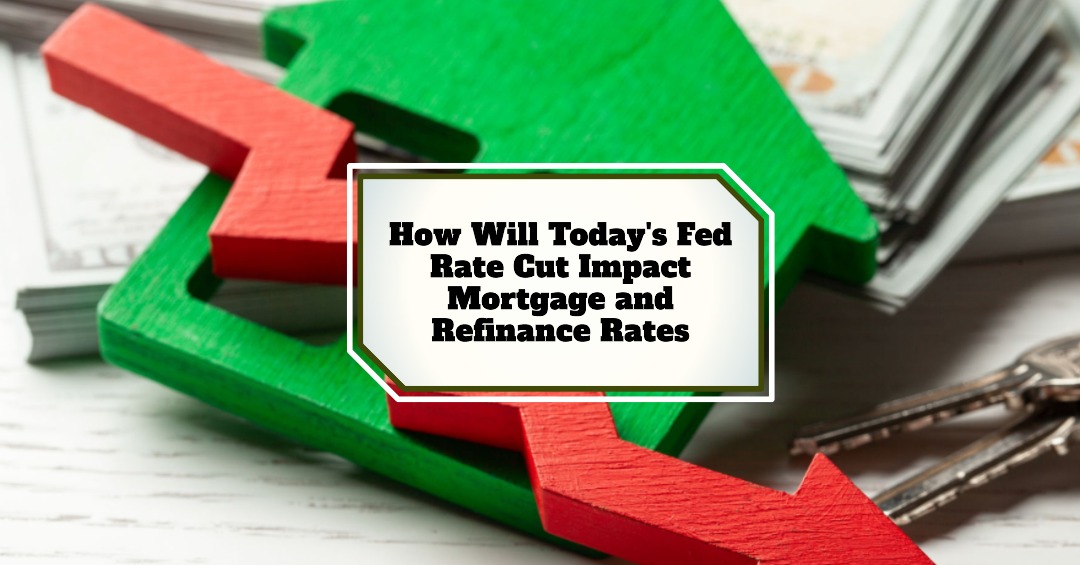
How Will Today's Fed Rate Cut Impact Mortgage and Refinance Rates
This isn't just about numbers and economic jargon. It's about your wallet, your biggest investment, and making smart financial decisions. As someone who's navigated these choppy waters, I can tell you that understanding when and how these moves by the Fed actually trickle down to your mortgage is key. Think of the Fed as setting the thermostat for the entire economy, but your mortgage rate is more like a complex thermostat in a specific room – influenced, but not solely controlled, by the main setting.
The Fed's Main Tool: The Federal Funds Rate
First things first, let's clarify what the Federal Reserve actually does. The Fed doesn't directly set your mortgage interest rate. Instead, their primary tool is the federal funds rate. This is the target rate at which commercial banks lend reserve balances to each other overnight. When the Fed decides to raise or lower this rate, it's like them adjusting the prime lending rate for banks.
This action does have a ripple effect. When banks borrow money more cheaply, they tend to pass those savings on to consumers through lower interest rates on things like credit cards, auto loans, and crucially, home equity lines of credit (HELOCs). These are typically shorter-term loans, so they react more quickly and directly to changes in the federal funds rate.
Why Mortgage Rates are a Different Beast
Now, for mortgages and refinancing, it gets a bit more complicated. Most people looking for a new mortgage or considering a refinance are interested in a fixed-rate mortgage. These loans have an interest rate that stays the same for the entire life of the loan, often 15 or 30 years. Because these are long-term commitments, their rates are much more closely tied to longer-term U.S. Treasury yields, particularly the 10-year Treasury note.
Why the 10-year Treasury? Think of it this way: investors are buying these bonds, lending money to the government for 10 years. The yield (the interest they expect to earn) on these bonds is influenced by expectations about future inflation, economic growth, and the overall health of the economy over that decade. If investors expect inflation to rise or the economy to boom, they'll demand a higher yield on their bonds, which pushes mortgage rates up. Conversely, if they expect a slowdown or low inflation, yields fall, and so do mortgage rates.
This is where today's situation, as an example, becomes interesting. Imagine it's December 10, 2025, and the Fed is widely expected to cut its short-term federal funds rate by 0.25 percentage points. While this is significant for short-term borrowing, the big question for your mortgage is what the 10-year Treasury yield is doing.
The “Priced In” Phenomenon: What the Market Already Knows
One of the biggest factors influencing mortgage rates is anticipation. The financial markets are incredibly good at predicting the Fed's moves. If economists and traders believe, with high certainty (like that 90% chance of a cut we're seeing discussed), that the Fed will lower rates, this expectation is often “priced in” to the current mortgage rates before the official announcement even happens.
So, even if the Fed announces that rate cut, you might not see your mortgage rate suddenly drop by the same amount. It's like knowing a friend is coming to your party; you're excited, but the anticipation is already part of the experience. The actual arrival might not change your mood drastically.
In my experience, this is where many homeowners get a little confused. They hear “Fed cuts rates” and expect a significant drop, only to see their offers not move as much as they hoped. This is often why. The market has already adjusted.
“Hawkish Cuts” and What They Mean for You
There's another layer of complexity: the Fed's messaging. Sometimes, even when the Fed cuts rates, they might also signal that they're not done cutting, or that they're worried about inflation. This is what analysts sometimes call a “hawkish cut.”
Imagine the Fed cuts rates, but in their press conference, Fed Chair Jerome Powell hints that future cuts are uncertain, or that inflation is still a concern. This kind of talk can actually make investors nervous about the long-term economic outlook. They might think inflation could pick up later, or that the Fed might pause and even start raising rates again in the future.
In such a scenario, the 10-year Treasury yield could actually rise after the Fed announces its cut. This is because investors are looking beyond the immediate short-term rate cut and focusing on potential future economic conditions. A rising Treasury yield, as we've discussed, typically leads to higher mortgage and refinance rates, or at least halts any downward movement.
Impact on Different Mortgage Types
- Fixed-Rate Mortgages: As mentioned, these are less directly affected by the Fed's rate cuts because they're tied to longer-term bonds.
- Adjustable-Rate Mortgages (ARMs): These are a different story. ARMs often have interest rates tied to short-term benchmarks, like the Secured Overnight Financing Rate (SOFR). These benchmarks do tend to move more closely with the federal funds rate. So, if the Fed cuts rates, homeowners with ARMs might see their payments decrease more directly and immediately.
- Refinance Rates: This is where the 10-year Treasury yield and market expectations play the biggest role. If the market has already priced in the cut, and the Fed signals a hawkish stance, the refinance market might remain largely unchanged, or even see a slight uptick in rates.
What to Watch For: Beyond the Headlines
If you're a homeowner looking to refinance or someone buying a new home, it's crucial to look beyond just the Fed's decision. Here's what I always advise people to pay attention to:
- The Fed's “Dot Plot”: This is a chart showing individual Fed members' projections for future interest rates. It gives clues about their confidence in future rate cuts.
- Fed Chair's Press Conference: This is a goldmine of information. Listen to the tone and read between the lines for hints about future policy. Are they concerned about growth? Inflation? This will heavily influence market sentiment.
- Economic Data: Inflation reports (like the Consumer Price Index or CPI), employment figures, and GDP growth numbers are watched closely by the Fed and the bond market. These can sway future interest rate decisions.
- Daily Rate Shopping: Don't rely on one announcement. Mortgage rates can fluctuate daily. If you're looking to refinance, keep an eye on rates and be ready to lock in a rate if you find an offer that meets your financial goals.
My Take: Stay Informed, Be Patient (But Ready to Act)
From where I stand, the Fed's decisions are just one piece of a much larger puzzle when it comes to mortgage and refinance rates. While a rate cut can create a more favorable environment, it's not a guarantee of drastically lower rates overnight for fixed-rate loans. The market's anticipation and the Fed's own messaging about future policy are often more influential.
So, while it's good to be aware of what the Fed is doing, for your own financial planning, focus on what the 10-year Treasury yield is doing and what the overall economic sentiment suggests for the future. And if you're thinking about refinancing, don't wait too long once you see a rate that feels right. The market can shift quickly, and locking in a good rate is often the smartest move.
Invest in Real Estate While Rates Are Dropping — Build Wealth
If the Federal Reserve moves forward with another rate cut in December, investors could gain a valuable window to secure more favorable financing terms and scale their portfolios ahead of renewed buyer demand.
Lower borrowing costs would boost cash flow and enhance overall returns, especially for those positioned to act quickly
Work with Norada Real Estate to find turnkey, income-generating properties in stable markets—so you can capitalize on this easing cycle and grow your wealth confidently.
NEW TURNKEY DEALS JUST ADDED!
Talk to a Norada investment counselor today (No Obligation):
(800) 611-3060
Want to Know More?
Explore these related articles for even more insights:
- Fed Interest Rate Decision Today: Latest News and Predictions
- Fed Meeting Today is Poised to Deliver the Third Interest Rate Cut of 2025
- Fed Interest Rate Predictions Signal 70% Chance of December 2025 Cut
- Fed Meeting Minutes Expose Divide: Why December Rate Cut Odds Are Fading Fast
- Fed Interest Rate Predictions for the December 2025 Policy Meeting
- Fed Signals Growing Reluctance to Interest Rate Cut in December 2025
- Fed Cuts Interest Rate Today for the Second Time in 2025
- Fed Interest Rate Forecast for the Next 12 Months
- When is Fed's Next Meeting on Interest Rate Decision in 2025?
- Market Reactions: How Investors Should Prepare for Interest Rate Cut
- Impact of Interest Rate Cut on Mortgages, Car Loans, and Your Wallet