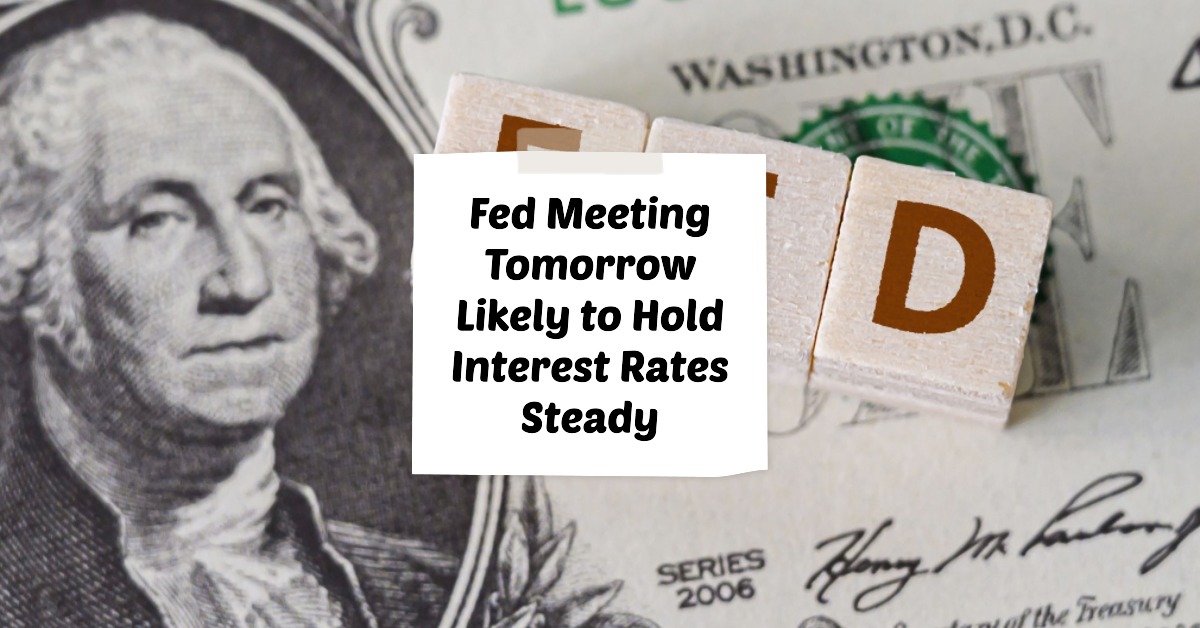
As the calendar turns to January 27, 2026, all eyes are on Washington, D.C., because the Federal Reserve is set to announce its latest decision on interest rates. My take, and what the majority of folks watching the markets believe, is that the Fed will hold interest rates steady for this meeting. This means the benchmark federal funds rate will likely stay put in its current target range of 3.50% to 3.75%.
It might seem like old news to some, but these decisions ripple through everything from your mortgage payments to the cost of a cup of coffee. After a few exciting months of rate cuts at the end of last year, this pause feels like a moment for the Fed to catch its breath and see what happens next. It's a classic case of “wait and see,” and I think that's exactly the playbook they'll be following.
Fed’s January 2026 Meeting Today Likely to Hold Interest Rates Steady
Why the Pause? A Look at the Economic Puzzle
Here's the thing about guiding the economy: it's never straightforward. The Fed has two main goals: keep prices stable (meaning inflation isn't running wild) and make sure as many people as possible have jobs. Right now, these goals are in a bit of a tug-of-war.
- Inflation Still Lingers: While it's not the sky-high levels we saw a couple of years ago, inflation is still a bit above the Fed's comfort zone of 2%. They like to see a steady cooling trend, and it hasn't quite gotten there yet.
- Jobs Market Shows Cracks: On the other hand, the job market, which has been incredibly strong, is starting to show some signs of warming up. We've seen a slight tick up in the unemployment rate, and some other indicators suggest job growth might be slowing a tad.
This mixed bag of data is precisely why I expect them to keep rates where they are. They've already made three cuts in late 2025, and now they need to let those changes sink in and see how the economy reacts before making any more big moves.
What the Market is Thinking (and Why It Matters to You)
You don't have to take my word for it. The folks who trade money for a living are pretty confident about this decision. If you look at tools like the CME FedWatch Tool, it shows that the market is putting a whopping 97% probability on rates staying the same. That's about as close to a sure thing as you can get in the financial world.
This expected pause follows a series of rate cuts in September, October, and December of last year. Imagine the Fed was driving a car and pressing the brake – they've hit the brake a few times, and now they're probably easing off a little to see how the car is slowing down before deciding if they need to hit it again.
Looking Ahead: When Might Rates Start Dropping Again?
The big question on everyone's mind isn't just what happens tomorrow, but what's next for interest rates throughout 2026. My sense is that while today's meeting will be a pause, we'll likely see rate cuts return later in the year.
Some smart people are pointing to the June 2026 meeting as a potential time for the next reduction. This is interesting because it's also around the time the current Fed Chair's term is up in May. The transition of leadership can sometimes bring about shifts in policy approach.
Factors That Could Lead to Future Rate Cuts
So, what would convince the Fed to start cutting rates aggressively later in the year? It really comes down to two main things:
- A Significant Wobble in the Jobs Market: If we start seeing a noticeable increase in unemployment or a sharp jump in people filing for jobless benefits, that would be a major signal. The Fed doesn't want to see people lose their livelihoods, so they'd likely lower rates to try and boost the economy and protect jobs.
- Inflation Truly Cooling Down: If inflation continues to drop steadily and stays close to that 2% target, the pressure on the Fed to keep rates high will lessen. They'll look at reports like the Consumer Price Index (CPI) and the Personal Consumption Expenditures (PCE) price index to confirm this trend.
- The Economy Slowing Too Much: If we see signs that the economy is really dragging its feet, or if there are fears of a recession, the Fed would step in with lower rates to try and keep things moving.
Beyond the Numbers: Other Influences
It's not just about the raw economic data. There are other powerful currents at play:
- New Leadership at the Fed: As I mentioned, Fed Chair Jerome Powell's term ends in May 2026. If his successor is more inclined to lower interest rates (some in the financial world call this being more “dovish”), we could see earlier or deeper cuts than currently expected.
- Political Winds: Let's be honest, politics always plays a role. We've seen President Trump consistently advocating for lower interest rates. While the Fed is supposed to be independent, the sheer volume of public pressure can't be entirely ignored. It's a delicate balance, and the lead-up to midterm elections could certainly add to that pressure.
- Market Clues: What bond markets are saying is also important. If investors are consistently expecting lower interest rates in the future due to fears of a weak economy or falling inflation, that can also influence the Fed's thinking.
Ultimately, whatever the Fed decides, it will be based on the latest economic reports. They're constantly trying to balance the need for jobs with the need for stable prices. It’s a complex dance, and for now, it seems they’re taking a steady step while watching the music.
The official decision and all the details will be released tomorrow, Wednesday, January 28, 2026, at 2 p.m. Eastern Time, followed by a press conference with Chair Powell. It's definitely worth paying attention to!
Summary:
The Federal Reserve's January 2026 meeting, concluding tomorrow, January 28th, is widely anticipated to result in interest rates remaining steady between 3.50% and 3.75%. This decision follows three consecutive rate cuts in late 2025 and reflects the Fed's inclination for a “wait and see” approach as they assess mixed economic indicators, including inflation slightly above their target and an evolving labor market. While no rate cut is expected at this meeting, markets anticipate potential future reductions later in 2026, influenced by factors such as labor market performance, inflation trends, potential changes in Fed leadership, and political considerations.
Invest in Real Estate While Rates Are Dropping — Build Wealth
Lower borrowing costs would boost cash flow and enhance overall returns, especially for those positioned to act quickly
Work with Norada Real Estate to find turnkey, income-generating properties in stable markets—so you can capitalize on this easing cycle and grow your wealth confidently.
NEW TURNKEY DEALS JUST ADDED!
Speak to a Norada Investment Counselor today (No Obligation):
(800) 611-3060
Want to Know More?
Explore these related articles for even more insights:
- Fed Interest Rate Predictions for the Next 3 Years: 2026-2028
- The Fed After Jerome Powell: Who Could Drive Rate Cuts in 2026?
- Why Your Loan Payment Isn’t Budging Despite Recent Fed Rate Cut
- How Does the Recent Fed Rate Cut Impact Your Personal Finances
- How Will Today's Fed Rate Cut Impact Mortgage and Refinance Rates
- Fed Interest Rate Decision Today: Latest News and Predictions
- Fed Meeting Today is Poised to Deliver the Third Interest Rate Cut of 2025
- Fed Interest Rate Predictions Signal 70% Chance of December 2025 Cut
- Fed Meeting Minutes Expose Divide: Why December Rate Cut Odds Are Fading Fast
- Fed Interest Rate Predictions for the December 2025 Policy Meeting
- Fed Signals Growing Reluctance to Interest Rate Cut in December 2025
- Fed Cuts Interest Rate Today for the Second Time in 2025
- Fed Interest Rate Forecast for the Next 12 Months
- When is Fed's Next Meeting on Interest Rate Decision in 2025?
- Market Reactions: How Investors Should Prepare for Interest Rate Cut
- Impact of Interest Rate Cut on Mortgages, Car Loans, and Your Wallet