Norada Real Estate Investments

  • Home
  • Markets
  • Properties
  • Membership
  • Podcast
  • Learn
  • About
  • Contact

Best Places to Buy a House in 2025: Up-and-Coming Markets

February 18, 2025 by Marco Santarelli

Best Places to Buy a House in 2025: Up-and-Coming Markets

If you're looking for the best places to buy a house in 2025, you're probably thinking about a mix of affordability, growth potential, and maybe a cool vibe. Based on what I’m seeing, the sweet spots seem to be in those up-and-coming cities that aren’t already mega-expensive. I'm talking about places where you can still get a good deal, where the job market is solid, and the community feels vibrant. Places like Madison, Wisconsin, and Colorado Springs, Colorado are turning heads, but trust me, there are many more hidden gems out there. Let's explore what makes them so appealing.

Best Places to Buy a House in 2025: Up-and-Coming Cities

Why 2025 Could Be Your Year for Homeownership

I know the last few years have felt like a rollercoaster for the housing market, but things are starting to shift. Experts are predicting that mortgage rates may start to come down in 2025, which is fantastic news for anyone looking to buy a home. When interest rates are lower, your monthly payments are more manageable, and suddenly, homeownership feels within reach.

Plus, with all the buzz around which markets will do well in 2025, if you make your move at the right time, you’re not just buying a house – you're making a smart investment. Imagine the feeling of getting into a place before it blows up in popularity, knowing that the value is likely to increase. That’s the kind of opportunity I’m talking about, so let’s see where those opportunities might be hiding.

Up-and-Coming Cities: The Next Big Thing for Homebuyers

Forget about the big, established cities that are bursting at the seams and cost a fortune. There's a trend happening with folks like us exploring places that offer a better balance of price, growth potential, and quality of life. Think of these places as secondary cities – the kind that have been quietly growing, building their own identities, and now, getting ready to shine. Here's why these cities are starting to catch people's attention:

  • More Affordable: Let's be honest – your money goes a lot further in these smaller cities. That means you can potentially get a bigger home, a better location, or just generally have a more comfortable financial situation.
  • Job Opportunities: Many of these cities are anchored by big universities, which bring in talent, innovation, and good-paying jobs. It’s not just about the college, though. Industries are growing in these areas, creating all kinds of work opportunities.
  • Younger Populations: The vibe in these up-and-coming cities tends to be a little younger and more energetic. You’ll see more creative businesses, a lively social scene, and a real sense of community.
  • Walkable and Bikeable: I love a city where you can get around easily without a car. Many of these cities are focusing on creating walkable and bikeable neighborhoods, making it easier to enjoy everything they have to offer.

Let’s look at some of the top contenders.

Top 20 Up-and-Coming Housing Markets for 2025

Here's a look at the top 20 up-and-coming cities, based on a report by Clever Real Estate. Keep in mind, these rankings are based on various factors, including housing prices, age, income, education, and more.

Rank City Median Age Median Household Income Typical Home Price Home-Price-to-Income Ratio Home Value Change (Last 12 Months) Home Value Change (Last 5 Years) Home Value Projection (Next 12 Months) % Adults with Bachelor's Degree Walk Score Bike Score Unemployment Rate
1 Madison, WI 37 $82,132 $410,758 5 5.45% 46.01% 0.2% 49.2% 50 66 2.1%
2 Fargo, ND 33 $72,889 $301,802 4.1 2.09% 23.76% -2.6% 42.9% 45 49 2.3%
3 Lincoln, NE 35 $71,163 $285,609 4 1.60% 40.78% -0.2% 42.0% 44 59 2.6%
4 Provo, UT 26 $100,791 $526,689 5.2 0.79% 48.06% -0.2% 45.4% 45 63 4%
5 New Haven, CT 41 $80,733 $371,447 4.6 8.03% 63.64% 3% 42.4% 68 66 3.3%
6 Omaha, NE 37 $81,376 $286,917 3.5 2.52% 47.80% 0.4% 40.1% 48 42 2.9%
7 Ann Arbor, MI 36 $83,754 $401,888 4.8 3.30% 29.40% -1.5% 60.2% 52 71 4.2%
8 Fayetteville, AR 35 $77,695 $341,267 4.4 3.47% 66.85% 2.8% 36.6% 32 50 2.6%
9 Portland, ME 44 $92,117 $517,768 5.6 3.81% 66.23% 3% 48% 62 68 2.2%
10 Hartford, CT 41 $92,176 $364,106 4 8.51% 58.39% 2.5% 42.5% 67 54 3.5%
11 Savannah, GA 37 $75,196 $340,561 4.5 6.37% 68.24% 2.8% 37.2% 44 52 3.8%
12 Gainesville, FL 35 $59,290 $303,193 5.1 2.07% 53.22% 0.9% 43.3% 37 69 3.9%
13 Boulder, CO 38 $95,363 $727,478 7.6 -0.03% 34.86% -1.9% 65.4% 56 86 4.1%
14 Des Moines, IA 37 $82,728 $281,118 3.4 2.97% 34.45% -1.2% 39.8% 45 39 3.4%
15 Ogden, UT 33 $100,461 $493,061 4.9 1.73% 55.38% 1.2% 35.3% 44 44 3.7%
16 Fort Collins, CO 37 $88,182 $551,486 6.3 1.22% 34.52% -1.5% 52.9% 37 78 3.9%
17 Manchester, NH 41 $103,727 $483,913 4.7 6.92% 64.87% 2.9% 42.8% 51 42 3%
18 College Station, TX 29 $54,680 $299,406 5.5 1.12% 33.26% -1.5% 39.7% 34 62 3.6%
19 Bridgeport, CT 41 $111,058 $624,506 5.6 7.19% 53.09% 1.4% 51.9% 66 49 3.6%
20 Lansing, MI 36 $70,007 $231,338 3.3 5.59% 43.71% 0.3% 37.9% 46 55 4.4%
  • Madison, WI: Topping the list, Madison has it all – a low unemployment rate, an educated population, and a vibrant culture. It's a college town, which means there's always something going on, but it still manages to feel like a real community.
  • Fargo, ND: Fargo is turning heads with its high affordability and strong job market. It's a place where you can buy a house without feeling like you're stretching yourself too thin.
  • Lincoln, NE: Another Midwestern gem, Lincoln shines with its low cost of living. If you're looking for a place where your money goes a long way, Lincoln should definitely be on your radar.
  • Provo, UT: Provo stands out with its high salaries and outdoor scene. If you love hiking, biking, and generally being outside, Provo could be a perfect fit.
  • New Haven, CT: New Haven offers a unique mix of arts and intellect. Home to Yale University, it’s a place where you'll find a lot of creative energy and a real focus on education.

The Hottest Housing Markets for 2025: Where the Action Is

While those up-and-coming cities are a great choice for first-time homebuyers, there are also some larger markets that are expected to be particularly hot in 2025. Realtor.com released a report outlining the markets with the highest projected growth, considering both sales and price increases. These are areas where the market will likely be particularly competitive and where you might see bigger price gains.

Rank Metro Area Combined 2025 Existing Home Sales and Price Growth 2025 Existing Home Sale Counts Year-over-Year 2025 Existing Home Sale Counts vs 2017-2019 Average 2025 Existing Home Median Sale Price Year-over-Year 2025 Existing Home Median Sale Price vs 2017-2019 Average
1 Colorado Springs, CO 39.8% 27.1% -5.6% 12.7% 88.9%
2 Miami 33.0% 24.0% -0.7% 9.0% 100.5%
3 Virginia Beach, VA 29.9% 23.4% 24.5% 6.6% 57.3%
4 El Paso, TX 27.8% 19.3% 1.3% 8.4% 71.1%
5 Richmond, VA 27.6% 21.6% 31.7% 6.1% 68.8%
6 Orlando, FL 27.3% 15.2% 32.1% 12.1% 82.6%
7 McAllen, TX 26.8% 19.8% 18.4% 7.0% 47.5%
8 Phoenix 25.5% 12.2% 19.1% 13.2% 76.1%
9 Atlanta, GA 25.3% 15.1% -7.7% 10.2% 51.9%
10 Greensboro, NC 25.0% 17.3% 11.0% 7.7% 51.6%
11 Tucson, AZ 24.8% 12.5% 0.1% 12.4% 40.3%
12 Austin, TX 24.7% 14.5% -7.4% 10.2% 89.1%
13 Durham, NC 24.2% 14.1% -7.8% 10.1% 102.0%
14 Charlotte, NC-SC 24.1% 15.7% -11.2% 8.4% 92.6%
15 Little Rock, AR 23.4% 18.6% 7.3% 4.8% 49.6%
16 Jacksonville, FL 23.3% 13.5% 7.6% 9.8% 69.6%
17 Cape Coral, FL 22.8% 13.2% 5.7% 9.6% 64.2%
18 Washington, DC 22.0% 17.0% -7.9% 5.0% 94.1%
19 Harrisburg, PA 21.9% 16.8% -15.5% 5.1% 64.3%
20 Denver 21.6% 13.6% 6.9% 8.0% 89.3%
  • Colorado Springs, CO: This city tops the list with its combined sales and price growth. If you’re looking for a market that will likely continue to grow, Colorado Springs should be high on your list.
  • Miami, FL: Miami is always a popular destination. It's seeing significant growth in sales and prices, driven by its warm climate, diverse culture, and thriving economy.
  • Virginia Beach, VA: With strong growth in both sales and prices, Virginia Beach is gaining a lot of attention from people looking for coastal living that's a bit more affordable than other East Coast options.
  • El Paso, TX: El Paso is experiencing a nice boom. Its unique culture and relatively affordable housing market are making it an attractive option.
  • Richmond, VA: Richmond has seen some nice resurgence recently. It is an up-and-coming city with a solid job market, historic charm, and a growing food scene.

My Personal Take: What Makes a City Truly Great for Buying

I've been watching housing markets for years, and I’ve noticed that beyond the numbers, there are certain qualities that make a city truly great for buying a home. It's about more than just affordability and growth. Here's what I look for:

  • Community Feel: I want a place that feels welcoming, where neighbors know each other, and there are plenty of opportunities to connect with others.
  • Local Culture: The best places are those with a strong local culture, whether that’s art, music, food, or just a unique neighborhood vibe.
  • Walkability and Green Spaces: I think it’s important to be able to get around without a car and have access to parks and green spaces for those days you want to get outside.
  • Growth Opportunities: Beyond just home values going up, I’m looking for a place with a diverse job market, solid education system, and real room to grow.
  • Authenticity: I'm wary of places that feel overly manufactured. I prefer a location that has retained its own character and isn’t trying to be something it’s not.

Tips for Homebuyers in 2025

If you’re planning to buy a home in 2025, you'll want to be prepared. Here are some key things to keep in mind:

  1. Get Pre-Approved for a Mortgage: This is absolutely essential. Knowing how much you can borrow will help you focus your search, and it also shows sellers that you’re a serious buyer.
  2. Shop Around for the Best Mortgage Rates: Don't just go with the first offer you get. Look at different lenders to make sure you’re getting the best deal. Even a small difference in interest rates can make a big impact on your monthly payments.
  3. Be Ready to Negotiate: The housing market is expected to pick up in 2025, so you might need to be prepared to negotiate. Having a good real estate agent can make a big difference in this process.
  4. Don’t Rush the Decision: I know it can be tempting to jump at the first place you see, especially if you feel some pressure. But take your time, weigh your options, and make sure you’re making the right choice for you and your family.
  5. Look Beyond the Obvious: Don’t let yourself get too caught up in the hype of the top-ranked cities. There could be more opportunity just outside of them, or even in a market you may have never considered.
  6. Be Patient: Remember that this is a process, and it might take time. Don’t get discouraged if things don't happen immediately. Keep looking, keep learning, and eventually, you’ll find the perfect place to call home.

Final Thoughts

Buying a house is a big deal, and it's important to do your research and plan ahead. The data suggests that 2025 could be a good year for homebuyers, especially in those up-and-coming cities and hot markets. It’s not just about finding the right house; it’s about finding the right place for you. With a bit of planning, a good sense of what you want, and a little help from the experts, I truly believe you can find your dream home in 2025.

Recommended Read:

  • Should I Buy a House Now or Wait Until 2025: Expert Insights
  • Is It a Good Time to Sell a House or Should I Wait for 2025?
  • Is it a Good Time to Buy a House in California?
  • The 2025 Housing Market Forecast for Buyers and Sellers
  • 5 High Risk Housing Markets Buyers Should Avoid in 2025
  • Should I Buy a House Now or Wait for Recession?
  • Why Investors Should Continue Buying Real Estate in 2025?
  • 10 Best States to Buy a House in 2024 and 2025
  • 21 Cheapest States to Buy a House: Most Affordable States
  • What Happens to Kamala Harris' Proposal of $25,000 Homebuyer Assistance Now?

Filed Under: Housing Market, Real Estate Market Tagged With: Best Places to Buy a House, Buyer's Market, Housing Market, Real Estate Market

Lincoln, NE Housing Market Prices and Forecast 2025-2026

February 18, 2025 by Marco Santarelli

Lincoln, NE Housing Market Trends and Predictions

Thinking about buying or selling a home in Lincoln, Nebraska? You're probably wondering what's going on with the current Lincoln housing market trends. Well, as of January 2025, the market is competitive, with the median sale price sitting at $265,000, a decrease of 5.1% compared to last year. Let's dive into the details to give you a better understanding.

As someone who's been keeping a close eye on the real estate scene, I know that making informed decisions is crucial. So, let's break down the key factors influencing the Lincoln housing market right now.

Current Lincoln Housing Market Trends

Home Sales

The number of homes sold in Lincoln has seen a bit of a dip recently.

  • According to Redfin's data, in January 2025, there were 212 homes sold, which is down 12% year-over-year.

This decrease in sales could be attributed to a few things, including higher mortgage rates and the overall economic climate. Fewer sales can sometimes indicate a cooling market, giving buyers a little more breathing room.

Home Prices

Home prices are always a hot topic, right? Here's what's happening in Lincoln:

  • The median sale price in January 2025 was $265,000.
  • This represents a 5.1% decrease compared to January of the previous year.
  • The median sale price per square foot is $152, which is essentially unchanged from last year (up 0%).

Are Home Prices Dropping?

While the median sale price has decreased slightly, it's important to remember that real estate is local. A 5.1% drop year-over-year could be a sign of prices softening, but it doesn't necessarily mean a major crash is on the horizon. It could simply be a correction after a period of rapid growth.

Comparison with Current National Median Price

Let's put Lincoln's home prices into perspective by comparing them to the national median:

  • National Median Price (December 2024): $407,500
  • Year-over-Year Change: +6%
  • Lincoln Median Price (January 2025): $265,000

As you can see, Lincoln is significantly more affordable than the national average. In fact, the median sale price in Lincoln is 37% lower than the national median. This could be a major draw for people looking to relocate and find more affordable housing.

Housing Supply

The housing supply refers to the number of homes available for sale. This is a critical factor in determining whether it's a buyer's or seller's market.

Unfortunately, the data readily available doesn't explicitly state the exact number of active listings. However, the time homes spend on the market gives us some clues.

  • Homes in Lincoln are selling in an average of 32 days.
  • This is a decrease of 5 days compared to last year.

The fact that homes are selling slightly faster than last year suggests that demand is still present, even if the number of sales has decreased. This could imply that the housing supply is still relatively tight.

Is It a Buyer's or Seller's Housing Market?

Based on the available data, Lincoln is considered a very competitive market. Redfin gives Lincoln a Redfin Compete Score of 75. That means it leans more toward a seller's market, but not overwhelmingly so. Here's why:

  • Homes sell relatively quickly (32 days).
  • Many homes receive multiple offers, sometimes with waived contingencies.
  • On average, homes sell for about 2% below list price.
  • About 23.6% of homes sold above list price in January 2025, up 5.7 percentage points from last year.
  • About 22.4% of homes experienced price drops, up 5.8 percentage points from last year.

This mixed bag of data suggests that while sellers still have an advantage, buyers are gaining a little more leverage. The market is not as scorching hot as it was a year or two ago.

Market Trends

Beyond the numbers, let's talk about some general market trends I'm seeing in Lincoln:

  • Migration Patterns: According to Redfin data, a significant portion of homebuyers are looking to move out of Lincoln (39%), while the majority (61%) want to stay within the metropolitan area. People are moving to Lincoln primarily from Kansas City, Denver, and Los Angeles. People are moving away from Lincoln primarily to Des Moines, Omaha, and Minneapolis.
  • Climate Considerations: Buyers are becoming increasingly aware of environmental risks. Data from First Street Foundation indicates that:
    • 10% of properties are at risk of severe flooding over the next 30 years
    • 45% of properties are at risk of wildfire over the next 30 years
    • 100% of properties are at minor risk of a severe wind event over the next 30 years
    • 100% of properties are at moderate risk of heat over the next 30 years

This information can influence buyer decisions and potentially impact property values in certain areas.

Impact of High Mortgage Rates

Mortgage rates play a huge role in the housing market. As of February 2025, rates are hovering around 7%. This has a significant impact:

  • Reduced Affordability: Higher rates mean higher monthly payments, making it more difficult for people to afford homes.
  • Slower Sales: As mentioned earlier, higher rates can lead to fewer sales as some buyers are priced out of the market or choose to wait for rates to come down.
  • More Negotiating Power for Buyers: When rates are high, buyers have more leverage to negotiate prices and terms with sellers.

I think that even though rates are currently elevated, there are still opportunities for both buyers and sellers in Lincoln. Buyers can take advantage of a slightly less competitive market and potentially negotiate better deals. Sellers need to be realistic about pricing and be prepared to market their homes effectively.

Table Summarizing Lincoln Housing Market Data (January 2025)

Metric Value Year-over-Year Change
Median Sale Price $265,000 -5.1%
Number of Homes Sold 212 -12.0%
Median Days on Market 32 -5 days
Sale-to-List Price Ratio 98.1% +0.4 pt
Homes Sold Above List 23.6% +5.7 pt

Lincoln Housing Market Forecast: What to Expect in 2025 and Beyond

You're wondering what the Lincoln housing market forecast looks like. Good news! All signs indicate the market should remain pretty stable. According to the latest data, home values in Lincoln are expected to increase modestly over the next year.

Digging into the Numbers: Lincoln's Housing Market Projections

Let's get specific. Zillow's forecast, as of January 31, 2025, paints a picture of gradual, sustainable growth for the Lincoln, NE metro area. Here's a breakdown:

  • February 2025 Projection: A 0.4% increase in home values.
  • April 2025 Projection: A 0.9% increase in home values.
  • January 2025 to January 2026 (1-Year Forecast): An overall 1.1% increase in home values.

These aren't huge jumps, but they do suggest that your home value will likely appreciate over the next year, or, if you are planning to buy a home, it may cost you a little bit more. The data clearly shows that Lincoln will see a slight appreciation in its real estate market.

Lincoln vs. The Rest of Nebraska: A Comparative Look

It's always useful to see how Lincoln stacks up against other cities in Nebraska. Here's a comparison of expected home value changes across the state:

City February 2025 Projected Change April 2025 Projected Change Jan 2025 – Jan 2026 Projected Change
Lincoln 0.4% 0.9% 1.1%
Omaha 0.3% 0.9% 1.6%
Grand Island 0.7% 1.4% 1.9%
Kearney 0.4% 0.9% 0.4%
Norfolk 0.6% 1.2% 1.1%
Scottsbluff 0.8% 1.5% 1.6%

As you can see, Lincoln's projected growth is consistent with other areas in Nebraska. Grand Island and Scottsbluff, however, are expected to grow at a slightly faster pace.

Will Home Prices Drop in Lincoln? Could There Be a Crash?

Based on the available data and my own experience following the market, a significant drop or “crash” in Lincoln's housing market seems unlikely in the immediate future. The projected growth, while moderate, indicates a stable market. Several factors contribute to this:

  • Steady Demand: Lincoln is a desirable place to live, thanks to its good schools, job opportunities, and relatively affordable cost of living.
  • Balanced Inventory: The supply of homes for sale isn't drastically outpacing demand, preventing prices from plummeting.
  • Healthy Economy: Nebraska's economy, in general, has been relatively stable, which supports the housing market.

Of course, it's impossible to predict the future with 100% certainty. Unexpected economic shifts or changes in interest rates could influence the market. However, as of now, the signs point to continued stability.

Looking Ahead: A Possible Forecast for 2026

While we don't have concrete data for 2026 yet, I expect the Lincoln housing market to continue on a similar trajectory. I would anticipate moderate, sustainable growth, influenced by factors like population changes, employment rates, and overall economic conditions. Barring any unforeseen circumstances, I think it's reasonable to expect continued appreciation in the 1-3% range.

Disclaimer: This is just my analysis based on current data and understanding of the market. It is not financial advice. Always consult with a qualified real estate professional before making any buying or selling decisions.

What is the Nicest Neighborhood in Lincoln, Nebraska?

Identifying the nicest neighborhood in Lincoln can be subjective, based on individual preferences and needs. However, some neighborhoods stand out due to their amenities, community feel, and overall living standards:

1. Country Club Neighborhood:

  • Known for its historic homes and well-manicured lawns.
  • Proximity to the Country Club of Lincoln offers exclusive recreational amenities.
  • Affluent community with a reputation for safety and high property values.

2. Vintage Heights:

  • Offers new, spacious homes and well-planned streetscapes.
  • Excellent schools and family-friendly parks are major attractions.
  • Growing community with modern conveniences and retail options nearby.

3. Downtown Lincoln:

  • Perfect for those looking for an urban lifestyle with access to restaurants, nightlife, and cultural attractions.
  • Revitalization efforts have enhanced its appeal, with luxury apartments and condos becoming increasingly popular.

Is Lincoln, NE Expensive to Live?

Comparatively, Lincoln, NE, is more affordable than many other U.S. cities, though costs can vary depending on lifestyle and specific needs.

Cost of Living Index: Lincoln's cost of living index is 92.3, below the national average of 100. This indicates that overall expenses, including housing, groceries, and utilities, are generally lower.

Housing Costs:

  • Average Home Price: $273,588 (as of January 2025)
  • Average Rent Price: Roughly $1,200 per month, reflecting a moderate rental market (data from Zillow). The price range for all bedrooms and all property types is $505 to $3,500. Rent in Lincoln, NE is 40% lower than the national average.

Utilities and Groceries:

  • Utility costs in Lincoln are modest, with average monthly expenses for a standard home being reasonable.
  • Groceries and transportation costs align closely with national averages, making day-to-day living affordable.

Quality of Life: Lincoln offers a high quality of life with excellent educational institutions, healthcare facilities, and a vibrant community atmosphere. The city also benefits from lower crime rates and ample recreational activities, contributing to its attractiveness without the burden of high living costs.

In conclusion, while there may be modest fluctuations in the housing market in the short to mid-term, Lincoln, NE remains a vibrant and affordable place to live. Prospective homebuyers and investors should consider the detailed predictions and neighborhood highlights to make well-informed decisions.

Read More:

  • Nebraska Housing Market: Trends and Forecast 2025-2026
  • Omaha Housing Market: Prices, Trends, Forecast 2024-2025
  • Best Places to Buy a House in 2025: Up-and-Coming Markets

Filed Under: Housing Market, Real Estate Market Tagged With: Housing Market, Lincoln

‘Emergency Price Relief’ on Housing: What Does Trump’s Order Mean?

February 18, 2025 by Marco Santarelli

'Emergency Price Relief' on Housing: What Does Trump's Order Mean?

“Trump Orders ‘Emergency Price Relief’ on Housing!” and you're probably wondering what that actually means. Let's cut through the political buzz and get to the heart of it. In short, President Trump has directed his administration to find ways to lower housing costs and increase the supply of homes. It's a move clearly aimed at tackling the affordability crisis, but the details, well, they're a bit hazy. This article dives deep into what this order entails, what it might mean, and what it definitely doesn't include.

I'm going to be honest, I've seen a lot of these kinds of announcements over the years, and while the intention sounds promising, the actual impact often falls short. But let's not be cynical just yet. We need to understand what's on the table, and where the real challenges lie.

‘Emergency Price Relief' on Housing: What Does Trump's Order Mean?

The Executive Order: A Cry for Affordability

Just hours into his second term, President Trump issued a memo directing all executive departments and agencies to take action aimed at lowering housing costs and boosting the housing supply. The memo states that hardworking families are overwhelmed by the cost of living, and that many Americans are unable to buy homes due to historically high prices. These aren't just empty words; we all feel this squeeze on our wallets.

The crux of the problem, according to the memo, is partly due to regulatory requirements that add a significant chunk to the cost of building a new home. Specifically, it claims that these regulations account for around 25% of the cost. Now, I’ve seen similar claims before, and frankly, figuring out exactly what constitutes “regulatory cost” can be a rabbit hole. But the general sentiment, that overly complex building processes add costs, definitely rings true.

The order mandates that executive branch leaders report their progress every 30 days, which implies a sense of urgency. However, the order is notably light on specifics. This leaves a lot of room for interpretation and, quite frankly, skepticism.

Here's a quick breakdown of what the order seeks to address:

  • Lower housing costs.
  • Expand the housing supply.
  • Reduce other household expenses.
  • Boost employment.

The Devil is in the Details… Or Lack Thereof

Okay, so we have this order, but what does it actually mean? Well, that's where things get interesting, or should I say, vague.

The memo mentions a “recent analysis” suggesting that regulations account for a substantial portion of new home costs. This refers to a 2021 study conducted by the National Association of Home Builders (NAHB). This study found that regulations add roughly 23.8% to the price of a new single-family home, with approximately 10.4% being from regulations imposed during development and 13.2% during the construction phase.

These are not small numbers, and, I agree that we need to do better when it comes to efficiency.

But here's the kicker: most of these regulations aren't federal. They are imposed at the state and local levels. This is where the real challenge lies. The federal government has limited power over those regulations.

Here's where it gets tricky:

  • Federal Incentives, Not Mandates: The federal government can't just wave a magic wand and tell states and cities to change their rules. They can offer incentives – think grants or funding – to encourage streamlining, but they can't force the issue.
  • State and Local Control: Building codes, zoning laws, and permitting processes are primarily decided by local authorities. This means that change will be a long and complicated process.
  • Environmental Concerns: We can't just build everywhere. Environmental impact studies and concerns are legitimate and necessary. Ignoring them for the sake of construction would be shortsighted.

So, while the intention of cutting red tape is admirable, the execution will likely be difficult. There are powerful stakeholders who have vested interest in keeping rules the way they are, and often for very good reasons.

Opening Federal Land: A Possible Solution?

President Trump has also repeatedly mentioned the idea of opening up federal land for large-scale housing construction. The idea is that these would be ultralow tax and ultralow regulation zones, aiming to make building less expensive.

This idea, while intriguing, has both promise and limitations:

Potential Benefits:

  • Increased Supply: It would definitely add to the number of houses that could be built, which, in theory, would help with demand.
  • Lower Land Costs: Opening up existing government lands can reduce upfront costs for developers.

Challenges:

  • Location, Location, Location: The problem is that much of the federal land is located in the Western US, far from major population centers. It’s not much help if the houses are built in places where people do not want to live or work.
  • Infrastructure Needs: Even if we find land, these newly developed areas need roads, schools, hospitals, etc. The cost of these will add to housing costs.
  • Environmental Concerns: Opening up any land for development would need environmental studies which also take time and money.

What the Order Doesn’t Address: Direct Assistance to Buyers

Notably absent from this order is any mention of direct assistance for homebuyers. This is in stark contrast to some other proposals, such as those that included tax credits or down payment assistance.

Why? Well, most economists (including me) agree that throwing money at buyers would just inflate prices. With supply constrained, more people bidding with more cash means the prices will just keep going up.

The focus on boosting the housing supply is, in my view, the right approach in the long run. It won't be a quick fix, but it's the more effective way to make homes affordable for all in the long term.

The Reality Check: My Take on the Situation

Let’s get real here. This executive order is more a statement of intent than a concrete plan. It highlights the problems – and that’s a start. But without specific actions and a willingness to tackle the complex web of regulations and local politics, it’s difficult to see how it will drastically change anything.

I’m not saying it’s hopeless. The fact that housing is a top priority on the president's agenda is important. But the road to affordable housing is long and complicated. It requires a multi-pronged approach, one that includes:

  • Cutting regulatory red tape at all levels of government, with a focus on incentives for state and local reform.
  • Opening up land thoughtfully, balancing the need for housing with environmental concerns and infrastructure.
  • Promoting innovative building techniques that reduce costs without sacrificing quality or safety.
  • Investing in workforce development to attract more people to the construction industry.
  • Acknowledge the power of the supply and demand curves and act accordingly. We have to understand that the only way to create a fair market is to increase supply.

We also need to be realistic about timelines. These things take time and effort. We aren't going to see drastic changes overnight.

The Bottom Line

Trump’s order for “emergency price relief” is more of a starting gun than a sprint. It acknowledges the pressing need for more affordable housing, but the actual impact will depend heavily on the specific actions taken in the coming weeks, months, and years.

We need to hold our leaders accountable, and continue to push for real, meaningful solutions. Housing is a fundamental need, and it should be accessible to all.

Build a Stronger Future with Norada in 2025

As bold economic plans shape the nation, invest in high-quality, ready-to-rent properties for reliable returns.

Whether the focus is on growth or stability, real estate remains a cornerstone of financial security.

Speak with our expert investment counselors (No Obligation):

(800) 611-3060

Get Started Now

Read More:

  • Trump's Inaugural Speech: Bold Plans on Border, Economy, and More
  • What Happens to Kamala Harris' Proposal of $25,000 Homebuyer Assistance Now?
  • Housing Market Predictions for 2025 if “Trump” Wins Election
  • 10 Housing Market Predictions Under Trump for the Next 4 Years
  • Will Donald Trump's Victory Reshape the Housing Market in 2025?
  • Trump vs Harris: Housing Market Predictions Post-Election

Filed Under: Housing Market, Mortgage, Real Estate Market Tagged With: Affordable Housing, Donald Trump, Emergency Price Relief, housing, Housing Market, Rent Control

Manchester, NH is Currently America’s Hottest Housing Market

February 17, 2025 by Marco Santarelli

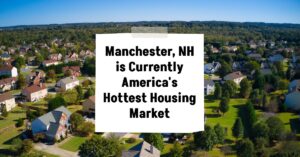
Manchester, NH is Currently America's Hottest Housing Market

Yes, you read that right! Manchester, New Hampshire, has claimed the top spot as the hottest housing market in the United States, according to the latest Realtor.com® report. This isn't just a flash in the pan; it's a testament to the city's unique appeal and the enduring qualities that are drawing homebuyers in droves. I've been watching the trends in New England real estate for years, and this surge in Manchester is something special.

Manchester, NH, is No. 1 Among America's Hottest Housing Markets

What's Making Manchester So Hot?

So, what exactly is making Manchester so attractive to buyers? It's a perfect storm of factors:

  • Low Taxes: New Hampshire is known for its no income tax and no sales tax policy, which is a huge draw.
  • Affordable Living (Relatively Speaking): While the median list price in Manchester was $579,000 in January, it still offers a competitive price point when compared to nearby metropolitan hubs like Boston.
  • Strategic Location: A 55-mile drive will get you to Boston, meaning residents can access big city amenities without paying big city prices.
  • Strong Economy: Manchester boasts a thriving local economy with opportunities in various sectors.
  • Quality of Life: The area offers good schools, a strong sense of community, and plenty of options for outdoor recreation, from hiking and skiing to lakes and parks.
  • Fast Sales: Homes in Manchester are selling very quickly, indicating high demand. The median time on the market was just 46 days, much faster than the national average of 73 days.
  • High Buyer Interest: Listings in Manchester are getting a lot of attention online, suggesting a strong level of interest from potential buyers.

The Numbers Don't Lie: A Deeper Dive into the Data

Let's break down some of the key data points that highlight Manchester's hot market status:

  • Median List Price: $579,000 in January (a nearly 4% increase from the previous month). While this is a significant price, it's important to consider the overall value proposition that Manchester offers.
  • Days on Market: 46 days, significantly lower than the national median. This indicates a fast-paced market where buyers need to be ready to act quickly.
  • Listing Views: Listings are getting close to four times the average views compared to the rest of the country. This is a clear indicator of high buyer interest.
  • Poverty Level: New Hampshire had the lowest poverty level in the U.S. in 2023, at 7.2%, according to the U.S. Census Bureau. This speaks to the state's overall economic health and stability.

Recommended Read:

10 Best Places to Live in New Hampshire

New Hampshire Housing Market Trends and Forecast 2025

New Hampshire Home Prices Hit Record-Breaking $500,000

Northeast and Midwest Still Dominate

It's interesting to note that the Northeast and Midwest continue to dominate the list of hottest housing markets. This trend has been going on for quite some time and can be attributed to several factors, including:

  • Relatively Affordable Housing: Compared to coastal markets like California, housing in the Northeast and Midwest can be more affordable, especially when considering the size and quality of homes.
  • Strong Local Economies: Many cities in these regions have diversified economies with opportunities in various sectors, attracting both employers and employees.
  • Quality of Life: These regions often offer a good balance of urban amenities and access to nature, making them appealing to a wide range of homebuyers.

The Inventory Challenge: Why Demand Remains High

While the national inventory of homes for sale is improving, Manchester faces a unique challenge:

  • Low Inventory: The area is experiencing high demand with limited availability, which is driving up prices and creating a competitive market.
  • Limited Recovery: The ongoing demand has prevented inventory from recovering to pre-pandemic levels.

The Impact of Rising Interest Rates

Even with rising interest rates, the demand for homes in Manchester remains strong. While affordability is a concern for many buyers, the city's unique advantages continue to attract those who are looking for a place to call home. As Realtor.com® senior economic research analyst Hannah Jones stated, “Housing affordability continues to be a challenge for home shoppers as home prices and mortgage rates refuse to budge significantly.”

Other Cities Making Waves

Manchester isn't the only city experiencing a surge in demand. Other markets that are performing well include:

  • Hartford, CT: Ranked number two, boasting a high number of listing views.
  • Concord, NH: Another New Hampshire city making the list, indicating a broader trend in the state.
  • Rochester, NY: Showing increased popularity.
  • Boston, MA: Demonstrating resilience despite its high price point.
  • Bloomington, IL: Entering the top 20 for the first time.

Why I Think Manchester's Hot Streak Will Continue

I believe Manchester's popularity will endure for several reasons:

  • The Tax Advantage is a Game-Changer: The lack of income and sales tax in New Hampshire will always be a significant draw, especially for those looking to maximize their earnings.
  • Location, Location, Location: Its proximity to Boston provides access to a major metropolitan area without the steep price tag.
  • A Growing Sense of Community: Manchester has a unique charm and a strong sense of community that appeals to many buyers.
  • The Outdoor Lifestyle: New Hampshire offers endless opportunities for outdoor recreation, attracting those who value an active lifestyle.
  • Continued Economic Growth: The city's diverse economy and growing job market will continue to attract new residents.

Of course, no market is immune to fluctuations, and it's important to stay informed and consult with real estate professionals for the latest information. But based on the current trends and the underlying strengths of the city, I'm confident that Manchester will remain a highly desirable place to live for years to come.

What This Means for Buyers and Sellers

For Buyers:

  • Be Prepared to Act Fast: In a market like Manchester, you need to be ready to make a decision quickly. Have your financing in place and be prepared to put in a competitive offer.
  • Work with a Local Expert: A real estate agent who knows the Manchester market inside and out can be invaluable.
  • Don't Be Afraid to Negotiate: While the market is hot, it's still important to negotiate and try to get the best possible price.
  • Consider New Construction: With new construction offering potential incentives, this could be a viable option.

For Sellers:

  • Price Your Home Strategically: Work with your agent to determine the right price for your home.
  • Prepare Your Home for Sale: Make sure your home is clean, well-maintained, and staged to appeal to buyers.
  • Be Ready for Multiple Offers: In a hot market, it's not uncommon to receive multiple offers.
  • Consider All Offers Carefully: Don't just focus on the highest price. Consider the terms and conditions of each offer as well.

Conclusion

Manchester, NH, is No. 1 among America's Hottest Housing Markets for a reason. Its low taxes, strategic location, strong economy, and high quality of life make it an attractive destination for homebuyers from all over the country. While the market is competitive, the rewards of living in this vibrant city are well worth the effort. As someone who has been involved in real estate for a long time, I'm excited to see what the future holds for Manchester.

Work with Norada in 2025, Your Trusted Source for

Real Estate Investment in the Country

Discover high-quality, ready-to-rent properties designed to deliver consistent returns.

Contact us today to expand your real estate portfolio with confidence.

Contact our investment counselors (No Obligation):

(800) 611-3060

Get Started Now

Recommended Read:

  • Top 20 Hottest Housing Markets Predicted for 2025
  • Top 10 Hottest Housing Markets Where Home Prices Are Soaring
  • 5 Hottest Real Estate Markets for Buyers & Investors in 2025
  • Hottest Real Estate Markets in Maine: Top Locations
  • The Hottest Housing Markets in Seattle Area
  • Top 10 Hottest Real Estate Markets in the World
  • Hottest Housing Markets Predicted for 2024
  • 68 Housing Markets Where Prices Have Doubled the Fastest

Filed Under: Growth Markets, Housing Market Tagged With: 2025 Forecast, Hottest Housing Markets, Housing Market, Manchester, New Hampshire, real estate, Top Housing Markets

Santa Cruz Housing Market Prices and Forecast 2025-2026

February 17, 2025 by Marco Santarelli

Santa Cruz Housing Market Prices and Forecast 2025-2026

If you're thinking about buying or selling a home in Santa Cruz, you're probably wondering what's going on with the market. The short answer? The Santa Cruz housing market is competitive, with the median sale price hovering around $1.2 million as of January 2025. While that's still a hefty price tag, it's actually down 8.3% compared to last year. Let's dive into the specifics and figure out what this means for you.

Current Santa Cruz Housing Market Trends: What's Happening Now?

Home Sales in Santa Cruz

One of the biggest changes in the Santa Cruz market is the increase in home sales. According to Redfin, in January 2025, there were 21 homes sold, which is a whopping 90.9% increase compared to the same time last year. This might indicate a shift in buyer confidence, or simply that more inventory is coming onto the market, giving buyers more options.

Home Prices in Santa Cruz

Let's talk numbers. As I mentioned, the median sale price of a home in Santa Cruz in January 2025 was $1,200,000. While this is a decrease of 8.3% year-over-year, it’s important to remember that Santa Cruz remains an expensive place to live. The median sale price per square foot is $1.11K, up 32.0% since last year. This suggests that while overall prices might be softening slightly, the value per square foot is still increasing, likely driven by demand for smaller or updated properties.

Here's a quick overview:

Metric January 2025 Year-over-Year Change
Median Sale Price $1,200,000 -8.3%
Number of Homes Sold 21 +90.9%
Median Days on Market 66 +28
Sale-to-List Price 98.6% -5.8 pt
Homes Sold Above List Price 19.0% -26.4 pt

Are Home Prices Dropping in Santa Cruz?

Yes, to a degree. The data shows an 8.3% decrease in median sale price year-over-year. However, don't expect a massive crash. The Santa Cruz market is unique, with high demand and limited inventory. It's more likely we'll see a gradual adjustment rather than a dramatic price collapse. Several factors contribute to the persistent high prices in Santa Cruz. It has a desirable coastal location, coupled with a strong local economy (driven in part by the University of California, Santa Cruz) makes it a popular place to live. This sustained demand helps keep prices elevated, even in the face of broader market fluctuations.

Comparison with Current National Median Price

The national median home price in December 2024 was around $407,500, with a year-over-year change of +6%. This starkly contrasts with Santa Cruz's $1.2 million median price. While the national market is experiencing moderate growth, Santa Cruz remains significantly more expensive. The premium you pay to live in Santa Cruz is driven by factors like its proximity to the beach, the vibrant culture, and the overall desirability of the area.

Housing Supply in Santa Cruz

The number of homes for sale, also known as housing inventory, plays a big role in determining market conditions. Unfortunately, I don't have specific data on the current inventory levels in Santa Cruz. However, the increase in homes sold (90.9% year-over-year) suggests that more properties are becoming available, which could be helping to moderate price increases. Even so, I believe that Santa Cruz is a desirable location and the supply side will always be constrained by local topography and lack of buildable land.

Is It a Buyer's or Seller's Housing Market in Santa Cruz?

Santa Cruz is still leaning towards a seller's market, but the scales are starting to balance. While many homes still get multiple offers, the data indicates that homes are staying on the market longer and that fewer properties are being sold above the list price. Homes are selling in 44 days, which is still reasonably quick, but is slower compared to the recent past. With a Redfin Compete Score™ of 72, the Santa Cruz housing market is classified as very competitive. This means that while there's still strong competition among buyers, they might have slightly more negotiating power than they did a year ago.

Market Trends in Santa Cruz

Several key trends are shaping the Santa Cruz housing market:

  • Increased Days on Market: Homes are taking longer to sell, giving buyers more time to consider their options. In January 2025, homes in Santa Cruz sold after 66 days on the market compared to 38 days last year. This shift is due to the fact that interest rates are still high.
  • Lower Percentage of Homes Sold Above List Price: While bidding wars still happen, they're becoming less common. 19.0% of homes sold above list price, which is a significant decrease of 26.4 percentage points year-over-year.
  • Migration Patterns: Interestingly, a significant portion of Santa Cruz homebuyers are looking to move out of the area. Between November 2024 and January 2025, 26% of Santa Cruz homebuyers searched to move elsewhere, with Sacramento being the most popular destination. Honolulu homebuyers searched to move into Santa Cruz more than any other metro followed by Knoxville and Santa Barbara.
  • Sale-to-List Price Ratio: The sale-to-list price ratio of 98.6% indicates that homes are selling for slightly below the asking price. This trend suggests that sellers are now slightly more open to negotiations.

Impact of High Mortgage Rates

High mortgage rates, currently hovering around 7% (as of February 2025), are undeniably impacting the Santa Cruz housing market. These elevated rates make it more expensive to borrow money, which reduces buyer affordability. This can lead to a decrease in demand, causing homes to stay on the market longer and putting downward pressure on prices.

It's a tricky situation: Rates are unlikely to plummet overnight. However, if you have a longer investment horizon, the real estate value can appreciate, and interest rate drops can be capitalized on with refinancing options.

My Two Cents

Based on the data, my professional opinion is that now might be a good time for buyers to consider entering the Santa Cruz market. With prices slightly down and homes staying on the market longer, buyers have more room to negotiate. However, it's still crucial to be prepared with pre-approval and a solid understanding of your budget.

For sellers, it's essential to price your home competitively and make any necessary repairs or upgrades to attract buyers. Work closely with a local real estate agent who understands the nuances of the Santa Cruz market to develop a winning strategy. I would strongly recommend enlisting the services of a seasoned realtor in the region.

Santa Cruz Housing Market Forecast: What's Next for Home Prices?

According to the latest Santa Cruz housing market forecast, don't expect any big jumps or drops. Zillow predicts a slight dip of -0.1% by February 2025 and the same over the year through January 2026. While it is not a housing market crash, let's dive deeper and see what's in store and what this means for you.

What's Driving the Santa Cruz Housing Market?

As someone who's been keeping a close eye on the California real estate scene for years, I can tell you that the Santa Cruz housing market is unique. It's a blend of factors, including its desirable coastal location, strong tech presence, and limited housing supply. All these factors often push prices up, but the current economic climate adds another layer of complexity. Rising interest rates and concerns about a potential recession are definitely weighing on buyers' minds, leading to a more cautious approach.

Santa Cruz Housing Market Projections: A Closer Look

Here's a breakdown of Zillow's projections as of January 31, 2025. Remember, forecasts are not guarantees, but they give us a reasonable expectation based on current trends.

Forecast Period Expected Home Value Change
February 2025 -0.1%
April 2025 0.0%
January 2026 (Year-over-Year) -0.1%

These figures suggest a relatively stable market, at least in the short term. The slight dip indicates that we're not likely to see the rapid price appreciation that was observed in previous years. In my opinion, the home prices have stabilized in Santa Cruz county.

How Does Santa Cruz Compare to Other California Markets?

It's always helpful to see how Santa Cruz stacks up against other cities in California. Here's a comparison, again based on Zillow's data:

Region Feb 2025 Jan 2026 (YoY)
Santa Cruz -0.1% -0.1%
Stockton 0.1% 0.0%
Modesto 0.1% 0.5%
Santa Rosa -0.1% -1.9%
Santa Maria 0.2% 3.0%
Salinas 0.1% 1.0%
San Luis Obispo 0.1% 0.9%
Merced 0.0% 0.5%
Chico -0.1% -3.1%
Redding 0.1% -0.8%
El Centro 0.6% 1.2%
Yuba City 0.0% 0.1%

As you can see, some markets are expected to see slight gains, while others, like Santa Rosa and Chico, are projected to experience larger declines. The Santa Cruz housing market seems to be somewhere in the middle, showing neither significant growth nor a major downturn.

Will Home Prices Drop in Santa Cruz? Will it Crash?

Based on current projections, a housing market crash in Santa Cruz seems unlikely. A crash would entail a drastic decline in home values, and the current forecast simply doesn't point to that. A slight downward trend is not a crash.

My Take on the Santa Cruz Market

I believe the Santa Cruz market will likely remain fairly stable over the next year. Inventory is still relatively low, which will support prices to some degree. However, affordability remains a significant challenge, and this will likely keep a lid on any major price increases. If interest rates remain elevated or rise further, we could see a slightly more pronounced slowdown.

Looking Ahead to 2026

While it's difficult to make precise predictions that far out, my gut feeling is that the Santa Cruz housing market will continue to be influenced by the same core factors: location, economy, and interest rates. A lot can change in a year, but for now, I'd expect a gradual and moderate pace of change, rather than any dramatic shifts.

Read More:

  • California Housing Market: Prices, Trends, Forecast 2025-2026
  • Bakersfield Housing Market Prices and Forecast 2025-2026
  • Real Estate Forecast Next 5 Years California: Crash or Boom?
  • Southern California Housing Market: Trends and Forecast 2025
  • Abandoned Houses for Free California: Can You Own Them?

Filed Under: Housing Market, Real Estate Market Tagged With: Housing Market, Santa Cruz

10 Safest Places to Live in North Carolina (2025)

February 16, 2025 by Marco Santarelli

Safest Places to Live in North Carolina

North Carolina is a great state to live in, with beautiful scenery, a strong economy, and a friendly population. But when it comes to choosing a place to live, safety is often a top priority. Here are the 10 safest places to live in North Carolina.

10 Safest Places to Live in North Carolina

1. Rolesville: A Friendly, Peaceful Town Perfect for Families

Rolesville, North Carolina, is a charming small town of approximately 7,000 residents nestled within Wake County. Renowned for its welcoming atmosphere and remarkably low crime rate, Rolesville is a haven for families seeking a safe and idyllic place to raise their children.

A Community of Tranquility and Friendliness

One of the most cherished aspects of Rolesville is its genuine sense of community. Residents are known for their warm smiles and welcoming nature, fostering a strong sense of belonging and connection.

The town's peaceful atmosphere provides a welcome respite from the hustle and bustle of city life. Here, you'll find quiet streets, friendly neighbors, and a relaxed pace of life that allows you to truly connect with your loved ones.

Abundant Parks and Recreation Facilities

Rolesville places a strong emphasis on family-friendly activities and outdoor recreation. The town boasts a plethora of parks and green spaces, perfect for enjoying the beautiful North Carolina weather:

  • Main Street Park: This central park features a playground, open fields, picnic shelters, a gazebo, and over a mile of greenway trails.
  • Mill Bridge Nature Park: This expansive park offers a variety of hiking trails, a 200-seat amphitheater, and stunning natural scenery.
  • Forgotten Pond Park: This tranquil park features a fishing pond, walking paths, and a playground.

Education and Entertainment for All Ages

Rolesville is committed to providing its residents with access to quality education and enriching experiences. The town is served by the acclaimed Wake County Public School System, known for its high academic standards.

Beyond academics, Rolesville offers a diverse range of recreational activities for all ages. From the annual Rolesville BBQ and Bands Festival to the vibrant Rolesville Arts Festival, there's always something to discover and enjoy.

Convenient Location and Growing Community

Rolesville's location offers the perfect balance of tranquility and accessibility. Situated just minutes from Raleigh-Durham, the town provides convenient access to major cities while maintaining its own unique charm.

Rolesville is experiencing steady growth, attracting new businesses and families seeking a safe and welcoming environment. This growth promises to further enhance the town's amenities and vibrant community atmosphere.

A Perfect Place to Call Home

With its low crime rate, friendly residents, abundance of parks and recreation, and commitment to education and family-friendly activities, Rolesville offers a truly special place to call home. Whether you're seeking a peaceful haven or a thriving community to raise your family, Rolesville has something to offer everyone.

2. Elon: A Vibrant College Town with a Family-Friendly Atmosphere

Nestled in the heart of North Carolina's Alamance County lies Elon, a charming college town with a population of around 10,000. Defined by its youthful energy and family-oriented charm, Elon offers a unique blend of academic excellence, safe living, and affordability.

A Hub of Academic Excellence and Youthful Energy

Elon University, the town's crowning jewel, stands as a beacon of academic excellence. Established in 1889, the university boasts over 7,400 students and a renowned faculty, offering a diverse range of undergraduate and graduate programs. This vibrant academic environment permeates every corner of Elon, creating a dynamic and stimulating atmosphere.

Beyond academics, Elon University fosters a vibrant student life. From sporting events and cultural performances to Greek life and community service initiatives, there's always something happening on campus. This energy spills over into the town, creating a lively and welcoming atmosphere for residents of all ages.

Safety and Affordability: A Winning Combination

Elon is renowned for its remarkably low crime rate, making it a haven for families seeking a safe and secure environment to raise their children. This sense of security is further enhanced by the close-knit community spirit that permeates the town.

Moreover, Elon offers a surprisingly affordable cost of living compared to other college towns. This affordability makes it a desirable destination for young professionals and families seeking to establish their roots without breaking the bank.

Family-Friendly Amenities and Activities

Elon is committed to providing its residents with an abundance of family-friendly amenities and activities. From the sprawling Elon Community Park, offering sports fields, playgrounds, and walking trails, to the vibrant Town Square Park, hosting concerts and community events, there's something for everyone to enjoy.

The town also boasts a variety of restaurants, cafes, and shops, ensuring that residents have access to all the conveniences and amenities they need.

A Place to Call Home

Whether you're a young professional seeking a vibrant atmosphere, a family looking for a safe and affordable community, or simply someone who values academic excellence and a strong sense of community, Elon has something to offer everyone. With its charming blend of youthful energy, family-friendly amenities, and safety, Elon is a place where you can truly feel at home.

3. Pinehurst: A Haven of World-Class Golf and Tranquil Charm

Nestled amidst the rolling hills of North Carolina's Moore County lies Pinehurst, a charming resort town that exudes an aura of tranquility and sophistication. It is one of the safest places to live in North Carolina. Renowned for its world-class golf courses, Pinehurst has been a haven for golfers and vacationers for over a century. With its elegant hotels, upscale restaurants, and vibrant art scene, Pinehurst offers a unique blend of relaxation, recreation, and cultural enrichment.

World-Renowned Golf Courses

Pinehurst is synonymous with golf. Home to nine championship courses, including the legendary Pinehurst No. 2, which has hosted three U.S. Open Championships, Pinehurst attracts golfers of all levels from across the globe. These meticulously maintained courses offer challenging layouts, stunning natural beauty, and a truly unforgettable golfing experience.

Beyond Golf: A Treasure Trove of Activities

While golf may be its claim to fame, Pinehurst offers a plethora of activities beyond the green. The charming Village of Pinehurst boasts a vibrant downtown area with a variety of shops, restaurants, and art galleries. Visitors can stroll down the tree-lined streets, indulge in delicious cuisine, and discover unique treasures in the many local boutiques.

For those seeking outdoor adventures, Pinehurst offers miles of scenic hiking and biking trails, as well as opportunities for horseback riding, fishing, and swimming. The nearby Weymouth Woods Sandhills Nature Preserve provides a glimpse into the region's unique ecosystem, while the Sandhills Horticultural Gardens offer a serene escape amidst lush greenery.

A Tranquil Escape for Retirees and Vacationers Alike

Pinehurst offers a peaceful and secure environment, making it a popular destination for retirees and vacationers seeking a respite from the hustle and bustle of everyday life. The town boasts a low crime rate and a friendly atmosphere, ensuring a sense of safety and belonging.

Pinehurst provides a variety of hotels and accommodations to suit every taste and budget, from historic landmarks like the Carolina Hotel to luxurious villas and cozy bed and breakfasts. These accommodations offer comfortable stays and impeccable service, ensuring a relaxing and enjoyable experience.

A Cultural Hub with a Vibrant Art Scene

Pinehurst is more than just a golfer's paradise; it is also a thriving cultural hub. The town boasts a vibrant art scene with numerous galleries, studios, and museums showcasing works by local and regional artists. The Pinehurst Arts Council actively organizes exhibitions, events, and workshops, fostering a passionate community of artists and art lovers.

The renowned Sunrise Theater, a historic landmark in the heart of Pinehurst, hosts a diverse range of performances throughout the year, including Broadway shows, concerts, and dance recitals. These cultural events provide opportunities for residents and visitors alike to enjoy enriching experiences and connect with the local community.

A Place to Live, Relax, and Discover

Whether you're a golf enthusiast seeking to conquer the legendary courses, a retiree yearning for a peaceful and enriching environment, or a vacationer seeking a charming escape, Pinehurst offers something for everyone. With its world-class golf, diverse activities, vibrant arts scene, and tranquil atmosphere, Pinehurst is a place where you can truly live, relax, and discover the very best of North Carolina.

4. Davidson: Where History Whispers and Charm Abounds

Nestled amidst the rolling hills of North Carolina's Mecklenburg County lies Davidson, one of the safest places to live in North Carolina. It is a charming town that blends historic character with vibrant college town energy. Home to Davidson College, a renowned liberal arts institution, and boasting a meticulously preserved downtown district, Davidson offers a unique blend of historical significance, academic excellence, and modern amenities.

A Glimpse into History's Tapestry

Founded in 1837, Davidson College stands as a testament to the town's rich history. The campus, listed on the National Register of Historic Places, features beautiful architecture, including the iconic Old Main building, which has graced the town center since 1844. Visitors can explore the college grounds and delve into the rich history preserved within the Davidson College Archives and Museum.

Beyond the college campus, Davidson's historic downtown district offers a journey through time. The brick-paved streets, lined with 19th-century buildings, house a variety of antique shops, art galleries, and local boutiques. The Davidson Community Historical Society Museum showcases the town's fascinating history through exhibits and artifacts, providing a deeper understanding of Davidson's past.

A Vibrant College Town Buzzing with Activity

While steeped in history, Davidson vibrates with youthful energy emanating from Davidson College. The town's charming streets are alive with students, creating a dynamic and welcoming atmosphere. From the bustling campus events and sporting competitions to the vibrant music scene and cultural offerings, there's always something happening in Davidson.

The town's parks and green spaces provide opportunities for outdoor recreation and leisure. Main Street Park, with its iconic gazebo and tree-lined walkways, is a popular spot for concerts, picnics, and leisurely strolls. Nearby Lake Norman offers boating, fishing, and swimming opportunities, while the Davidson Community Park provides athletic fields, playgrounds, and walking trails for all ages.

Living in a Safe and Secure Community

Davidson boasts a remarkably low crime rate, making it a safe and secure environment for families and individuals alike. This sense of security is further enhanced by the strong sense of community that permeates the town. Residents are known for their friendly demeanor and willingness to help one another, creating a warm and welcoming atmosphere.

A Culinary Destination for Foodies

Davidson has become a haven for foodies, offering a diverse culinary scene that caters to every palate. From cozy cafes serving locally sourced cuisine to upscale restaurants offering innovative dishes, there's something for everyone to satisfy their taste buds. The town also hosts a vibrant farmers market, providing residents with fresh, locally grown produce and gourmet goods.

A Place to Call Home

With its rich history, charming atmosphere, vibrant college town energy, and commitment to safety and community, Davidson offers an ideal place to live, work, and raise a family. Whether you're drawn to the historic charm, the intellectual stimulation of the college environment, or the vibrant community spirit, Davidson has something to offer everyone. Come experience the magic of Davidson and discover a place where history whispers and charm abounds.

5. Winterville: A Thriving Community Where Growth Meets Affordability

Nestled amidst the rolling plains of Pitt County, North Carolina, lies Winterville, a town experiencing exciting growth while maintaining its friendly, small-town atmosphere. With a population of approximately 12,000, Winterville offers a welcoming environment for families, young professionals, and retirees alike.

A Community on the Rise

Winterville is experiencing remarkable growth, with new businesses and developments emerging across the town. This growth brings with it a dynamic energy, creating new opportunities for employment and entrepreneurship. From innovative tech startups and healthcare facilities to trendy boutiques and restaurants, Winterville's diverse business landscape caters to a wide range of needs and interests.

Despite its rapid growth, Winterville remains committed to preserving its small-town charm. The town's historic downtown district, with its brick-paved streets and charming architecture, offers a taste of Winterville's rich past. Local shops, cafes, and art galleries line the streets, creating a vibrant hub for community gatherings and events.

Affordable Living in a Safe Environment

Winterville remains an attractive option for those seeking affordable living. The cost of housing and everyday expenses in Winterville are significantly lower than in nearby cities, making it a financially viable choice for families and individuals.

This affordability is further enhanced by the town's low crime rate and strong sense of community. Residents are known for their friendly nature and welcoming spirit, fostering a safe and secure environment for families to thrive.

A Wealth of Recreational Activities

Winterville offers a diverse range of recreational activities for all ages and interests. The town boasts several parks, including the expansive Town Common Park, which features sports fields, playgrounds, walking trails, and a dog park. Green Springs Park provides access to fishing, boating, and paddle boarding, while the nearby Greenville-Pitt County Airport offers opportunities for skydiving and flight training.

Winterville is also a haven for outdoor enthusiasts. The town is located near several state parks and nature preserves, offering ample opportunities for hiking, camping, and wildlife viewing. Additionally, the extensive network of greenway trails allows residents to explore the town and its surrounding natural beauty on foot or by bike.

A Place to Connect and Belong

Winterville fosters a strong sense of community through its numerous events and festivals. From the annual Winterville Summerfest, featuring live music, food vendors, and family-friendly activities, to the Fall Festival, celebrating the season with local vendors, hayrides, and pumpkin carving, there's always something happening in Winterville to bring people together.

The town also boasts a vibrant arts and culture scene, with art galleries, theaters, and performance venues offering diverse artistic expressions. These cultural offerings provide residents with opportunities to engage with the arts, connect with fellow community members, and discover new talents.

A Perfect Place to Call Home

With its thriving economy, affordable living, safe environment, and abundance of recreational and cultural opportunities, Winterville offers a perfect place to call home. Whether you're seeking a peaceful escape from the city life, a dynamic community for your family, or a vibrant environment to start your own business, Winterville has something to offer everyone. Come experience the warmth and charm of this growing town and discover your own piece of the North Carolina countryside.

6. Apex: Where Dynamic Growth Meets Family-Friendly Charm

Nestled within the vibrant Wake County, North Carolina, lies Apex, a thriving town experiencing remarkable growth while retaining its family-friendly charm. With a population of approximately 57,000, Apex offers a dynamic blend of urban amenities, excellent schools, and a safe, welcoming environment for families and individuals alike. It is also considered a safe place to live in North Carolina.

A Growth Story Anchored in Family Values

Apex is rapidly expanding, attracting diverse businesses and residents seeking a vibrant community near Raleigh. This growth is fueled by a robust economy, fostering strong employment opportunities and entrepreneurial ventures. The town's strategic location within the Research Triangle Park, a hub of technology and innovation, further contributes to its economic prosperity.

Safety and Security: A Cornerstone of Community Life

Apex prioritizes the safety and security of its residents, boasting a remarkably low crime rate. This commitment to safety is evident in the town's well-maintained infrastructure, responsive police force, and active community watch programs. Residents feel secure and comfortable raising their families in this peaceful and welcoming environment.

A Vibrant Hub for Recreation and Entertainment

Apex offers an abundance of recreational and entertainment options for all ages and interests. The town boasts numerous parks and green spaces, including the expansive Apex Community Park, featuring sports fields, playgrounds, walking trails, and an aquatic center. For outdoor enthusiasts, nearby nature preserves and lakes provide opportunities for hiking, biking, fishing, and boating.

The town's vibrant downtown district offers a unique blend of history and modernity. Brick-paved streets lined with charming shops, restaurants, and art galleries create a bustling atmosphere for local events and festivals. The Halle Cultural Arts Center, a historic landmark, regularly hosts concerts, theatrical performances, and art exhibitions, enriching the cultural landscape of Apex.

A Connected Community with a Strong Identity

Apex fosters a strong sense of community through its numerous events and festivals. The annual Peak City Pigfest, featuring live music, delicious barbecue, and family-friendly activities, is a highlight of the summer. Throughout the year, a variety of community events and gatherings bring residents together, fostering a sense of belonging and connection.

Furthermore, Apex is home to a diverse population of residents from various backgrounds and cultures. This diversity is celebrated through community initiatives and cultural events, creating a welcoming and inclusive environment for all.

A Prime Location with Easy Access to Raleigh

Apex's strategic location within Wake County offers residents easy access to the amenities and attractions of Raleigh, the state capital. Residents can enjoy the bustling city life while retaining the peaceful and family-friendly atmosphere of Apex. This convenient proximity to Raleigh makes Apex a desirable location for professionals and families alike.

A Place Where Growth and Family Values Flourish

Apex offers a unique and dynamic environment where families can thrive. With its strong economy, excellent schools, low crime rate, and abundance of recreational and cultural opportunities, Apex provides everything needed to build a fulfilling life. Whether you're seeking a safe and secure community to raise your children, a vibrant hub for your family, or a convenient location near Raleigh, Apex has something to offer everyone. Come discover the charm and dynamic growth of Apex and find your own piece of paradise in this thriving North Carolina town.

7. Waxhaw: Where Small-Town Charm Meets Modern Growth

Nestled amidst the rolling hills of Union County, North Carolina, lies Waxhaw, a town where traditional charm seamlessly blends with modern growth. With a population of approximately 12,000, Waxhaw offers a welcoming environment for families, young professionals, and retirees alike.

A Town on the Rise

Waxhaw is experiencing steady growth, attracting new businesses and residents seeking a vibrant and affordable community. This growth is evident in the expansion of the downtown district, featuring trendy shops, restaurants, and art galleries. Additionally, new residential developments offer a variety of housing options to accommodate the growing population.

Affordability and Safety: Top Priorities

Waxhaw remains a financially attractive option for families and individuals seeking a comfortable lifestyle. The cost of living in Waxhaw is significantly lower than in nearby cities, making it a viable choice for those on a budget. This affordability is further enhanced by the town's low crime rate, creating a safe and secure environment for residents of all ages.

A Playground for Outdoor Enthusiasts

Waxhaw is a haven for nature lovers, offering a diverse range of outdoor activities. The expansive Waxhaw Creek Park features miles of scenic walking trails, playgrounds, and athletic fields, ideal for enjoying the outdoors. Nearby lakes offer opportunities for fishing, boating, and paddleboarding, while the Uwharrie National Forest provides ample opportunity for hiking, camping, and wildlife viewing.

The town is also home to several public golf courses, catering to golfers of all skill levels. Additionally, a network of greenways connects Waxhaw to neighboring towns, allowing residents to explore the surrounding area on foot or by bike.

Community Spirit and Cultural Connections

Waxhaw fosters a strong sense of community through its numerous events and festivals. The annual Waxhaw Independence Day Celebration, featuring fireworks, live music, and family-friendly activities, is a highlight of the summer. Throughout the year, farmers markets, art walks, and community concerts bring residents together and celebrate local talent.

The town also boasts a vibrant arts and culture scene. The Waxhaw Arts Council actively promotes artistic expression through exhibitions, workshops, and performances. The historic Waxhaw Depot, now a cultural center, hosts a variety of events, from live music and theater productions to art exhibitions and lectures.

A Perfect Place to Call Home

With its growing economy, affordable living, safe environment, and abundance of recreational and cultural opportunities, Waxhaw offers a perfect place to call home. Whether you're seeking a peaceful escape from city life, a dynamic environment to raise your family, or a convenient location near Charlotte, Waxhaw has something to offer everyone. Come experience the charm and potential of Waxhaw and discover your own piece of paradise in this vibrant North Carolina town.

8. Cary: Where Affluence Meets Community Spirit

Nestled within the heart of North Carolina's Wake County lies Cary, also considered a safe place to live in North Carolina. It is a vibrant town that exudes a sophisticated charm. With its population hovering around 165,000, Cary has become a highly sought-after destination for families and professionals seeking a thriving community with a high quality of life.

A Beacon of Academic Excellence

Cary boasts an exceptional public school system, consistently recognized for its academic rigor and dedicated educators. This commitment to education, coupled with diverse educational options, including prestigious magnet schools and higher learning institutions like Wake Tech Community College, has earned Cary the reputation as a haven for families with children.

Beyond Education: A Thriving Hub of Opportunities

Cary offers a dynamic and diverse economy, attracting numerous businesses and fostering a thriving entrepreneurial spirit. From established tech giants to innovative startups, Cary's economic landscape provides a wealth of employment opportunities across various industries.

This economic vitality translates into a high standard of living for Cary's residents. The town boasts a plethora of upscale amenities, including world-class shopping at the Cary Towne Center, renowned restaurants serving diverse cuisines, and luxurious entertainment options.

A Sanctuary of Safety and Welcoming Spirit

Cary prioritizes the safety and security of its residents, proudly maintaining a remarkably low crime rate. This commitment to safety is evident in the town's well-developed infrastructure, responsive police force, and active community watch programs. Residents feel secure and comfortable raising their families in this peaceful and welcoming environment.

A Cultural Tapestry Woven with Community Events

Cary fosters a strong sense of community through its numerous events and festivals. From the annual Lazy Daze Arts & Crafts Festival, showcasing local artists and artisans, to the popular Koka Booth Amphitheatre concerts, featuring world-renowned musicians, Cary offers a vibrant calendar of cultural events.

The town also boasts a thriving arts scene, with galleries, theaters, and museums offering diverse artistic expressions. These cultural offerings provide residents with opportunities to engage with the arts, connect with fellow community members, and discover new talents.

A Haven for Outdoor Recreation and Leisure

Cary's abundant parks and green spaces provide a welcome escape from urban life. The sprawling Hemlock Bluffs Nature Preserve offers miles of scenic hiking trails, while the expansive Cary Community Park features sports fields, playgrounds, and an aquatic center.

For aquatic enthusiasts, Bond Park provides access to paddleboarding, kayaking, and fishing, while the nearby Jordan Lake State Recreation Area offers opportunities for camping, boating, and swimming. Cary's extensive greenway system allows residents to explore the town and its surrounding natural beauty on foot or by bike.

A Place Where Dreams Take Root

With its excellent schools, thriving economy, high quality of life, and strong community spirit, Cary offers a perfect place to call home. Whether you're seeking a safe and affluent environment to raise your children, a vibrant community to pursue your career ambitions, or a peaceful haven to enjoy your golden years, Cary has something to offer everyone. Come discover the charm and boundless potential of Cary and find your own piece of paradise in this thriving North Carolina town.

9. Fuquay-Varina: Where Southern Charm Meets Modern Growth

Nestled amidst the rolling hills of North Carolina's Wake County lies Fuquay-Varina, a charming town where Southern hospitality blends seamlessly with modern development. With a population of approximately 20,000, Fuquay-Varina offers a welcoming atmosphere for families, young professionals, and retirees alike.

A Thriving Community on the Rise

Fuquay-Varina is experiencing steady growth, attracting diverse businesses and residents seeking a vibrant and affordable community. This growth is evident in the expansion of the historic downtown district, featuring trendy shops, restaurants, and art galleries. Additionally, new residential developments offer a variety of housing options to accommodate the growing population.

Despite its growth, Fuquay-Varina retains its Southern charm. The historic downtown district boasts a collection of 19th-century buildings, some of which now house charming antique shops and local eateries. The Fuquay Mineral Spring, a landmark dating back to the 1800s, continues to provide its “healing waters” and serves as a reminder of the town's rich history.

Affordability and Safety: A Winning Combination

Fuquay-Varina remains an attractive option for families and individuals seeking a comfortable lifestyle without breaking the bank. The cost of living in Fuquay-Varina is significantly lower than in nearby cities, making it a viable choice for those on a budget. This affordability is further enhanced by the town's low crime rate, creating a safe and secure environment for residents of all ages.

A Playground for Outdoor Enthusiasts and History Buffs

Fuquay-Varina offers a delightful blend of outdoor activities and historical exploration. The expansive Fuquay-Varina Community Park features miles of scenic walking trails, sports fields, playgrounds, and an aquatic center, ideal for enjoying the outdoors. Nearby Jordan Lake State Recreation Area provides opportunities for camping, boating, swimming, and fishing.

For history enthusiasts, the Fuquay-Varina Museum offers a glimpse into the town's past with exhibits and artifacts. The Ashworth Park, adjacent to the museum, features the town's first post office, schoolhouse, and caboose, providing a tangible connection to the town's history.

Community Spirit and Cultural Connections

Fuquay-Varina fosters a strong sense of community through its numerous events and festivals. The annual Fuquay-Varina Arts Festival, showcasing local artists and artisans, is a highlight of the summer. Throughout the year, farmers markets, live music events, and community gatherings bring residents together and celebrate local talent.

The town also boasts a thriving arts scene. The Fuquay-Varina Arts Center hosts a diverse range of performances and exhibitions, from theatrical productions and dance recitals to art exhibits and workshops. Additionally, the historic Varina Train Depot has been transformed into a cultural center, offering art classes, studios, and performance spaces.

A Perfect Place to Call Home

With its growing economy, affordable living, safe environment, abundance of recreational and cultural opportunities, and welcoming Southern charm, Fuquay-Varina offers a perfect place to call home. Whether you're seeking a peaceful escape from city life, a dynamic environment to raise your family, or a convenient location near Raleigh, Fuquay-Varina has something to offer everyone. Come experience the charm and potential of Fuquay-Varina and discover your own piece of paradise in this thriving North Carolina town.

10. Holly Springs: Where Tranquility Meets Thriving Growth

Nestled amidst the rolling hills of North Carolina's Wake County, lies Holly Springs, a vibrant town where tranquility meets thriving growth. Boasting a population of approximately 38,000, Holly Springs offers a welcoming environment for families, young professionals, and retirees alike.

A Haven for Families

Holly Springs is renowned for its excellent public school system, consistently recognized for its academic excellence and dedicated educators. This commitment to education, coupled with diverse educational options, including magnet programs and higher learning institutions like Wake Tech Community College, positions Holly Springs as a top choice for families seeking a nurturing environment for their children.

Beyond academics, Holly Springs offers a plethora of family-oriented activities and amenities. The expansive Sugg Farm Park features a petting zoo, playgrounds, picnic shelters, and walking trails, providing ample opportunities for outdoor fun. The Holly Springs Aquatic Center offers swimming pools, water slides, and splash pads, ensuring aquatic adventures for all ages.

Thriving Economy and Diverse Opportunities

Holly Springs boasts a diverse and growing economy, attracting a variety of businesses and fostering a thriving entrepreneurial spirit. From renowned biotech companies like Novo Nordisk to innovative startups, Holly Springs provides a dynamic landscape for career opportunities across various industries.

This economic vitality translates into a high standard of living for Holly Springs' residents. The town boasts a vibrant downtown district lined with trendy shops, restaurants serving diverse cuisines, and upscale entertainment options. Additionally, Holly Springs Towne Center offers a convenient shopping experience with renowned stores and brands.

Tranquility and Safety: A Top Priority

Holly Springs prioritizes the safety and well-being of its residents, maintaining a remarkably low crime rate. This commitment to safety is evident in the town's well-maintained infrastructure, responsive police force, and active community watch programs. Residents feel secure and comfortable raising their families in this peaceful and welcoming environment.

A Hub for Community Events and Cultural Connections

Holly Springs fosters a strong sense of community through its numerous events and festivals. The annual Holly Springs Cultural Arts Festival, showcasing local artists and artisans, is a highlight of the summer. Throughout the year, farmers markets, live music events, and community gatherings bring residents together and celebrate local talent.

The town also boasts a vibrant arts scene. The Holly Springs Cultural Center hosts a diverse range of performances and exhibitions, from theatrical productions and dance recitals to art exhibits and workshops. Additionally, the historic Holly Springs Depot has been transformed into a cultural center, offering art classes, studios, and performance spaces.

A Paradise for Outdoor Enthusiasts

Holly Springs offers a delightful blend of outdoor activities and natural beauty. The expansive Bass Lake Park features miles of scenic walking and biking trails, a fishing pier, and boat rentals, providing ample opportunities for outdoor recreation. Nearby Lake Jordan State Recreation Area offers camping, boating, swimming, and fishing opportunities.

For golf enthusiasts, the Holly Springs Country Club and the Carolina Trace Country Club offer challenging courses and picturesque settings. Additionally, the Holly Springs Greenway system provides a network of interconnected trails, allowing residents to explore the town and its surrounding natural beauty on foot or by bike.

A Place to Live, Grow, and Thrive

With its excellent schools, thriving economy, high quality of life, abundance of recreational and cultural opportunities, and strong sense of community, Holly Springs offers a perfect place to live, grow, and thrive. Whether you're seeking a peaceful escape from city life, a vibrant environment to raise your family, or a convenient location near Raleigh, Holly Springs has something to offer everyone. Come experience the charm and potential of Holly Springs and discover your own piece of paradise in this dynamic North Carolina town.

These are just a few of the many safe places to live in North Carolina. When choosing a place to live, it is important to consider your individual needs and preferences.

Read More:

  • Best Places to Live in South Carolina for Families (2025)
  • Best Places to Live in North Carolina for Families and Retirees (2025)
  • Best Places to Live in North Carolina Near the Beach
  • Best Places To Live In South Carolina Near The Beach
  • 10 Best Places To Retire In South Carolina

Filed Under: Housing Market, Real Estate Market Tagged With: Housing Market, Stockton

Bakersfield Housing Market Prices and Forecast 2025-2026

February 16, 2025 by Marco Santarelli

Bakersfield Housing Market

If you're wondering about the current Bakersfield housing market trends, here's the scoop: As of January 2025, the market is somewhat competitive. The median sale price for a home in Bakersfield is around $410,000, which is up 5.1% compared to last year. While prices have increased, the number of homes sold has decreased slightly, and homes are staying on the market longer. Let's dive into the details and see what these trends mean for buyers and sellers like you.

Current Bakersfield Housing Market Trends:

Home Sales

The number of home sales is a key indicator of the overall health of the housing market. In Bakersfield, we've seen a slight dip in the past year. Here's the breakdown:

  • According to Redfin, in January 2025, there were 210 homes sold in Bakersfield.
  • This is a 12.5% decrease compared to the 240 homes sold in January of the previous year.

This decrease in home sales could indicate several things:

  • Lower demand from buyers due to factors like higher mortgage rates.
  • Limited inventory of homes available for sale.
  • Hesitation from sellers to list their homes, perhaps waiting for more favorable market conditions.

Home Prices

Despite the decrease in home sales, home prices in Bakersfield have continued to rise. Here's what you need to know:

  • The median sale price of a home in Bakersfield in January 2025 was $410,000.
  • This represents a 5.1% increase compared to the median sale price in January of the previous year.
  • The median sale price per square foot is $237, which is up 7.7% since last year.

These figures suggest that while fewer homes are being sold, the demand for housing in Bakersfield is still strong enough to push prices upward.

Are Home Prices Dropping?

While the overall trend is upward, it's important to look at other indicators to get a complete picture. One such indicator is the percentage of homes with price drops.

  • In January 2025, 26.7% of homes in Bakersfield had price drops.
  • This is a 5.9% increase compared to the previous year.

This suggests that some sellers are finding it necessary to reduce their asking prices in order to attract buyers. This could be due to overpricing initially, or it could indicate that buyer resistance is growing at current price levels.

Comparison with Current National Median Price

To put Bakersfield's home prices in perspective, let's compare them to the national median price.

  • The national median sale price in December 2024 was $407,500.
  • This represents a 6% year-over-year change.
  • Bakersfield's median sale price of $410,000 is 2% lower than the national average.

This comparison shows that Bakersfield's housing market is relatively in line with the national market. Bakersfield is still an affordable option compared to many other parts of California.

Housing Supply

The housing supply, or inventory of homes for sale, plays a crucial role in determining market dynamics. A low housing supply typically favors sellers, while a high supply favors buyers.

Unfortunately, the exact inventory numbers for Bakersfield specifically weren't available in this dataset. However, the fact that homes are staying on the market longer (50 days compared to 35 days last year) suggests that the housing supply may be increasing slightly.

Is It a Buyer's or Seller's Housing Market?

Determining whether it's a buyer's or seller's market involves looking at several factors, including:

  • Sale-to-List Price Ratio: This ratio compares the final sale price to the original list price.
  • Homes Sold Above List Price: The percentage of homes that sell for more than the asking price.
  • Days on Market: How long homes stay on the market before being sold.

Here's how Bakersfield fares in these categories:

  • Sale-to-List Price: 98.8% (-0.66 pt year-over-year)
  • Homes Sold Above List Price: 25.7% (-6.0 pt year-over-year)
  • Median Days on Market: 50 (+15 year-over-year)

Based on these numbers, I'd say the Bakersfield housing market is slightly leaning towards a buyer's market, but is still overall somewhat competitive. Here's why:

  • The sale-to-list price ratio is slightly below 100%, indicating that homes are, on average, selling for a bit below the asking price.
  • The percentage of homes sold above list price has decreased, suggesting that bidding wars are becoming less common.
  • The increased days on market shows that homes are taking longer to sell, giving buyers more time to consider their options.

Market Trends

Beyond the numbers, it's important to understand the broader trends shaping the Bakersfield housing market. Some key trends include:

  • Migration Patterns: People are still moving to Bakersfield from larger metros like Los Angeles and San Francisco, likely seeking more affordable housing. However, many Bakersfield residents are looking to move to places like San Luis Obispo, Portland, and Denver.
  • Increased Price Drops: More sellers are having to reduce their asking prices to attract buyers.
  • Longer Days on Market: Homes are staying on the market longer, giving buyers more negotiating power.

Impact of High Mortgage Rates

One of the biggest factors influencing the housing market right now is mortgage rates. Currently hovering around 7% (as of February 2025), these rates have a significant impact on affordability.

  • Higher mortgage rates mean that buyers have to pay more each month for their mortgage, which can reduce their purchasing power.
  • This can lead to lower demand for homes, which can put downward pressure on prices.
  • Many potential buyers may be delaying their home purchases until rates come down.

Here's a simple table summarizing the key metrics:

Metric January 2025 Year-over-Year Change
Median Sale Price $410,000 +5.1%
Number of Homes Sold 210 -12.5%
Median Days on Market 50 +15
Sale-to-List Price Ratio 98.8% -0.66 pt
Homes Sold Above List Price 25.7% -6.0 pt

My Thoughts

Based on these trends, my take is that the Bakersfield housing market is in a transitional phase. While prices are still up compared to last year, the market is showing signs of cooling down. The increase in homes with price drops and the longer days on market suggest that buyers are becoming more cautious.

Given the current mortgage rate environment, I expect this trend to continue in the coming months. While I don't anticipate a major crash in home prices, I do think we'll see a more balanced market with less intense competition among buyers.

What Does This Mean for You?

If you're a buyer, this could be good news. You may have more negotiating power and more time to find the right home. Don't rush into a purchase, and be sure to shop around for the best mortgage rates.

If you're a seller, it's important to be realistic about your asking price. Don't overprice your home, and be prepared to negotiate with buyers. Consider making improvements to your home to make it more attractive to potential buyers.

Bakersfield Housing Market Forecast: What to Expect in 2025 and Beyond

Wondering what's going to happen with the Bakersfield housing market in the near future? Based on the latest projections, the Bakersfield, CA housing market is expected to see moderate growth in 2025, with Zillow predicting a 3.9% increase in home values by the end of the year. This growth, though, needs a detailed exploration for us to plan our next move.

Let's dive deeper into what the numbers suggest and what it might mean for you.

What the Experts are Saying:

Zillow's latest MSA Forecast paints an interesting picture of the Bakersfield real estate scene. Here's a breakdown of what they're predicting:

  • Near-Term (January 2025): A 0.4% increase in home values.
  • Next Quarter (March 2025): A further increase, reaching 1.1%.
  • End of Year (December 2025): An overall increase of 3.9%.

Here is a summary of the data for a better view:

Forecast Period Predicted Home Value Change
January 2025 0.4%
March 2025 1.1%
December 2025 3.9%
  • Source: Zillow MSA Forecast, December 2024.

Bakersfield vs. Other California Markets: How Does it Compare?

It's always helpful to see how Bakersfield stacks up against other major California cities. Here's a comparison of Zillow's forecasts for some key areas, which I have compiled from their data:

Region Predicted Home Value Change (December 2025)
Bakersfield, CA 3.9%
Los Angeles, CA 1.8%
San Francisco, CA 0%
Riverside, CA 3.2%
San Diego, CA 3.6%
Sacramento, CA 1.1%
San Jose, CA 0.2%
Fresno, CA 2.8%

As you can see, Bakersfield is projected to experience stronger growth than many of the larger, more expensive markets like Los Angeles and San Francisco. It's also pacing ahead of its neighbor Fresno. This could indicate that Bakersfield offers a more affordable entry point into the California housing market, leading to increased demand and price appreciation.

Will Home Prices Drop in Bakersfield? Is a Crash Coming?

While predicting the future is impossible, the current data doesn't point to a significant price drop or a market crash in Bakersfield. The forecast suggests steady, moderate growth. Of course, unforeseen economic events could always change the trajectory, so it's crucial to stay informed.

Looking Ahead for the Bakersfield Housing Market in 2026

Based on current trends and the projected growth for 2025, I anticipate that the Bakersfield housing market will continue to see moderate appreciation in 2026. Assuming interest rates don't skyrocket and the local economy remains stable, a growth rate of 2-4% seems plausible.

Factors Influencing the Market

Several factors are likely to play a role in shaping the Bakersfield housing market:

  • Interest Rates: Mortgage rates have a huge impact on affordability.
  • Job Growth: A strong local economy attracts new residents and drives housing demand.
  • Inventory Levels: The number of homes available for sale will influence price competition.
  • Population Growth: An increase in population adds to housing needs.

Final Thoughts

The Bakersfield housing market appears poised for continued, albeit moderate, growth in the coming year. While a crash seems unlikely based on current data, potential buyers and sellers should always do their research, consult with local real estate professionals, and consider their individual circumstances before making any major decisions.

Should You Invest in the Bakersfield Real Estate Market?

Bakersfield Home Appreciation: A Decade of Above-Average Growth

Over the last ten years, Bakersfield has experienced a noteworthy trend in home appreciation rates, surpassing the national average. According to data from NeighborhoodScout, the cumulative appreciation rate for homes in Bakersfield during this period stands at an impressive 110.25%. This places Bakersfield's real estate market in the top 30% nationwide in terms of overall appreciation.

Breaking down the figures, Bakersfield has seen an annual average house appreciation rate of 7.71% over the past decade. This consistent and above-average growth reflects the city's robust real estate market, making it an attractive destination for homeowners and investors alike.

Population Growth and Trends

Bakersfield, with its strategic location in California's Central Valley, has experienced consistent population growth over the years. The city's population trends indicate a steady increase, which is a positive sign for real estate investors seeking areas with a potential demand for housing.

  • Population Dynamics: The city's diverse population contributes to a dynamic real estate market, catering to various housing preferences.
  • Migration Patterns: Analyzing migration patterns reveals a consistent influx of residents, creating a stable demand for housing options.
In the larger Bakersfield metro area, the population in 2023 was 730,000, a 1.67% increase from 2022. In 2022, it was 718,000, a 1.84% increase from 2021. In 2021, it was 705,000, a 2.03% increase from 2020.

Economy and Jobs

The economic landscape of Bakersfield is a crucial factor for real estate investors. Understanding the city's economy and job market is pivotal for making informed investment decisions.

  • Job Opportunities: Bakersfield's economy is anchored in industries like agriculture, oil, and manufacturing, providing a diverse range of job opportunities.
  • Employment Stability: The stability of key industries contributes to a resilient job market, fostering economic stability that positively impacts the real estate sector.

Livability and Other Factors

Livability is a key consideration for both residents and investors. Factors such as amenities, education, and safety contribute to the overall appeal of the Bakersfield real estate market.

  • Amenities: Bakersfield boasts a range of amenities, including parks, cultural attractions, and recreational facilities, enhancing the overall quality of life for residents.
  • Educational Institutions: The presence of reputable educational institutions is a crucial factor, attracting families and students, positively influencing the demand for housing.
  • Safety Measures: A focus on safety and community well-being adds to the city's appeal, making it an attractive destination for potential real estate investors.
  • Affordability: The cost of living in Bakersfield is significantly lower than the California average, attracting businesses and residents alike.

Rental Property Market Size and Growth

For investors interested in rental properties, analyzing the market size and growth potential is essential to maximize returns on investment. The city's housing landscape is diverse, catering to both homeowners and renters, with 59.27% owning their residences and 40.73% opting for rental accommodations.

  • Market Size: Bakersfield's rental property market has shown substantial growth, with a diverse range of rental options catering to various tenant demographics.
  • Rental Demand: Factors like job opportunities and population growth contribute to a sustained demand for rental properties, creating a lucrative market for investors.
  • Single-family Detached Homes: When it comes to housing types, single-family detached homes dominate the Bakersfield real estate scene, constituting a significant 71.35% of the city's housing units. Other prevalent housing options include large apartment complexes or high-rise apartments (13.40%), duplexes, homes converted to apartments, or other small apartment buildings (9.06%), and a small percentage of row houses and other attached homes (3.39%).

Other Factors Related to Real Estate Investing

Several additional factors play a role in the attractiveness of the Bakersfield real estate market for investors.

  • Infrastructure Development: Ongoing and planned infrastructure projects can positively impact property values, making it a promising prospect for long-term investors.
  • Market Affordability: Bakersfield's real estate market offers affordability compared to some other California cities, making it an enticing option for investors looking for reasonable entry points.

In summary, the Bakersfield real estate market presents a compelling opportunity for investors. With a growing population, diverse economy, and favorable livability factors, the city offers a robust environment for real estate growth and profitability.

Read More:

  • California Housing Market: Prices, Trends, Forecast 2025-2026
  • Real Estate Forecast Next 5 Years California: Crash or Boom?
  • Southern California Housing Market: Trends and Forecast 2025
  • Los Angeles Housing Market: Prices, Trends, Forecast 2025-2026
  • San Diego Housing Market: Trends and Forecast 2025

Filed Under: Growth Markets, Housing Market, Real Estate Investing Tagged With: Bakersfield, Housing Market

Del City Housing Market Prices and Forecast 2025-2026

February 16, 2025 by Marco Santarelli

Del City Housing Market

Wondering what's happening in the Del City real estate market? Well, to put it simply, the Del City housing market is currently somewhat competitive. Home prices are up slightly from last year, but sales are down. Let's dive into the specifics of what's going on so you can make informed decisions whether you're buying, selling, or just keeping an eye on the market.

Del City Housing Market Trends and Forecast 2025

Home Sales

Looking at the numbers, home sales in Del City have decreased recently. According to Redfin, in January 2025, there were 17 homes sold, which is down 15% compared to the 20 homes sold in January of the previous year. It's essential to note that the sales are down YOY (year-over-year).

Home Prices

The good news for homeowners? Home prices in Del City are still rising, albeit modestly. The median sale price in January 2025 was $149,000, which is a 4.6% increase compared to January 2024. However, the median sale price per square foot is $110, which is down 13.4% since last year. This could indicate that while overall prices are up, the size of homes being sold might be smaller or that the cost of space in Del City is slowly decreasing, requiring further investigation.

Are Home Prices Dropping?

While the overall median sale price is up, it's a natural question to wonder if prices are on the verge of dropping. It's tough to say definitively, but here's what I'm seeing: The median sale price per square foot has fallen and the increase in price is less than other cities across the nation. I wouldn't say that home prices are necessarily dropping, but the market may be cooling off slightly.

Comparison with Current National Median Price

The current national median price is around $407,500 which is about $258,500 higher than the median price for Del City which is $149,000. This means you can buy about 2.74 Del City homes for the price of one national median. The national median saw a Year-over-Year Change +6% (December 2024). The rate of increase across the nation is higher.

Here's a simple comparison table:

Metric Del City, OK (Jan 2025) National (Dec 2024)
Median Sale Price $149,000 $407,500
Year-over-Year Change +4.6% +6%

Housing Supply

I'm seeing a decrease in the available housing supply in Del City. The numbers indicate that homes are spending a bit longer on the market as well. Homes spent an average of 36 days on the market in January 2025, which is up from 30 days in the previous year. This change is interesting because homes are taking longer to sell, but prices are still increasing.

Is It a Buyer's or Seller's Housing Market?

This is the million-dollar question! Given the data, I'd classify Del City as leaning slightly towards a seller's market, but it's not as strong as it once was. Here's why:

  • Prices are up: This favors sellers.
  • Homes are selling faster than the national average: While time on market has increased, 36 days is still a relatively short timeframe.
  • Inventory is still somewhat limited: Although sales have decreased, there's still demand outpacing supply.

In conclusion, it's more advantageous for sellers, though not as hot as it was in recent years. It's not strongly a seller's market, and a buyer can find some wiggle room in the negotiation in this somewhat competitive market.

Market Trends

Several factors are driving the current market trends in Del City. Let's break them down:

  • Migration Patterns: Data shows that more people are moving into Del City from major metropolitan areas like Dallas, Los Angeles, and Miami. This influx of buyers can put upward pressure on prices. However, people are leaving for McAlester and other smaller towns.
  • Sale-to-List Price Ratio: In January 2025, the sale-to-list price ratio was 96.1%, which is down 0.98 points year-over-year. This suggests that buyers are having slightly more success negotiating prices down from the initial listing price than they were a year ago. This is a key aspect to consider.
  • Homes Sold Above List Price: Only 23.5% of homes sold above list price in January 2025, down 6.5 points from the previous year. Again, this points toward a slightly less competitive market where bidding wars aren't as common.
  • Homes with Price Drops: 27.1% of homes had price drops in January 2025, down 15.0 points year-over-year. This could mean sellers are initially pricing their homes higher, and only dropping the prices when necessary, and could be a good opportunity for buyers.

Impact of High Mortgage Rates

One of the biggest factors impacting housing markets nationwide is the presence of high mortgage rates. With rates currently hovering around 7% (as of February 2025), it's definitely affecting affordability and buyer demand.

  • Reduced Affordability: Higher rates mean larger monthly mortgage payments, which can price some potential buyers out of the market.
  • Slower Sales: As a result of reduced affordability, homes may take longer to sell, and the number of sales can decline.
  • Price Pressure: While prices in Del City are still up, rising rates could eventually put downward pressure on prices as demand softens.

My Perspective: I think it's important to remember that real estate is local. National trends can give you a general idea, but what really matters is what's happening in your specific area. Del City has its own unique dynamics at play, including its proximity to Oklahoma City, its affordability compared to other areas, and the specific industries that drive its economy.

Table of Market Data

Metric January 2024 January 2025 Year-over-Year Change
Median Sale Price $142,500 $149,000 +4.6%
Number of Homes Sold 20 17 -15.0%
Median Days on Market 30 36 +6
Sale-to-List Price Ratio 97.08% 96.1% -0.98 pt
Homes Sold Above List Price 30% 23.5% -6.5 pt
Homes with Price Drops 42.1% 27.1% -15.0 pt
Median Sale Price Per Sq Ft $127 $110 -13.4%

What This Means for You

  • For Buyers: Be prepared to act quickly, but don't feel rushed into overpaying. Do your research, get pre-approved for a mortgage, and work with a knowledgeable real estate agent who understands the Del City market. Don't hesitate to negotiate, as the market is showing signs of becoming slightly less competitive.
  • For Sellers: Price your home strategically, considering recent sales in your area. Make sure your home is in top condition to attract buyers. Work with an agent who can market your property effectively and help you navigate the negotiation process.

Factors to Watch

Here are a few things I'll be keeping an eye on in the coming months:

  • Mortgage Rates: Any significant changes in mortgage rates will have a direct impact on the market.
  • Inventory Levels: An increase in the number of homes for sale could shift the market balance.
  • Economic Growth: The overall health of the economy, both locally and nationally, will play a role in housing demand.
  • Local Development: Any new construction or development projects in Del City could affect the housing supply.
  • Local Migration Trends: Are people still moving into Del City from Dallas and LA, or are these trends shifting?

Should You Invest in the Del City Real Estate Market

1. Population Growth and Trends:

The population growth in Del City is a key factor for real estate investors to consider. Del City has experienced consistent population growth trends, contributing to the demand for housing. A growing population often indicates a need for residential properties, making it a favorable environment for real estate investments.

2. Economy and Jobs:

  • Strong Local Economy: Del City boasts a robust local economy with factors such as job diversity and economic stability. A thriving economy enhances the overall real estate market, attracting potential homebuyers and renters.
  • Job Opportunities: The presence of job opportunities, including the proximity to the Tinker Air Force Base, provides a steady source of employment. A stable job market is a positive indicator for real estate investors as it influences demand for rental properties and homeownership.

3. Livability and Other Factors:

  • Quality of Life: Del City's livability factors, such as amenities, schools, and community services, contribute to its appeal. A city with a high quality of life tends to attract individuals and families, boosting the demand for housing.
  • Infrastructure and Development: Ongoing infrastructure projects and urban development can enhance the overall attractiveness of the real estate market. Investors should assess the city's commitment to infrastructure improvements for long-term investment potential.

4. Rental Property Market Size and Growth:

The size and growth of the rental property market in Del City present lucrative opportunities for investors:

  • Market Size: Analyzing the current size of the rental market provides insights into the potential tenant pool. Del City's growing population and economic stability contribute to a sizable rental market.
  • Growth Trends: Assessing the growth trends in rental demand helps investors anticipate future opportunities. Factors such as job growth and population influx can influence the demand for rental properties.

5. Other Factors Related to Real Estate Investing:

  • Market Appreciation: Historical and potential future appreciation in property values can be a compelling reason for investment. Del City's steady increase in home values is a positive indicator.
  • Regulatory Environment: Understanding the local regulatory environment for real estate investments is crucial. Stay informed about zoning laws, property taxes, and any upcoming regulatory changes that may impact your investment strategy.
  • Community Development Plans: Investigate any community development plans that may affect the real estate market. City initiatives and planned developments can influence property values and rental demand.

In summary, investing in the Del City real estate market offers a range of opportunities. From a growing population and a strong job market to a thriving rental property sector, the city presents a favorable environment for investors seeking long-term growth and stability.

Before making any investment decisions, it is advisable for potential investors to conduct thorough research, seek professional advice, and stay informed about both local and broader market trends.

Read More:

  • Oklahoma City Housing Market: Trends and Forecast
  • Oklahoma Housing Market: Trends and Forecast 2025-2026
  • Edmond OK Housing Market: Prices and Forecast 2025-2026
  • Tulsa Housing Market: Trends and Forecast 2025

Filed Under: Housing Market, Real Estate Market Tagged With: Del City, Housing Market

Harrisburg Housing Market Prices and Forecast 2025-2026

February 16, 2025 by Marco Santarelli

Harrisburg Housing Market

Let's dive into what's happening in the Harrisburg housing market right now. If you're thinking of buying, selling, or just curious about the real estate scene, you've come to the right place. In short, the Harrisburg housing market is currently very competitive, with home prices up significantly compared to last year. Let’s take a closer look at the key trends shaping the market.

Current Harrisburg Housing Market Trends:

Home Sales

Let’s start with the numbers. According to Redfin, in January 2025, there were 59 homes sold in Harrisburg. That's an increase of 9.3% compared to the 54 homes sold in January of the previous year. This tells us that even with other market pressures, people are still actively buying and selling homes in the area. This increase in home sales year-over-year indicates a sustained level of interest in the Harrisburg area.

Home Prices

Now, for the big question: how much are homes selling for? The median sale price of a home in Harrisburg in January 2025 was $165,000. This is a significant jump, representing a 21.3% increase compared to January 2024.

Are Home Prices Dropping?

While we can never say never, the current data doesn’t suggest that home prices are dropping in Harrisburg. In fact, the opposite is happening. The 21.3% year-over-year increase shows a strong upward trend. Of course, the market can shift, so it’s important to stay informed and work with a real estate professional who knows the local market inside and out. I am observing this trend based on market data, and on-the-ground realities.

Comparison with Current National Median Price

For context, let's compare Harrisburg to the national average. The national median home price is $407,500 (December 2024), which is up 6% year-over-year. Harrisburg's median sale price of $165,000 is significantly lower – 61% lower in fact – than the national median. This makes Harrisburg a potentially attractive option for buyers looking for more affordable housing compared to other parts of the country. This discrepancy also highlights the unique regional dynamics at play within the real estate market.

Housing Supply

While the exact number of homes currently on the market isn't available in the provided data, the fact that homes are selling relatively quickly (we'll get to that in a moment) suggests that inventory is likely tight. A limited supply of homes combined with continued buyer demand is a key factor driving up prices. When there are fewer houses to choose from, buyers are often willing to pay more to secure a property.

Is It a Buyer's or Seller's Housing Market?

Based on the data, Harrisburg currently favors sellers. Homes are selling quickly, prices are up significantly, and nearly 40% of homes are selling above list price. This means sellers have the upper hand in negotiations. Buyers need to be prepared to act fast and potentially make competitive offers to have a chance at securing a home.

Here's a quick summary in a table:

Metric January 2025 Year-over-Year Change
Median Sale Price $165,000 +21.3%
Number of Homes Sold 59 +9.3%
Median Days on Market 38 +20
Sale-to-List Price 99.6% +2.6 pts
Homes Sold Above List Price 39.0% +5.6 pts

Market Trends

  • Speed of Sales: Homes are selling faster than they were last year. The median days on market in January 2025 was 38 days, compared to just 18 days in January 2024. While 38 days might not sound super fast, it’s still a relatively quick turnaround, indicating strong buyer demand. The median days on market indicates high demand and competition.
  • Sale-to-List Price Ratio: The sale-to-list price ratio is 99.6%, up 2.6 percentage points year-over-year. This means that, on average, homes are selling for just slightly below their asking price.
  • Homes Sold Above List Price: 39% of homes sold above list price in January 2025, an increase of 5.6 percentage points compared to the previous year. This further emphasizes the competitive nature of the market, where buyers are willing to bid up prices to win a home.
  • Homes with Price Drops: Interestingly, the percentage of homes with price drops has decreased slightly, down 3.6 percentage points year-over-year. This suggests that sellers are pricing their homes more accurately from the start, likely due to increased market awareness. It also means, from a seller's point of view, there is less of a need to drop prices.
  • Migration Patterns: Data from November 2024 to January 2025 shows that 44% of Harrisburg homebuyers were searching to move out of Harrisburg, while 56% were looking to stay within the metropolitan area. People are moving to Harrisburg primarily from Washington, D.C., Philadelphia, and New York. Those leaving Harrisburg are most commonly heading to Myrtle Beach, Salisbury, and Sarasota. This information can be useful to inform realtors on where to promote houses to potential buyers.

Impact of High Mortgage Rates

The current mortgage rates, hovering around 7% (as of February 2025), play a significant role. Higher rates make buying a home more expensive, which could potentially cool down the market in the long run. However, so far, the Harrisburg market has remained relatively resilient, with prices continuing to rise despite these higher rates. The housing shortage in the Harrisburg area is more than compensating for the high interest rates.

My Thoughts on the Market

From what I'm seeing, Harrisburg is attracting buyers for a few key reasons:

  • Affordability: Compared to national averages and nearby metropolitan areas like Philadelphia and New York, Harrisburg offers more affordable housing options.
  • Location: Its proximity to major cities makes it an attractive option for those who want access to urban amenities but prefer a more affordable and less hectic lifestyle.
  • Quality of Life: Harrisburg boasts a decent quality of life with access to parks, recreation, and a growing job market.

Factors to Watch

  • Mortgage Rate Fluctuations: Keep a close eye on mortgage rates. Any significant increase could impact buyer demand.
  • New Construction: An increase in new construction could help ease the supply shortage and potentially slow down price growth.
  • Economic Conditions: Overall economic conditions, both locally and nationally, will play a role in the housing market's future.

Climate Risk:

A lot of potential home buyers also look at data related to climate.

  • Flood Factor: Data indicates that 44% of properties in Harrisburg are at risk of severe flooding over the next 30 years.
  • Fire Factor: Less than 1% of properties are at risk of wildfire over the next 30 years.
  • Wind Factor: 93% of properties are at moderate risk of a severe wind event over the next 30 years.
  • Heat Factor: 99% of properties are at major risk of heat over the next 30 years.

The Bottom Line

The current Harrisburg housing market is competitive, with rising prices, quick sales, and high demand. If you're looking to buy, be prepared to act fast and potentially make a strong offer. If you're a seller, now might be a good time to list your home, but work with an agent to price it strategically. As always, it's crucial to do your research and consult with local real estate professionals to make informed decisions.

Harrisburg Housing Market Forecast 2025-2026

You're probably wondering what the future holds for the Harrisburg housing market. Here's the short answer: experts predict moderate growth in home values. According to Zillow's latest forecast, the Harrisburg, PA housing market is expected to see a 3.4% increase in home values by the end of 2025. Let's dive into the details and see what this means for you.

A Closer Look at the Numbers

Zillow publishes regular forecasts for metropolitan statistical areas (MSAs) across the country. These predictions give us a glimpse into where home values are headed. Here's a breakdown of the forecast for Harrisburg, based on data from December 31, 2024:

Region January 2025 Forecast December 2025 Forecast
Harrisburg, PA 0.4% 3.4%
  • Near-Term Growth: For January 2025, the projection is a 0.4% rise.
  • Next Quarter: By the end of March 2025, they anticipate a 1.3% increase.
  • Year-End Outlook: The prediction suggests an overall growth of 3.4% by December 2025.

What does this tell us? It suggests a steady, but not explosive, rise in home values in the Harrisburg real estate market.

How Does Harrisburg Compare to Other Pennsylvania Cities?

It's always helpful to put things in perspective. Here's how the Harrisburg housing market forecast stacks up against some other major cities in Pennsylvania:

Region January 2025 Forecast December 2025 Forecast
Philadelphia, PA 0.4% 3.4%
Pittsburgh, PA 0.4% 1.7%
Allentown, PA 0.4% 4.5%
Scranton, PA 0.4% 3.5%
Lancaster, PA 0.5% 4.1%
York, PA 0.7% 4.0%
Reading, PA 0.7% 4.8%
Erie, PA 1.0% 5.2%

As you can see, Harrisburg's projected growth is comparable to Philadelphia. Cities like Erie, Reading, and Allentown are expected to see slightly stronger growth.

Will Home Prices Drop in Harrisburg? Is a Housing Crash Coming?

That's the million-dollar question, isn't it? Based on the current data, a significant drop or crash seems unlikely. The forecast points toward continued, albeit moderate, appreciation in home values. However, keep in mind that these are just predictions. Economic factors, interest rate changes, and local market conditions can all influence the real estate market.

I don’t have a crystal ball, and no one can predict the future with 100% certainty. But the data I'm seeing suggests that the Harrisburg housing market is on solid footing.

Looking Ahead: A Possible Forecast for 2026

While we don't have specific forecasts for 2026 yet, we can make some educated guesses. If the current trends continue, we can expect moderate, single-digit growth in home values. However, keep an eye on these factors:

  • Interest Rates: Rising interest rates can cool down the market by making mortgages more expensive.
  • Inventory: An increase in the number of homes for sale could slow down price appreciation.
  • Economic Growth: A strong local economy typically supports a healthy housing market.

In my opinion, the Harrisburg housing market presents a good opportunity for both buyers and sellers. While prices aren't expected to skyrocket, they are likely to continue to appreciate, providing a solid investment for homeowners. The key is to stay informed, work with a trusted real estate professional, and make decisions that align with your personal financial goals.

Should You Invest in the Harrisburg Real Estate Market?

1. Population Growth and Trends

The population growth in Harrisburg is a key factor contributing to the attractiveness of its real estate market. As of recent data, the city has experienced a steady increase in population, signaling a growing demand for housing. This upward trend is often indicative of a thriving community and a favorable environment for real estate investment.

2. Economy and Jobs

The strong local economy and employment opportunities in Harrisburg further enhance its real estate investment appeal. With major employers such as Hersheypark, The Pennsylvania State University, and Harrisburg University of Science and Technology, the city provides a stable job market, attracting residents and potential tenants. A robust economy typically translates to increased housing demand, making it an advantageous location for real estate investors.

3. Livability and Other Factors

  • Harrisburg offers a four-season climate, making it appealing to a diverse range of residents.
  • The city is located in a beautiful area with easy access to the mountains and the Susquehanna River.
  • Harrisburg is home to parks, trails, and rivers, providing recreational opportunities for residents.
  • Historical attractions such as the Pennsylvania State Capitol and the National Civil War Museum add to the city's cultural appeal.

These factors collectively contribute to the overall livability of Harrisburg, making it an enticing location for real estate investment.

4. Rental Property Market Size and Growth

The rental property market in Harrisburg is significant, and its growth potential adds to the investment allure. With 47.5% of sales over list price and 32.1% of sales under list price as of October 31, 2023, the market dynamics indicate opportunities for investors. The median sale to list ratio of 1.000 emphasizes the competitiveness of the rental market, ensuring a potentially lucrative venture for real estate investors.

5. Other Factors Related to Real Estate Investing

  • The Harrisburg job market is growing, providing a stable tenant base for rental properties.
  • The city is home to colleges and universities, attracting students and faculty in need of housing.
  • Harrisburg's affordability compared to the national average makes it an appealing destination for first-time homebuyers and renters alike.
  • The proximity to major cities like Philadelphia and Baltimore enhances the city's connectivity and attractiveness for potential residents.

Considering these factors, investing in the Harrisburg real estate market appears to be a promising opportunity with growth potential and a range of appealing dynamics for investors.

Read More:

  • Pennsylvania Housing Market: Trends and Forecast 2025-2026
  • Pittsburgh Housing Market Trends and Forecast 2025
  • Philadelphia Housing Market Trends and Forecast

Filed Under: Housing Market, Real Estate Market Tagged With: Harrisburg, Housing Market

How is the London Housing Market Doing Currently?

February 16, 2025 by Marco Santarelli

london housing market

Navigating the current London housing market trends can feel like trying to solve a complex puzzle. So, what's really going on? In short, the market is showing signs of increased activity with home prices seeing their fastest year-on-year increase since April 2023. However, housebuilding activity in London maintains a steady decline since 2022, with housing completions in 2024 at the lowest rate so far in the 2020s. Let's dive into a detailed breakdown to help you understand what's happening and what it means for you.

Current London Housing Market Trends:

Home Sales

The London property market is a world of its own, and understanding the sales figures is crucial. According to recent data by the Greater London Authority,  there's a noticeable shift in buyer activity.

  • Increased Activity: We're seeing increased activity in the market as a changing balance of new buyer enquiries compared to instructions to sell shows. After a period of falling demand, enquiries grew in the last quarter following the first Bank of England rate cut since May 2022.
  • Net Positive Market Activity: Additionally, a growing majority of respondents have reported an increase in the supply of homes for sale, resulting in the first net positive market activity since 2022.

Home Prices

What's happening with home prices in London? This is a question on everyone's mind, whether you're a potential buyer, seller, or just curious about the market.

  • Rising Prices: The average house price in London experienced a significant rise in the average price of homes sold from March to August 2024, showing the highest growth rate in the last two years.
  • Average Asking Price: The average asking price in London was £694,906 in October 2024 (not adjusted to account for the mix of homes sold).
  • Borough Variations: It’s not uniform across the city. Newham, Havering, and Harrow experienced the highest annual growth, while Kensington and Chelsea, Westminster, and Camden saw the biggest price falls.

Are Home Prices Dropping?

While overall prices have generally increased, it's essential to look closer to get a full picture.

  • Mixed Signals: While the average price has gone up, some boroughs are experiencing price drops. This highlights the importance of looking at local data rather than relying solely on city-wide averages. Some sales professionals also noted a greater prevalence of price reductions and negotiated discounts.
  • Inflation Impact: In real terms, it's worth considering how inflation affects these figures. Even if nominal prices are rising, the real value might be different when adjusted for inflation.

Housing Supply

The availability of homes is a critical factor in determining market dynamics. Limited supply often leads to increased prices, while an abundance of supply can create a buyer's market.

  • Declining Housebuilding: Measures of housebuilding activity in London have declined since 2022.
  • Low Completion Rate: Housing completions in 2024 are at the lowest rate in the 2020s so far.
  • Starts, Completions, and Sales Decline: Compared to the year to September 2023, starts in the last year fell by 13%, completions by 6% and sales by 19%.

Is It a Buyer's or Seller's Housing Market?

This is the million-dollar question! Is now the right time to buy, or should you wait? Should sellers list their properties now, or hold off for a better opportunity?

  • Shifting Balance: Previously, the market favoured sellers due to high demand and limited supply. However, the recent increase in homes listed for sale suggests the balance is shifting. The increase in sales, however, hints that it is a seller's market for the time being.
  • Complex Picture: As of the moment I believe it is more balanced than it has been for some time. If I was considering either buying or selling, I would do so.

Market Trends

Beyond prices and supply, several broader market trends are shaping the London housing market.

  • Rental Market Dynamics: Growth in average private rents across all tenancies remains very high, but growth in rents for new tenancies has slowed markedly.
  • Construction Material Costs: Prices of construction materials in the UK have been falling gradually since their peak in mid-2022, but remain comparatively stable after very rapid growth in 2021 and 2022.
  • Rental Demand Fluctuation: The number of available rooms advertised for houseshares maintains an overall increase since 2023 while demand for rented rooms fluctuates.
  • Rising Affordability Issues: Data shows a worsening in affordability in the last two years as rents outpaced earnings growth. Londoners starting new tenancies in October were spending 39% of their income on rent, down slightly from the peak of 40% in February.

Impact of High Mortgage Rates

Mortgage rates play a significant role in housing affordability and demand. High rates can deter potential buyers, while low rates can stimulate the market.

  • Mortgage Rate Impact: This affects affordability. Though it has decreased by 1.35% in the last year, potential buyers are still very wary.
  • Bank of England Expectations: Construction firms are expecting growth to return as a result of rate cuts.

Summary in a Table

To give you a clearer picture, here's a quick summary table:

Category Trend Key Data Point
Home Prices Increasing, but varies by borough Average asking price: £694,906 (October 2024)
Housing Supply Declining Housing completions in 2024 are at the lowest rate in the 2020s so far.
Rental Market High rents but growth slowing, demand fluctuates Average monthly private rent: £2,145 (September 2024)
Mortgage Rates Hovering around 7% Average quoted interest rate for a 2-year fixed-rate mortgage at a 75% loan-to-value ratio was 4.59% in September.
Construction Material Prices Stable, but still high 0.3% increase in the price index of materials used in New Work in September 2024 compared to September 2023
Market Activity More positive Increase in the supply of homes for sale, resulting in the first net positive market activity since 2022.

My Take on the London Housing Market

I see a market at a critical juncture. The recent growth in prices is encouraging for sellers, but affordability remains a major challenge for many. The decline in housebuilding is a concern, as it could exacerbate supply issues in the long run. I think buyers should be cautious and do their research, while sellers should be realistic about pricing.

It's also clear to me that the London market isn't monolithic. What's happening in one borough might be completely different in another. That's why it's so important to look at the local data and trends before making any decisions.

Summary:

The current London housing market trends are complex and dynamic. Prices are generally rising, but there are significant variations across boroughs. Housing supply is constrained, and affordability remains a concern. Mortgage rates are high, but there are expectations of future cuts. Understanding these factors is essential for anyone looking to buy, sell, or invest in London property. By staying informed and seeking expert advice, you can navigate the market with confidence.

Read More:

  • UK Interest Rate Forecast for the Next 5 Years
  • UK Housing Market Forecast 2025: Crash or Correction?
  • IMF Predicts High Interest Rates for the Long-Term in the US and UK
  • Barclays & HSBC Slash Mortgage Rates: Will UK Housing Market Rebound?
  • UK House Prices Hit Record Highs: Will They Keep Climbing?

Filed Under: Housing Market, Real Estate, Real Estate Market Tagged With: Housing Market, London

  • « Previous Page
  • 1
  • …
  • 38
  • 39
  • 40
  • 41
  • 42
  • …
  • 93
  • Next Page »

Real Estate

  • Birmingham
  • Cape Coral
  • Charlotte
  • Chicago

Quick Links

  • Markets
  • Membership
  • Notes
  • Contact Us

Blog Posts

  • Bay Area Housing Market Forecast for the Next 2 Years: 2026-2027
    June 24, 2026Marco Santarelli
  • Today’s Mortgage Rates, June 24: Fed Policy and Inflation Push Rates Higher Across Loan Types
    June 24, 2026Marco Santarelli
  • Best Places to Invest in Real Estate in 2026
    June 24, 2026Marco Santarelli

Contact

Norada Real Estate Investments 30251 Golden Lantern, Suite E-261 Laguna Niguel, CA 92677

(949) 218-6668
(800) 611-3060
BBB
  • Terms of Use
  • |
  • Privacy Policy
  • |
  • Testimonials
  • |
  • Suggestions?
  • |
  • Home

Copyright 2018 Norada Real Estate Investments

Loading...