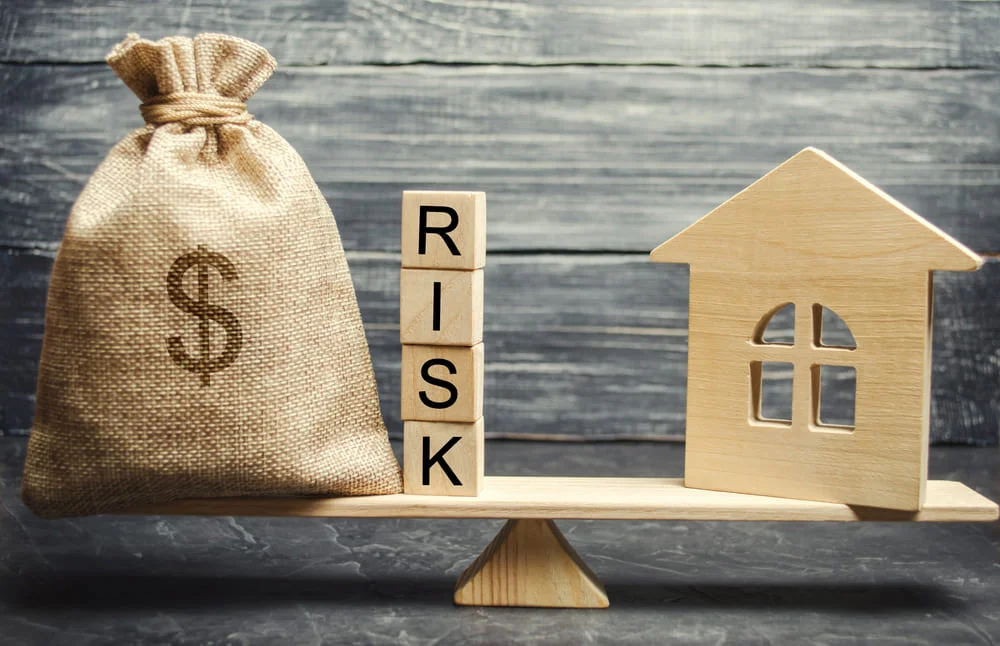
In the past 36 months Real Estate has seen a decrease in its average mean value, depending on your metro area, an average of 12 to 32 percent. This is referred to as deflation (in economics, deflation is a decrease in the general price level of goods and services). Deflation is not necessarily bad for everyone, especially for new market buyers that need a more affordable housing price in order to purchase.
Ultimately, a stable market economy strives for price stability. In Real Estate this is usually meeting or slightly beating the United States inflationary rate (the opposite of deflation and normally measured with the use of a publicly posted index called the Consumer Price Index). A stable Real Estate market typically lasts many years and almost always follows a Real Estate Recession. In fact the bulk of years within the seven to ten year cycles, represent a stable Real Estate Market. Therefore, 80 percent or more of the historical annual appreciation in real estate has valuation increases at or just above inflation.
For those of you who are business people, you likely seek investments that are stable, predictable, and going up in value each year. The conservative investor should consider buying during Real Estate market cycles that hold a stable future with somewhat predictable results (i.e. less speculative). Such a market is likely to exist for the next 5 years. For those of you sitting on the sidelines wondering when to enter this market, it is time for you to jump in, prior to any inflation, and thereby purchasing at the bottom. Anyone who classifies themselves as a conservative low risk real estate investor should certainly enter the market right now.
What about HYPERINFLATION?
This question is becoming a standard talking point for business news and the media. The reason is that the easing of monetary policies (i.e. excessive government spending, printing cash and giving it to banks and private industry, increasing government debt to provide stimulus) creates a large financial burden on the American tax payer. The financial burden is created when we borrow money from creditors to pay for the monetary easing. We raise the money through offerings of U.S. Treasuries to the American public and Foreign Countries.
Government borrowing is no different from individual borrowing. The more you borrow the higher risk you become (i.e. creditors hold less confidence in your ability to pay back your debt). A higher risk borrower almost always has to pay HIGHER INTEREST RATES. Therefore, some economists are betting that the U.S. will have to increase interest rates to creditors and thereby affect our entire monetary system by causing greater inflation for everyone.
One of the root causes of inflation is associated with a major lack of confidence in the U.S. dollar. It is possible for this to occur when our foreign creditors ask that we increase the interest rate we are paying them. In turn the U.S. will need to collect this from taxpayers. Meanwhile the U.S. dollar could go down in value compared to other foreign countries currency, which would result in the price of goods shipped to the U.S. to go up. With so much of our goods and services being foreign, increased prices could result in major increases in consumer goods. Of course during such a period the typical consumer cannot afford the price increases. Ultimately we see higher prices for products that we buy, higher interest rates on real estate, and less income to pay for goods and services. In summary we have hyperinflation.
Does hyperinflation negatively affect the real estate investor?
Real Estate is considered one of the few asset classes which have an inflationary hedge. Meaning people who already own real estate will see solid appreciation. Meanwhile if you have fixed interest rate loans your debt will not increase and your financial ratios (debt/equity) will improve. Rents are likely to go up along with expenses. The bad news is that your property becomes very difficult to liquidate since interest rates are too high for buyers. Vacancy can sometimes increase, depending on your region. Overall the short term affects are usually positive for real estate owners. In the long run a drag on the consumer creates economic turmoil which ultimately is bad for everyone.
As an economic commentator I disagree with the doomsday reports expecting hyperinflation. The reason is that other countries are generally in worse shape than the United States and it is in the best interest for our foreign lenders to keep the American consumer happy and buying. China has learned from this last down turn that when the American consumer stops buying it greatly damages their own economy. Destroying our currency would only hurt China and not help them. Meanwhile almost every first world country has large national debt and often at even greater percentages of debt versus GDP compared to that of the United States. Any foreign creditor that demands higher interest will also need to do the same for other countries, thereby causing a global economic disaster that is likely to damage the creditors economy. The international community has great incentive to make sure almost every economy is healthy. The world economies are far to integrated to separate from one another. Yes, we do have to get this under control. However, we are not at a tipping point of hyperinflation.
It is more likely that we will see some moderate and possibly higher than expect inflation. This means that interest rates will increase and those of you who decide to buy investment property now will only benefit more.