If you're looking to refinance your home, you might have noticed that 30-year fixed refinance rates have gone up. Today, July 15, 2026, the average rate is sitting at 6.97%, which is a jump from where it was last week.
It's a bit of a bumpy ride out there for homeowners thinking about refinancing. As of today, July 15, 2026, the national average for a 30-year fixed refinance rate has climbed to 6.97%. This is according to Zillow's latest data, and it represents a noticeable increase of 17 basis points compared to the average rate we saw just last week, which was around 6.80%.
Mortgage Rates Today, July 15, 2026: 30-Year Refinance Rate Rises by 17 Basis Points
What's Happening with Refinance Rates Right Now?
Let's break down what these numbers mean.
- 30-Year Fixed Refinance Rate: This is the rate that most people think of when they talk about mortgages. It's the rate you get for a loan that you'll pay off over 30 years. Today, it's at 6.97%, up from 6.91% yesterday.
- 15-Year Fixed Refinance Rate: This is for people who want to pay off their homes faster, usually over 15 years. Good news here: this rate has actually gone down a little, to 5.96%.
- 5-Year ARM Refinance Rate: This is an adjustable-rate mortgage, where the interest rate is fixed for the first five years and then can change. The current rate is 6.12%.
Here's a quick look at the numbers:
| Loan Type | Current Rate (July 15, 2026) | Previous Day Rate | Change (Basis Points) |
|---|---|---|---|
| 30-Year Fixed | 6.97% | 6.91% | +6 |
| 15-Year Fixed | 5.96% | 6.01% | -5 |
| 5-Year ARM | 6.12% | (Data not provided) | (Data not provided) |
Why Are Rates Going Up? It's a Mix of Things.
It's never just one reason why mortgage rates do what they do. Think of it like a big puzzle with many pieces.
- Trouble Across the Seas: There's been some military conflict in Iran, and it's making it harder for ships to travel through a key waterway called the Strait of Hormuz. This is causing oil prices to go up, sometimes past $75-$80 a barrel. When oil gets more expensive, everything else tends to get more expensive too, which is called inflation.
- Inflation is Still Stubborn: We keep seeing reports that show prices for everyday things are still higher than the goal the government has set (which is around 2%). When prices stay high, it makes it harder for the economy to cool down.
- The Federal Reserve is Staying Firm: The Federal Reserve, which is like the main bank for the country, decided not to change its main interest rate at its last meeting. What's more important is that many of the people who make these decisions are now thinking that they might need to raise interest rates later this year, instead of lowering them. This “hawkish” stance signals they are serious about fighting inflation.
- Bond Prices are Climbing: Mortgage rates often follow what's called the 10-year U.S. Treasury yield. This number has been going up, and it's now getting close to 4.59%. When this yield goes up, mortgage rates usually follow.
Should I Refinance Now? Let's Think It Through.
Seeing rates go up can feel a bit discouraging, especially if you were hoping to save money on your monthly payments. But here's what I always tell people: don't just look at the number. You need to think about your own situation.
1. Do the Math: When Will You Break Even?
A lot of people still use a simple “1% rule” to see if refinancing is worth it. But that's old news! What you really need to do is figure out your break-even point.
Here's how:
- Add up all the costs you have to pay to refinance. This includes things like appraisal fees, title fees, and any points you might pay to get a lower rate.
- Figure out how much you'll save each month by refinancing.
- Divide the total costs by your monthly savings.
The number you get tells you how many months it will take for your savings to pay back the costs of refinancing. If you plan to stay in your home longer than that, it's probably a good idea. If not, it might not be worth it.
2. Look at Your Home's Value and Your Loan
Your home's value has probably gone up a lot lately, which is great! This can help you in a few ways:
- No More PMI: If you have a lot of equity (meaning the difference between what your home is worth and what you owe on the mortgage), you might not have to pay Private Mortgage Insurance anymore. That's money back in your pocket every month.
- Cash-Out Refinance: You might be able to refinance your home for more than you owe and get some of that money back in cash. This is useful for paying off high-interest debt like credit cards or student loans. But be careful: lenders have rules about how much you can borrow (Loan-to-Value or LTV limits), and these cash-out loans often have slightly higher interest rates.
3. Your Credit Score and Debt Matter
To get the best rates, you need to have a good financial picture.
- Credit Score: Lenders love to see high credit scores. Aim for a FICO score of 780 or higher. The better your score, the less risky you are to the lender, and the lower your rate will be.
- Debt-to-Income (DTI) Ratio: This is the amount of money you owe each month for debts (like car payments, student loans, and credit cards) compared to how much money you earn each month before taxes. A DTI below 36% is usually what lenders like to see.
4. Shop Around! Don't Just Stick with Your Current Bank.
This is so important, and I can't stress it enough. Many people just go back to the same company they got their original mortgage from. That's a mistake!
- Get Multiple Offers: You should always compare offers from at least three different lenders. I've seen people save thousands of dollars over the life of their loan by just taking a little time to shop around.
- Compare Loan Estimates: Ask each lender for a “Loan Estimate.” This is a standard form that shows you all the costs and terms of the loan. Compare them side-by-side to see who is really offering you the best deal.
The Long-Term View
Even though rates are up today, experts like Fannie Mae and the Mortgage Bankers Association believe that rates will probably stay in the mid-6% range for the rest of the year. So, while today's jump is a bit of a bummer, it might not be a sign that rates are going to skyrocket.
My advice? Don't make a rash decision. Do your homework, understand your own financial situation, and then make the choice that's best for you.

VS
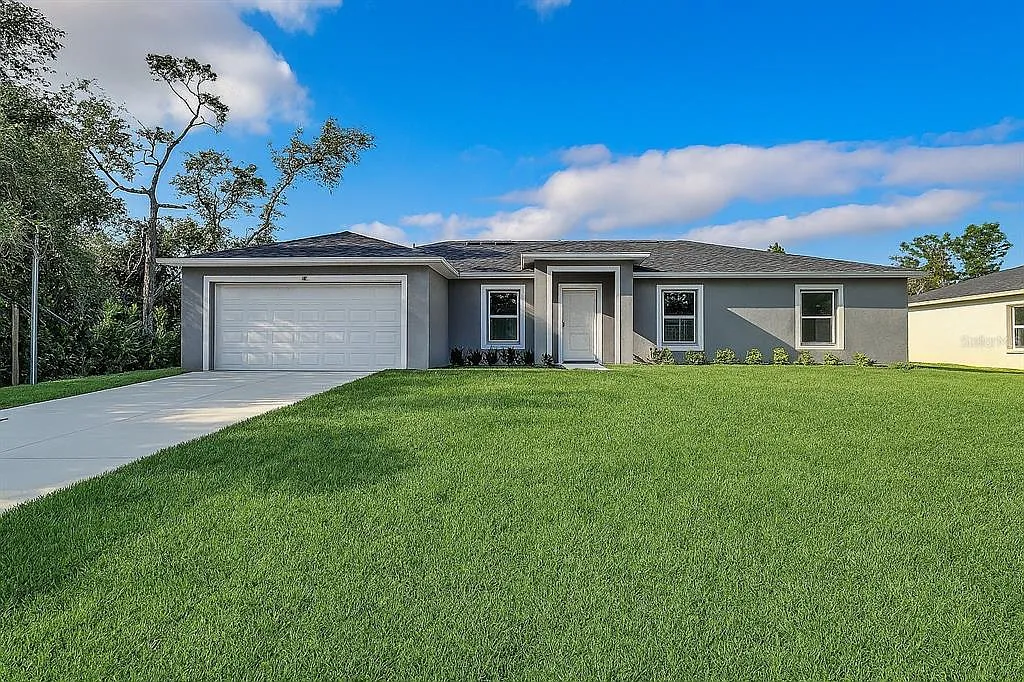
Out‑of‑State investors can compare Tennessee’s newer rental with higher NOI vs Florida’s A+ property with strong yield. Which fits YOUR investment strategy?
We have much more inventory available than what you see on our website – Let us know about your requirement.
📈 Choose Your Winner & Contact Us Today!
Speak to a Norada Investment Counselor (No Obligation):
(800) 611-3060
Mortgage rates remain high in 2026, but rental properties continue to deliver strong cash flow and appreciation. Savvy investors know that turnkey real estate is the path to passive income and long‑term wealth.
Norada Real Estate helps you secure turnkey rental properties designed for immediate cash flow and appreciation—so you can invest smartly regardless of interest rate trends.
Also Read:
- Mortgage Rates Predictions Backed by 7 Leading Experts: 2025–2026
- Mortgage Rate Predictions for the Next 3 Years: 2026, 2027, 2028
- 30-Year Fixed Mortgage Rate Forecast for the Next 5 Years
- 15-Year Fixed Mortgage Rate Predictions for Next 5 Years: 2025-2029
- Will Mortgage Rates Ever Be 3% Again in the Future?
- Mortgage Rates Predictions for Next 2 Years
- Mortgage Rate Predictions for Next 5 Years
- Mortgage Rate Predictions: Why 2% and 3% Rates are Out of Reach
- How Lower Mortgage Rates Can Save You Thousands?
- How to Get a Low Mortgage Interest Rate?
- Will Mortgage Rates Ever Be 4% Again?