If you've been dreaming of a lower monthly mortgage payment, you might be in luck. The average rate for a 30-year fixed mortgage refinance just took a nice tumble, dropping by 15 basis points this week. According to Zillow's latest numbers, that means we're now seeing an average rate of 6.88% for a 30-year refinance. This is a welcome sight after hovering just above the 7% mark for a bit.
For anyone with a mortgage that’s costing them a pretty penny each month, this dip is definitely something to pay attention to. It's not just a tiny blip; it's a noticeable drop that could translate into real savings for your household budget.
Mortgage Rates Today, August 6, 2026: 30-Year Refinance Rate Drops by 15 Basis Points
What's Happening with Mortgage Rates Today?
Let's break down what Zillow is telling us about the rates on this particular Thursday:
- 30-Year Fixed Refinance Rate: This is the big story. It's currently sitting at 6.88%. This is down from 6.94% yesterday and, more importantly, down 15 basis points from last week when it was averaging 7.03%. This consistent downward movement is a signal that the refinancing market might be opening up for more homeowners.
- 15-Year Fixed Refinance Rate: This one is moving in the opposite direction. The average rate for a 15-year fixed refinance has actually gone up by 15 basis points from last week, reaching 6.16% today, up from 6.01%. While it's climbing, it’s still a great option for those who want to pay off their home faster and save a lot on interest over the life of the loan.
- 5-Year Adjustable-Rate Mortgage (ARM) Refinance Rate: This rate is holding steady at 6.50%. ARMs can be attractive if you plan to sell or refinance again before the fixed period is up, but it’s always good to understand the risks involved.
Why Are Rates Moving Like This?
It’s always a puzzle trying to figure out exactly why rates do what they do, but there are a few big players in the game that I've learned to watch. Think of it like a complicated recipe; many ingredients go into making the final dish.
The Federal Reserve's Steady Hand (Mostly)
The Federal Reserve has been pretty quiet lately. They decided to keep their main interest rate, the federal funds rate, right where it was, between 3.50% and 3.75%, after their late July meeting. However, it wasn't a unanimous decision, and the economy has been humming along pretty well. This has made some folks think the Fed might have to raise rates later this fall to keep inflation in check, rather than lower them. When the Fed hints at raising rates, even indirectly, it can make lenders a bit more cautious, which can sometimes push mortgage rates up. But today, we're seeing the opposite, which suggests other factors are having a bigger impact.
Global News and Your Wallet
You might be surprised how much world events can affect your mortgage! There's been some worry about new conflicts brewing in places like Iran, especially around a really important shipping route called the Strait of Hormuz. When there's trouble in oil-producing regions, oil prices tend to go up. Higher oil prices often mean higher gas prices for us, and that can make people worry about inflation – the general rise in prices for everything. When inflation fears heat up, lenders might ask for higher interest rates to protect themselves from their money losing value.
The 10-Year Treasury Yield: A Mortgage Mirror
For many years, I've seen that mortgage rates often dance to the tune of the 10-year U.S. Treasury yield. This is basically what the government pays when it borrows money for 10 years. Right now, that yield has been a bit jumpy, hovering around 4.63% to 4.75%. When these bond yields go up, it means lenders have to charge more for loans, like mortgages, to make them worthwhile. Today's drop in refinance rates suggests that the 10-year Treasury yield might be easing off a bit, or at least that its influence is being overshadowed by other positive factors for borrowers.
What Does This Drop Mean for YOU?
If you locked in your mortgage during those peak times over the last year or two, keeping an eye on these daily rate shifts is super important. That move below the 7% mark for the 30-year fixed refinance is a big deal. If your current mortgage rate is, say, in the mid-to-high 7% range, refinancing now could make a lot of sense and start saving you money right away.
I always tell people that the exact rate you get depends on a lot of things – your credit score, where you live, and how much debt you have compared to your income. So, while the national average is helpful, it’s crucial to shop around with different lenders. What looks good on paper might be even better with another bank or mortgage company.
Crucial Things to Consider Before You Refinance
Just because the rate dropped doesn't mean refinancing is a guaranteed win for everyone. Here are a few things I always advise people to think about:
- Calculate Your Break-Even Point: When you refinance, you usually have to pay closing costs. These can add up, often being 2% to 6% of your loan amount. You need to figure out how many months of lower payments it will take for you to get back the money you spent on closing costs. If you plan to move or refinance again before you reach that break-even point, it might not be worth it.
- Look at Your Current Rate: Most people who got a mortgage before things got really expensive are likely paying less than 6% – in fact, over 80% of homeowners are in that boat. If your current rate is already below 7%, a simple rate-and-term refinance might not save you enough to cover the closing costs.
- Cash-Out Refinance: If you're thinking about refinancing to pull out some cash for home improvements or to pay off other debts, remember that these types of loans often come with slightly higher interest rates than a standard refinance. You'll need to weigh the benefits of having that extra cash against the higher borrowing cost.
- Compare, Compare, Compare! This is a big one. I've seen it too many times: people who don't shop around end up paying a lot more over the life of their loan. Some reports suggest that borrowers who only get one or two quotes could end up paying tens of thousands of dollars more than someone who compares offers from at least three different lenders. Don't leave money on the table!
Quick Look at Today's Refinance Rates (August 6, 2026)
Here’s a handy table showing the average refinance rates as reported by Zillow today. Remember, these are averages, and your personal rate might be different.
| Loan Type | Average Rate | Change from Previous Week |
|---|---|---|
| 30-Year Fixed Refinance | 6.88% | -15 basis points |
| 15-Year Fixed Refinance | 6.16% | +15 basis points |
| 5-Year Adjustable-Rate (ARM) | 6.50% | 0 basis points |
It’s an exciting time for homeowners who have been waiting for rates to become more favorable for refinancing. This drop in the 30-year fixed rate is a clear sign that opportunities are emerging. So, if you’re thinking about making a change to your mortgage, now is definitely a good time to start looking into what might be available to you.
VS
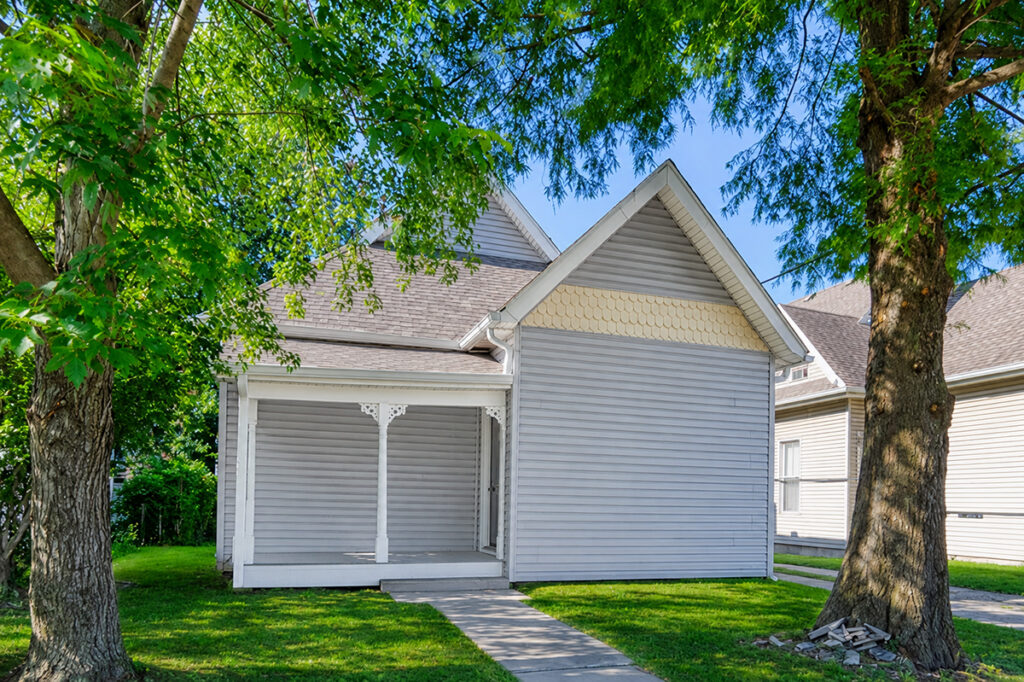
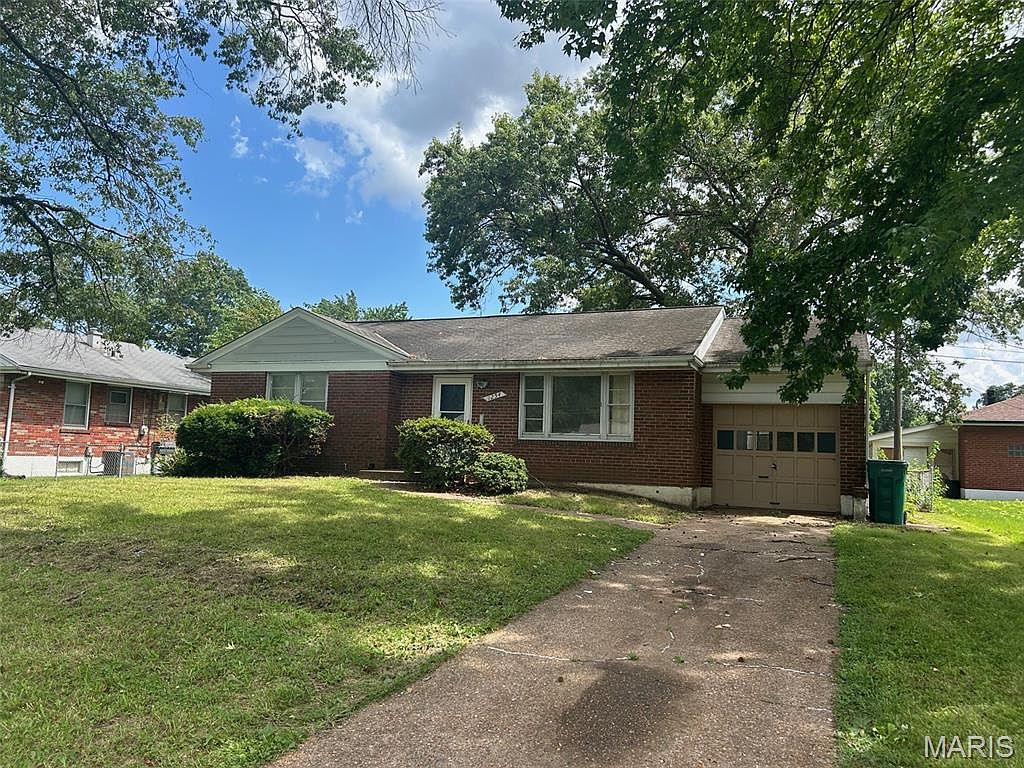
Saint Louis offers a budget‑friendly 4‑bed rental with a high cap rate, while Indianapolis provides a classic 2‑bed property with steady cash flow. Which Midwest market fits YOUR investment strategy?
We have much more inventory available than what you see on our website – Let us know about your requirement.
📈 Choose Your Winner & Contact Us Today!
Speak to a Norada Investment Counselor (No Obligation):
(800) 611-3060
Mortgage rates remain high in 2026, but rental properties continue to deliver strong cash flow and appreciation. Savvy investors know that turnkey real estate is the path to passive income and long‑term wealth.
Norada Real Estate helps you secure turnkey rental properties designed for immediate cash flow and appreciation—so you can invest smartly regardless of interest rate trends.
Also Read:
- Mortgage Rates Predictions Backed by 7 Leading Experts: 2025–2026
- Mortgage Rate Predictions for the Next 3 Years: 2026, 2027, 2028
- 30-Year Fixed Mortgage Rate Forecast for the Next 5 Years
- 15-Year Fixed Mortgage Rate Predictions for Next 5 Years: 2025-2029
- Will Mortgage Rates Ever Be 3% Again in the Future?
- Mortgage Rates Predictions for Next 2 Years
- Mortgage Rate Predictions for Next 5 Years
- Mortgage Rate Predictions: Why 2% and 3% Rates are Out of Reach
- How Lower Mortgage Rates Can Save You Thousands?
- How to Get a Low Mortgage Interest Rate?
- Will Mortgage Rates Ever Be 4% Again?