If you're thinking about refinancing your home, you'll want to know that the average rate for a 30-year fixed refinance has nudged up. Today, July 13, 2026, that rate is sitting at 6.88%, a small but noticeable increase.
It's always a bit of a juggling act keeping up with mortgage rates, isn't it? One minute they seem to be heading in one direction, and the next, they've taken a little turn. This is something I've seen time and time again in my years working with mortgages. Today, we're seeing that happen with the 30-year fixed refinance rate, which has climbed by 8 basis points from the average we saw last week.
Mortgage Rates Today, July 13, 2026: 30-Year Refinance Rate Rises by 8 Basis Points
What's Happening with Refinance Rates Today?
Let's break down the numbers as reported by Zillow.
- 30-Year Fixed Refinance Rate: The national average is now 6.88%. This is up from 6.84% yesterday and up by 8 basis points from the average of 6.80% last week.
- 15-Year Fixed Refinance Rate: This rate has seen a slight dip, moving down by 2 basis points to 5.92% from 5.94%.
- 5-Year Adjustable-Rate Mortgage (ARM) Refinance Rate: This rate is holding steady at 6.25%.
Here's a quick look at how these rates stack up:
| Loan Type | Current Average Rate (July 13, 2026) | Change from Previous Week |
|---|---|---|
| 30-Year Fixed Refinance | 6.88% | +8 basis points |
| 15-Year Fixed Refinance | 5.92% | -2 basis points |
| 5-Year ARM Refinance | 6.25% | No change |
Why Are Rates Moving Like This? A Look at the Market Pressures
It's not magic that makes rates go up or down; it's a mix of things happening in our economy and around the world. Think of it like a big seesaw with different weights pushing it.
Things Pushing Rates Up:
- Inflation Jitters: You might have heard about inflation. Well, the numbers for the Consumer Price Index (CPI) came out higher than expected, hitting 4.2%. This is quite a bit more than the Federal Reserve's goal of 2%. When prices for things go up faster, it can make lenders want to charge more for loans to keep up.
- The Fed's Steady Hand: Because inflation is being a bit stubborn, the person in charge at the Federal Reserve, Chairman Kevin Warsh, has signaled that they're not planning to lower interest rates anytime soon. This means borrowing money for banks is likely to stay at its current level for a while, which can trickle down to mortgage rates.
- Global Oil Worries: There's some unrest in places like Iran, and that's causing problems with shipping. This has made oil prices jump. When oil is more expensive, it affects the cost of almost everything, which fuels those inflation worries and can push up the cost of borrowing money, especially for longer terms.
Things Pulling Rates Down (Slightly):
- A Slower Job Market: On the flip side, some recent news about jobs wasn't as strong as people hoped. When there are fewer jobs being created or people aren't finding work as easily, it can suggest that the economy is cooling down a bit. This can sometimes lead to lower interest rates on things like the 10-year Treasury bond, which influences mortgage rates.
- Investors Seeking Safety: When the stock market feels uncertain or shaky, people often move their money into safer places, like government bonds. When lots of people buy bonds, it can bring the price of those bonds down, which in turn can lower the interest rates associated with them. This offers a little bit of relief to mortgage rates, but not enough to completely counteract the upward pressure.
My Take on All This
From my experience, when you see these kinds of mixed signals – inflation pushing up, but a slightly weaker job market pulling down – it means things are a bit uncertain. This is why mortgage rates can feel like they're doing a little dance. For lenders, the rise in inflation and the Fed's stance mean they need to price in more risk. Even though the job market might be cooling, the inflation story is currently the louder one, which is why we're seeing that 30-year refinance rate climb.
It's easy to get caught up in the day-to-day fluctuations, but it's important to remember that these are often short-term movements. The bigger picture is influenced by much larger economic forces.
What Does This Mean for You?
If you're a homeowner thinking about refinancing or a homebuyer looking to purchase, these rates are important.
For Homebuyers
Since rates aren't likely to drop significantly below 6% in the immediate future, it's smart to be strategic.
- Shop Around, Really Shop Around: This is so important! Don't just go to the first bank you see. Getting quotes from multiple lenders can make a huge difference. I've seen people save thousands of dollars just by comparing offers from three or more lenders. It really pays off.
- Think About Home Prices: You might have noticed that home prices aren't zooming up as fast as they used to. This means there might be a chance to negotiate with sellers on the price or ask them to help with some of the costs. Don't wait for mortgage rates to be your only hope for a better deal.
- Explore Different Loan Options: If your debt-to-income ratio is a bit high, talk to your lender about other possibilities. Things like FHA loans or starting with an adjustable-rate mortgage (ARM) might be options that can help you get into a home.
For Homeowners
If you already own a home, especially one with a low interest rate from a few years ago, you might want to be cautious about refinancing unless you have a very specific reason.
- Refinance Only When It Makes Sense: Refinancing is usually best when you're making a big change, like moving from an older ARM to a fixed rate before your payments jump up. If your current mortgage has a great rate, a small increase might not be enough to justify the costs of refinancing.
- Tap Into Your Home's Value Wisely: Many homeowners have built up a lot of equity in their homes, especially with prices staying high. If you need extra cash for something, consider a Home Equity Line of Credit (HELOC) instead of refinancing your whole mortgage. This lets you borrow against your home's value without changing your primary, low-interest loan.
The world of mortgages can feel complicated, but by understanding the forces at play and knowing your options, you can make the best decisions for your financial future.

VS
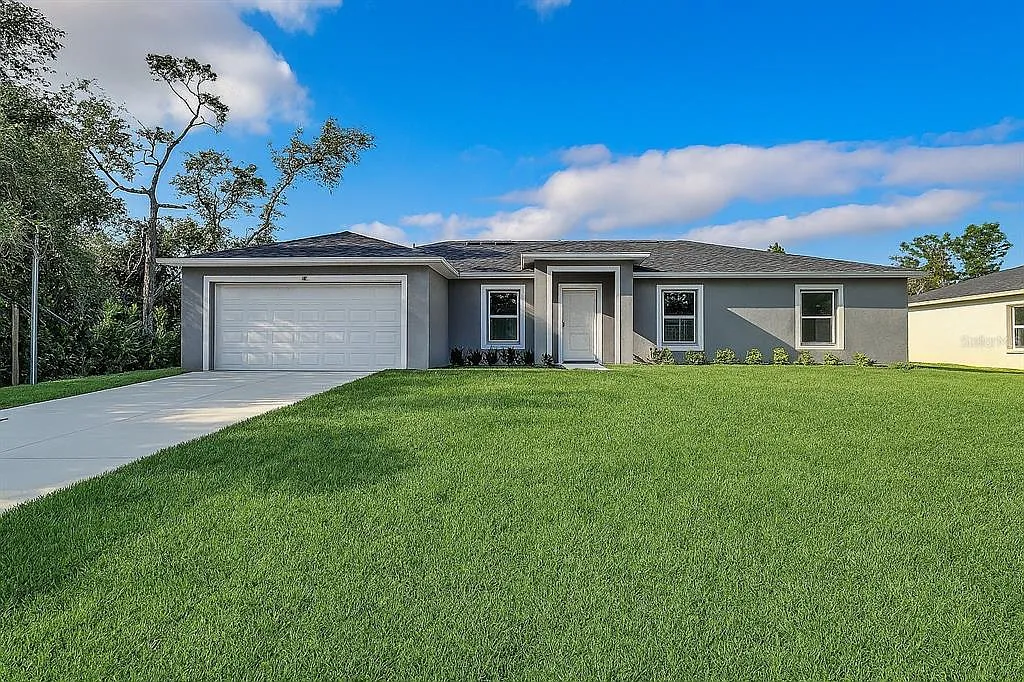
Out‑of‑State investors can compare Tennessee’s newer rental with higher NOI vs Florida’s A+ property with strong yield. Which fits YOUR investment strategy?
We have much more inventory available than what you see on our website – Let us know about your requirement.
📈 Choose Your Winner & Contact Us Today!
Speak to a Norada Investment Counselor (No Obligation):
(800) 611-3060
Mortgage rates remain high in 2026, but rental properties continue to deliver strong cash flow and appreciation. Savvy investors know that turnkey real estate is the path to passive income and long‑term wealth.
Norada Real Estate helps you secure turnkey rental properties designed for immediate cash flow and appreciation—so you can invest smartly regardless of interest rate trends.
Also Read:
- Mortgage Rates Predictions Backed by 7 Leading Experts: 2025–2026
- Mortgage Rate Predictions for the Next 3 Years: 2026, 2027, 2028
- 30-Year Fixed Mortgage Rate Forecast for the Next 5 Years
- 15-Year Fixed Mortgage Rate Predictions for Next 5 Years: 2025-2029
- Will Mortgage Rates Ever Be 3% Again in the Future?
- Mortgage Rates Predictions for Next 2 Years
- Mortgage Rate Predictions for Next 5 Years
- Mortgage Rate Predictions: Why 2% and 3% Rates are Out of Reach
- How Lower Mortgage Rates Can Save You Thousands?
- How to Get a Low Mortgage Interest Rate?
- Will Mortgage Rates Ever Be 4% Again?