If you've been thinking about refinancing your home loan, it's important to know that mortgage rates are ticking up a bit this week. Specifically, the popular 30-year fixed refinance rate has gone up by 19 basis points, landing at 7.30% as of today, September 12, 2026. This means that if you're looking to get a new mortgage on your existing home, the cost might be a little higher than it was just last week.
Mortgage Rates Today, September 12, 2026: 30-Year Refinance Rate Rises by 19 Basis Points
What's Happening with Refinance Rates Right Now?
Let's break down the numbers as of September 12, 2026, according to Zillow:
| Mortgage Type | Current Rate | Change from Last Week |
|---|---|---|
| 30-Year Fixed Refinance | 7.30% | Up 19 basis points |
| 15-Year Fixed Refinance | 6.36% | Stable |
| 5-Year ARM Refinance | 6.00% | Stable |
As you can see, the big story is the 30-year fixed rate. It’s climbed from 7.11% last week to 7.30% today. This might not sound like a huge jump, but in the world of mortgages, even a quarter of a percent can make a difference over time. The 15-year fixed and 5-year adjustable-rate mortgages (ARMs) are holding steady for now, which is good news for some.
Why Are Rates Going Up? A Look Under the Hood
It’s easy to just see a number and say “up” or “down,” but I always like to understand why. Mortgage rates don't just wake up and decide to move. They're influenced by a few big things happening in the economy:
- The Bond Market and Treasury Yields: Think of this like a seesaw. When people get worried about the economy or inflation, they tend to put their money into safer investments, like U.S. Treasury bonds. This makes those bonds more valuable, and their yields (which are like the interest you earn) go up. Mortgage rates tend to follow these Treasury yields very closely. So, if those yields are climbing, mortgage rates usually follow suit.
- Inflation Worries: Nobody likes it when prices for everything keep going up. When inflation data comes out showing prices are staying high or even rising faster than expected, it makes lenders nervous. They worry that inflation will eat away at the value of the money they'll get back later. To protect themselves, they often raise mortgage rates.
- The Federal Reserve's Moves: The Federal Reserve, or “the Fed,” is like the conductor of the country's money orchestra. They don't directly set mortgage rates, but they do set a key interest rate that influences how much it costs banks to borrow money. Lately, the Fed has been cautious about lowering their main interest rate, which has kept borrowing costs generally higher for everyone, including homeowners looking to refinance.
Short-Term Trends vs. Long-Term Outlook
Right now, we're seeing what I'd call short-term upward pressure on rates. This recent climb is why the Mortgage Bankers Association has reported a drop in refinance volume – about 25% less than this time last year. It makes sense; if rates are going up, fewer people rush to refinance.
Looking ahead, housing economists generally expect rates to stay a bit elevated. Some are forecasting that we'll see them hover somewhere between 6.0% and 6.5% for the rest of 2026. Wells Fargo even predicts an average around 6.4% for the whole year before maybe easing up a little in 2027. This means we probably won't see those super-low rates from a few years ago anytime soon.
Should You Refinance Your Mortgage Today?
This is the million-dollar question, right? It’s not a simple yes or no. As someone who's navigated this myself and seen many clients do the same, I always tell people to look beyond just the headline rate.
Here are the top things I think you should consider:
- The “Rule of Thumb”: A long-standing guideline is that refinancing makes sense if you can lower your interest rate by at least 0.75% to 1.0%. If your current rate is significantly higher than the new rate you can get, it's worth exploring.
- Your Home Purchase Year Matters: If you bought your home between 2022 and 2025, you might have locked in a rate that's 7.5% or even higher. In that case, even with today's rates in the mid-6% to low-7% range, you could still save a good chunk of money each month. However, if your rate is already under 5.0%, refinancing now would likely cost you more.
- The Break-Even Point: Refinancing isn't free. You'll have closing costs, which can be anywhere from 2% to 6% of your loan amount. You need to figure out how long it will take for your monthly savings to cover these costs. If your break-even period is shorter than you plan to stay in your home, it's usually a good deal.
- Your Credit Score and Debt-to-Income (DTI) Ratio: The rates you see advertised are usually for people with excellent credit and low debt. Lenders are being a bit more selective lately. So, make sure you have a strong credit score and a low DTI ratio to get the best possible rates and truly make refinancing worthwhile.
My Two Cents on Today's Market
While the 19-basis point rise in the 30-year fixed refinance rate is noteworthy, it's just one piece of the puzzle. For homeowners who bought when rates were higher, there's still an opportunity to save money by refinancing, even with these slightly increased rates. The key is to do your homework, calculate your personal break-even point, and understand how your own financial situation aligns with the current market conditions. Don't get caught up in the daily ups and downs; focus on what makes the most sense for your long-term financial goals.
VS
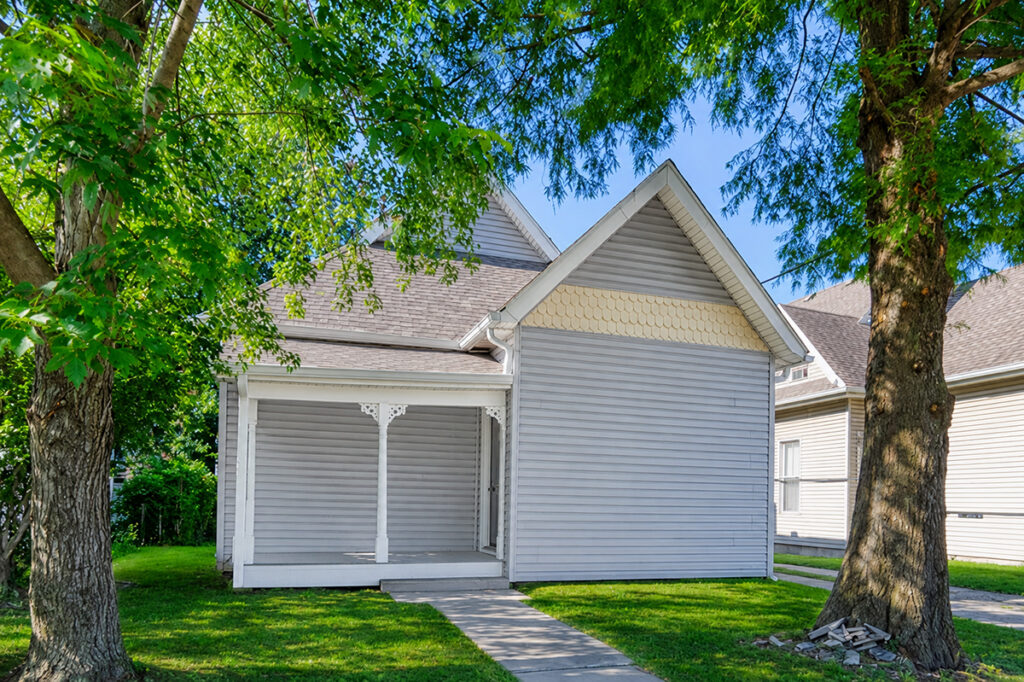
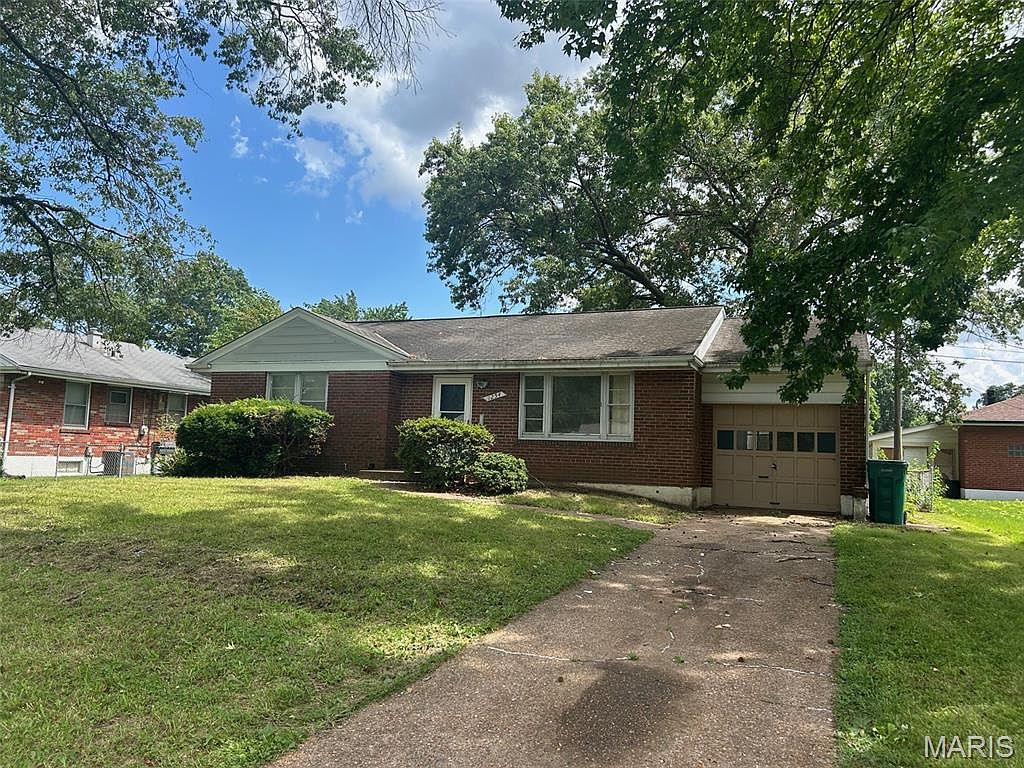
Saint Louis offers a budget‑friendly 4‑bed rental with a high cap rate, while Indianapolis provides a classic 2‑bed property with steady cash flow. Which Midwest market fits YOUR investment strategy?
We have much more inventory available than what you see on our website – Let us know about your requirement.
📈 Choose Your Winner & Contact Us Today!
Speak to a Norada Investment Counselor (No Obligation):
(800) 611-3060
Mortgage rates remain high in 2026, but rental properties continue to deliver strong cash flow and appreciation. Savvy investors know that turnkey real estate is the path to passive income and long‑term wealth.
Norada Real Estate helps you secure turnkey rental properties designed for immediate cash flow and appreciation—so you can invest smartly regardless of interest rate trends.
Also Read:
- Mortgage Rates Predictions Backed by 7 Leading Experts: 2025–2026
- Mortgage Rate Predictions for the Next 3 Years: 2026, 2027, 2028
- 30-Year Fixed Mortgage Rate Forecast for the Next 5 Years
- 15-Year Fixed Mortgage Rate Predictions for Next 5 Years: 2025-2029
- Will Mortgage Rates Ever Be 3% Again in the Future?
- Mortgage Rates Predictions for Next 2 Years
- Mortgage Rate Predictions for Next 5 Years
- Mortgage Rate Predictions: Why 2% and 3% Rates are Out of Reach
- How Lower Mortgage Rates Can Save You Thousands?
- How to Get a Low Mortgage Interest Rate?
- Will Mortgage Rates Ever Be 4% Again?