As of today, Monday, September 14, 2026, homeowners looking to refinance are facing a slight increase in borrowing costs, with the national average 30-year fixed refinance rate climbing by 14 basis points to 7.35%, according to data from Zillow. This move marks a noticeable shift from the previous week's average of 7.21%. This uptick, while small on its own, is part of a bigger story about what’s happening in our economy.
Mortgage Rates Today, September 14, 2026: 30-Year Refinance Rate Rises by 14 Basis Points
What Does This Mean for You?
Seeing refinance rates tick up can be a bit of a bummer, especially if you were hoping to lower your monthly payments.
Here’s a quick look at the national averages, according to Zillow:
| Loan Type | Current Average Rate (Sept 14, 2026) | Previous Week Average Rate | Change |
|---|---|---|---|
| 30-Year Fixed Refinance | 7.35% | 7.21% | Up 14 bps |
| 15-Year Fixed Refinance | 6.35% | Stable | Stable |
| 5-Year ARM Refinance | 6.00% | Stable | Stable |
Note: “bps” stands for basis points, where 100 basis points equals 1%
As you can see, the 30-year fixed refinance rate is the one making headlines today with its climb. The 15-year fixed and 5-year adjustable-rate mortgages (ARMs) are holding steady for now, but even those are pretty high compared to a few years ago.
Why Are Refinance Rates Going Up Right Now?
You might be wondering what's causing this nudge upwards. It's not just random; a few things are working together to push mortgage rates higher, especially with the Federal Reserve's big meeting coming up this week.
Hot Inflation Signals: Imagine the economy is like a big pot of soup. Lately, some ingredients, like energy costs, have been making the soup hotter than we'd like. When the soup is too hot (inflation is high), it makes it harder for things like bonds to be appealing. Mortgage rates tend to follow what happens with the 10-year Treasury bond. So, when people worry about inflation sticking around, they tend to sell off bonds, which, in turn, makes mortgage rates go up. It’s a bit of a domino effect.
The Fed's Stance: The Federal Reserve, or the “Fed” as most folks call it, is like the captain of the economic ship. They've been steering the ship by adjusting interest rates. After cutting rates a bunch in late 2025, they’ve kept them steady in 2026. Now, everyone's watching to see what they'll do at their meeting this week. Most signs point to them holding steady again, and maybe even hinting that they might raise rates in the future if things keep heating up. This uncertainty and possibility of higher rates down the line can make lenders charge more for mortgages today.
Strong Jobs and Global Worries: Believe it or not, a strong job market can also contribute to higher rates. When lots of people have jobs and are spending money, it can add to that “hot soup” of inflation we talked about. Plus, there are still worries about global energy supplies because of ongoing conflicts in different parts of the world. These global pressures can also make prices go up, and, you guessed it, push interest rates higher.
My Thoughts: Is Refinancing Still a Good Idea?
This is the question on a lot of people's minds. Based on what I'm seeing and my own experience in this field, it really depends on why you're looking to refinance and what your current mortgage rate is.
If you managed to lock in a rate below 7% during the recent past, then refinancing right now might not make as much sense to save you money. The costs of refinancing, like fees and closing costs, could outweigh the small savings you might get.
However, if you have a mortgage from a time when rates were much higher, say above 7.5% or even 8%, then exploring a refinance is definitely still worth it. You could be looking at some significant savings on your monthly payment.
Smart Strategies When Rates Are High
So, what can you do if your main goal is to lower your monthly housing cost in this environment? Here are some strategies I often discuss with homeowners:
- Extend Your Loan Term (Carefully!): If you currently have a 15-year or 20-year mortgage and need some breathing room in your budget, you could consider refinancing into a new 30-year mortgage. This will definitely lower your monthly payment because you're spreading out the payments over a longer time. However, and this is a big “however,” you will end up paying much more in total interest over the life of the loan. This is usually a move for immediate cash flow relief, not long-term savings.
- Shop Around Like Crazy: This is probably the most important piece of advice I can give. So many people don't shop around enough, and they end up paying more than they need to. Zillow's data and studies from places like Bankrate show that a huge number of borrowers miss out on the best rates because they only talk to one or two lenders. Try to get loan estimates from at least 3 to 4 different banks or mortgage companies. The differences in rates and fees can save you thousands of dollars. Don't just look at the advertised rate; look at the annual percentage rate (APR), which includes fees.
- Buy Down Your Rate with Points: If you have some extra cash or equity in your home, you can consider paying for “discount points.” Essentially, you pay an upfront fee to your lender to lower your interest rate for the life of the loan. You need to do the math here, though. Calculate your “break-even point” – the number of months it will take for the monthly savings to add up to the cost of the points. If you plan to stay in your home longer than that break-even point, it can be a great way to save money.
- Look into Government-Backed Loans (If You Qualify): If you have an existing FHA or VA loan, there are special programs like the FHA Streamline Refinance or the VA Interest Rate Reduction Refinance Loan (IRRRL). These are often easier to get, don't always require a full appraisal, and can offer rates that are 30 to 40 basis points lower than regular loans. It’s worth checking if you might qualify for these.
Looking Ahead
The general feeling is that rates will probably stay elevated for the rest of 2026. Experts from places like the Mortgage Bankers Association and Fannie Mae have recently updated their predictions, and they expect rates to finish the year somewhere between 6.4% and 6.8%. This means that being smart about when and how you refinance is more important than ever.
It’s a complex picture, for sure. But by understanding what’s driving these rates and by being a smart shopper, you can still make good decisions for your financial future, even in a market like this.
VS
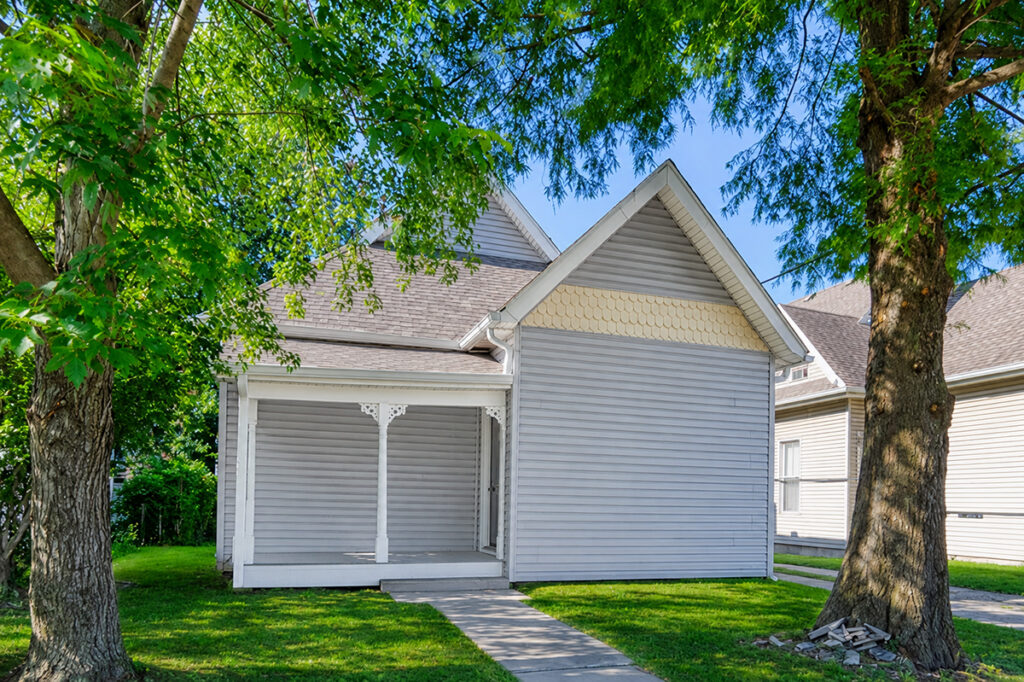
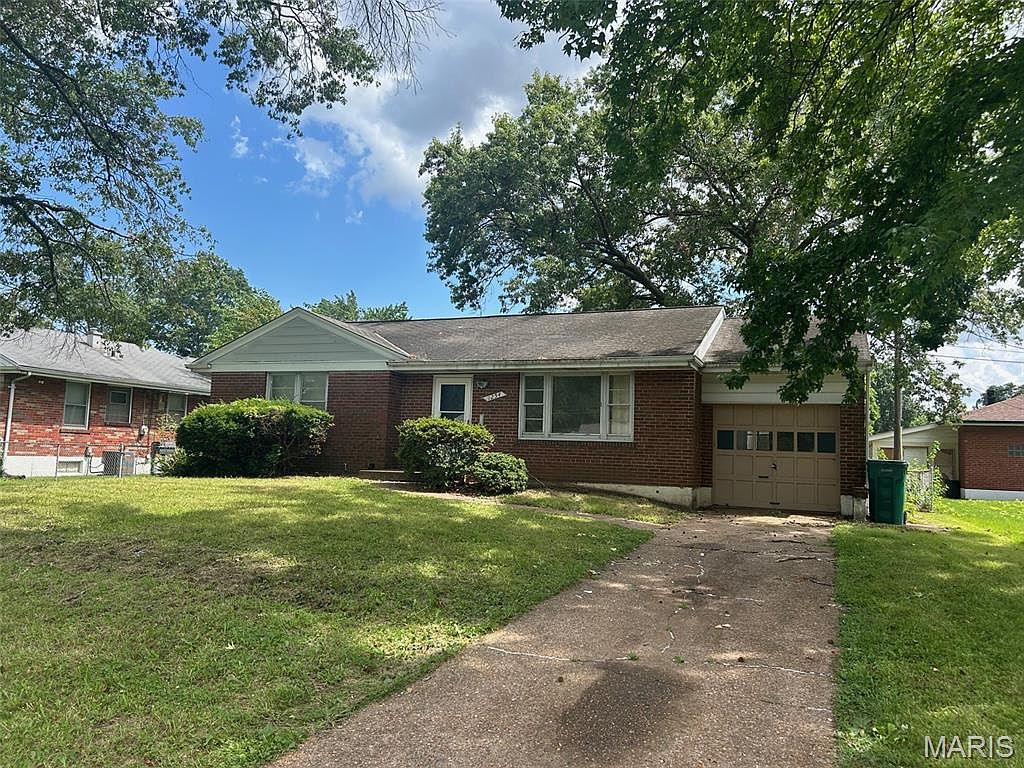
Saint Louis offers a budget‑friendly 4‑bed rental with a high cap rate, while Indianapolis provides a classic 2‑bed property with steady cash flow. Which Midwest market fits YOUR investment strategy?
We have much more inventory available than what you see on our website – Let us know about your requirement.
📈 Choose Your Winner & Contact Us Today!
Speak to a Norada Investment Counselor (No Obligation):
(800) 611-3060
Mortgage rates remain high in 2026, but rental properties continue to deliver strong cash flow and appreciation. Savvy investors know that turnkey real estate is the path to passive income and long‑term wealth.
Norada Real Estate helps you secure turnkey rental properties designed for immediate cash flow and appreciation—so you can invest smartly regardless of interest rate trends.
Also Read:
- Mortgage Rates Predictions Backed by 7 Leading Experts: 2025–2026
- Mortgage Rate Predictions for the Next 3 Years: 2026, 2027, 2028
- 30-Year Fixed Mortgage Rate Forecast for the Next 5 Years
- 15-Year Fixed Mortgage Rate Predictions for Next 5 Years: 2025-2029
- Will Mortgage Rates Ever Be 3% Again in the Future?
- Mortgage Rates Predictions for Next 2 Years
- Mortgage Rate Predictions for Next 5 Years
- Mortgage Rate Predictions: Why 2% and 3% Rates are Out of Reach
- How Lower Mortgage Rates Can Save You Thousands?
- How to Get a Low Mortgage Interest Rate?
- Will Mortgage Rates Ever Be 4% Again?