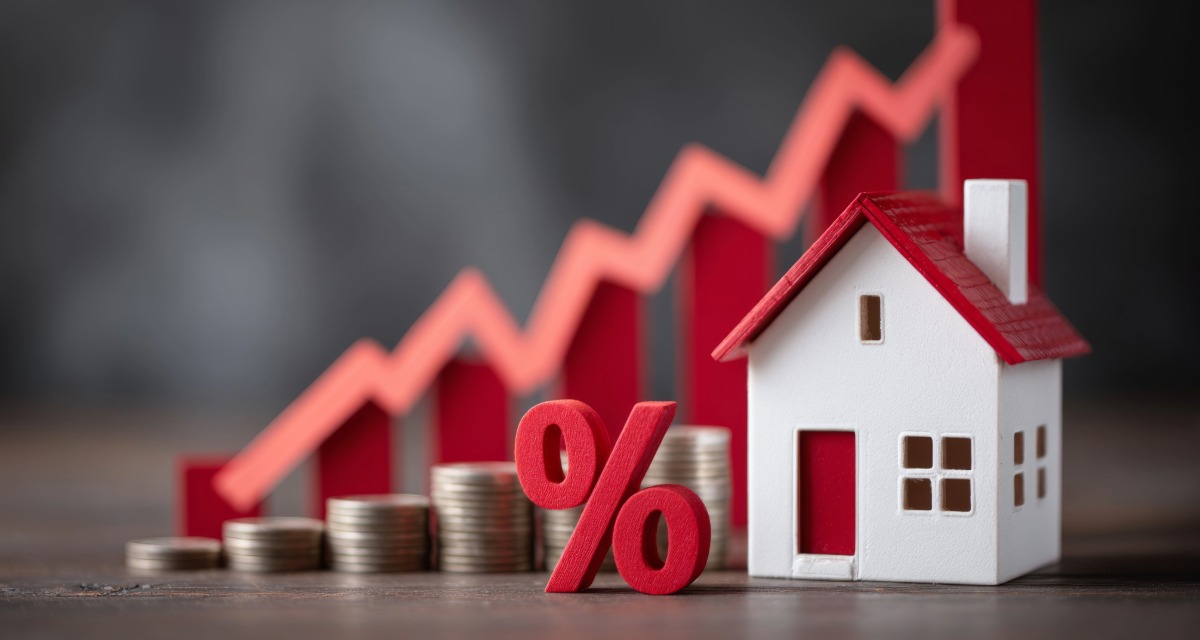
Right now, if you're thinking about buying a house, the dream feels a little more expensive. The average 30-year fixed mortgage rate has climbed to a pretty hefty 6.91%. But here's the kicker: most people who already own homes are locked into rates that are a lot lower, sitting at an average of just 4.3%. This huge difference, a whole 2.61 percentage points, is causing a real head-scratcher in the housing market, making it tough for folks to move.
30-Year Fixed Rate Rises to 6.91% While Existing Mortgages Average Just 4.3%
The Big Difference: Why Moving Feels Like a Stretch
Let me tell you, I've been around the real estate block a few times, and I've never seen a gap quite like this. It's like two different worlds exist within the same housing market. On one side, you have the new buyers, facing those higher rates. On the other, you have the current homeowners, who snagged their deals when money was cheap.
To really get this, we need to rewind a bit. Remember during the pandemic? Interest rates were practically free! Millions of us took advantage, refinancing our homes or buying new ones with rates that were way, way below 4%. Those low rates felt like a gift that kept on giving.
Now, those amazing low rates have turned into what I like to call “golden handcuffs.” It's a fancy way of saying they're great, but they're also keeping people stuck. Let's look at the numbers, because they tell a powerful story.
Imagine you have a mortgage balance of, say, $400,000, and your interest rate is that sweet 4.3%. Your monthly payment for just the loan part (principal and interest) is around $1,980. Sounds manageable, right?
But now, picture this: you decide to sell that home and buy another one that's exactly the same price. This time, you have to get a new loan at the current rate of 6.91%. Suddenly, your monthly payment jumps to about $2,637!
That's an extra $657 every single month. Over a year, that's more than $7,800 extra, just to live in a house of the same value! For most families, that kind of jump makes moving up, down, or even sideways just not make financial sense. It’s a tough pill to swallow.
The “Lock-In Effect”: Less Homes, Same Prices?
This huge rate difference has created a weird situation. Usually, when mortgage rates go up, fewer people want to buy, and home prices tend to drop. But that's not really happening now. Why? Because so many people don't want to give up their super low 4.3% rates.
This is what we call the “lock-in effect.” It's like being stuck in place because the alternative is just too costly.
Here's how it plays out:
- Fewer Homes for Sale: Think about it – if you're happy in your home and your mortgage is cheap, why would you sell and then have to buy again at a much higher rate? Most homeowners who would normally sell to get a bigger house, a smaller house, or move closer to family are just staying put.
- Prices Stay High Anyway: Because there aren't many homes available, the few buyers who are out there have to fight over the limited options. This competition keeps home prices from falling, even though borrowing money is much more expensive now.
So, we have a market where not many houses are selling, but the prices are still holding strong. It's a puzzle that's making the whole buying and selling process move very, very slowly.
Navigating Today's Market: A New Game Plan
If you're trying to buy or sell a home right now, you can't use the same old tricks you might have used a few years ago. The rules have changed! I’ve seen a lot of creative thinking lately, and here are some things people are doing:
For Those Looking to Buy:
- Rate Buy-Downs: One smart option is a temporary rate buy-down. This is where the seller helps you out by paying upfront to lower your interest rate for the first year or two. For example, a 2-1 buy-down means your rate is 2% lower in year one and 1% lower in year two. It gives you some breathing room and a lower payment upfront, which can be a lifesaver.
- Explore All Loan Options: Don't just look at the standard 30-year fixed. Talk to lenders about different loan types, maybe an Adjustable-Rate Mortgage (ARM) where the rate is lower initially, or look into government-backed loans if you qualify.
For Homeowners Who Need More Space (But Hate Losing Their Rate!):
- Remodel Instead of Moving: If you love your current home and your low mortgage rate, but need more space, consider a Home Equity Line of Credit (HELOC) or a second mortgage. You can use that money to renovate and add on to your existing house. It might be cheaper than buying a new, larger home at today's high rates.
- Think Creatively About Space: Sometimes, it's about making your current space work better. Can you finish a basement? Convert an attic? Get creative with storage solutions?
For Those Who Must Sell:
- Make Your Home Move-In Ready: If you have to sell because of a job relocation or a big life change, your home needs to be perfect. Buyers paying 6.91% don't have a lot of extra money left over for repairs or renovations after they buy. Make sure your home is clean, updated, and looks its best.
- Price it Right: With fewer buyers, it's crucial to price your home competitively. Don't overprice it hoping for a miracle.
The Takeaway: Gridlock Will Likely Stick Around
This big gap between the 6.91% for new mortgages and the 4.3% for existing ones has really shaken up how people feel about the housing market. It's not just about the numbers; it's about the psychology of it all.
Until this difference gets smaller – either because interest rates on new loans come down significantly or because the older, low-rate loans slowly disappear over many years as people move – this housing slowdown is probably going to stick around for a while. It’s a unique time, and understanding these forces is key to making smart decisions in real estate today.
VS
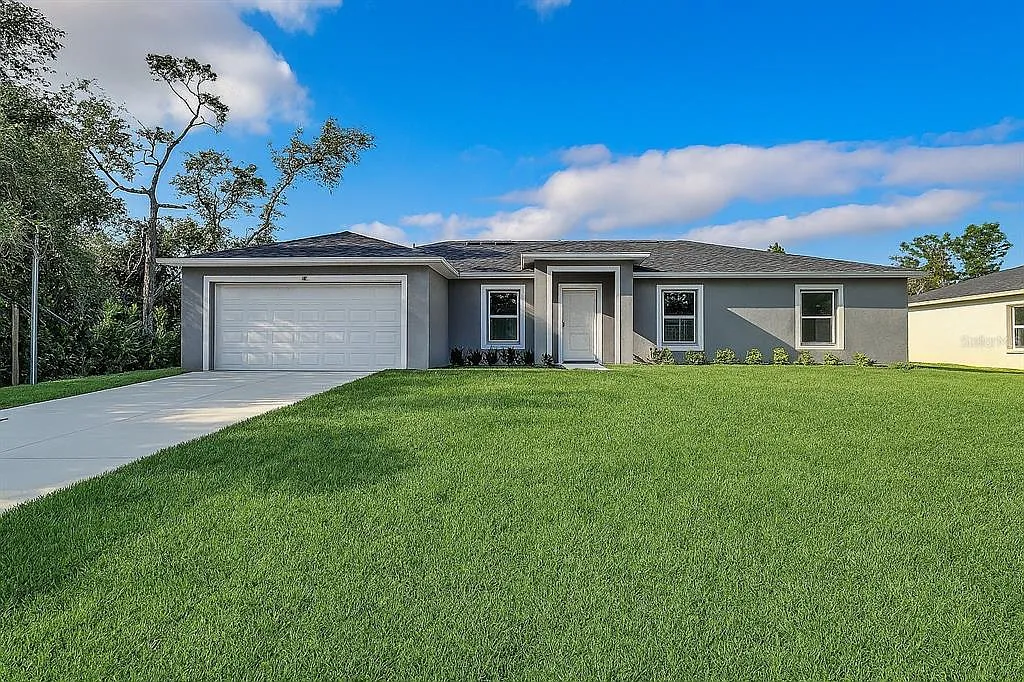
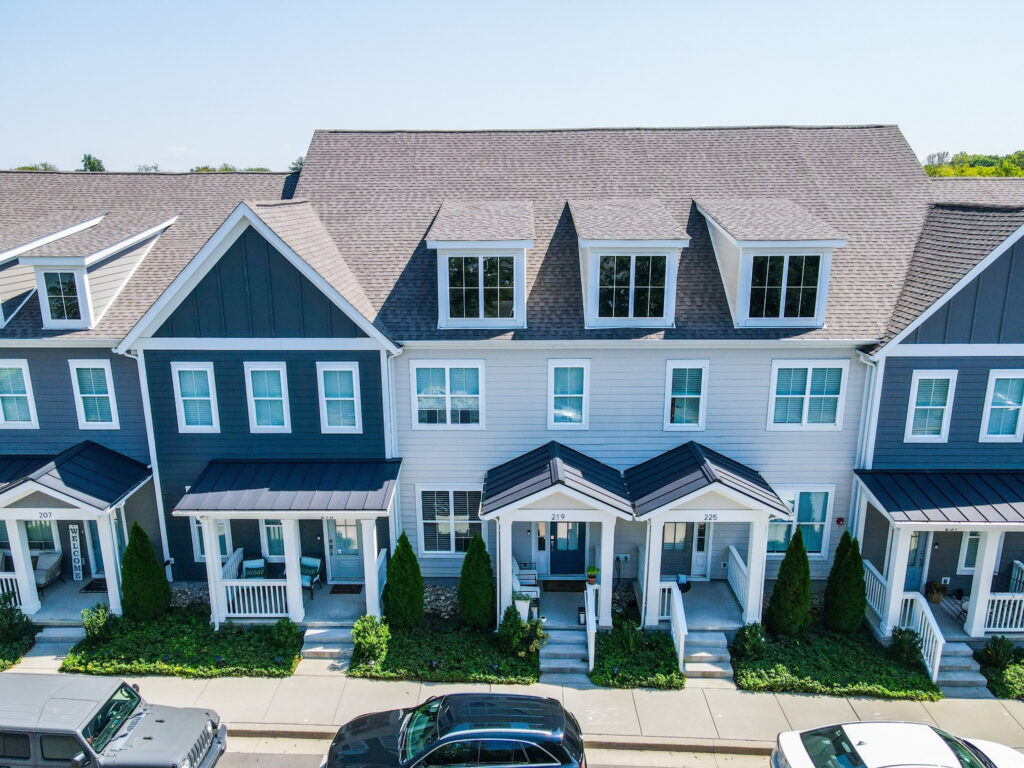
Out‑of‑State investors can compare Tennessee’s newer rental with higher NOI vs Florida’s A+ property with strong yield. Which fits YOUR investment strategy?
We have much more inventory available than what you see on our website – Let us know about your requirement.
📈 Choose Your Winner & Contact Us Today!
Speak to a Norada Investment Counselor (No Obligation):
(800) 611-3060
Mortgage rates remain high in 2026, but rental properties continue to deliver strong cash flow and appreciation. Savvy investors know that turnkey real estate is the path to passive income and long‑term wealth.
Norada Real Estate helps you secure turnkey rental properties designed for immediate cash flow and appreciation—so you can invest smartly regardless of interest rate trends.
Also Read:
- Mortgage Rates Predictions Backed by 7 Leading Experts: 2025–2026
- Mortgage Rate Predictions for the Next 3 Years: 2026, 2027, 2028
- 30-Year Fixed Mortgage Rate Forecast for the Next 5 Years
- 15-Year Fixed Mortgage Rate Predictions for Next 5 Years: 2025-2029
- Will Mortgage Rates Ever Be 3% Again in the Future?
- Mortgage Rates Predictions for Next 2 Years
- Mortgage Rate Predictions for Next 5 Years
- Mortgage Rate Predictions: Why 2% and 3% Rates are Out of Reach
- How Lower Mortgage Rates Can Save You Thousands?
- How to Get a Low Mortgage Interest Rate?
- Will Mortgage Rates Ever Be 4% Again?