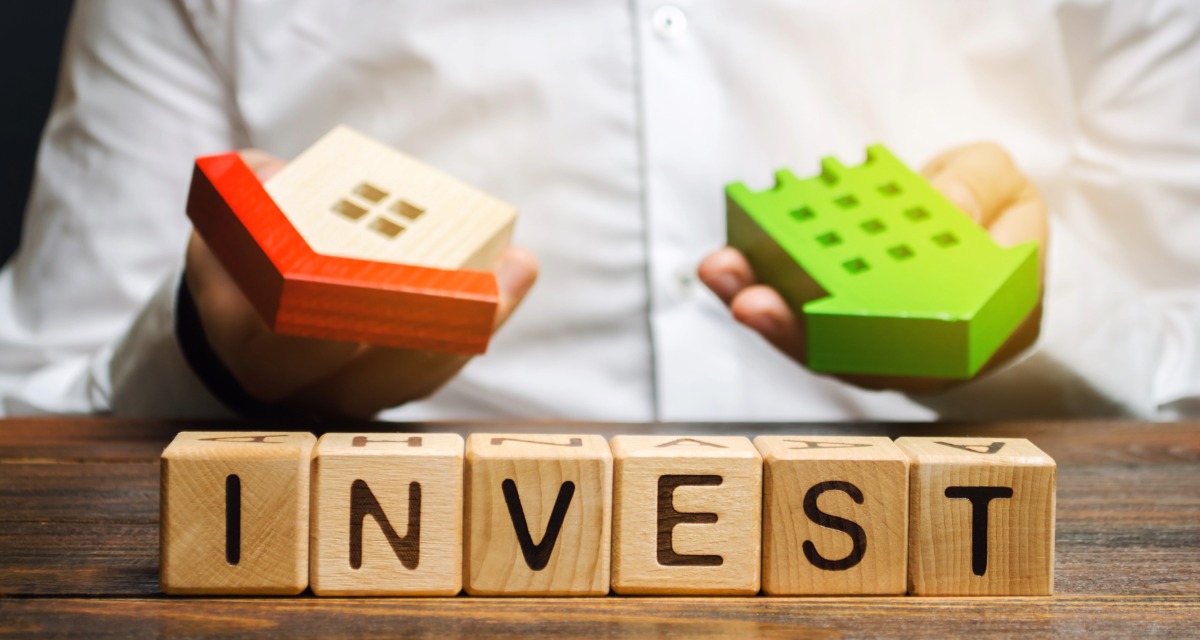
Thinking about investing in real estate for the first time in 2026? You're in a smart spot! While some of the hotter markets from a few years ago are cooling down, that actually makes things better for new investors like us. We're talking about markets where you can actually afford to get in, make a profit, and watch your investment grow over time, not just chase after quick money. For 2026, the best real estate markets for first-time investors are those offering a sweet spot of affordability, good cash flow potential, and steady long-term growth, largely found in the Midwest and parts of the South.
Best Real Estate Markets for First-Time Investors in 2026
As someone who's dived into the real estate world, I know the feeling of wanting to make that first investment. It can feel a bit overwhelming, right? But here's the exciting part: 2026 is shaping up to be a really good year for folks like us. We're not seeing the crazy bidding wars and skyrocketing prices of the recent past. Instead, things are settling down. This means we can be a lot smarter about where we put our money. We want places that are affordable to buy, where the rent you collect is more than your costs (that's cash flow!), and where more people are moving in, which means more renters and your property likely going up in value over the years.
What Makes a Market Great for New Investors Right Now?
It's not just about picking a city; it's about what's happening there. I always look for a few key things:
- Easy Entry: I need to be able to buy a place without needing a million dollars. Think median home prices under $350,000. This often means you can use regular loans or even FHA loans.
- Good Rent Returns: I want to make money each month after paying my mortgage, taxes, and insurance. I'm aiming for gross rental yields of 7% or more. This gives me a cushion.
- People Moving In and Jobs: When a place has lots of job openings and people moving there, it means more renters and a better chance your property will be worth more later.
- Rules That Work for Landlords: Some places make it easier to own rental property than others. I look for places with fair property taxes and insurance costs, and laws that respect property owners.
- Not Too Many Empty Houses: If there are too many houses for sale or rent, prices can drop. A balanced market is usually safer.
And a big one for me? I tend to steer clear of super expensive places like California or the Northeast. The prices are just too high, and the rent you can charge often doesn't give you a good return. The South and Midwest are where the real opportunities are for us first-time investors.
My Top Picks for First-Time Real Estate Investors in 2026
Based on what I'm seeing and analyzing, here are a few markets that really stand out:
1. Jacksonville, Florida
This city is often at the top of lists for new buyers, and for good reason! You can still find homes for around $350,000, which is pretty good for Florida. Lots of people are moving here, partly because there are many military and government jobs. Plus, it feels like there are more homes available now than before, making it easier to find a good deal. People in Jacksonville spend about 23% of their income on rent, which is reasonable. It’s a great place for single-family homes or small apartment buildings, and I expect its value to keep growing as more people settle down there.
2. Birmingham, Alabama
Birmingham is another gem for affordability. More than half the homes for sale here are within reach for the average buyer. You can expect strong rental yields, and the cost of buying property is lower. It’s in a great spot, blending benefits of the South and Midwest, with steady demand from its big healthcare and education sectors. Vacancy rates tend to be low, and it's known for being landlord-friendly.
3. San Antonio, Texas
Texas doesn't have a state income tax, which means more of that rental income stays in your pocket – a big win! San Antonio is growing with jobs in tech and manufacturing, plus a strong military presence. The home prices here allow for cash-flow positive properties, and the growth feels steady and balanced.
4. Houston, Texas
Houston has a really strong and diverse economy, with jobs in energy, healthcare, and its big port. It's a huge market for renters, and it's still relatively affordable compared to other major Texas cities. Things are looking up with more homes available, which is a bonus for first-timers. Just a heads-up: insurance costs can be higher in flood-prone areas, so be sure to factor that into your numbers.
5. Midwest Powerhouses: Toledo & Akron, Ohio; Indianapolis, Indiana; Cleveland, Ohio
These cities are fantastic if you're looking for entry prices under $250,000 and good rental demand. Toledo and Akron, in particular, have some real steals. Cleveland is known for its high rent-to-price ratios, meaning you can potentially get gross yields of 11% or more! Indiana as a state is also a leader in affordability. These areas benefit from strong manufacturing and healthcare jobs, low living costs, and their property values are still way below what they should be compared to people's incomes.
Other Markets to Keep an Eye On:
Cities like Atlanta, Georgia; Raleigh, North Carolina; Louisville, Kentucky; and Pittsburgh, Pennsylvania also offer a nice mix of growth, affordability, and good rental returns.
Key Factors Driving These Winning Markets
| Factor | Why It Matters for New Investors |
|---|---|
| Affordability | Lower prices mean lower down payments and easier loan qualification. |
| Job Growth | More jobs attract people, creating more renters and demand. |
| Population Growth | As more people move in, there are more potential tenants. |
| Rental Demand | Strong demand means less time with an empty property. |
| Landlord-Friendly Laws | Simpler rules mean less hassle and more control. |
What About the Risks? Let's Be Real.
No investment is without its challenges, and real estate is no different. Here’s what I always keep in mind:
- Mortgage Rates: While they might ease a bit, rates around 6-6.5% (or even higher when stress-testing) mean your monthly payments are still significant. Always run your numbers assuming rates could be higher.
- Insurance and Taxes: In places like Florida and Texas, insurance costs are rising due to weather events. Property taxes can also add up. You must include these in your calculations.
- Market Swings: Some areas, especially those that got really hot, could see prices dip a bit. It’s rare for a full crash, but a temporary slowdown is possible.
- Tenant Troubles: Vacancies, unexpected repairs, and dealing with difficult renters are part of the game. Budget for 5-8% vacancy and about 1% of the property's value for maintenance each year.
- Economy: If the whole economy slows down or people lose jobs, rental income can be the first thing affected.
- Local Rules: Some cities have rent control or specific rules about evictions. It’s important to know these before you buy.
To handle these risks, I always advise keeping at least 6 months of expenses saved for emergencies and not borrowing more than you can comfortably afford (aim for a debt-to-income ratio around 25-30%).
My Advice for Your First Deal
- Do Your Homework: Seriously, run the numbers on every potential deal. Include all costs: mortgage, taxes, insurance, repairs, vacancy, property management fees (even if you plan to self-manage at first, know the cost). A good rule of thumb for buy-and-hold is the 70% rule: a property is generally a good deal if you can rent it for 1% of its purchase price per month (e.g., $200k house rents for $2k/month). For flips, the 70% rule is about repair costs: buy a distressed property for 70% of its after-repair value minus the repair costs.
- Smart Financing: If you're new, consider an FHA loan if you plan to live in one unit of a multi-family property (this is called house hacking and is a fantastic way to start). Otherwise, a conventional loan is standard.
- Inspect Everything: Get thorough inspections, check recent sales (comps), and have a solid plan for screening tenants.
- Start Simple: I recommend starting with a buy-and-hold strategy for rental income. It’s more predictable than flipping. Once you're comfortable, you can look into strategies like BRRRR (Buy, Rehab, Rent, Refinance, Repeat) to grow your portfolio.
- Manage Wisely: You can self-manage at first to learn the ropes, but don't be afraid to hire a property manager later on. They handle the day-to-day headaches.
- Think Long-Term: Real estate is a marathon, not a sprint. Focus on building equity and reinvesting your profits over 5-10 years.
Investing in real estate for the first time in 2026 is a smart move. By focusing on affordable markets with strong fundamentals, you can set yourself up for success.
In 2026, select U.S. cities are projected to see surging demand, rising rents, and appreciation—creating prime opportunities for investors seeking passive income and long‑term wealth.
Work with Norada Real Estate to find stable, cash-flowing markets beyond the bubble zones—so you can build wealth without the risks of ultra-competitive areas.
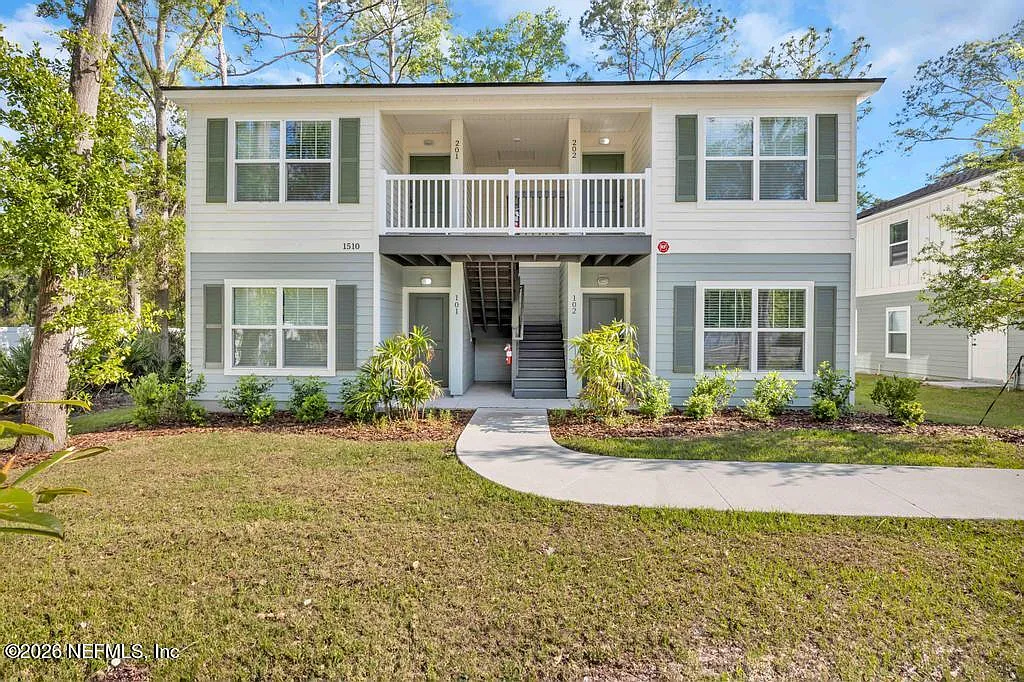
VS
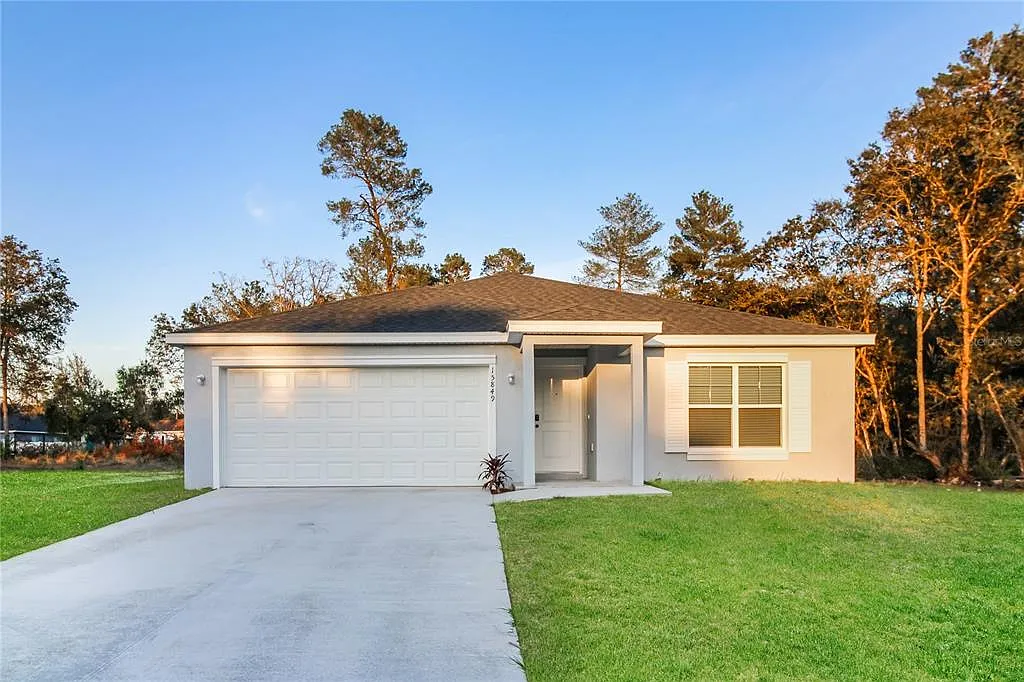
Out‑of‑State investors can compare Jacksonville’s large 8‑bed rental with higher NOI vs Ocala’s newer A‑rated property with steady returns. Which fits YOUR investment strategy?
We have much more inventory available than what you see on our website – Let us know about your requirement.
📈 Choose Your Winner & Contact Us Today!
Speak to a Norada Investment Counselor (No Obligation):
(800) 611-3060
Recommended Read:
- Best Places to Invest in Real Estate for the Next 5 Years (2026-2030)
- Hottest Housing Markets in 2026: Northeast Leads With Hartford at $475K
- Best Cities in the West to Invest in Real Estate in 2026
- 20 Best Small Cities to Invest in Real Estate in 2026
- Best Places to Invest in Real Estate in 2026
- Top Markets for Out-of-State Real Estate Investing in 2026
- Best Cities to Buy Investment Properties in 2026
- Best Cities to Buy Multi-Family Homes for Investment in 2026
- 10 Cities With the Highest Demand for Rental Properties in 2026
- 20 Cheapest States to Buy a House in 2026
- Best States to Buy a House in 2026
- Best Cities to Buy a House for Investment in 2026
- Best Cities to Buy a House For Rental Income in 2026
- Should You Invest in the Austin or Raleigh Real Estate Market in 2026?
- Dallas vs. Houston: Which City Offers Better Returns for Real Estate Investors
- Single-Family vs. Townhome: Which is the Real Cash Flow Winner for Investors?
- 5 Hottest Florida and Texas Markets for Real Estate Investors in 2025
- Best Places to Invest in Real Estate: November 2024 Hotspots
- How to Secure Your Retirement With Cash-Flowing Rental Properties
- Best Places to Invest in Single-Family Rental Properties in 2025
- 5 Hottest Real Estate Markets for Buyers & Investors in 2025