Today, July 17, 2026, the average 30-year fixed refinance rate has dipped to 6.81%, a welcome decrease of 20 basis points from yesterday's 7.01%. This drop offers a potential savings opportunity for many. This little dip is certainly something to cheer about. It's a reminder that even in a market that can feel a bit unpredictable, good news can arrive when you least expect it. So, if you've been on the fence about refinancing, now might be the perfect time to take a closer look and see if you can lower your monthly payments.
Mortgage Rates Today, July 17, 2026: 30-Year Refinance Rate Drops by 20 Basis Points
What's Driving This Rate Drop?
While a 20-basis-point drop might seem small, it can add up to significant savings over the life of your loan. It's like finding a few extra dollars in your pocket that you didn't know you had! From my perspective, this move reflects a few things happening in the bigger economic picture.
We've seen some fluctuations in the market lately. Rates actually hit a low point under 6% earlier this year, which feels like a distant memory now. Since then, they've crept back up into the mid-to-high 6% range. Most experts are predicting that rates will likely stay above 6% for the rest of the year, so catching this dip is pretty smart.
Key Factors at Play
- Treasury Yields: Think of mortgage rates as being best friends with the 10-year U.S. Treasury yield. Right now, that yield is hovering around 4.60%. When Treasury yields go up, mortgage rates usually follow, and when they go down, mortgage rates tend to follow suit.
- Inflation Worries: The cost of things, or inflation, is still a bit stubborn. This keeps financial markets a little jumpy, which can influence mortgage rates.
- The Fed's Stance: The Federal Reserve has hit the pause button on raising interest rates for now, but they're hinting that they might need to raise them later this year to keep inflation in check. This uncertainty can make rates a bit wobbly.
- Global Events: Things happening around the world, like changes in oil prices due to conflicts, can also add to economic uncertainty here at home and affect mortgage rates.
How to Know if Refinancing is Right for You
It's not just about the headline rate; it's about what makes sense for your wallet. Here’s how I think about it:
Calculate Your Break-Even Point
Forget those old rules of thumb! To figure out when you start saving money, take your total closing costs and divide that by how much you'll save each month. That number tells you how many months it will take to make your money back.
Don't Forget the Refi “Premium”
Usually, the interest rate you get for refinancing is a tiny bit higher – maybe 10 to 20 basis points more – than the rate for buying a new house. It's just how the mortgage world works.
Think About Your Goals
If your current mortgage rate is already super low, like under 6%, just changing the rate and term might not be worth it. But what if you want to pull out some cash from your home's value? That's called a cash-out refinance, and it could be a great option. Or maybe you have an adjustable-rate mortgage (ARM) and want the peace of mind of a fixed rate.
Getting the Best Rate
Here’s where I put on my “savvy shopper” hat:
- Your Financial Picture Matters: To get the best advertised rates, you'll want a credit score of 780 or higher and a loan-to-value ratio below 80%. That shows lenders you're a low-risk borrower.
- Shop Around, Seriously! This is crucial. I always tell people to get quotes from at least three different lenders. Skipping this step can cost you a fortune over the years. Don't be afraid to ask questions and compare every little fee.
Today's Refinance Rates (as reported by Zillow)
Here's a quick snapshot of what refinance rates look like today, July 17, 2026:
| Loan Type | Average Rate | Change from Previous Week |
|---|---|---|
| 30-Year Fixed Refinance | 6.81% | Down 1 basis point |
| 15-Year Fixed Refinance | 5.76% | Down 20 basis points |
| 5-Year ARM Refinance | 6.12% | Unchanged |
Note: Rates can vary based on your credit score, loan-to-value ratio, and other factors.
It’s exciting to see these rates moving, and I hope this information helps you make the best decision for your home and your finances. Remember, understanding these numbers is the first step to saving money!
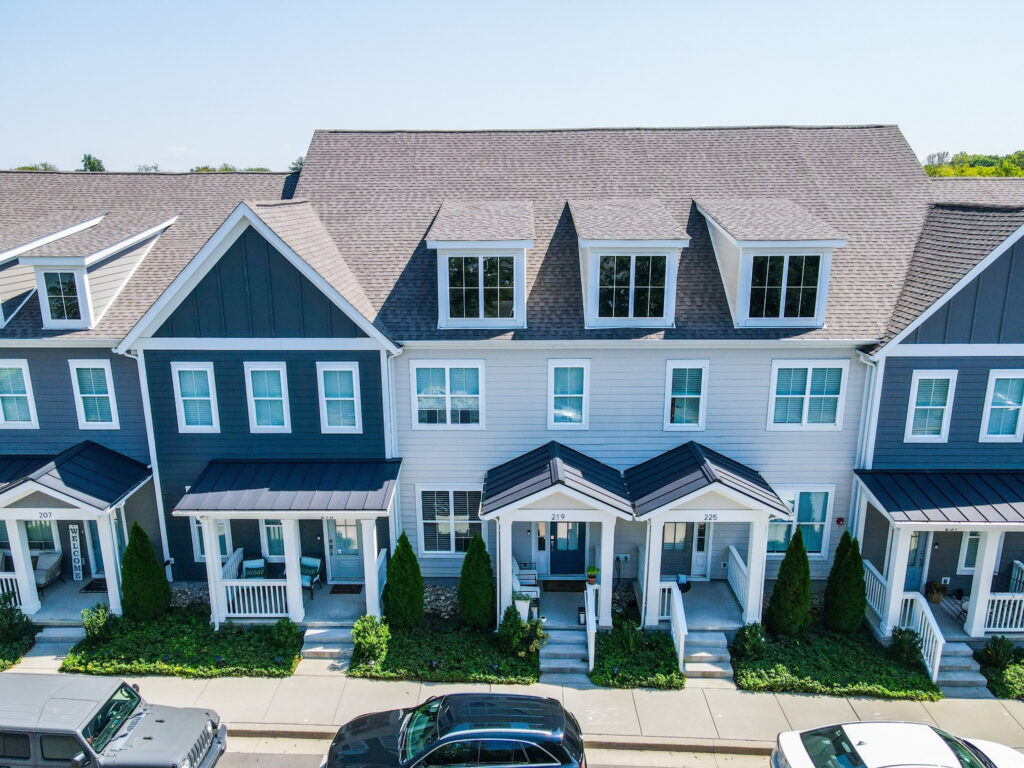
VS
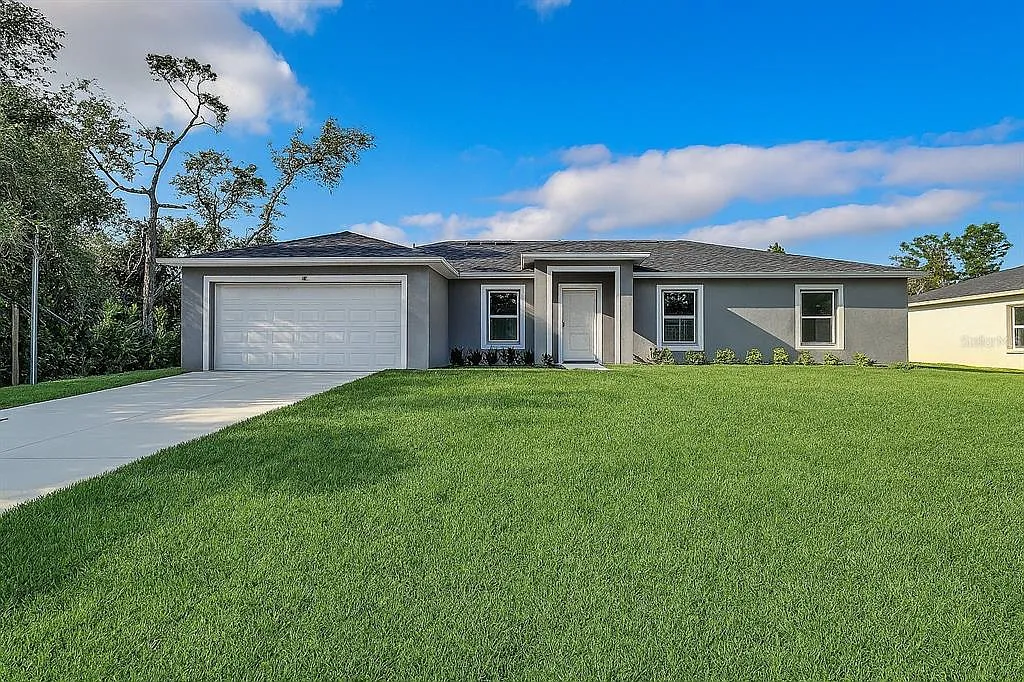
Out‑of‑State investors can compare Tennessee’s newer rental with higher NOI vs Florida’s A+ property with strong yield. Which fits YOUR investment strategy?
We have much more inventory available than what you see on our website – Let us know about your requirement.
📈 Choose Your Winner & Contact Us Today!
Speak to a Norada Investment Counselor (No Obligation):
(800) 611-3060
Mortgage rates remain high in 2026, but rental properties continue to deliver strong cash flow and appreciation. Savvy investors know that turnkey real estate is the path to passive income and long‑term wealth.
Norada Real Estate helps you secure turnkey rental properties designed for immediate cash flow and appreciation—so you can invest smartly regardless of interest rate trends.
Also Read:
- Mortgage Rates Predictions Backed by 7 Leading Experts: 2025–2026
- Mortgage Rate Predictions for the Next 3 Years: 2026, 2027, 2028
- 30-Year Fixed Mortgage Rate Forecast for the Next 5 Years
- 15-Year Fixed Mortgage Rate Predictions for Next 5 Years: 2025-2029
- Will Mortgage Rates Ever Be 3% Again in the Future?
- Mortgage Rates Predictions for Next 2 Years
- Mortgage Rate Predictions for Next 5 Years
- Mortgage Rate Predictions: Why 2% and 3% Rates are Out of Reach
- How Lower Mortgage Rates Can Save You Thousands?
- How to Get a Low Mortgage Interest Rate?
- Will Mortgage Rates Ever Be 4% Again?