Today, June 24, 2026, brings a welcome bit of good news for homeowners looking to refinance their mortgages. The national average for a 30-year fixed refinance rate has dipped to 6.72%, a decrease of 6 basis points from yesterday's 6.78%. While this might seem like a small shift, I've seen firsthand how even modest rate drops can translate into significant savings for many families. It's a reminder that even in a dynamic market, opportunities to improve your financial situation can emerge.
This slight easing in rates comes amidst a complex economic backdrop. We're seeing a fascinating push and pull between global geopolitical events and the persistent trends within our own economy. The Federal Reserve's recent stance, while keeping the benchmark rate steady for now, has signaled a more cautious outlook, with some policymakers anticipating a potential rate hike later this year rather than further cuts. This, combined with stubborn inflation figures, particularly from energy costs, is keeping long-term yields from falling more dramatically.
Mortgage Rates Today, June 24, 2026: 30-Year Refinance Rate Drops by 6 Basis Points
Understanding Today's Refinance Rates
Let's break down the numbers as reported by Zillow for today, June 24, 2026:
| Loan Type | Current Average Rate | Change from Previous Day | Change from Previous Week |
|---|---|---|---|
| 30-Year Fixed Refinance | 6.72% | -6 basis points | +2 basis points |
| 15-Year Fixed Refinance | 5.74% | -13 basis points | N/A |
| 5-Year ARM Refinance | 6.21% | N/A | N/A |
As you can see, the 30-year fixed refinance rate has moved down today, which is certainly positive news. The 15-year fixed refinance rate also saw a more substantial decrease. For those considering an Adjustable-Rate Mortgage (ARM), the 5-year ARM refinance rate is currently holding steady at 6.21%. Generally speaking, national average mortgage refinance rates are sitting in the mid-to-upper 6% range this week.
Why Are Rates Moving This Week?
It's no secret that the mortgage market is influenced by a whirlwind of factors. This week, we're observing a delicate balance between international developments and domestic economic indicators.
- Federal Reserve's Hawkish Lean: Even though the Federal Reserve decided to maintain the federal funds rate between 3.5% and 3.75%, their recent economic projections have hinted at a more cautious approach. A significant number of Fed officials are now leaning towards a potential rate increase later this year, rather than the anticipated cuts. This sentiment can influence longer-term interest rates.
- Stubborn Inflation and Energy Prices: Inflation remains a key concern. May's Consumer Price Index (CPI) saw an annual increase of 4.2%, largely due to soaring energy costs. These costs were exacerbated by earlier tensions in the Middle East. For mortgage rates to truly trend downwards, we need to see inflation consistently move closer to the Fed's target of 2%.
- Geopolitical Relief and Economic Resilience: Earlier this year, we saw rates briefly dip below 6.1% before climbing again due to conflict. While a recent ceasefire announcement has provided some temporary calm, the surprising strength of the job market—with 172,000 jobs added in May—is preventing mortgage rates from falling more significantly. Robust employment figures often suggest a strong economy, which can put upward pressure on rates.
Essential Guidance for Homeowners Navigating Today's Rates
With major institutions like the Mortgage Bankers Association and Fannie Mae predicting that 30-year fixed rates will likely stay above 6% for the remainder of the year, it's crucial for homeowners to carefully assess their individual situations and potential refinancing strategies. I always advise my clients to think critically about whether refinancing makes sense for them, not just because rates have moved.
Here's my take on how to approach this:
- Know Your “Why” and Your Numbers:
- Recent Buyers (2022-2024): If you purchased a home when rates were at their peak, hovering around 7.5% to 8%, refinancing into today's mid-6% range could very well lead to substantial savings, potentially over $1,000 per year on your monthly payments. It's definitely worth exploring.
- Long-Term Homeowners (Pre-2022): If your current mortgage rate is comfortably below 5%, a standard rate-and-term refinance probably won't offer enough savings to justify the closing costs involved. In these cases, it's often best to hold onto your current low rate.
- Explore Alternatives to a Full Cash-Out Refinance:
- If you need to access your home's equity for projects like renovations or to consolidate debt, consider alternatives to refinancing your entire primary mortgage. Sometimes, replacing a 3% or 4% mortgage with a new 6.72% one just to access cash isn't the most financially sound move.
- Home Equity Line of Credit (HELOC) or a Home Equity Loan might be a better solution. These allow you to borrow against your equity without disturbing your existing, likely lower-interest, first mortgage.
- Optimize Your Borrower Profile:
- It's important to remember that the lowest advertised rates are typically reserved for borrowers with excellent credit profiles. This usually means a FICO score of 740 or higher and a significant amount of home equity.
- Before you even start shopping for lenders, take stock of your financial health. Check your debt-to-income (DTI) ratio and compare offers from multiple lenders. Don't just go with the first one you talk to; different lenders have different rates and fees, and the best deal for you might be with a lender you haven't considered.
Looking Ahead
While today's slight decrease in the 30-year fixed refinance rate is encouraging, the overall economic picture suggests that we might not see a dramatic plunge in rates anytime soon. The interplay between inflation, Fed policy, and global events will continue to shape the mortgage market. For homeowners, staying informed and making strategic decisions based on your personal financial goals remains the most effective approach. Refinancing is a tool, and like any tool, it's most effective when used at the right time and for the right purpose.

VS
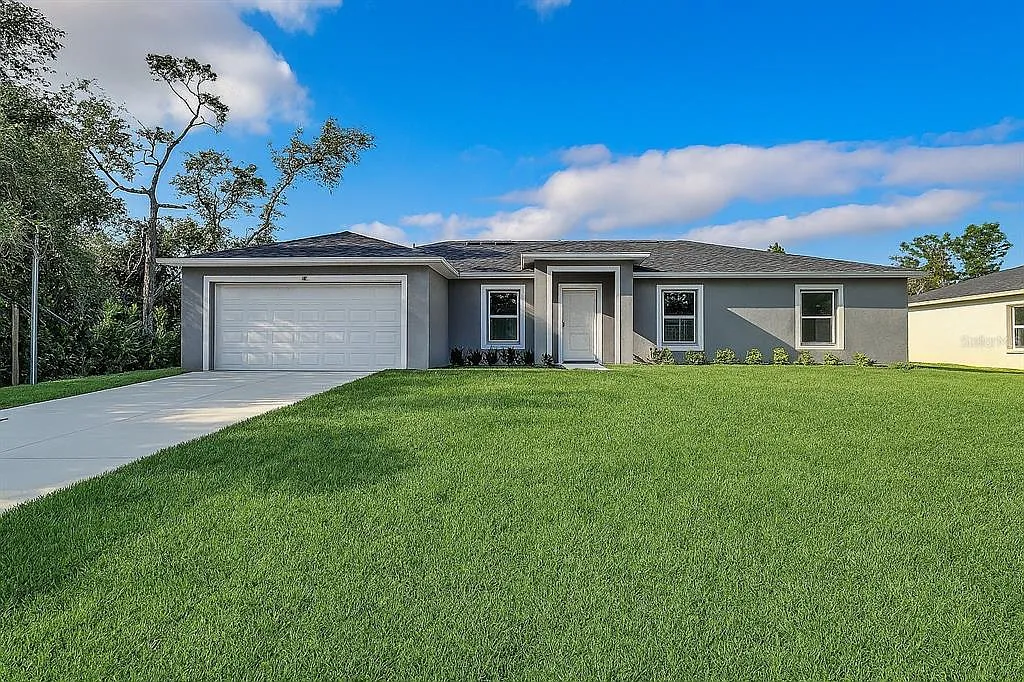
Out‑of‑State investors can compare Tennessee’s newer rental with higher NOI vs Florida’s A+ property with strong yield. Which fits YOUR investment strategy?
We have much more inventory available than what you see on our website – Let us know about your requirement.
📈 Choose Your Winner & Contact Us Today!
Speak to a Norada Investment Counselor (No Obligation):
(800) 611-3060
Mortgage rates remain high in 2026, but rental properties continue to deliver strong cash flow and appreciation. Savvy investors know that turnkey real estate is the path to passive income and long‑term wealth.
Norada Real Estate helps you secure turnkey rental properties designed for immediate cash flow and appreciation—so you can invest smartly regardless of interest rate trends.
Also Read:
- Mortgage Rates Predictions Backed by 7 Leading Experts: 2025–2026
- Mortgage Rate Predictions for the Next 3 Years: 2026, 2027, 2028
- 30-Year Fixed Mortgage Rate Forecast for the Next 5 Years
- 15-Year Fixed Mortgage Rate Predictions for Next 5 Years: 2025-2029
- Will Mortgage Rates Ever Be 3% Again in the Future?
- Mortgage Rates Predictions for Next 2 Years
- Mortgage Rate Predictions for Next 5 Years
- Mortgage Rate Predictions: Why 2% and 3% Rates are Out of Reach
- How Lower Mortgage Rates Can Save You Thousands?
- How to Get a Low Mortgage Interest Rate?
- Will Mortgage Rates Ever Be 4% Again?