Well, it looks like the dream of snagging a mortgage rate under 6% is a bit further away today, July 13th. According to Zillow, the 30-year fixed-rate for buying a home is now at 6.44%, which is actually 8 basis points lower than yesterday. That's a bit of good news! The 15-year fixed-rate also dipped to 5.82% (down 7 basis points), and the 5/1 ARM is at 6.43% (down 12 basis points). While these drops are nice, we're still seeing mortgage rates mostly hanging out in the mid-6% range, and that's a big change from the near 6% we saw earlier in the year.
Today's Mortgage Rates, July 13: 30‑Year Rate Dips, Experts Predict Mid‑6% Range Through 2027
Why Are Rates Like This Right Now?
It’s helpful to think about what’s really causing these mortgage rate ups and downs. It's not just random; there are real reasons behind it.
1. Global Jitters and Oil Prices
There's a lot happening in the world, and unfortunately, some of that trouble is making its way to our wallets. When there's conflict in places like the Middle East, especially when it affects big oil routes like the Strait of Hormuz, oil prices tend to go up. And when oil gets more expensive, everything from the gas you put in your car to the cost of shipping goods can get more expensive too. This makes people worry about inflation, which is basically when prices for everything go up faster.
2. Inflation That Just Won't Quit
You’ve probably noticed that things are costing more these days, right? Well, that’s inflation. The yearly inflation rate is around 4.2%, which is a lot higher than what the Federal Reserve (that’s the main bank in the U.S.) wants to see. Their goal is usually around 2%. Because inflation is being so stubborn, the Fed is being careful about lowering interest rates. In fact, instead of cutting rates, some big banks are now thinking the Fed might actually raise rates a couple of times later this year. This makes borrowing money, like for a mortgage, more expensive.
3. Treasury Yields Are Climbing
Now, here's something a little more technical, but it’s super important for understanding mortgage rates. Your mortgage rate doesn’t just magically go up because the Fed changes a number. Instead, mortgage lenders watch what’s happening with 10-year U.S. Treasury notes. Think of these as loans the government takes out. When there’s a lot of uncertainty in the world or people are worried about inflation, they want to get paid more for lending money to the government. This makes the yield (the profit for the lender) on these Treasury notes go up. Right now, the 10-year Treasury yield is climbing towards 4.56%. Since mortgage lenders make their money by selling mortgages to investors, they have to offer higher rates to keep up with these government bond yields. It's like they need to offer a bit more to make it worth it for people to invest in mortgages instead of safer government bonds.
Today's Mortgage Rates Snapshot (According to Zillow)
Here’s a quick look at some of the average rates for buying a home today, July 13th. Remember, these are averages, and your actual rate might be a little different based on your credit score and other factors.
| Loan Product | Average Interest Rate (Zillow) | Weekly Trend |
|---|---|---|
| 30-year fixed | 6.44% | Lowering 📉 |
| 20-year fixed | 6.21% | (Not provided) |
| 15-year fixed | 5.82% | Lowering 📉 |
| 5/1 ARM | 6.43% | Lowering 📉 |
| 7/1 ARM | 6.35% | – |
| 30-year VA | 5.88% | – |
| 15-year VA | 5.43% | – |
| 5/1 VA | 5.66% | – |
Note: The rates listed above are from Zillow. Other sources like Freddie Mac and Bankrate might show slightly different numbers because they use different ways of collecting data.
What Should I Be Thinking About for the Future?
It's tough to say exactly what will happen with mortgage rates tomorrow, let alone next month. But based on what economists are seeing, the hope of getting a mortgage rate below 6% anytime soon is fading. Many experts are predicting that rates will likely stay in the 6.50% to 6.70% range through 2027.
Another thing to keep in mind is the U.S. government's debt. When the country spends more than it brings in (which it's doing a lot of right now), it can put more pressure on the bond market. This means it's less likely we'll see a big drop in rates unless the economy really slows down.
As someone who deals with this stuff all the time, my best advice is to stay informed. Keep an eye on the news, especially anything about inflation and what the Federal Reserve is doing. And if you're thinking about buying a home, talk to a mortgage lender. They can give you the most up-to-date information and help you figure out what's best for your situation.
VS
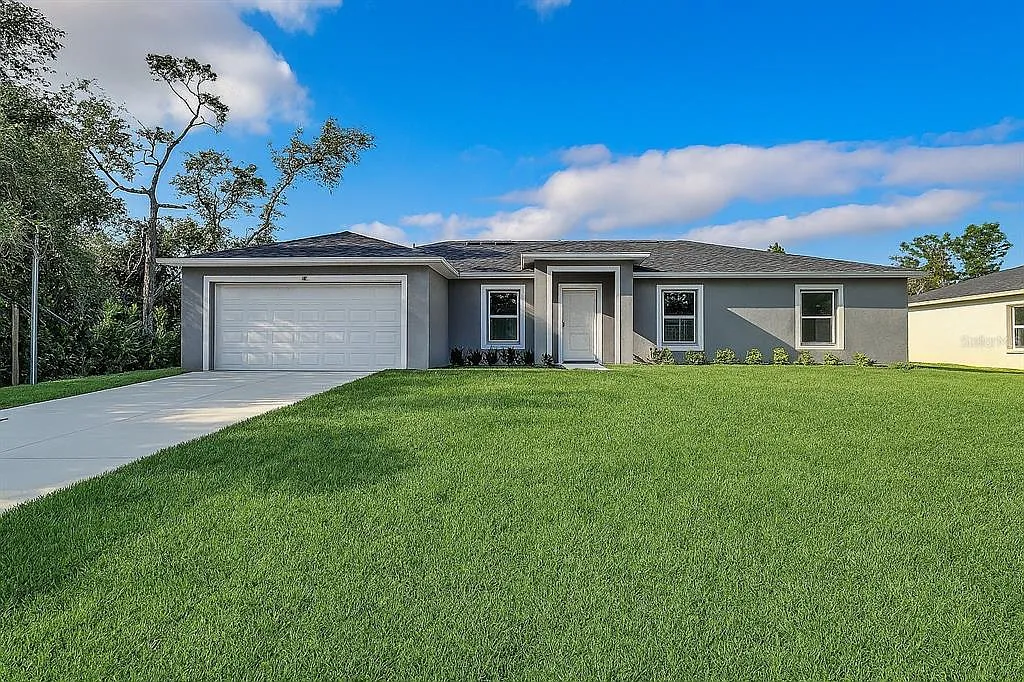
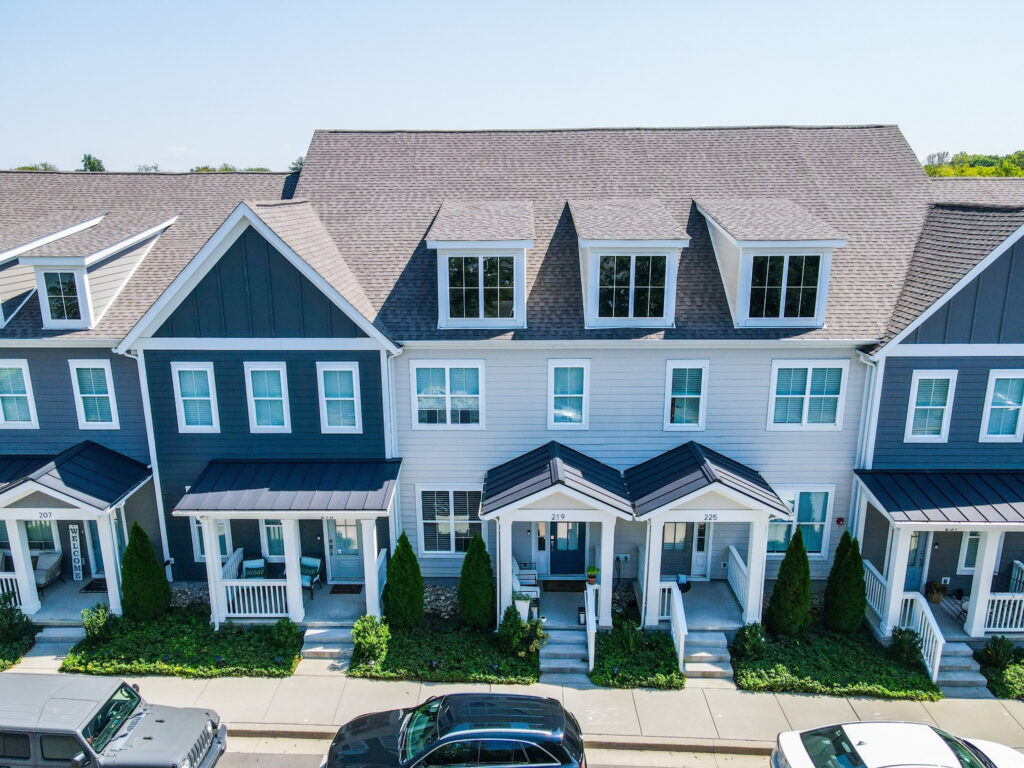
Out‑of‑State investors can compare Tennessee’s newer rental with higher NOI vs Florida’s A+ property with strong yield. Which fits YOUR investment strategy?
We have much more inventory available than what you see on our website – Let us know about your requirement.
📈 Choose Your Winner & Contact Us Today!
Speak to a Norada Investment Counselor (No Obligation):
(800) 611-3060
Mortgage rates remain high in 2026, but rental properties continue to deliver strong cash flow and appreciation. Savvy investors know that turnkey real estate is the path to passive income and long‑term wealth.
Norada Real Estate helps you secure turnkey rental properties designed for immediate cash flow and appreciation—so you can invest smartly regardless of interest rate trends.
Also Read:
- Mortgage Rates Predictions Backed by 7 Leading Experts: 2025–2026
- Mortgage Rate Predictions for the Next 3 Years: 2026, 2027, 2028
- 30-Year Fixed Mortgage Rate Forecast for the Next 5 Years
- 15-Year Fixed Mortgage Rate Predictions for Next 5 Years: 2025-2029
- Will Mortgage Rates Ever Be 3% Again in the Future?
- Mortgage Rates Predictions for Next 2 Years
- Mortgage Rate Predictions for Next 5 Years
- Mortgage Rate Predictions: Why 2% and 3% Rates are Out of Reach
- How Lower Mortgage Rates Can Save You Thousands?
- How to Get a Low Mortgage Interest Rate?
- Will Mortgage Rates Ever Be 4% Again?