When I first got into real estate investing, I thought the only things that mattered were how many people were moving into a city and how many jobs were being created. While those are super important, I quickly learned that the laws about being a landlord are just as big a deal. Finding a place with landlord-friendly laws can be the difference between making money easily and dealing with a ton of headaches and extra costs. For 2026, I've found that some cities really shine when it comes to making things easier for people who own rental properties.
Best Landlord-Friendly Cities to Invest in Real Estate in 2026
If you're looking to invest in rental properties in 2026, paying attention to the laws that protect landlords is key. These laws can make a huge difference in your profits and how much stress you have. I’m talking about places where it’s not too hard to evict someone who doesn't pay, where you have some say over rent prices, and where getting started doesn't involve a ton of confusing paperwork or fees. Based on what I've seen and researched, some cities and states really stand out.
What Makes a City “Landlord-Friendly”?
From my experience, a city or state is landlord-friendly when the laws help keep things running smoothly for property owners. Here's what I look for:
- No Rent Control: This is a big one. When cities try to control how much you can charge for rent, it can really mess with your profits, especially when your own costs go up. States that stop cities from doing this are usually the best.
- Quick Eviction Process: Nobody wants to deal with tenants who don't pay, and the faster you can legally get them out, the better. I've found that states with shorter notice periods for non-payment and quicker court processes are gold.
- Flexible Rules on Deposits and Fees: Being able to charge a reasonable security deposit and late fees helps cover unexpected costs. Laws that are too strict here can be tough on landlords.
- Easy Lease Termination: When a lease is up, or if you have a month-to-month tenant, it’s much easier if you don’t need a specific, hard-to-prove reason to end the tenancy.
- Few Licensing Burdens: Some cities make you get special licenses or go through lots of inspections just to be a landlord. I prefer places that keep these requirements to a minimum.
- Good Tax Climate: Lower property taxes and no state income tax on rental income mean more money in your pocket.
States that often get this right include Texas, Indiana, Alabama, Florida, Arizona, Georgia, Ohio, Tennessee, and North Carolina. These places combine good laws with solid reasons people want to live there, like jobs and growing populations.
My Top Picks for Landlord-Friendly Cities in 2026
After looking at a lot of data and considering what works best for investors like me, especially those focused on single-family homes and smaller apartment buildings, here are the cities I think are the best bets for 2026:
1. Indianapolis, Indiana
Indiana is consistently a top state for landlords. They don't have rent control, and the eviction process for non-payment is pretty quick, often just about 21 to 35 days from start to finish. Plus, property taxes are reasonable, usually around 0.81% effective. The courts here tend to be fair to landlords.
Market Snapshot: You can often find homes in the low to mid-$200,000s, which is great for getting started. Rental yields can be around 9% or higher in good areas. The economy is strong, with jobs in logistics, manufacturing, and tech. It’s a good mix of making money each month (cash flow) and seeing your property value go up over time.
Why I Like It: It’s often possible to find properties that follow the “1% rule” (meaning the monthly rent is at least 1% of the purchase price), which is a great sign for cash flow. There are plenty of houses and good property managers available, making it easy for out-of-state investors.
Things to Watch Out For: Some parts of the city aren't as nice as others, so it’s smart to stick to well-kept neighborhoods or the suburbs like Carmel or Fishers.
Good For: Investors looking for steady cash flow and those building a larger portfolio.
2. Birmingham (and Montgomery), Alabama
Alabama is fantastic when it comes to low property taxes, usually under 0.43%. They also have no rent control, and if a tenant doesn't pay, you only need to give them a 7-day notice to get things moving. The whole eviction process can often be done in 14 to 28 days.
Market Snapshot: These cities offer some of the highest rental income compared to property prices, with yields often hitting 8% to 13%+. You can find single-family homes for under $200,000, sometimes even closer to $100,000-$150,000 in solid areas. The economy is supported by healthcare, education, and manufacturing.
Why I Like It: The low costs for taxes and insurance mean more profit for you. It’s a great place for strategies like BRRRR (Buy, Rehab, Rent, Refinance, Repeat) because the entry costs are low.
Things to Watch Out For: Just like anywhere, some neighborhoods have more problems than others. You absolutely need to screen tenants carefully and pick your areas wisely. The property values might not go up as fast as in some other hot markets.
Good For: Investors who want the most cash flow possible and those who are new to investing or want to buy many properties.
3. Cleveland (and Columbus), Ohio
Ohio doesn't have rent control, and you only need to give a 3-day notice if a tenant doesn't pay rent. The eviction process is typically pretty fast, around 3 to 5 weeks. They also have flexible rules on security deposits and late fees.
Market Snapshot: Cleveland is amazing for cash flow, with yields often around 9% to 11%+ and median home prices near $150,000-$175,000. Columbus, the state capital, is growing faster, with prices closer to $250,000-$300,000 and yields of 7% to 9%. Both cities have stable economies with jobs in healthcare, education, and logistics.
Why I Like It: The prices are low, and the rent you can charge relative to the price is very good. It’s a solid market for buying homes that need a little work (value-add) or buying ready-to-rent properties.
Things to Watch Out For: Some older industrial areas might have more maintenance issues. Cleveland has more of a “fixer-upper” vibe in certain parts.
Good For: People focused on getting good monthly income from their rentals.
4. San Antonio (and other Texas cities)
Texas is famous for being landlord-friendly. There’s no rent control, and you only need a 3-day notice to ask a tenant to leave if they haven't paid. Evictions are usually quick, around 21 to 28 days. Plus, there’s no state income tax, which is a huge win for your bottom line. Property taxes can be a bit higher, though, often around 1.6% to 1.9%.
Market Snapshot: San Antonio is more affordable than Austin or Dallas, with home prices often between $250,000 and $350,000. You can expect yields of 6% to 8%+, and the city is growing with jobs in the military, healthcare, and tourism sectors. Dallas-Fort Worth (DFW) offers more job growth and higher appreciation but slightly lower yields.
Why I Like It: Texas is a great state for investing because it's business-friendly and people keep moving there. The lack of state income tax really boosts your net profits.
Things to Watch Out For: Property taxes and insurance costs (especially for things like hail and wind damage) can be high. Sometimes there are a lot of apartment buildings being built, which can increase competition.
Good For: Investors who want a balance of property value growth and monthly income, especially in growing suburbs.
5. Phoenix (and other Arizona markets)
Arizona has a statewide ban on rent control, and you only need to give a 5-day notice if rent isn't paid. The courts are generally landlord-friendly, and property taxes are quite low, around 0.5%.
Market Snapshot: The Phoenix area has grown a lot, with median home prices over $400,000, though you can find more affordable options in the suburbs. Rental yields are typically around 6% to 8%. The job market is strong, with growth in tech and logistics, and people continue to move there.
Why I Like It: The combination of job growth, population increase, and relatively low taxes makes it attractive. The sunny weather is a bonus for attracting tenants.
Things to Watch Out For: Insurance costs can be higher in some areas, and the extreme heat can lead to more maintenance needs. Property appreciation has cooled down a bit in the main city areas.
Good For: Long-term investors who want their property values to increase and still get decent monthly rent.
6. Tampa / Jacksonville, Florida
Florida has strong laws protecting landlords from rent control. You usually only need a 5-day notice for unpaid rent, and you don't need a special reason to end a month-to-month lease. The best part? No state income tax, and recent laws make it harder for squatters.
Market Snapshot: These cities offer no state income tax along with growing populations and jobs in tourism, healthcare, and logistics. You can find yields of 7% to 9%, and Jacksonville is often more affordable than Tampa or other major Florida cities.
Why I Like It: The tax benefits are huge. Florida's lifestyle also attracts a lot of renters and buyers, supporting property value growth.
Things to Watch Out For: Homeowner's insurance can be very expensive, especially if you're near the coast or in a flood zone. You need to carefully factor in $3,000 to $5,000 or more per year for insurance. Evictions can take a bit longer than in some Midwest states.
Good For: Investors who want tax advantages and a good chance for their property values to go up.
Other Places Worth Checking Out
- Fort Wayne, Indiana: Offers great rental income (6-8%+) at lower prices than Indianapolis, with the same landlord-friendly Indiana laws.
- Columbus, Ohio: Similar to Cleveland but with a stronger focus on growth, with solid rental income.
- Nashville, Tennessee (Honorable Mention): No state income tax and good growth, but prices are going up fast, making it more competitive.
Things to Consider Besides Just the Laws
Even in the best cities, I always look at these things:
- Cash Flow: I calculate potential rent minus all my expenses (property taxes, insurance, management fees, maintenance, and money set aside for big repairs). I try to get at least 7-8% in rental income before expenses.
- Taxes: As I mentioned, Alabama and Arizona are great for property taxes, while Texas and Florida shine with no state income tax.
- Insurance: This is cheapest in the Midwest (Indiana, Ohio) and most expensive in Florida.
- Local Rules: Even in landlord-friendly states, some cities might have their own rules about things like short-term rentals.
- Economy and Tenants: Cities with lots of different kinds of jobs are usually safer bets because if one industry struggles, others can pick up the slack.
- Growth vs. Cash Flow: Do you want your money to grow fast, or do you want steady income each month? Midwest cities tend to give more cash flow, while places like Texas and Florida offer a mix.
What to Watch Out For in the Future
Things like rising insurance costs, interest rates, and potentially new local laws (even though state laws often protect landlords) are things I keep an eye on. Also, in some popular areas, there might be too many rental properties being built. It's always smart to have extra money saved up (like 6-12 months of expenses) just in case. And remember, the best way to avoid problems is to carefully screen every tenant you consider.
How I Get Started in These Markets
- Know Your Goal: Are you after pure cash flow (like in Birmingham or Cleveland) or a mix of cash flow and growth (like in Indianapolis or San Antonio)?
- Build Your Team: You need a good real estate agent who knows investment properties, a lawyer who understands landlord laws, a reliable property manager, an accountant, and an insurance agent.
- Research: Look at specific neighborhoods. Check crime rates, schools, and job centers. Use online tools to estimate rent and property values.
- Follow the Rules: Use leases that are specific to the state you're investing in and understand all the notice requirements.
- Buy Smart: Look for properties that are off the market, need some work, or are already set up as rentals. Always calculate all your costs.
- Manage Well: Make it easy for tenants to pay rent online, respond to maintenance requests quickly, and increase rent when it makes sense.
Being a good landlord—being fair, fixing things promptly, and communicating well—pays off in the long run.
Looking Ahead to 2026 and Beyond
I believe that states with laws that support landlords will continue to be good places to invest. People are still moving from expensive, highly regulated areas to places like Texas, Florida, and the Midwest. Cities in Indiana, Ohio, and Alabama look particularly good if your main goal is monthly income with less risk. The Sun Belt cities still offer good overall returns if you manage your insurance and taxes carefully.
No matter where you invest, always do your homework, run the numbers conservatively, and pick cities that fit what you want to achieve with your investments.
In 2026, select U.S. cities are projected to see surging demand, rising rents, and appreciation—creating prime opportunities for investors seeking passive income and long‑term wealth.
Work with Norada Real Estate to find stable, cash-flowing markets beyond the bubble zones—so you can build wealth without the risks of ultra-competitive areas.
VS
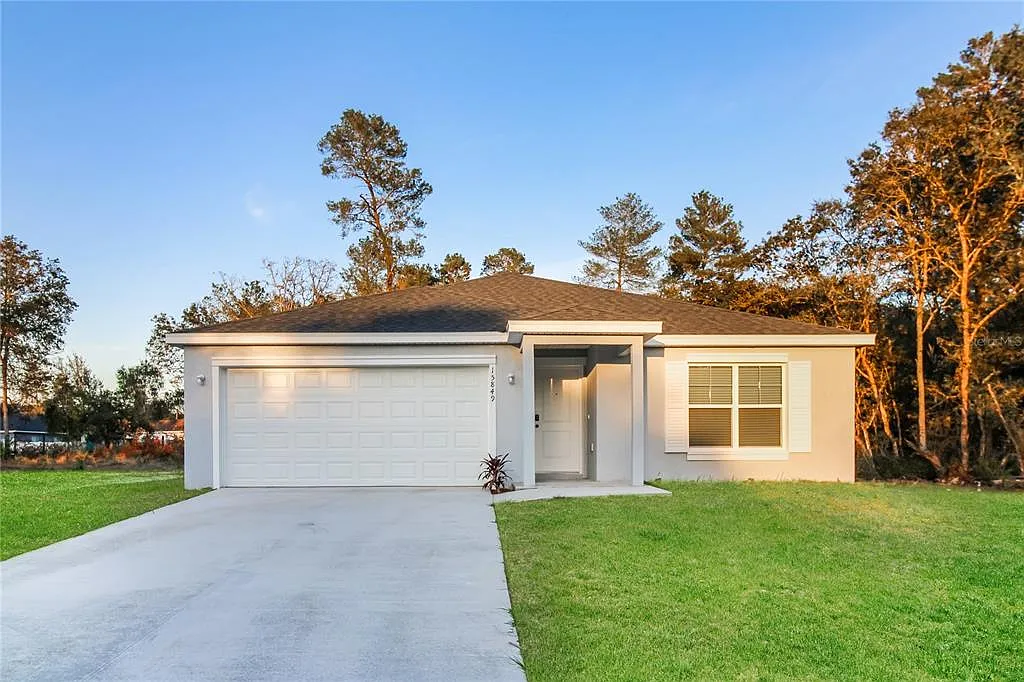
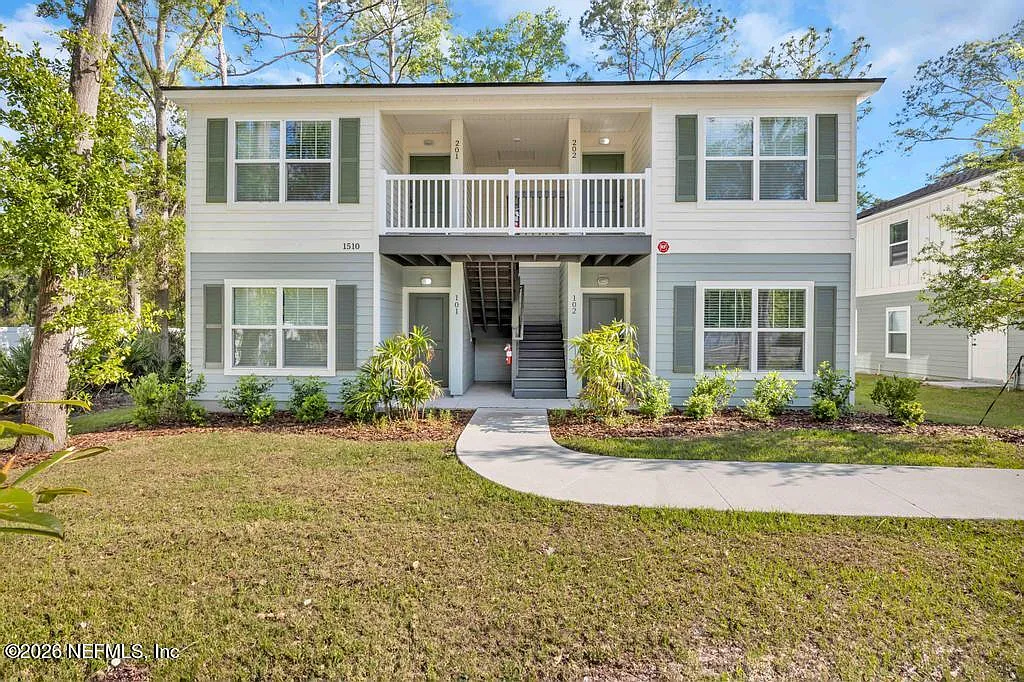
Out‑of‑State investors can compare Jacksonville’s large 8‑bed rental with higher NOI vs Ocala’s newer A‑rated property with steady returns. Which fits YOUR investment strategy?
We have much more inventory available than what you see on our website – Let us know about your requirement.
📈 Choose Your Winner & Contact Us Today!
Speak to a Norada Investment Counselor (No Obligation):
(800) 611-3060
Recommended Read:
- Best Places to Invest in Real Estate for the Next 5 Years (2026-2030)
- Hottest Housing Markets in 2026: Northeast Leads With Hartford at $475K
- Best Cities in the West to Invest in Real Estate in 2026
- 20 Best Small Cities to Invest in Real Estate in 2026
- Best Places to Invest in Real Estate in 2026
- Top Markets for Out-of-State Real Estate Investing in 2026
- Best Cities to Buy Investment Properties in 2026
- Best Cities to Buy Multi-Family Homes for Investment in 2026
- 10 Cities With the Highest Demand for Rental Properties in 2026
- 20 Cheapest States to Buy a House in 2026
- Best States to Buy a House in 2026
- Best Cities to Buy a House for Investment in 2026
- Best Cities to Buy a House For Rental Income in 2026
- Should You Invest in the Austin or Raleigh Real Estate Market in 2026?
- Dallas vs. Houston: Which City Offers Better Returns for Real Estate Investors
- Single-Family vs. Townhome: Which is the Real Cash Flow Winner for Investors?
- 5 Hottest Florida and Texas Markets for Real Estate Investors in 2025
- Best Places to Invest in Real Estate: November 2024 Hotspots
- How to Secure Your Retirement With Cash-Flowing Rental Properties
- Best Places to Invest in Single-Family Rental Properties in 2025
- 5 Hottest Real Estate Markets for Buyers & Investors in 2025