Good news for homeowners looking to refinance! Today, June 19, 2026, marks a small but welcome dip in refinance rates. The national average for a 30-year fixed refinance rate has fallen by 3 basis points, moving from 6.73% down to 6.70%. This is a positive sign for those hoping to trim their monthly payments or tap into their home's equity. This little drop, while not a massive earthquake, is definitely something to pay attention to, especially if you’ve been on the fence about refinancing.
Mortgage Rates Today, June 19, 2026: 30-Year Refinance Rate Drops by 3 Basis Points
What Does This Little Drop Mean for You?
A 3 basis point drop might sound tiny, but let's break it down. A basis point is just 1/100th of a percent. So, 3 basis points means a 0.03% decrease. While this won't suddenly make your mortgage payment drastically different, it's a step in the right direction.
For someone with a $300,000 mortgage, a 0.03% drop translates to saving about $7.50 per month. Over a year, that's $90, and over the life of a 30-year loan, it adds up to a few thousand dollars saved. It’s not life-changing cash, but every bit helps, right?
This current rate of 6.70% for a 30-year fixed refinance is also a 2 basis point drop from the average rate we saw last week, which was 6.72%. So, the trend is definitely heading downwards, albeit slowly.
Other Refinance Rates to Watch
It's not just the 30-year fixed rate that's making news. Here's what else is happening with refinance rates, according to Zillow:
- 15-year fixed refinance rate: This one has actually nudged up a bit, increasing by 5 basis points from 5.87% to 5.92%.
- 5-year Adjustable-Rate Mortgage (ARM) refinance rate: This rate is holding steady at 6.12%.
Here’s a quick look at where things stand today:
| Loan Type | Today's Rate (June 19, 2026) | Previous Rate (Approx.) | Change |
|---|---|---|---|
| 30-Year Fixed Refinance | 6.70% | 6.73% | Down 3 bps |
| 15-Year Fixed Refinance | 5.92% | 5.87% | Up 5 bps |
| 5-Year ARM Refinance | 6.12% | 6.12% | Steady |
(Rates are national averages reported by Zillow.)
What’s Making Rates Move?
It’s always a bit of a puzzle trying to figure out exactly why mortgage rates do what they do. A lot of things play a role, from what the big banks are thinking to global events. Here’s what I’m seeing as the main drivers behind these current rates:
- The Federal Reserve's Stance: The Fed recently decided to keep their main interest rate the same. But, they also put out some signals that suggest they might not be cutting rates as much as people hoped this year. Some folks on the Fed are even talking about potentially raising rates if prices keep going up too much. This uncertainty keeps lenders a bit cautious, which can influence mortgage rates.
- Global News: Remember when there was a lot of worry about conflicts happening around the world? That made gas prices jump and caused some panic. Now, there are some signs that things might be calming down, which is helping bond markets feel a bit more stable. When bonds are more stable, it can help keep mortgage rates from going way up.
- Treasury Yields: Mortgage rates don't follow the Fed's rate directly. Instead, they tend to track the 10-year Treasury yield. Right now, that yield is hanging around 4.44%. This is like a steady platform for loan prices, meaning rates aren’t likely to drop dramatically unless this yield really moves.
- A Strong Economy: The good news is, our economy seems to be doing pretty well. People are buying more things, and not as many people are out of jobs. This is great for the country, but it also means the economy isn't slowing down enough for lenders to feel like they need to slash mortgage rates to get people to borrow money.
My Thoughts on Refinancing Right Now
From my experience, I always tell people to think carefully before jumping into a refinance. It’s not always the magic bullet everyone hopes for.
The 0.50% Rule: A good rule of thumb I often share is the “0.50% rule.” If your current mortgage rate is below 7.25% and you can't shave off at least half a percentage point (0.50%) by refinancing, it's probably not worth the hassle and cost right now. For example, if you have a mortgage at 7.00%, refinancing to 6.70% is a great idea. But if you have a rate at 6.90% and can only get 6.70%, you might want to wait.
Don't Forget Closing Costs: Refinancing isn't free! You'll have to pay fees, which can be anywhere from 2% to 6% of your loan amount. That's a chunk of money. You need to make sure you plan to stay in your home long enough to make those costs back through your lower monthly payments. If you refinance a $200,000 loan and the closing costs are $10,000, you need to save at least that $10,000 in monthly payments to break even.
Consider Other Options for Cash: If you need to get some cash out of your home but your current mortgage rate is really low, a refinance might not be the best option. Sometimes, a Home Equity Line of Credit (HELOC) or a home equity loan can be a better choice. These let you borrow against your home's value without changing your primary mortgage rate.
Your Credit Score Matters Big Time: I've seen it time and time again – a good credit score opens doors to better rates. Lenders are being a bit pickier these days. If you have a FICO score of 760 or higher, you're likely to get rates that are up to 0.75% lower than someone with a score below 680. So, if you're thinking about refinancing, take a look at your credit report and see if there's anything you can do to boost your score.
What Does This Mean for the Housing Market?
A slight drop in refinance rates is usually a good sign for the housing market. It can encourage more people to buy homes because they can secure slightly better loan terms. It also helps existing homeowners who might want to refinance to get a lower payment or tap into their equity.
However, with the economy still strong and the Federal Reserve signaling that rate cuts might not be coming as quickly as hoped, I don’t expect a huge rush of people refinancing. It’s more of a steady, gradual improvement.
For those of you who have been waiting for the perfect moment to refinance, today’s small dip is definitely a reason to look closer. Make sure you do your homework, compare offers from different lenders, and see if it makes sense for your financial situation.
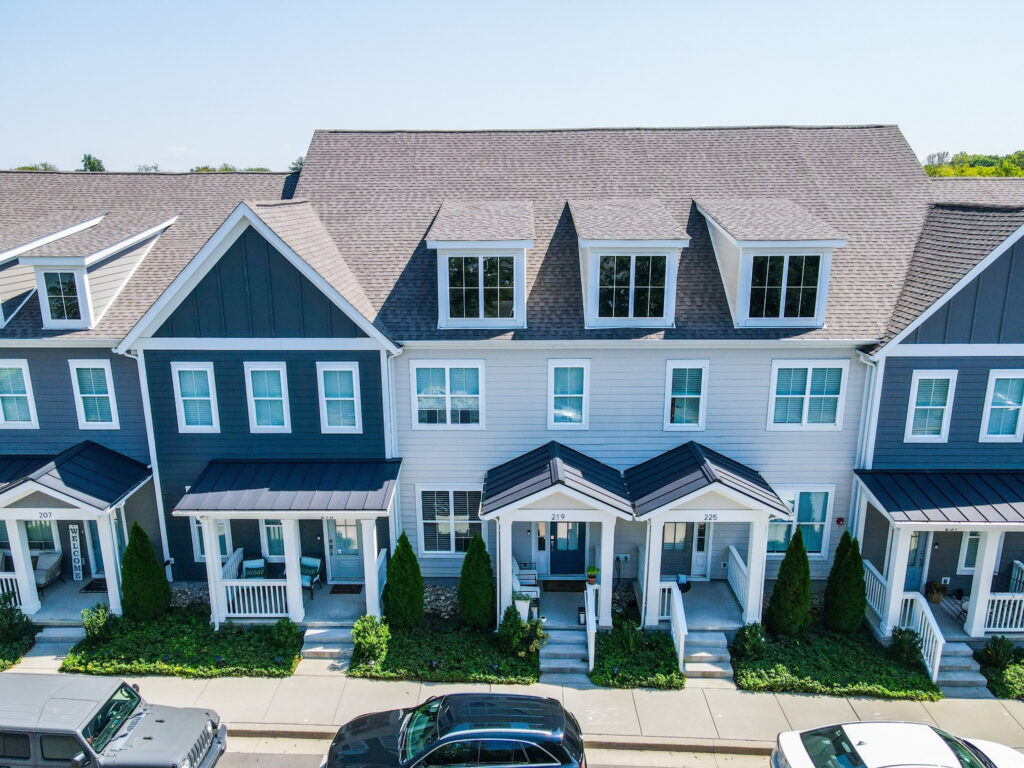
VS
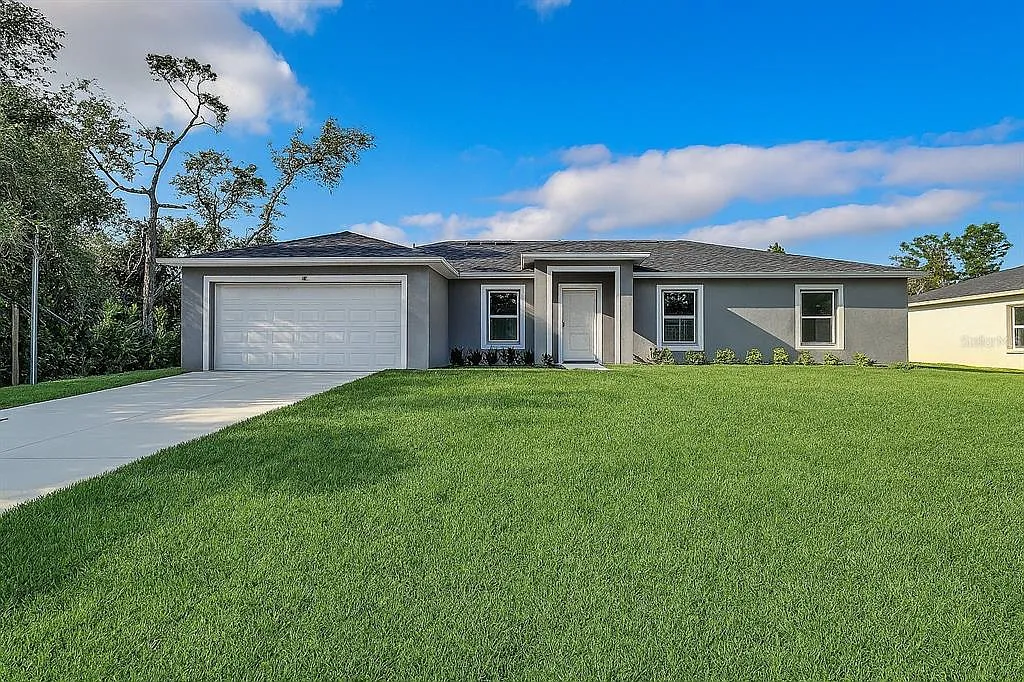
Out‑of‑State investors can compare Tennessee’s newer rental with higher NOI vs Florida’s A+ property with strong yield. Which fits YOUR investment strategy?
We have much more inventory available than what you see on our website – Let us know about your requirement.
📈 Choose Your Winner & Contact Us Today!
Speak to a Norada Investment Counselor (No Obligation):
(800) 611-3060
Mortgage rates remain high in 2026, but rental properties continue to deliver strong cash flow and appreciation. Savvy investors know that turnkey real estate is the path to passive income and long‑term wealth.
Norada Real Estate helps you secure turnkey rental properties designed for immediate cash flow and appreciation—so you can invest smartly regardless of interest rate trends.
Also Read:
- Mortgage Rates Predictions Backed by 7 Leading Experts: 2025–2026
- Mortgage Rate Predictions for the Next 3 Years: 2026, 2027, 2028
- 30-Year Fixed Mortgage Rate Forecast for the Next 5 Years
- 15-Year Fixed Mortgage Rate Predictions for Next 5 Years: 2025-2029
- Will Mortgage Rates Ever Be 3% Again in the Future?
- Mortgage Rates Predictions for Next 2 Years
- Mortgage Rate Predictions for Next 5 Years
- Mortgage Rate Predictions: Why 2% and 3% Rates are Out of Reach
- How Lower Mortgage Rates Can Save You Thousands?
- How to Get a Low Mortgage Interest Rate?
- Will Mortgage Rates Ever Be 4% Again?