If you've been keeping an eye on mortgage rates, you'll know that even small shifts can make a big difference. Today, June 20, 2026, we're seeing a slight tick upwards for the popular 30-year fixed refinance rate. It's now sitting at 6.75%, a little higher than last week's 6.72%. While this might not sound like a huge jump, it's important to understand what's behind these numbers and what it means for you.
As of today, Saturday, June 20, 2026, the national average for a 30-year fixed refinance rate is 6.75%, according to Zillow. This is a modest increase of 3 basis points from the previous week. The 15-year fixed refinance rate is holding steady at 5.89%, and the 5-year ARM refinance rate is at 6.12%.
Mortgage Rates Today, June 20, 2026: 30-Year Refinance Rate Rises by 3 Basis Points
What's Moving the Mortgage Rate Needle?
It's easy to just see a number and move on, but I like to dig a little deeper and understand the “why” behind it. Several big economic forces are at play right now, and they're influencing what you see on your screen.
First off, the Federal Reserve recently decided to keep its benchmark interest rate right where it is, between 3.5% and 3.75%. This is like hitting the pause button on any immediate drops in mortgage rates. When the Fed keeps rates steady, it tends to take some pressure off mortgage rates to go down.
Secondly, we've seen a jump in inflation. The Consumer Price Index (CPI) for May came in at 4.2%, which is the highest it's been in a while. When inflation is high, the Fed often uses interest rates to try and cool things down. This stubborn inflation has made financial folks think there's a decent chance (about 43%) that interest rates might go up later this year. When the possibility of higher rates looms, it tends to push bond yields up, and that directly affects mortgage rates.
And then there are the geopolitical events, particularly concerning energy. The ongoing situation in Iran has caused oil prices to soar past $100 a barrel earlier this year. This directly feeds into the cost of energy, which is a big part of inflation. Even though there was some temporary relief when there was good news about the Strait of Hormuz, the markets are still pretty sensitive to anything happening in the Middle East. These global events can create a ripple effect that touches mortgage rates.
Should You Refinance Right Now? Let's Break It Down.
Knowing these factors is great, but what does it mean for your wallet? Refinancing your mortgage is a big decision, and it's not a one-size-fits-all answer.
Here's a simple way to think about when refinancing makes sense, based on current rates:
| Current Rate Scenarios | What This Might Mean For You |
|---|---|
| Over 7.0% | Strong Candidate! You'll likely see lower monthly payments and save money on interest over time. |
| 5.5% – 6.5% | Case-by-Case Refi. You'll need to look closely at how long it takes to make back your closing costs (the break-even point). The length of your loan is also something to consider. |
| Under 5.0% | Hold Your Current Loan. It's usually best to stick with your current, lower rate. You might consider tapping into your home's equity using a HELOC or a home equity loan instead. |
From my experience, I see a lot of homeowners who got lucky with those super-low rates during the pandemic. If you're one of them, refinancing into today's mid-6% range probably doesn't make much sense unless you're trying to combine debts from high-interest loans. However, if you bought a home more recently when rates were higher, perhaps near that 7.5% mark, refinancing now could lead to some significant savings each month.
Calculating Your Break-Even Point
When you refinance, there are closing costs. These can add up, usually between 2% and 6% of the amount you owe on your mortgage. To figure out if refinancing is worth it, I always recommend doing this simple calculation:
- Total Closing Costs / Monthly Savings = Break-Even Month
If you think you'll be moving or want to pay off your house before you reach that break-even month, then refinancing might not be the best move for you. It's all about making sure the savings outweigh the upfront costs.
Thinking Outside the Refinance Box: Tapping into Equity
Sometimes, people want to refinance not just for a lower rate, but to get cash out for things like home improvements or other expenses. If that's your goal, and you have a great, low rate on your main mortgage, don't trade it in for a higher rate on a new 30-year loan!
Instead, I'd suggest looking into other options like a Home Equity Line of Credit (HELOC) or a home equity loan. These allow you to borrow against the value you've built up in your home without touching that nice, low rate on your primary mortgage. It's a smart way to get the funds you need while keeping your main mortgage payment as low as possible.
As always, mortgage rates are influenced by a lot of different things, and what's right for one person might not be right for another. Keep an eye on these numbers, understand the forces behind them, and always crunch the numbers to see if a refinance truly benefits you.

VS
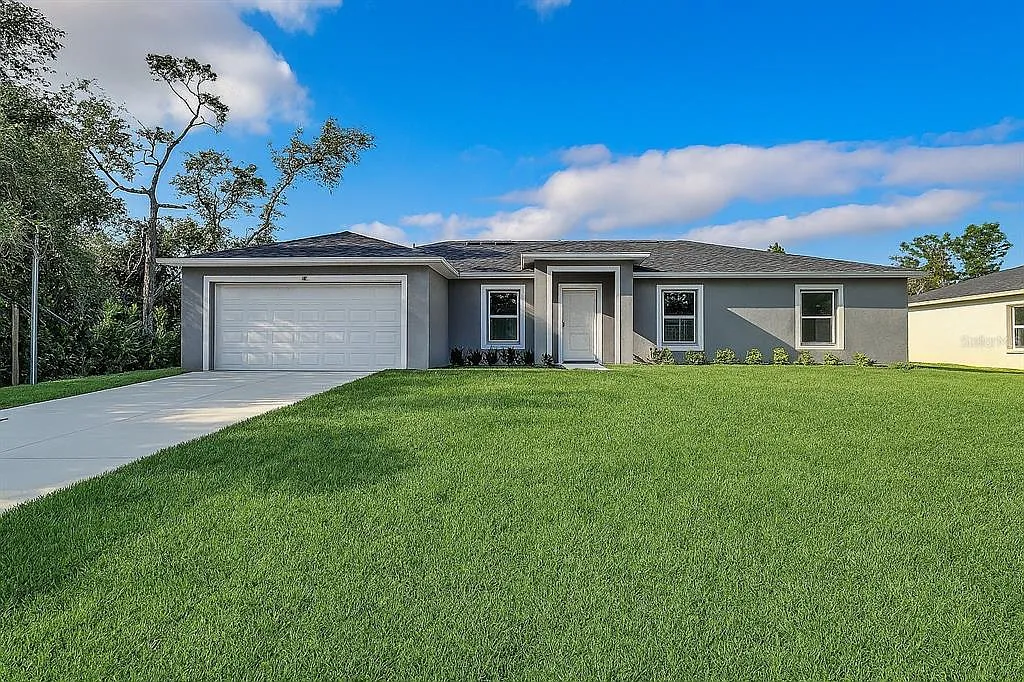
Out‑of‑State investors can compare Tennessee’s newer rental with higher NOI vs Florida’s A+ property with strong yield. Which fits YOUR investment strategy?
We have much more inventory available than what you see on our website – Let us know about your requirement.
📈 Choose Your Winner & Contact Us Today!
Speak to a Norada Investment Counselor (No Obligation):
(800) 611-3060
Mortgage rates remain high in 2026, but rental properties continue to deliver strong cash flow and appreciation. Savvy investors know that turnkey real estate is the path to passive income and long‑term wealth.
Norada Real Estate helps you secure turnkey rental properties designed for immediate cash flow and appreciation—so you can invest smartly regardless of interest rate trends.
Also Read:
- Mortgage Rates Predictions Backed by 7 Leading Experts: 2025–2026
- Mortgage Rate Predictions for the Next 3 Years: 2026, 2027, 2028
- 30-Year Fixed Mortgage Rate Forecast for the Next 5 Years
- 15-Year Fixed Mortgage Rate Predictions for Next 5 Years: 2025-2029
- Will Mortgage Rates Ever Be 3% Again in the Future?
- Mortgage Rates Predictions for Next 2 Years
- Mortgage Rate Predictions for Next 5 Years
- Mortgage Rate Predictions: Why 2% and 3% Rates are Out of Reach
- How Lower Mortgage Rates Can Save You Thousands?
- How to Get a Low Mortgage Interest Rate?
- Will Mortgage Rates Ever Be 4% Again?