Good news for homeowners looking to refinance! Today, June 22, 2026, we're seeing a slight but welcome dip in the national average 30-year fixed refinance rate, falling by 5 basis points to 6.65%. This move, announced by Zillow, signals a potentially brighter picture for those aiming to adjust their mortgage terms.
It’s a bit like finding a few extra dollars in your pocket when you least expect it, isn't it? That’s how I feel about these rate movements. For months, we’ve been in a sort of holding pattern, with rates hovering around the mid-6% range. So, any movement downwards, even a small one like this, is worth paying attention to. It means the door to potentially saving money on your home loan is still open, and maybe even a little wider today.
Mortgage Rates Today, June 22, 2026: 30-Year Refinance Rate Drops by 5 Basis Points
What’s Happening with the Rates?
Let's break down what these numbers mean for you.
- 30-Year Fixed Refinance Rate: This is the big story today. It’s dropped from 6.70% to 6.65%. That might not sound like a huge difference, but over the life of a mortgage, those basis points can add up.
- 15-Year Fixed Refinance Rate: On the flip side, the average 15-year fixed refinance rate has nudged up a bit, from 5.87% to 5.93%. This means if you're looking at a shorter loan term, the savings might be less dramatic compared to longer terms.
- 5-Year ARM Refinance Rate: The adjustable-rate mortgage (ARM) for 5 years is holding steady at 6.21%. These rates can be attractive initially, but it’s important to remember they can change later on.
Here’s a quick look at the numbers as reported by Zillow:
| Loan Type | Today's Average Rate (June 22, 2026) | Previous Average Rate (Approx.) | Change |
|---|---|---|---|
| 30-Year Fixed Refinance | 6.65% | 6.70% | Down 5 basis points |
| 15-Year Fixed Refinance | 5.93% | 5.87% | Up 6 basis points |
| 5-Year ARM Refinance | 6.21% | 6.21% | Steady |
As you can see, the 30-year is the one showing a dip. For many people, this is the sweet spot when they're thinking about refinancing.
Why Are Rates Moving?
It’s natural to wonder what’s causing these shifts. It's not magic, but rather a mix of economic forces. Think of it like a seesaw. When one side goes up, the other tends to go down. For mortgage rates, the big players are:
- Inflation Expectations: How much do people think prices will go up in the future? If folks expect prices to rise faster, lenders might charge more for loans.
- Treasury Yields: This is a big one. Mortgage rates often follow the 10-year U.S. Treasury yield. Even if the Federal Reserve (the “Fed”) isn't changing its main interest rate, Treasury yields can move around based on all sorts of news and predictions.
- Fed Policy Signals: What is the Fed planning to do? Even hints about future interest rate changes can influence today’s mortgage rates.
- Lender Demand: How much do banks and mortgage companies want to lend money? If they’re eager to do business, they might offer better rates.
Right now, the news is a bit mixed. We're seeing the economy holding up pretty well, but inflation isn't completely disappearing. This keeps refinance rates in that mid-6% area. It's not quite as low as we saw a few years back, but it’s certainly better than if they were climbing!
Should You Refinance Now? My Thoughts.
This is where I put on my “been-around-the-block” hat. Just because a rate is lower doesn't automatically mean it's the right time for you to refinance. I've seen too many people jump into refinances that didn't really save them money in the long run because they didn't look at the whole picture.
Refinancing is most helpful when it helps you achieve a specific financial goal. What’s yours?
- Lowering your monthly payment? This is the most common reason.
- Paying off your loan faster? Maybe you want to be mortgage-free sooner.
- Getting cash out? Perhaps for a home renovation, to pay off debt, or for an investment.
The key test, in my book, is the break-even point. You take your total closing costs (all the fees and expenses to get the new loan) and divide it by how much money you save each month. That tells you how long it will take for the savings to pay for the costs. If you plan to move or sell the house before you reach that break-even point, the refinance might not be worth it.
Practical Steps for Refinancing
If you’re thinking about taking advantage of today’s slightly lower 30-year rate, here’s my advice on how to approach it:
- Look Beyond the Headline Rate: That advertised rate is just a starting point. Closing costs are a huge factor. Make sure the monthly savings are big enough to offset these upfront expenses within a reasonable timeframe.
- Shop Around! This is crucial. I can't stress this enough. Rates and fees can vary a lot from one lender to another. Don't just go with the first one you talk to. Get quotes from at least three or four different places.
- Check Your Financial Health: Lenders will look at your credit score, how much debt you have compared to your income (your debt-to-income ratio), and how much equity you have in your home. If these are in good shape, you'll likely get a better rate. If they're a bit shaky, you might need to improve them before applying.
- Know Your Goal: Are you trying to shave money off your monthly payment, pay off the house in 15 years instead of 30, or pull some cash out of your home's value? Your goal will determine the “best” type of refinance for you.
A Simple Example to Help You Think
Let's say you're looking at a refinance that saves you $180 per month. If the total closing costs for this new loan are $4,500, your break-even point is 25 months (that's $4,500 divided by $180). So, after a little over two years, you'll start truly saving money. If you plan to stay in your home for, say, five years, this refinance looks pretty good. But if you think you might sell in 18 months, it might not be the wisest move.
These rate movements are important, but they’re just one piece of the puzzle. Taking the time to understand your own financial situation and goals is what will truly lead to a smart decision.
VS
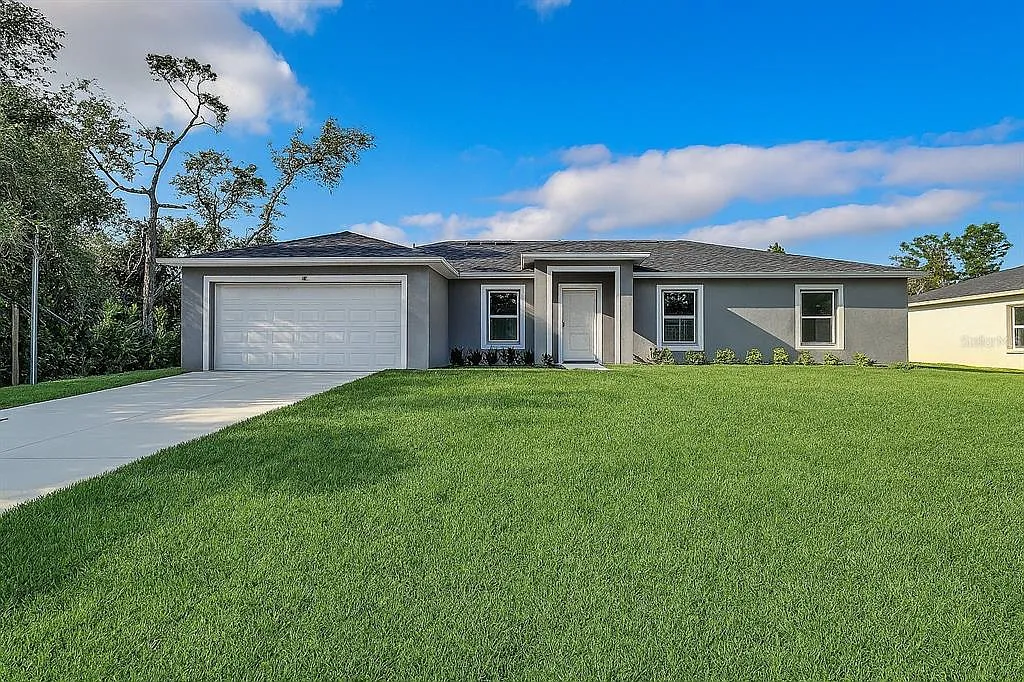
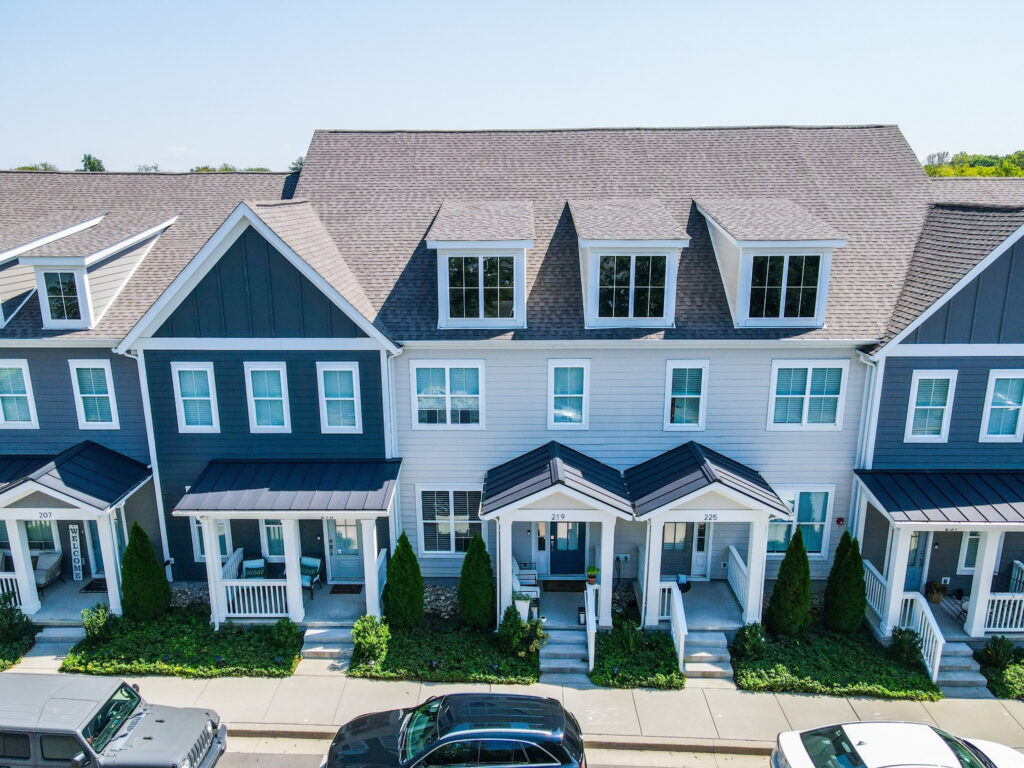
Out‑of‑State investors can compare Tennessee’s newer rental with higher NOI vs Florida’s A+ property with strong yield. Which fits YOUR investment strategy?
We have much more inventory available than what you see on our website – Let us know about your requirement.
📈 Choose Your Winner & Contact Us Today!
Speak to a Norada Investment Counselor (No Obligation):
(800) 611-3060
Mortgage rates remain high in 2026, but rental properties continue to deliver strong cash flow and appreciation. Savvy investors know that turnkey real estate is the path to passive income and long‑term wealth.
Norada Real Estate helps you secure turnkey rental properties designed for immediate cash flow and appreciation—so you can invest smartly regardless of interest rate trends.
Also Read:
- Mortgage Rates Predictions Backed by 7 Leading Experts: 2025–2026
- Mortgage Rate Predictions for the Next 3 Years: 2026, 2027, 2028
- 30-Year Fixed Mortgage Rate Forecast for the Next 5 Years
- 15-Year Fixed Mortgage Rate Predictions for Next 5 Years: 2025-2029
- Will Mortgage Rates Ever Be 3% Again in the Future?
- Mortgage Rates Predictions for Next 2 Years
- Mortgage Rate Predictions for Next 5 Years
- Mortgage Rate Predictions: Why 2% and 3% Rates are Out of Reach
- How Lower Mortgage Rates Can Save You Thousands?
- How to Get a Low Mortgage Interest Rate?
- Will Mortgage Rates Ever Be 4% Again?